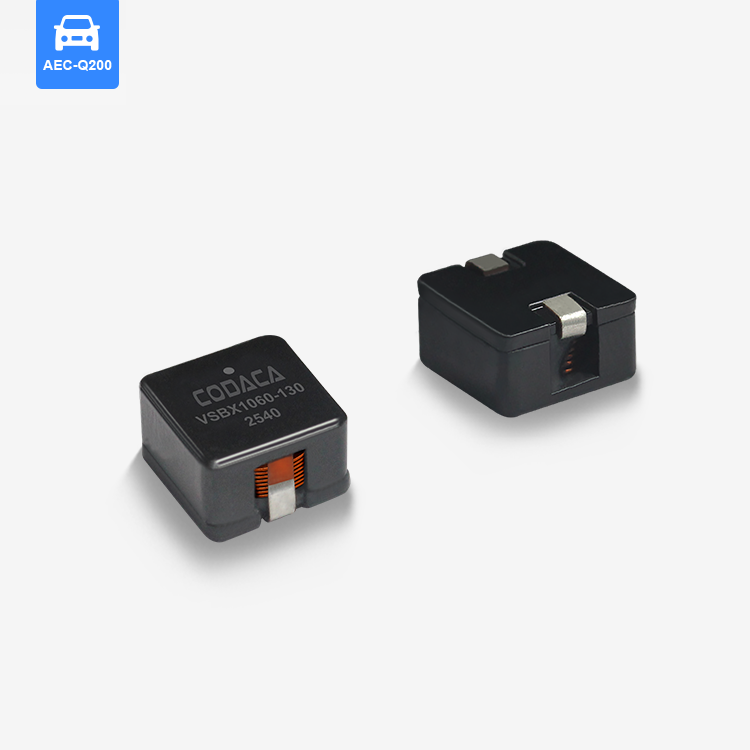
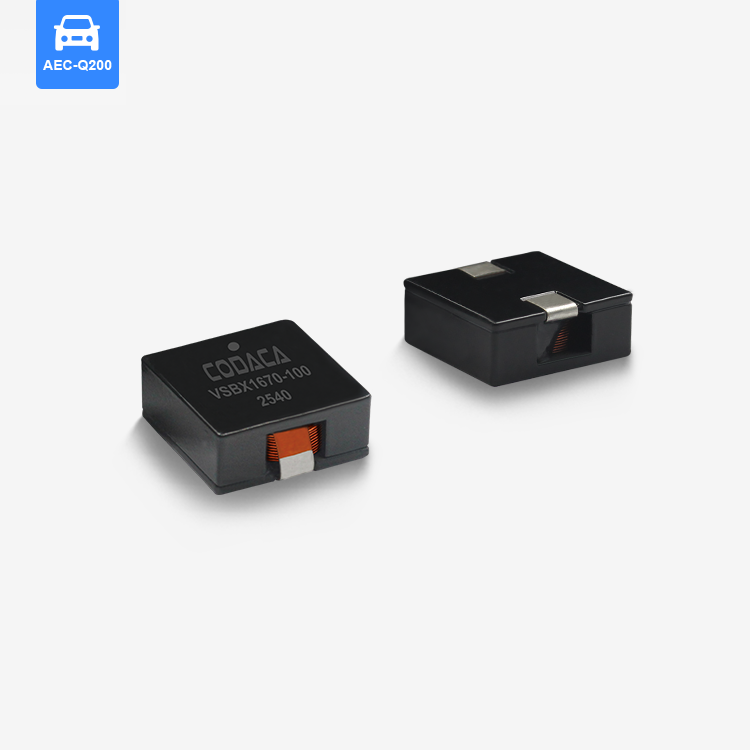
High Current Power Inductors - Superior Performance for Demanding Applications

All Categories

Get a Free Quote

Our representative will contact you soon.
Email
Name
Company Name
Message
0/1000

high current power inductor

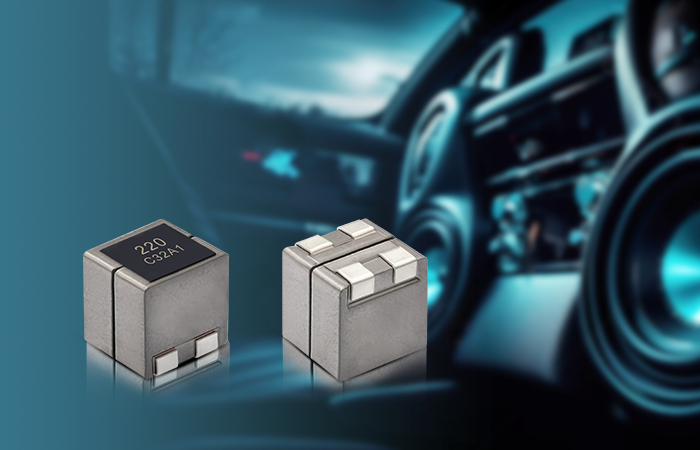
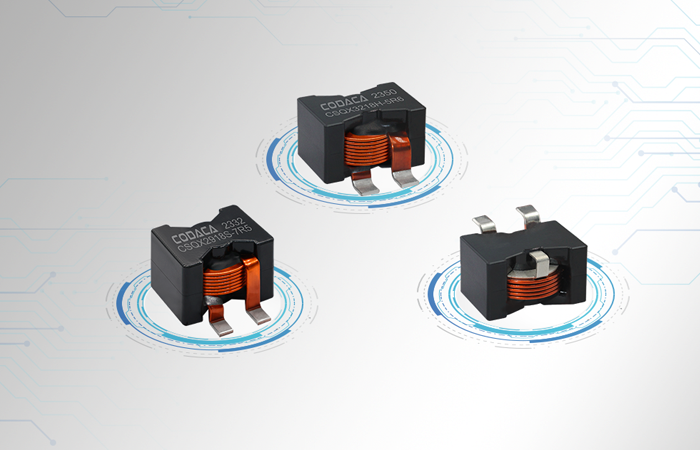
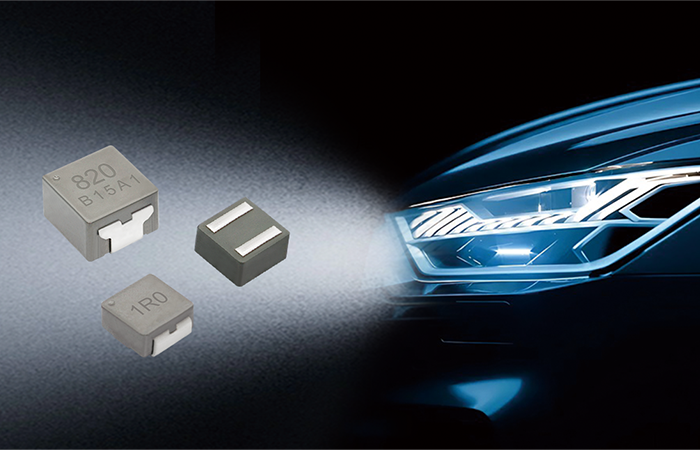
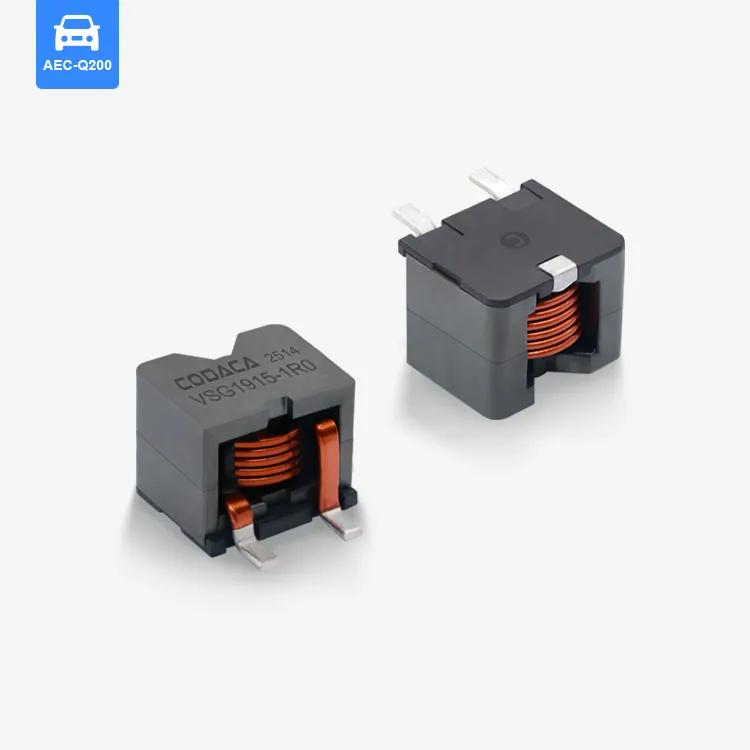
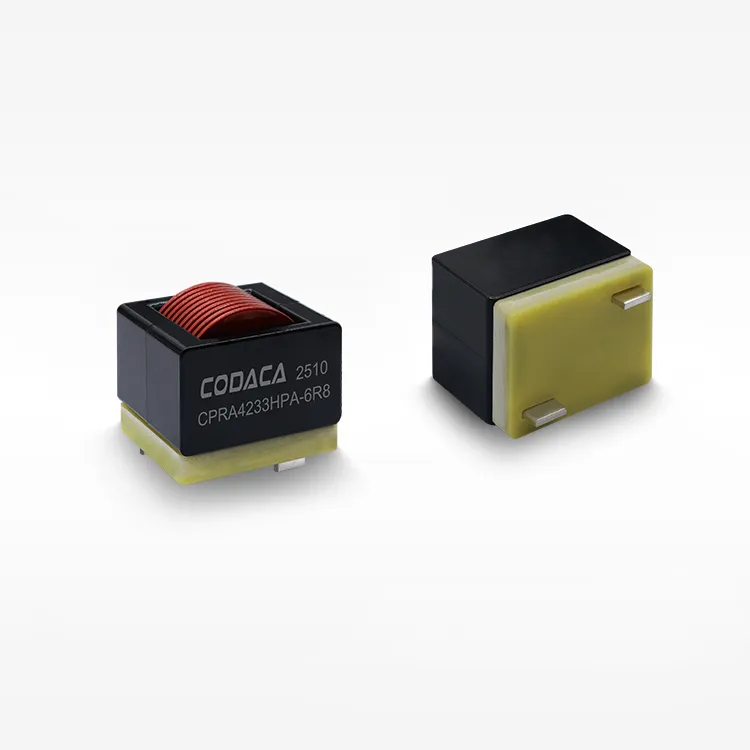
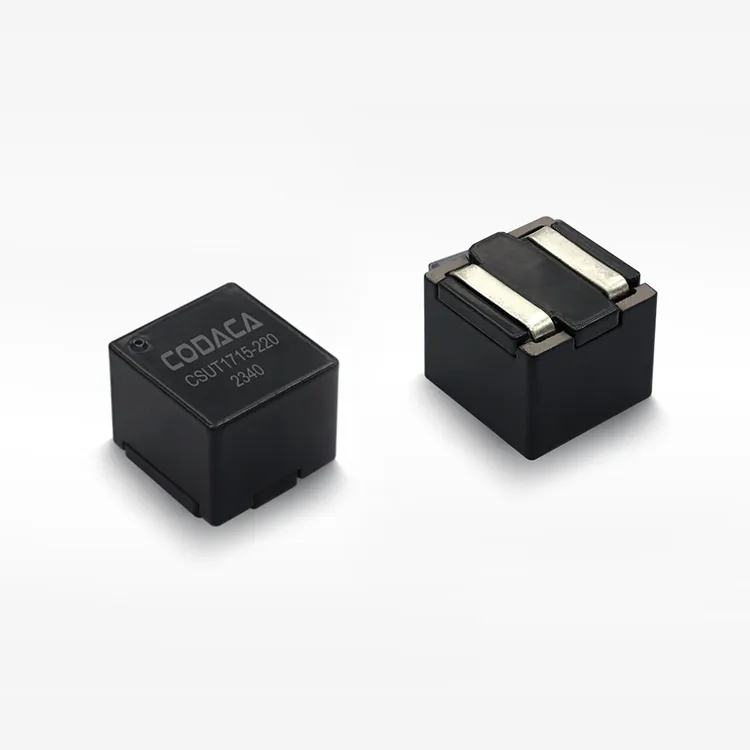
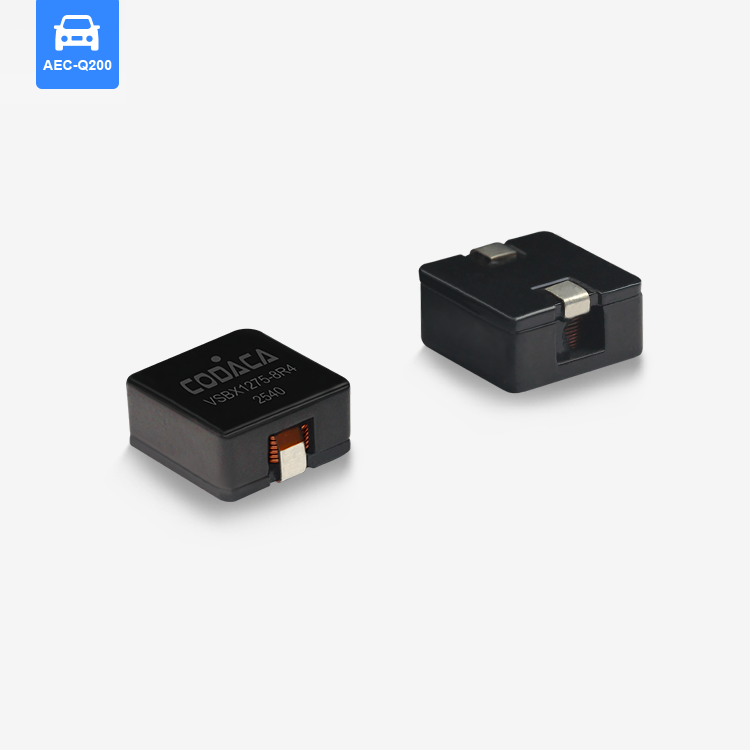
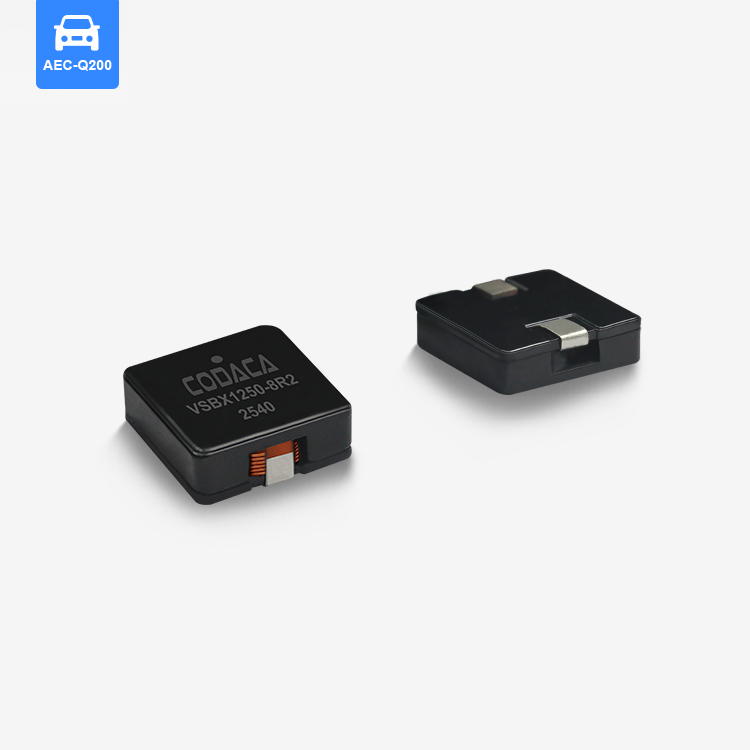
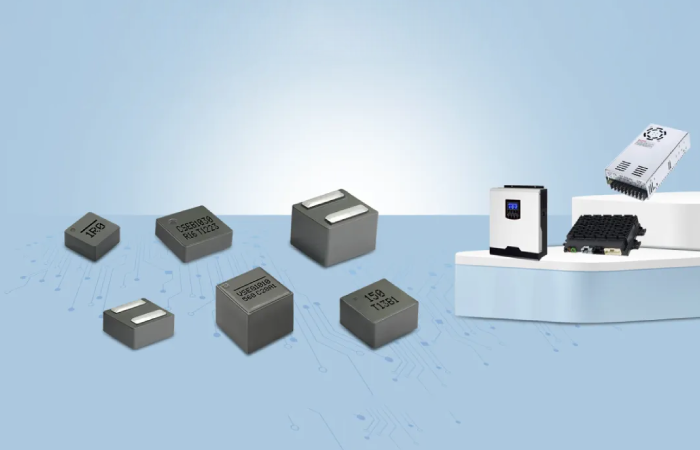
The high current power inductor represents a critical electronic component designed to handle substantial electrical currents while maintaining exceptional performance and reliability. These specialized inductors are engineered to store magnetic energy in their coil structure, providing essential functions in power management circuits where high amperage flows are commonplace. Unlike standard inductors, high current power inductors feature robust construction with enhanced core materials and optimized winding techniques that enable them to operate effectively under demanding electrical conditions. The primary function of a high current power inductor involves filtering, energy storage, and current regulation in various power conversion applications. These components excel at smoothing current ripples, reducing electromagnetic interference, and maintaining stable power delivery across diverse operating conditions. The technological features of high current power inductors include advanced magnetic core materials such as ferrite or powdered iron, which provide superior saturation characteristics and thermal stability. The winding design typically incorporates heavy-gauge copper wire or specialized conductors capable of carrying significant current loads without excessive heating or voltage drops. Many high current power inductors also feature innovative packaging solutions, including surface-mount designs that facilitate automated assembly processes while maintaining excellent thermal dissipation properties. The applications for high current power inductors span numerous industries and technologies, including automotive electronics, renewable energy systems, industrial motor drives, telecommunications infrastructure, and consumer electronics. In automotive applications, these inductors support electric vehicle charging systems, hybrid powertrains, and advanced driver assistance systems. Renewable energy installations rely on high current power inductors for solar inverters, wind turbine controllers, and battery management systems. Industrial applications encompass variable frequency drives, welding equipment, and uninterruptible power supplies where reliable current handling capabilities are paramount for operational success.

New Product Recommendations

High current power inductors deliver numerous practical benefits that directly impact system performance, cost-effectiveness, and operational reliability for engineers and manufacturers. The primary advantage lies in their exceptional current handling capability, which eliminates the need for parallel connections of multiple smaller inductors, thereby reducing component count, board space requirements, and assembly complexity. This streamlined approach translates to lower manufacturing costs and improved system reliability since fewer solder joints and connections reduce potential failure points. The superior thermal management characteristics of high current power inductors enable sustained operation at elevated temperatures without performance degradation, making them ideal for demanding environments where cooling options may be limited. This thermal resilience extends component lifespan and reduces maintenance requirements, providing long-term cost savings for end users. Another significant advantage involves the enhanced efficiency these inductors provide in power conversion applications. The optimized core materials and low-resistance windings minimize power losses, contributing to overall system efficiency improvements that can range from two to five percent compared to conventional alternatives. This efficiency gain becomes particularly valuable in battery-powered applications where extended operating time directly impacts user experience and satisfaction. The compact form factors available in high current power inductors enable designers to create smaller, lighter products without compromising electrical performance. This size reduction opens opportunities for portable applications and space-constrained installations where every millimeter matters. The electromagnetic compatibility characteristics of high current power inductors also provide substantial benefits by reducing conducted and radiated emissions, helping products meet regulatory compliance requirements more easily. The robust construction methods employed in manufacturing high current power inductors result in superior mechanical stability, vibration resistance, and shock tolerance compared to standard alternatives. This durability proves essential in automotive, aerospace, and industrial applications where components must withstand harsh operating conditions while maintaining consistent performance. The wide operating temperature ranges supported by high current power inductors provide design flexibility and enable deployment in extreme environments from arctic conditions to high-temperature industrial processes.

Latest News

The Science Behind Automotive Grade Molding Power Choke Design

31

Mar

The Science Behind Automotive Grade Molding Power Choke Design

Introduction Automotive grade molding power chokes, also known as molded power inductors, are essential components in electrical circuits particularly within the automotive industry. These chokes consist of a coil of wire wound around a ferrite core...
View More
The Role of Molding Power Chokes in Energy Storage Systems

13

May

The Role of Molding Power Chokes in Energy Storage Systems

Understanding Molding Power Chokes in Energy Storage Definition and Core Components Power Chokes are important inductive devices used in energy storage systems and they are commonly used to filter high frequency signals. These chokes are mainly...
View More
Molding Power Chokes: A Comprehensive Review of the Market

13

May

Molding Power Chokes: A Comprehensive Review of the Market

What Are Molding Power Chokes? Definition and Core Functionality Molding power chokes are inductive elements that control current flow within circuits. For the transport of electrical power, energy is advantageously stored in magnetic fields, w...
View More
A Comprehensive Review of the SMD Power Inductor Market

13

May

A Comprehensive Review of the SMD Power Inductor Market

Overview of the SMD Power Inductor Market Defining SMD Power Inductors and Core Functionality SMD power inductor is a kind of basic components in electronic circuit which always used as a anti interference in electronics. They are parts of...
View More

Get a Free Quote

Our representative will contact you soon.
Email
Name
Company Name
Message
0/1000

high current power inductor

Advanced Core Technology and Superior Current Handling

Advanced Core Technology and Superior Current Handling

The revolutionary core technology employed in high current power inductors represents a significant breakthrough in magnetic component design, delivering unprecedented current handling capabilities that transform power management applications across multiple industries. These sophisticated inductors utilize advanced ferrite compositions and powder metallurgy techniques to create magnetic cores with exceptional saturation characteristics, enabling them to maintain inductance stability even under extreme current conditions that would saturate conventional inductors. The proprietary core materials feature carefully engineered permeability profiles that optimize performance across wide frequency ranges while minimizing core losses and temperature rise during operation. This advanced core technology allows high current power inductors to handle currents ranging from several amperes to hundreds of amperes without experiencing significant inductance degradation or thermal issues. The superior current handling capability eliminates design constraints that previously forced engineers to use multiple parallel inductors or oversized components, enabling more compact and cost-effective solutions. The innovative core structure also incorporates distributed air gap technology that prevents magnetic saturation while maintaining consistent inductance values under varying current loads. This technological advancement proves particularly valuable in applications such as electric vehicle charging systems, where current levels can fluctuate dramatically during different charging phases. The enhanced current handling also benefits industrial motor drives, renewable energy converters, and telecommunications power supplies where reliability under high current conditions directly impacts system performance and operational costs. The advanced core materials exhibit excellent temperature stability, maintaining their magnetic properties across temperature ranges from negative forty degrees Celsius to over one hundred fifty degrees Celsius, ensuring consistent performance in diverse environmental conditions. This temperature resilience, combined with superior current handling, makes high current power inductors ideal for automotive applications where components must operate reliably in engine compartments and other challenging thermal environments.
Compact Design with Maximum Power Density

Compact Design with Maximum Power Density

The exceptional power density achieved by high current power inductors revolutionizes space-constrained applications by delivering maximum electrical performance within minimal physical footprints, addressing the growing demand for compact yet powerful electronic systems across consumer, industrial, and automotive markets. This remarkable power density results from innovative design methodologies that optimize every aspect of the inductor structure, from core geometry to winding configuration, creating components that pack substantially more current handling capability into smaller packages compared to traditional alternatives. The compact design philosophy begins with advanced core shaping techniques that maximize magnetic flux utilization while minimizing overall component dimensions, enabling designers to achieve target inductance values with significantly reduced core volumes. The sophisticated winding techniques employed in manufacturing these inductors utilize high-current density conductors and optimized layer arrangements that minimize resistive losses while maximizing current carrying capacity within the available space. This space efficiency proves invaluable in applications such as smartphone chargers, tablet power supplies, and portable medical devices where board real estate commands premium pricing and size constraints directly impact product competitiveness. The compact form factors also benefit automotive electronics where weight reduction contributes to improved fuel efficiency and enhanced vehicle performance characteristics. Industrial applications benefit from the space savings through reduced enclosure sizes, lower shipping costs, and simplified installation procedures that reduce labor expenses during system deployment. The maximum power density characteristics of high current power inductors enable power supply designers to achieve higher power output ratings without increasing product dimensions, opening opportunities for more powerful products within existing form factors. This capability proves particularly valuable in server power supplies, telecommunications equipment, and renewable energy systems where power density improvements translate directly to competitive advantages and operational benefits. The compact design also facilitates improved thermal management through optimized heat dissipation paths and reduced thermal resistance, enabling sustained operation at higher power levels without compromising reliability or component lifespan.
Enhanced Reliability and Long-Term Performance

Enhanced Reliability and Long-Term Performance

The exceptional reliability and long-term performance characteristics of high current power inductors establish them as the preferred choice for mission-critical applications where component failure could result in significant operational disruption, safety concerns, or financial losses across diverse industries from aerospace to renewable energy systems. This superior reliability stems from comprehensive design approaches that address potential failure modes through material selection, manufacturing processes, and quality assurance procedures that exceed standard industry requirements. The enhanced reliability begins with carefully selected core materials that resist degradation under thermal cycling, mechanical stress, and electromagnetic exposure, ensuring consistent magnetic properties throughout extended operating periods. The advanced winding techniques utilize high-grade copper conductors with specialized insulation systems that prevent breakdown under high voltage transients and thermal excursions commonly encountered in power electronics applications. The manufacturing processes incorporate rigorous quality control measures including automated testing procedures that verify electrical parameters, mechanical integrity, and thermal characteristics before components leave production facilities. The long-term performance advantages include exceptional inductance stability over time, with typical drift rates less than five percent over ten years of continuous operation under rated conditions. This stability proves crucial for applications such as medical equipment, aerospace systems, and industrial process controls where parameter drift could compromise system accuracy or safety margins. The robust construction methods employed in high current power inductor manufacturing result in superior resistance to mechanical vibration, shock loads, and thermal expansion stresses that commonly cause premature failure in conventional components. The enhanced reliability also encompasses excellent moisture resistance and chemical compatibility that enable deployment in harsh environmental conditions including marine applications, outdoor installations, and industrial processes involving corrosive atmospheres. The comprehensive testing protocols applied during development and production ensure consistent performance across production lots and extended operational periods, providing engineers with confidence in design specifications and reducing warranty concerns for end products incorporating these components.