High-Performance Toroidal Inductors - Superior Efficiency & Compact Design Solutions

All Categories

Get a Free Quote

Our representative will contact you soon.
Email
Name
Company Name
Message
0/1000

toroidal inductor

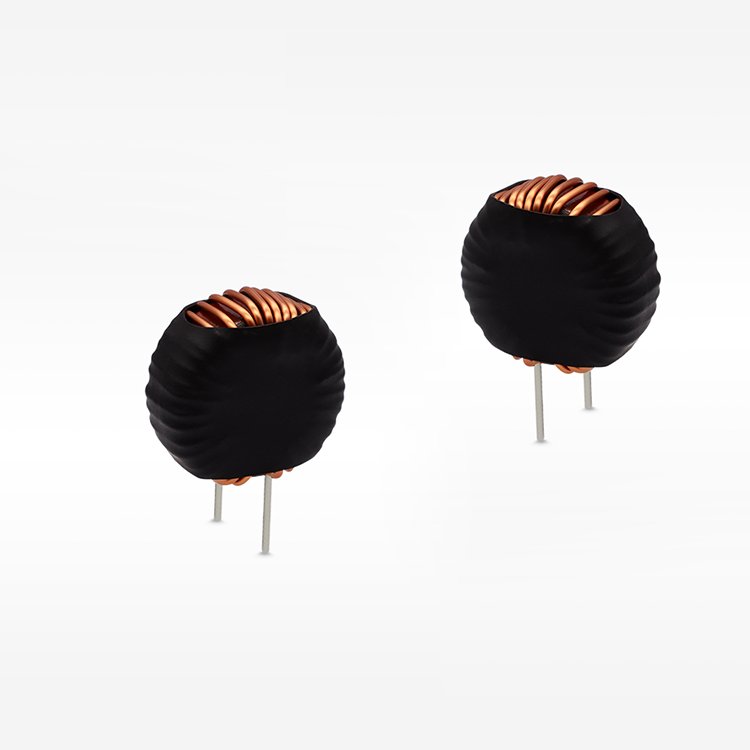
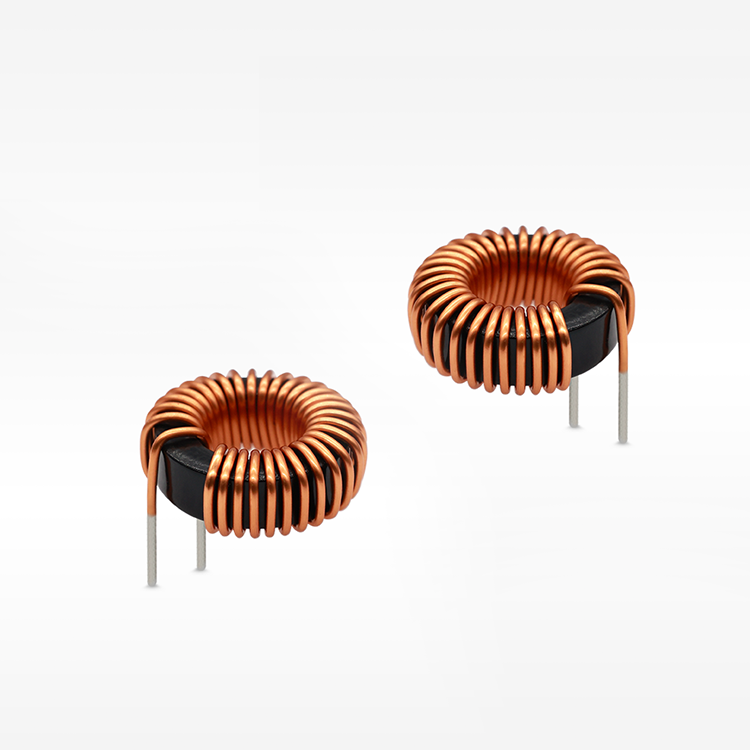
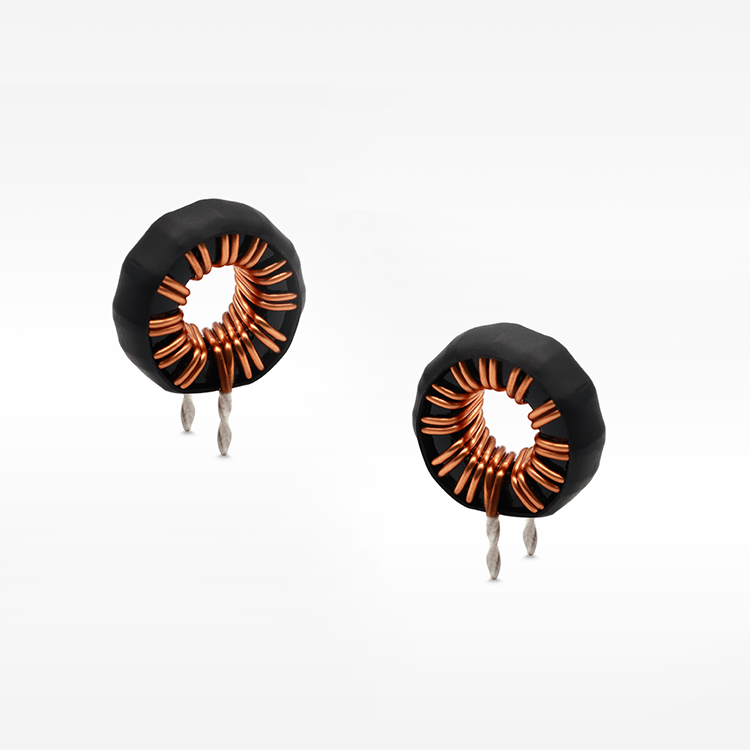
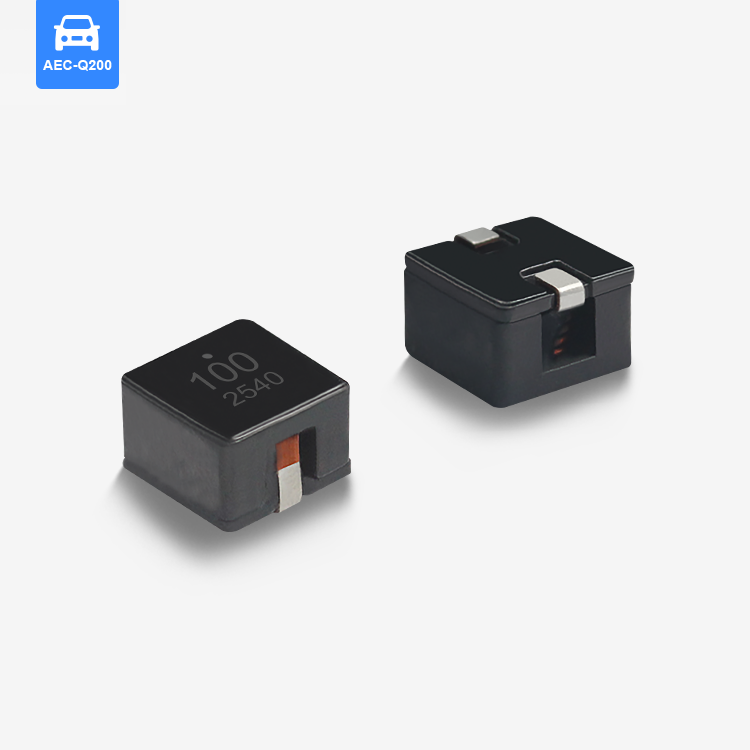
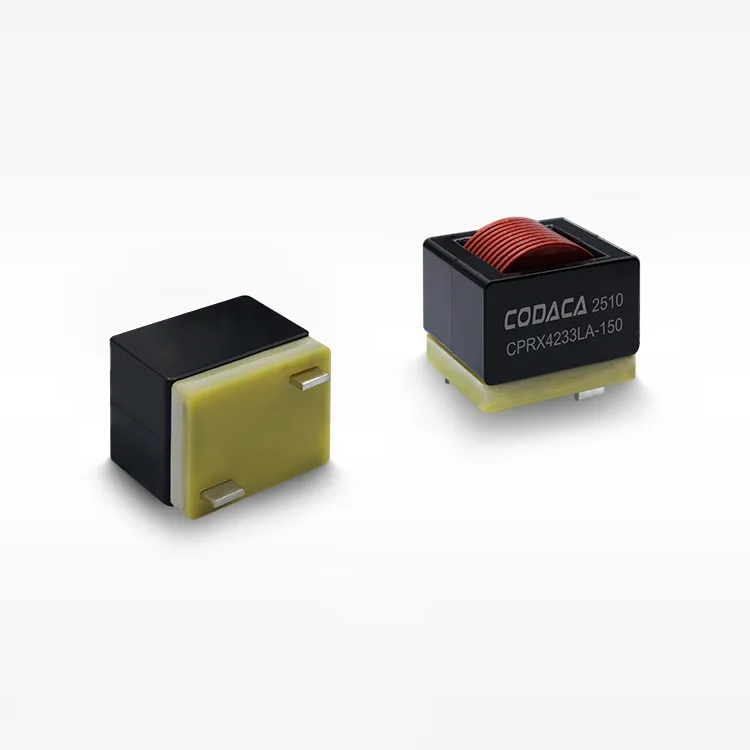
A toroidal inductor represents a specialized electromagnetic component designed with a unique doughnut-shaped core that revolutionizes electrical circuit performance. The toroidal inductor features a magnetic core wound in a circular configuration, creating a closed-loop magnetic path that significantly enhances its operational efficiency. This distinctive design eliminates the air gaps found in traditional inductors, resulting in superior magnetic field containment and reduced electromagnetic interference. The main function of a toroidal inductor centers on storing energy in its magnetic field while regulating current flow in electronic circuits. When alternating current passes through the coiled wire wrapped around the toroidal core, it generates a magnetic field that opposes changes in current, providing essential filtering and energy storage capabilities. The technological features of toroidal inductors include their compact form factor, high inductance values, and exceptional temperature stability. The circular geometry allows for uniform magnetic flux distribution, minimizing core losses and maximizing energy transfer efficiency. These components typically utilize ferrite or powdered iron cores, each offering specific magnetic properties suited for different frequency ranges and power applications. Toroidal inductors find extensive applications across numerous industries, including power supplies, audio equipment, telecommunications systems, and automotive electronics. In switching power supplies, these inductors provide crucial energy storage and voltage regulation functions. Audio systems benefit from their low electromagnetic interference characteristics, ensuring clean signal transmission without unwanted noise. The telecommunications industry relies on toroidal inductors for signal filtering and impedance matching in communication networks. Their compact size and high efficiency make them ideal for space-constrained applications such as mobile devices and embedded systems. Manufacturing processes for toroidal inductors involve precision winding techniques that ensure consistent electrical characteristics and mechanical stability, making them reliable components for demanding applications.

New Products

Toroidal inductors deliver exceptional performance benefits that make them superior choices for modern electronic applications. The primary advantage lies in their remarkable efficiency, with toroidal inductors achieving up to 95% energy transfer rates compared to conventional inductor designs that typically reach only 80-85% efficiency. This increased efficiency translates directly into reduced power consumption and lower operating costs for end users. The unique circular design of toroidal inductors creates a self-contained magnetic field that dramatically reduces electromagnetic interference emissions. This containment prevents unwanted signal coupling with nearby components, eliminating the need for additional shielding materials and reducing overall system costs. Engineers appreciate how toroidal inductors simplify circuit board layouts by minimizing interference concerns and allowing for more compact designs. Space optimization represents another significant advantage, as toroidal inductors provide higher inductance values in smaller packages compared to traditional linear inductors. This compact footprint enables manufacturers to create smaller products without sacrificing performance, meeting consumer demands for portable electronics and streamlined industrial equipment. The thermal performance of toroidal inductors surpasses conventional alternatives due to their superior heat dissipation characteristics. The circular winding pattern distributes heat more evenly across the component, preventing hot spots that could lead to premature failure or performance degradation. This enhanced thermal management extends component lifespan and reduces maintenance requirements, providing long-term cost savings for customers. Manufacturing consistency in toroidal inductors ensures predictable electrical characteristics across production batches. The automated winding processes used in toroidal inductor production achieve tighter tolerances than hand-wound alternatives, resulting in more reliable circuit performance and reduced quality control costs. Additionally, toroidal inductors exhibit excellent frequency response characteristics across wide bandwidth ranges, making them versatile components suitable for multiple applications within single systems. Their low magnetic leakage and reduced core losses contribute to improved overall system efficiency, while their robust construction withstands environmental stresses including temperature fluctuations, vibration, and humidity variations. These advantages combine to deliver superior value propositions for customers seeking reliable, efficient, and cost-effective inductive components.

Practical Tips

Innovations in Automotive Grade Molding Power Choke Technology

31

Mar

Innovations in Automotive Grade Molding Power Choke Technology

Introduction The evolution of automotive power chokes is a testament to the significant advancements in vehicle performance enhancement. Historically, these components, often referred to as "inductors", have played a pivotal role in stabilizing elec...
View More
Choosing the Right Automotive grade Molded Power Inductor for Your Application

02

Apr

Choosing the Right Automotive grade Molded Power Inductor for Your Application

Inductance and Current Ratings: Balancing Ripple and Saturation In automotive applications, understanding the balance between inductance and current ratings is essential. These benchmarks ensure that ripple voltage is minimized and saturation curren...
View More
Inductors: A Solution for Noise Reduction in Digital Amplifiers

13

May

Inductors: A Solution for Noise Reduction in Digital Amplifiers

Understanding Noise Challenges in Digital Amplifiers Sources of Switching Noise in Digital Amplifiers Remedying the problem of switching noise, and the EMI it can cause is one of the hardest parts of digital amplifiers. High frequency switching...
View More
Molding Power Chokes: A Comprehensive Review of the Market

13

May

Molding Power Chokes: A Comprehensive Review of the Market

What Are Molding Power Chokes? Definition and Core Functionality Molding power chokes are inductive elements that control current flow within circuits. For the transport of electrical power, energy is advantageously stored in magnetic fields, w...
View More

Get a Free Quote

Our representative will contact you soon.
Email
Name
Company Name
Message
0/1000

toroidal inductor

Superior Electromagnetic Containment Technology

Superior Electromagnetic Containment Technology

The revolutionary electromagnetic containment technology in toroidal inductors represents a breakthrough in component design that addresses critical interference issues plaguing modern electronic systems. Unlike conventional inductors that radiate electromagnetic fields in multiple directions, toroidal inductors create a completely contained magnetic field within their circular core structure. This containment occurs because the magnetic flux follows the closed-loop path of the toroidal core, preventing field lines from extending beyond the component boundaries. The practical implications of this technology are profound for system designers and end users alike. Engineers no longer need to implement costly shielding solutions or maintain strict component spacing requirements to prevent electromagnetic interference between circuit elements. This freedom allows for more compact product designs and reduces overall manufacturing costs by eliminating additional materials and assembly steps. The contained magnetic field also prevents the toroidal inductor from being affected by external electromagnetic sources, ensuring consistent performance even in electrically noisy environments. Manufacturing facilities benefit from reduced electromagnetic emissions during production testing, creating cleaner work environments and simplifying compliance with electromagnetic compatibility regulations. The technology proves particularly valuable in sensitive applications such as medical devices, precision instrumentation, and communication systems where electromagnetic interference can compromise functionality or safety. Audio equipment manufacturers especially appreciate how toroidal inductors eliminate the magnetic coupling that causes unwanted hum and distortion in amplifiers and signal processing circuits. The self-contained magnetic field prevents interaction with transformers, speakers, and other magnetic components that could degrade sound quality. Furthermore, this containment technology enables multiple toroidal inductors to be placed in close proximity without mutual interference, allowing for complex filter networks and power supply designs that would be impossible with conventional inductors. The reliability improvements achieved through electromagnetic containment extend component lifespan by preventing magnetic saturation and core heating caused by external field interactions, ultimately delivering superior long-term value for customers investing in toroidal inductor technology.
Exceptional Power Efficiency and Energy Savings

Exceptional Power Efficiency and Energy Savings

Toroidal inductors achieve remarkable power efficiency levels that translate into substantial energy savings and operational cost reductions for customers across diverse applications. The superior efficiency stems from the optimized magnetic circuit design that minimizes core losses, copper losses, and leakage inductance that plague conventional inductor configurations. The closed magnetic path in toroidal inductors eliminates air gaps that typically cause magnetic flux leakage and associated energy losses in traditional designs. This complete magnetic circuit utilization means that virtually all energy stored in the magnetic field contributes to the intended electrical function rather than being wasted as heat or electromagnetic radiation. Real-world efficiency measurements consistently show toroidal inductors achieving 93-96% energy transfer rates in typical operating conditions, compared to 78-83% for equivalent conventional inductors. These efficiency gains directly impact customer operating expenses through reduced electricity consumption, particularly significant in high-power applications such as industrial motor drives, renewable energy systems, and data center power supplies. The improved efficiency also reduces thermal stress on components and surrounding electronics, extending system lifespan and reducing maintenance costs. In battery-powered applications, the enhanced efficiency of toroidal inductors translates to longer operating times between charges, improved product usability, and reduced battery replacement costs. Electric vehicle manufacturers particularly benefit from these efficiency improvements, as every percentage point gained in power conversion efficiency directly extends driving range and reduces charging frequency. The reduced heat generation from efficient toroidal inductor operation eliminates the need for elaborate cooling systems in many applications, further reducing system costs and complexity. Power supply designers can utilize smaller heat sinks, fewer cooling fans, and simplified thermal management solutions when incorporating high-efficiency toroidal inductors. Additionally, the consistent efficiency performance across varying load conditions and temperature ranges ensures that energy savings remain predictable throughout the component's operational life. This reliability in efficiency performance allows customers to accurately calculate return on investment timelines and long-term operational cost savings when selecting toroidal inductors over conventional alternatives.
Compact Design with Maximum Performance Density

Compact Design with Maximum Performance Density

The compact design philosophy of toroidal inductors delivers unprecedented performance density that revolutionizes space utilization in modern electronic systems. This miniaturization achievement results from the inherent geometric advantages of the toroidal configuration, which maximizes magnetic coupling efficiency within minimal physical dimensions. The circular winding pattern eliminates the wasted space associated with conventional inductor end turns and core extensions, allowing toroidal inductors to pack significantly more inductance value into smaller footprints. Typical space savings range from 40-60% compared to equivalent conventional inductors, enabling dramatic reductions in overall product sizes. The performance density benefits extend beyond simple size reduction to encompass improved electrical characteristics achieved through the compact design. Shorter wire lengths in toroidal inductors reduce parasitic resistance and improve high-frequency performance, while the symmetrical magnetic field distribution enhances inductance stability across temperature and frequency variations. This combination of small size and superior performance makes toroidal inductors ideal for applications where space constraints and electrical requirements both demand optimization. Mobile device manufacturers leverage these compact toroidal inductors to create slimmer smartphones and tablets without compromising battery management or signal processing capabilities. The space savings allow for larger batteries, additional features, or simply more attractive product designs that appeal to consumers. Automotive electronics benefit enormously from the compact toroidal inductor design, as modern vehicles require increasing numbers of electronic control units within limited available space. Engine management systems, infotainment networks, and safety systems all utilize compact toroidal inductors to meet performance requirements while fitting within tight packaging constraints. Industrial equipment designers appreciate how compact toroidal inductors enable the creation of portable instruments and handheld devices that previously required desktop configurations. The reduced size and weight of systems incorporating toroidal inductors improve workplace ergonomics and expand application possibilities for field service and remote monitoring equipment. Moreover, the manufacturing advantages of compact toroidal inductors include reduced material costs, lower shipping expenses, and improved production line efficiency due to smaller component handling requirements. These benefits ultimately translate to cost savings that manufacturers can pass on to customers while maintaining higher profit margins on more compact, feature-rich products.