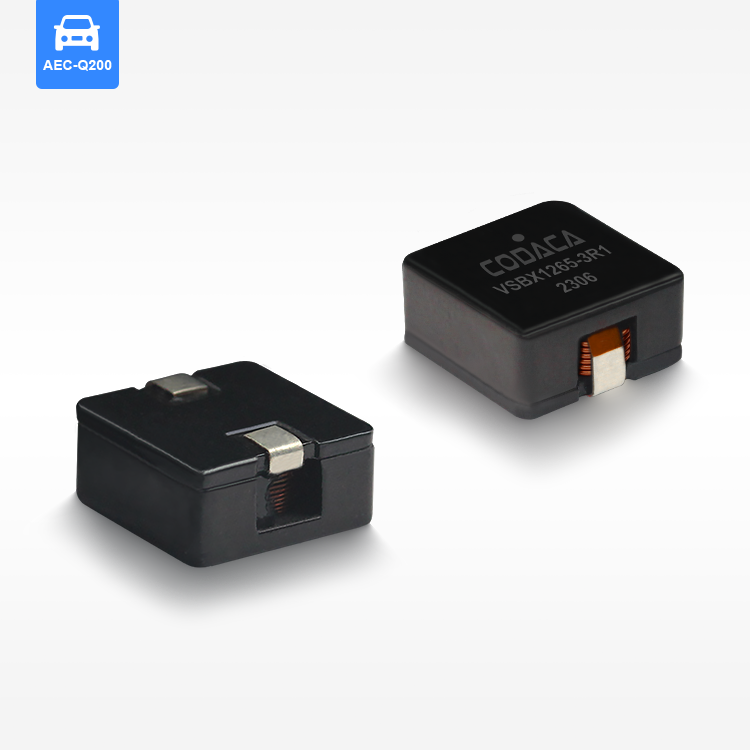
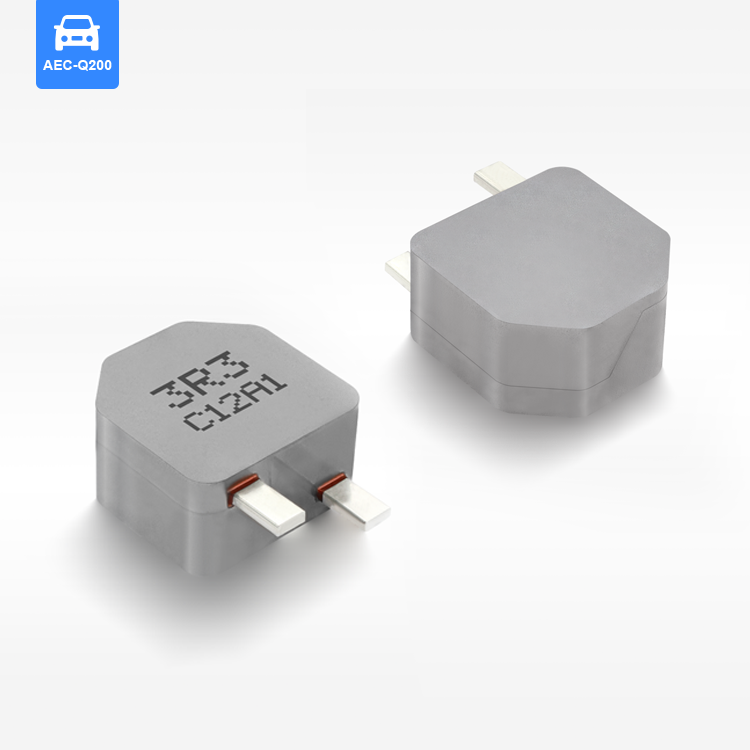
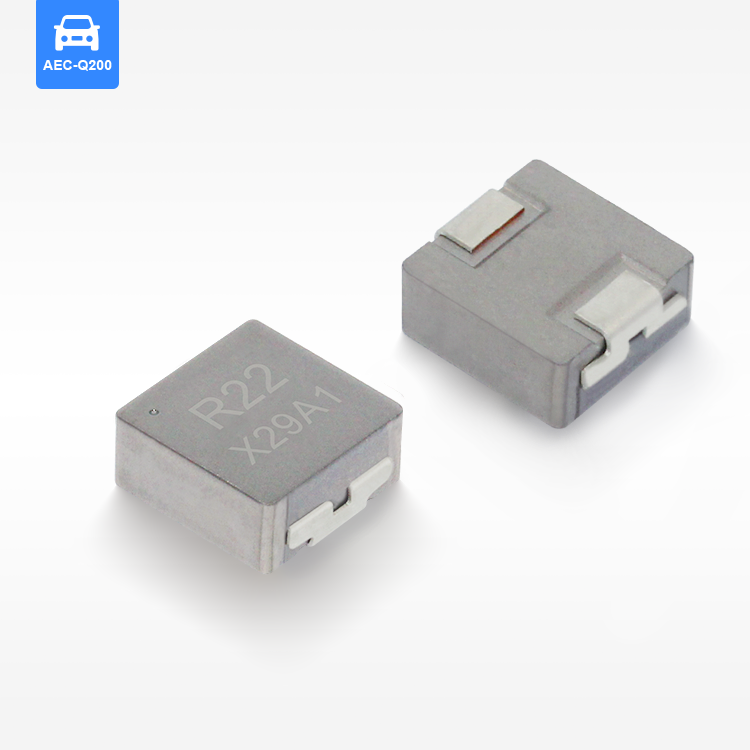
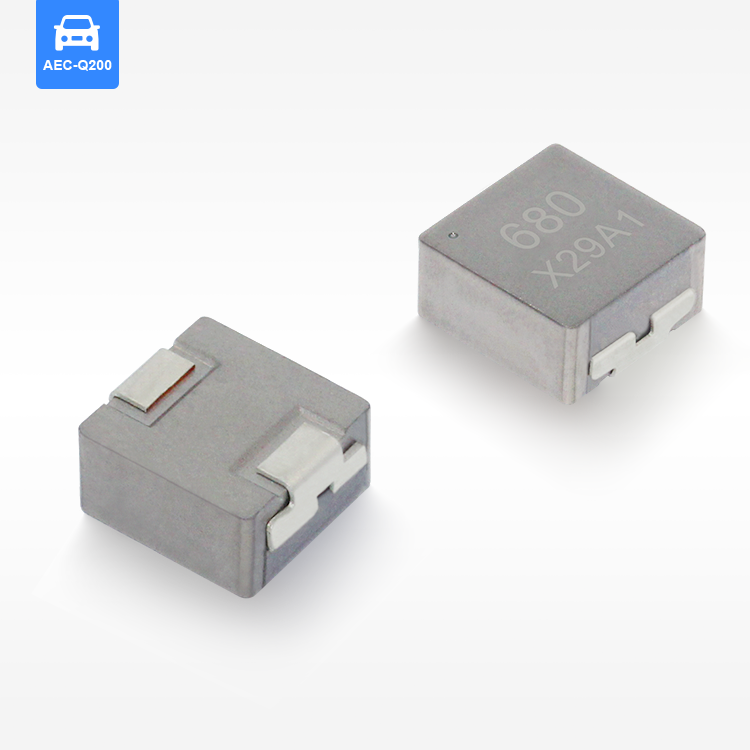
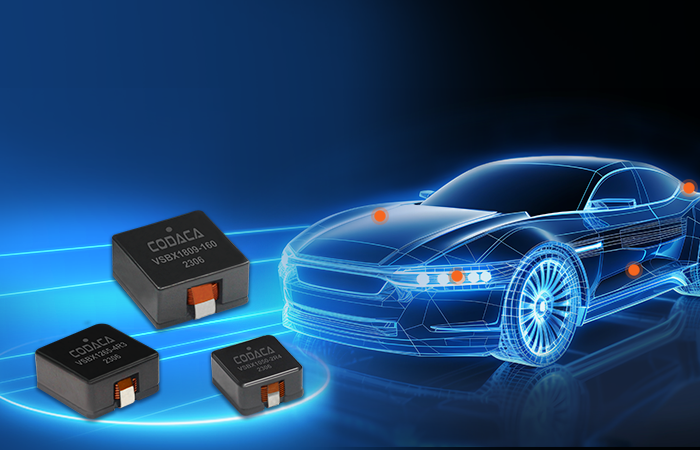
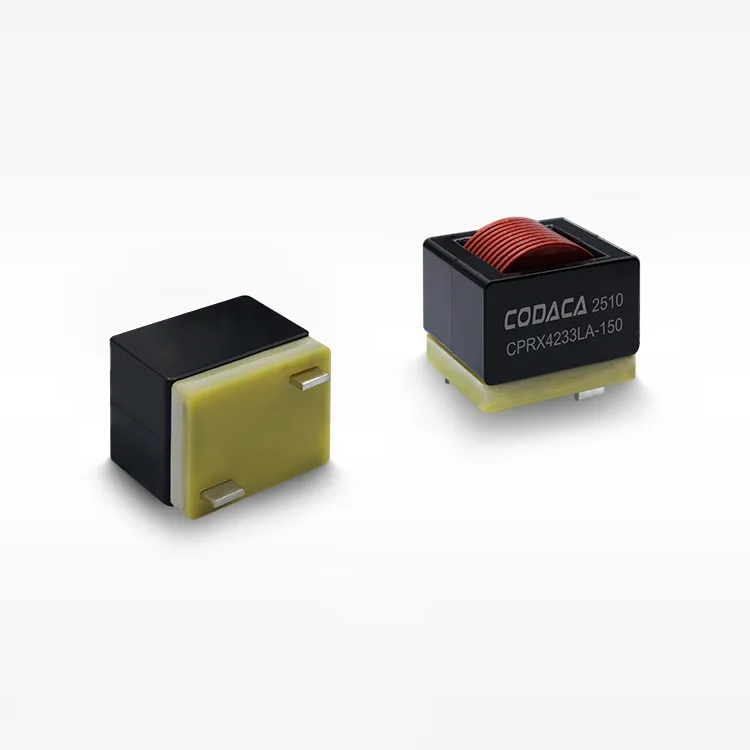
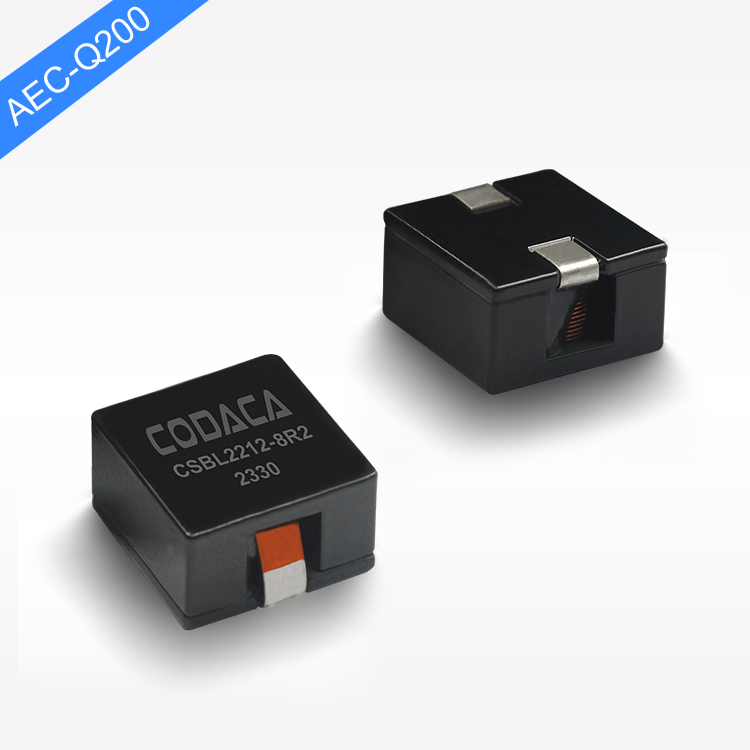
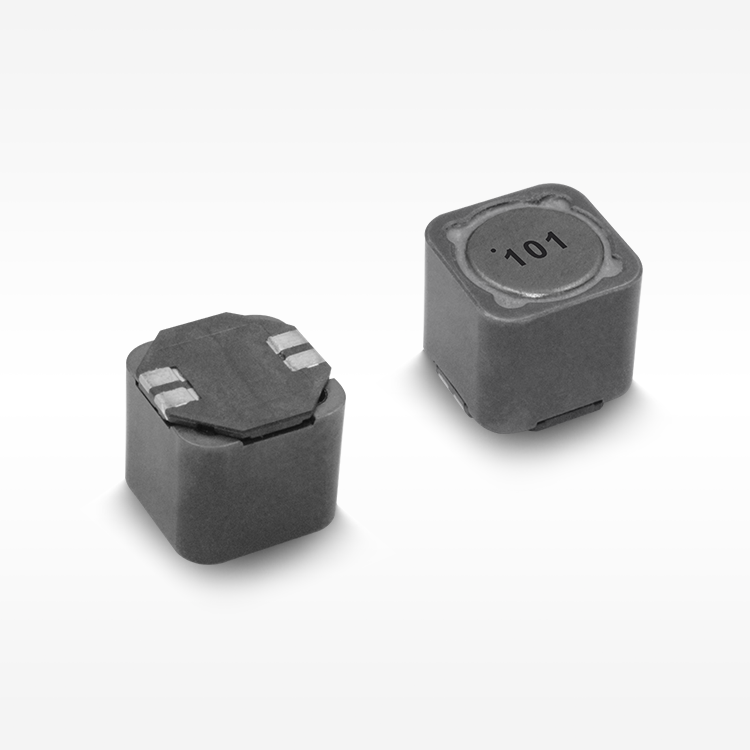
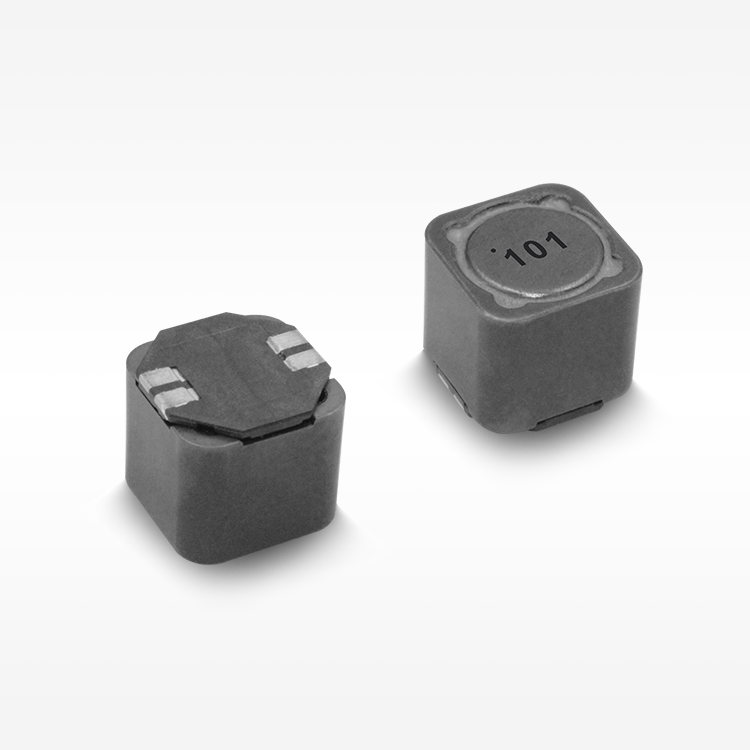
סליל ספיגות עם ליבת פריט - עוצמת זרם גבוהה
סליל הספק עם ליבת פריט עוצמתי מייצג רכיב קריטי במערכות אלקטרוניות מודרניות, שתוכנן כדי להתמודד עם עומסי חשמל משמעותיים תוך שמירה על תכונות ביצועים יוצאות דופן. סליל זה מיוחד משתמש בחומר ליבה מגנטית מפריט המאפשר יכולת טיפול בשיעורי זרם גבוהים בהשוואה לחלופות מסורתיות עם ליבת אויר. סליל הספק עם ליבת פריט עוצמתי משמש כאלמנט חיוני במעגלי המרה של הספק, יישומים לסינון ובמערכות איחסון אנרגיה שבהן ביצועים עמידים בתנאים קיצוניים הם חיוניים. הפונקציה העיקרית של סלילים אלו כוללת אחסון אנרגיה מגנטית כאשר זרם זורם דרך הליפוף הנחושתני, ומייצר שדה מגנטי בתוך מבנה ליבת הפריט. שדה מגנטי זה מספק את ערכי ההשראות הדרושים להפעלת מעגלים שונים, כולל סינון מתח, חלקות זרם וכיבוי הפרעות אלקטרומגנטיות. סליל הספק עם ליבת פריט עוצמתי כולל חומרים מגנטיים מתקדמים שמפגינים אובדן ליבה נמוך, צפיפות שטף רוויה גבוהה ותכונות תגובה תדר מצוינות. תכונות טכנולוגיות אלו מאפשרות לרכיב לפעול בצורה יעילה בטווח רחב של תדרים תוך טיפול בזרמים שיכולים לעלות על מספר אמפרים ללא ירידת ביצועים. שיטת הבניה כוללת טכניקות ליפוף מדויקות שממזערות את השימוש בנחושת ומפחיתות את ההתנגדות הפרזיטית, מה שמבטיח מקסימום יעילות העברת הספק. יישומים עבור סליל הספק עם ליבת פריט עוצמתי משתרעים על פני תחומים רבים, ביניהם אלקטרוניקה אוטומotive, מערכות אנרגיה מתחדשת, אוטומציה תעשייתית ואלקטרוניקה לצרכן. ביישומים אוטומotive, סלילים אלו ממלאים תפקידים מרכזיים במערכות טעינה של רכב חשמלי, מודולי היגיון חשמליים ומערכות סיוע מתקדמות לנהג. התקנות של אנרגיה מתחדשת מסתמכות על סלילי הספק עם ליבת פריט עוצמתי בשביל ממירים סולריים, בקרים לטורבינות רוח ומערכות ניהול סוללות. היכולת של הרכיב לשמור על ערכי השראות יציבים בתנאי זרם משתנים הופכת אותו לבעל ערך מיוחד בספקות הספק מתחלפות, ממירי DC-DC ומעגלי נהיגה של מנועים, בהם ביצועים עקביים משפיעים ישירות על אמינות ויעילות המערכת.