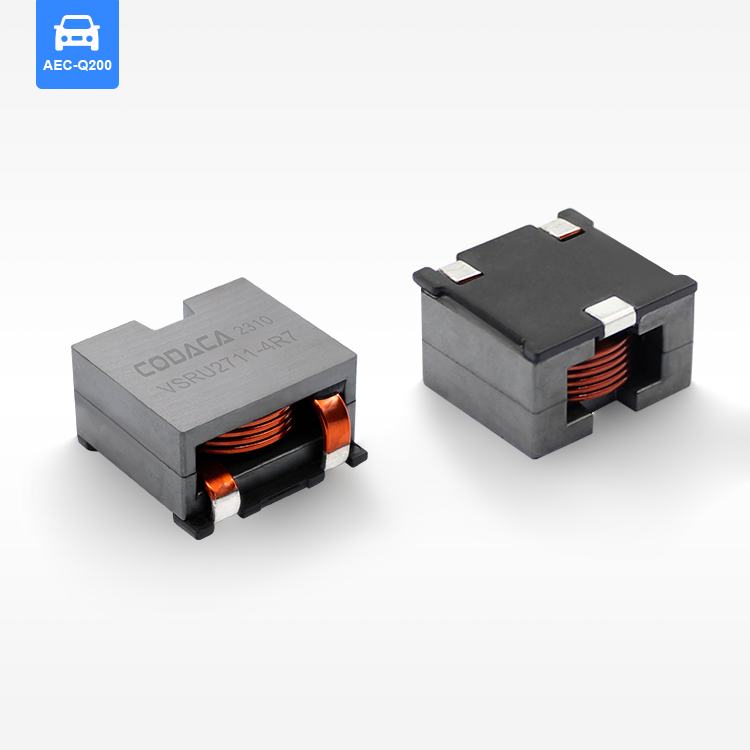
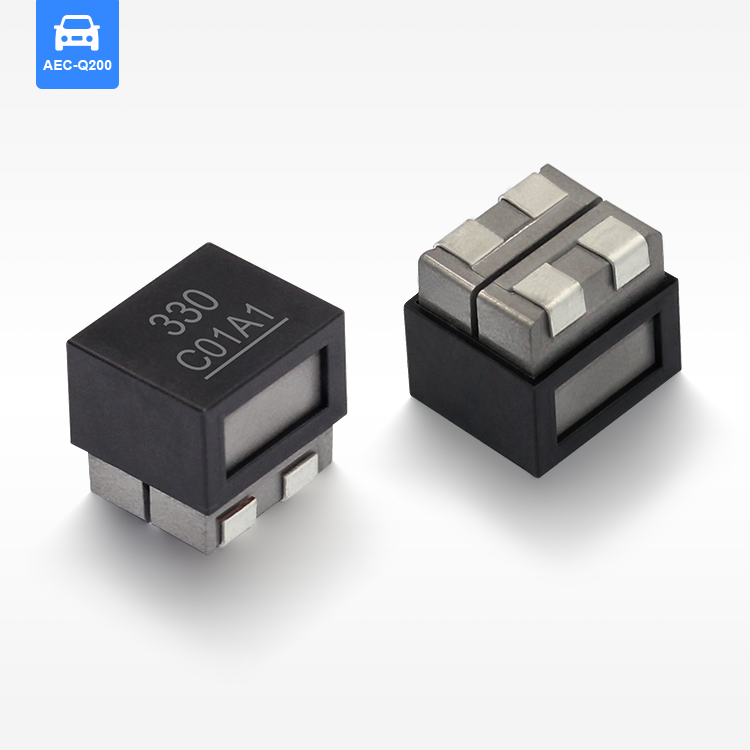
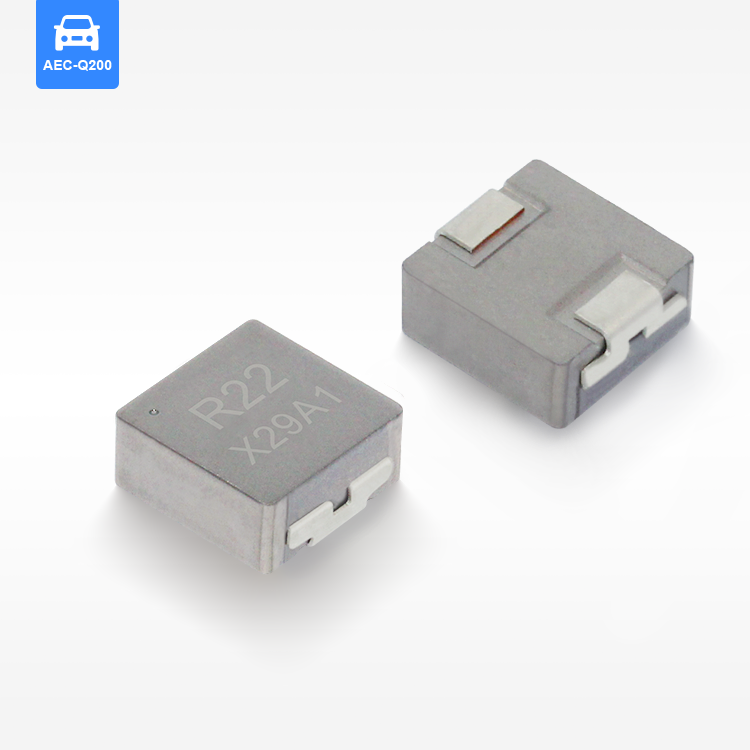
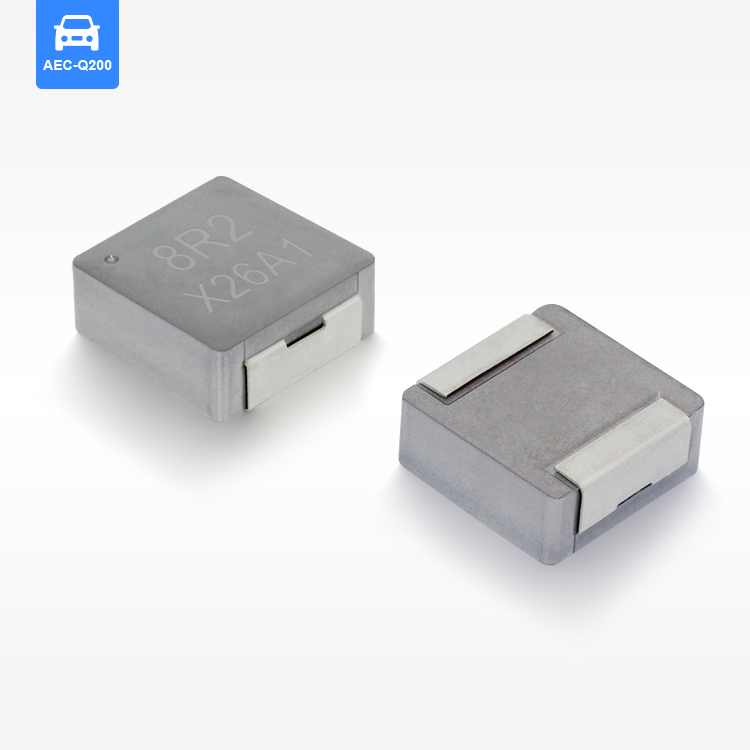
סליל מolding
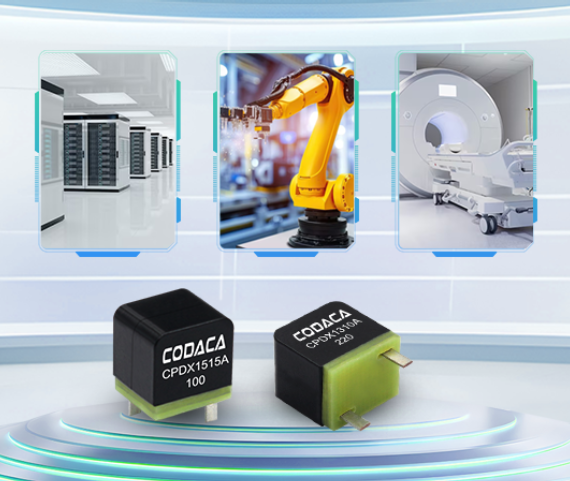
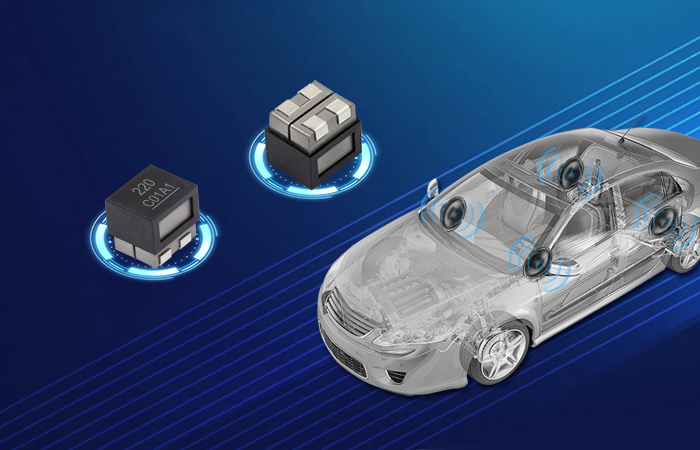
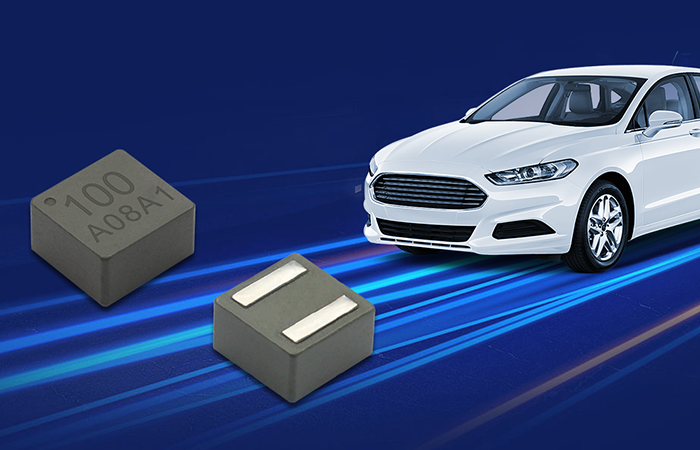
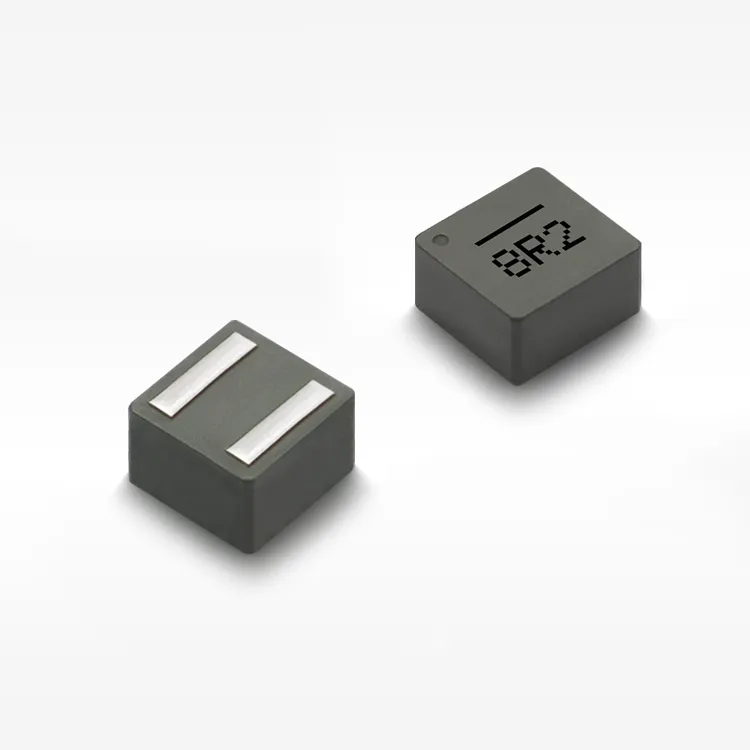
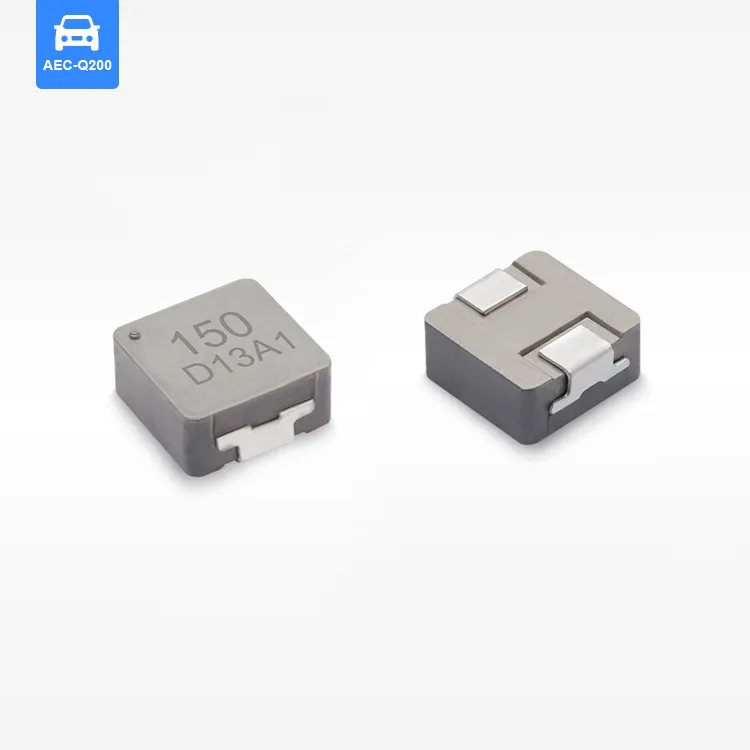
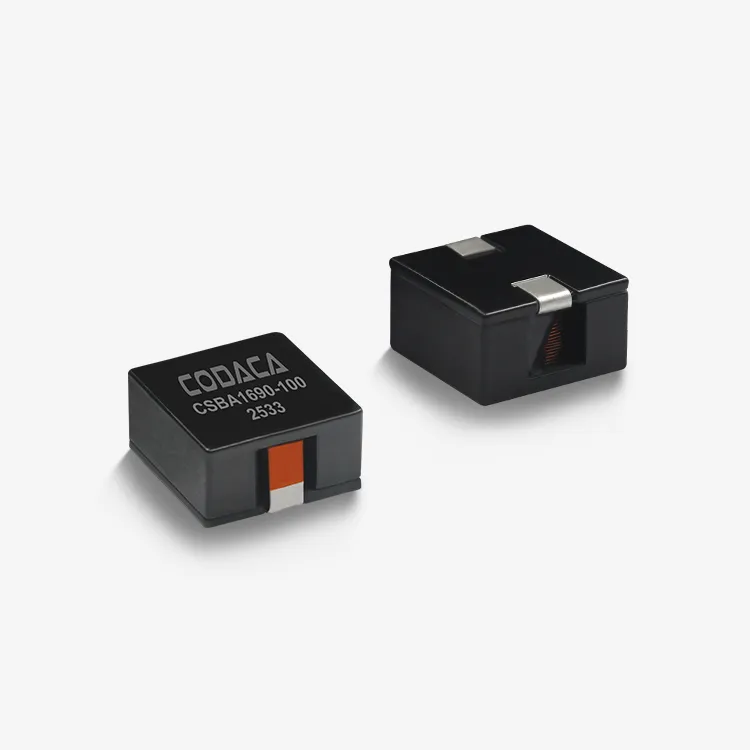
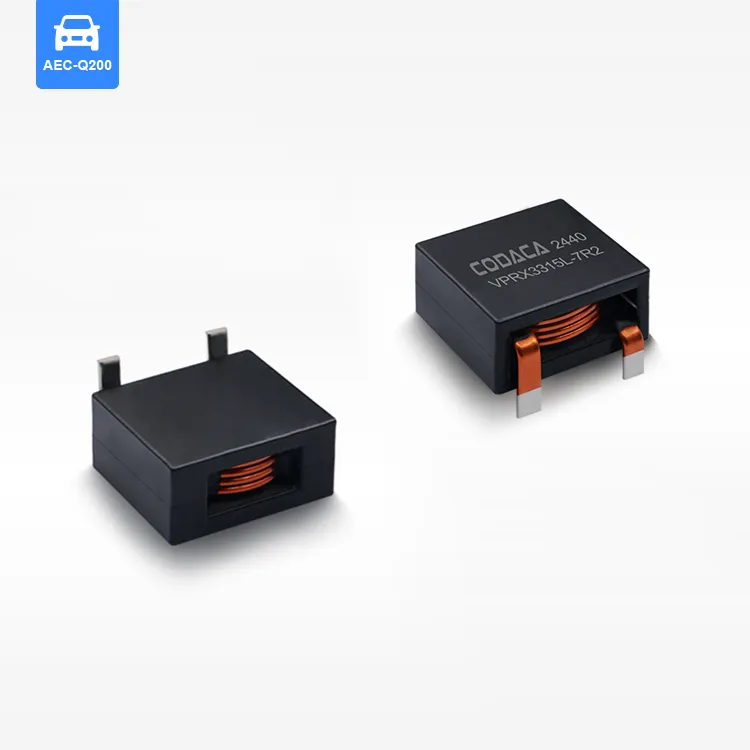
האינדוקטור בעל הלחמצת מיזוג מייצג רכיב חשוב במעגלים אלקטרוניים מודרניים, שתוכנן במיוחד כדי לאגור אנרגיה מגנטית ולשדר את זרימת הזרם החשמלי במערכות ניהול כוח. רכיב אלקטרוני מתוחכם זה משתמש בטכנולוגיית מיזוג מתקדמת כדי לכוד את ליבת האינדוקטור והכריכות בתוך גוף הגנה מراتך או פלסטיק, ומייצר פתרון עמיד ואמין ליישומים רבים של כוח. האינדוקטור בעל הלחמצת מיזוג פועל על ידי יצירת שדה מגנטי כאשר זרם חשמלי עובר דרך מבנה החוטים המעופפים שלו, ובצורה יעילת לאגור אנרגיה שניתן לשחרר בחזרה למעגל לפי הצורך. עיקרון בסיסי זה הופך את האינדוקטור בעל הלחמצת מיזוג לחיוני להפעלת סינון, איחסון אנרגיה והחלקת זרם במאות רבות של התקנים אלקטרוניים. התכונות הטכנולוגיות של האינדוקטור בעל הלחמצת מיזוג כוללות כריכות נחושת מעוצבות בדיוק, ליבות מסוג פריט או אבקת ברזל באיכות גבוהה, וחומרים מיזוג מיוחדים שמספקים יציבות תרמית טובה והגנה מכנית. תהליכי ייצור מודרניים מבטיחים ערכים עקביים של השראות, מאפיינים של התנגדות נמוכה, וביצועים מרשימים בתגובת תדירות. תהליך המיזוג עצמו כולל לכידת כל מבנה האינדוקטור בתוך חומרי רץ תרמוסטטים או תרמופלסטיים, ויצירת יחידה מחוסמת ש مقاومة לגורמים סביבתיים כגון לחות, אבק ושינויי טמפרטורה. היישומים של האינדוקטור בעל הלחמצת מיזוג משתרעים על פני תעשיות רבות ומערכות אלקטרוניות, ביניהן מקורות כוח מתחלפים, ממירי DC-DC, אלקטרוניים לרכב, ציוד תקשורת, אלקטרוניקה לצרכן ומערכות אוטומציה תעשייתית. במעגלי אספקת חשמל, האינדוקטור בעל הלחמצת מיזוג משמש כרכיב חיוני לאחסון ואספקת אנרגיה, ועוזר לשמור על רמות מתח יציבות ולצמצם הפרעות אלקטרו-מגנטיות. התעשייה האוטומобильית נהנית במיוחד מהאמינות של האינדוקטור בעל הלחמצת מיזוג בתנאי פעולה קיצוניים, שבהם אינדוקטורים מסורתיים עלולים להיכשל עקב רעידות, טמפרטורות קיצוניות או חשיפה למזהמים.