High Frequency Shielded Inductor: Advanced Electromagnetic Components for Superior Circuit Performance

All Categories

Get a Free Quote

Our representative will contact you soon.
Email
Name
Company Name
Message
0/1000

high frequency shielded inductor

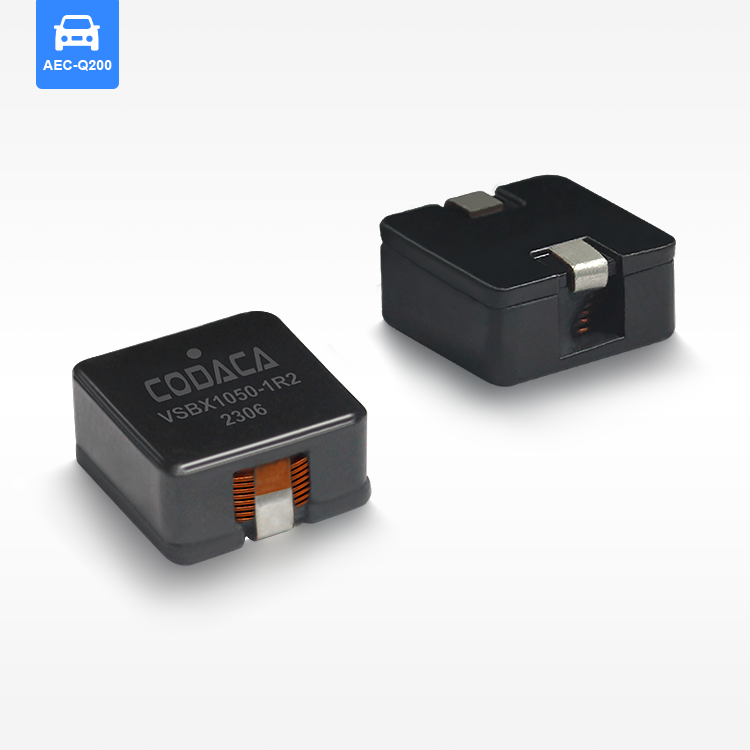
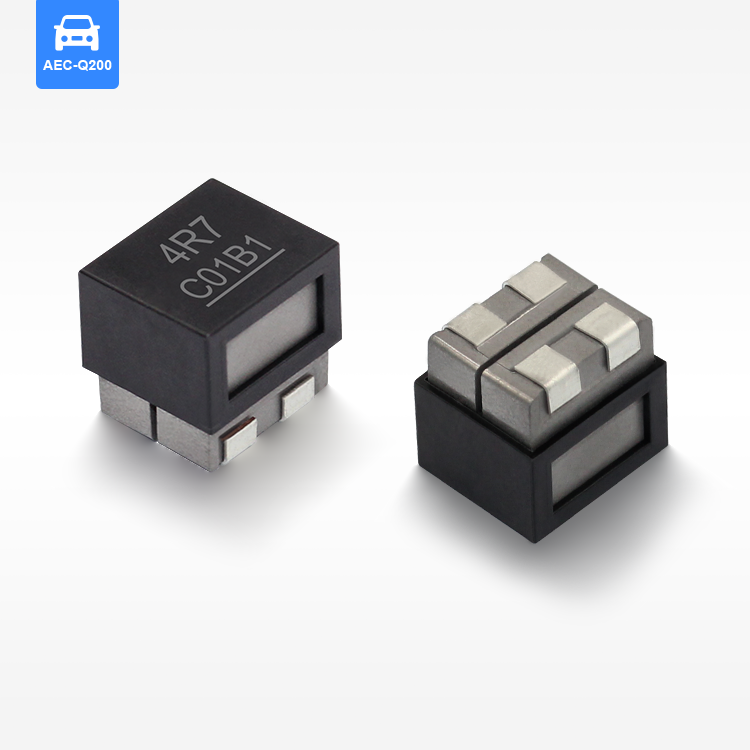
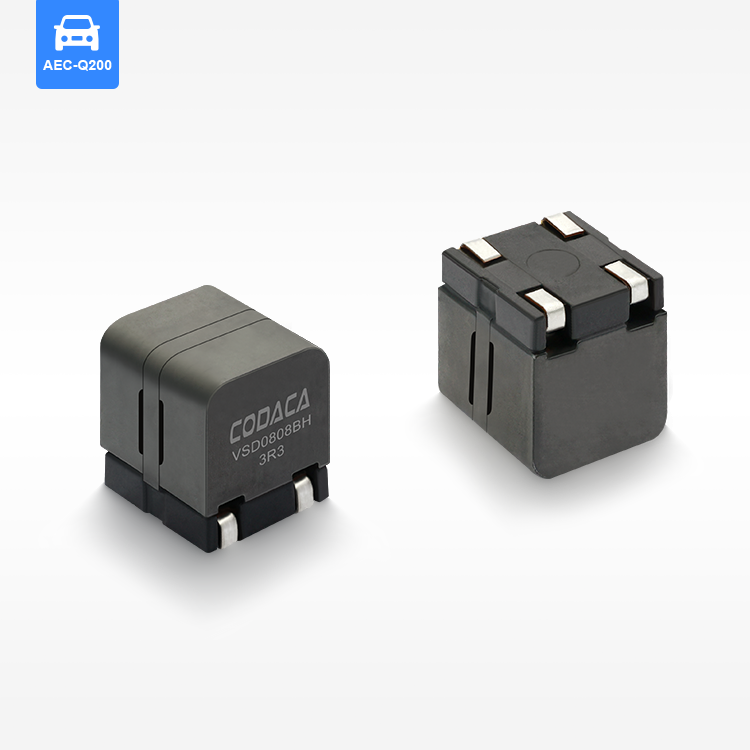
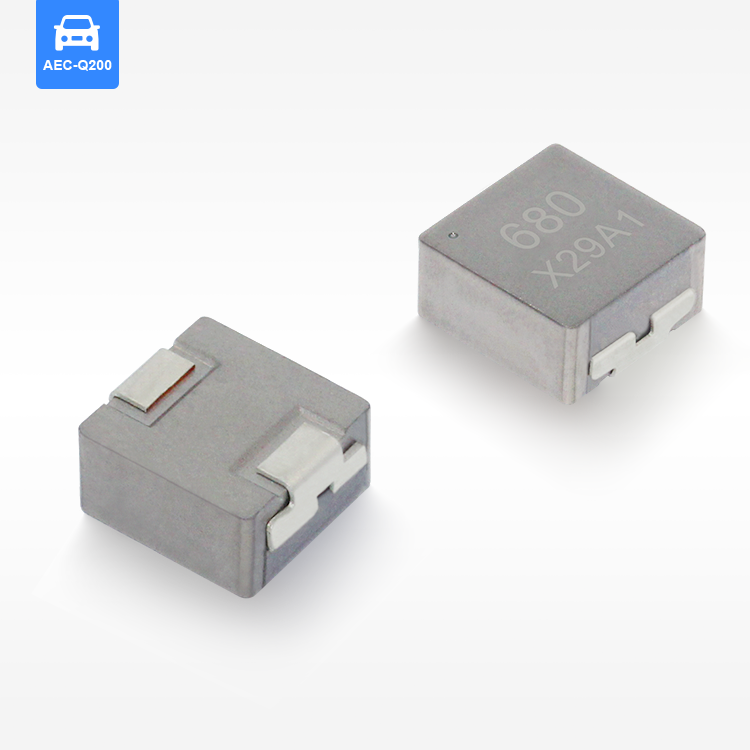
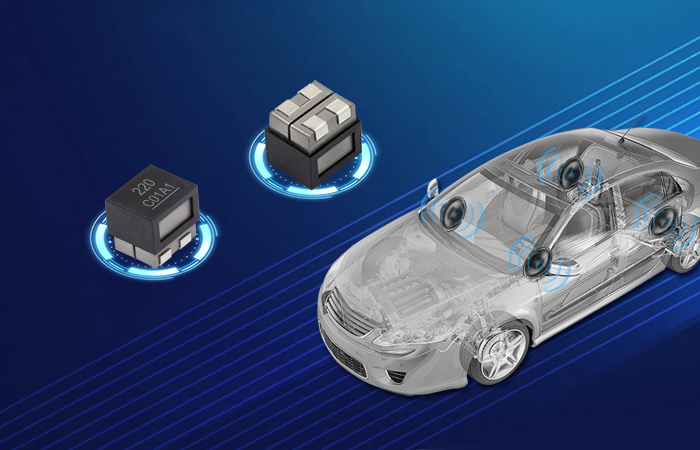
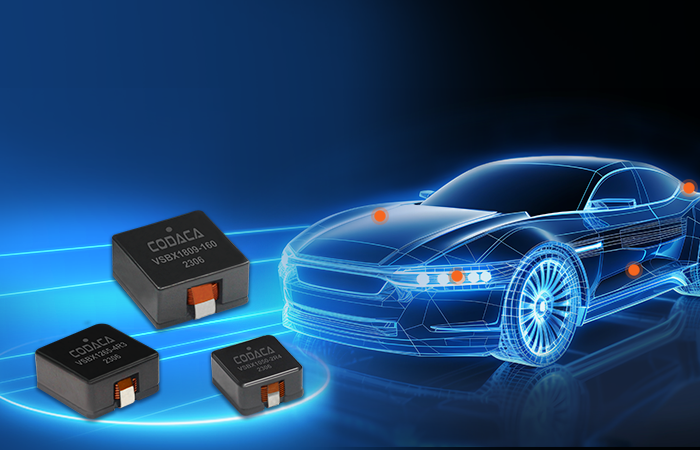
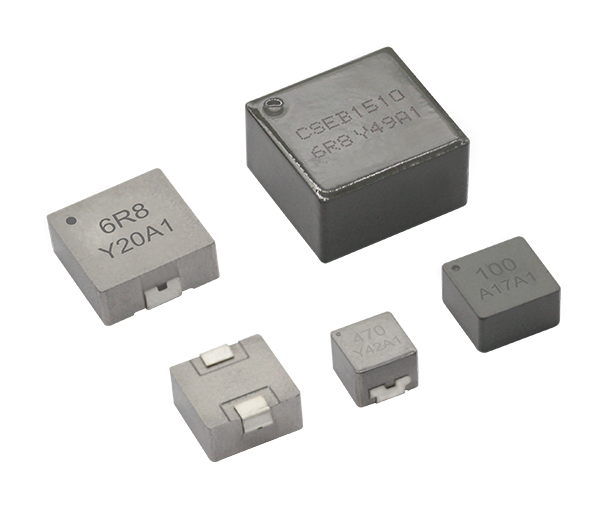
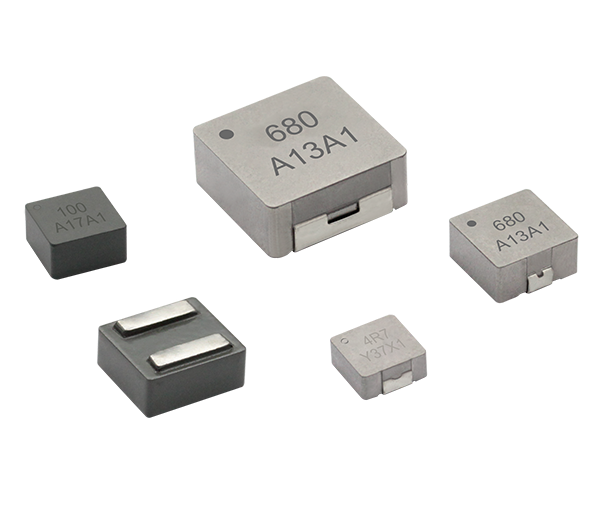
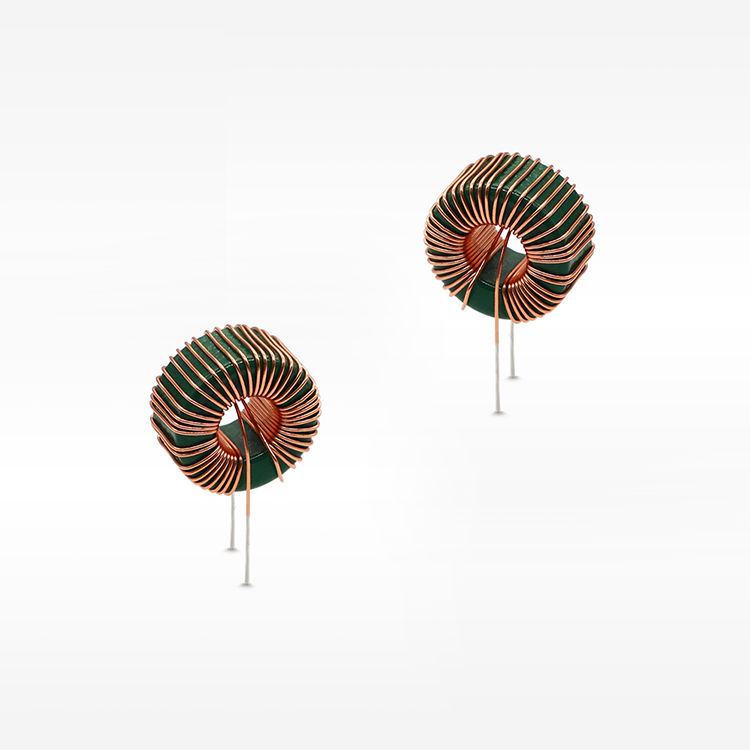
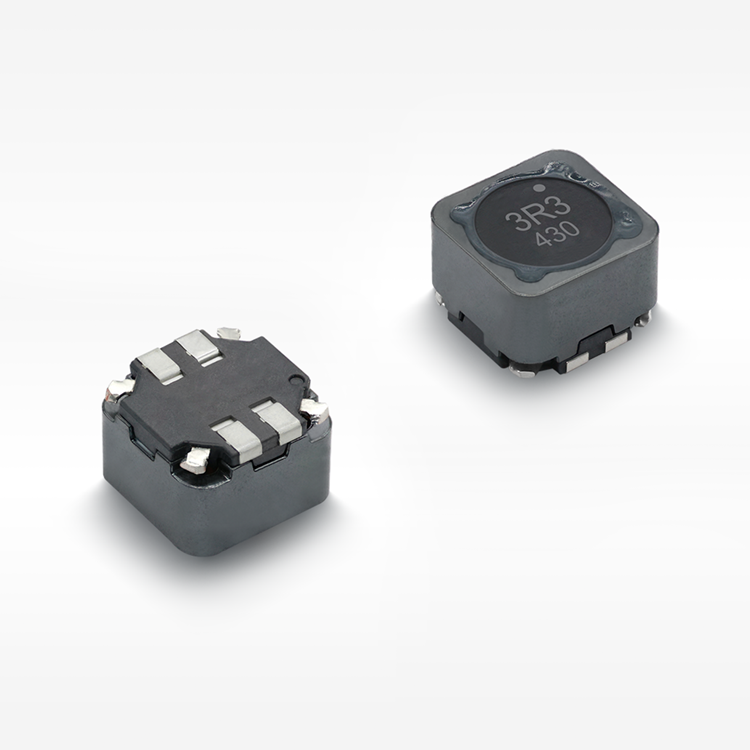
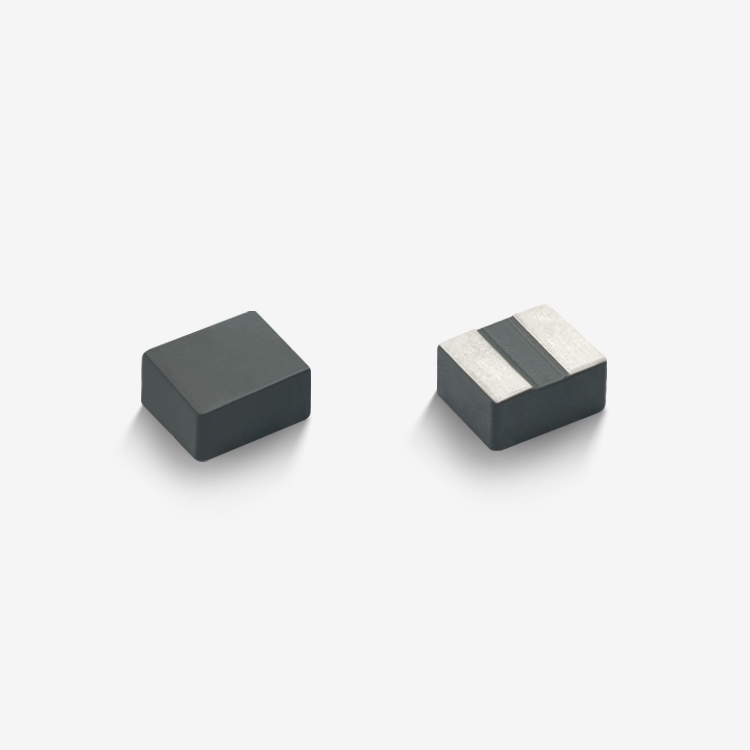
The high frequency shielded inductor represents a critical electronic component designed to operate effectively in demanding electromagnetic environments while maintaining optimal performance characteristics. This specialized passive component combines traditional inductance functionality with advanced magnetic shielding technology to address the unique challenges presented by high-frequency circuit applications. Unlike conventional inductors, the high frequency shielded inductor incorporates sophisticated magnetic screening materials that prevent external electromagnetic interference from disrupting its core operational parameters. The primary function of this component centers on energy storage within magnetic fields while simultaneously filtering unwanted high-frequency noise and maintaining signal integrity across various frequency ranges. Modern high frequency shielded inductor designs utilize ferrite cores with carefully engineered permeability characteristics, enabling superior performance in switching power supplies, RF amplifiers, and digital communication systems. The technological foundation of these components relies on precise winding techniques combined with specialized core materials that optimize inductance values while minimizing parasitic capacitance effects. Advanced manufacturing processes ensure consistent impedance characteristics across temperature variations and frequency sweeps, making these inductors ideal for precision applications requiring stable electrical properties. Key technological features include low DC resistance, high current handling capabilities, and excellent thermal stability under continuous operation conditions. The magnetic shielding construction effectively contains the component's electromagnetic field, reducing crosstalk between adjacent circuit elements and improving overall system performance. Applications span diverse industries including telecommunications equipment, automotive electronics, medical devices, and consumer electronics where electromagnetic compatibility requirements demand superior component performance. The high frequency shielded inductor proves particularly valuable in compact circuit designs where space constraints necessitate close component placement without compromising electrical performance or introducing unwanted interference patterns that could degrade system functionality.

New Product Releases

The high frequency shielded inductor delivers substantial practical benefits that directly translate into improved circuit performance and enhanced system reliability for engineers and manufacturers. First and foremost, these components provide exceptional electromagnetic interference suppression, creating cleaner operating environments for sensitive electronic circuits. This shielding capability eliminates the need for additional external filtering components, reducing overall system complexity and manufacturing costs while improving reliability through simplified circuit architectures. The superior magnetic containment properties prevent electromagnetic coupling between nearby components, allowing designers to achieve higher component density on printed circuit boards without sacrificing performance quality. Engineers benefit from predictable electrical characteristics across wide temperature ranges, ensuring consistent operation in challenging environmental conditions from automotive applications to industrial control systems. The robust construction methodology results in extended operational lifespans compared to conventional inductors, reducing maintenance requirements and replacement costs over product lifecycles. Power efficiency improvements represent another significant advantage, as the optimized core materials and precise winding techniques minimize energy losses during operation. This efficiency enhancement translates directly into reduced heat generation, lower power consumption, and improved battery life in portable devices. The high frequency shielded inductor also offers excellent current handling capabilities without core saturation, enabling reliable operation under varying load conditions. Quality control processes ensure tight tolerance specifications, providing designers with confidence in component performance consistency across production batches. The compact form factors available in modern designs enable space-efficient layouts while maintaining superior electrical performance characteristics. Installation benefits include standard mounting configurations that integrate seamlessly with automated assembly processes, reducing manufacturing time and labor costs. Additionally, the inherent stability of these components under mechanical stress and vibration makes them ideal for mobile applications and harsh industrial environments where reliability cannot be compromised. Cost-effectiveness emerges through reduced system-level filtering requirements and improved overall performance margins that allow for more competitive product positioning in target markets.

Latest News

The Most Durable Automotive Grade Digital Power Amplifier Inductor

01

Apr

The Most Durable Automotive Grade Digital Power Amplifier Inductor

Introduction Automotive-grade digital power amplifier inductors are essential components in modern vehicle audio systems. These inductors are designed to handle large currents and provide stable performance under various environmental conditions, en...
View More
How to Select the Best Automotive Grade High Current Power Inductors for Your Needs

31

Mar

How to Select the Best Automotive Grade High Current Power Inductors for Your Needs

Understanding Automotive Grade Requirements for Power Inductors AEC-Q200 Compliance and Certification AEC-Q200 is an essential industry standard for automotive components, ensuring products meet high-quality, reliability, and safety thresholds. This...
View More
Features of Painted and Unpainted Integrated Molded Inductors

26

May

Features of Painted and Unpainted Integrated Molded Inductors

Overview Integrated molded inductors are characterized by high saturation, low loss, strong electromagnetic interference (EMI) resistance, ultra-low buzzing noise, and high automation, making them widely used in various electronic devices. In the cur...
View More
How to Select Wires in the Preparation Process of Integrated Molding Power Choke

26

May

How to Select Wires in the Preparation Process of Integrated Molding Power Choke

Wires are one of the crucial raw materials in the preparation of integrated molded inductors. Selecting appropriate wires exerts a significant impact on their manufacturing process. The following content will provide a brief introduction to wire sele...
View More

Get a Free Quote

Our representative will contact you soon.
Email
Name
Company Name
Message
0/1000

high frequency shielded inductor

Advanced Magnetic Shielding Technology

Advanced Magnetic Shielding Technology

The cornerstone advantage of the high frequency shielded inductor lies in its sophisticated magnetic shielding technology that revolutionizes electromagnetic compatibility in modern electronic systems. This innovative shielding approach utilizes carefully selected ferromagnetic materials engineered to contain and direct magnetic flux lines within the component structure, preventing electromagnetic field leakage that traditionally causes interference issues in dense circuit layouts. The shielding effectiveness reaches impressive levels, typically providing more than 40 decibels of electromagnetic interference suppression across critical frequency ranges. This exceptional containment capability stems from multilayer shielding construction that incorporates both high-permeability core materials and external magnetic screening elements working in synergy to create a comprehensive electromagnetic barrier. The practical implications of this technology extend far beyond simple interference reduction, enabling circuit designers to place sensitive components in closer proximity without compromising signal integrity or introducing unwanted coupling effects. Manufacturing processes ensure consistent shielding performance through precision-controlled material deposition and assembly techniques that maintain uniform magnetic properties throughout the component structure. The shielding technology also contributes significantly to thermal management by providing predictable heat dissipation patterns that enhance overall system reliability. Engineers particularly value the ability to design compact, high-performance circuits without extensive electromagnetic compatibility testing and redesign cycles that typically plague projects using conventional inductors. Quality assurance testing validates shielding effectiveness across production batches, ensuring reliable performance characteristics that meet stringent automotive, medical, and telecommunications industry standards. The magnetic containment properties remain stable across temperature variations and mechanical stress conditions, providing consistent protection throughout product operational lifespans. Furthermore, the shielding technology reduces the need for additional electromagnetic compatibility components such as ferrite beads, copper shields, or specialized PCB layouts, simplifying overall system architecture while reducing both material costs and assembly complexity in manufacturing environments.
Superior High-Frequency Performance Characteristics

Superior High-Frequency Performance Characteristics

The high frequency shielded inductor demonstrates exceptional electrical performance across extended frequency ranges, delivering consistent inductance values and minimal parasitic effects that compromise conventional inductor functionality at elevated operating frequencies. This superior performance stems from advanced core material engineering and optimized winding geometries specifically designed to maintain stable electrical characteristics well into the megahertz and gigahertz frequency ranges where traditional inductors experience significant degradation. The carefully controlled parasitic capacitance levels ensure that self-resonant frequencies occur well above typical operating ranges, preventing unwanted resonance effects that can disrupt circuit functionality. Quality factor measurements consistently exceed industry benchmarks, indicating minimal energy losses and superior signal processing capabilities that directly translate into improved system efficiency and performance margins. Temperature coefficient specifications remain tightly controlled across operational temperature ranges, ensuring predictable behavior in varying environmental conditions from arctic to desert operating environments. The frequency response characteristics exhibit minimal variation across production batches, providing design engineers with confidence in component consistency and eliminating the need for extensive component screening processes. Impedance characteristics maintain linearity across wide dynamic ranges, enabling accurate circuit modeling and simulation that reduces design iteration cycles and accelerates product development timelines. The high-frequency performance extends to excellent phase response characteristics that preserve signal integrity in timing-critical applications such as clock distribution networks and high-speed digital communication systems. Bandwidth capabilities support modern communication protocols and data transmission standards without introducing distortion or signal degradation that could compromise system functionality. Power handling capabilities remain robust even at elevated frequencies, enabling reliable operation under varying load conditions without core saturation or thermal runaway conditions. Measurement data demonstrates consistent performance across frequency sweeps, temperature cycles, and aging tests that validate long-term reliability in demanding applications. These performance characteristics enable engineers to design systems with improved specifications while maintaining cost-effectiveness and manufacturability requirements that drive competitive advantage in target markets.
Exceptional Thermal Stability and Reliability

Exceptional Thermal Stability and Reliability

The high frequency shielded inductor achieves outstanding thermal stability and operational reliability through advanced materials science and precision manufacturing techniques that ensure consistent performance across demanding environmental conditions and extended operational lifespans. The thermal management capabilities stem from carefully selected core materials with optimized thermal conductivity properties and engineered heat dissipation pathways that prevent hot spot formation and thermal runaway conditions. Temperature coefficient specifications typically remain within tight tolerances across operational temperature ranges from minus forty to plus one hundred twenty-five degrees Celsius, enabling reliable operation in automotive, industrial, and aerospace applications where environmental extremes challenge component performance. The mechanical construction utilizes materials with matched thermal expansion coefficients that prevent internal stress development during temperature cycling, maintaining structural integrity and electrical characteristics throughout product lifespans. Accelerated aging tests validate performance stability over equivalent operational periods exceeding twenty years under normal operating conditions, providing confidence in long-term reliability for critical applications. The thermal design incorporates efficient heat transfer mechanisms that distribute thermal energy uniformly throughout the component structure, preventing localized overheating that could degrade electrical properties or cause premature failure. Quality control processes include extensive thermal cycling validation that ensures consistent performance characteristics across production batches and operational environments. The reliability advantages extend to excellent resistance against mechanical shock and vibration conditions commonly encountered in mobile and transportation applications where component durability directly impacts system availability. Humidity resistance properties meet stringent industry standards for moisture ingress protection, preventing corrosion and electrical degradation in challenging environmental conditions. The stable thermal characteristics enable predictable circuit behavior that simplifies thermal management requirements at the system level, reducing the need for additional cooling infrastructure and associated costs. Failure mode analysis demonstrates graceful degradation patterns that provide early warning indicators before catastrophic failure, enabling proactive maintenance strategies that maximize system uptime. These thermal stability and reliability characteristics combine to deliver exceptional value propositions for applications requiring consistent performance over extended operational periods in challenging environmental conditions.