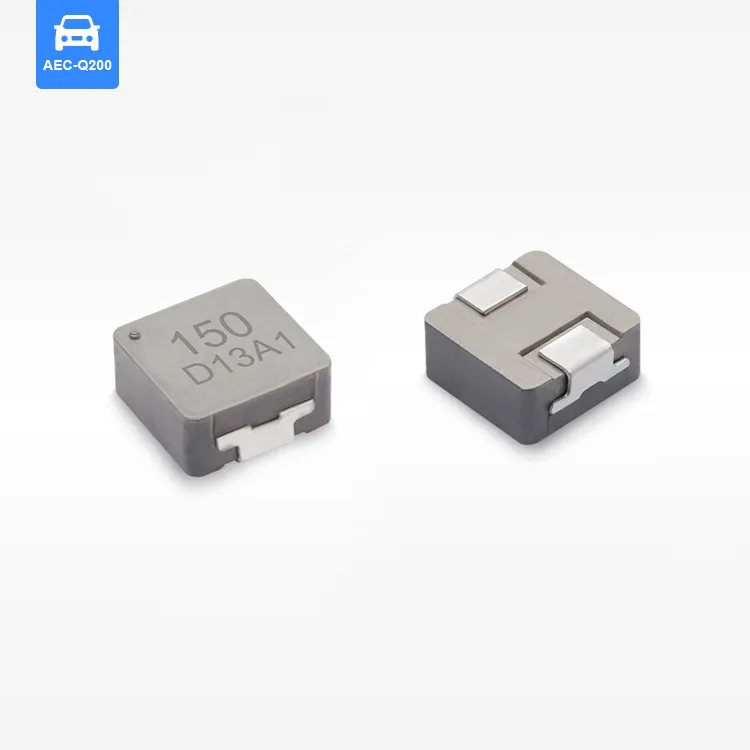
High-Performance Industrial Power Inductors - Advanced Electromagnetic Components for Critical Applications

All Categories

Get a Free Quote

Our representative will contact you soon.
Email
Name
Company Name
Message
0/1000

industrial power inductor

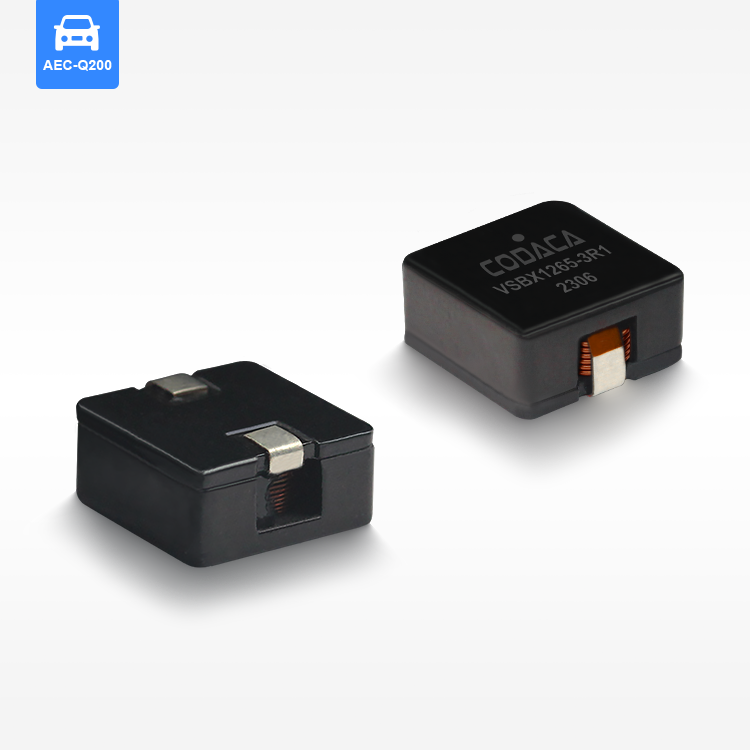
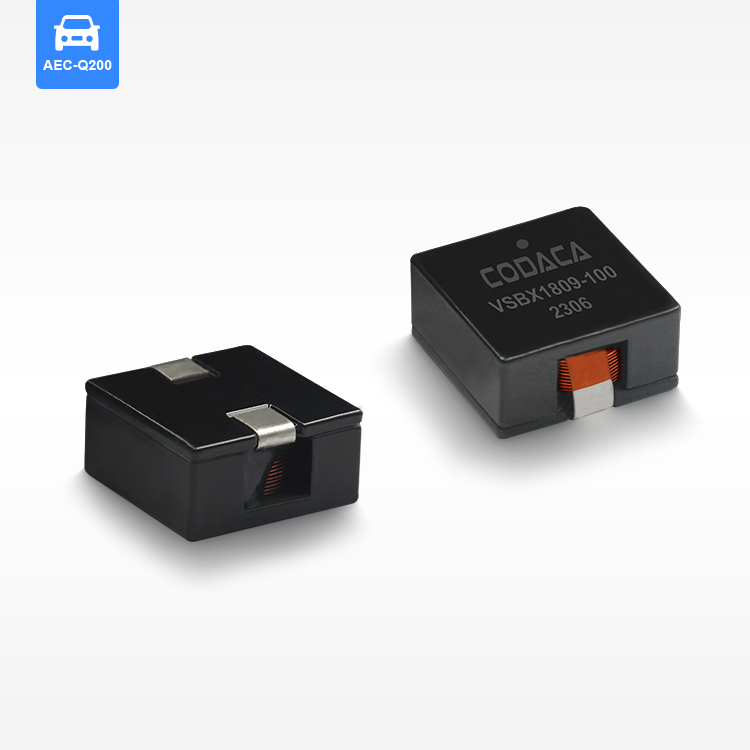
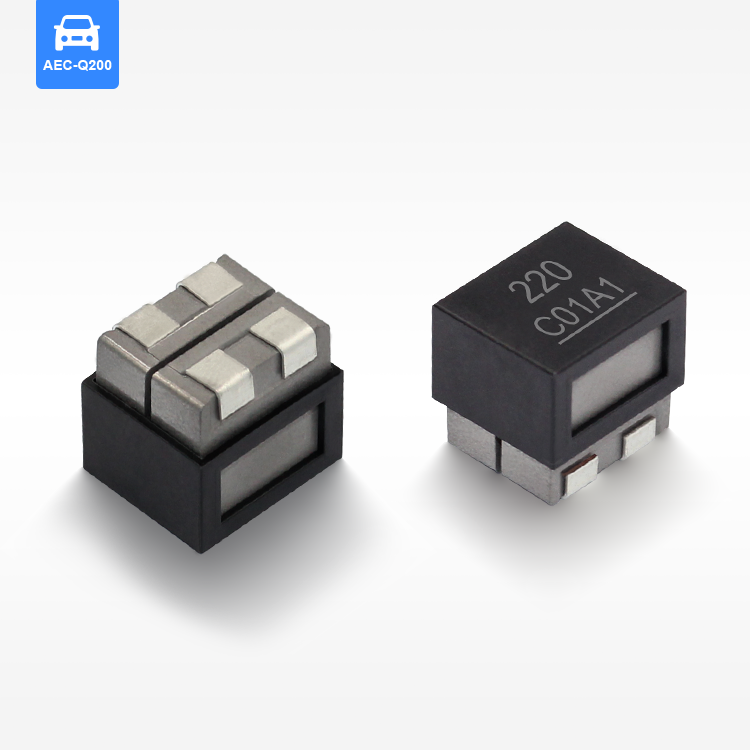
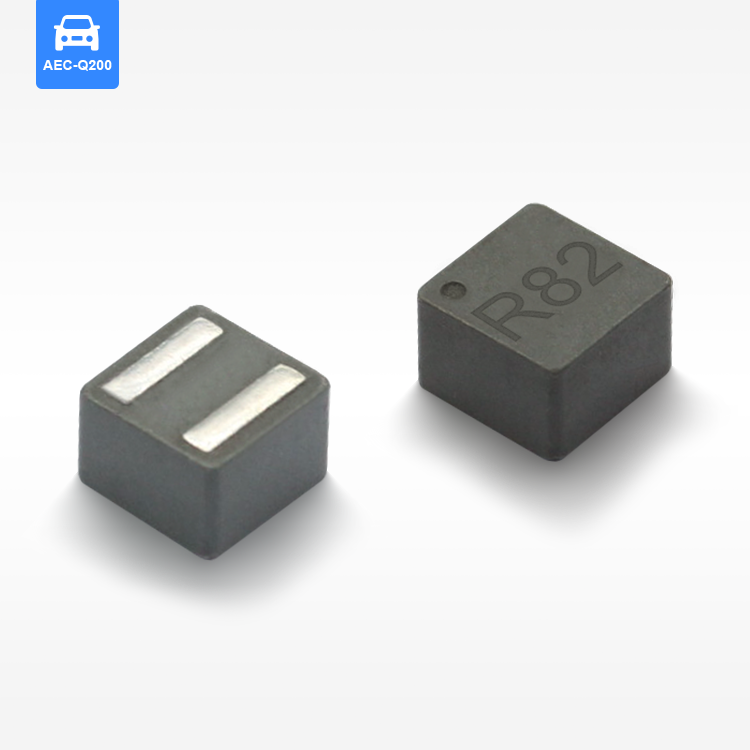
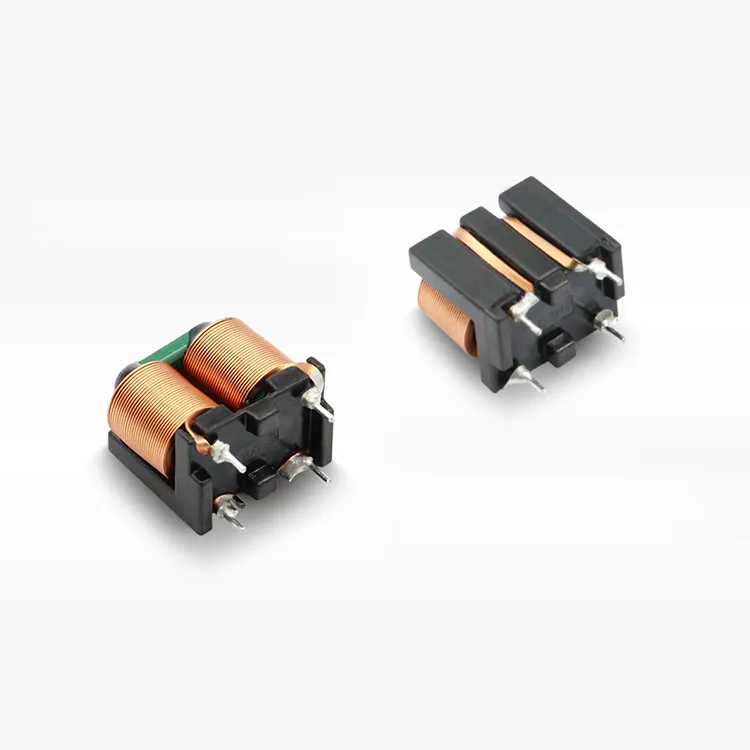
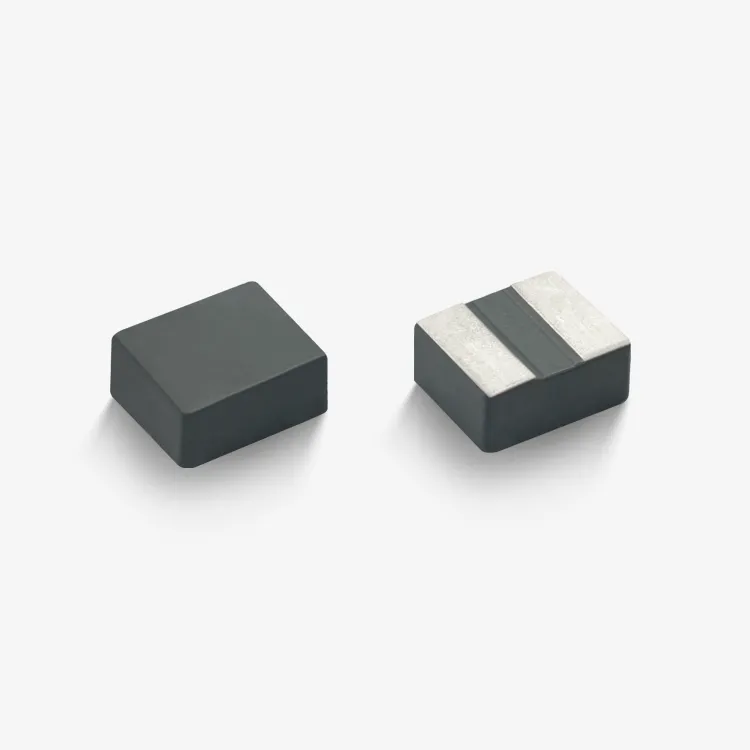
Industrial power inductors are essential electromagnetic components designed to store energy in magnetic fields and regulate current flow in high-power electronic circuits. These sophisticated devices serve as critical building blocks in power conversion systems, filtering applications, and energy storage solutions across various industrial sectors. The primary function of an industrial power inductor revolves around its ability to oppose changes in electrical current through electromagnetic induction, making them invaluable for maintaining stable power delivery and reducing electrical noise in demanding environments. Modern industrial power inductors incorporate advanced core materials such as ferrite, powdered iron, or laminated steel, which enhance their magnetic properties and operational efficiency. These components feature robust construction with high-temperature resistant materials, enabling reliable performance under extreme operating conditions including elevated temperatures, humidity, and mechanical stress. The technological sophistication of industrial power inductors includes precise winding techniques, optimized core geometries, and advanced insulation systems that maximize inductance values while minimizing losses. Their applications span across renewable energy systems, motor drives, welding equipment, industrial automation, telecommunications infrastructure, and power grid management systems. In switching power supplies, industrial power inductors play crucial roles in buck converters, boost converters, and flyback transformers, ensuring efficient energy transfer and voltage regulation. The manufacturing process involves careful selection of conductor materials, typically copper or aluminum, wound around specially designed cores to achieve specific inductance characteristics. Quality control measures ensure consistent performance parameters including inductance tolerance, current rating, and temperature stability. These components must withstand continuous operation in challenging industrial environments while maintaining electrical integrity and safety standards.

Popular Products

Industrial power inductors deliver exceptional performance benefits that directly translate into improved system reliability and operational efficiency for businesses across multiple sectors. These components provide superior current filtering capabilities, effectively smoothing out voltage ripples and reducing electromagnetic interference that could damage sensitive electronic equipment or disrupt critical processes. The robust design of industrial power inductors ensures long-term durability, with many units operating continuously for decades without degradation, resulting in reduced maintenance costs and minimal downtime for industrial operations. Energy efficiency represents another significant advantage, as these inductors minimize power losses during operation, helping companies reduce electricity consumption and lower operational expenses. The high current handling capacity of industrial power inductors allows them to manage substantial power loads without overheating or performance degradation, making them ideal for heavy-duty applications such as industrial motor controls and power distribution systems. Temperature stability ensures consistent performance across wide temperature ranges, from sub-zero conditions to extreme heat, maintaining operational integrity in harsh industrial environments. Industrial power inductors offer excellent linearity characteristics, providing predictable performance that engineers can rely on for precise circuit design and system optimization. Their compact form factors enable space-efficient designs, allowing manufacturers to create more compact equipment without sacrificing performance or reliability. Cost-effectiveness emerges through their long service life and minimal maintenance requirements, providing excellent return on investment compared to alternative solutions. Safety features built into industrial power inductors include flame-retardant materials and robust insulation systems that protect against electrical faults and reduce fire risks. These components support rapid switching frequencies in modern power electronics, enabling faster response times and improved system performance. The standardized mounting options and connection methods simplify installation processes, reducing labor costs and installation time. Quality certifications ensure compliance with international safety and performance standards, providing peace of mind for engineers and procurement specialists.

Tips And Tricks

The Role of Industrial Power Inductors in Modern Electronics

07

Apr

The Role of Industrial Power Inductors in Modern Electronics

Industrial power inductors play a vital role in modern electronics. They store energy, filter signals, and convert power to ensure your devices operate efficiently. These components stabilize circuits by controlling current flow and reducing noise. Y...
View More
The Most Durable Automotive Grade Digital Power Amplifier Inductor

01

Apr

The Most Durable Automotive Grade Digital Power Amplifier Inductor

Introduction Automotive-grade digital power amplifier inductors are essential components in modern vehicle audio systems. These inductors are designed to handle large currents and provide stable performance under various environmental conditions, en...
View More
How to Select the Best Automotive Grade High Current Power Inductors for Your Needs

31

Mar

How to Select the Best Automotive Grade High Current Power Inductors for Your Needs

Understanding Automotive Grade Requirements for Power Inductors AEC-Q200 Compliance and Certification AEC-Q200 is an essential industry standard for automotive components, ensuring products meet high-quality, reliability, and safety thresholds. This...
View More
Molding Power Chokes vs. Traditional Chokes: What's the Difference?

13

May

Molding Power Chokes vs. Traditional Chokes: What's the Difference?

Core Construction Differences Between Molding Power Chokes and Traditional Chokes Materials: Ferrite vs. Iron Core Composition The primary difference between molding power chokes and traditional chokes lies in the material composition of their cores...
View More

Get a Free Quote

Our representative will contact you soon.
Email
Name
Company Name
Message
0/1000

industrial power inductor

Advanced Core Technology for Maximum Efficiency

Advanced Core Technology for Maximum Efficiency

Industrial power inductors utilize cutting-edge core technologies that revolutionize energy storage and magnetic field management in demanding applications. The sophisticated core materials, including high-permeability ferrites and specially processed powdered metals, provide exceptional magnetic flux density while minimizing core losses across wide frequency ranges. These advanced materials undergo precision manufacturing processes that create uniform grain structures, resulting in predictable magnetic characteristics and reduced hysteresis losses. The core geometry optimization involves complex mathematical modeling to achieve optimal magnetic field distribution, ensuring maximum energy storage capacity while maintaining compact physical dimensions. Temperature compensation features built into the core materials maintain stable inductance values across temperature variations, preventing performance drift that could affect system operation. The laminated core construction in larger industrial power inductors reduces eddy current losses, improving overall efficiency and reducing heat generation during high-power operations. Advanced core saturation characteristics allow these inductors to handle high current levels without sudden inductance collapse, providing reliable performance even under overload conditions. The magnetic shielding properties of specialized core materials minimize electromagnetic interference between adjacent components, enabling dense circuit layouts without performance degradation. Core material selection considers factors such as frequency response, temperature stability, and magnetic saturation levels to match specific application requirements. Quality control processes ensure consistent magnetic properties across production batches, providing reliable performance specifications for design engineers. The innovative core designs incorporate air gaps strategically positioned to prevent magnetic saturation while maintaining high inductance values, extending the operational range of these critical components.
Superior Current Handling and Thermal Management

Superior Current Handling and Thermal Management

Industrial power inductors excel in managing high current loads through advanced conductor designs and sophisticated thermal management systems that ensure reliable operation under demanding conditions. The conductor materials, typically high-purity copper or aluminum, feature optimized cross-sectional areas and specialized surface treatments that minimize resistance and reduce power losses during current flow. Multi-strand conductor configurations distribute current evenly, reducing hot spots and improving overall thermal performance while maintaining flexibility during installation and operation. The winding techniques employed in industrial power inductors utilize precision layering methods that maximize conductor packing density while ensuring adequate insulation between turns, preventing electrical breakdown under high voltage conditions. Thermal management systems incorporate advanced cooling mechanisms, including specialized heat sinks, thermal interface materials, and ventilation channels that efficiently dissipate heat generated during operation. Temperature monitoring capabilities in advanced industrial power inductors provide real-time feedback on operating conditions, enabling proactive maintenance and preventing thermal damage. The insulation systems utilize high-temperature resistant materials such as polyimide films and ceramic coatings that maintain electrical integrity at elevated temperatures, ensuring safe operation in extreme environments. Current rating specifications consider both continuous and peak current capabilities, providing design engineers with comprehensive performance data for system optimization. Surge current handling capabilities protect against transient overcurrent conditions that might occur during system startup or fault conditions, maintaining component integrity and system reliability. The thermal time constants of industrial power inductors enable them to handle short-term overloads without permanent damage, providing operational flexibility in dynamic load conditions. Advanced manufacturing techniques ensure consistent current distribution across all conductor paths, minimizing localized heating and extending component lifespan significantly.
Versatile Applications Across Industries

Versatile Applications Across Industries

Industrial power inductors demonstrate remarkable versatility across diverse industrial applications, from renewable energy systems to advanced manufacturing equipment, providing essential functionality that enables modern industrial automation and power management systems. In renewable energy applications, these inductors serve critical roles in solar inverters, wind turbine power converters, and energy storage systems, managing power flow between generation sources and distribution networks while maintaining grid stability and power quality. Manufacturing automation systems rely on industrial power inductors for motor drive applications, where they provide smooth current control for variable frequency drives, servo systems, and robotics controllers, enabling precise motion control and energy-efficient operation. Telecommunications infrastructure depends on these components for power conditioning in base stations, data centers, and network equipment, ensuring reliable operation of critical communication systems that support modern connectivity requirements. Industrial heating applications utilize power inductors in induction heating systems, welding equipment, and plasma cutting machines, where they generate controlled magnetic fields for efficient energy transfer and precise temperature control. Transportation systems incorporate industrial power inductors in electric vehicle charging stations, railway traction systems, and marine propulsion controls, supporting the transition to electrified transportation solutions. Power grid management systems employ these inductors for reactive power compensation, harmonic filtering, and voltage regulation, maintaining power quality and system stability across electrical distribution networks. Medical equipment manufacturers integrate industrial power inductors into imaging systems, surgical equipment, and patient monitoring devices, where reliability and precision are paramount for patient safety and diagnostic accuracy. Testing and measurement instruments rely on these components for stable power supplies and signal conditioning, enabling accurate measurements and reliable operation in laboratory and field environments. The standardized specifications and mounting options of industrial power inductors facilitate easy integration into existing systems, supporting retrofits and upgrades without extensive redesign requirements.