Low DCR SMD Inductor - Ultra-Efficient Power Management Solutions

All Categories

Get a Free Quote

Our representative will contact you soon.
Email
Name
Company Name
Message
0/1000

low dcr smd inductor

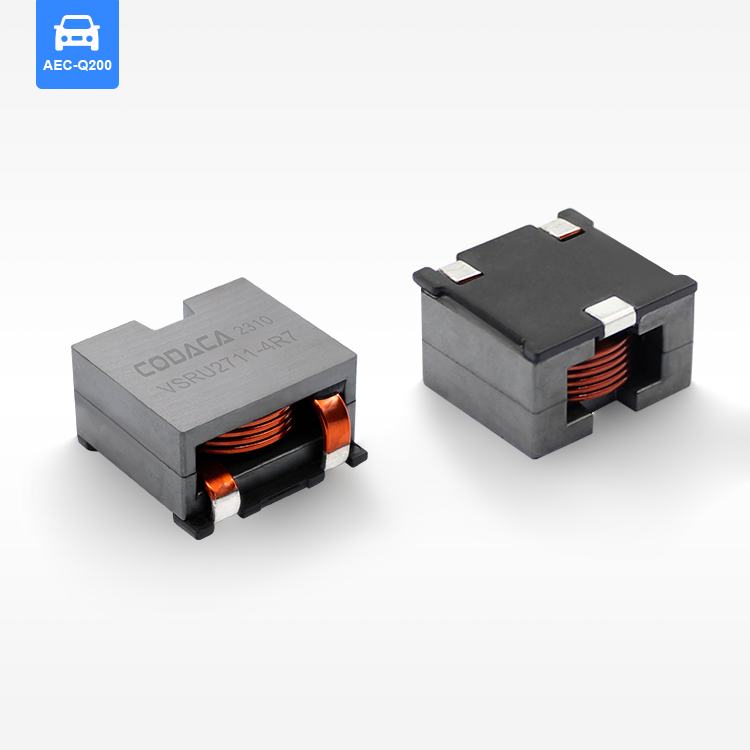
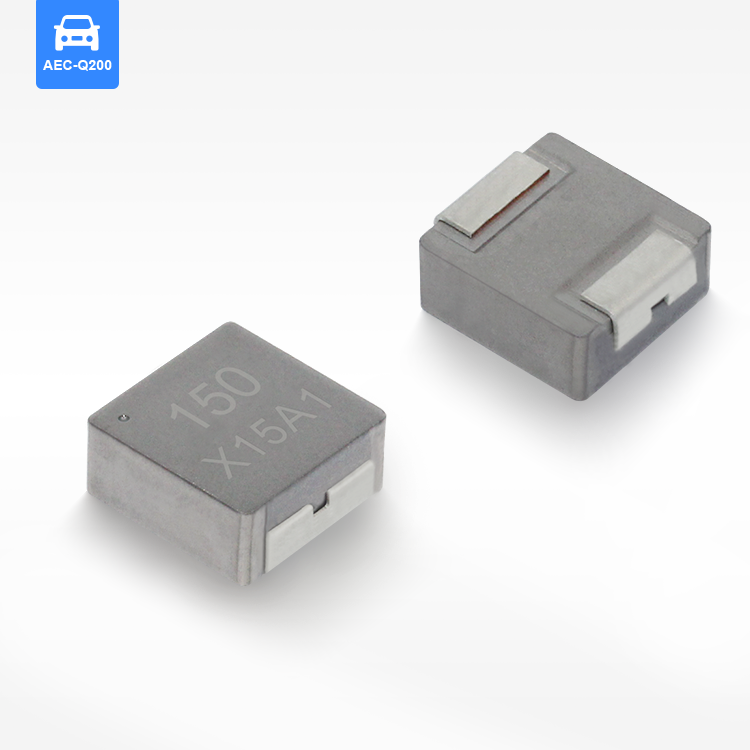
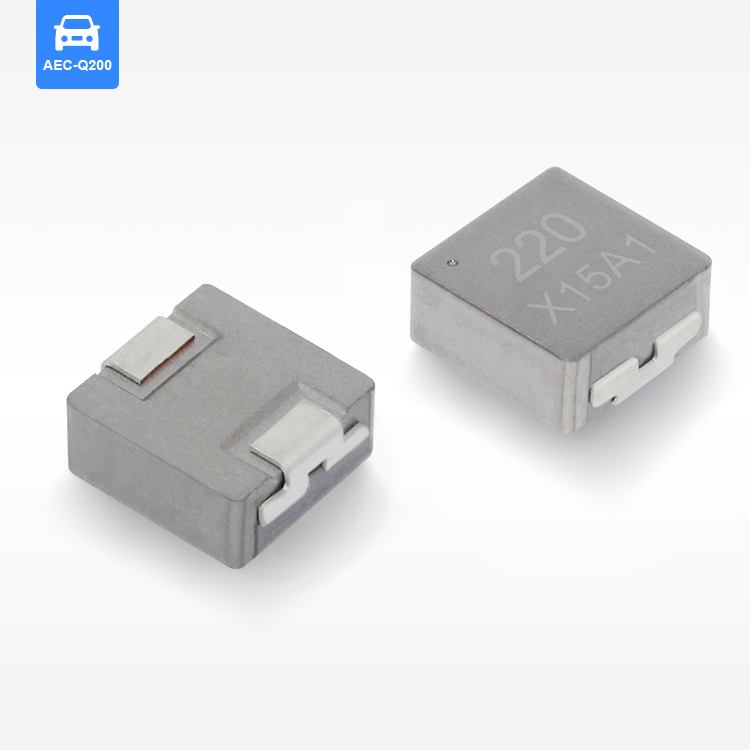
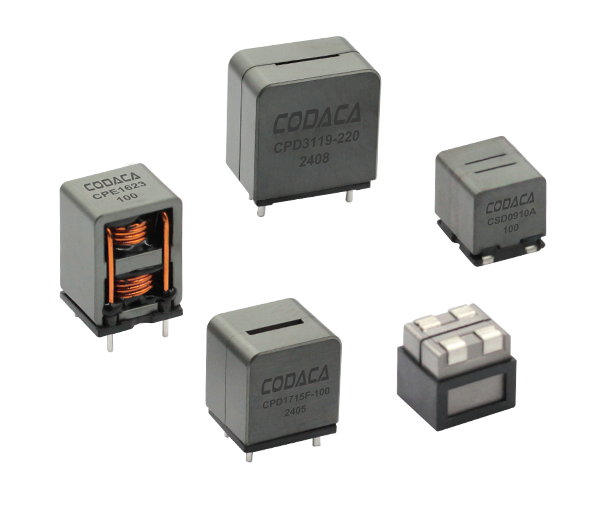
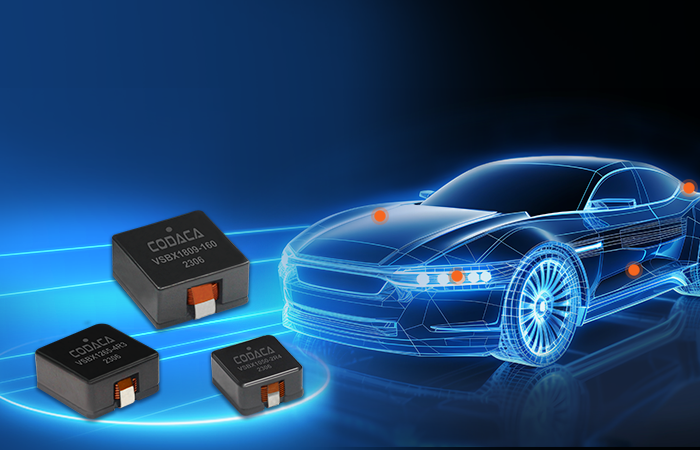
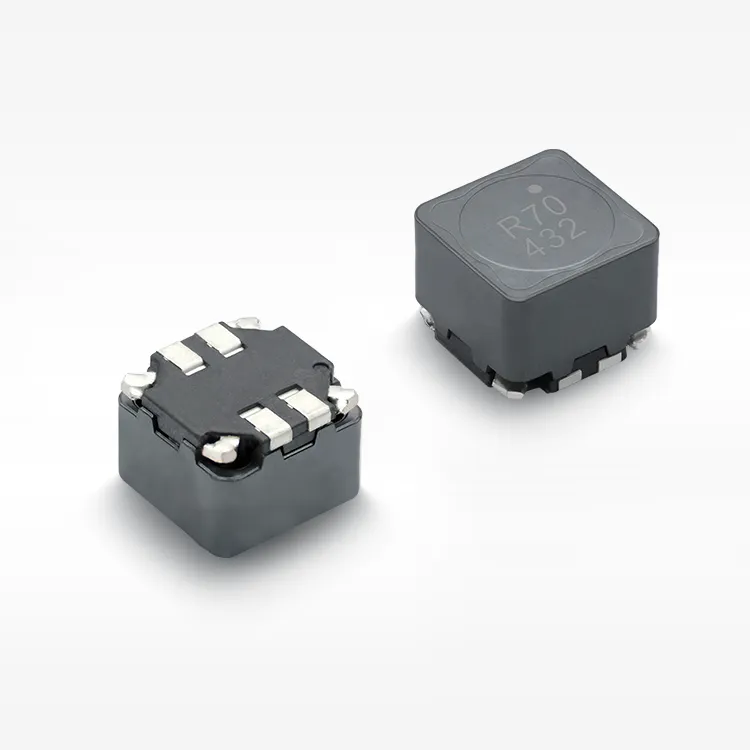
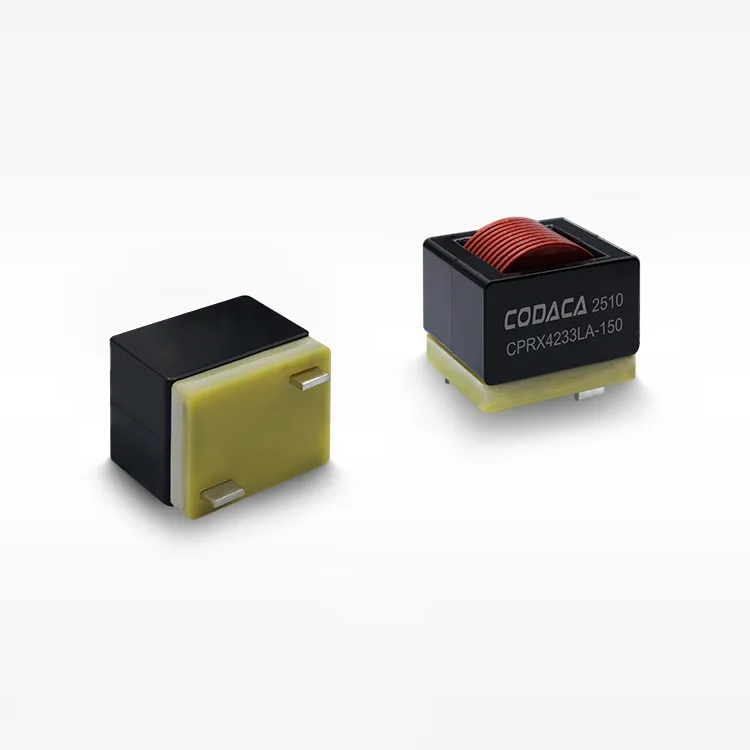
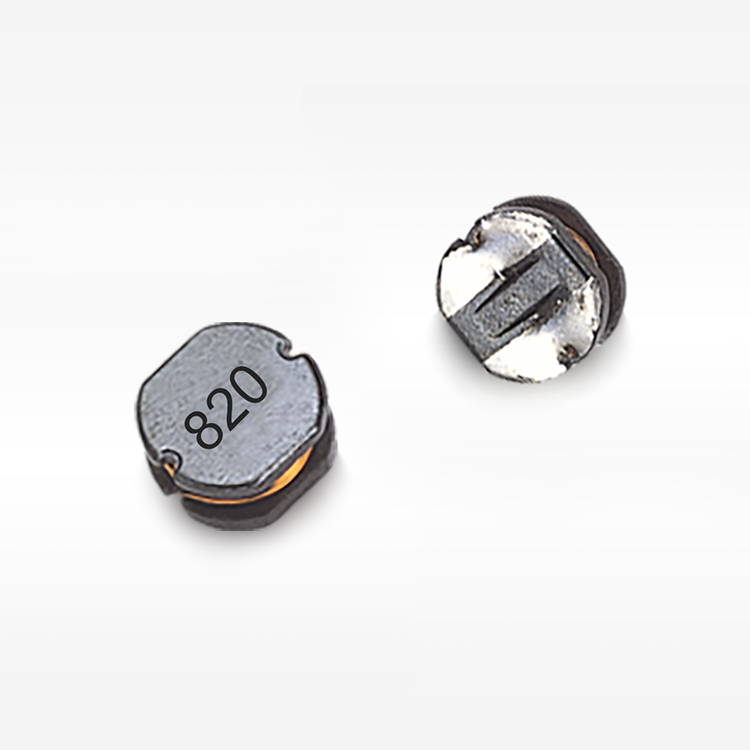
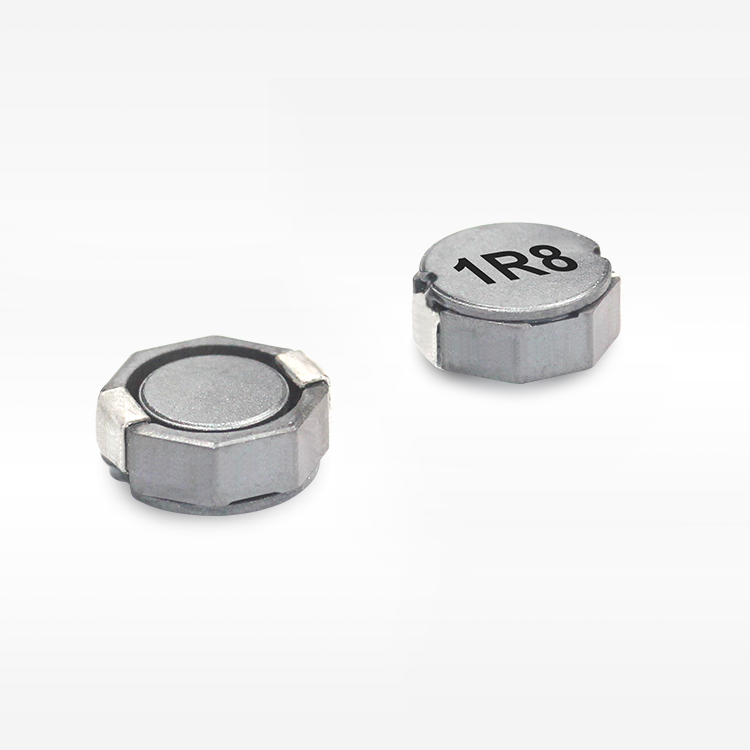
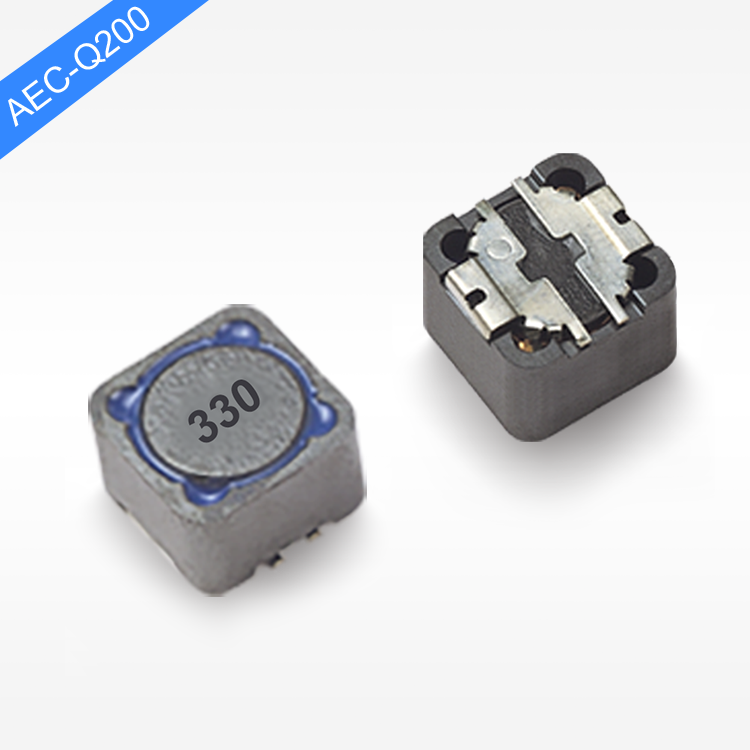
The low dcr smd inductor represents a revolutionary advancement in electronic component technology, designed to meet the demanding requirements of modern high-performance circuits. This specialized surface-mount device combines exceptional efficiency with compact form factors, making it an essential component for power management applications across various industries. The primary function of a low dcr smd inductor centers on energy storage and filtering within electronic circuits, while its ultra-low direct current resistance characteristics enable superior power efficiency and reduced heat generation. These inductors utilize advanced core materials and precision winding techniques to achieve remarkably low resistance values, typically ranging from milliohms to single-digit ohm measurements. The technological foundation relies on sophisticated magnetic core compositions, including ferrite and powdered iron materials, engineered to maximize inductance while minimizing parasitic resistance. Manufacturing processes incorporate automated precision winding systems that ensure consistent performance characteristics across production batches. The surface-mount design eliminates the need for through-hole mounting, enabling higher component density on printed circuit boards while facilitating automated assembly processes. Key applications span across switching power supplies, DC-DC converters, automotive electronics, telecommunications equipment, and consumer electronics where power efficiency remains critical. These inductors excel in voltage regulation modules, point-of-load converters, and battery management systems where minimal power loss translates directly into extended operational life and improved thermal performance. The compact footprint allows designers to create smaller, more efficient products without compromising electrical performance. Advanced shielding techniques minimize electromagnetic interference, ensuring reliable operation in sensitive electronic environments. Quality control measures include rigorous testing protocols that verify electrical characteristics, thermal stability, and mechanical durability under various operating conditions.

New Product Releases

The low dcr smd inductor delivers substantial benefits that directly impact product performance and manufacturing efficiency in multiple dimensions. Power efficiency stands as the most significant advantage, where the ultra-low resistance characteristics reduce energy losses during operation, translating into longer battery life for portable devices and lower operating costs for industrial applications. This efficiency improvement becomes particularly valuable in high-current applications where even small resistance values can generate substantial heat and power waste. Thermal management benefits emerge from reduced power dissipation, allowing electronic systems to operate at lower temperatures and improving overall reliability. Lower operating temperatures extend component lifespan and reduce the need for expensive cooling solutions, ultimately decreasing total system costs. The compact surface-mount package enables higher component density on circuit boards, allowing manufacturers to create smaller products while maintaining or improving performance levels. This space savings becomes crucial in applications where size constraints limit design options, such as wearable devices, smartphones, and automotive electronics. Manufacturing advantages include compatibility with automated pick-and-place assembly equipment, reducing production costs and improving consistency compared to traditional through-hole components. The standardized package dimensions ensure compatibility across different suppliers and facilitate component sourcing strategies. Electromagnetic compatibility improvements result from advanced shielding designs that minimize interference with nearby components and circuits. This characteristic proves essential in sensitive applications where signal integrity must remain uncompromised. Cost-effectiveness emerges through reduced system-level expenses, including smaller heat sinks, simpler cooling systems, and potentially smaller power supplies due to improved efficiency. The low dcr smd inductor contributes to overall system reliability by operating within lower stress conditions, reducing failure rates and maintenance requirements. Design flexibility increases as engineers gain more options for circuit optimization without compromising performance specifications. Quality consistency across production runs ensures predictable behavior in mass-produced products, reducing design validation time and improving time-to-market schedules.

Latest News

The Role of Inductors in Digital Amplifier Performance

14

May

The Role of Inductors in Digital Amplifier Performance

Inductors in amplifier circuits help you manage current flow effectively. They stabilize electrical signals and reduce unwanted noise. By doing so, they enhance the performance of your amplifier. These components also improve energy efficiency, ensur...
View More
How to Select the Best Automotive Grade High Current Power Inductors for Your Needs

31

Mar

How to Select the Best Automotive Grade High Current Power Inductors for Your Needs

Understanding Automotive Grade Requirements for Power Inductors AEC-Q200 Compliance and Certification AEC-Q200 is an essential industry standard for automotive components, ensuring products meet high-quality, reliability, and safety thresholds. This...
View More
The Role of Molding Power Chokes in Energy Storage Systems

13

May

The Role of Molding Power Chokes in Energy Storage Systems

Understanding Molding Power Chokes in Energy Storage Definition and Core Components Power Chokes are important inductive devices used in energy storage systems and they are commonly used to filter high frequency signals. These chokes are mainly...
View More
Inductors: A Solution for Noise Reduction in Digital Amplifiers

13

May

Inductors: A Solution for Noise Reduction in Digital Amplifiers

Understanding Noise Challenges in Digital Amplifiers Sources of Switching Noise in Digital Amplifiers Remedying the problem of switching noise, and the EMI it can cause is one of the hardest parts of digital amplifiers. High frequency switching...
View More

Get a Free Quote

Our representative will contact you soon.
Email
Name
Company Name
Message
0/1000

low dcr smd inductor

Ultra-Low Resistance Technology

Ultra-Low Resistance Technology

The revolutionary ultra-low resistance technology incorporated in the low dcr smd inductor represents a breakthrough in magnetic component engineering that fundamentally changes power management capabilities. This advanced technology achieves resistance values as low as single-digit milliohms through innovative conductor materials and optimized winding geometries. The engineering approach combines high-purity copper conductors with specialized cross-sectional designs that maximize current-carrying capacity while minimizing resistive losses. Advanced manufacturing techniques ensure precise control over conductor positioning and core material characteristics, resulting in consistent low-resistance performance across all production units. The benefit extends beyond simple efficiency improvements to encompass thermal management advantages that cascade throughout entire electronic systems. When compared to conventional inductors, the low dcr smd inductor can reduce power losses by up to seventy percent in typical applications, translating directly into extended battery life for portable devices and reduced cooling requirements for stationary equipment. This technology becomes particularly valuable in high-current switching applications where traditional inductors would generate excessive heat and consume significant power. The ultra-low resistance characteristics enable designers to use smaller current ratings for upstream components, reducing overall system costs and complexity. Quality control processes ensure that resistance values remain stable across temperature variations and aging cycles, providing reliable long-term performance. The manufacturing precision required to achieve these low resistance values demonstrates advanced production capabilities that guarantee consistent product quality. Applications benefiting most from this technology include automotive power systems, server power supplies, and renewable energy converters where efficiency directly impacts operational costs and environmental considerations.
Advanced Thermal Performance

Advanced Thermal Performance

The superior thermal performance characteristics of the low dcr smd inductor provide critical advantages in demanding applications where temperature management determines system reliability and longevity. This enhanced thermal behavior results from the combination of low resistance operation and optimized core materials that exhibit excellent heat dissipation properties. The reduced power losses inherent in low resistance design mean less heat generation at the component level, while advanced core materials facilitate efficient heat transfer to surrounding circuit board areas. Thermal testing demonstrates that these inductors operate at significantly lower temperatures compared to conventional alternatives, often maintaining temperature rises below twenty degrees Celsius under full load conditions. The improved thermal performance enables higher power density designs where multiple components can operate in close proximity without thermal interference concerns. System-level benefits include reduced cooling requirements, smaller heat sinks, and simplified thermal management strategies that lower overall product costs. The stable thermal characteristics ensure consistent electrical performance across operating temperature ranges, maintaining inductance values and resistance specifications even under extreme conditions. This thermal stability proves essential in automotive applications where temperature cycles can range from minus forty to plus one hundred twenty-five degrees Celsius. Advanced packaging techniques incorporate thermal interface materials that enhance heat transfer efficiency while maintaining compact form factors. The low dcr smd inductor enables designers to implement higher switching frequencies in power conversion applications, as improved thermal performance allows operation at increased power levels without thermal stress. Reliability improvements result from reduced thermal cycling stress on internal components, extending operational life and reducing failure rates. Manufacturing quality controls include thermal cycling tests that verify performance stability across expected operating ranges, ensuring consistent behavior in production applications.
Compact Design Integration

Compact Design Integration

The compact design integration capabilities of the low dcr smd inductor enable revolutionary improvements in product miniaturization while maintaining superior electrical performance characteristics. The surface-mount package eliminates the space requirements associated with through-hole mounting, allowing for higher component density and more efficient board layout strategies. Advanced packaging techniques achieve remarkable space efficiency by optimizing the relationship between magnetic core volume and external package dimensions, maximizing inductance per unit area. The standardized footprint dimensions ensure compatibility with automated assembly equipment while providing flexibility for design optimization across different applications. This compact form factor becomes particularly valuable in space-constrained applications such as wearable electronics, mobile devices, and embedded systems where every square millimeter of board space carries premium value. The low-profile design enables stacking of circuit boards in multi-layer assemblies without clearance issues, facilitating three-dimensional packaging strategies that further enhance space utilization. Manufacturing advantages include reduced material costs for circuit boards, as smaller components require less substrate area and enable more efficient panel utilization during production. The compact design also contributes to improved electromagnetic performance by reducing parasitic inductances and capacitances associated with longer connection paths in larger components. Signal integrity benefits emerge from shorter current loops and reduced electromagnetic radiation, particularly important in high-frequency applications. The low dcr smd inductor supports high-density power management solutions where multiple conversion stages must coexist in minimal space, enabling sophisticated power architectures previously impossible due to size constraints. Assembly reliability improves through stronger solder joint formation enabled by optimized pad geometries and controlled thermal expansion characteristics. Design flexibility increases as engineers gain more options for component placement and routing optimization, leading to improved electrical performance and reduced electromagnetic interference in complex electronic systems.