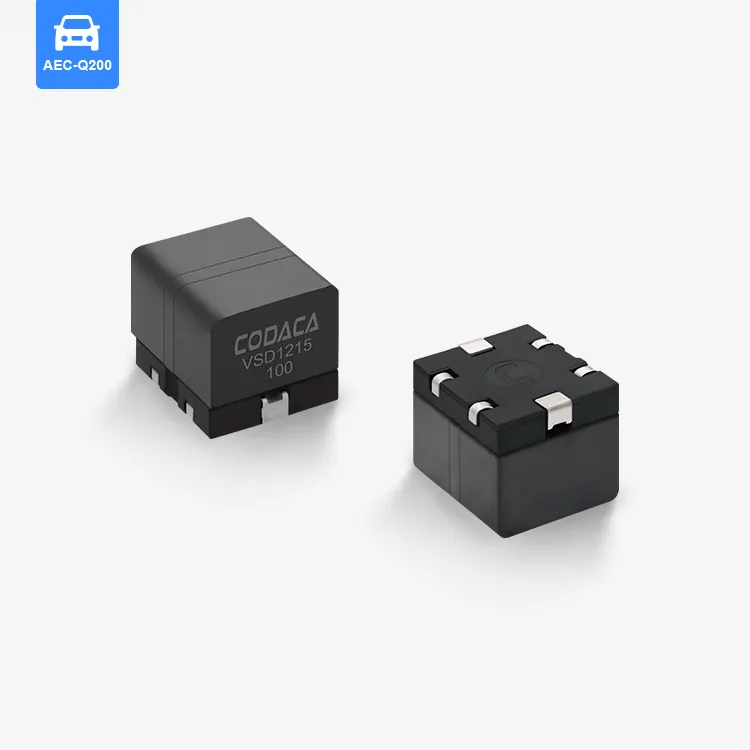
Low Loss Power Inductors: High-Efficiency Solutions for Advanced Power Management Systems

All Categories

Get a Free Quote

Our representative will contact you soon.
Email
Name
Company Name
Message
0/1000

low loss power inductor

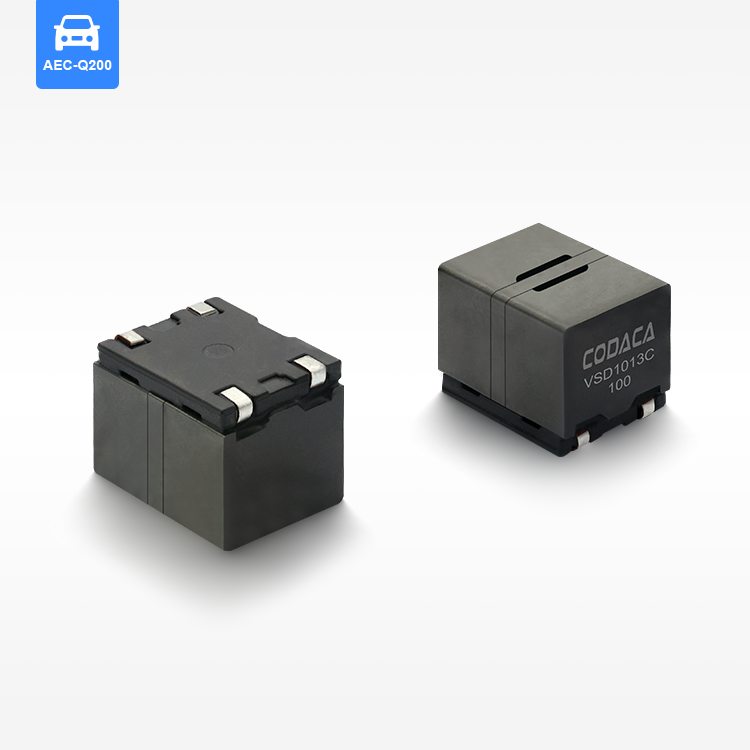
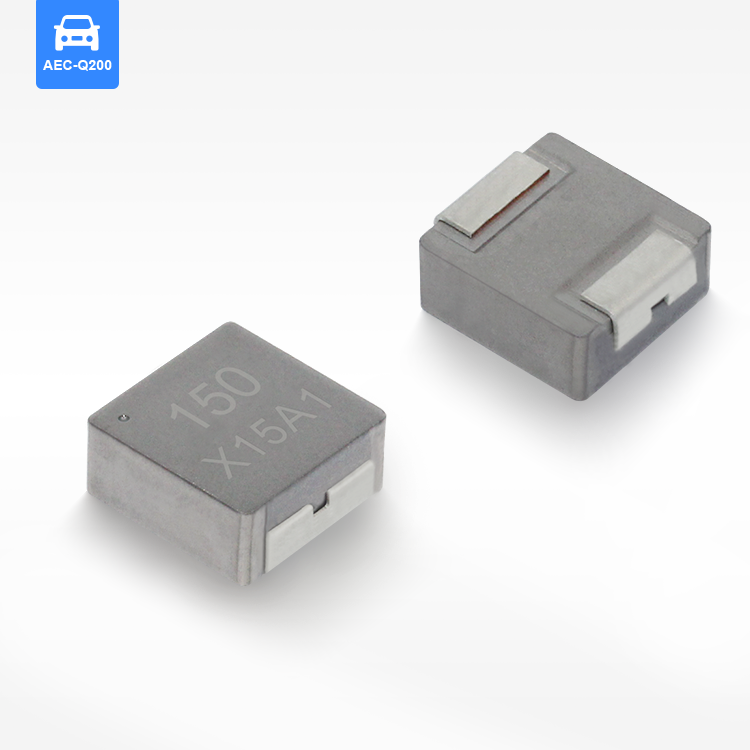
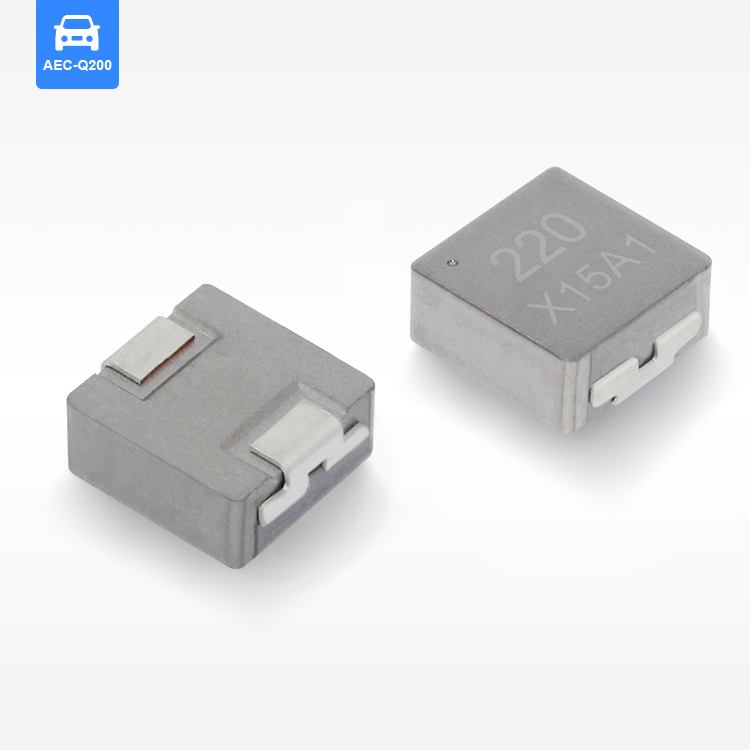
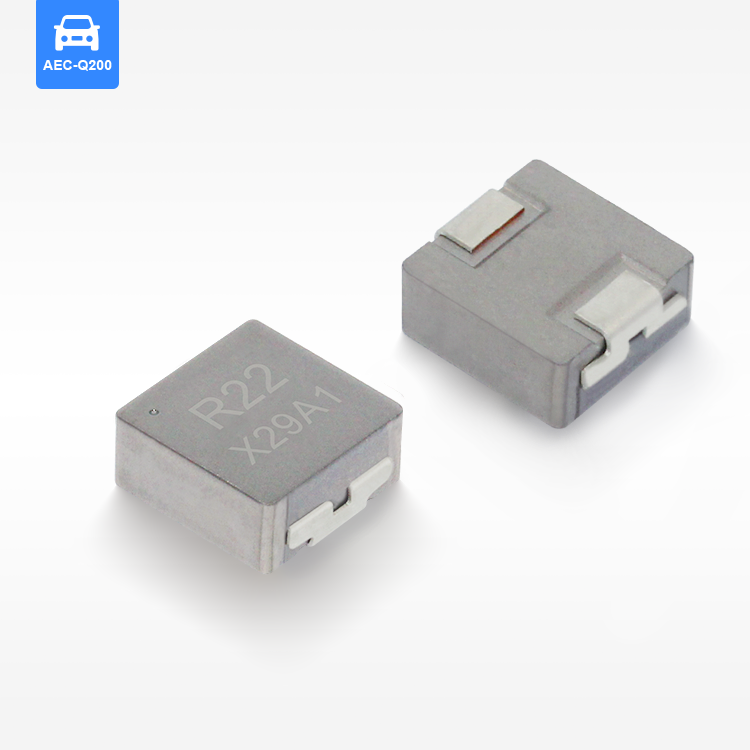
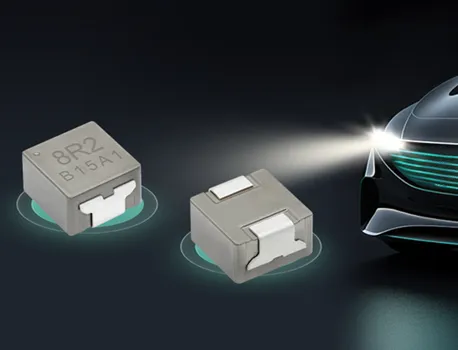
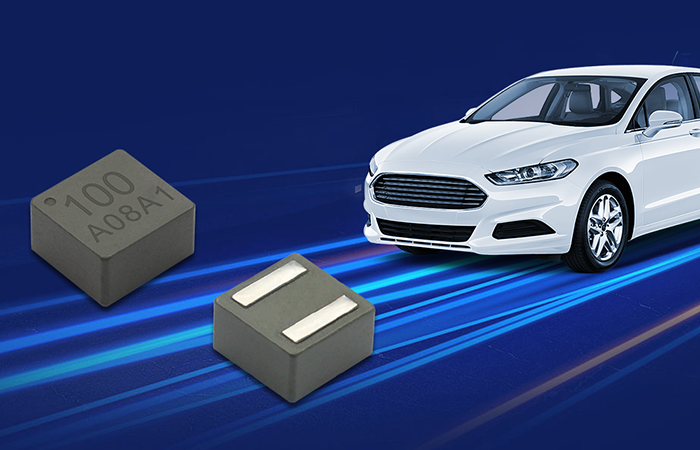
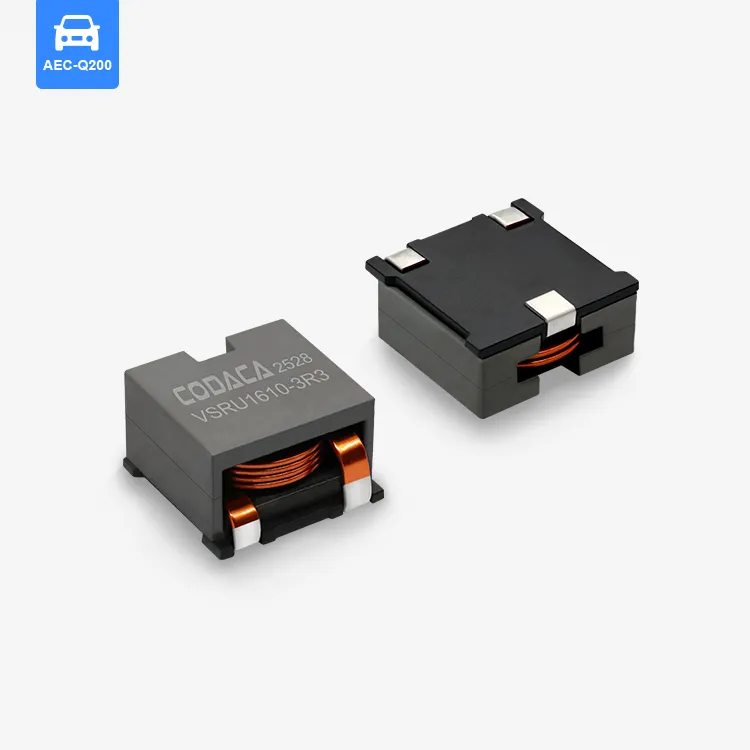
A low loss power inductor represents a sophisticated electronic component engineered to store and release magnetic energy with exceptional efficiency in power management circuits. These specialized inductors minimize energy dissipation through advanced materials and precision manufacturing techniques, making them essential components in modern electronic systems where power efficiency directly impacts performance and operational costs. The primary function of a low loss power inductor centers on controlling current flow and voltage regulation within switching power supplies, DC-DC converters, and various power management applications. Unlike conventional inductors that suffer from significant energy losses through resistance and core losses, these advanced components utilize superior magnetic core materials such as ferrite or powdered iron alloys combined with optimized winding configurations to achieve remarkable efficiency ratings often exceeding 95 percent. The technological features that distinguish low loss power inductors include carefully selected core materials with high permeability and low hysteresis losses, precision-wound copper conductors with minimal resistance, and innovative packaging designs that enhance thermal dissipation. These inductors operate across wide frequency ranges while maintaining stable inductance values, ensuring consistent performance under varying load conditions. Their applications span numerous industries including automotive electronics, renewable energy systems, telecommunications infrastructure, computer hardware, and consumer electronics. In electric vehicle charging systems, low loss power inductors enable faster charging times while reducing heat generation. Data centers rely on these components to improve power supply efficiency, directly reducing operational costs and environmental impact. Mobile devices benefit from extended battery life through more efficient power conversion circuits incorporating these advanced inductors. The compact form factors available make them suitable for space-constrained applications without compromising performance. Manufacturing processes involve strict quality control measures to ensure consistent magnetic properties and electrical characteristics, making low loss power inductors reliable components for mission-critical applications where power efficiency and thermal management are paramount concerns for system designers and engineers.

New Product Recommendations

Low loss power inductors deliver substantial advantages that directly translate into measurable benefits for electronic systems and their users. These components significantly reduce power consumption compared to traditional inductors, which means lower electricity bills for consumers and businesses operating electronic equipment. The improved efficiency creates less heat during operation, eliminating the need for complex cooling systems and reducing overall system costs. This thermal advantage extends component lifespan considerably, as electronic parts operate more reliably at lower temperatures, reducing maintenance requirements and replacement costs over time. The superior efficiency of low loss power inductors enables engineers to design more compact systems since less space is required for heat dissipation components. This size reduction proves especially valuable in portable devices where every millimeter matters for user convenience and product competitiveness. Battery-powered applications experience dramatically extended operating times because these inductors waste less stored energy during power conversion processes. Users enjoy longer usage periods between charges, improving productivity and user satisfaction. The stable performance characteristics of low loss power inductors across varying temperatures and load conditions ensure consistent system behavior, reducing the likelihood of unexpected failures or performance degradation. This reliability translates into lower warranty costs for manufacturers and fewer service interruptions for end users. Installation and integration become simpler because these inductors often require fewer supporting components due to their superior performance characteristics. Engineers can design systems with reduced component counts, lowering manufacturing costs and improving overall system reliability. The wide operating frequency range of low loss power inductors provides design flexibility, allowing engineers to optimize systems for specific applications without component limitations. Environmental benefits emerge from reduced energy consumption, contributing to lower carbon footprints for both individual devices and large-scale deployments. Regulatory compliance becomes easier as many regions implement stricter energy efficiency standards for electronic products. Cost savings accumulate over the product lifecycle through reduced energy consumption, extended component life, simplified thermal management, and decreased maintenance requirements. These advantages make low loss power inductors essential components for competitive electronic products in today's efficiency-conscious market environment.

Latest News

The Role of Industrial Power Inductors in Modern Electronics

07

Apr

The Role of Industrial Power Inductors in Modern Electronics

Industrial power inductors play a vital role in modern electronics. They store energy, filter signals, and convert power to ensure your devices operate efficiently. These components stabilize circuits by controlling current flow and reducing noise. Y...
View More
The Science Behind Automotive Grade Molding Power Choke Design

31

Mar

The Science Behind Automotive Grade Molding Power Choke Design

Introduction Automotive grade molding power chokes, also known as molded power inductors, are essential components in electrical circuits particularly within the automotive industry. These chokes consist of a coil of wire wound around a ferrite core...
View More
Choosing the Right Automotive grade Molded Power Inductor for Your Application

02

Apr

Choosing the Right Automotive grade Molded Power Inductor for Your Application

Inductance and Current Ratings: Balancing Ripple and Saturation In automotive applications, understanding the balance between inductance and current ratings is essential. These benchmarks ensure that ripple voltage is minimized and saturation curren...
View More
How to Select the Right Inductor for Switching Power Supplies

26

May

How to Select the Right Inductor for Switching Power Supplies

An inductor is a common energy-storing passive component in circuits, playing roles such as filtering, boosting, and bucking in the design of switching power supplies. In the early stage of scheme design, engineers not only need to select appropriate...
View More

Get a Free Quote

Our representative will contact you soon.
Email
Name
Company Name
Message
0/1000

low loss power inductor

Superior Energy Efficiency Optimization

Superior Energy Efficiency Optimization

The exceptional energy efficiency of low loss power inductors represents their most compelling advantage, delivering efficiency ratings that consistently exceed 95 percent under typical operating conditions. This remarkable performance stems from carefully engineered magnetic core materials that minimize hysteresis losses and eddy current formation, two primary sources of energy waste in conventional inductors. The advanced ferrite and powdered iron core compositions undergo precise manufacturing processes to achieve optimal magnetic permeability while maintaining minimal loss characteristics across wide frequency ranges. These materials resist magnetic saturation even under high current conditions, ensuring consistent performance throughout the operating cycle. The winding design utilizes high-grade copper conductors with optimized cross-sectional areas to minimize resistive losses, while specialized insulation materials prevent parasitic capacitance that could degrade high-frequency performance. This efficiency translates directly into reduced power consumption for electronic systems, enabling battery-powered devices to operate significantly longer between charges and reducing electricity costs for grid-powered equipment. The thermal benefits prove equally important, as reduced energy losses mean less heat generation during operation. Lower operating temperatures extend component lifespan, improve system reliability, and eliminate the need for elaborate cooling mechanisms that add cost and complexity to electronic designs. For manufacturers, these efficiency gains enable compliance with increasingly strict energy regulations while providing competitive advantages through reduced operating costs. Data centers implementing systems with low loss power inductors report measurable reductions in electricity bills and cooling requirements, creating substantial cost savings that accumulate over time. The environmental impact proves significant as well, with reduced energy consumption contributing to lower carbon footprints and supporting corporate sustainability initiatives. This efficiency advantage becomes particularly crucial in applications where energy costs represent significant operational expenses, such as telecommunications infrastructure, industrial automation systems, and large-scale computing facilities where even small percentage improvements in efficiency translate into substantial financial benefits over the system lifecycle.
Advanced Thermal Management Capabilities

Advanced Thermal Management Capabilities

Low loss power inductors excel in thermal management through innovative design approaches that effectively dissipate heat while maintaining optimal operating temperatures across demanding applications. The superior thermal characteristics result from multi-faceted engineering solutions including specialized core materials with excellent thermal conductivity, optimized physical geometries that maximize surface area for heat dissipation, and advanced packaging techniques that facilitate efficient heat transfer to surrounding environments. The magnetic core materials undergo careful selection processes to identify compositions that balance magnetic performance with thermal properties, ensuring that heat generated during operation transfers quickly away from critical components. Surface treatments and coatings enhance emissivity, improving radiative heat transfer while protecting against environmental factors that could degrade performance over time. The winding configurations minimize hot spots by distributing current evenly across conductor cross-sections, preventing localized heating that could compromise reliability or performance. Thermal modeling during the design phase ensures optimal heat flow paths, while physical testing validates performance under extreme temperature conditions. These thermal management capabilities prove essential in high-power applications where conventional inductors struggle to maintain stable operation. Automotive electronics benefit significantly from these thermal advantages, as engine compartment temperatures can exceed normal operating ranges for standard components. The stable thermal performance enables reliable operation in harsh environments without additional cooling provisions, reducing system complexity and improving reliability. Industrial applications operating in elevated ambient temperatures rely on the superior thermal characteristics to maintain consistent performance throughout extended duty cycles. The reduced thermal stress on surrounding components extends overall system lifespan while improving fault tolerance under challenging operating conditions. Design engineers appreciate the thermal predictability of low loss power inductors, as consistent thermal behavior enables more accurate system modeling and optimization. The thermal advantages also support higher power density designs, allowing more functionality to be packaged into smaller volumes without thermal limitations. This thermal management excellence contributes directly to improved product reliability, reduced warranty costs, and enhanced customer satisfaction across diverse application environments.
Exceptional Design Flexibility and Integration

Exceptional Design Flexibility and Integration

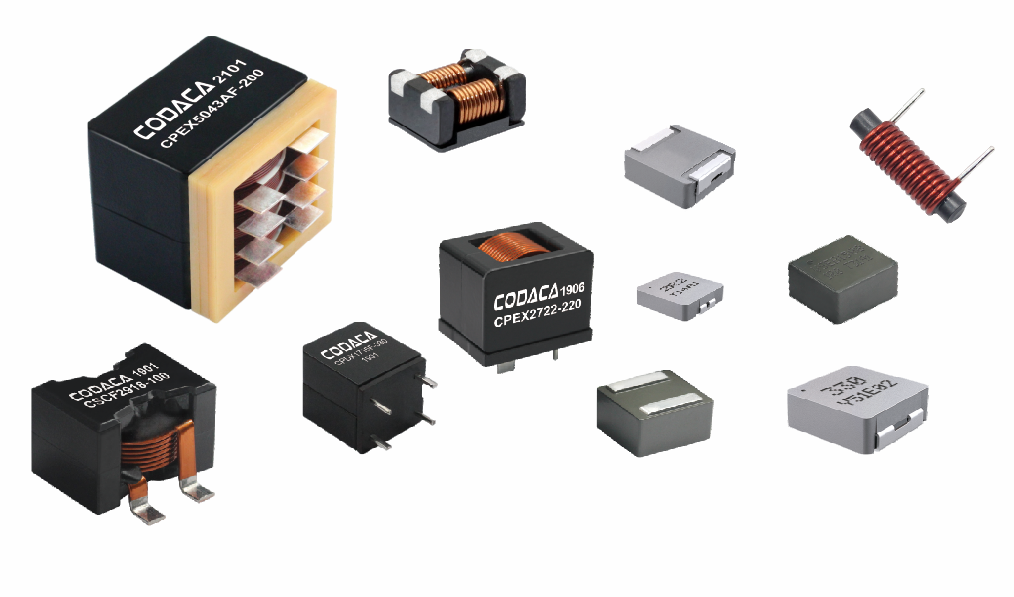
The outstanding design flexibility offered by low loss power inductors empowers engineers to create innovative solutions across diverse applications while maintaining optimal performance characteristics. This flexibility emerges from comprehensive product lines that span wide ranges of inductance values, current ratings, physical sizes, and mounting configurations, enabling precise matching to specific application requirements. The broad frequency response characteristics allow single inductor types to function effectively across multiple frequency bands, simplifying inventory management and reducing design complexity for multi-frequency systems. Standard footprint compatibility ensures easy integration into existing designs while advanced packaging options support emerging technologies and miniaturization trends. The stable electrical characteristics across varying environmental conditions provide design confidence, as engineers can rely on consistent performance without extensive derating or protection circuitry. Temperature coefficients remain minimal across operating ranges, eliminating the need for complex compensation circuits that add cost and complexity to system designs. The low loss power inductors accommodate various mounting techniques including surface mount, through-hole, and specialized high-current configurations, supporting different manufacturing processes and assembly requirements. Customization capabilities enable tailored solutions for unique applications where standard products cannot meet specific requirements, providing access to optimized performance characteristics without compromising on quality or reliability. The predictable behavior under different load conditions simplifies system design and testing procedures, reducing development time and accelerating time-to-market for new products. Integration advantages extend to power management architectures where multiple inductors work together in complex switching topologies, as consistent characteristics between units ensure balanced operation and optimal system performance. The compatibility with automated assembly processes reduces manufacturing costs while maintaining high quality standards essential for reliable operation. Design tools and simulation models provided by manufacturers enable accurate system modeling during development phases, reducing prototype iterations and development costs. The scalability of low loss power inductor technology supports applications ranging from milliwatt portable devices to kilowatt industrial systems, providing consistent performance advantages across power levels. This design flexibility proves particularly valuable in rapidly evolving technology sectors where component adaptability determines product success and market competitiveness, enabling engineers to focus on innovation rather than component limitations.