Molding Power Inductor: Advanced Magnetic Components for Superior Power Management Solutions

All Categories

Get a Free Quote

Our representative will contact you soon.
Email
Name
Company Name
Message
0/1000

molding power inductor

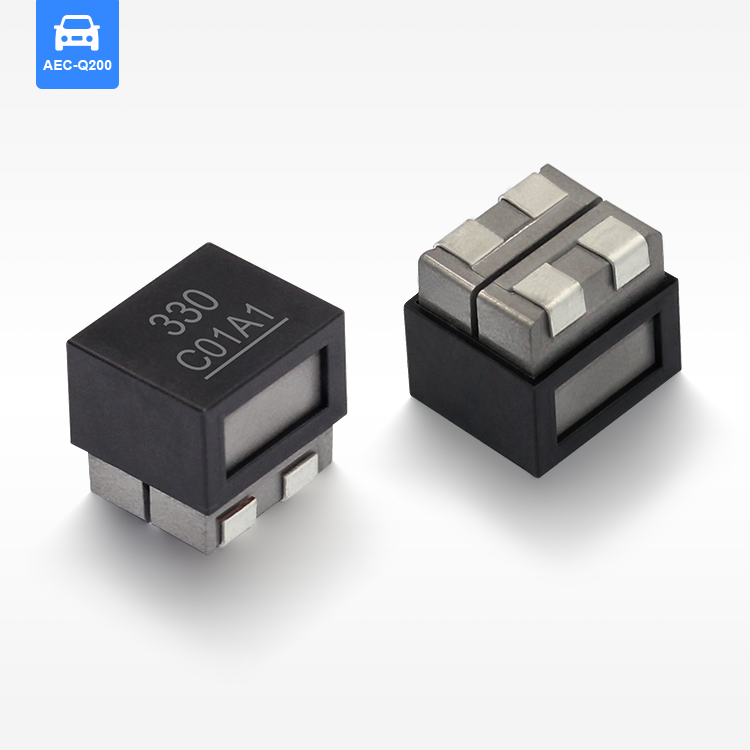
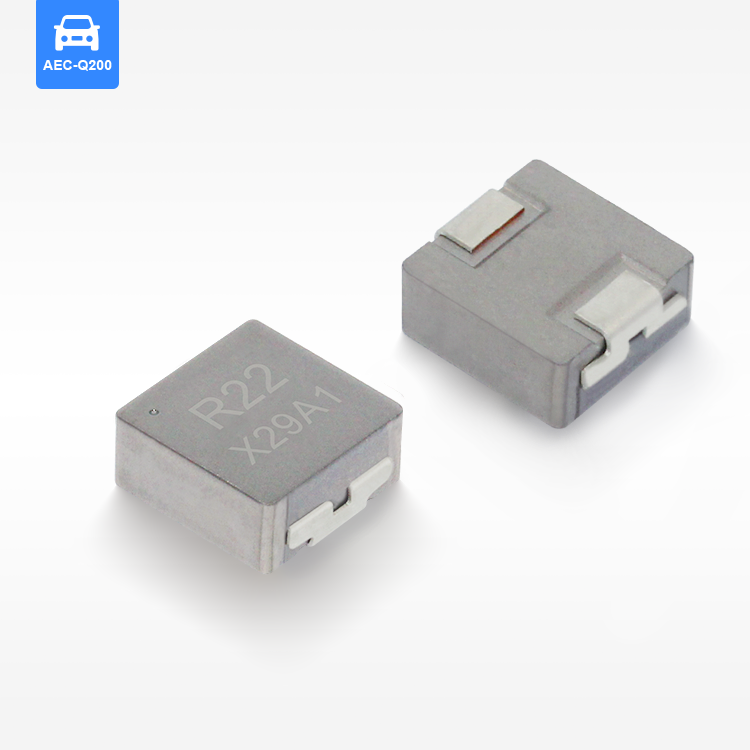
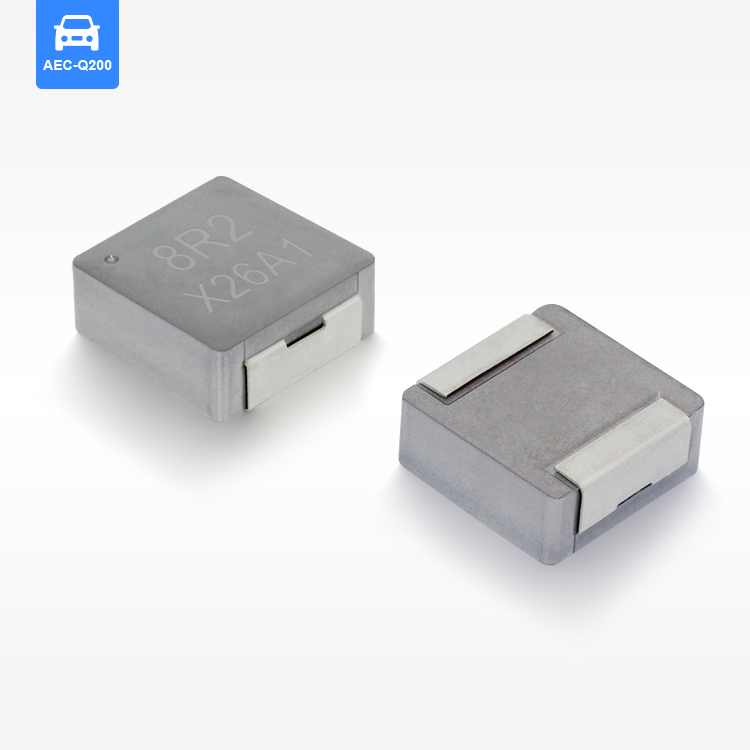
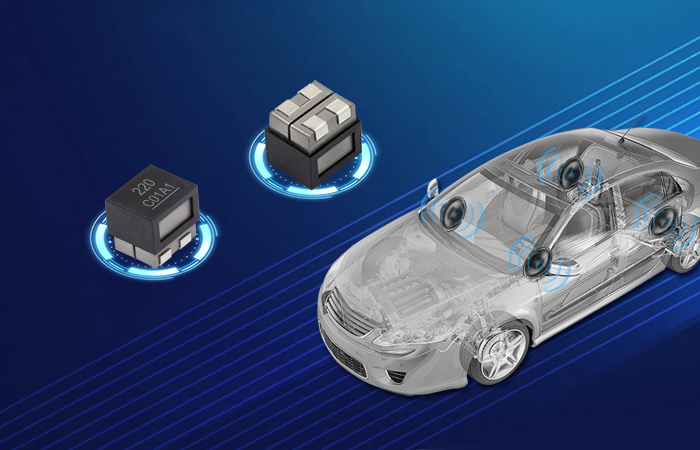
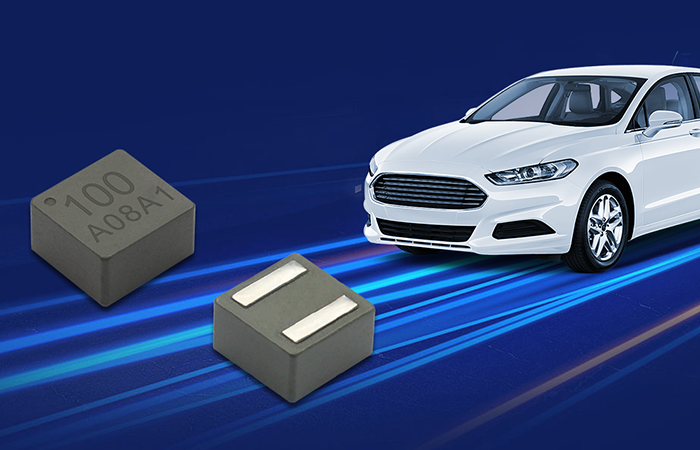
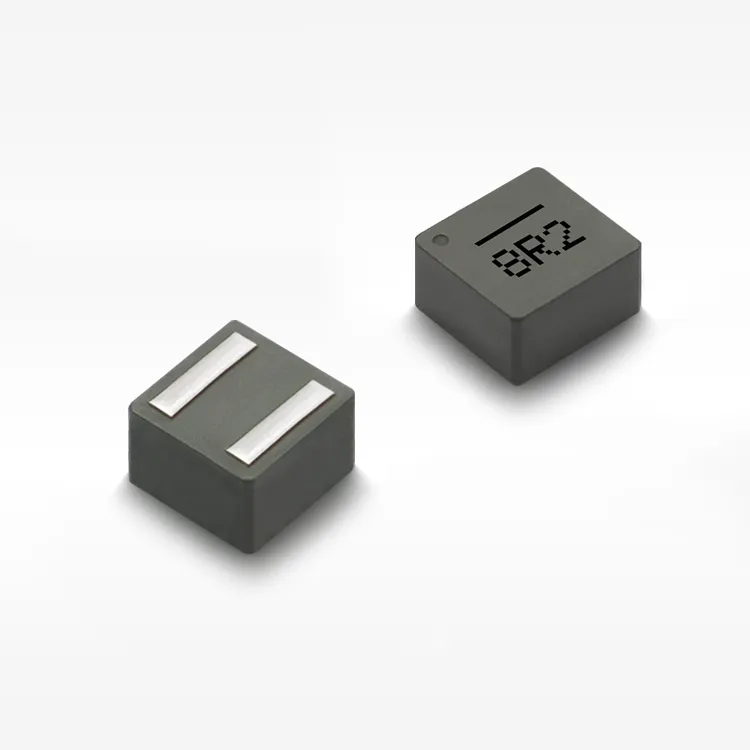
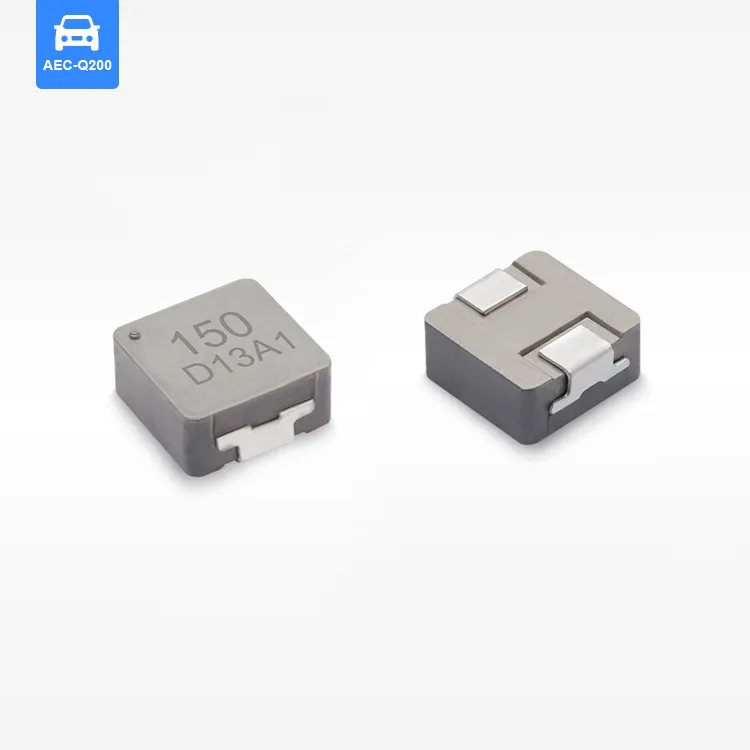
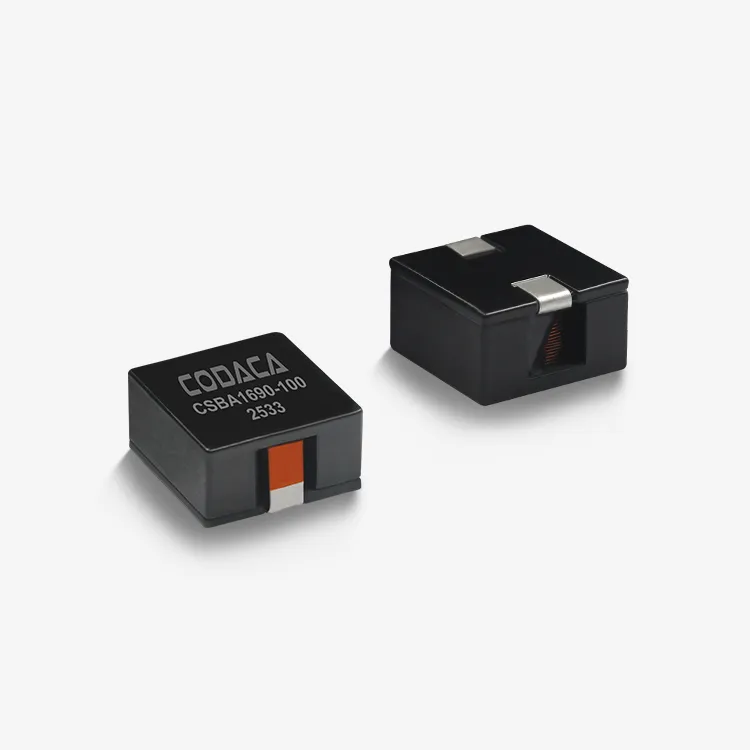
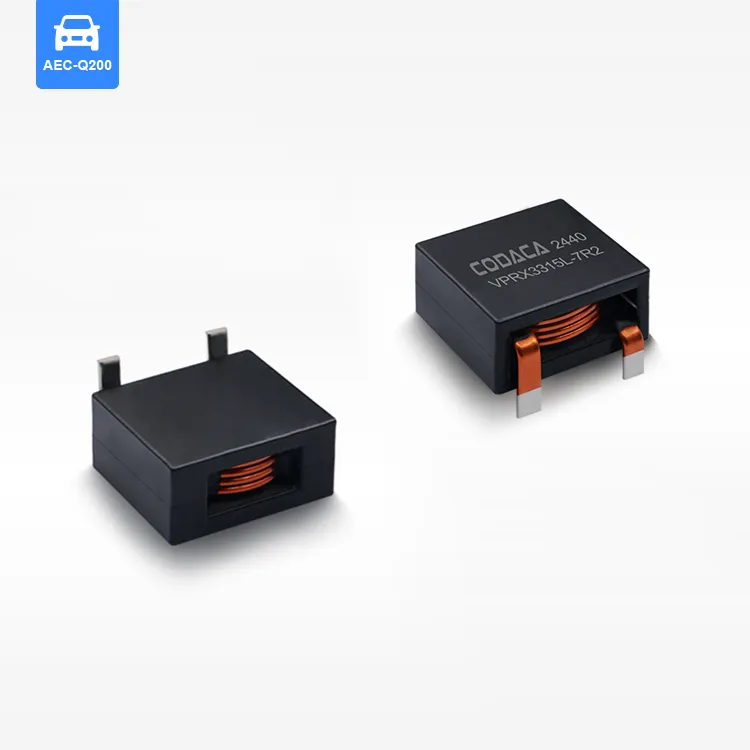
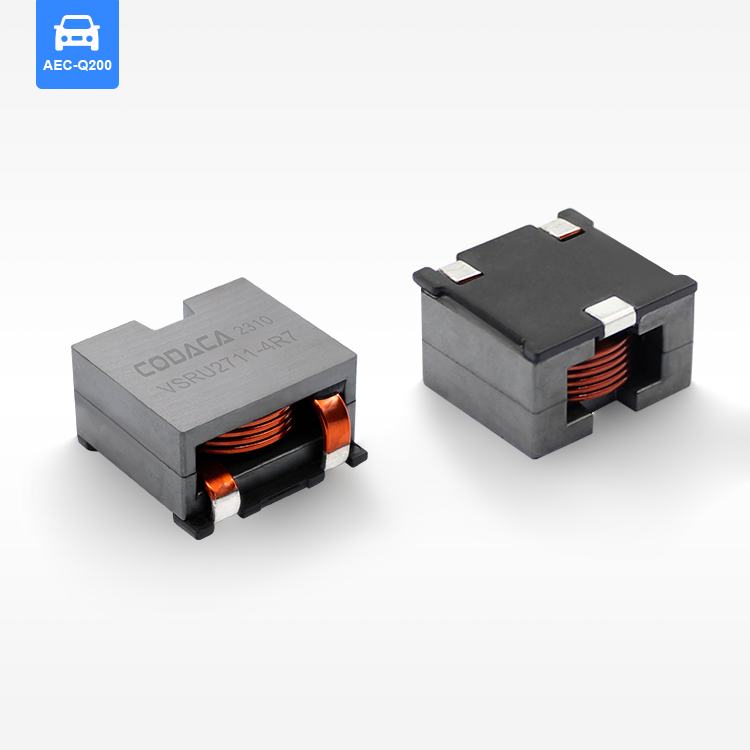
The molding power inductor represents a critical component in modern electronic circuits, designed specifically to store magnetic energy and regulate electrical current flow in power management systems. This sophisticated electronic component utilizes advanced molding technology to encapsulate the inductor core and windings within a protective resin or plastic housing, creating a robust and reliable solution for various power applications. The molding power inductor operates by generating a magnetic field when electrical current passes through its coiled wire structure, effectively storing energy that can be released back into the circuit as needed. This fundamental principle makes the molding power inductor essential for filtering, energy storage, and current smoothing operations across countless electronic devices. The technological features of the molding power inductor include precision-wound copper wire coils, high-quality ferrite or iron powder cores, and specialized molding compounds that provide excellent thermal stability and mechanical protection. Modern manufacturing processes ensure consistent inductance values, low resistance characteristics, and superior frequency response performance. The molding process itself involves encapsulating the entire inductor structure within thermosetting resins or thermoplastic materials, creating a sealed unit that resists environmental factors such as moisture, dust, and temperature fluctuations. Applications for the molding power inductor span across numerous industries and electronic systems, including switch-mode power supplies, DC-DC converters, automotive electronics, telecommunications equipment, consumer electronics, and industrial automation systems. In power supply circuits, the molding power inductor serves as a crucial component for energy storage and transfer, helping to maintain stable voltage levels and reduce electromagnetic interference. The automotive industry particularly benefits from the molding power inductor's reliability in harsh operating conditions, where traditional inductors might fail due to vibration, temperature extremes, or exposure to contaminants.

New Product Recommendations

The molding power inductor offers numerous compelling advantages that make it an superior choice for engineers and manufacturers seeking reliable, efficient power management solutions. Enhanced durability stands as one of the most significant benefits, as the molding process creates a protective barrier that shields the internal components from environmental hazards, mechanical stress, and chemical exposure. This protection ensures consistent performance over extended periods, reducing maintenance requirements and system downtime in critical applications. The molding power inductor demonstrates exceptional thermal management capabilities, with the encapsulating material effectively dissipating heat generated during operation while maintaining stable electrical characteristics across wide temperature ranges. This thermal stability translates directly into improved efficiency and longer operational life compared to traditional open-core inductors. Manufacturing consistency represents another key advantage, as the molding process enables precise control over component dimensions, inductance values, and electrical properties, resulting in predictable performance characteristics that simplify circuit design and reduce quality control concerns. The compact form factor achieved through molding technology allows designers to minimize board space requirements while maintaining or improving electrical performance, enabling the development of smaller, more portable electronic devices without compromising functionality. Cost-effectiveness emerges as a practical benefit for volume applications, as automated molding processes reduce production costs while maintaining high quality standards, making the molding power inductor an economical solution for mass-produced electronics. The molding power inductor exhibits superior electromagnetic shielding properties, with the encapsulating material helping to contain magnetic fields and reduce interference with adjacent circuit components, improving overall system performance and regulatory compliance. Installation and handling become significantly easier with molded components, as the protective housing eliminates concerns about damaging delicate wire windings during assembly processes. Quality control benefits include consistent visual inspection capabilities and standardized testing procedures, enabling manufacturers to maintain strict quality standards throughout production runs. The molding power inductor also demonstrates excellent vibration resistance, making it ideal for automotive, aerospace, and industrial applications where mechanical stress could compromise traditional inductor designs. Chemical resistance properties of modern molding compounds protect against corrosive environments, extending component life in challenging operating conditions.

Latest News

How High Current Power Inductors Enhance Energy Efficiency

31

Mar

How High Current Power Inductors Enhance Energy Efficiency

Introduction High current power inductors are crucial components in power electronics, designed to store energy in a magnetic field while allowing significant currents to pass through. These inductors are essential for a variety of applications, inc...
View More
The Most Durable Automotive Grade Digital Power Amplifier Inductor

01

Apr

The Most Durable Automotive Grade Digital Power Amplifier Inductor

Introduction Automotive-grade digital power amplifier inductors are essential components in modern vehicle audio systems. These inductors are designed to handle large currents and provide stable performance under various environmental conditions, en...
View More
Choosing the Right Automotive grade Molded Power Inductor for Your Application

02

Apr

Choosing the Right Automotive grade Molded Power Inductor for Your Application

Inductance and Current Ratings: Balancing Ripple and Saturation In automotive applications, understanding the balance between inductance and current ratings is essential. These benchmarks ensure that ripple voltage is minimized and saturation curren...
View More
A Comprehensive Review of the SMD Power Inductor Market

13

May

A Comprehensive Review of the SMD Power Inductor Market

Overview of the SMD Power Inductor Market Defining SMD Power Inductors and Core Functionality SMD power inductor is a kind of basic components in electronic circuit which always used as a anti interference in electronics. They are parts of...
View More

Get a Free Quote

Our representative will contact you soon.
Email
Name
Company Name
Message
0/1000

molding power inductor

Superior Environmental Protection and Reliability

Superior Environmental Protection and Reliability

The molding power inductor excels in providing unmatched environmental protection through its advanced encapsulation technology, setting it apart from conventional inductor designs in critical applications. The sophisticated molding process completely seals the inductor's core and windings within a specially formulated polymer matrix, creating an impenetrable barrier against moisture infiltration, dust contamination, and corrosive chemicals that commonly cause premature component failure. This comprehensive protection becomes particularly valuable in automotive electronics, where the molding power inductor must withstand extreme temperature cycles ranging from sub-zero winter conditions to high-heat engine compartment environments, while simultaneously resisting exposure to road salt, automotive fluids, and vibration stress. The reliability benefits extend beyond environmental resistance to include mechanical stability, as the molding compound provides structural support that prevents wire movement and core displacement under shock and vibration conditions. Quality assurance testing demonstrates that molding power inductors maintain their specified inductance values and electrical characteristics after thousands of thermal cycling tests, salt spray exposure, and mechanical stress evaluations, proving their suitability for mission-critical applications where component failure could result in system downtime or safety concerns. The hermetic sealing achieved through proper molding techniques eliminates the gradual degradation pathways that affect open-construction inductors, such as oxidation of copper windings and moisture-induced ferrite core deterioration. Engineers designing long-life systems particularly appreciate how the molding power inductor's protective encapsulation enables predictable performance over decades of operation, reducing maintenance schedules and replacement costs while improving overall system reliability metrics.
Optimized Thermal Management and Power Efficiency

Optimized Thermal Management and Power Efficiency

The molding power inductor delivers exceptional thermal management capabilities that directly translate into improved power efficiency and enhanced performance characteristics across diverse operating conditions. The carefully selected molding compounds possess engineered thermal conductivity properties that facilitate efficient heat transfer from the inductor core and windings to the surrounding environment, preventing hotspot formation and thermal runaway conditions that can degrade electrical performance or cause component failure. This superior heat dissipation becomes crucial in high-current applications where traditional inductors experience significant temperature rise, leading to increased resistance, reduced inductance stability, and shortened operational life. The molding power inductor's thermal design enables operation at higher current densities while maintaining acceptable temperature limits, allowing engineers to specify smaller components for given power requirements or achieve higher power handling in constrained spaces. Advanced thermal modeling and testing verify that the molding compound's thermal expansion characteristics match those of the internal components, eliminating thermal stress concentrations that could cause mechanical failures or electrical parameter drift over temperature cycles. The improved thermal stability of the molding power inductor translates directly into better power conversion efficiency, as lower operating temperatures reduce copper losses and core losses that waste energy as heat. Industrial applications particularly benefit from this thermal management capability, where the molding power inductor can operate reliably in ambient temperatures exceeding 125°C while maintaining stable electrical characteristics. The uniform temperature distribution achieved through effective molding design also improves the inductor's frequency response characteristics, maintaining consistent impedance values across wide temperature ranges that ensure stable filter performance and minimal electromagnetic interference generation in sensitive electronic systems.
Precision Manufacturing and Consistent Electrical Performance

Precision Manufacturing and Consistent Electrical Performance

The molding power inductor represents the pinnacle of precision manufacturing in passive component technology, delivering unparalleled consistency in electrical performance through advanced automated production processes and stringent quality control measures. The sophisticated molding manufacturing process enables exact control over critical parameters including winding tension, core positioning, and encapsulation material distribution, resulting in inductance tolerances as tight as ±5% or better across entire production runs. This manufacturing precision eliminates the variability commonly associated with traditional inductor construction methods, where manual assembly processes and environmental factors can introduce significant parameter variations that complicate circuit design and require expensive component screening procedures. Quality engineers appreciate how the molding power inductor's automated production enables statistical process control implementation, with real-time monitoring of electrical parameters during manufacturing to ensure every component meets specified requirements before shipment. The controlled molding environment prevents contamination and ensures consistent material properties throughout the encapsulation process, resulting in predictable parasitic capacitance and resistance values that remain stable over the component's operational lifetime. Design engineers benefit significantly from this consistency, as they can rely on datasheet specifications without adding safety margins for component variation, enabling optimized circuit designs that maximize performance while minimizing component costs. The precision manufacturing process also enables the production of custom inductance values and electrical specifications tailored to specific application requirements, with guaranteed reproducibility across multiple production batches. Advanced testing capabilities integrated into the molding production line verify not only basic electrical parameters but also frequency response characteristics, temperature coefficients, and long-term stability metrics, ensuring that every molding power inductor meets or exceeds its performance specifications under actual operating conditions.