High-Performance Shielded Inductors for Digital Amplifiers - Enhanced EMI Suppression & Power Efficiency

All Categories

Get a Free Quote

Our representative will contact you soon.
Email
Name
Company Name
Message
0/1000

shielded inductor for digital amplifier

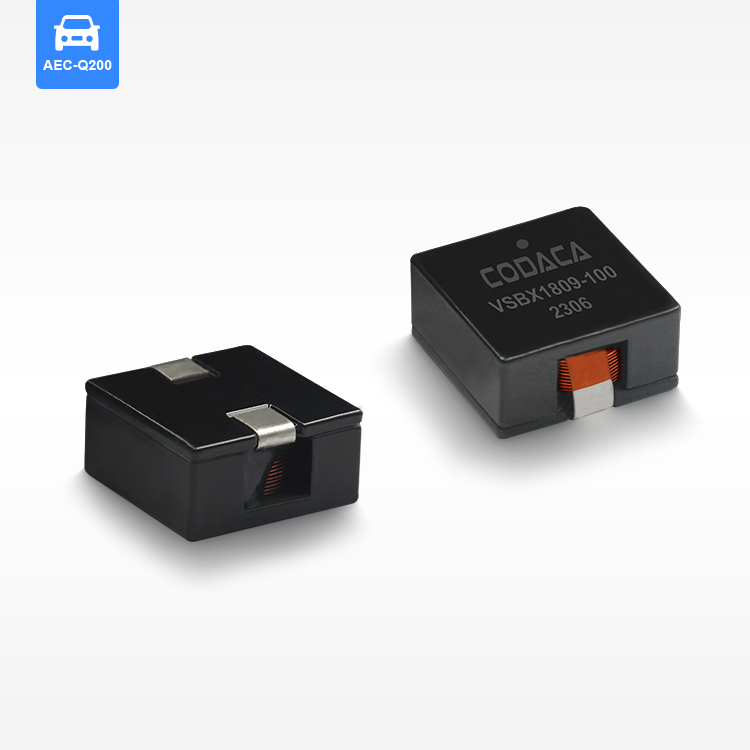
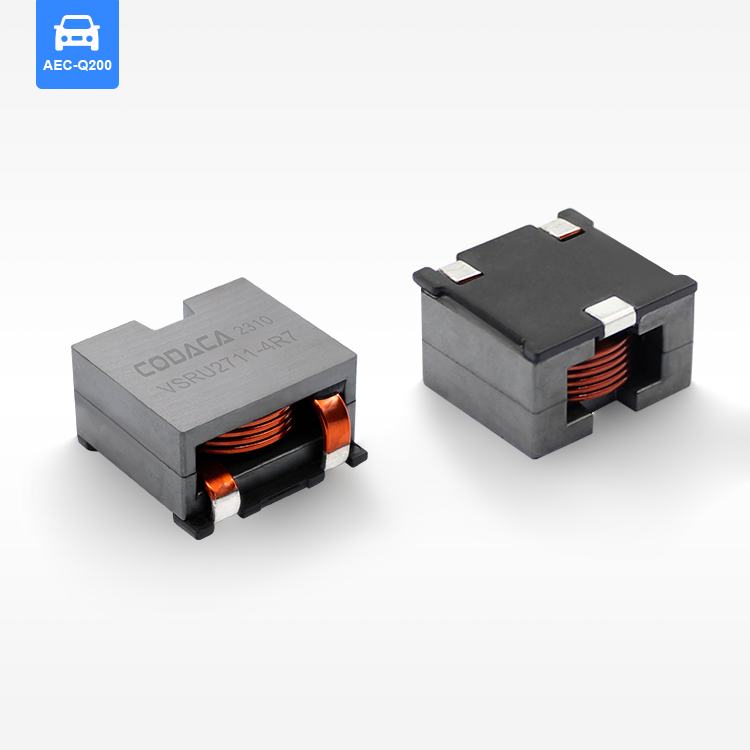
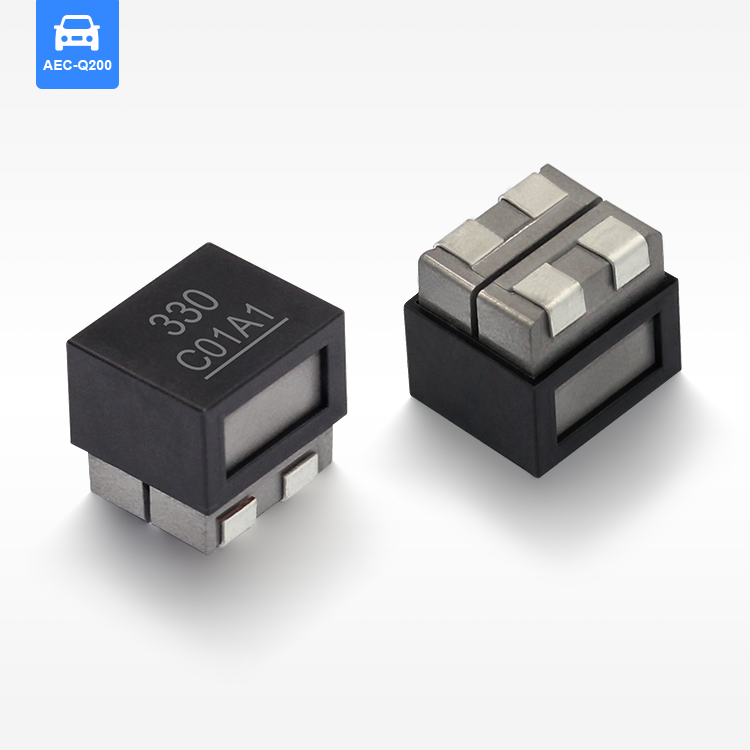
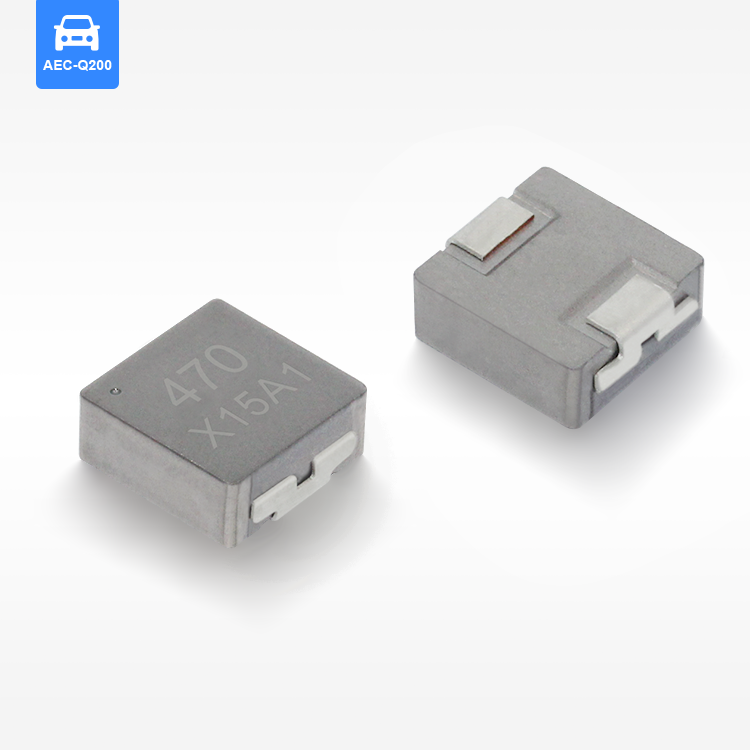
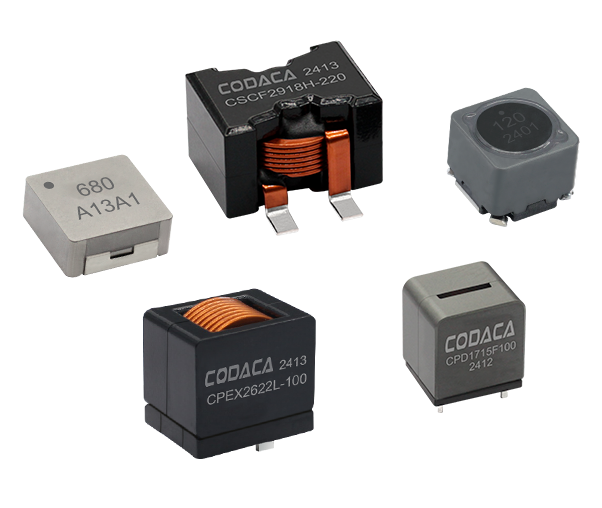
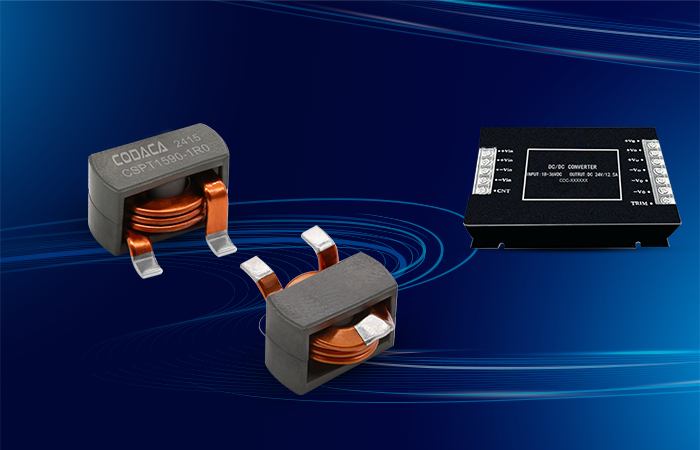
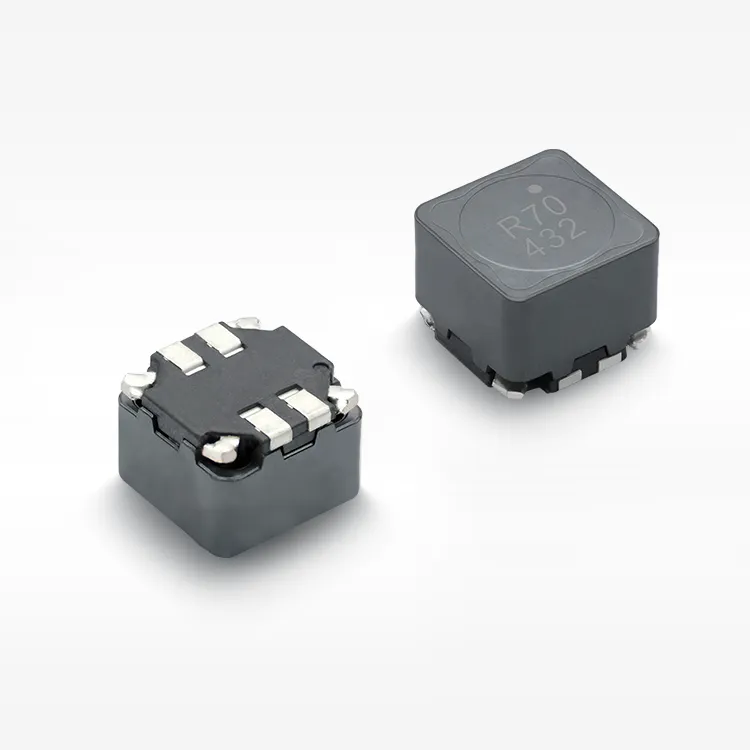
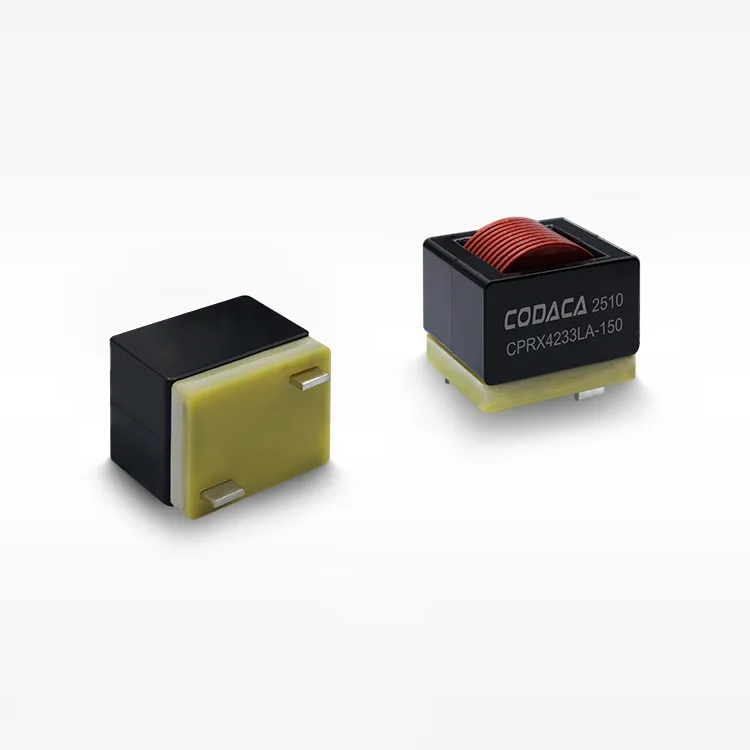
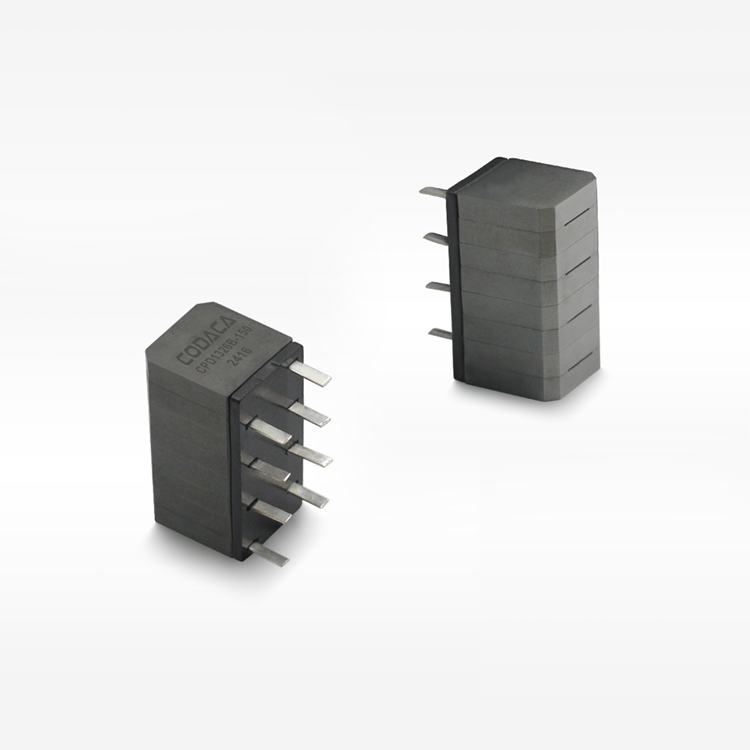
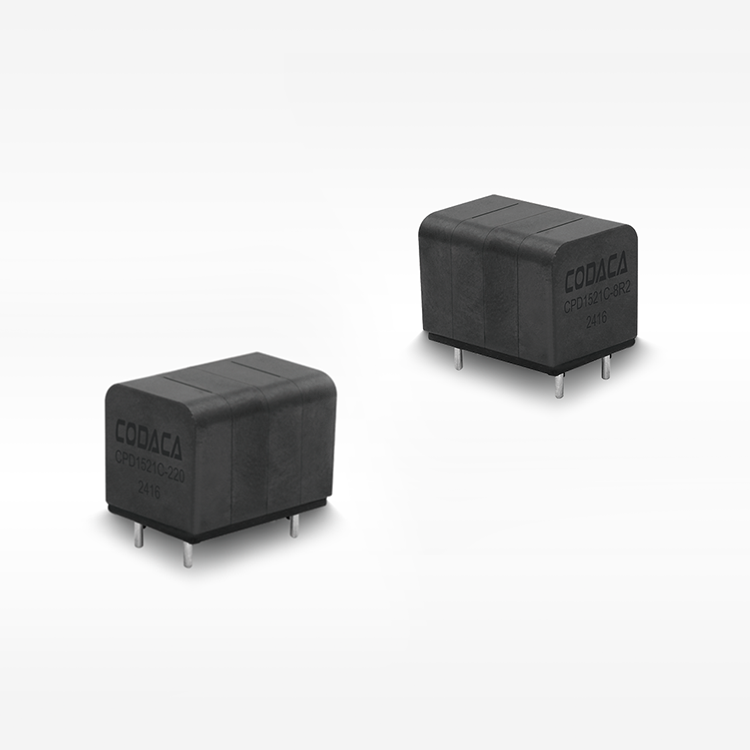
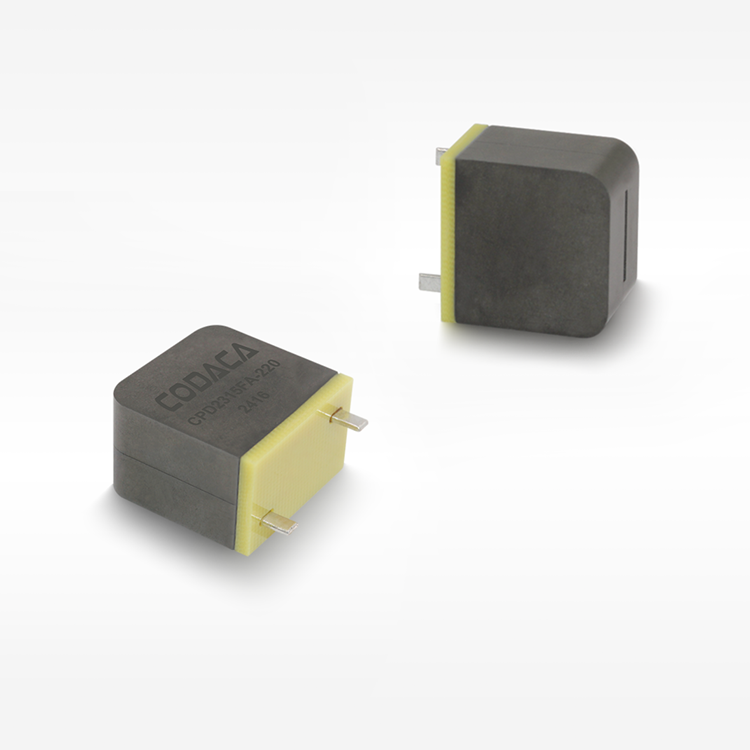
A shielded inductor for digital amplifier represents a critical passive component engineered specifically to enhance the performance of modern digital audio amplification systems. This specialized component combines electromagnetic induction principles with advanced magnetic shielding technology to deliver superior filtering capabilities while minimizing electromagnetic interference. The primary function of a shielded inductor for digital amplifier involves smoothing high-frequency switching noise generated by pulse-width modulation circuits, ensuring clean power delivery to audio output stages. These inductors feature carefully designed magnetic cores, typically constructed from ferrite materials or powdered iron, which provide optimal permeability characteristics for digital amplifier applications. The shielding mechanism employs magnetic materials or conductive enclosures that contain electromagnetic fields within the component boundary, preventing interference with adjacent circuit elements. Technological features include precise inductance values ranging from microhenries to millihenries, optimized for specific switching frequencies commonly used in Class D amplifiers. The construction incorporates low-resistance copper windings that minimize power losses while maintaining thermal stability under continuous operation. Temperature coefficient specifications ensure consistent performance across wide operating temperature ranges, crucial for automotive and industrial applications. Advanced manufacturing techniques enable tight tolerance control, typically within five percent of nominal values, ensuring predictable circuit behavior. The compact form factor allows efficient board space utilization while the robust construction withstands mechanical stress and environmental conditions. Applications span consumer electronics, professional audio equipment, automotive infotainment systems, and industrial automation where reliable power management is essential. The shielded inductor for digital amplifier proves indispensable in switching power supplies, output filters, and energy storage circuits where electromagnetic compatibility requirements demand superior noise suppression capabilities.

New Product Recommendations

The shielded inductor for digital amplifier offers numerous practical advantages that directly benefit customers seeking reliable audio amplification solutions. Enhanced electromagnetic compatibility stands as the foremost benefit, as the integrated shielding effectively contains magnetic fields within the component structure, preventing interference with sensitive analog circuits, radio frequency modules, and digital processors located nearby. This containment eliminates the need for additional spacing between components, enabling more compact circuit board layouts and reducing overall system costs. Improved audio quality represents another significant advantage, as the shielded inductor for digital amplifier effectively filters switching noise that would otherwise appear as audible artifacts in the output signal. The superior filtering capability ensures clean power delivery to output stages, resulting in lower total harmonic distortion and improved signal-to-noise ratios that customers can immediately perceive as clearer, more detailed audio reproduction. Thermal management benefits emerge from the efficient magnetic core design and optimized winding configuration, which minimize power losses and heat generation during operation. This thermal efficiency extends component lifespan and maintains consistent performance under demanding conditions, reducing maintenance requirements and replacement costs for customers. The robust construction provides exceptional reliability through resistance to mechanical vibration, temperature cycling, and humidity exposure, making these inductors ideal for automotive and industrial applications where environmental stresses are severe. Manufacturing consistency ensures predictable performance across production batches, simplifying design validation and reducing time-to-market for customer products. The standardized form factors facilitate easy integration into existing designs while the wide range of available inductance values accommodates diverse application requirements. Cost-effectiveness becomes apparent through reduced electromagnetic interference mitigation measures, smaller board areas, and fewer external components needed for proper operation. Long-term stability characteristics maintain inductance values and performance parameters throughout the component lifecycle, ensuring consistent system performance and customer satisfaction. The shielded inductor for digital amplifier ultimately delivers superior performance, reliability, and design flexibility that translates into competitive advantages for customers developing next-generation audio amplification products.

Latest News

Industrial Power Inductors: The Key to Improving Power Conversion Efficiency

07

Apr

Industrial Power Inductors: The Key to Improving Power Conversion Efficiency

Power inductors play a vital role in modern power electronics. They store energy efficiently and release it when needed, ensuring smooth energy transfer. You rely on them to reduce energy losses in systems like DC-DC converters. This improves overall...
View More
Compact High Current Power Inductor: A Comparison of Materials and Designs

01

Apr

Compact High Current Power Inductor: A Comparison of Materials and Designs

Mn-Zn Ferrite: High Permeability and Frequency Response Mn-Zn ferrite is highly regarded in the field of inductors due to its high permeability, which facilitates an efficient magnetic flux path. This characteristic translates into improved inductan...
View More
The Role of Molding Power Chokes in Energy Storage Systems

13

May

The Role of Molding Power Chokes in Energy Storage Systems

Understanding Molding Power Chokes in Energy Storage Definition and Core Components Power Chokes are important inductive devices used in energy storage systems and they are commonly used to filter high frequency signals. These chokes are mainly...
View More
Inductors: A Solution for Noise Reduction in Digital Amplifiers

13

May

Inductors: A Solution for Noise Reduction in Digital Amplifiers

Understanding Noise Challenges in Digital Amplifiers Sources of Switching Noise in Digital Amplifiers Remedying the problem of switching noise, and the EMI it can cause is one of the hardest parts of digital amplifiers. High frequency switching...
View More

Get a Free Quote

Our representative will contact you soon.
Email
Name
Company Name
Message
0/1000

shielded inductor for digital amplifier

Superior Electromagnetic Interference Suppression

Superior Electromagnetic Interference Suppression

The electromagnetic interference suppression capability of the shielded inductor for digital amplifier represents a revolutionary advancement in power management technology that addresses one of the most challenging aspects of modern electronic design. Traditional unshielded inductors generate significant magnetic fields that can interfere with sensitive analog circuits, radio frequency modules, and digital signal processors, often requiring extensive board layout modifications and additional shielding components that increase costs and complexity. The integrated shielding system in these specialized inductors employs advanced magnetic materials and geometric configurations that effectively contain electromagnetic fields within the component boundary, preventing interference propagation to adjacent circuits. This containment technology utilizes high-permeability magnetic shields that redirect magnetic flux lines back into the inductor core, creating a virtually field-free zone around the component perimeter. The practical implications for customers are substantial, as this electromagnetic compatibility enhancement eliminates the need for keep-out zones around inductors, enabling higher component density and more compact product designs. Engineers can place sensitive analog-to-digital converters, precision voltage references, and low-noise amplifiers in close proximity to switching circuits without experiencing performance degradation from magnetic coupling. The shielding effectiveness typically exceeds 40 decibels across relevant frequency ranges, ensuring compliance with stringent electromagnetic compatibility standards including CISPR, FCC, and automotive EMC requirements. This superior interference suppression translates directly into reduced development time and costs, as engineers spend less effort on electromagnetic compatibility optimization and board layout iterations. The consistent performance across temperature and frequency variations ensures reliable interference suppression throughout the product lifecycle, maintaining electromagnetic compatibility margins even under worst-case operating conditions. For customers developing products for regulated markets such as automotive, medical, or aerospace applications, this electromagnetic interference suppression capability provides crucial compliance advantages while simplifying certification processes and reducing time-to-market pressures.

Enhanced Power Efficiency and Thermal Performance

Enhanced Power Efficiency and Thermal Performance

The power efficiency optimization achieved through the shielded inductor for digital amplifier design represents a significant technological breakthrough that delivers measurable benefits in energy consumption, thermal management, and overall system reliability. Advanced core materials and winding techniques minimize resistive losses while maintaining optimal magnetic properties across wide frequency ranges, resulting in efficiency improvements that can exceed five percent compared to conventional inductor designs. The low-resistance copper windings feature optimized cross-sectional areas and advanced insulation systems that reduce both DC and AC losses, while the carefully selected core materials exhibit minimal hysteresis and eddy current losses even at high switching frequencies typical in digital amplifiers. This efficiency enhancement translates directly into reduced heat generation, which provides multiple cascading benefits for system designers and end users. Lower operating temperatures extend component lifespan significantly, as elevated temperatures are the primary cause of electronic component failures through accelerated aging mechanisms in magnetic materials and conductor insulation. The improved thermal performance enables higher power density designs, allowing customers to achieve greater output power in smaller enclosures or extend battery life in portable applications. Advanced thermal modeling and finite element analysis during the design phase ensure optimal heat distribution throughout the component structure, preventing localized hot spots that could compromise reliability. The enhanced efficiency also reduces cooling requirements, enabling customers to eliminate or downsize heat sinks, cooling fans, and thermal management systems, resulting in cost savings and improved system reliability. For battery-powered applications, the efficiency improvements translate directly into extended operating time and reduced charging frequency, enhancing user experience and product competitiveness. Environmental benefits include reduced energy consumption and lower carbon footprint, increasingly important considerations for customers targeting sustainability goals and green certifications. The thermal stability ensures consistent inductance values and performance parameters across temperature variations, maintaining system performance and preventing efficiency degradation under demanding operating conditions.
Compact Design with Maximum Performance Density

Compact Design with Maximum Performance Density

The compact design philosophy behind the shielded inductor for digital amplifier maximizes performance density through innovative engineering approaches that address the fundamental challenge of achieving high inductance values and current handling capability within minimal physical dimensions. Advanced magnetic core geometries utilize high-permeability materials and optimized flux path configurations that concentrate magnetic energy efficiently while minimizing external dimensions, enabling inductance densities that exceed traditional designs by significant margins. The integration of shielding functionality directly into the component structure eliminates the need for external magnetic shields or increased spacing requirements, further reducing board space requirements and enabling higher component density layouts. This space efficiency proves particularly valuable in portable electronics, automotive modules, and industrial controllers where board real estate represents a premium resource that directly impacts product size, weight, and cost. The vertical profile optimization ensures compatibility with low-profile applications including thin client computers, tablet devices, and automotive dashboard modules where height restrictions impose severe design constraints. Manufacturing precision enables tight dimensional tolerances that facilitate automated assembly processes while ensuring consistent fit within customer applications across production volumes. The standardized footprint patterns accommodate existing board layouts and component placement systems, simplifying integration into established product platforms without requiring extensive design modifications. Surface mount technology compatibility provides reliable solder joint formation and mechanical stability under thermal cycling and vibration stress typical in automotive and industrial environments. The high current handling capability achieved within the compact form factor eliminates the need for parallel inductor configurations or larger components that would otherwise be required to meet power requirements. This performance density advantage enables customers to achieve cost reductions through smaller board areas, reduced material usage, and simplified assembly processes while maintaining or improving electrical performance specifications. The mechanical robustness ensures reliable operation under shock, vibration, and thermal stress conditions without performance degradation or dimensional changes that could affect board-level reliability or electromagnetic compatibility characteristics.