Shielded Power Inductors: High-Performance Magnetic Components for Modern Electronics

All Categories

Get a Free Quote

Our representative will contact you soon.
Email
Name
Company Name
Message
0/1000

shielded power inductor

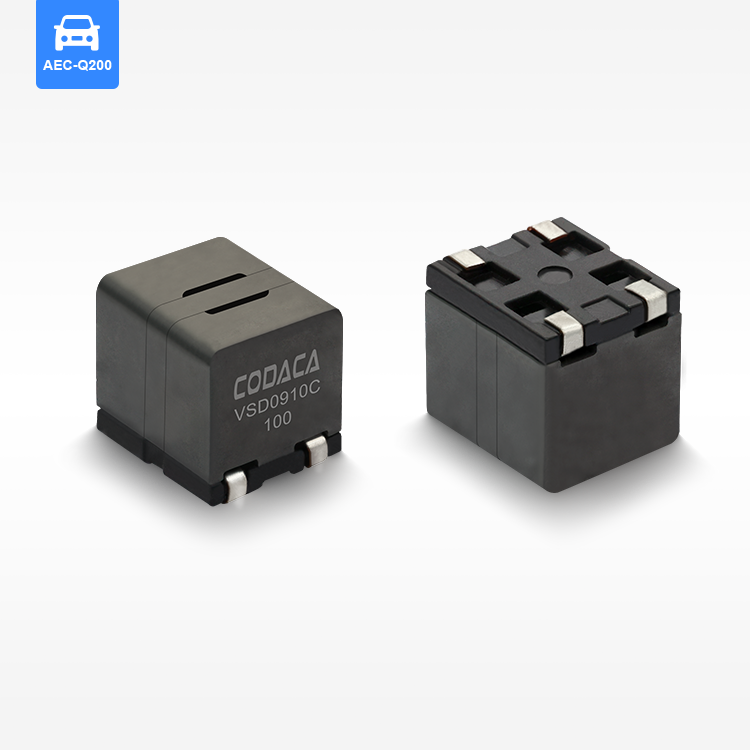
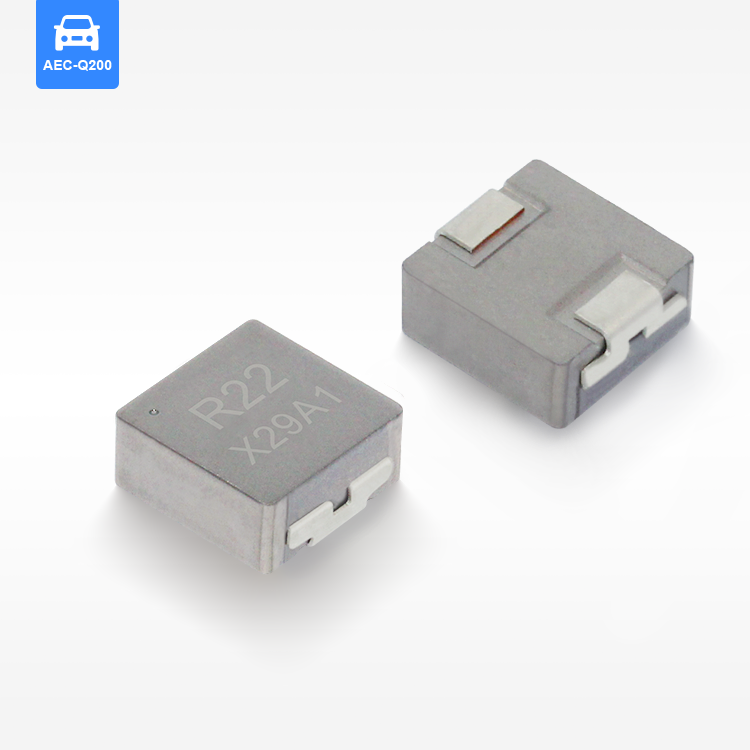
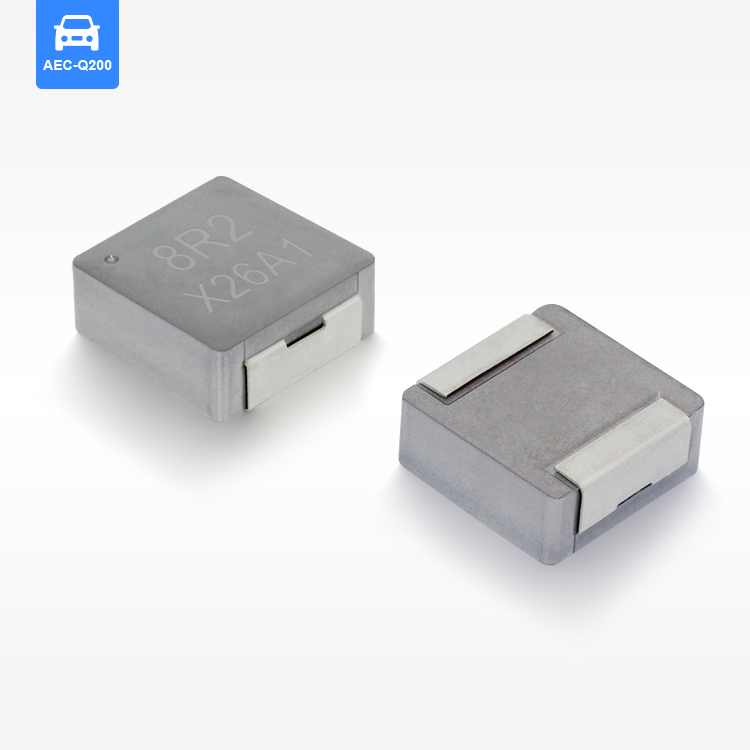
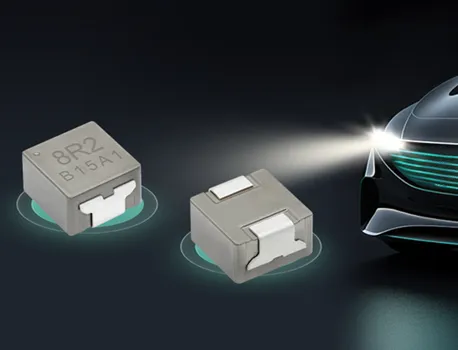
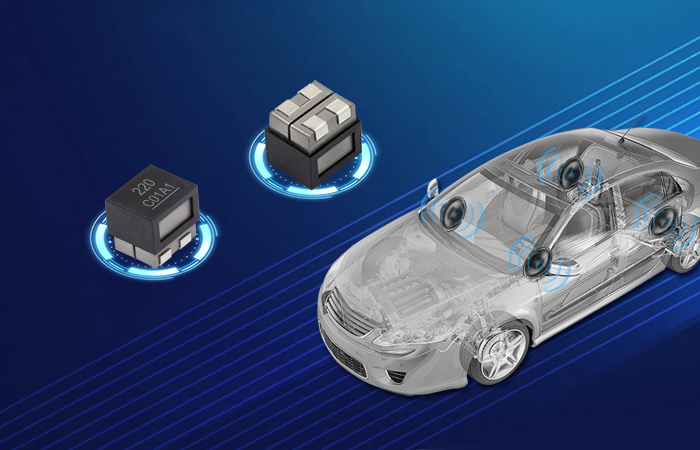
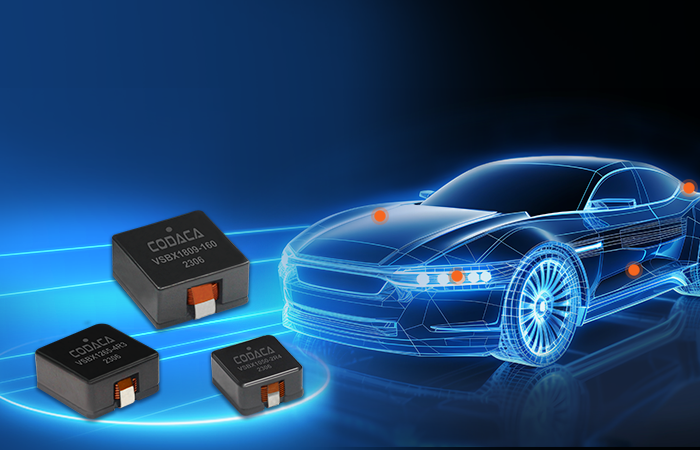
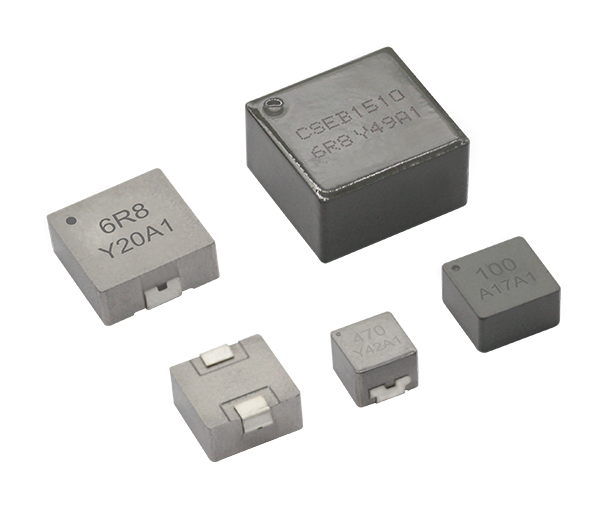
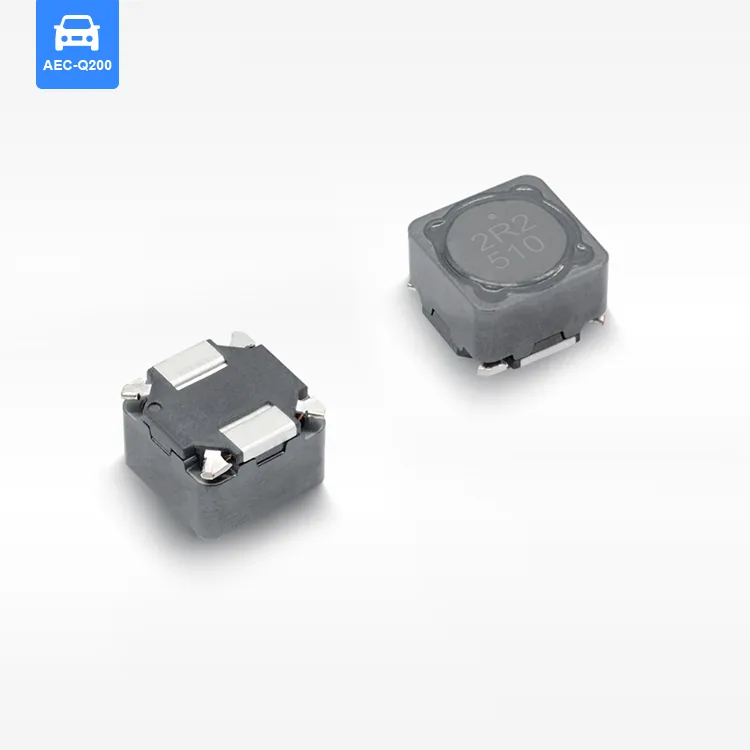
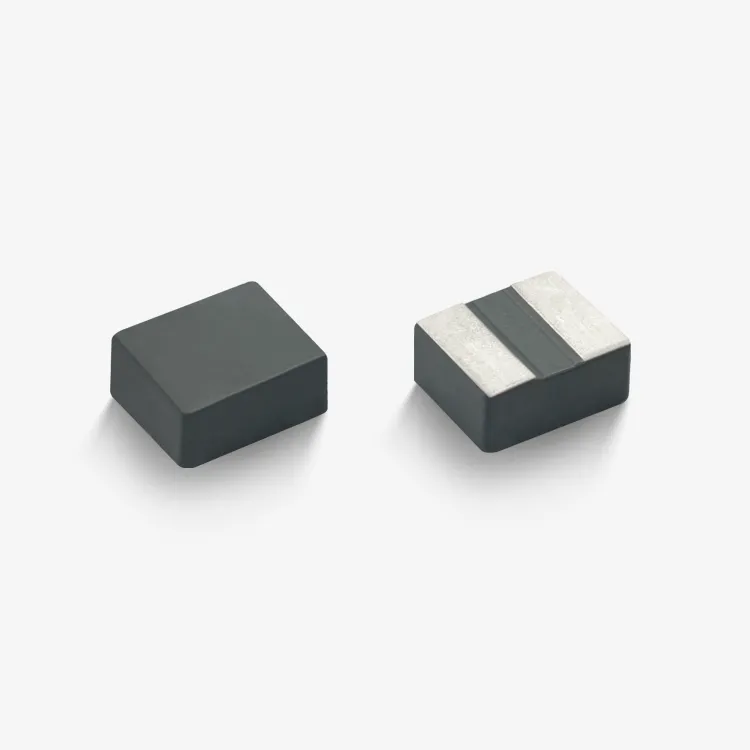
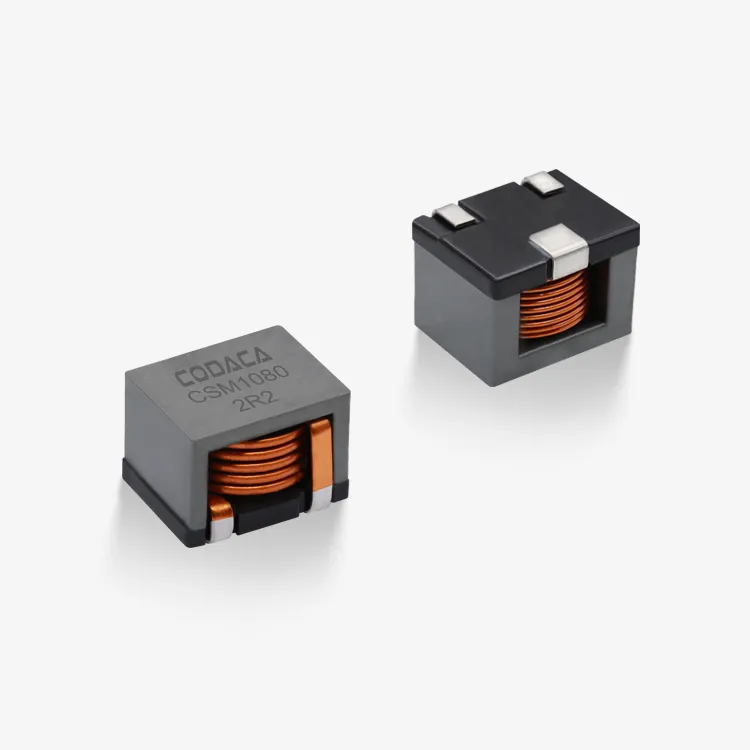
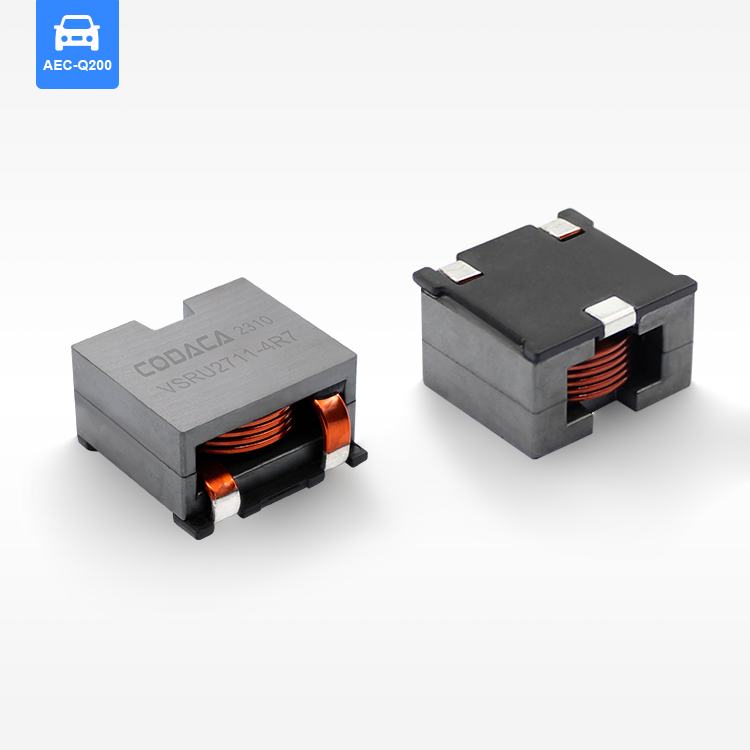
A shielded power inductor represents a critical component in modern electronic systems, designed to store energy in magnetic fields while minimizing electromagnetic interference. This specialized inductor features a magnetic core enclosed within a protective shield, typically made from ferrite or metallic materials. The primary function involves filtering unwanted noise, smoothing current flow, and providing energy storage in power conversion applications. The shielded design distinguishes this component from traditional inductors by incorporating electromagnetic shielding that contains magnetic flux within the component itself. This containment prevents interference with nearby circuits and components, making shielded power inductors essential in densely packed electronic assemblies. The magnetic core material, often ferrite or powdered iron, enhances inductance values while maintaining compact dimensions. These inductors operate by creating a magnetic field when current flows through their windings, storing energy that can be released when circuit conditions change. The technological features include high current handling capability, low DC resistance, and excellent thermal performance. Modern shielded power inductors utilize advanced materials and manufacturing techniques to achieve superior performance characteristics. The shield construction typically employs ferrite materials that provide effective magnetic containment while maintaining cost efficiency. Wire windings are precisely configured to optimize inductance values and current carrying capacity. Applications span across numerous industries including automotive electronics, telecommunications equipment, computer power supplies, LED lighting systems, and renewable energy converters. In switching power supplies, these inductors smooth output ripple and improve power conversion efficiency. Automotive applications include engine control modules, infotainment systems, and electric vehicle power management. The compact design enables integration into space-constrained environments while delivering reliable performance across wide temperature ranges. Quality shielded power inductors demonstrate exceptional stability under varying load conditions, ensuring consistent operation in demanding applications.

New Product Recommendations

Shielded power inductors deliver numerous practical benefits that directly impact system performance and design flexibility. The electromagnetic shielding eliminates crosstalk between components, allowing engineers to place circuits closer together without interference concerns. This proximity advantage enables smaller product designs while maintaining optimal functionality. The contained magnetic field reduces electromagnetic emissions, helping products meet strict regulatory compliance standards without additional shielding measures. Manufacturing costs decrease because designers can eliminate external shielding components and reduce board spacing requirements. The improved efficiency stems from reduced core losses and optimized magnetic flux containment. Higher efficiency translates to lower operating temperatures, extending component lifespan and improving system reliability. These inductors handle higher current levels compared to unshielded alternatives, supporting more powerful applications without component upgrades. The stable inductance values across varying current ranges ensure predictable circuit behavior under all operating conditions. Temperature stability provides consistent performance from -40°C to +125°C, making these components suitable for harsh environmental applications. The low profile design fits into thin electronic devices while maintaining high inductance values. Quick installation becomes possible due to standardized footprints and automated assembly compatibility. Reduced design time results from predictable performance characteristics and comprehensive technical documentation. Lower failure rates occur because the shielded construction protects internal components from external magnetic interference. Cost savings accumulate through reduced board space requirements, elimination of additional shielding, and simplified circuit layouts. The versatile mounting options accommodate both surface mount and through-hole applications, providing design flexibility. Enhanced power density allows more functionality within smaller enclosures. Improved signal integrity results from reduced electromagnetic interference affecting sensitive analog circuits. The robust construction withstands mechanical stress from vibration and thermal cycling. These advantages combine to deliver superior value propositions for engineers seeking reliable, efficient, and compact power management solutions.

Latest News

The Science Behind Automotive Grade Molding Power Choke Design

31

Mar

The Science Behind Automotive Grade Molding Power Choke Design

Introduction Automotive grade molding power chokes, also known as molded power inductors, are essential components in electrical circuits particularly within the automotive industry. These chokes consist of a coil of wire wound around a ferrite core...
View More
The Most Durable Automotive Grade Digital Power Amplifier Inductor

01

Apr

The Most Durable Automotive Grade Digital Power Amplifier Inductor

Introduction Automotive-grade digital power amplifier inductors are essential components in modern vehicle audio systems. These inductors are designed to handle large currents and provide stable performance under various environmental conditions, en...
View More
How to Select the Best Automotive Grade High Current Power Inductors for Your Needs

31

Mar

How to Select the Best Automotive Grade High Current Power Inductors for Your Needs

Understanding Automotive Grade Requirements for Power Inductors AEC-Q200 Compliance and Certification AEC-Q200 is an essential industry standard for automotive components, ensuring products meet high-quality, reliability, and safety thresholds. This...
View More
Features of Painted and Unpainted Integrated Molded Inductors

26

May

Features of Painted and Unpainted Integrated Molded Inductors

Overview Integrated molded inductors are characterized by high saturation, low loss, strong electromagnetic interference (EMI) resistance, ultra-low buzzing noise, and high automation, making them widely used in various electronic devices. In the cur...
View More

Get a Free Quote

Our representative will contact you soon.
Email
Name
Company Name
Message
0/1000

shielded power inductor

Superior Electromagnetic Interference Suppression

Superior Electromagnetic Interference Suppression

The electromagnetic interference suppression capability represents the most significant advantage of shielded power inductors, delivering unparalleled protection against unwanted signal interactions. Traditional unshielded inductors radiate magnetic fields that can interfere with nearby components, causing signal distortion, increased noise levels, and reduced system performance. The integrated shielding system in these specialized inductors contains magnetic flux within the component boundaries, preventing field lines from extending into surrounding circuit areas. This containment mechanism utilizes carefully engineered ferrite materials that absorb and redirect magnetic energy, effectively creating an invisible barrier around the inductor core. The practical implications extend far beyond simple noise reduction, enabling engineers to design more compact circuits with improved performance characteristics. In high-frequency switching applications, electromagnetic interference can cause false triggering in digital circuits, leading to system malfunctions and data corruption. Shielded power inductors eliminate these issues by maintaining clean magnetic environments around sensitive components. The shielding effectiveness typically exceeds 40dB across relevant frequency ranges, providing substantial protection margins for demanding applications. This superior interference suppression enables placement of inductors adjacent to precision analog circuits, microprocessors, and radio frequency components without performance degradation. Medical devices particularly benefit from this characteristic, as electromagnetic interference can compromise patient safety and diagnostic accuracy. Automotive applications require strict electromagnetic compliance to prevent interference with safety systems, navigation equipment, and communication networks. The contained magnetic field also reduces audible noise in switching power supplies, eliminating the high-pitched whining sounds often associated with unshielded inductors. Manufacturing quality control becomes more predictable because the shielded design provides consistent electromagnetic characteristics across production runs. System-level testing requirements decrease because electromagnetic interference concerns are addressed at the component level rather than requiring system-wide mitigation strategies.
Compact Design with High Power Density

Compact Design with High Power Density

The compact design philosophy behind shielded power inductors maximizes power handling capability while minimizing physical footprint, addressing critical space constraints in modern electronic devices. Advanced core materials and innovative winding techniques enable these components to achieve inductance values and current ratings that would require significantly larger unshielded alternatives. The magnetic shielding system actually contributes to this compactness by eliminating the need for external keepout zones typically required around unshielded inductors. Engineers can place other components immediately adjacent to shielded inductors without electromagnetic interference concerns, effectively reducing overall board space requirements by 30-50% compared to traditional designs. This space efficiency translates directly into cost savings through smaller printed circuit boards, reduced enclosure sizes, and lower material consumption. The high power density characteristics stem from optimized core geometries that maximize magnetic flux density while maintaining thermal stability. Modern ferrite materials exhibit superior magnetic properties that enable higher energy storage per unit volume. The precise winding configurations utilize maximum available core window area, achieving optimal copper fill factors that minimize resistive losses while maximizing current handling capability. Thermal management becomes more effective in compact designs because the contained magnetic field reduces hotspot formation and enables more predictable heat distribution patterns. The low profile packages, typically ranging from 2mm to 8mm in height, accommodate thin portable devices including smartphones, tablets, and ultrabook computers. Surface mount packages provide automated assembly compatibility, reducing manufacturing costs and improving production reliability. The standardized footprints enable direct replacement of existing inductors without board layout modifications. Power supply designers particularly benefit from the high power density because smaller magnetic components enable more compact converter designs with improved power conversion efficiency. The reduced component count requirements lead to simplified circuit layouts and reduced assembly complexity.
Enhanced Thermal Performance and Reliability

Enhanced Thermal Performance and Reliability

Enhanced thermal performance stands as a cornerstone benefit of shielded power inductors, directly impacting component longevity, system reliability, and operational efficiency across demanding applications. The integrated shielding system provides superior heat dissipation characteristics compared to unshielded alternatives through optimized thermal pathways and improved heat spreading mechanisms. The ferrite shield material acts as a thermal conductor, efficiently transferring heat generated in the core and windings to the surrounding environment and printed circuit board. This thermal enhancement becomes critical in high-current applications where power losses generate significant heat that must be managed effectively. The contained magnetic field reduces core losses by minimizing flux leakage and optimizing magnetic circuit efficiency, directly reducing heat generation at the source. Lower operating temperatures extend component lifespan exponentially, as every 10°C reduction in operating temperature can double component lifetime according to established reliability models. The robust construction methodology incorporates high-temperature materials capable of continuous operation at elevated temperatures without performance degradation. Wire insulation systems utilize advanced polymer materials that maintain integrity across wide temperature ranges while providing excellent electrical isolation. The magnetic core materials demonstrate exceptional thermal stability, maintaining consistent magnetic properties from -40°C to +155°C without permanent changes in inductance values. Thermal cycling resistance ensures reliable operation in automotive applications where temperature variations from engine heat and ambient conditions create challenging operating environments. The predictable thermal characteristics enable accurate thermal modeling during design phases, reducing development time and improving first-pass design success rates. Solder joint reliability improves because lower component temperatures reduce thermal stress on board-level interconnections. The enhanced thermal performance enables higher power density designs without thermal management concerns, supporting trend toward more compact and powerful electronic systems. Quality testing procedures can accurately predict long-term reliability because thermal behavior remains consistent across production lots and operating conditions, providing engineers with confidence in component selection decisions.