High-Performance Flat Wire Power Inductors for DC-DC Converters - Superior Efficiency & Compact Design

All Categories

Get a Free Quote

Our representative will contact you soon.
Email
Name
Company Name
Message
0/1000

flat wire power inductor for dc-dc converter

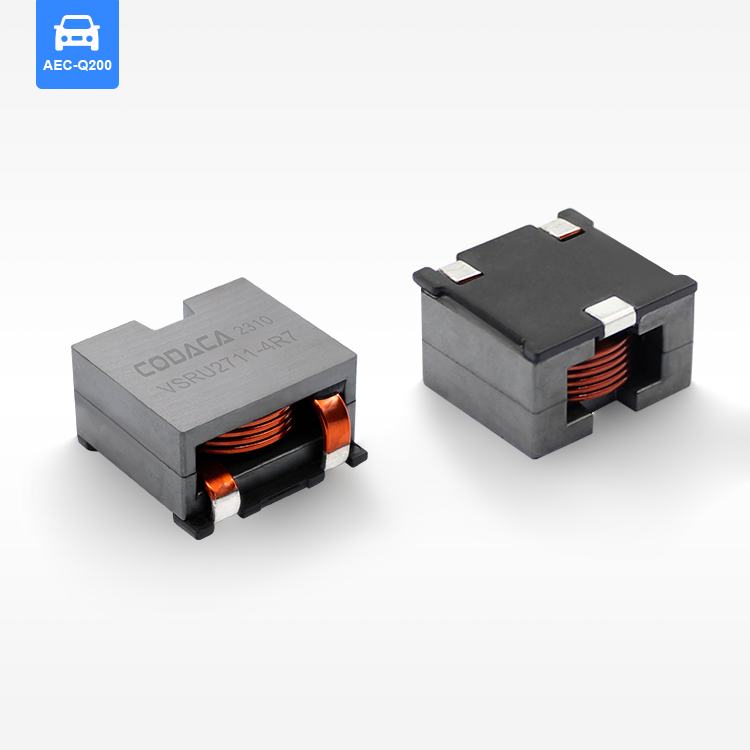
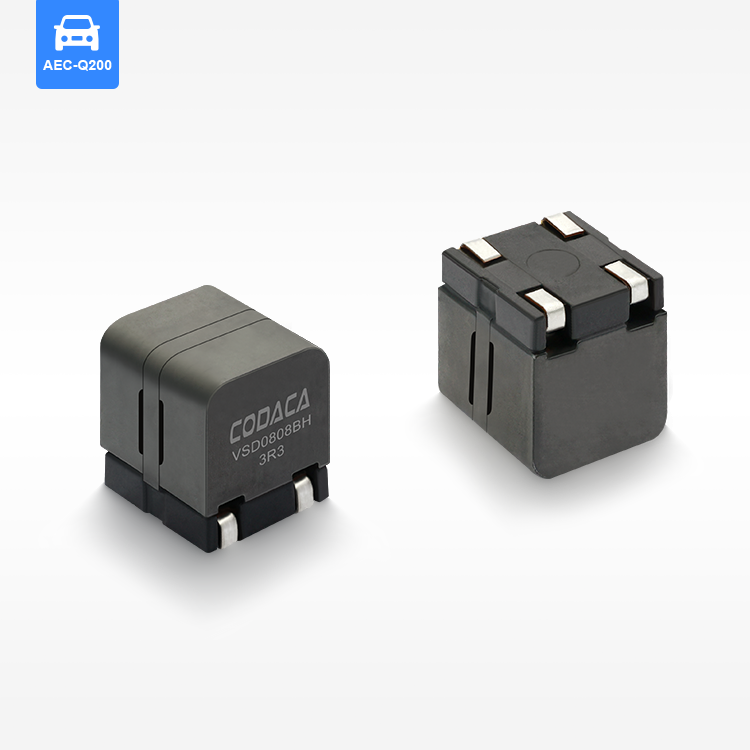
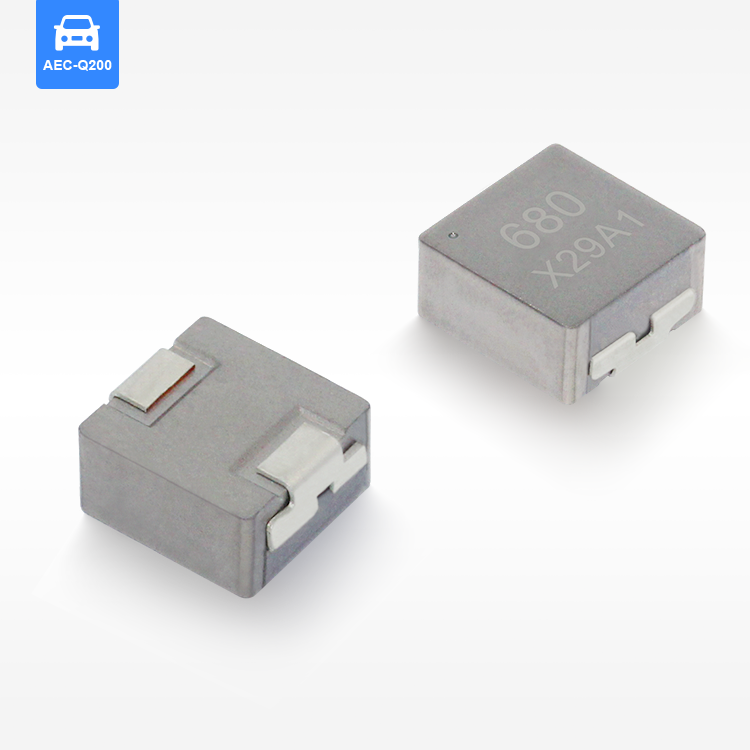
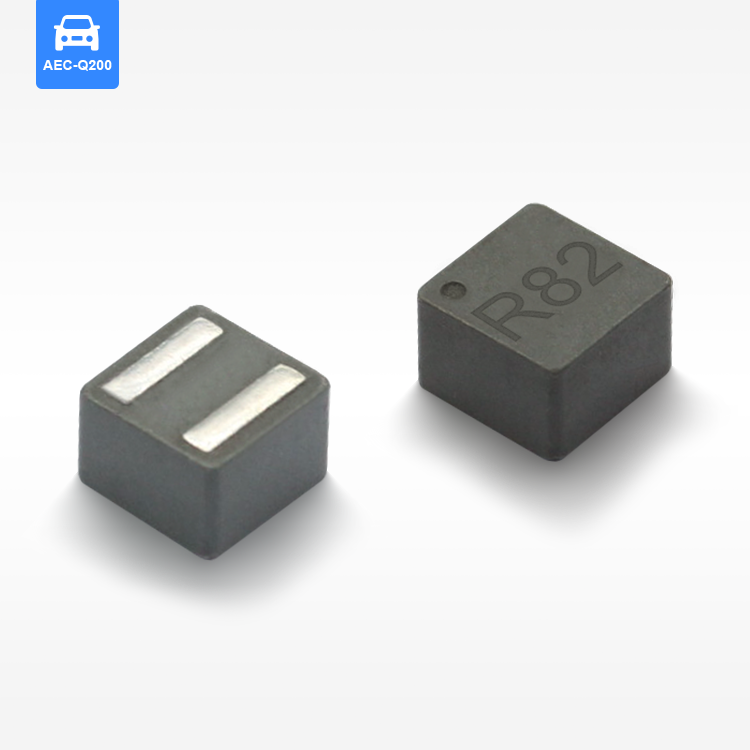
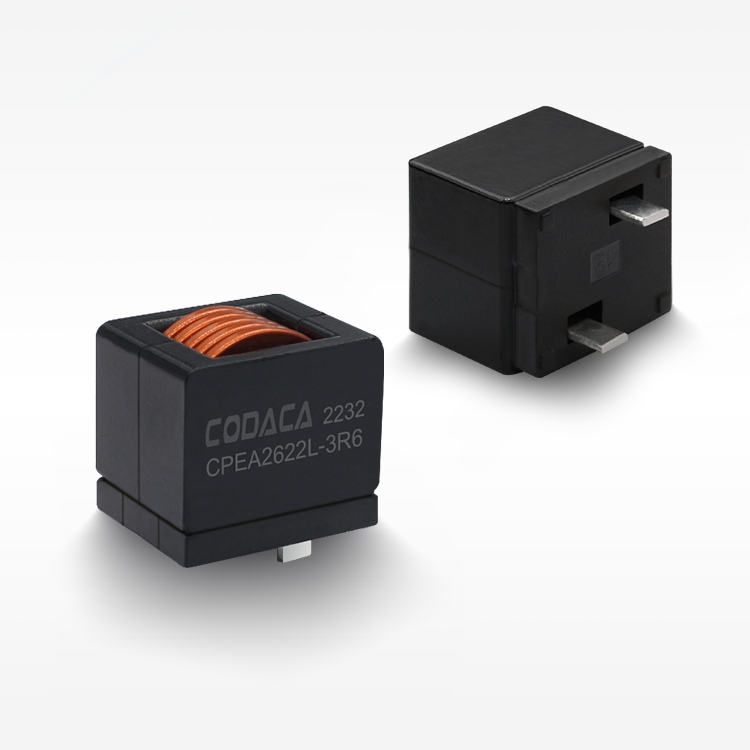
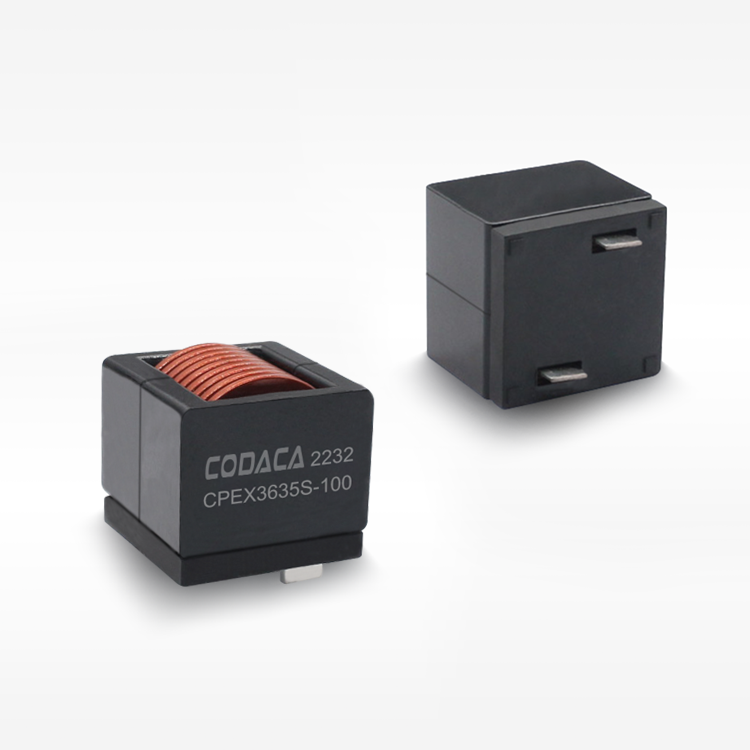
The flat wire power inductor for dc-dc converter represents a revolutionary advancement in power management technology, specifically engineered to meet the demanding requirements of modern electronic systems. This innovative component utilizes flat rectangular wire construction instead of traditional round wire, delivering superior electromagnetic performance and thermal characteristics that are essential for efficient dc-dc converter operations. The primary function of this flat wire power inductor for dc-dc converter centers on energy storage and release during switching cycles, effectively smoothing current ripple and maintaining stable output voltage regulation. Its sophisticated design incorporates advanced magnetic core materials combined with precision-wound flat wire windings, creating an optimal balance between inductance values, current handling capacity, and minimal power losses. The technological features of the flat wire power inductor for dc-dc converter include enhanced current density capabilities, reduced AC resistance, and improved thermal dissipation properties that significantly outperform conventional round wire alternatives. These inductors demonstrate exceptional frequency response characteristics, making them ideal for high-frequency switching applications where efficiency and reliability are paramount. The flat wire construction allows for tighter winding configurations, resulting in lower profile packages that accommodate space-constrained designs while maintaining superior electrical performance. Applications for the flat wire power inductor for dc-dc converter span across numerous industries, including telecommunications infrastructure, automotive electronics, industrial automation systems, and consumer electronics. In telecommunications, these components support power supply modules for base stations and network equipment, ensuring reliable operation under varying load conditions. Automotive applications benefit from their robust construction and temperature stability, particularly in electric vehicle charging systems and advanced driver assistance systems. The flat wire power inductor for dc-dc converter also finds extensive use in portable devices, where compact size and high efficiency directly impact battery life and overall system performance, making it an indispensable component in modern power conversion applications.

New Products

The flat wire power inductor for dc-dc converter offers compelling advantages that directly translate into tangible benefits for engineers and system designers seeking optimal power management solutions. The most significant advantage stems from its superior current handling capability, allowing these inductors to manage higher power levels within smaller footprints compared to traditional alternatives. This increased current density means designers can achieve more compact system layouts without compromising performance, leading to reduced board space requirements and lower overall system costs. The flat wire construction inherently provides lower DC resistance, which translates directly into improved efficiency ratings for dc-dc converter circuits. This enhanced efficiency reduces heat generation, extending component lifespan and improving system reliability while simultaneously reducing cooling requirements and associated costs. Temperature performance represents another crucial advantage of the flat wire power inductor for dc-dc converter, as the improved thermal characteristics allow for stable operation across wider temperature ranges. This thermal stability proves particularly valuable in automotive and industrial applications where ambient temperatures can vary significantly. The reduced AC resistance at higher frequencies enables these inductors to maintain excellent performance in high-frequency switching applications, supporting the trend toward faster switching speeds in modern power supplies. Manufacturing precision in flat wire power inductors for dc-dc converters ensures consistent electrical parameters across production batches, providing engineers with predictable performance characteristics during design and manufacturing phases. The robust mechanical construction offers enhanced vibration resistance and long-term reliability, reducing field failure rates and maintenance requirements. Cost-effectiveness emerges through multiple factors including reduced material usage, simplified assembly processes, and improved yields during manufacturing. The flat wire design enables automated winding processes that ensure consistent quality while reducing production time and labor costs. System designers benefit from simplified design processes as these inductors offer more predictable saturation characteristics and better linearity across operating ranges. The improved electromagnetic interference characteristics of flat wire power inductors for dc-dc converters help meet stringent EMI requirements without additional filtering components, further reducing system complexity and costs. These combined advantages make flat wire power inductors for dc-dc converters the preferred choice for demanding applications where performance, reliability, and cost-effectiveness are essential requirements.

Latest News

How High Current Power Inductors Enhance Energy Efficiency

31

Mar

How High Current Power Inductors Enhance Energy Efficiency

Introduction High current power inductors are crucial components in power electronics, designed to store energy in a magnetic field while allowing significant currents to pass through. These inductors are essential for a variety of applications, inc...
View More
Innovations in Automotive Grade Molding Power Choke Technology

31

Mar

Innovations in Automotive Grade Molding Power Choke Technology

Introduction The evolution of automotive power chokes is a testament to the significant advancements in vehicle performance enhancement. Historically, these components, often referred to as "inductors", have played a pivotal role in stabilizing elec...
View More
How to Select the Best Automotive Grade High Current Power Inductors for Your Needs

31

Mar

How to Select the Best Automotive Grade High Current Power Inductors for Your Needs

Understanding Automotive Grade Requirements for Power Inductors AEC-Q200 Compliance and Certification AEC-Q200 is an essential industry standard for automotive components, ensuring products meet high-quality, reliability, and safety thresholds. This...
View More
The Digital Power Amplifier Inductor is applied to the Infineon EVAL_AUDAMP24 Reference Design

29

Sep

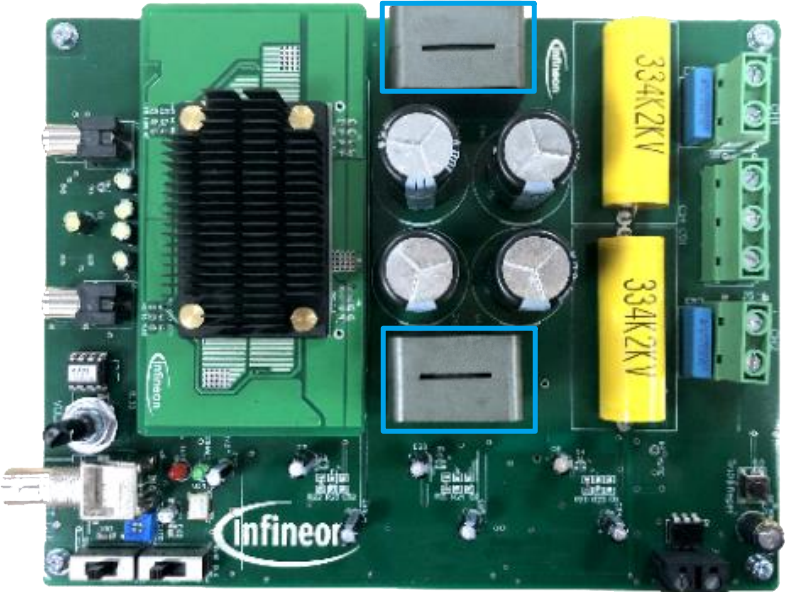
The Digital Power Amplifier Inductor is applied to the Infineon EVAL_AUDAMP24 Reference Design

Preface Digital power amplifiers feature low distortion, low noise, and a wide dynamic range. In terms of sound warmth/coolness, resolution, and the impact force of low frequencies, they are incomparable to traditional power amplifiers. Development ...
View More

Get a Free Quote

Our representative will contact you soon.
Email
Name
Company Name
Message
0/1000

flat wire power inductor for dc-dc converter

Enhanced Current Density and Power Handling Capabilities

Enhanced Current Density and Power Handling Capabilities

The flat wire power inductor for dc-dc converter delivers exceptional current density performance that fundamentally transforms power management design possibilities. The flat rectangular wire geometry provides significantly larger conductor cross-sectional area compared to equivalent round wire designs, enabling these inductors to handle substantially higher current levels without experiencing saturation or excessive heating. This enhanced current handling capability stems from the optimized conductor shape that maximizes the effective copper area within the available winding space, resulting in current densities that can exceed traditional designs by 30-40 percent. The implications for system designers are profound, as higher current density translates directly into smaller component footprints and reduced board space requirements. This space efficiency becomes particularly critical in modern electronic devices where miniaturization drives competitive advantages and cost reductions. The flat wire power inductor for dc-dc converter maintains stable inductance values even at elevated current levels, ensuring consistent performance across the entire operating range. The superior current handling characteristics also enable these inductors to support higher power applications without requiring parallel configurations or oversized components, simplifying design complexity and reducing component counts. Thermal management benefits significantly from the enhanced current density, as the improved conductor geometry facilitates better heat distribution throughout the winding structure. This thermal optimization reduces hot spots and temperature gradients that can compromise reliability and performance in demanding applications. Manufacturing precision in flat wire power inductors for dc-dc converters ensures that current handling specifications remain consistent across production batches, providing design engineers with reliable performance parameters for system optimization. The enhanced current density capabilities support emerging applications in electric vehicles, renewable energy systems, and high-performance computing where power requirements continue to increase while space constraints become more stringent. System efficiency improves dramatically when flat wire power inductors for dc-dc converters operate within their enhanced current handling range, as reduced resistive losses translate into lower power consumption and extended battery life in portable applications.
Superior Thermal Performance and Heat Dissipation

Superior Thermal Performance and Heat Dissipation

The thermal performance characteristics of flat wire power inductors for dc-dc converters represent a breakthrough in component thermal management, delivering superior heat dissipation properties that enable reliable operation in demanding thermal environments. The flat wire construction creates enhanced surface area contact between conductors and core materials, facilitating improved thermal conduction pathways that efficiently transfer heat away from critical junction points. This thermal optimization becomes increasingly important as power densities continue to rise in modern electronic systems, where effective heat management directly impacts component reliability and system longevity. The flat wire power inductor for dc-dc converter demonstrates significantly lower thermal resistance compared to traditional round wire designs, enabling these components to operate at lower temperatures even under high current conditions. This temperature reduction translates into extended component lifespan, as elevated temperatures represent one of the primary failure mechanisms in power electronic components. The improved thermal characteristics also enable higher power operation within the same thermal envelope, providing system designers with additional headroom for performance optimization without compromising reliability. Thermal cycling performance benefits substantially from the enhanced heat dissipation properties, as reduced temperature excursions minimize thermal stress on solder joints and connection points. The flat wire construction distributes thermal loads more evenly across the winding structure, eliminating hot spots that can lead to premature failure or performance degradation. Ambient temperature tolerance improves significantly with flat wire power inductors for dc-dc converters, enabling reliable operation across wider temperature ranges without derating. This enhanced temperature performance proves particularly valuable in automotive and industrial applications where ambient temperatures can vary from -40°C to +125°C or higher. The superior thermal performance also supports higher frequency operation, as increased switching frequencies typically generate more heat that must be effectively managed. System designers benefit from simplified thermal management requirements when implementing flat wire power inductors for dc-dc converters, as the improved heat dissipation characteristics may eliminate the need for additional cooling components or heat sinks. The thermal stability of electrical parameters ensures consistent performance across temperature variations, maintaining tight regulation and reducing output voltage variations that can affect downstream circuits.
Compact Form Factor with Maintained Performance Standards

Compact Form Factor with Maintained Performance Standards

The compact form factor achievement of flat wire power inductors for dc-dc converters represents a paradigm shift in power component design, successfully maintaining or exceeding traditional performance standards while significantly reducing physical dimensions and profile heights. This miniaturization breakthrough addresses the critical industry demand for smaller, lighter electronic devices without compromising electrical performance or reliability specifications. The flat wire construction enables tighter winding configurations that maximize conductor packing density within available core windows, resulting in inductors that can be up to 50 percent smaller than equivalent round wire alternatives while maintaining identical electrical characteristics. The reduced profile height of flat wire power inductors for dc-dc converters proves particularly beneficial in ultra-thin applications such as smartphones, tablets, and wearable devices where every millimeter of thickness impacts industrial design and user experience. Space efficiency extends beyond simple dimensional reduction, as the compact form factor enables more flexible board layout options and improved component placement strategies that can enhance overall system performance. The maintained performance standards ensure that electrical specifications including inductance values, current ratings, and frequency response characteristics remain consistent despite the dramatic size reduction, providing engineers with confidence in design scalability and performance predictability. Manufacturing advantages emerge from the compact design, as smaller components require less raw material, reduce shipping costs, and enable higher component density during assembly processes. The flat wire power inductor for dc-dc converter maintains excellent magnetic coupling and minimal leakage inductance despite its compact form factor, ensuring optimal energy transfer efficiency and minimal electromagnetic interference generation. Quality factors remain high across the operating frequency range, supporting high-efficiency power conversion even in space-constrained applications. The compact design also facilitates improved electromagnetic compatibility, as smaller components generate reduced electromagnetic fields and are less susceptible to external interference sources. System integration benefits significantly from the compact form factor, enabling more sophisticated functionality within existing enclosure constraints or allowing for smaller overall product dimensions. The maintained performance standards ensure that designers can confidently specify flat wire power inductors for dc-dc converters in applications previously requiring larger components, supporting product roadmaps that demand continuous miniaturization without performance compromise.