High Current Inductance Solutions - Superior Performance for Power Electronics Applications

All Categories

Get a Free Quote

Our representative will contact you soon.
Email
Name
Company Name
Message
0/1000

high current inductance

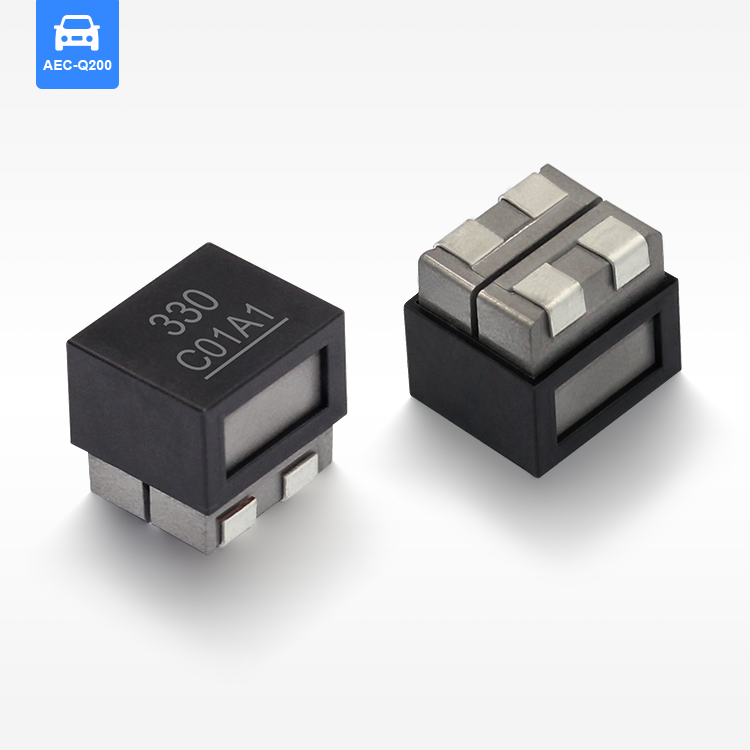
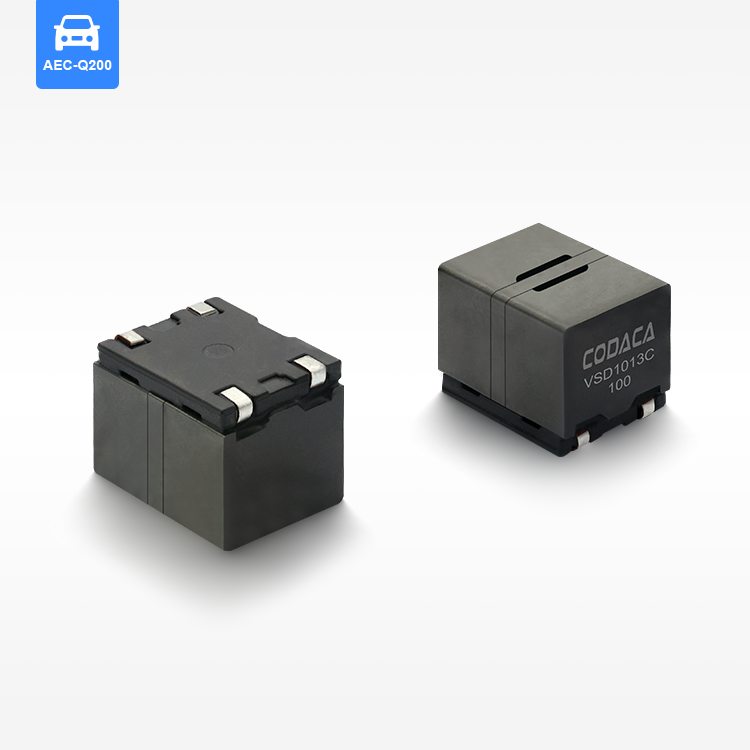
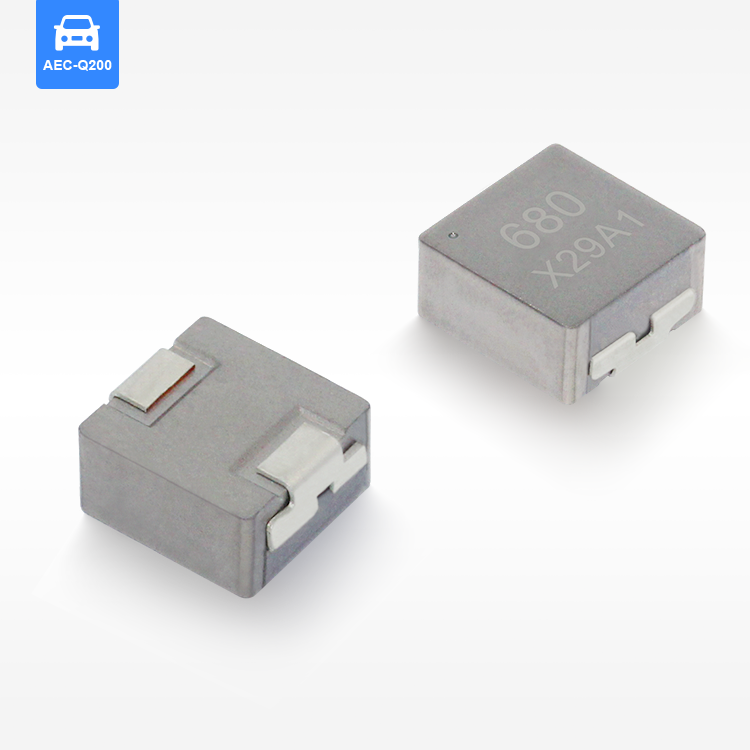
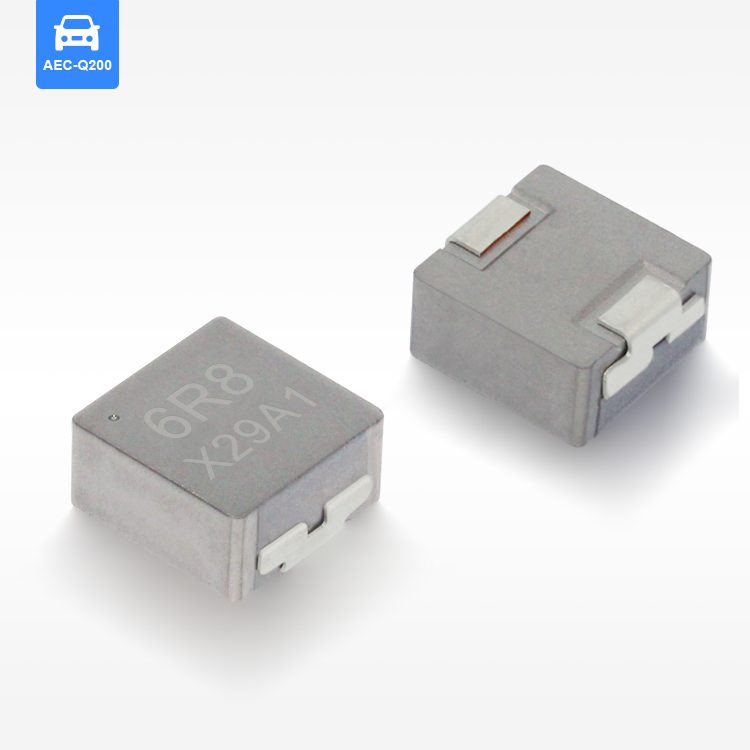
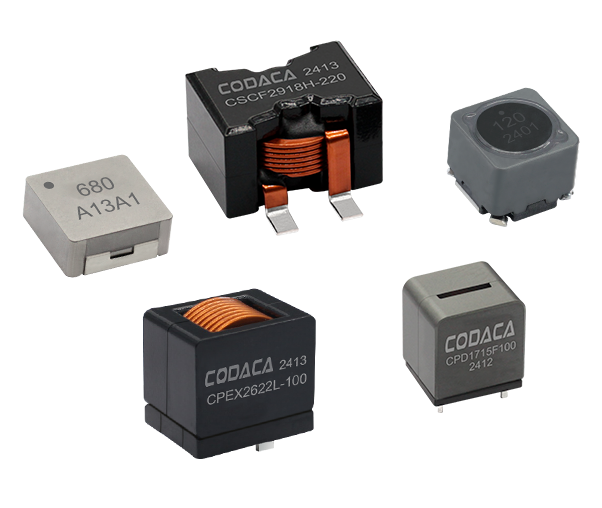
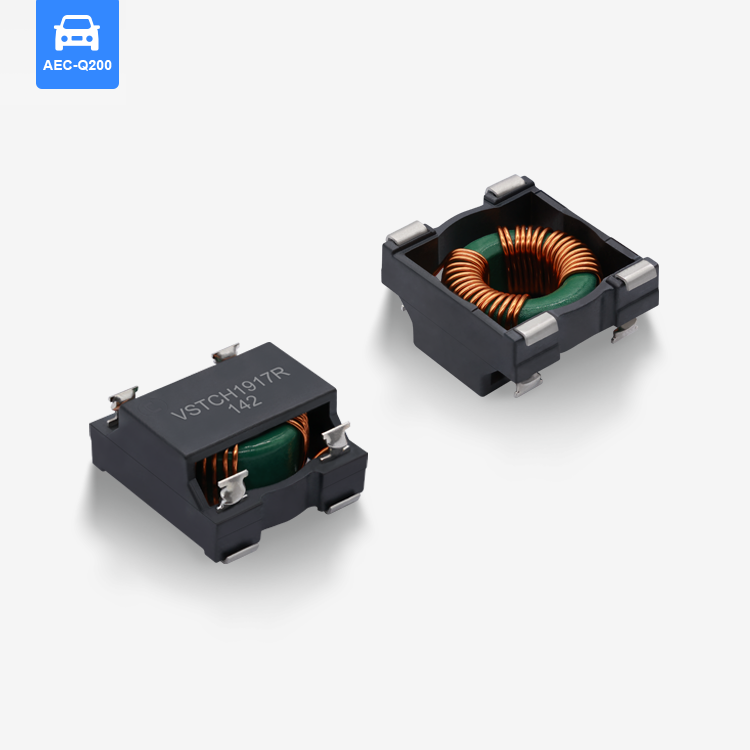
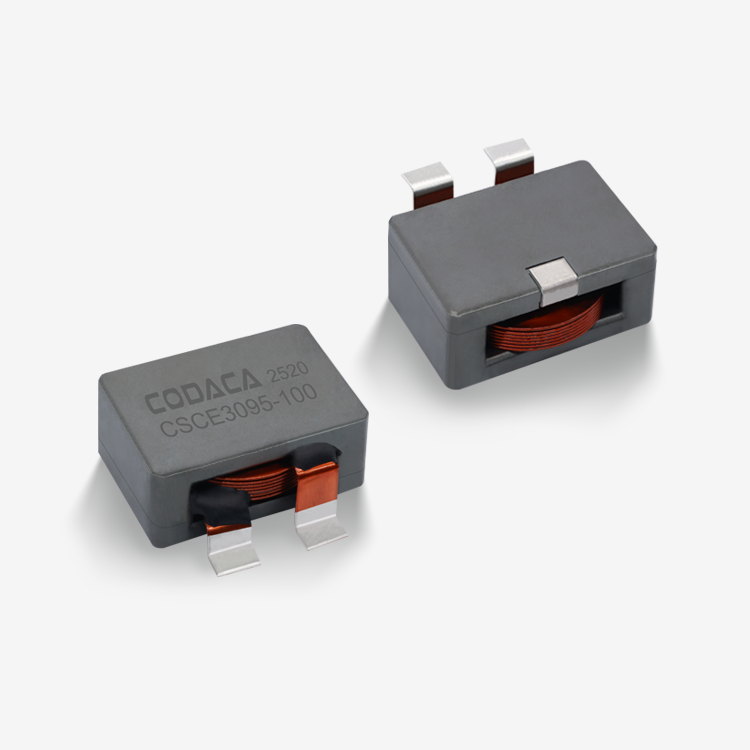
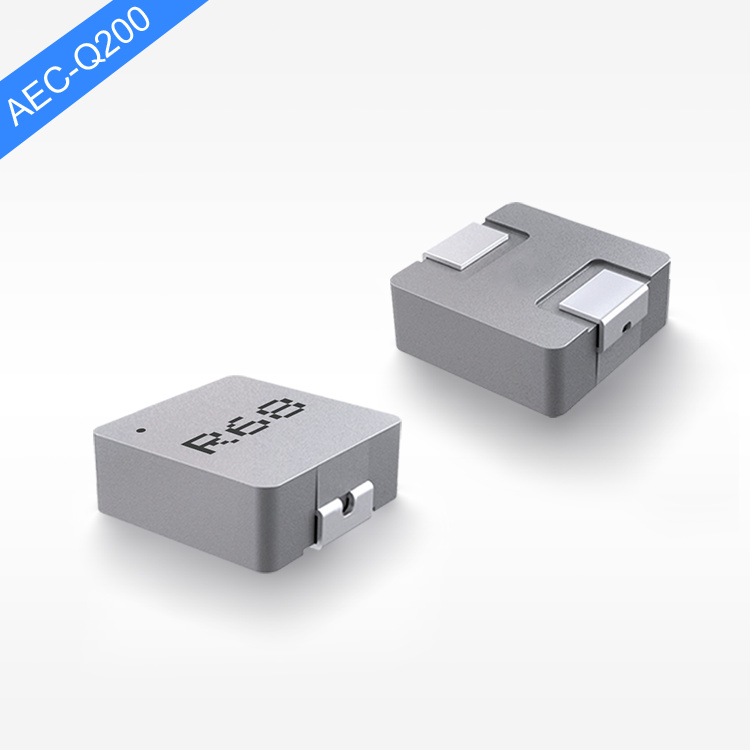
High current inductance represents a specialized category of electromagnetic components engineered to handle substantial electrical currents while maintaining optimal inductance characteristics. These robust components serve as critical elements in power electronics applications where traditional inductors would fail under high-amperage conditions. The fundamental principle behind high current inductance involves creating a magnetic field that opposes changes in electrical current flow, providing essential filtering, energy storage, and current regulation capabilities in demanding electrical environments. Modern high current inductance designs incorporate advanced core materials such as ferrite, powdered iron, or specialized composite materials that can withstand significant magnetic flux densities without saturation. The construction typically features heavy-gauge copper windings or multiple parallel conductors to minimize resistance losses and heat generation during operation. Temperature management becomes paramount in high current inductance applications, requiring careful consideration of thermal dissipation through enhanced core designs, specialized mounting configurations, and sometimes active cooling systems. These components find extensive use in switch-mode power supplies, motor drives, renewable energy systems, and industrial automation equipment where reliable current handling capabilities directly impact system performance and longevity. The electrical characteristics of high current inductance include low DC resistance to minimize power losses, high saturation current ratings to prevent core saturation under peak load conditions, and stable inductance values across varying current levels. Manufacturing processes for high current inductance involve precision winding techniques, careful core assembly, and rigorous testing procedures to ensure consistent performance parameters. Quality high current inductance products undergo extensive thermal cycling tests, current stress evaluations, and long-term reliability assessments to validate their suitability for demanding applications where failure could result in costly downtime or system damage.

New Products

High current inductance offers numerous practical benefits that make it indispensable for modern power electronics applications. The primary advantage lies in its exceptional current-handling capability, allowing systems to operate reliably under high-amperage conditions without component failure or performance degradation. This robust design translates directly into improved system reliability and reduced maintenance requirements for end users. Energy efficiency represents another significant benefit of high current inductance, as these components minimize power losses through optimized core materials and low-resistance windings. Users experience reduced operating costs and improved overall system efficiency when implementing properly selected high current inductance solutions. The superior thermal performance of high current inductance enables continuous operation under demanding conditions without overheating concerns. This thermal stability ensures consistent performance characteristics and extends component lifespan, providing excellent return on investment for customers. Compact design solutions allow engineers to maximize power density while minimizing space requirements in their applications. High current inductance achieves this through advanced materials and innovative construction techniques that deliver maximum performance in minimal footprint configurations. The wide operating temperature range of quality high current inductance products ensures reliable operation in harsh environmental conditions, from automotive under-hood applications to industrial process control systems. This versatility reduces the need for specialized components across different applications, simplifying inventory management and reducing costs. Excellent electromagnetic compatibility characteristics of high current inductance help suppress unwanted noise and interference in sensitive electronic systems. Users benefit from cleaner power delivery and reduced electromagnetic emissions, ensuring compliance with regulatory requirements and improved system performance. The high saturation current ratings of modern high current inductance prevent core saturation even under peak load conditions, maintaining stable inductance values and preventing sudden performance changes that could disrupt system operation. Long-term stability and consistent electrical characteristics throughout the component lifecycle provide predictable system behavior and simplified design validation processes. These reliability features translate into reduced field failures, lower warranty costs, and enhanced customer satisfaction for equipment manufacturers implementing high current inductance solutions in their products.

Tips And Tricks

Industrial Power Inductors: The Key to Improving Power Conversion Efficiency

07

Apr

Industrial Power Inductors: The Key to Improving Power Conversion Efficiency

Power inductors play a vital role in modern power electronics. They store energy efficiently and release it when needed, ensuring smooth energy transfer. You rely on them to reduce energy losses in systems like DC-DC converters. This improves overall...
View More
How to Select the Best Automotive Grade High Current Power Inductors for Your Needs

31

Mar

How to Select the Best Automotive Grade High Current Power Inductors for Your Needs

Understanding Automotive Grade Requirements for Power Inductors AEC-Q200 Compliance and Certification AEC-Q200 is an essential industry standard for automotive components, ensuring products meet high-quality, reliability, and safety thresholds. This...
View More
Choosing the Right Automotive grade Molded Power Inductor for Your Application

02

Apr

Choosing the Right Automotive grade Molded Power Inductor for Your Application

Inductance and Current Ratings: Balancing Ripple and Saturation In automotive applications, understanding the balance between inductance and current ratings is essential. These benchmarks ensure that ripple voltage is minimized and saturation curren...
View More
Molding Power Chokes vs. Traditional Chokes: What's the Difference?

13

May

Molding Power Chokes vs. Traditional Chokes: What's the Difference?

Core Construction Differences Between Molding Power Chokes and Traditional Chokes Materials: Ferrite vs. Iron Core Composition The primary difference between molding power chokes and traditional chokes lies in the material composition of their cores...
View More

Get a Free Quote

Our representative will contact you soon.
Email
Name
Company Name
Message
0/1000

high current inductance

Superior Current Handling Capabilities

Superior Current Handling Capabilities

High current inductance stands out in the electronics industry due to its exceptional ability to handle substantial electrical currents without compromising performance or reliability. This superior current handling capability stems from carefully engineered core materials and optimized winding configurations that can accommodate amperage levels far beyond conventional inductors. The specialized construction typically incorporates large cross-sectional area cores made from high-permeability materials such as ferrite or powdered iron composites, which can sustain high magnetic flux densities without reaching saturation. The winding design utilizes heavy-gauge copper conductors or multiple parallel wire configurations to minimize DC resistance and reduce heat generation during high-current operation. This engineering approach ensures that high current inductance maintains stable electrical characteristics even under peak load conditions, preventing the sudden inductance drops that could destabilize power conversion circuits. The practical benefits of this superior current handling extend to numerous real-world applications where reliable high-amperage operation is critical. In switch-mode power supplies, high current inductance enables efficient energy conversion at higher power levels, allowing designers to create more compact and powerful systems. Motor drive applications benefit from the ability to handle the high starting currents and dynamic load variations typical of industrial machinery without component stress or failure. Renewable energy systems, particularly those involving solar inverters and wind power converters, rely on high current inductance to manage the substantial currents generated during peak energy production periods. The superior current handling also translates into improved system safety, as the robust construction and thermal management capabilities reduce the risk of component failure that could lead to dangerous operating conditions. Customers appreciate the peace of mind that comes with knowing their systems can handle unexpected current spikes or temporary overload conditions without immediate failure. This reliability factor becomes particularly important in critical applications such as medical equipment, aerospace systems, and industrial process control where system downtime could have serious consequences. The long-term stability of current handling capabilities ensures consistent system performance throughout the component lifecycle, reducing the need for frequent replacements and maintenance interventions that add to operational costs.
Advanced Thermal Management and Efficiency

Advanced Thermal Management and Efficiency

The advanced thermal management capabilities of high current inductance represent a crucial technological achievement that sets these components apart from conventional inductive solutions. Effective thermal management in high current inductance involves sophisticated engineering approaches that address heat generation, dissipation, and temperature distribution throughout the component structure. The core design incorporates materials with excellent thermal conductivity properties, allowing efficient heat transfer from the hottest regions to the mounting surfaces where heat can be effectively dissipated. Specialized core geometries, including bobbin designs with integrated heat sinks and cores with enhanced surface area configurations, maximize thermal dissipation while maintaining optimal magnetic properties. The winding arrangement contributes significantly to thermal management through the use of distributed winding techniques that prevent hot spot formation and ensure uniform temperature distribution across the entire component. Advanced high current inductance products often feature temperature-monitoring capabilities or thermal protection mechanisms that prevent damage from excessive heating during abnormal operating conditions. The superior thermal performance directly translates into higher efficiency operation, as reduced operating temperatures minimize resistance increases and core losses that would otherwise degrade system performance. This efficiency advantage becomes particularly pronounced in continuous duty applications where heat accumulation could significantly impact long-term reliability and performance. Customers benefit from reduced cooling requirements in their systems, as high current inductance with effective thermal management reduces the burden on system-level cooling solutions. This advantage can lead to simplified system designs, reduced fan requirements, and lower acoustic noise levels in the final application. The enhanced thermal capabilities also enable higher power density designs, allowing engineers to achieve more power in smaller packages without thermal constraints limiting performance. Industrial applications particularly benefit from this thermal robustness, as many industrial environments subject electronic components to elevated ambient temperatures and limited airflow conditions. The reliable thermal performance of high current inductance ensures stable operation even in these challenging conditions, maintaining consistent electrical characteristics and preventing thermal runaway conditions that could damage sensitive downstream components. Long-term thermal stability contributes to extended component lifespans, reducing replacement costs and minimizing system downtime associated with component failures.
Versatile Application Compatibility and Design Flexibility

Versatile Application Compatibility and Design Flexibility

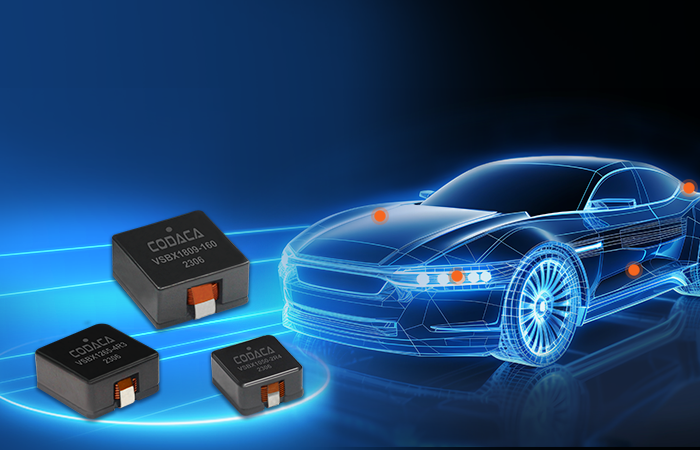
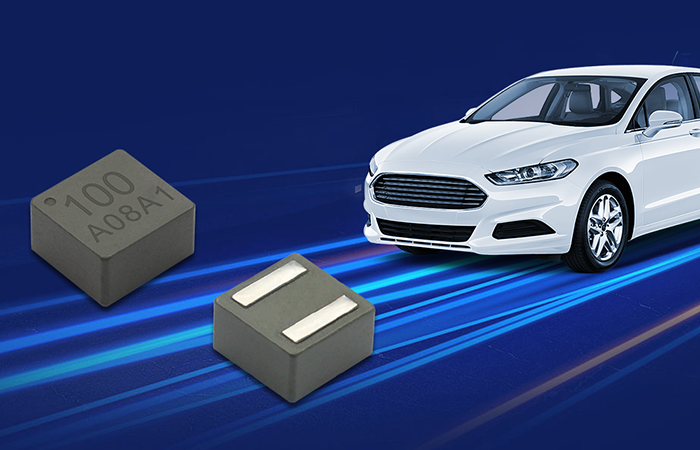
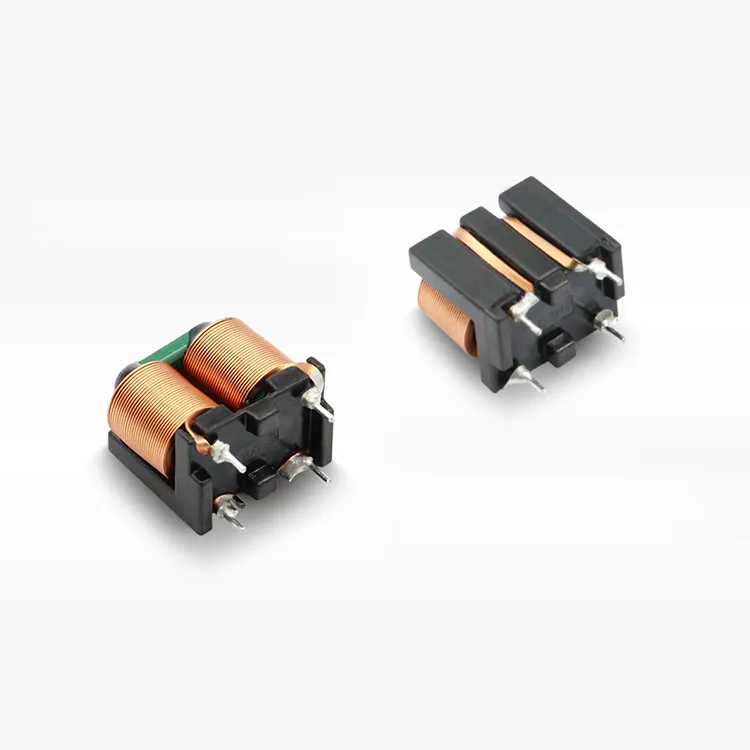
High current inductance demonstrates remarkable versatility across diverse applications and offers exceptional design flexibility that makes it invaluable for engineers working on various power electronics projects. This versatility stems from the wide range of inductance values, current ratings, and package configurations available in modern high current inductance product lines. Engineers can select from compact surface-mount packages for space-constrained applications or larger through-hole configurations for maximum current handling in high-power systems. The flexibility extends to electrical specifications, with options ranging from micro-henries for high-frequency switching applications to milli-henries for energy storage and filtering functions in power conversion circuits. Different core materials provide optimization opportunities for specific operating frequencies and magnetic requirements, allowing designers to fine-tune component selection for optimal system performance. The mechanical design flexibility of high current inductance accommodates various mounting orientations and thermal management requirements, with options for vertical or horizontal mounting, heat sink integration, and custom lead configurations. This adaptability proves particularly valuable in space-constrained applications such as automotive electronics, where component placement flexibility can significantly impact overall system design efficiency. The broad operating frequency range of high current inductance enables its use in applications spanning from 50Hz line frequency systems to high-frequency switching power supplies operating at hundreds of kilohertz. This frequency versatility reduces the need for specialized components across different applications, simplifying design processes and inventory management for manufacturers. Environmental compatibility represents another dimension of versatility, with high current inductance products available in configurations suitable for automotive, industrial, military, and consumer applications, each with appropriate environmental ratings and compliance certifications. The scalability of high current inductance solutions allows engineers to use similar design approaches across different power levels, from low-power consumer electronics to high-power industrial systems, maintaining design consistency while optimizing performance for each application. Custom design capabilities available from leading high current inductance manufacturers enable optimization for specific application requirements, including unique inductance values, special mounting configurations, or enhanced environmental specifications. This customization flexibility proves particularly valuable for high-volume applications where optimized components can provide significant cost savings and performance improvements over standard solutions. The design flexibility also extends to thermal management integration, allowing high current inductance to work effectively with various cooling strategies, from passive heat dissipation to active cooling systems, depending on application requirements and space constraints.