High-Performance Amplifier Power Inductors - Superior Current Handling & EMC Solutions

All Categories

Get a Free Quote

Our representative will contact you soon.
Email
Name
Company Name
Message
0/1000

amplifier power inductor

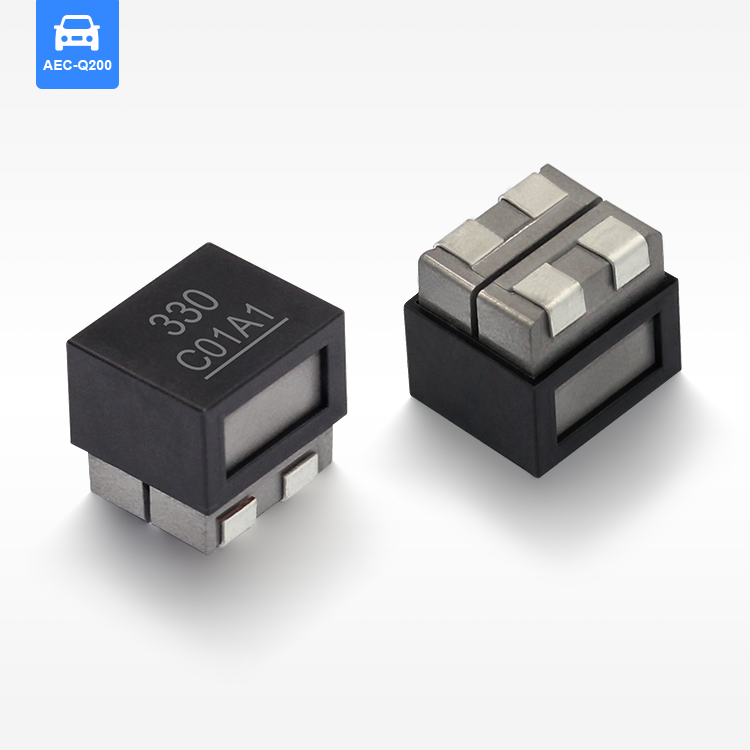
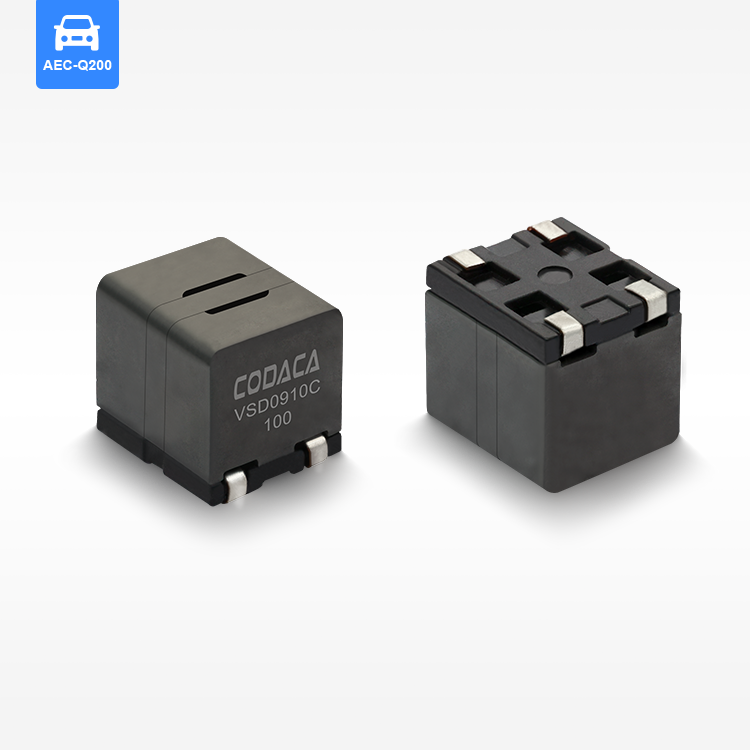
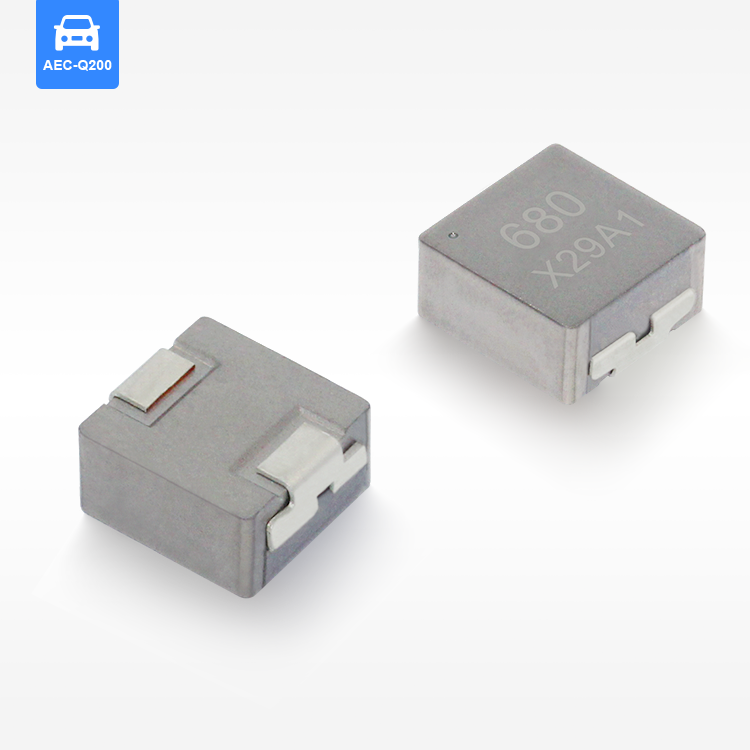
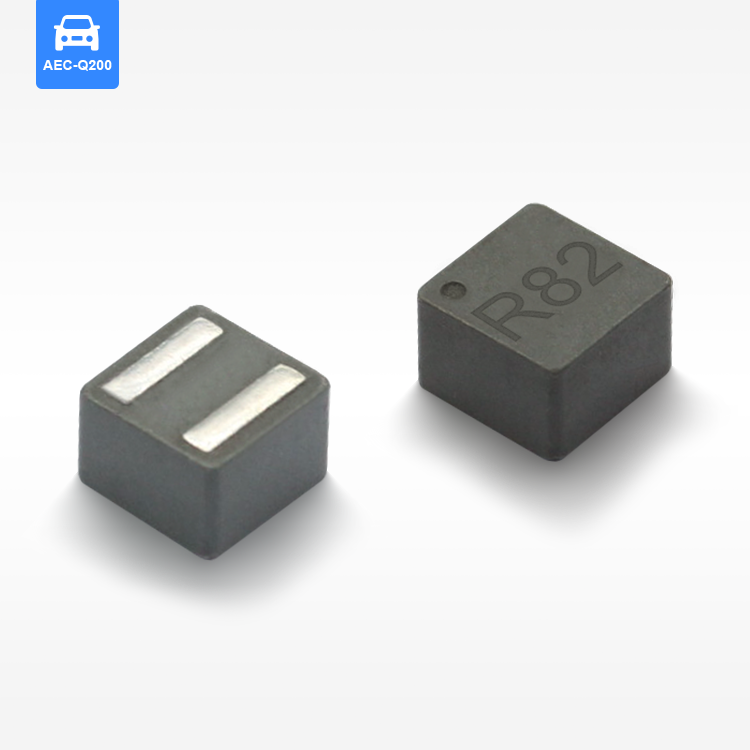
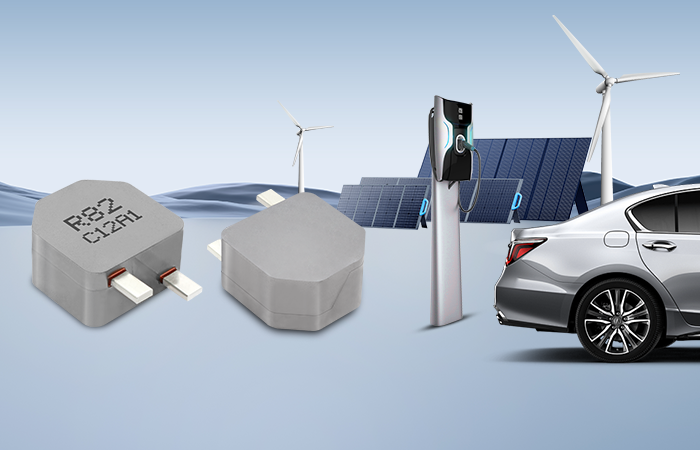
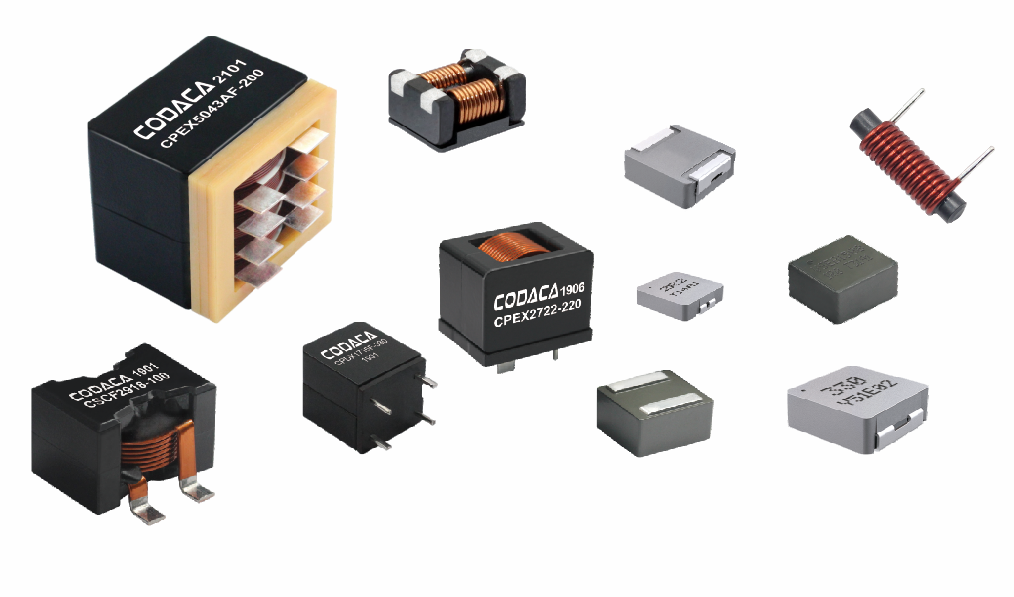
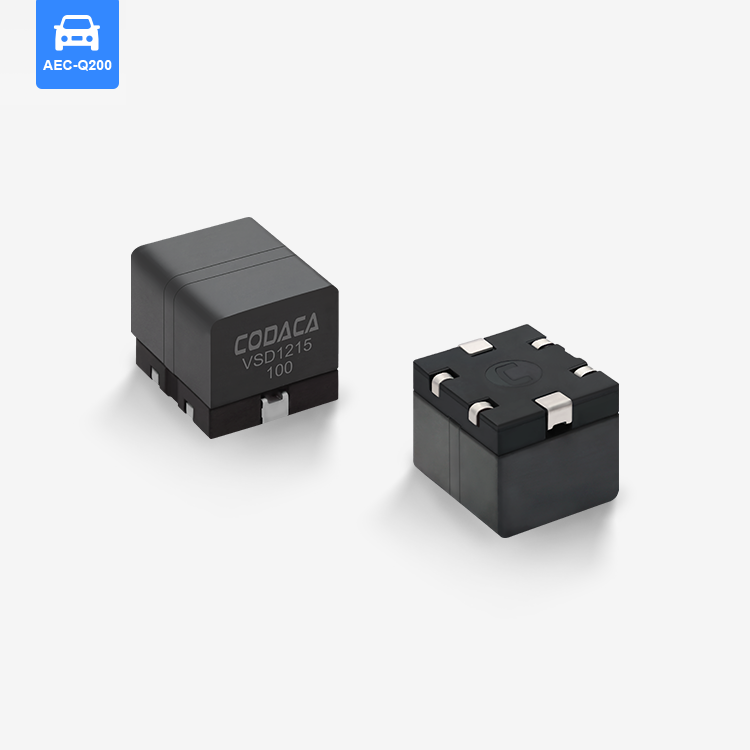
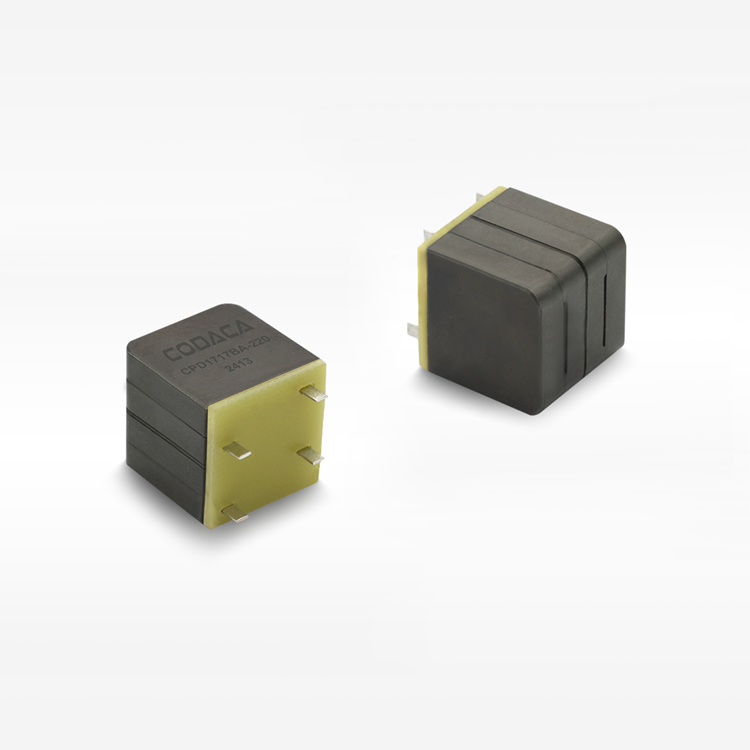
An amplifier power inductor serves as a critical component in electronic circuits, specifically designed to manage and regulate electrical current flow within amplification systems. This specialized inductor operates by storing energy in its magnetic field when current passes through its coiled wire structure, then releasing this energy back into the circuit as needed. The amplifier power inductor plays an essential role in filtering unwanted noise, smoothing power supply fluctuations, and maintaining stable current levels throughout the amplification process. These components are engineered with high-quality magnetic cores, typically made from ferrite or iron powder materials, which enhance their efficiency and performance characteristics. The technological features of an amplifier power inductor include low DC resistance, high current handling capability, and excellent thermal stability under varying operational conditions. Modern designs incorporate advanced winding techniques that minimize parasitic capacitance while maximizing inductance values. The compact form factor of these inductors allows for easy integration into space-constrained applications without compromising performance. Temperature coefficient specifications ensure consistent operation across wide temperature ranges, making them suitable for demanding industrial environments. The amplifier power inductor finds extensive applications in audio amplifiers, switching power supplies, DC-DC converters, and radio frequency circuits. In audio systems, these inductors help eliminate electromagnetic interference and provide clean power delivery to sensitive amplification stages. Power management applications benefit from their ability to smooth ripple currents and maintain voltage regulation. The automotive industry relies on amplifier power inductors for electronic control units, where reliability and performance are paramount. Consumer electronics, including smartphones, tablets, and portable devices, utilize these components to achieve efficient power conversion while maintaining compact designs. Medical equipment applications demand the high reliability and low noise characteristics that quality amplifier power inductors provide.

Popular Products

The amplifier power inductor delivers numerous practical benefits that directly impact system performance and user satisfaction. These components significantly reduce electrical noise and interference, resulting in cleaner audio output and more stable electronic operation. Users experience improved sound quality in audio applications, as the amplifier power inductor effectively filters out unwanted frequencies that could distort the final output. The enhanced power efficiency achieved through proper inductance values translates to longer battery life in portable devices and reduced energy consumption in stationary equipment. This efficiency improvement also generates less heat, extending the overall lifespan of electronic components and reducing the need for additional cooling systems. The robust construction of amplifier power inductors ensures reliable operation under challenging conditions, including temperature extremes, vibration, and electrical stress. This durability reduces maintenance requirements and minimizes unexpected failures that could disrupt critical operations. Cost savings emerge from the improved efficiency and reliability, as users spend less on replacement parts and energy consumption over time. The compact size of modern amplifier power inductors allows designers to create smaller, more portable products without sacrificing performance capabilities. Installation becomes straightforward due to standardized packaging and clear specifications, reducing assembly time and potential errors. The amplifier power inductor provides excellent current handling capabilities, supporting high-power applications without saturation or performance degradation. This characteristic enables the design of more powerful systems while maintaining stability and control. Temperature stability ensures consistent performance regardless of environmental conditions, eliminating the need for complex compensation circuits. The low DC resistance of quality amplifier power inductors minimizes power losses and heat generation, contributing to overall system efficiency. Electromagnetic compatibility features help products meet regulatory requirements and reduce interference with other electronic devices. The wide frequency response of these inductors makes them versatile for various applications, from audio frequencies to high-speed digital circuits. Quality manufacturing processes ensure tight tolerance control, providing predictable performance that simplifies circuit design and testing procedures.

Practical Tips

The Role of Industrial Power Inductors in Modern Electronics

07

Apr

The Role of Industrial Power Inductors in Modern Electronics

Industrial power inductors play a vital role in modern electronics. They store energy, filter signals, and convert power to ensure your devices operate efficiently. These components stabilize circuits by controlling current flow and reducing noise. Y...
View More
Innovations in Automotive Grade Molding Power Choke Technology

31

Mar

Innovations in Automotive Grade Molding Power Choke Technology

Introduction The evolution of automotive power chokes is a testament to the significant advancements in vehicle performance enhancement. Historically, these components, often referred to as "inductors", have played a pivotal role in stabilizing elec...
View More
A Brief Analysis of Inductor Noise and Solutions

26

May

A Brief Analysis of Inductor Noise and Solutions

1.The principle of noise generation Noise is generated by the vibration of objects. Let's take a speaker as an example to understand the principle of vibration.A speaker does not directly convert electrical energy into sound energy. Instead, it uses ...
View More
How to Select the Right Inductor for Switching Power Supplies

26

May

How to Select the Right Inductor for Switching Power Supplies

An inductor is a common energy-storing passive component in circuits, playing roles such as filtering, boosting, and bucking in the design of switching power supplies. In the early stage of scheme design, engineers not only need to select appropriate...
View More

Get a Free Quote

Our representative will contact you soon.
Email
Name
Company Name
Message
0/1000

amplifier power inductor

Superior Current Handling and Magnetic Performance

Superior Current Handling and Magnetic Performance

The amplifier power inductor excels in current handling capabilities through advanced magnetic core technology and optimized winding designs. This exceptional performance stems from carefully selected ferrite materials that maintain high permeability while resisting saturation under high current conditions. The magnetic core structure allows the amplifier power inductor to store substantial energy without experiencing performance degradation, ensuring stable operation even during peak demand periods. Engineers benefit from this robust current handling as it enables the design of more powerful amplification circuits without worrying about inductor limitations. The superior magnetic performance translates to consistent inductance values across varying current levels, providing predictable circuit behavior that simplifies design calculations and reduces testing requirements. Users appreciate the reliability that comes from components that maintain their specifications under real-world operating conditions. The amplifier power inductor achieves this performance through precision manufacturing processes that control core density, winding tension, and material purity. These factors combine to create components with minimal hysteresis losses and excellent frequency characteristics. The magnetic shielding properties inherent in the design reduce electromagnetic interference between adjacent components, enabling tighter PCB layouts and more compact product designs. Temperature stability remains consistent due to the magnetic materials selected, ensuring that current handling capabilities do not diminish in challenging thermal environments. This reliability proves essential in automotive applications where temperature variations are extreme, and in industrial settings where continuous operation is required. The amplifier power inductor maintains its magnetic properties over extended periods, providing long-term stability that reduces maintenance needs and replacement costs. Quality control processes verify that each unit meets strict magnetic performance standards, ensuring consistency across production batches and reducing design risks for manufacturers incorporating these components into their products.
Advanced Thermal Management and Efficiency Optimization

Advanced Thermal Management and Efficiency Optimization

The amplifier power inductor incorporates sophisticated thermal management features that maximize efficiency while maintaining optimal operating temperatures. This thermal excellence results from innovative core materials and winding techniques that minimize resistive losses and heat generation. The low DC resistance achieved in quality amplifier power inductors directly reduces I²R losses, translating to less heat production and improved overall system efficiency. Users benefit from this thermal performance through extended component lifespans and reduced cooling requirements in their applications. The thermal coefficient of the magnetic materials used in the amplifier power inductor ensures stable performance across temperature ranges, preventing inductance drift that could affect circuit operation. Efficient heat dissipation occurs through optimized package designs that maximize surface area contact with PCB thermal planes and heat sinks. This thermal management becomes crucial in high-power applications where multiple components generate heat simultaneously. The amplifier power inductor maintains its electrical characteristics even when operating at elevated temperatures, providing consistent performance in demanding environments. Thermal cycling tests verify that these components withstand repeated heating and cooling without degradation, ensuring reliability in applications with variable power demands. The efficiency optimization extends beyond thermal management to include minimal magnetic losses and reduced electromagnetic emissions. Users experience lower operating costs due to decreased energy consumption and reduced need for active cooling systems. The amplifier power inductor achieves thermal stability through careful selection of wire gauge and insulation materials that resist thermal breakdown. Advanced manufacturing processes ensure uniform heat distribution throughout the component, preventing hotspots that could lead to premature failure. Environmental testing confirms that the thermal management systems work effectively across specified temperature ranges, providing confidence for designers working on products destined for various climatic conditions. The combination of efficient operation and excellent thermal management makes the amplifier power inductor ideal for applications where space constraints limit cooling options and where energy efficiency is paramount.
Precision Engineering for Electromagnetic Compatibility

Precision Engineering for Electromagnetic Compatibility

The amplifier power inductor features precision engineering specifically designed to achieve superior electromagnetic compatibility while maintaining exceptional electrical performance. This electromagnetic excellence results from carefully controlled manufacturing processes that ensure consistent magnetic field containment and minimal radiation. The shielded construction of the amplifier power inductor prevents magnetic field leakage that could interfere with nearby sensitive components, enabling designers to place components closer together and create more compact products. Users benefit from reduced electromagnetic interference issues that could otherwise cause audio distortion, digital signal corruption, or regulatory compliance problems. The precision winding techniques employed in manufacturing ensure uniform magnetic field distribution within the core, minimizing external field emissions while maximizing internal efficiency. Quality control measures verify that each amplifier power inductor meets strict EMC standards before shipment, providing confidence for manufacturers developing products subject to regulatory testing. The core geometry and material selection work together to contain magnetic flux effectively, reducing the component's electromagnetic signature while maintaining desired inductance values. Advanced simulation tools guide the design process, ensuring that electromagnetic performance meets theoretical expectations and practical requirements. The amplifier power inductor achieves EMC compliance through multiple design features including magnetic shielding, optimized lead arrangements, and controlled impedance characteristics. Users appreciate the simplified certification process that results from using components with proven electromagnetic compatibility. The precision manufacturing tolerances ensure that electromagnetic performance remains consistent across production batches, reducing variability in final product testing. Environmental testing confirms that electromagnetic characteristics remain stable under various operational conditions including temperature extremes, humidity, and mechanical stress. The amplifier power inductor incorporates features that minimize both conducted and radiated emissions, addressing multiple aspects of electromagnetic compatibility simultaneously. Design engineers benefit from detailed electromagnetic performance data that enables accurate modeling and simulation during product development phases. The component's electromagnetic characteristics complement modern circuit design techniques, supporting both analog and digital applications where signal integrity is critical for proper operation and regulatory compliance.