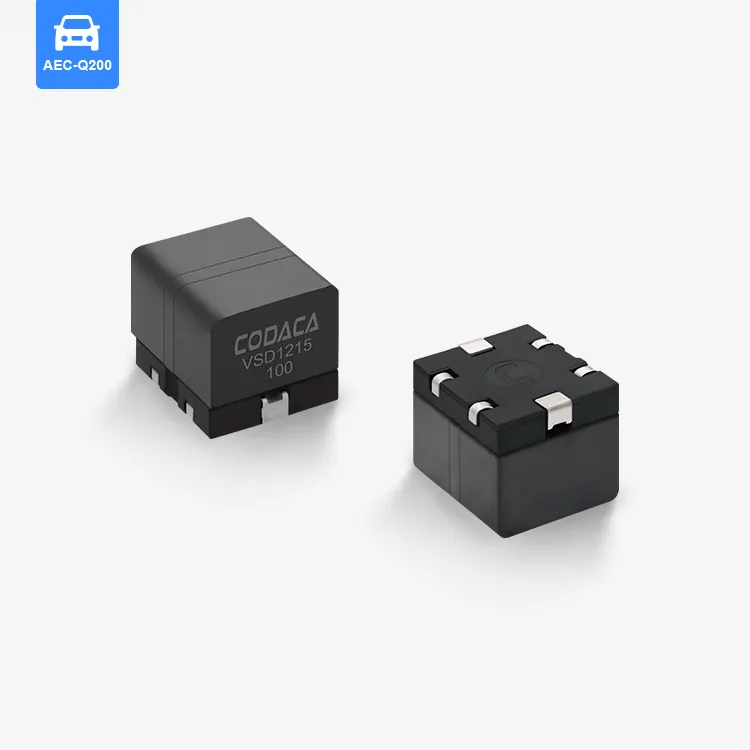
індуктивність з низькими втратами
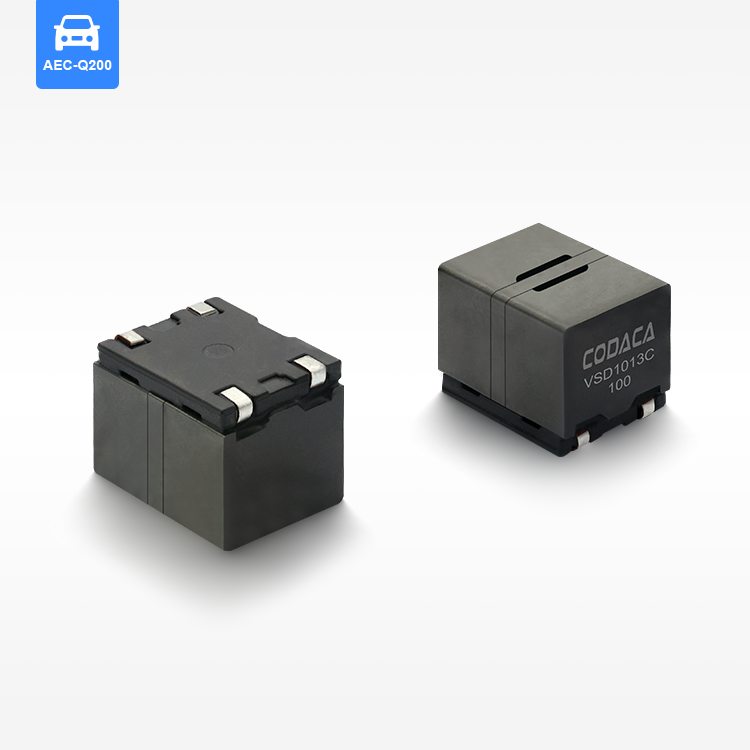
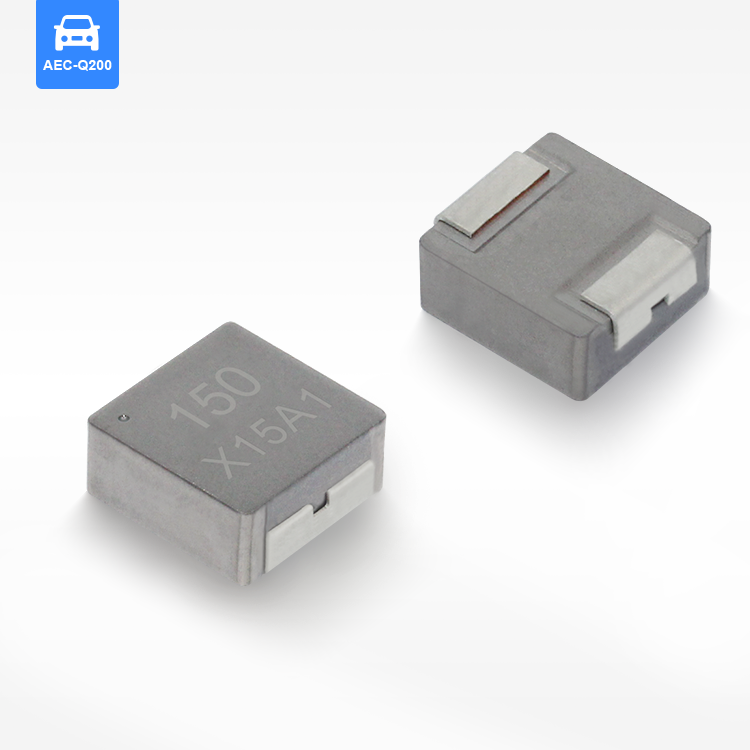
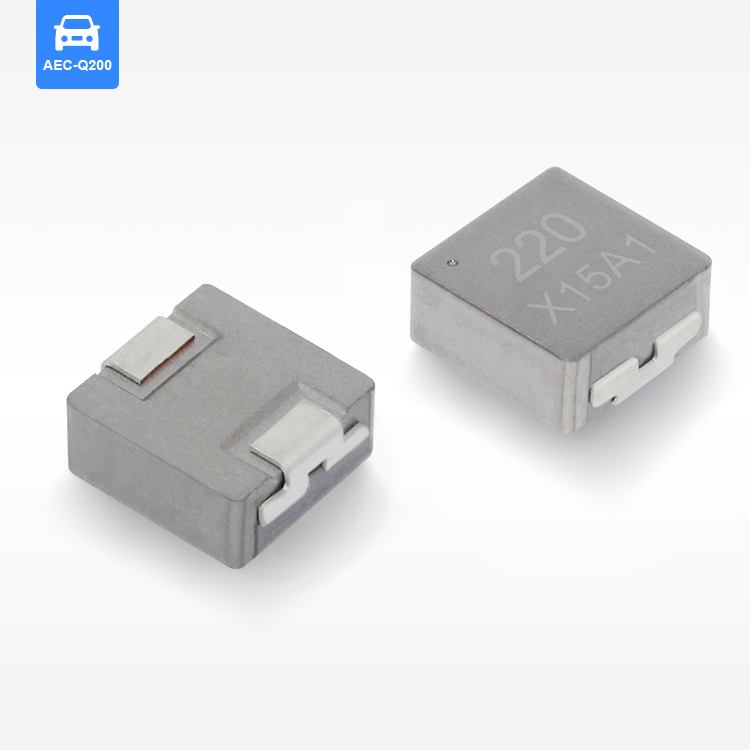
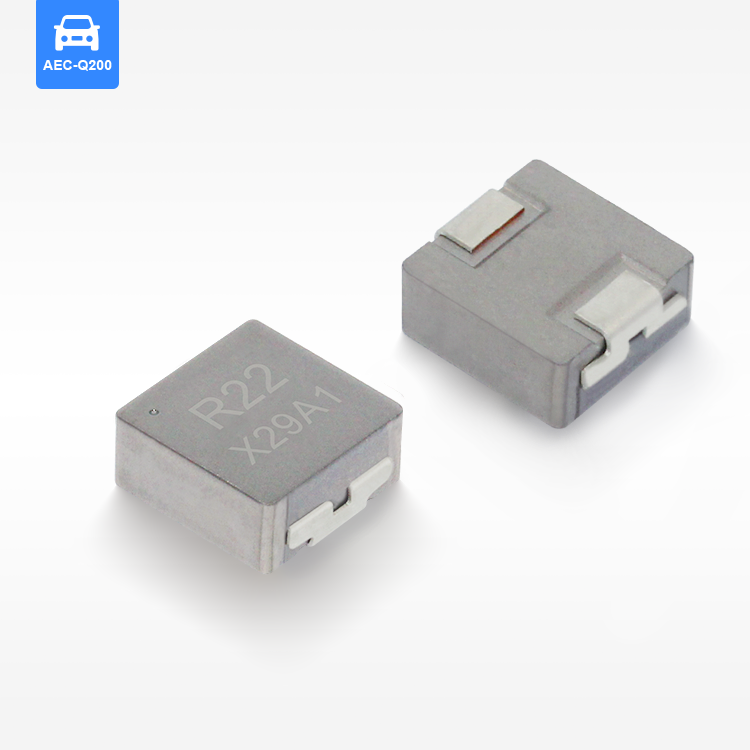
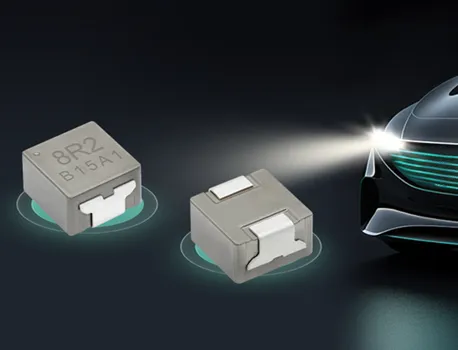
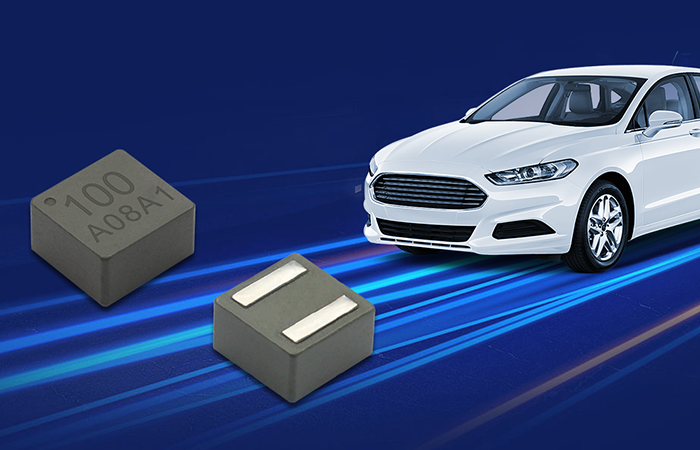
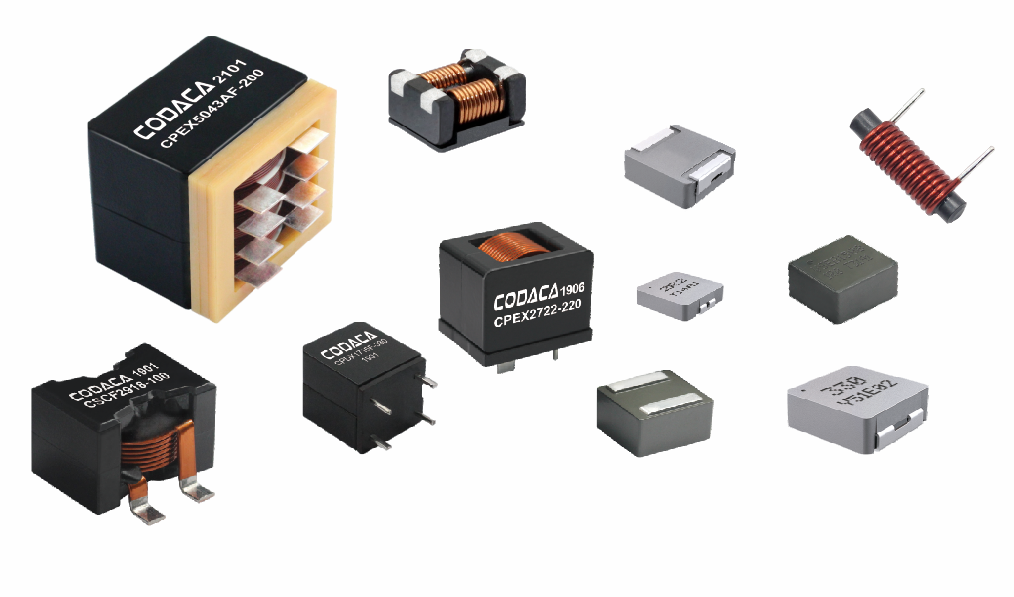
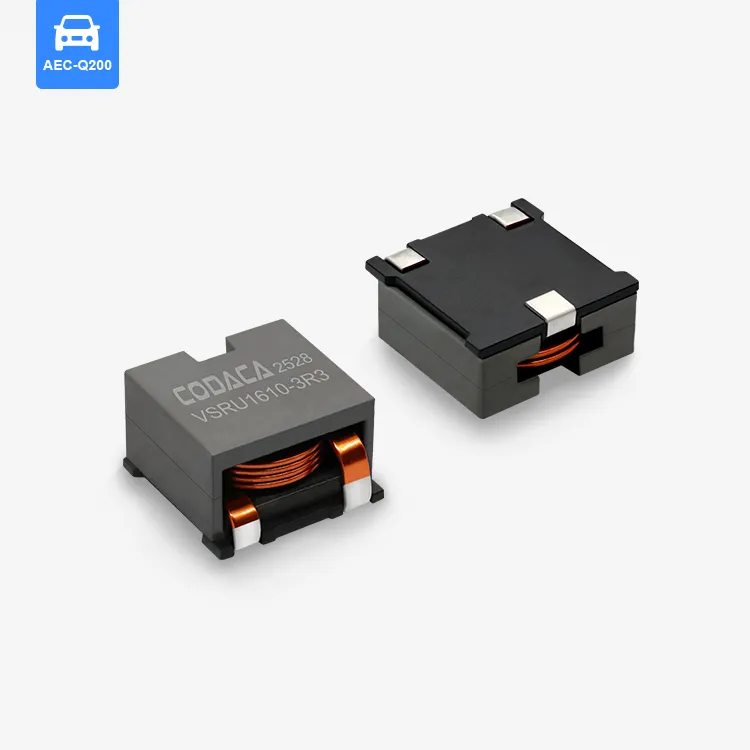
Індуктивний елемент малої втрати потужності — це складовий електронний компонент, призначений для зберігання та виділення магнітної енергії з надзвичайною ефективністю в ланцюгах керування потужністю. Ці спеціалізовані індуктори мінімізують розсіювання енергії завдяки передовим матеріалам і точним технологіям виробництва, що робить їх важливими компонентами сучасних електронних систем, де ефективність використання енергії безпосередньо впливає на продуктивність і експлуатаційні витрати. Основна функція індуктивного елемента малої втрати полягає у контролі потоку струму та регулюванні напруги в імпульсних джерелах живлення, перетворювачах постійного струму (DC-DC) та різних застосунках керування потужністю. На відміну від звичайних індукторів, які мають значні втрати енергії через опір та втрати в осерді, ці просунуті компоненти використовують покращені магнітні матеріали осердя, такі як ферит або сплави порошкового заліза, разом із оптимізованими конфігураціями обмоток, щоб досягти вражаючих показників ефективності, які часто перевищують 95 відсотків. Технологічні особливості, що відрізняють індуктивні елементи малої втрати, включають ретельно підібрані матеріали осердя з високою проникністю та низькими втратами гістерезису, прецизійно намотані мідні провідники з мінімальним опором та інноваційні конструкції корпусів, які покращують відведення тепла. Ці індуктори працюють в широкому діапазоні частот, зберігаючи стабільні значення індуктивності, що забезпечує стабільну роботу за різних умов навантаження. Їх застосування охоплює численні галузі, зокрема автомобільну електроніку, системи відновлюваної енергетики, телекомунікаційну інфраструктуру, комп'ютерне обладнання та побутову електроніку. У системах зарядки електромобілів індуктивні елементи малої втрати дозволяють скоротити час зарядки та зменшити виділення тепла. Центри обробки даних покладаються на ці компоненти для підвищення ефективності джерел живлення, що безпосередньо зменшує експлуатаційні витрати та вплив на навколишнє середовище. Мобільні пристрої отримують більший термін роботи акумулятора завдяки ефективнішим ланцюгам перетворення енергії, що включають ці просунуті індуктори. Компактні розміри, доступні для цих компонентів, роблять їх придатними для застосувань із обмеженим місцем без погіршення продуктивності. Виробничі процеси передбачають суворий контроль якості для забезпечення стабільних магнітних властивостей і електричних характеристик, що робить індуктивні елементи малої втрати надійними компонентами для критично важливих застосувань, де ефективність використання енергії та управління тепловиділенням є головними питаннями для конструкторів і інженерів систем.