High-Performance Amplifier Filter Inductors - Superior EMI Suppression & Audio Quality Enhancement

All Categories

Get a Free Quote

Our representative will contact you soon.
Email
Name
Company Name
Message
0/1000

amplifier filter inductor

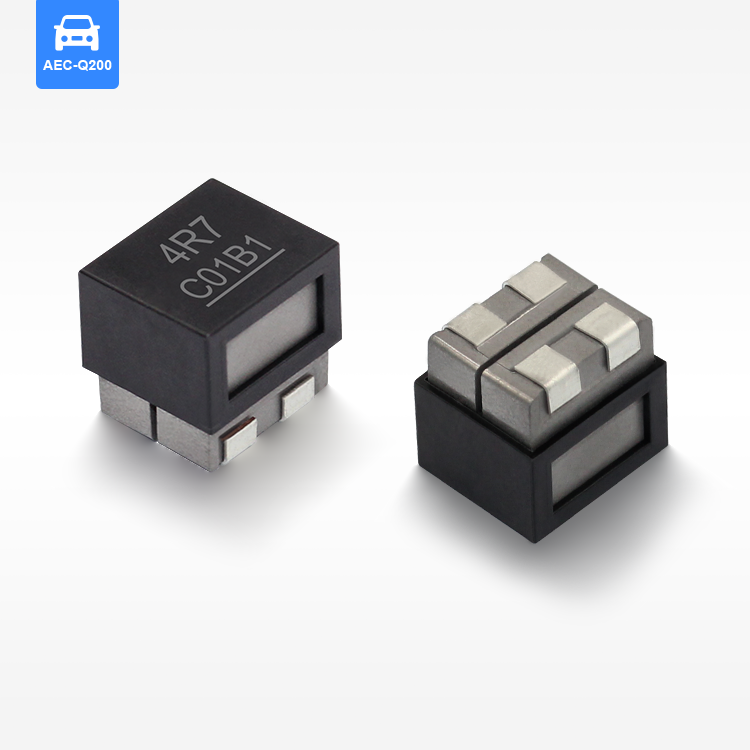
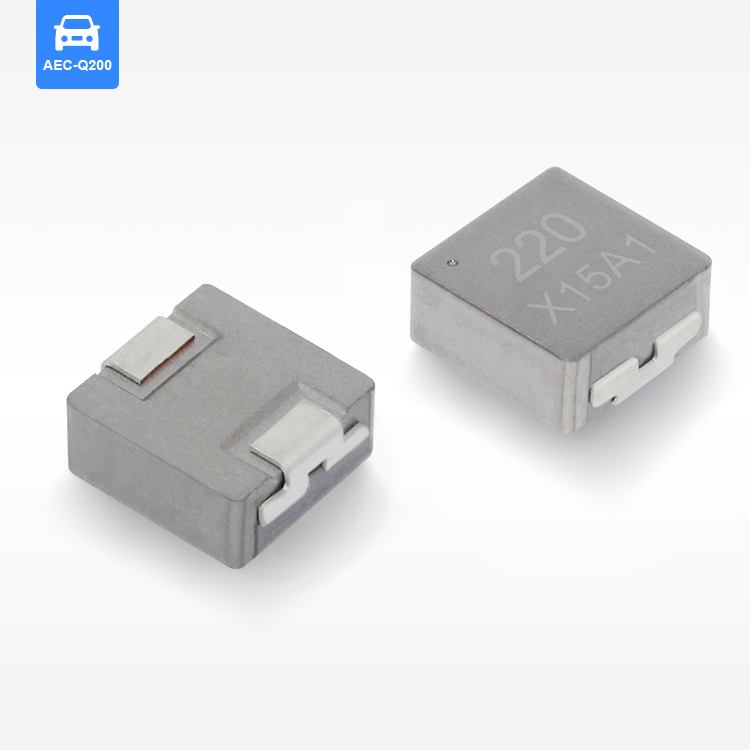
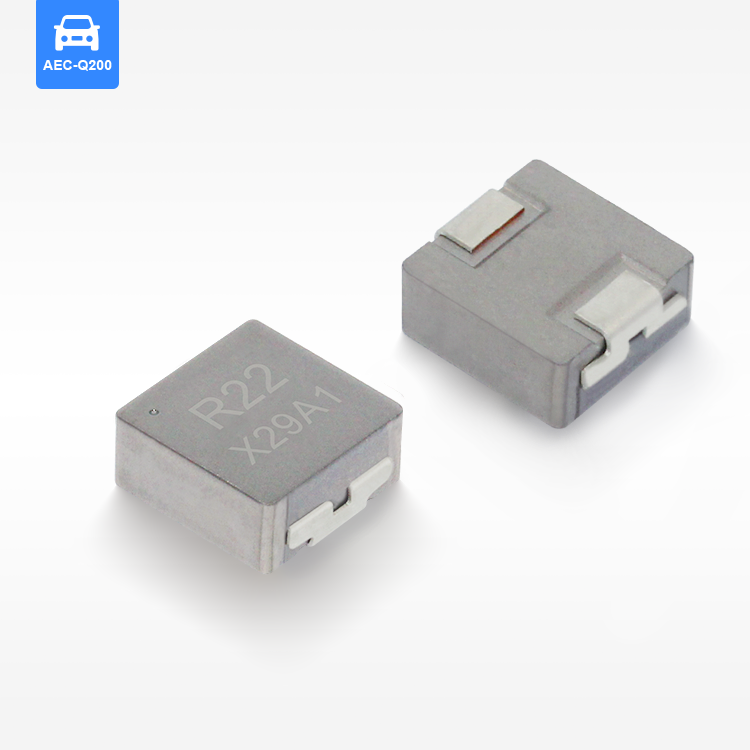
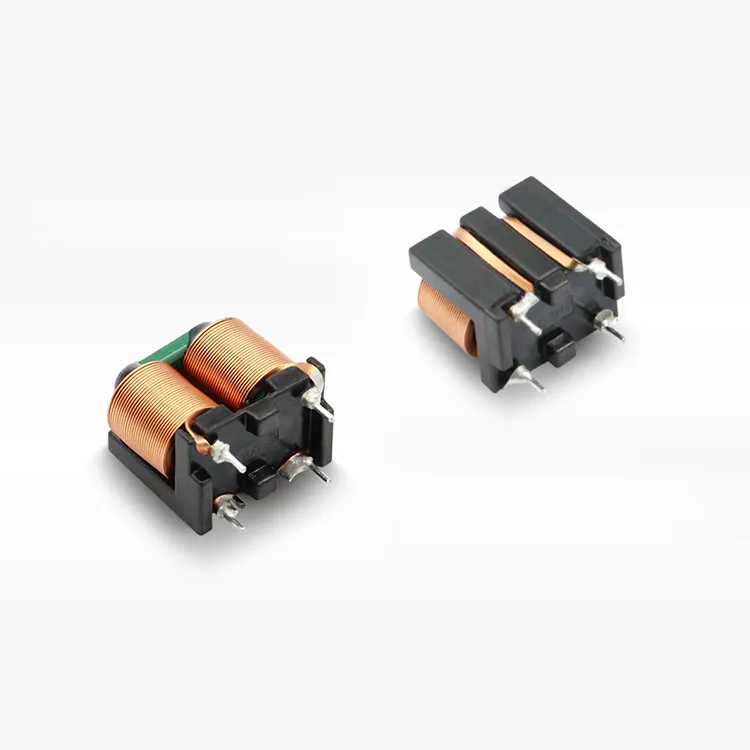
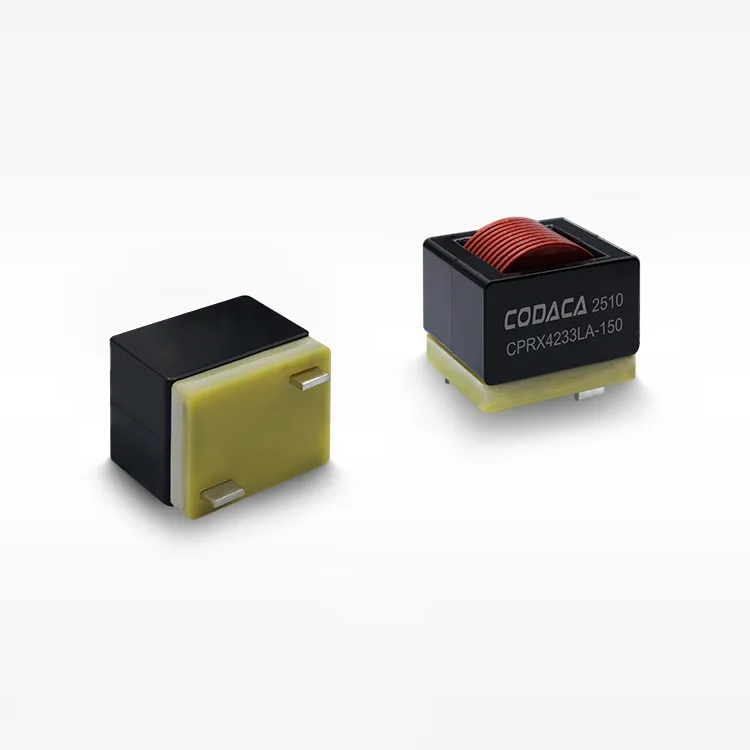
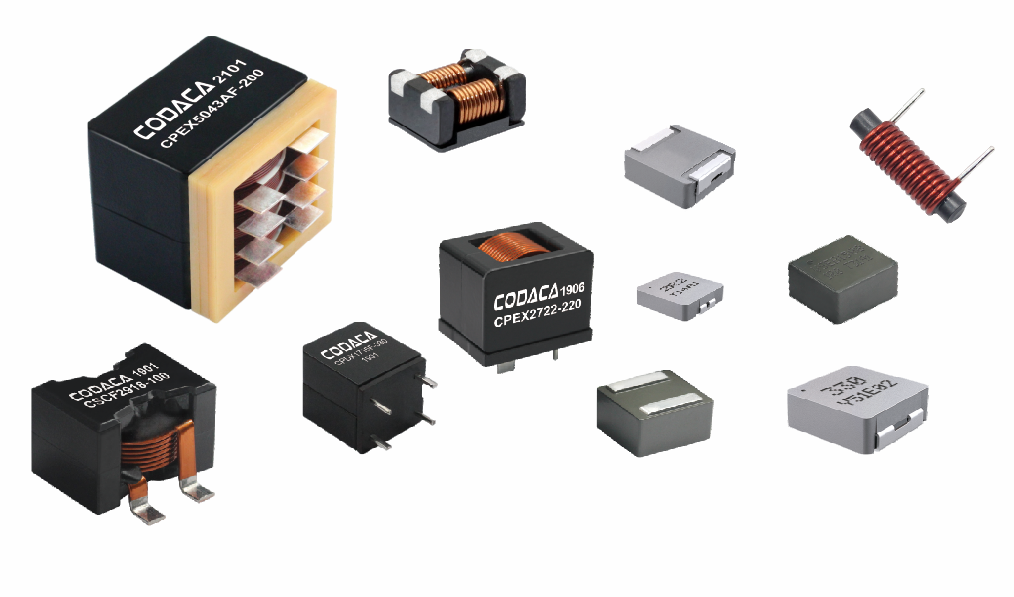
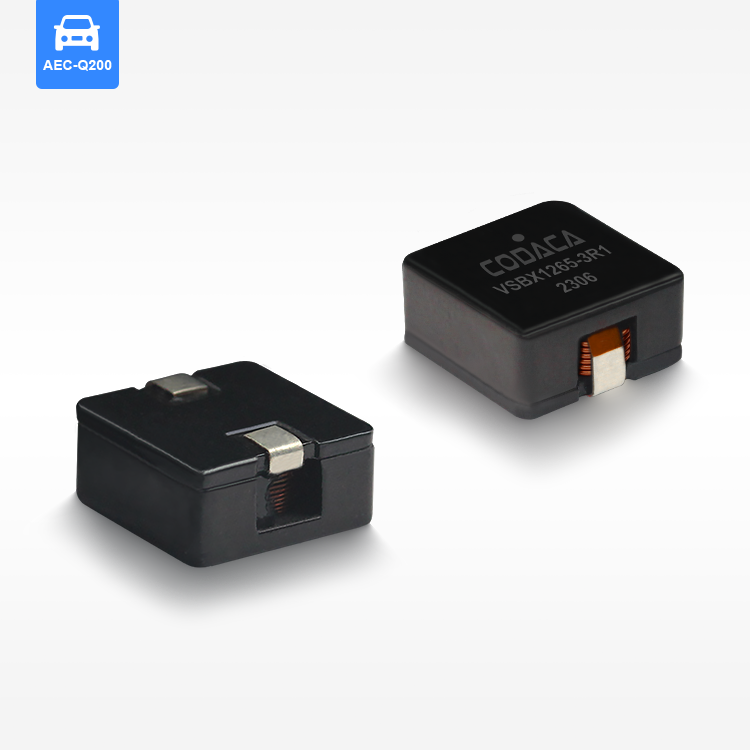
The amplifier filter inductor represents a crucial electronic component designed to enhance signal quality and reduce electromagnetic interference in audio and RF amplification systems. This specialized inductor functions as a passive filtering element that works in conjunction with capacitors to create effective low-pass, high-pass, or band-pass filters within amplifier circuits. The primary purpose of an amplifier filter inductor is to smooth power supply ripple, eliminate unwanted noise frequencies, and maintain clean signal paths throughout the amplification process. These inductors are engineered with precise inductance values ranging from microhenries to millihenries, depending on the specific filtering requirements of the amplifier design. The construction typically involves high-quality magnetic cores, such as ferrite or iron powder, wound with carefully selected copper wire to achieve optimal performance characteristics. Modern amplifier filter inductors incorporate advanced materials and manufacturing techniques that ensure consistent performance across varying temperature ranges and operating conditions. The magnetic core materials are chosen for their superior permeability and low loss characteristics, which directly impact the inductor's efficiency and thermal stability. Wire gauge selection follows strict standards to minimize resistance while maintaining appropriate current-handling capabilities for the intended application. These components play an essential role in power supply filtering, where they work alongside filter capacitors to reduce voltage ripple and provide stable DC power to amplifier stages. Additionally, amplifier filter inductors serve critical functions in input and output filtering stages, where they help eliminate radio frequency interference and prevent unwanted oscillations that could compromise audio fidelity or system stability. The technological sophistication of modern amplifier filter inductors includes features such as self-resonant frequency optimization, temperature coefficient control, and enhanced saturation current ratings that ensure reliable operation under demanding conditions.

New Product Releases

The amplifier filter inductor delivers exceptional performance benefits that directly translate into superior audio quality and system reliability for end users. These components significantly reduce power supply noise, which means your amplifier produces cleaner sound with less background hiss and unwanted artifacts. The improved signal-to-noise ratio achieved through proper filtering creates a more immersive listening experience, whether you're enjoying music, watching movies, or engaging in professional audio production. Users benefit from enhanced frequency response consistency, as the amplifier filter inductor prevents unwanted frequency peaks and dips that could color the sound reproduction. This translates to more accurate bass response, clearer midrange definition, and crisp high-frequency detail that brings recordings to life with remarkable fidelity. The thermal stability characteristics of quality amplifier filter inductors ensure consistent performance regardless of operating temperature, which means your system maintains its sonic characteristics during extended listening sessions or demanding professional use. Installation advantages include compact form factors that fit easily into existing amplifier designs without requiring extensive modifications or additional cooling considerations. The robust construction withstands mechanical vibration and electrical stress, providing long-term reliability that reduces maintenance costs and system downtime. Power efficiency improvements result from the low resistance characteristics of premium amplifier filter inductors, which minimize energy losses and reduce heat generation within the amplifier chassis. This efficiency translates into lower operating costs and extended component lifespan for the entire system. EMI suppression capabilities protect sensitive amplifier stages from external interference sources such as switching power supplies, digital circuits, and radio frequency transmissions that could otherwise degrade performance. The result is consistent operation in challenging electromagnetic environments, making these inductors ideal for professional installations where reliability is paramount. Customization options allow system designers to optimize performance for specific applications, ensuring that each amplifier filter inductor matches the exact requirements of its intended use case for maximum effectiveness and value.

Latest News

The Role of Industrial Power Inductors in Modern Electronics

07

Apr

The Role of Industrial Power Inductors in Modern Electronics

Industrial power inductors play a vital role in modern electronics. They store energy, filter signals, and convert power to ensure your devices operate efficiently. These components stabilize circuits by controlling current flow and reducing noise. Y...
View More
Molding Power Chokes vs. Traditional Chokes: What's the Difference?

13

May

Molding Power Chokes vs. Traditional Chokes: What's the Difference?

Core Construction Differences Between Molding Power Chokes and Traditional Chokes Materials: Ferrite vs. Iron Core Composition The primary difference between molding power chokes and traditional chokes lies in the material composition of their cores...
View More
Inductors: A Solution for Noise Reduction in Digital Amplifiers

13

May

Inductors: A Solution for Noise Reduction in Digital Amplifiers

Understanding Noise Challenges in Digital Amplifiers Sources of Switching Noise in Digital Amplifiers Remedying the problem of switching noise, and the EMI it can cause is one of the hardest parts of digital amplifiers. High frequency switching...
View More
How to Select the Right Inductor for Switching Power Supplies

26

May

How to Select the Right Inductor for Switching Power Supplies

An inductor is a common energy-storing passive component in circuits, playing roles such as filtering, boosting, and bucking in the design of switching power supplies. In the early stage of scheme design, engineers not only need to select appropriate...
View More

Get a Free Quote

Our representative will contact you soon.
Email
Name
Company Name
Message
0/1000

amplifier filter inductor

Superior Electromagnetic Interference Suppression Technology

Superior Electromagnetic Interference Suppression Technology

The amplifier filter inductor incorporates advanced electromagnetic interference suppression technology that sets it apart from conventional filtering solutions in today's demanding electronic environments. This sophisticated EMI suppression capability stems from the carefully engineered magnetic core design and optimized winding configuration that creates highly effective attenuation of unwanted electromagnetic signals across a broad frequency spectrum. The inductor's ability to suppress EMI is particularly valuable in modern audio systems where digital switching circuits, wireless devices, and power electronics create complex interference patterns that can severely compromise sound quality. Professional audio engineers and system integrators recognize that EMI suppression directly impacts the perceived quality of audio reproduction, as even minor interference can manifest as audible artifacts, noise, or distortion in the final output. The amplifier filter inductor addresses these challenges through its specialized core material composition, which exhibits exceptional permeability characteristics while maintaining low loss tangent values across the operating frequency range. This combination allows the inductor to effectively attenuate high-frequency interference while preserving the integrity of desired audio signals. The winding technique employed in manufacturing these inductors minimizes parasitic capacitance and optimizes the self-resonant frequency to ensure maximum effectiveness in typical amplifier applications. Users benefit from this advanced EMI suppression in multiple ways, including reduced susceptibility to cell phone interference, elimination of switching noise from digital audio sources, and improved isolation between different amplifier stages. The practical result is significantly cleaner audio reproduction with enhanced dynamic range and improved clarity across all frequency bands. Additionally, the robust EMI suppression characteristics make the amplifier filter inductor an excellent choice for installations in electrically noisy environments such as recording studios, broadcast facilities, and live sound reinforcement systems where multiple electronic devices operate in close proximity.
Exceptional Current Handling and Thermal Management

Exceptional Current Handling and Thermal Management

The amplifier filter inductor excels in current handling capabilities and thermal management, addressing two of the most critical performance factors in high-power audio applications. This exceptional current handling capacity results from the optimized core geometry and carefully selected wire gauge that work together to minimize saturation effects while maintaining low DC resistance characteristics. The inductor's ability to handle substantial current levels without performance degradation makes it ideal for power amplifier applications where large signal swings and high current demands are routine operational requirements. Professional sound reinforcement systems, high-end home audio installations, and studio monitoring applications all benefit from this robust current handling capability, which ensures consistent performance regardless of program material dynamics or volume levels. The thermal management aspect represents equally important engineering considerations, as excessive heat generation can lead to parameter drift, reduced efficiency, and potential component failure in demanding applications. The amplifier filter inductor addresses thermal challenges through multiple design strategies, including optimized core material selection that exhibits low hysteresis losses and carefully calculated copper cross-sectional areas that minimize I²R losses during operation. Advanced manufacturing techniques ensure proper heat dissipation pathways within the inductor structure, allowing efficient thermal transfer to the surrounding environment without compromising electrical performance. This superior thermal management translates into stable inductance values across wide temperature ranges, ensuring that filter characteristics remain consistent during extended operation periods or high-demand applications. Users experience the benefits of this thermal stability through consistent bass response, stable frequency characteristics, and reliable long-term operation without the performance variations that plague lesser quality components. The combination of high current handling and excellent thermal management makes the amplifier filter inductor particularly valuable in professional applications where system reliability and consistent performance are essential requirements. Installation flexibility is enhanced by the inductor's ability to operate reliably in various mounting orientations and thermal environments without requiring additional cooling provisions or derating considerations.
Precision-Engineered Frequency Response Optimization

Precision-Engineered Frequency Response Optimization

The amplifier filter inductor features precision-engineered frequency response optimization that delivers unparalleled filtering performance across the entire audio spectrum and beyond. This sophisticated frequency response engineering begins with advanced computer modeling and simulation techniques that optimize every aspect of the inductor's electromagnetic characteristics for specific filtering applications. The resulting frequency response exhibits exceptional linearity in the passband region while providing sharp attenuation characteristics in stopband frequencies, creating ideal filtering conditions for amplifier applications where signal purity is paramount. Professional audio applications particularly benefit from this precision frequency response optimization, as it enables designers to create highly effective crossover networks, power supply filters, and EMI suppression circuits with predictable and repeatable performance characteristics. The inductor's frequency response optimization extends beyond simple inductance value considerations to include careful control of parasitic elements such as distributed capacitance and series resistance that can significantly impact real-world performance. Manufacturing precision ensures that each amplifier filter inductor exhibits consistent frequency response characteristics within tight tolerance specifications, enabling reliable system design and predictable performance outcomes. This consistency proves especially valuable in matched-pair applications or multi-channel systems where component variations could create audible imbalances or performance disparities. The optimized frequency response characteristics also contribute to improved transient response in amplifier circuits, as the inductor's carefully controlled electromagnetic properties minimize phase shift and group delay variations that could otherwise affect the temporal accuracy of audio reproduction. Users experience these frequency response benefits through enhanced soundstage imaging, improved stereo separation, and more accurate reproduction of complex musical passages where multiple instruments and frequencies interact. The precision engineering also ensures excellent power supply filtering performance, where the optimized frequency response effectively attenuates switching noise and ripple components while maintaining fast transient response to dynamic load changes. This combination of filtering effectiveness and transient response makes the amplifier filter inductor ideal for high-performance audio applications where both steady-state and dynamic performance requirements are demanding. Additionally, the frequency response optimization extends the useful operating range of the inductor, allowing single components to serve multiple filtering functions within complex amplifier designs while maintaining optimal performance across all intended applications.