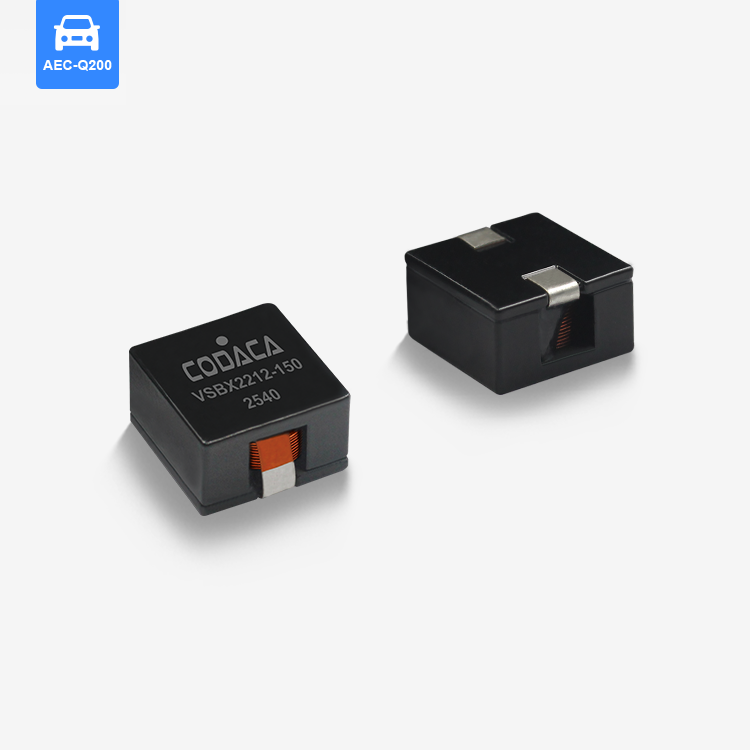
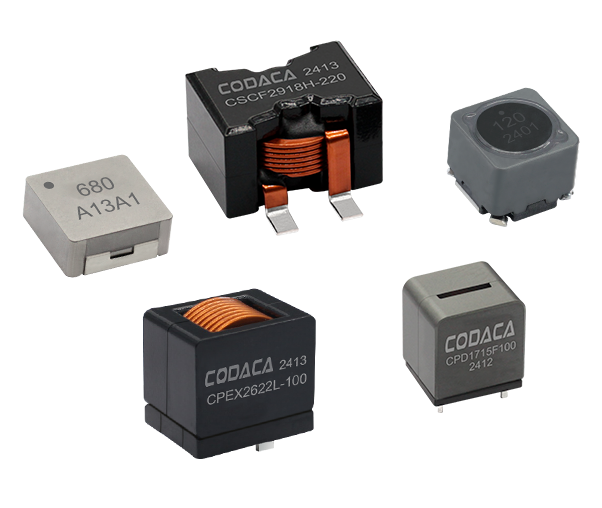
codaca inductor
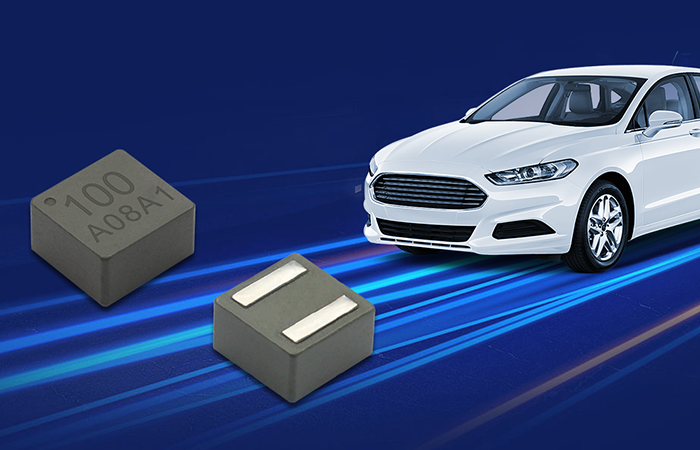
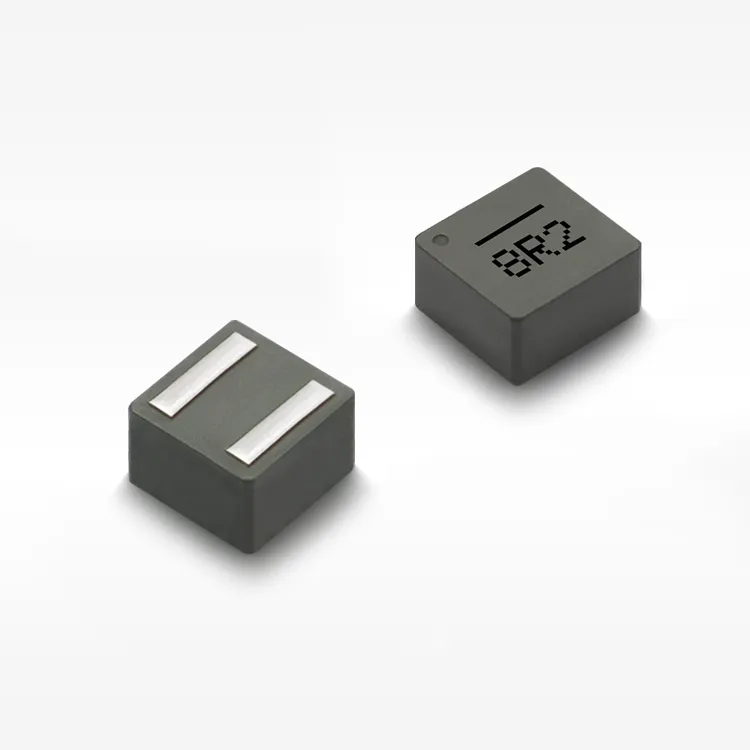
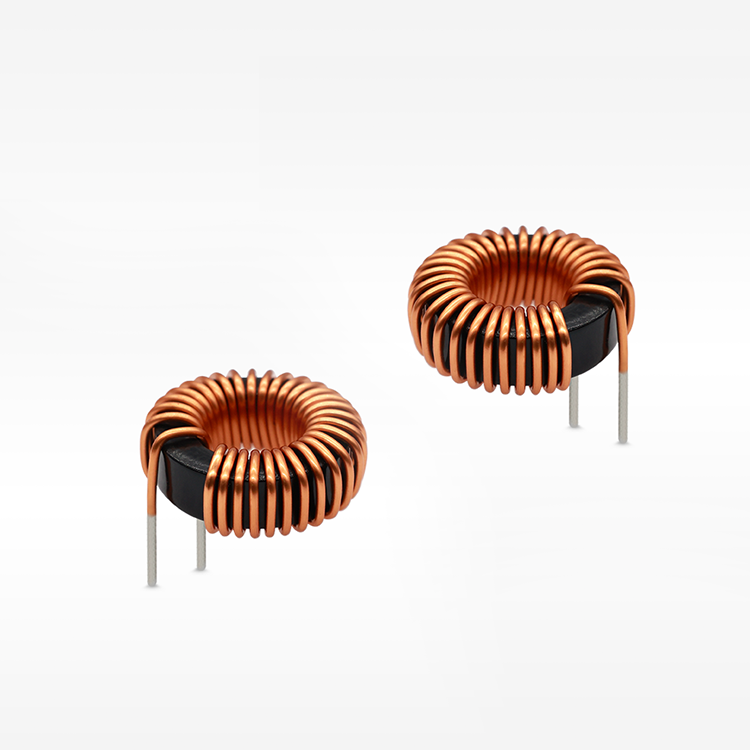
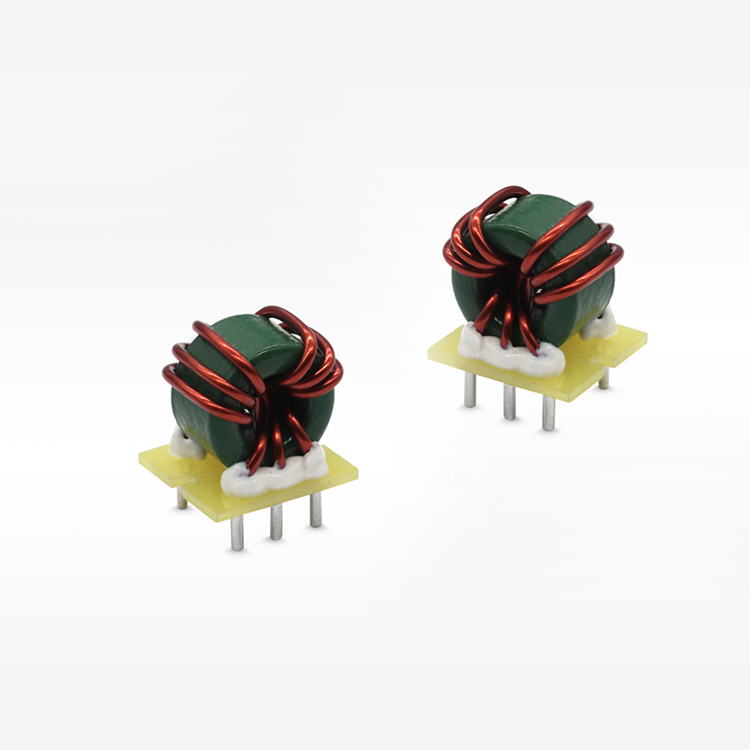
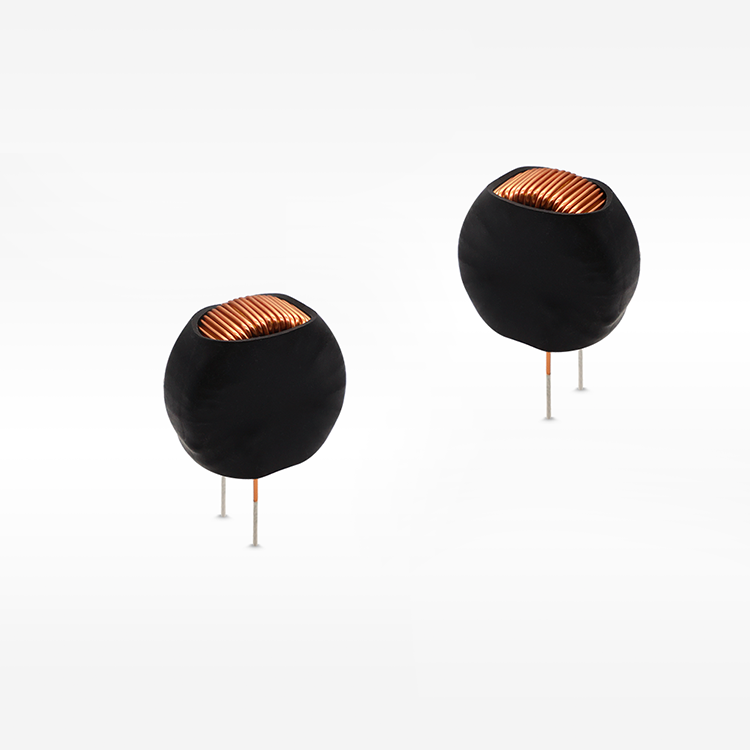
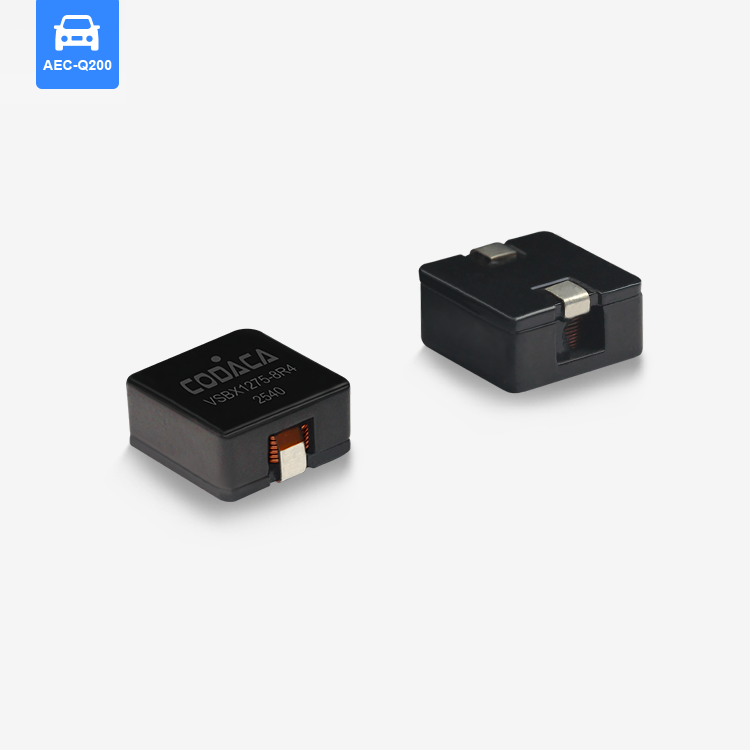
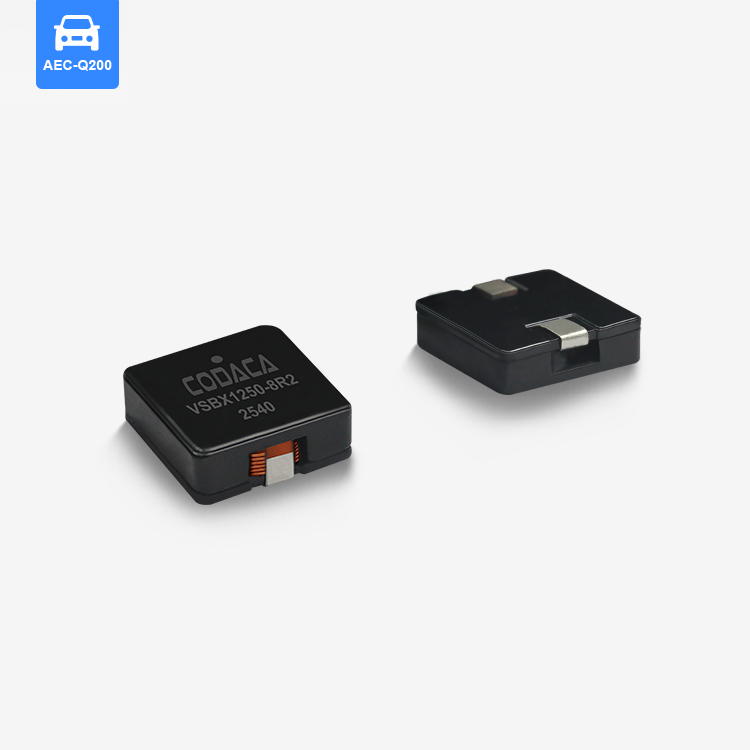
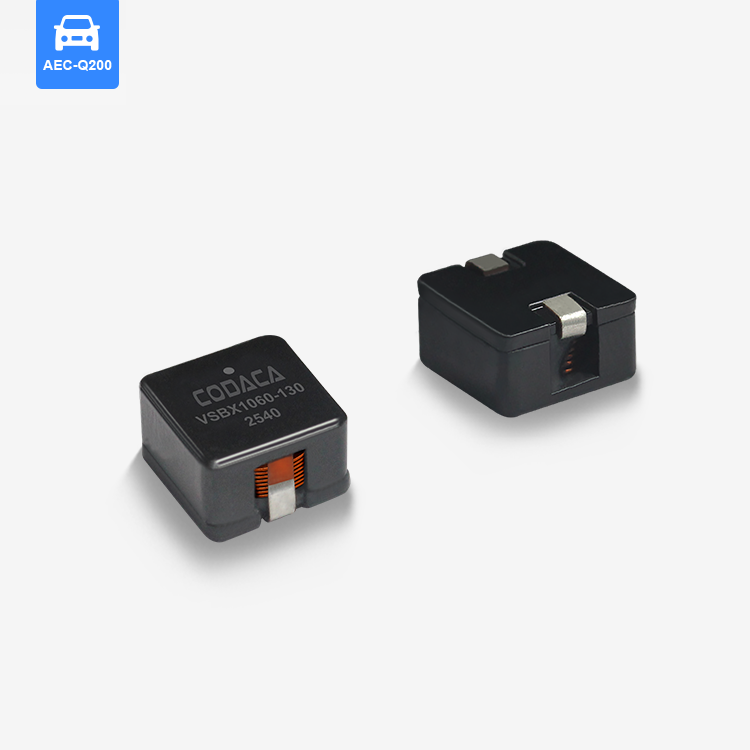
The codaca inductor represents a breakthrough in electromagnetic component technology, designed to meet the demanding requirements of modern electronic systems. This advanced inductor utilizes proprietary core materials and precision winding techniques to deliver exceptional performance across a wide range of applications. The codaca inductor functions as an energy storage device that opposes changes in electrical current, making it essential for filtering, energy conversion, and signal processing applications. Its primary function involves storing magnetic energy when current flows through its coil and releasing this energy when current decreases, providing stable power delivery and noise suppression. The technological foundation of the codaca inductor rests on its innovative ferrite core composition, which offers superior magnetic permeability compared to conventional inductors. This enhanced core material enables higher inductance values in compact form factors while maintaining thermal stability across temperature extremes. The precision-wound copper wire construction ensures minimal resistance losses and excellent current handling capabilities. Advanced manufacturing processes guarantee consistent electrical characteristics and long-term reliability. The codaca inductor finds extensive applications in power management circuits, DC-DC converters, switching power supplies, and radio frequency systems. Its versatility makes it suitable for automotive electronics, telecommunications equipment, industrial automation, and consumer electronics. The component excels in environments where space constraints and performance demands are critical factors. Quality control measures throughout production ensure each codaca inductor meets stringent specifications for inductance tolerance, quality factor, and temperature coefficient. The robust construction withstands mechanical stress and environmental challenges, making it ideal for harsh operating conditions. Integration capabilities allow seamless incorporation into existing circuit designs without requiring extensive modifications, streamlining product development timelines and reducing engineering costs for manufacturers seeking reliable inductive components.