Customizable Power Inductors: High-Performance Electromagnetic Components for Precise Power Management Applications

All Categories

Get a Free Quote

Our representative will contact you soon.
Email
Name
Company Name
Message
0/1000

customizable power inductor

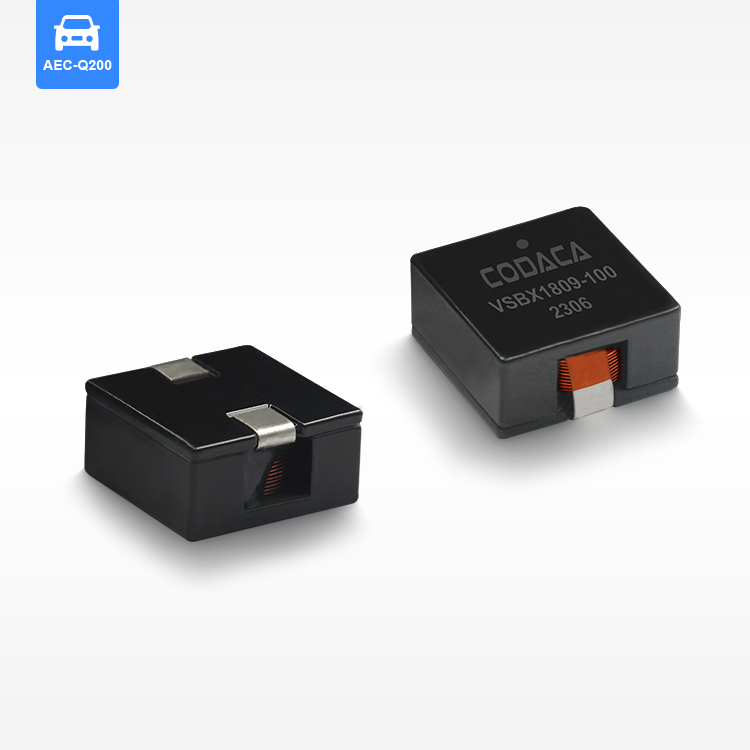
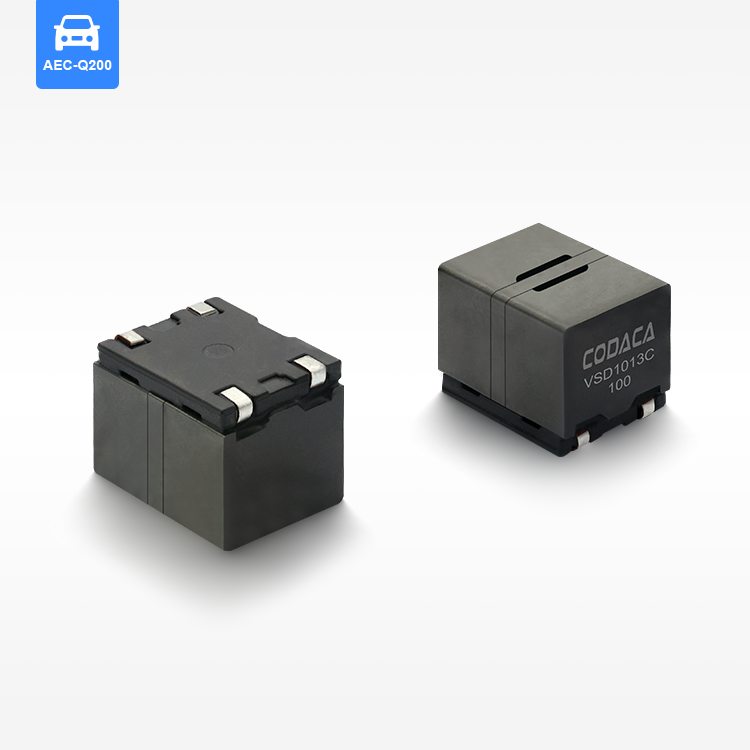
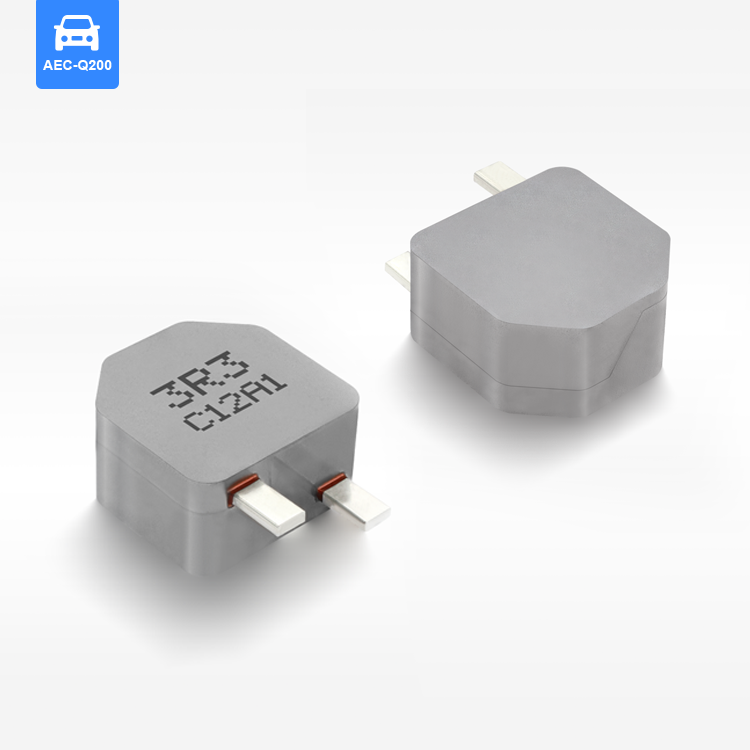
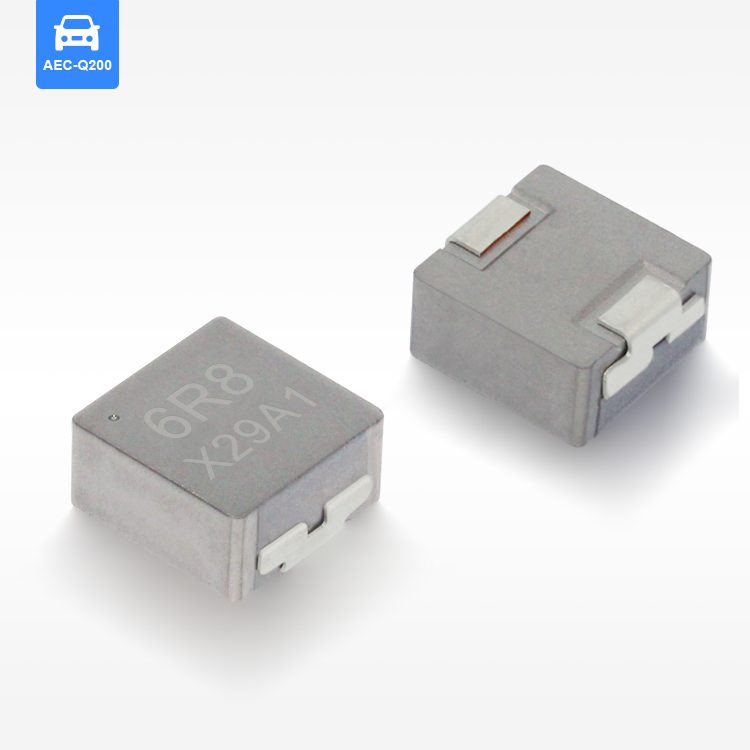
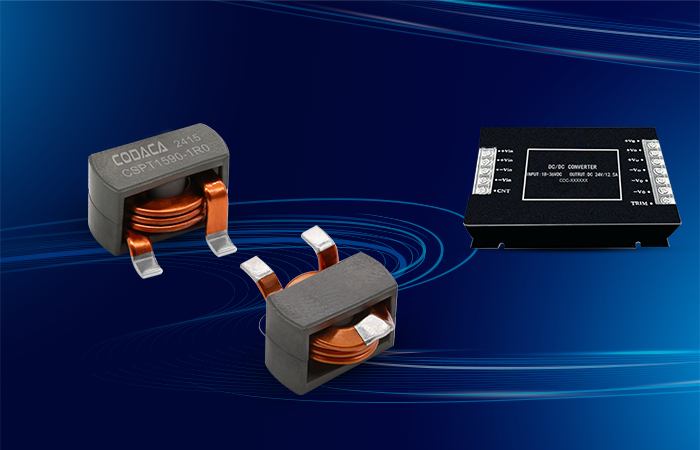
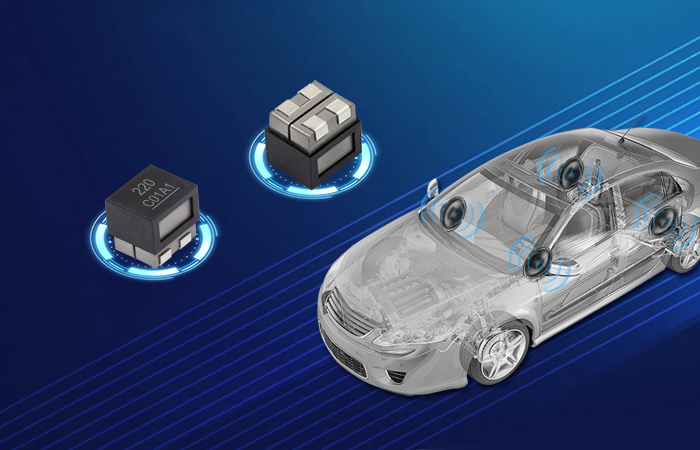
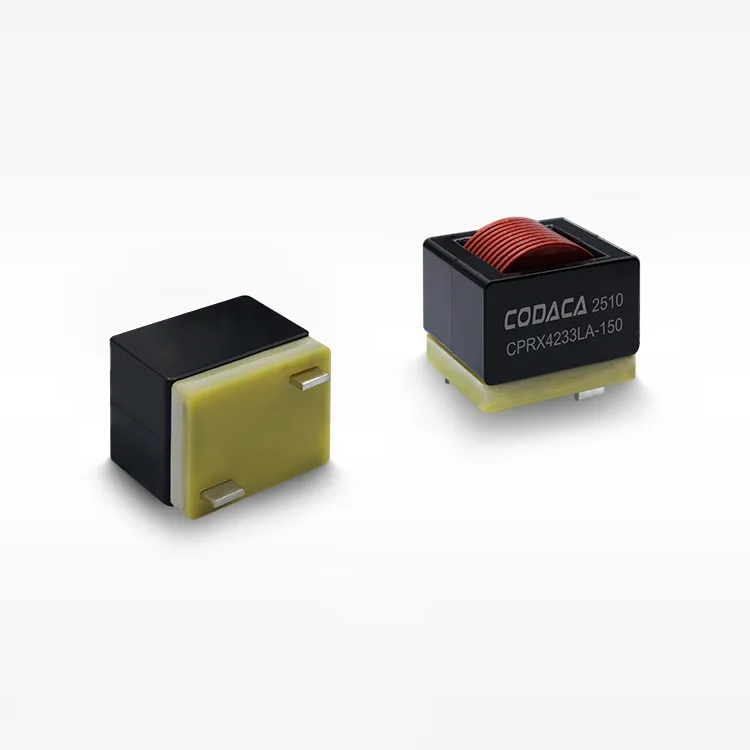
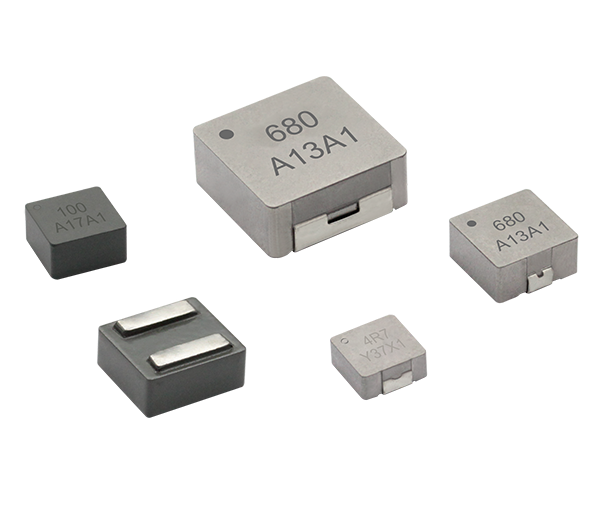
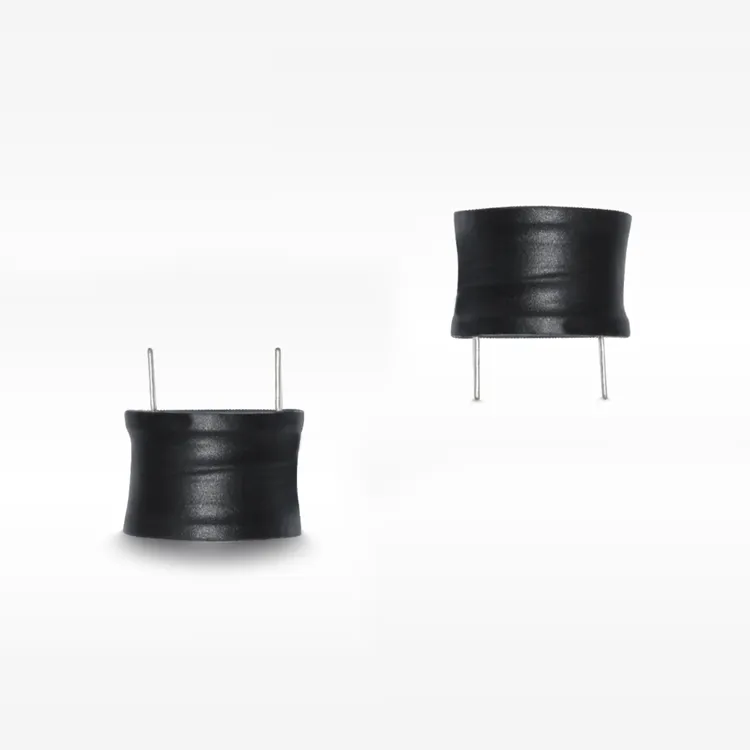
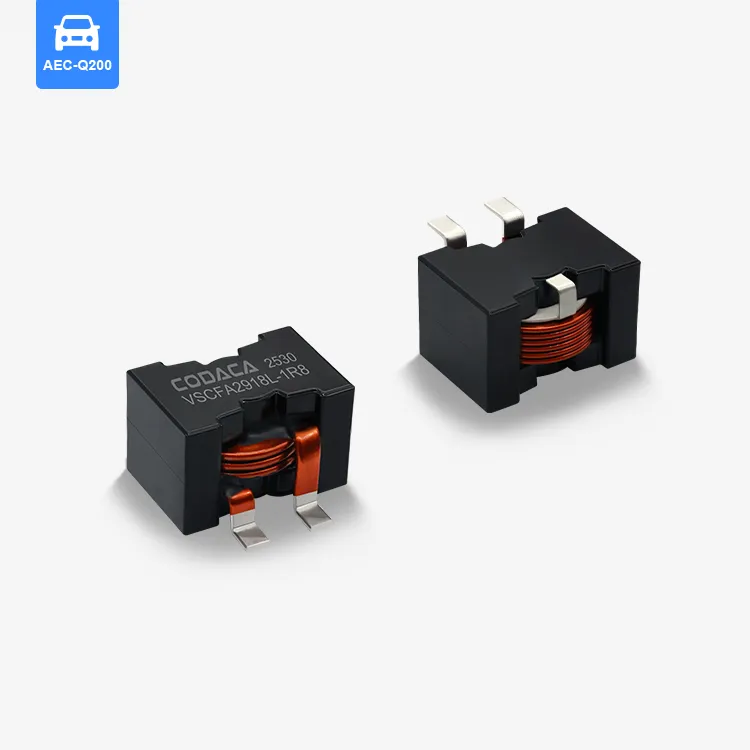
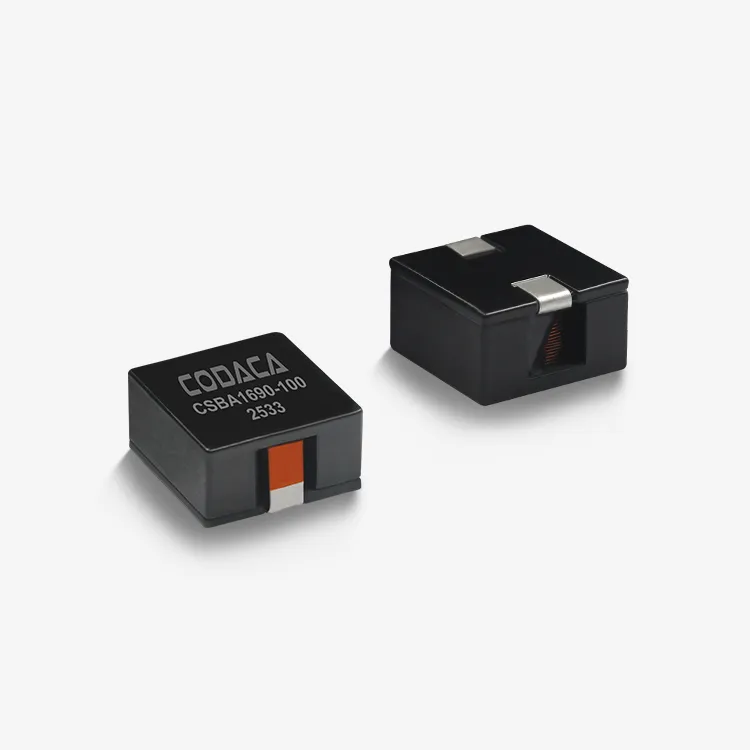
A customizable power inductor represents a sophisticated electromagnetic component designed to meet specific electrical requirements across diverse applications. This specialized inductor serves as a crucial element in power management systems, providing precise control over electrical current flow while maintaining optimal efficiency levels. The primary function of a customizable power inductor involves storing energy in its magnetic field when current passes through its coil, then releasing this energy back into the circuit as needed. This fundamental operation makes it indispensable for voltage regulation, current filtering, and energy conversion processes. Technologically, these inductors feature variable core materials, adjustable winding configurations, and flexible geometric designs that allow engineers to tailor performance characteristics to exact specifications. The core materials range from ferrite compounds for high-frequency applications to powdered iron cores for enhanced saturation resistance. Advanced manufacturing techniques enable precise control over inductance values, current handling capacity, and frequency response characteristics. Modern customizable power inductors incorporate thermal management features, including specialized cooling designs and temperature-resistant materials that ensure reliable operation under demanding conditions. Applications span numerous industries, including automotive electronics, renewable energy systems, telecommunications infrastructure, and consumer electronics. In electric vehicle charging systems, these inductors manage power conversion efficiency while maintaining compact form factors. Solar inverters rely on customizable power inductors for optimal energy harvesting and grid synchronization. Data center power supplies utilize these components to achieve high efficiency ratings and reduce energy consumption. The flexibility inherent in customizable power inductors allows designers to optimize performance parameters such as DC resistance, saturation current, and physical dimensions according to specific application requirements, making them essential components in modern power management solutions.

New Product Recommendations

Customizable power inductors deliver exceptional performance benefits that directly translate into improved system efficiency and reduced operational costs for end users. The primary advantage lies in their ability to match exact application requirements, eliminating the compromises typically associated with standard off-the-shelf components. This precise matching capability results in optimized electrical performance, with users experiencing enhanced power conversion efficiency rates often exceeding 95% in well-designed systems. The flexibility to specify inductance values, current ratings, and physical dimensions ensures perfect integration into existing circuit designs without requiring costly system modifications. Manufacturing cost advantages emerge through bulk customization options, where volume orders benefit from economies of scale while maintaining specific performance characteristics. Quality control measures during the customization process guarantee consistent performance across production batches, reducing field failure rates and warranty claims. Thermal performance optimization represents another significant advantage, as customizable power inductors can incorporate specific cooling features and temperature-resistant materials tailored to operating environments. This results in extended component lifespan and improved system reliability under extreme conditions. Design engineers benefit from shortened development cycles, as customizable power inductors eliminate the time-consuming process of searching for suitable standard components or implementing workaround solutions. The ability to work directly with manufacturers during the design phase ensures that performance specifications align perfectly with application requirements. Supply chain advantages include reduced inventory complexity, as fewer component variants are needed to serve multiple applications. This streamlined approach reduces storage costs and simplifies procurement processes. Environmental benefits arise through improved efficiency, which directly reduces energy consumption and heat generation. For battery-powered applications, the enhanced efficiency translates into extended operating times and reduced charging frequency. Maintenance advantages include improved accessibility and serviceability, as customized designs can accommodate specific installation constraints and service requirements. The long-term cost benefits often outweigh initial customization investments through improved system performance, reduced energy costs, and decreased maintenance requirements.

Practical Tips

Compact High Current Power Inductor: A Comparison of Materials and Designs

01

Apr

Compact High Current Power Inductor: A Comparison of Materials and Designs

Mn-Zn Ferrite: High Permeability and Frequency Response Mn-Zn ferrite is highly regarded in the field of inductors due to its high permeability, which facilitates an efficient magnetic flux path. This characteristic translates into improved inductan...
View More
The Most Durable Automotive Grade Digital Power Amplifier Inductor

01

Apr

The Most Durable Automotive Grade Digital Power Amplifier Inductor

Introduction Automotive-grade digital power amplifier inductors are essential components in modern vehicle audio systems. These inductors are designed to handle large currents and provide stable performance under various environmental conditions, en...
View More
Inductors: A Solution for Noise Reduction in Digital Amplifiers

13

May

Inductors: A Solution for Noise Reduction in Digital Amplifiers

Understanding Noise Challenges in Digital Amplifiers Sources of Switching Noise in Digital Amplifiers Remedying the problem of switching noise, and the EMI it can cause is one of the hardest parts of digital amplifiers. High frequency switching...
View More
How to Select Wires in the Preparation Process of Integrated Molding Power Choke

26

May

How to Select Wires in the Preparation Process of Integrated Molding Power Choke

Wires are one of the crucial raw materials in the preparation of integrated molded inductors. Selecting appropriate wires exerts a significant impact on their manufacturing process. The following content will provide a brief introduction to wire sele...
View More

Get a Free Quote

Our representative will contact you soon.
Email
Name
Company Name
Message
0/1000

customizable power inductor

Precision Engineering for Optimal Electrical Performance

Precision Engineering for Optimal Electrical Performance

The precision engineering capabilities of customizable power inductors represent a revolutionary approach to electromagnetic component design that addresses the most demanding electrical performance requirements. This advanced engineering process begins with comprehensive analysis of application-specific parameters, including operating frequency ranges, current handling requirements, and environmental conditions. Through sophisticated modeling techniques and advanced simulation software, engineers can predict and optimize performance characteristics before physical prototyping begins. The precision extends to core material selection, where different ferrite compositions, powdered iron variants, and advanced nanocrystalline materials are evaluated for their magnetic properties, temperature stability, and frequency response characteristics. Winding techniques employ computer-controlled machinery that ensures consistent turn spacing, optimal copper utilization, and minimal parasitic capacitance. This level of precision directly impacts key performance metrics such as inductance tolerance, which can be maintained within narrow ranges of ±5% or better. The engineering process incorporates thermal modeling to predict temperature rise under various operating conditions, enabling the integration of appropriate cooling features or material selections that prevent thermal runaway conditions. Quality assurance protocols include automated testing procedures that verify electrical parameters, mechanical integrity, and environmental resistance across the entire production batch. This precision engineering approach results in customizable power inductors that deliver predictable performance across wide operating ranges, with minimal variation between individual units. The benefits extend beyond basic electrical performance to include enhanced electromagnetic compatibility, reduced audible noise, and improved power factor correction capabilities. For critical applications such as medical equipment or aerospace systems, this precision engineering ensures compliance with stringent regulatory requirements and safety standards. The investment in precision engineering pays dividends through reduced design iterations, shorter time-to-market cycles, and improved end-product reliability that enhances customer satisfaction and brand reputation.
Flexible Design Architecture for Diverse Application Requirements

Flexible Design Architecture for Diverse Application Requirements

The flexible design architecture of customizable power inductors provides unprecedented adaptability to meet the evolving demands of modern electronic systems across multiple industries and applications. This architectural flexibility begins with modular core designs that accommodate various magnetic materials, geometric configurations, and mounting options within a unified manufacturing framework. The modular approach enables rapid configuration changes without extensive tooling modifications, significantly reducing lead times and development costs for custom specifications. Winding flexibility allows for multiple conductor types, including solid copper wire, litz wire configurations for high-frequency applications, and flat ribbon conductors for space-constrained installations. The architecture supports both single-layer and multi-layer winding patterns, enabling optimization of inductance values, DC resistance, and current handling capabilities within specific dimensional constraints. Packaging flexibility extends to mounting styles, with options including through-hole, surface-mount, and chassis-mount configurations that accommodate diverse installation requirements. Environmental adaptability is built into the design architecture through selectable encapsulation materials, protective coatings, and sealing options that provide appropriate protection against moisture, chemicals, and mechanical stress. The flexible architecture enables integration of additional features such as thermal sensors, current monitoring capabilities, and electromagnetic shielding without compromising basic inductor functionality. Manufacturing scalability is inherent in the design approach, allowing seamless transition from prototype quantities to high-volume production runs while maintaining consistent performance characteristics. This architectural flexibility proves invaluable for companies developing product families that require similar functionality with different specifications, as common design elements reduce complexity while enabling customization for specific market segments. The benefits extend to supply chain management, where flexible architectures enable regional manufacturing adaptation and reduced dependency on single-source suppliers. For emerging applications such as wireless charging systems and Internet of Things devices, the flexible design architecture ensures that customizable power inductors can evolve alongside advancing technology requirements while maintaining backward compatibility with existing systems.

Advanced Manufacturing Capabilities for Superior Quality Assurance

Advanced Manufacturing Capabilities for Superior Quality Assurance

The advanced manufacturing capabilities employed in producing customizable power inductors establish new benchmarks for quality assurance and production consistency that directly benefit end users through enhanced reliability and performance predictability. These manufacturing capabilities begin with state-of-the-art automated winding systems that utilize precision servo controls to maintain exact wire tension, consistent layer spacing, and optimal conductor placement throughout the winding process. Computer-integrated manufacturing systems monitor critical parameters in real-time, automatically adjusting process variables to maintain tight tolerances and prevent defects before they occur. Core preparation processes employ advanced material handling systems that ensure consistent magnetic properties through controlled sintering temperatures, pressure applications, and cooling profiles that eliminate internal stresses and magnetic domain irregularities. Quality control measures include comprehensive electrical testing at multiple production stages, with automated test equipment performing inductance verification, DC resistance measurement, and insulation integrity checks on every unit produced. Environmental stress testing capabilities include thermal cycling chambers, humidity exposure systems, and mechanical vibration platforms that validate component performance under extreme operating conditions. Traceability systems maintain detailed records of material sources, process parameters, and test results for each production batch, enabling rapid identification and resolution of any quality issues that may arise. Statistical process control methodologies continuously monitor manufacturing trends and identify opportunities for process improvement and quality enhancement. Clean room manufacturing environments prevent contamination that could affect electrical performance or long-term reliability, particularly important for high-frequency applications where surface cleanliness directly impacts performance. Advanced packaging and shipping procedures protect finished components during transportation and storage, ensuring that customizable power inductors arrive at customer facilities in pristine condition. These manufacturing capabilities enable guarantee programs and extended warranties that provide customers with confidence in their component selections and long-term system reliability. The investment in advanced manufacturing translates into reduced field failure rates, improved customer satisfaction, and stronger partnerships between suppliers and original equipment manufacturers who depend on consistent, high-quality components for their success.