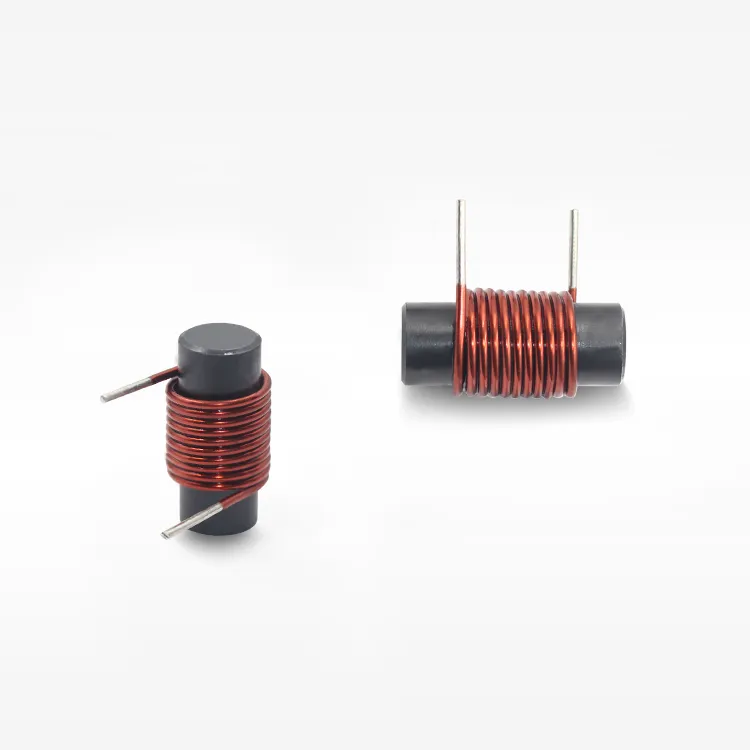
Premium Shielded Power Inductors - Superior EMI Suppression & High Efficiency Solutions

All Categories

Get a Free Quote

Our representative will contact you soon.
Email
Name
Company Name
Message
0/1000

shielded power inductors

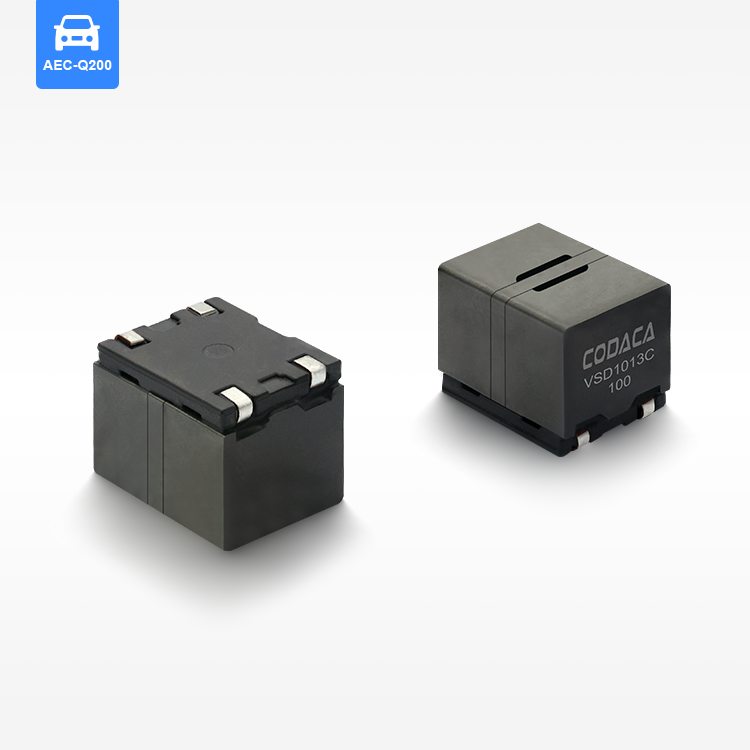
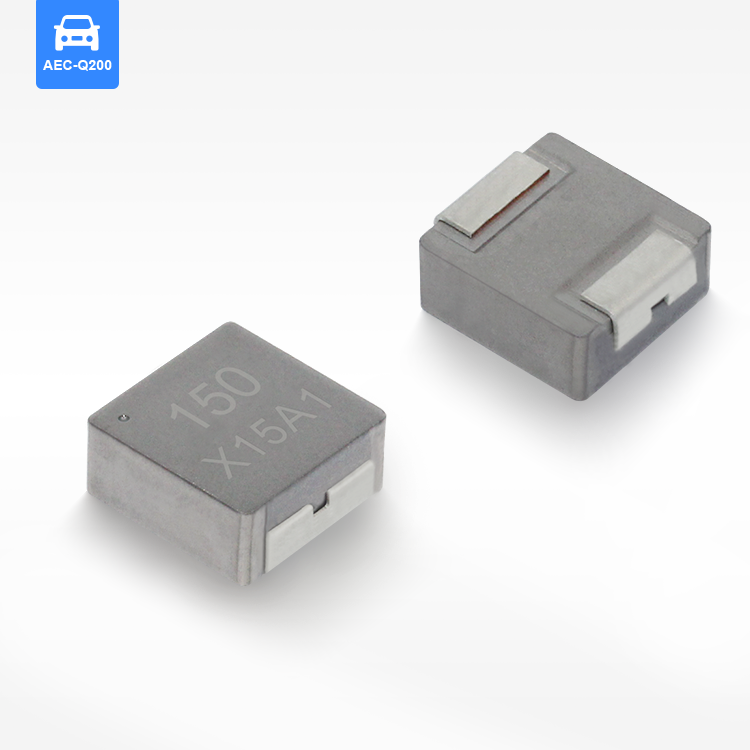
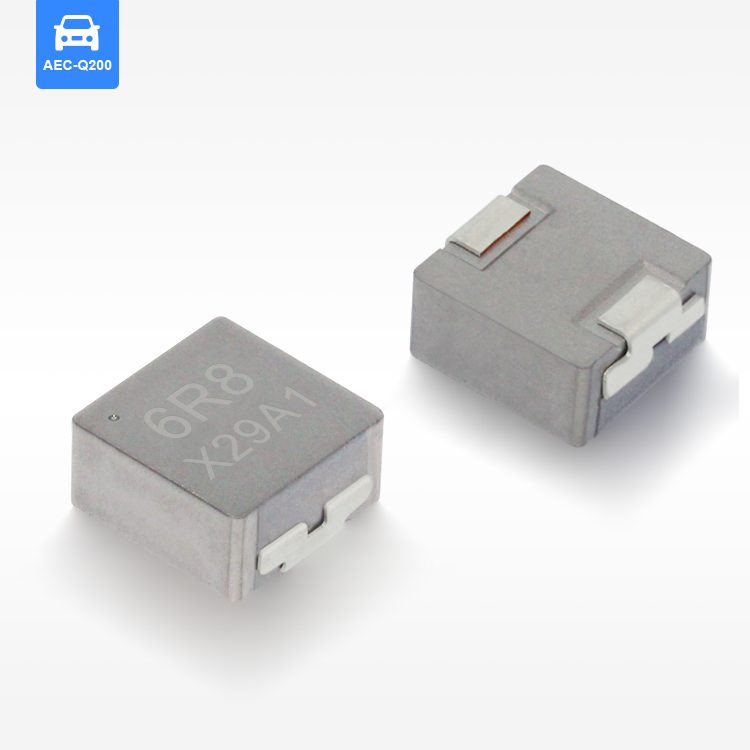
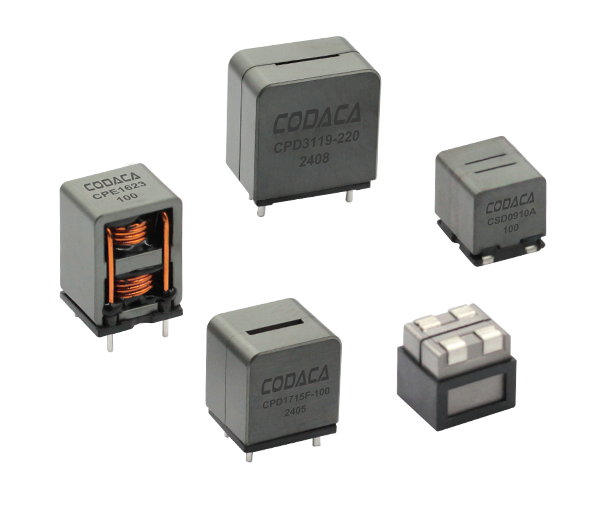
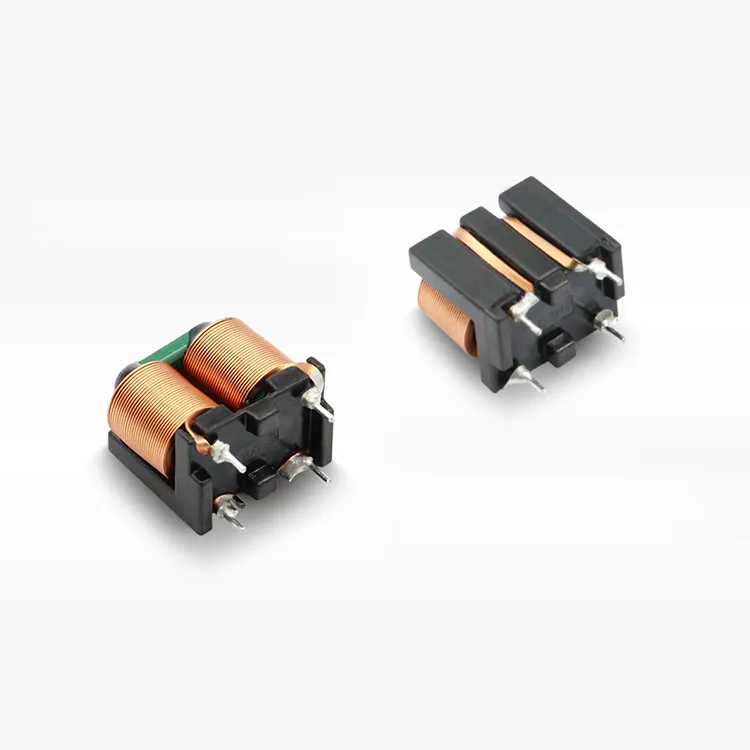
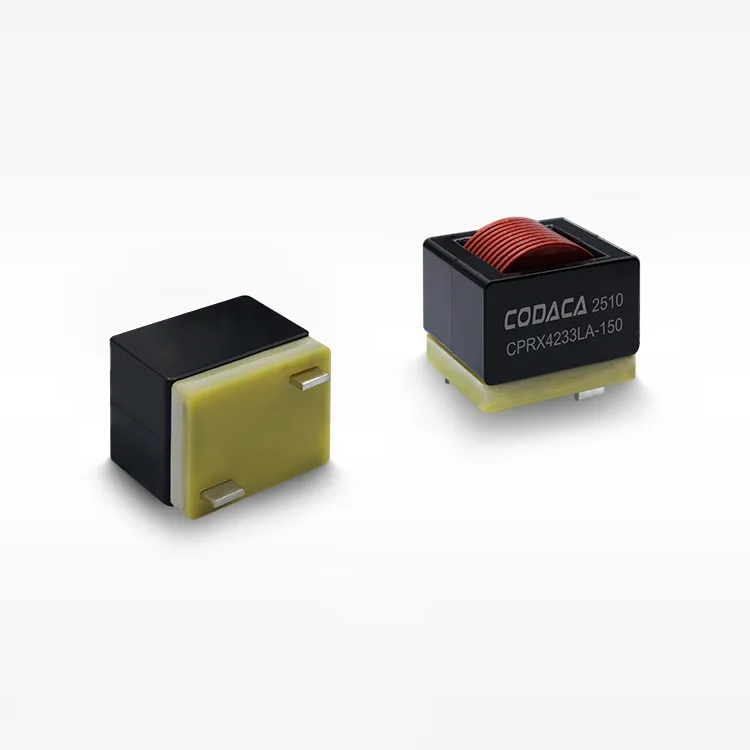
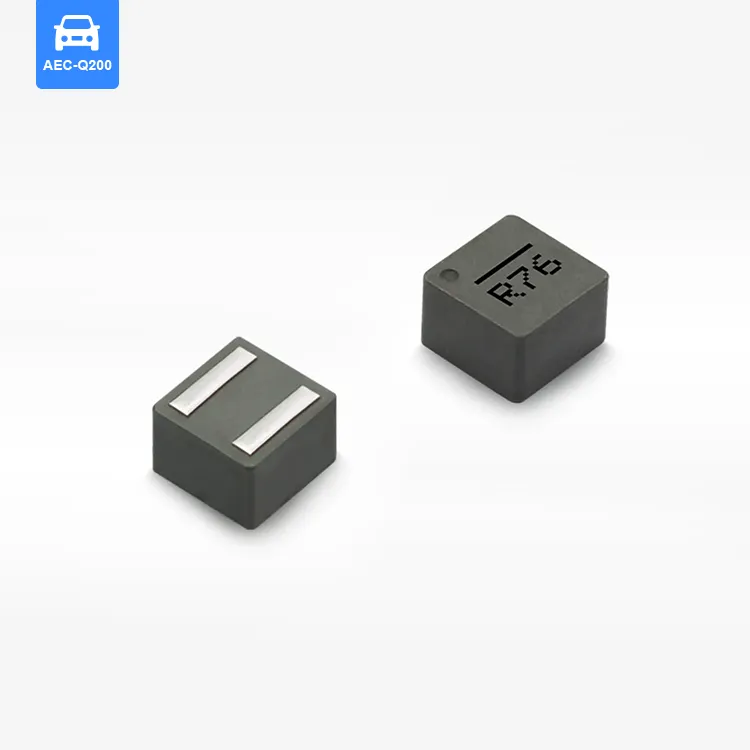
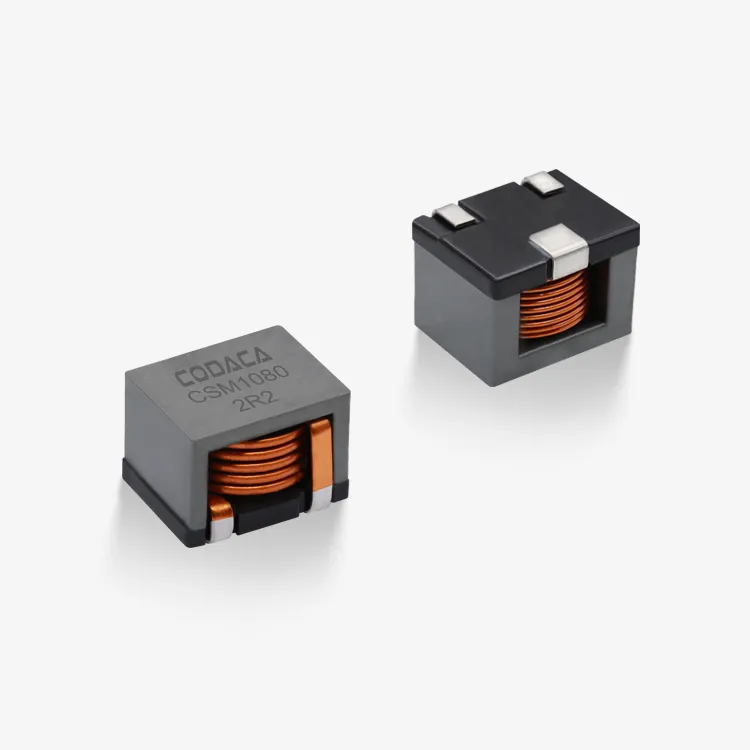
Shielded power inductors represent a critical component in modern electronic circuits, designed to store energy in magnetic fields while minimizing electromagnetic interference. These specialized components feature a magnetic core enclosed within a shielding structure, typically composed of ferrite or metal materials, which contains the magnetic flux and prevents it from affecting nearby components. The primary function of shielded power inductors involves filtering, energy storage, and current regulation in power management applications. Unlike their unshielded counterparts, these components utilize advanced magnetic shielding technology to confine electromagnetic fields within the inductor structure, significantly reducing unwanted coupling with adjacent circuit elements. The technological features of shielded power inductors include low DC resistance, high current handling capabilities, and excellent thermal performance characteristics. Their construction incorporates precision-wound copper wire around specially designed cores, with the shielding material providing both mechanical protection and electromagnetic containment. These components operate across wide frequency ranges while maintaining stable inductance values under varying current conditions. Modern shielded power inductors employ sophisticated core materials such as powdered iron, ferrite compounds, and advanced alloys that optimize magnetic permeability while minimizing core losses. The shielding mechanism works by creating a closed magnetic path that directs flux through the core material rather than allowing it to radiate into surrounding space. Applications for shielded power inductors span numerous industries including automotive electronics, telecommunications equipment, computer systems, and renewable energy converters. In switching power supplies, these components smooth output ripple and provide energy storage during switching transitions. DC-DC converters rely heavily on shielded power inductors for efficient voltage regulation and noise suppression. The automotive sector utilizes these components in electric vehicle charging systems, engine management modules, and advanced driver assistance systems where electromagnetic compatibility remains paramount for reliable operation.

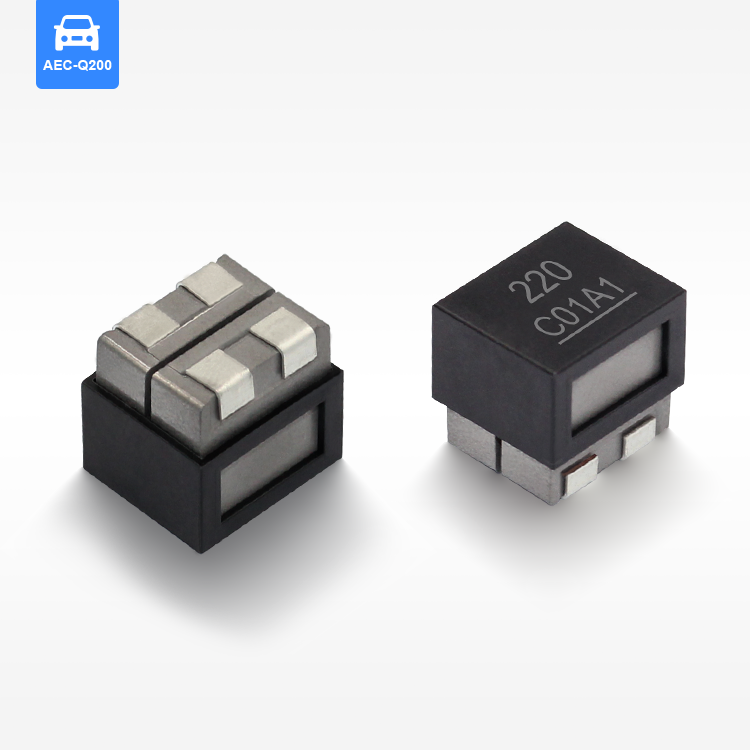
New Product Releases

Shielded power inductors deliver substantial benefits that make them superior choices for demanding electronic applications. The most significant advantage lies in their ability to eliminate electromagnetic interference between circuit components. This shielding capability allows engineers to place these inductors closer to sensitive components without worrying about magnetic coupling issues that could disrupt circuit performance. Designers can achieve more compact board layouts, reducing overall system size and manufacturing costs while improving reliability. The enhanced magnetic containment translates directly into better circuit performance and fewer design constraints. Another major benefit involves improved efficiency in power conversion applications. Shielded power inductors maintain consistent inductance values across varying operating conditions, ensuring stable power delivery and reduced energy losses. This stability results in better regulation accuracy and lower heat generation, extending component lifespan and system reliability. The predictable behavior of these components simplifies circuit design and reduces development time, allowing faster time-to-market for new products. Temperature stability represents another crucial advantage of shielded power inductors. The shielding structure provides additional thermal mass and heat dissipation pathways, helping maintain optimal operating temperatures even under high current conditions. This thermal management capability prevents performance degradation and extends operational life, reducing maintenance requirements and total cost of ownership. The robust construction of shielded power inductors also provides superior mechanical protection against vibration, shock, and environmental stresses commonly encountered in industrial and automotive applications. Manufacturing consistency offers additional value through reduced component variation and improved quality control. Shielded power inductors typically demonstrate tighter tolerance specifications and more predictable characteristics, enabling precise circuit optimization and reducing the need for additional compensation components. This consistency translates into better production yields and more reliable end products. The enclosed magnetic structure also provides protection against external magnetic fields that could otherwise influence inductor performance, ensuring stable operation in electromagnetically noisy environments. Cost-effectiveness emerges through reduced electromagnetic compatibility testing requirements and simplified board layout procedures, while the improved performance characteristics often eliminate the need for additional filtering components.

Latest News

The Role of Inductors in Digital Amplifier Performance

14

May

The Role of Inductors in Digital Amplifier Performance

Inductors in amplifier circuits help you manage current flow effectively. They stabilize electrical signals and reduce unwanted noise. By doing so, they enhance the performance of your amplifier. These components also improve energy efficiency, ensur...
View More
Molding Power Chokes vs. Traditional Chokes: What's the Difference?

13

May

Molding Power Chokes vs. Traditional Chokes: What's the Difference?

Core Construction Differences Between Molding Power Chokes and Traditional Chokes Materials: Ferrite vs. Iron Core Composition The primary difference between molding power chokes and traditional chokes lies in the material composition of their cores...
View More
Inductors: A Solution for Noise Reduction in Digital Amplifiers

13

May

Inductors: A Solution for Noise Reduction in Digital Amplifiers

Understanding Noise Challenges in Digital Amplifiers Sources of Switching Noise in Digital Amplifiers Remedying the problem of switching noise, and the EMI it can cause is one of the hardest parts of digital amplifiers. High frequency switching...
View More
Molding Power Chokes: A Comprehensive Review of the Market

13

May

Molding Power Chokes: A Comprehensive Review of the Market

What Are Molding Power Chokes? Definition and Core Functionality Molding power chokes are inductive elements that control current flow within circuits. For the transport of electrical power, energy is advantageously stored in magnetic fields, w...
View More

Get a Free Quote

Our representative will contact you soon.
Email
Name
Company Name
Message
0/1000

shielded power inductors

Superior Electromagnetic Interference Suppression

Superior Electromagnetic Interference Suppression

The electromagnetic interference suppression capability of shielded power inductors stands as their most compelling feature, delivering transformative benefits for modern electronic design challenges. This advanced shielding technology employs carefully engineered magnetic materials that create a controlled flux path, preventing magnetic field leakage that could interfere with nearby components. The shielding structure acts as a magnetic barrier, containing the inductor's electromagnetic field within a defined boundary and dramatically reducing coupling with adjacent circuits. This containment mechanism enables designers to achieve unprecedented component density on printed circuit boards without sacrificing performance or reliability. Engineers can position shielded power inductors within millimeters of sensitive analog circuits, digital processors, and communication modules without experiencing the performance degradation typically associated with electromagnetic coupling. The practical implications extend beyond simple component placement, as this interference suppression capability enables the development of more sophisticated electronic systems with enhanced functionality packed into smaller form factors. In telecommunications equipment, shielded power inductors prevent power supply noise from corrupting sensitive radio frequency signals, ensuring clear communication and reliable data transmission. Automotive applications benefit enormously from this shielding capability, as modern vehicles contain numerous electronic control units operating in close proximity within harsh electromagnetic environments. The interference suppression provided by shielded power inductors ensures that critical safety systems, engine management modules, and infotainment systems operate reliably without mutual interference. Medical devices particularly benefit from this electromagnetic containment, as patient monitoring equipment and therapeutic devices require exceptional signal integrity for accurate diagnosis and treatment. The shielding effectiveness remains consistent across wide frequency ranges, providing broadband interference suppression that addresses both switching noise and harmonic content generated by power conversion circuits. This comprehensive electromagnetic compatibility enhancement reduces the need for additional filtering components, simplifying circuit design while improving overall system performance and reducing manufacturing costs.
Enhanced Power Efficiency and Thermal Management

Enhanced Power Efficiency and Thermal Management

Shielded power inductors excel in power efficiency optimization through advanced magnetic core technologies and superior thermal management capabilities that directly impact system performance and operational costs. The enclosed magnetic structure minimizes core losses by maintaining uniform magnetic flux distribution and reducing eddy current formation, resulting in significantly higher efficiency ratings compared to conventional inductors. This efficiency improvement translates directly into reduced heat generation, lower power consumption, and extended battery life in portable applications. The thermal management advantages stem from the shielding structure's ability to provide additional heat dissipation pathways and thermal mass, effectively spreading heat generation across a larger surface area and improving overall thermal conductivity. Advanced core materials used in shielded power inductors exhibit superior magnetic properties with lower hysteresis losses and reduced temperature coefficients, maintaining stable performance characteristics across wide operating temperature ranges. This thermal stability ensures consistent inductance values and current handling capabilities even under demanding operating conditions, preventing performance degradation that could compromise system reliability. Power supply designers particularly value these thermal management benefits, as improved heat dissipation allows for higher power density designs and reduced cooling requirements. The enhanced efficiency characteristics enable smaller heat sinks, fewer cooling fans, and more compact enclosures, resulting in cost savings and improved product aesthetics. Battery-powered devices benefit tremendously from the efficiency improvements, as reduced power losses directly extend operational time between charges and improve user experience. Electric vehicle applications leverage these efficiency gains to maximize driving range and minimize charging frequency, addressing primary consumer concerns about electric vehicle adoption. Industrial applications appreciate the reduced cooling requirements and improved reliability under continuous high-power operation. Solar inverters and wind power converters utilize shielded power inductors to maximize energy harvesting efficiency and minimize power losses during renewable energy conversion processes. The thermal management capabilities also reduce stress on adjacent components, improving overall system reliability and reducing maintenance requirements in mission-critical applications where downtime represents significant operational costs.
Exceptional Reliability and Design Flexibility

Exceptional Reliability and Design Flexibility

The reliability advantages of shielded power inductors emerge from their robust construction methodology and inherent protection against environmental stresses, making them ideal for demanding applications where failure consequences carry significant implications. The enclosed magnetic structure provides comprehensive protection against moisture, contamination, and mechanical stress that could otherwise degrade component performance or cause premature failure. This environmental protection extends operational life significantly, reducing maintenance costs and improving system availability in critical applications. The mechanical robustness results from integrated shielding that reinforces the inductor structure against vibration, shock, and thermal cycling stresses commonly encountered in automotive, aerospace, and industrial environments. Quality control advantages emerge through the manufacturing precision required for shielded power inductors, resulting in tighter parameter tolerance and more predictable performance characteristics that simplify circuit design and improve production yields. Design flexibility represents another crucial benefit, as the electromagnetic containment provided by shielding enables innovative layout approaches that would be impossible with conventional inductors. Engineers can implement creative component arrangements, utilize both sides of printed circuit boards more effectively, and achieve higher integration levels without electromagnetic compatibility concerns. This flexibility accelerates product development cycles and enables differentiated product features that create competitive advantages in crowded marketplaces. The predictable magnetic behavior of shielded power inductors simplifies circuit modeling and simulation, reducing design iteration cycles and enabling more accurate performance predictions during development phases. Automotive qualification standards particularly benefit from the reliability characteristics of shielded power inductors, as their robust construction and stable performance meet stringent requirements for safety-critical systems. Aerospace applications leverage the reliability benefits for mission-critical power systems where component failure could compromise entire missions. Medical device manufacturers rely on the exceptional reliability for life-support equipment and implantable devices where failure consequences could be catastrophic. The design flexibility extends to thermal management, as the enclosed structure provides mounting options and heat dissipation pathways that simplify thermal design challenges. Long-term stability characteristics ensure consistent performance throughout extended operational periods, reducing the need for recalibration and maintenance procedures that increase total cost of ownership.