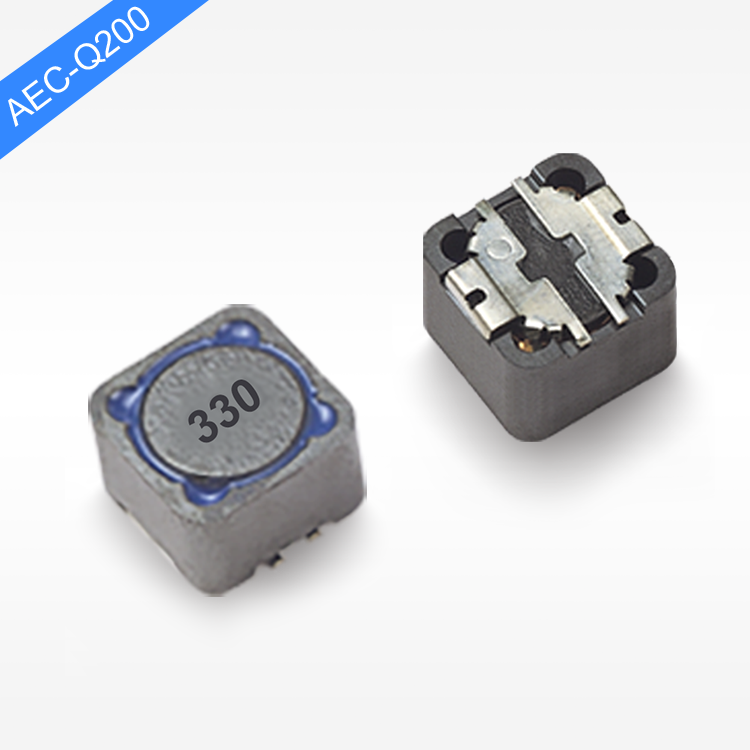
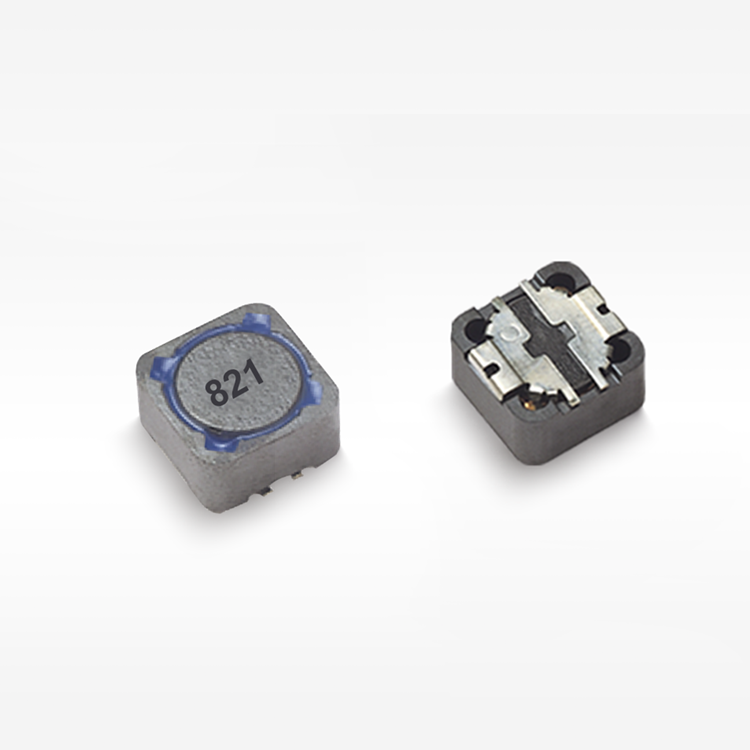
High Efficiency SMD Power Inductor - Advanced Energy Storage Solutions for Modern Electronics

All Categories

Get a Free Quote

Our representative will contact you soon.
Email
Name
Company Name
Message
0/1000

high efficiency smd power inductor

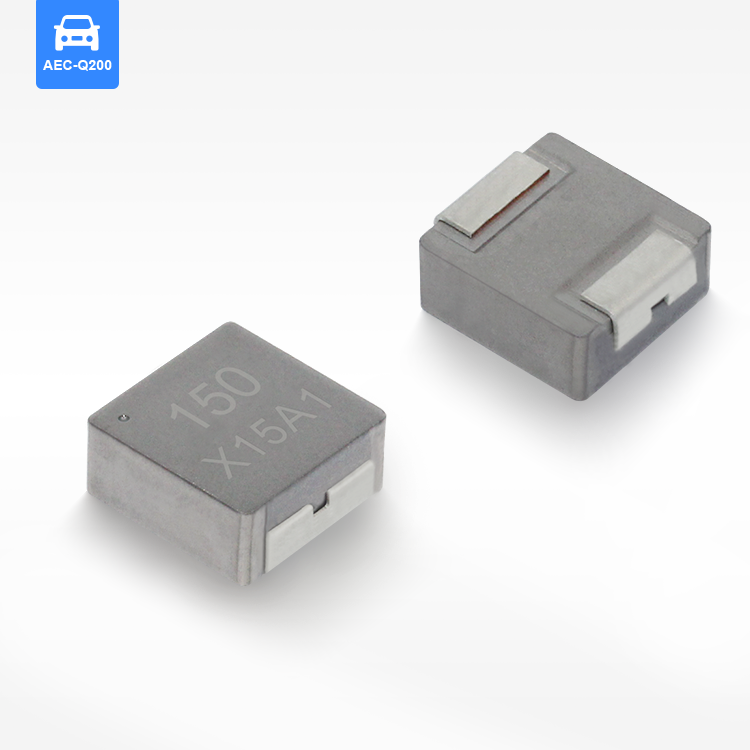
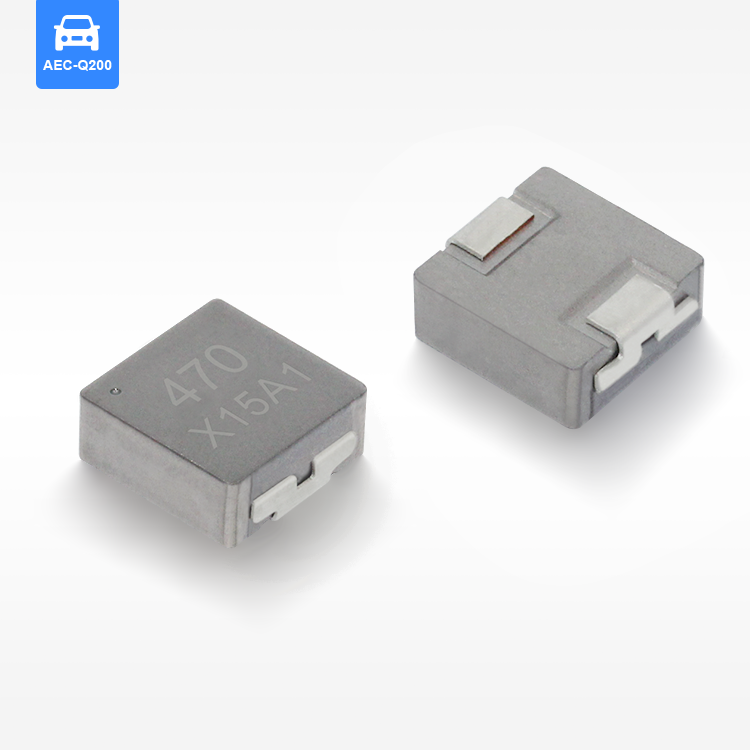
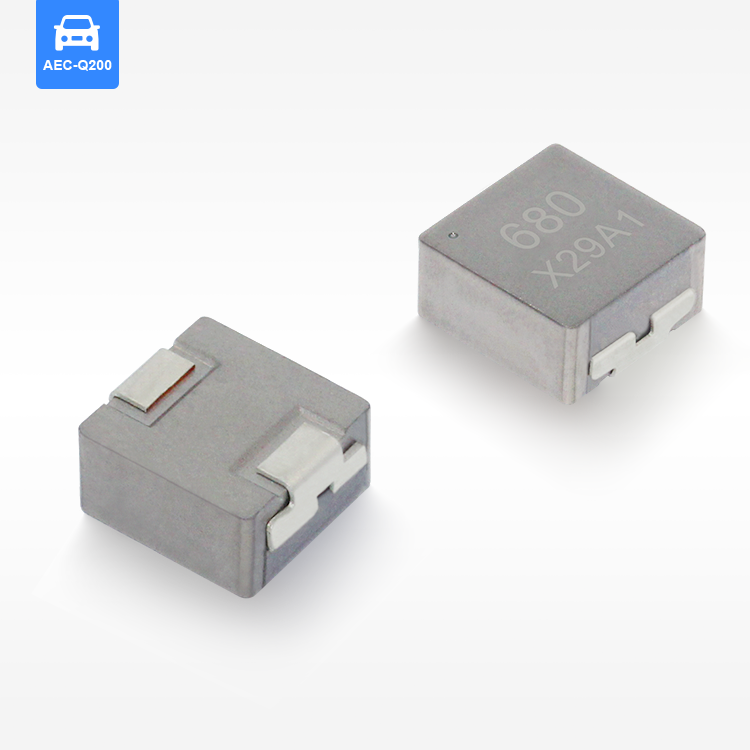
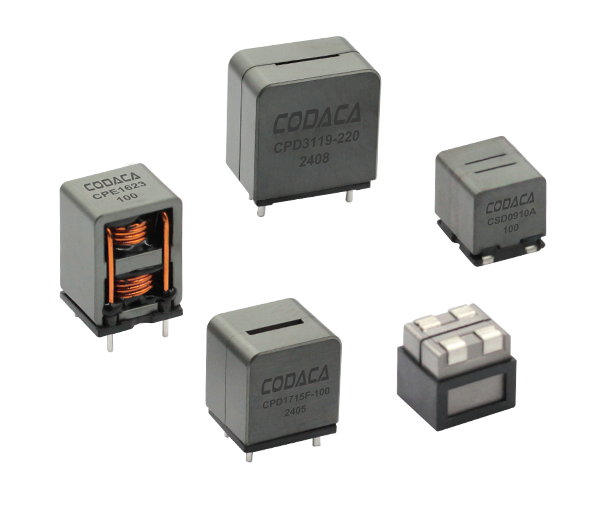
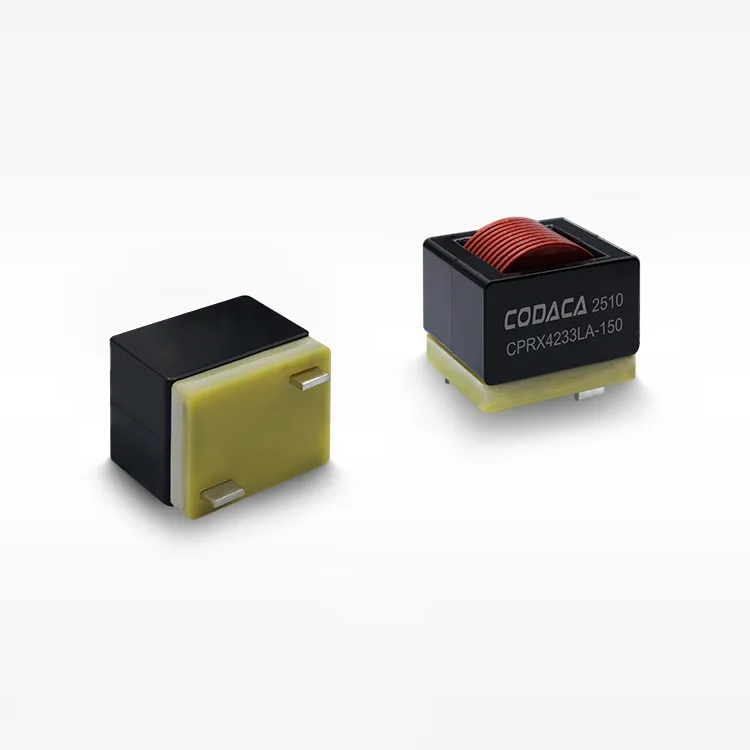
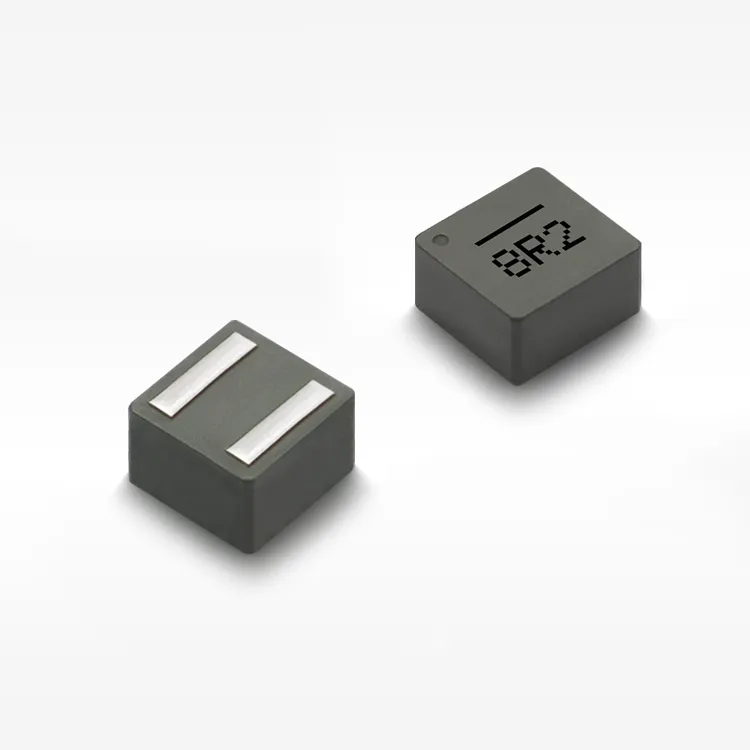
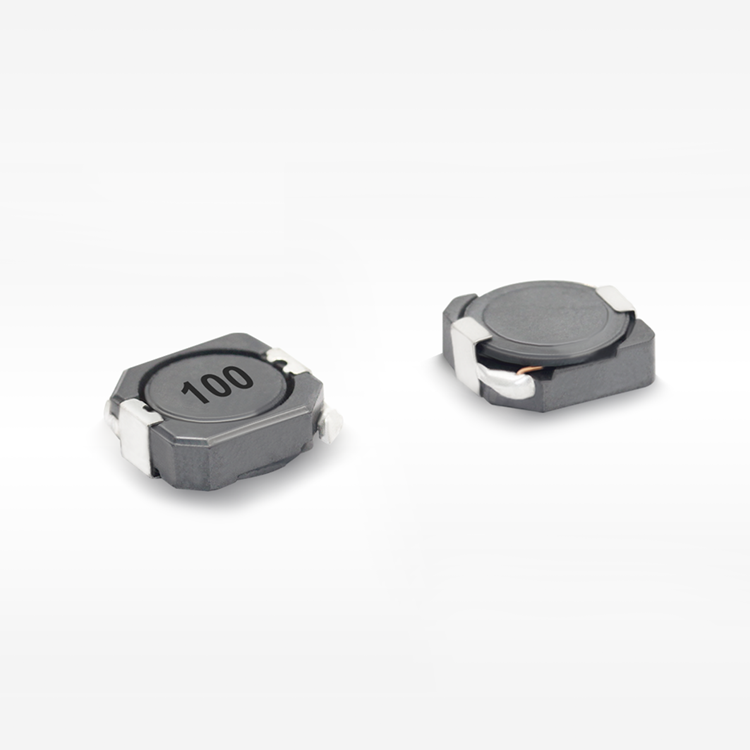
The high efficiency smd power inductor represents a critical component in modern electronic devices, serving as an energy storage and filtering element that manages electrical current flow with exceptional performance. These surface-mount device inductors utilize advanced magnetic core materials and precision winding techniques to achieve superior electrical characteristics while maintaining compact form factors suitable for high-density circuit board layouts. The primary function of the high efficiency smd power inductor involves storing magnetic energy when current flows through its coiled conductor, then releasing this energy to maintain stable current flow during power conversion processes. This fundamental operation makes them indispensable in switching power supplies, DC-DC converters, and voltage regulation circuits. Technologically, these inductors feature low DC resistance values, high saturation current ratings, and minimal core losses, enabling them to operate at elevated frequencies without significant performance degradation. The construction typically employs ferrite or powdered iron cores with carefully optimized permeability characteristics, combined with high-quality copper windings that minimize resistive losses. Advanced manufacturing processes ensure consistent inductance values across production batches while maintaining tight tolerance specifications. Temperature stability remains excellent across operational ranges, with many designs incorporating thermal management features that prevent performance drift under varying environmental conditions. Applications span numerous industries including automotive electronics, telecommunications infrastructure, consumer electronics, industrial automation systems, and renewable energy equipment. In automotive applications, the high efficiency smd power inductor supports engine control modules, infotainment systems, and electric vehicle charging circuits. Telecommunications equipment relies on these components for signal processing, power management, and radio frequency applications. Consumer electronics benefit from their compact size and efficiency in smartphones, tablets, laptops, and gaming devices where space constraints and battery life optimization remain paramount concerns.

New Products

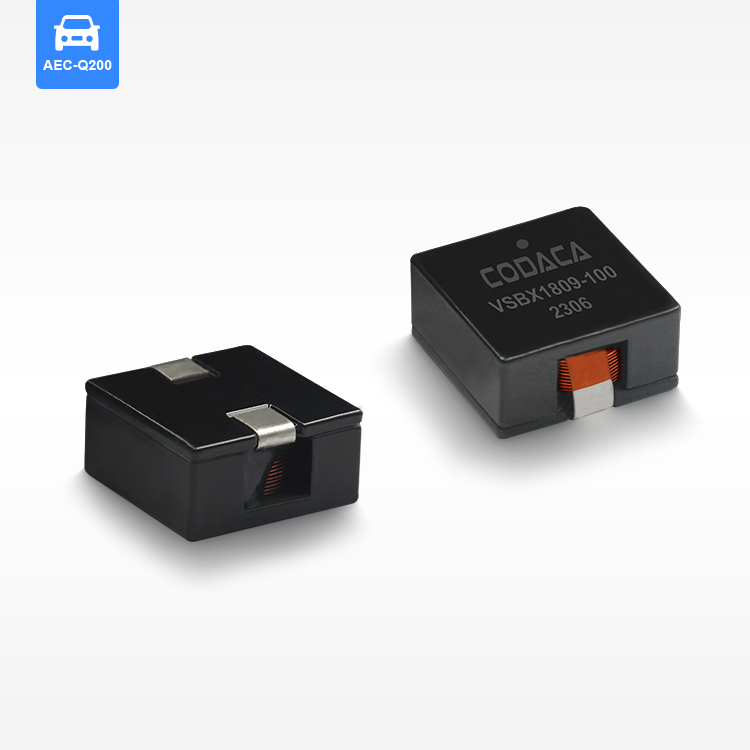
The high efficiency smd power inductor delivers numerous practical benefits that directly impact system performance and operational costs. Energy efficiency stands as the most significant advantage, with these components typically achieving 95% or higher efficiency ratings compared to traditional inductors that often operate below 85%. This improved efficiency translates to reduced heat generation, extended battery life in portable devices, and lower electricity consumption in stationary applications. Users experience tangible cost savings through decreased cooling requirements and reduced energy bills over the product lifecycle. The compact surface-mount design eliminates the need for through-hole mounting, allowing engineers to create smaller, lighter products while maximizing available circuit board space for additional features. Manufacturing benefits include faster automated assembly processes, reduced labor costs, and improved production yields due to standardized placement equipment compatibility. Reliability improvements stem from the robust construction methods used in high efficiency smd power inductor manufacturing, which typically include enhanced moisture resistance, improved thermal cycling performance, and superior mechanical stability under vibration and shock conditions. These reliability enhancements reduce warranty claims, minimize field service requirements, and extend overall product lifespan. The low profile design enables thinner product configurations, meeting consumer demands for sleeker devices without compromising electrical performance. Superior frequency response characteristics allow these inductors to maintain stable operation across wide frequency ranges, supporting advanced switching power supply designs that operate at higher frequencies for improved transient response. This frequency capability enables designers to reduce the size of associated capacitors and other passive components, further optimizing system size and cost. Thermal performance advantages include lower operating temperatures due to reduced core and winding losses, which contributes to improved long-term reliability and allows for higher power density applications. The standardized packaging options simplify inventory management and component sourcing while providing flexibility for various application requirements. Quality control benefits include consistent electrical parameters across production lots, ensuring predictable circuit behavior and simplified design validation processes.

Practical Tips

The Role of Inductors in Digital Amplifier Performance

14

May

The Role of Inductors in Digital Amplifier Performance

Inductors in amplifier circuits help you manage current flow effectively. They stabilize electrical signals and reduce unwanted noise. By doing so, they enhance the performance of your amplifier. These components also improve energy efficiency, ensur...
View More
Inductors: A Solution for Noise Reduction in Digital Amplifiers

13

May

Inductors: A Solution for Noise Reduction in Digital Amplifiers

Understanding Noise Challenges in Digital Amplifiers Sources of Switching Noise in Digital Amplifiers Remedying the problem of switching noise, and the EMI it can cause is one of the hardest parts of digital amplifiers. High frequency switching...
View More
A Comprehensive Review of the SMD Power Inductor Market

13

May

A Comprehensive Review of the SMD Power Inductor Market

Overview of the SMD Power Inductor Market Defining SMD Power Inductors and Core Functionality SMD power inductor is a kind of basic components in electronic circuit which always used as a anti interference in electronics. They are parts of...
View More
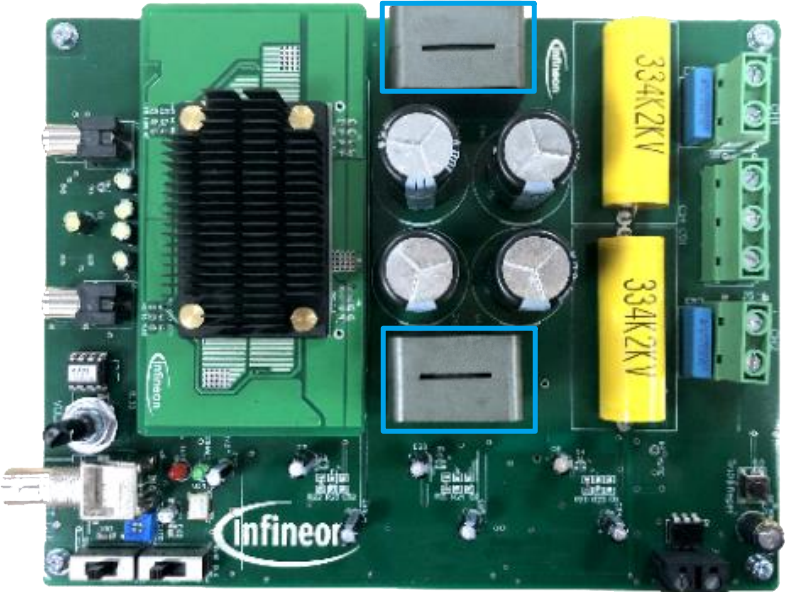
The Digital Power Amplifier Inductor is applied to the Infineon EVAL_AUDAMP24 Reference Design

29

Sep

The Digital Power Amplifier Inductor is applied to the Infineon EVAL_AUDAMP24 Reference Design

Preface Digital power amplifiers feature low distortion, low noise, and a wide dynamic range. In terms of sound warmth/coolness, resolution, and the impact force of low frequencies, they are incomparable to traditional power amplifiers. Development ...
View More

Get a Free Quote

Our representative will contact you soon.
Email
Name
Company Name
Message
0/1000

high efficiency smd power inductor

Exceptional Energy Efficiency and Thermal Management

Exceptional Energy Efficiency and Thermal Management

The high efficiency smd power inductor achieves remarkable energy efficiency through advanced core materials and optimized winding configurations that minimize power losses during operation. Unlike conventional inductors that waste significant energy through core losses and resistive heating, these specialized components typically maintain efficiency levels exceeding 95% across their operational range. This exceptional efficiency results from careful selection of core materials with low hysteresis and eddy current losses, combined with high-grade copper conductors that minimize DC resistance. The thermal management capabilities prove equally impressive, with designs incorporating heat-dissipating features that maintain stable operation even under high power conditions. Lower operating temperatures directly benefit system reliability by reducing component stress and extending operational lifespan. For battery-powered devices, this efficiency translates to longer runtime between charges, a critical factor for portable electronics where user convenience drives purchasing decisions. In continuous-operation applications such as industrial equipment or telecommunications infrastructure, the reduced power consumption delivers measurable cost savings over time while supporting environmental sustainability initiatives. The thermal advantages extend beyond simple heat reduction, encompassing improved power density capabilities that allow designers to pack more functionality into smaller spaces without compromising reliability. Advanced thermal modeling during the design phase ensures optimal heat dissipation pathways, while specialized core materials maintain their magnetic properties across wide temperature ranges. This thermal stability prevents performance drift that could affect circuit regulation accuracy or efficiency over time. Manufacturing processes incorporate quality control measures that verify thermal performance under various operating conditions, ensuring consistent behavior across production batches. The combination of high efficiency and superior thermal management creates a synergistic effect that benefits the entire system, reducing cooling requirements, improving overall reliability, and enabling more compact product designs that meet modern market demands for smaller, more efficient electronic devices.
Superior Frequency Response and Signal Integrity

Superior Frequency Response and Signal Integrity

The high efficiency smd power inductor demonstrates exceptional frequency response characteristics that enable reliable operation across extended frequency ranges, making it ideal for modern high-speed switching applications and advanced power management circuits. Traditional inductors often exhibit significant performance degradation at higher frequencies due to parasitic capacitance, skin effect, and core losses, but these advanced components maintain stable inductance values and low equivalent series resistance across their specified frequency range. This frequency stability proves crucial in switching power supplies operating at hundreds of kilohertz or even megahertz frequencies, where consistent performance directly impacts regulation accuracy and efficiency. The superior frequency response stems from careful attention to parasitic element minimization during design and manufacturing, including optimized winding techniques that reduce inter-turn capacitance and specialized core materials that maintain permeability across frequency ranges. Signal integrity benefits include reduced electromagnetic interference generation, improved transient response, and minimized ripple current in power conversion applications. These characteristics enable designers to create cleaner power supplies with better load regulation and faster response to dynamic load changes. The frequency performance also supports advanced control techniques such as spread spectrum switching and adaptive frequency control, which help optimize efficiency under varying load conditions. Manufacturing precision ensures consistent frequency response across production batches, allowing designers to rely on predictable behavior during circuit development and validation phases. The wide frequency capability eliminates the need for multiple inductor types in complex systems, simplifying inventory management and reducing component costs. Quality assurance testing includes comprehensive frequency sweeps that verify performance parameters across the entire specified range, ensuring reliable operation in demanding applications. This frequency versatility particularly benefits telecommunications equipment, where multiple frequency bands require consistent component performance, and automotive applications where varying operational conditions demand stable electrical characteristics across wide frequency and temperature ranges.
Compact Design with High Power Density Capabilities

Compact Design with High Power Density Capabilities

The high efficiency smd power inductor excels in delivering maximum electrical performance within minimal physical dimensions, achieving power density levels that significantly exceed traditional inductor technologies. This compact design capability results from innovative manufacturing techniques that optimize core geometry, winding density, and magnetic flux distribution to maximize energy storage capacity per unit volume. Modern applications increasingly demand smaller components without performance compromises, and these inductors meet this challenge through advanced materials science and precision manufacturing processes. The high power density characteristics enable designers to create more compact products while maintaining or improving electrical performance, directly addressing market demands for portable devices and space-constrained applications. Surface-mount packaging eliminates the height penalties associated with through-hole components, enabling ultra-thin product designs that appeal to consumers and meet industrial space requirements. The compact form factor also supports automated manufacturing processes, reducing assembly costs and improving production throughput compared to larger, more complex inductor types. Despite their small size, these inductors maintain excellent current handling capabilities through optimized core materials and thermal management features that prevent saturation under high current conditions. The power density advantages extend to system-level benefits, including reduced board space requirements, lower material costs, and improved mechanical reliability due to fewer solder joints and connection points. Advanced packaging technologies ensure robust mechanical connections that withstand thermal cycling, vibration, and mechanical stress without performance degradation. The standardized footprints facilitate easy integration into existing designs while providing upgrade paths for improved performance without layout changes. Quality control processes verify that the compact packages deliver consistent electrical performance across production volumes, ensuring reliable operation in demanding applications. This combination of small size and high performance particularly benefits mobile devices where every millimeter of space carries premium value, automotive applications where weight and space constraints drive design decisions, and industrial equipment where equipment density directly impacts operational efficiency and cost-effectiveness.