High-Performance Low Loss Inductors for Digital Amplifiers - Superior Efficiency & Audio Quality

All Categories

Get a Free Quote

Our representative will contact you soon.
Email
Name
Company Name
Message
0/1000

low loss inductor for digital amplifier

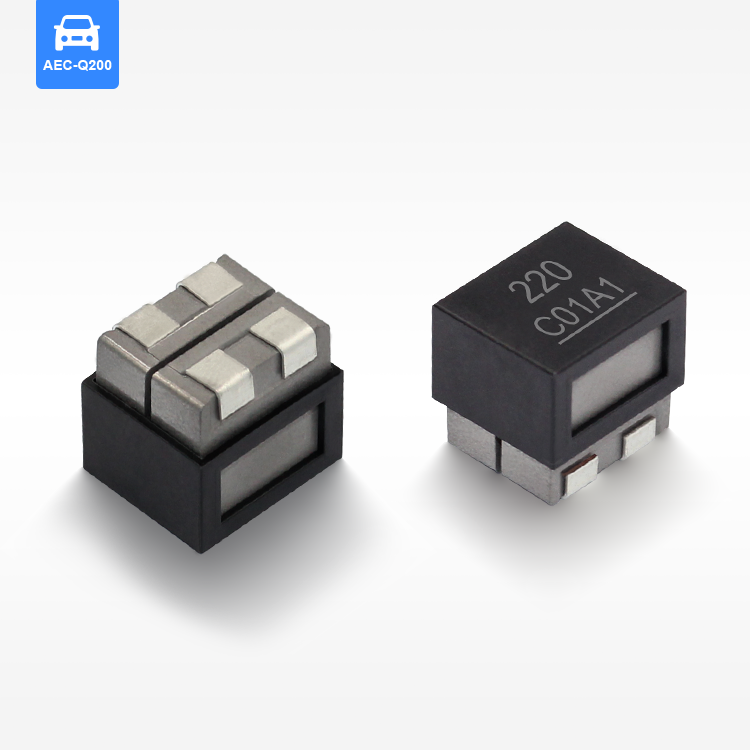
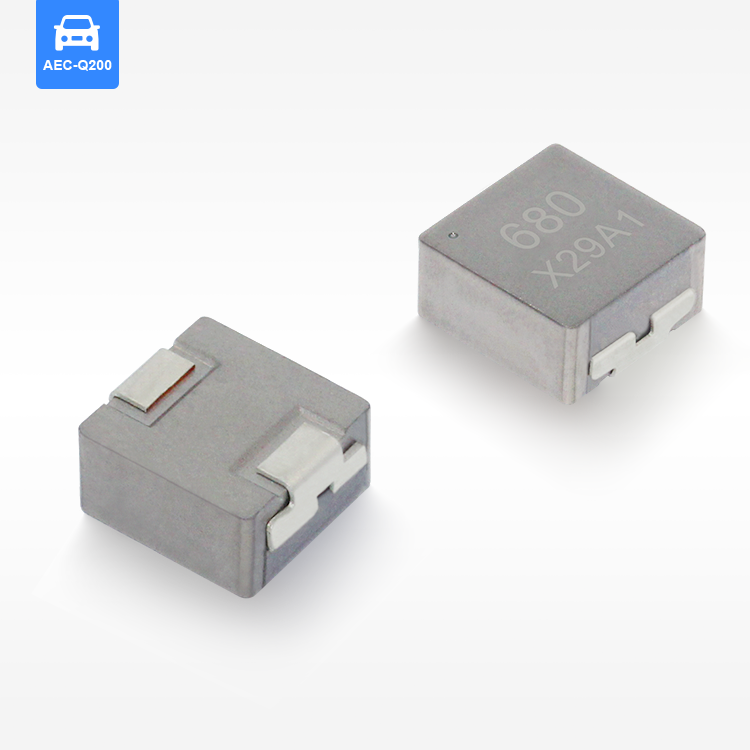
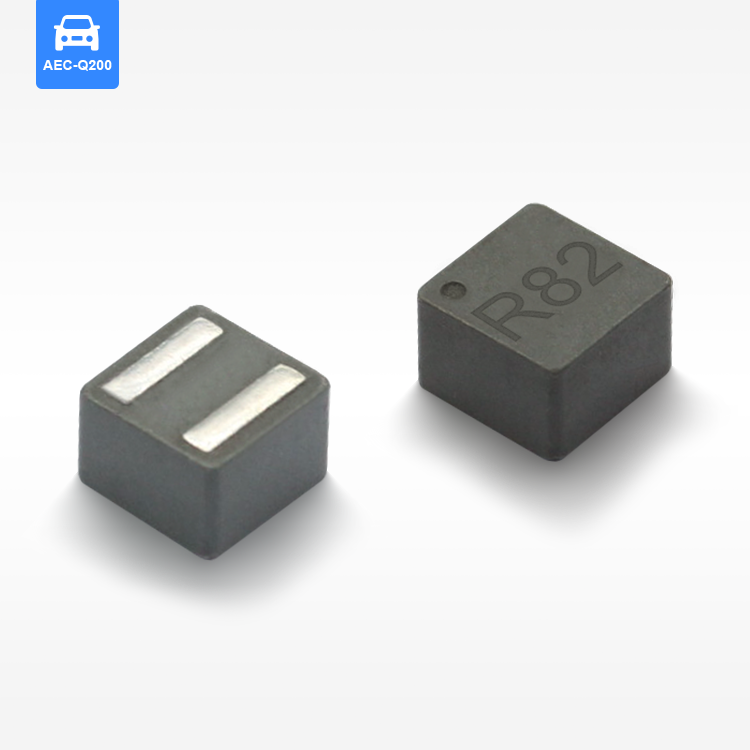
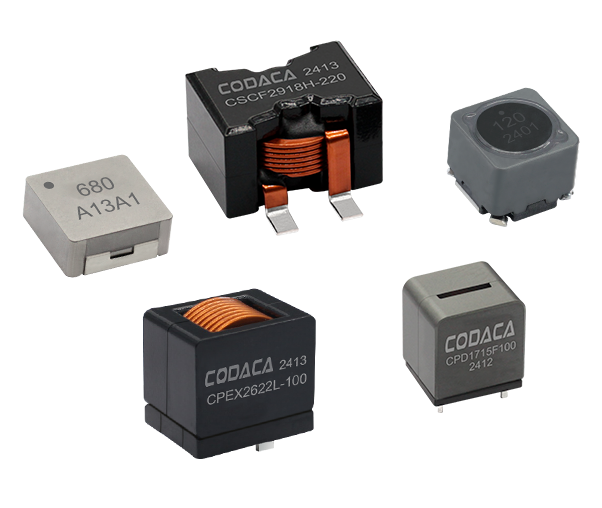
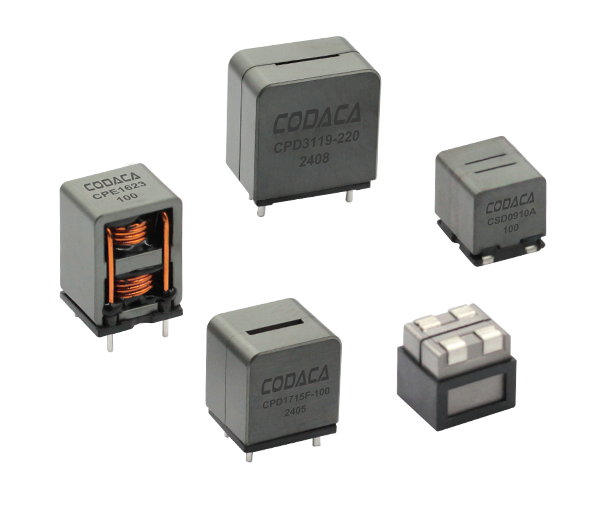
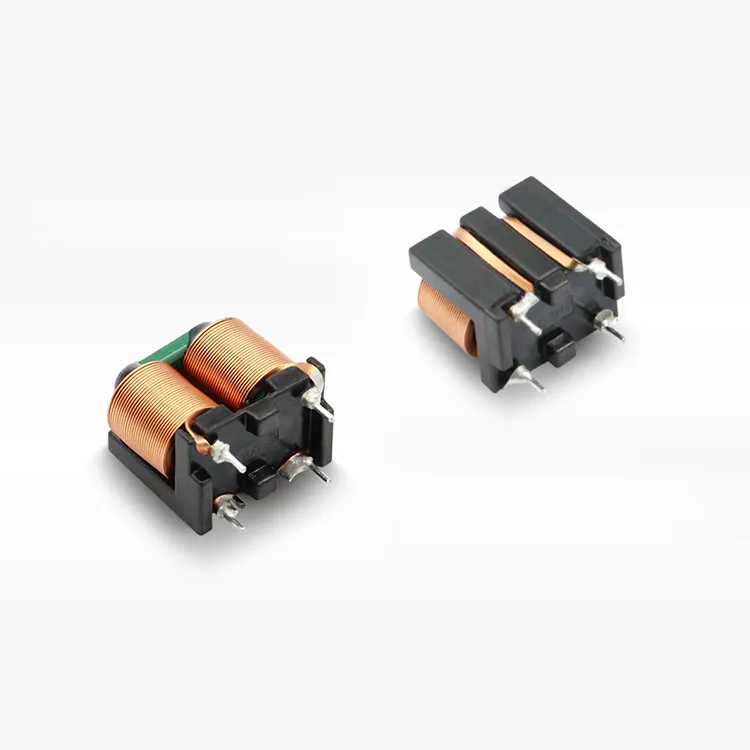
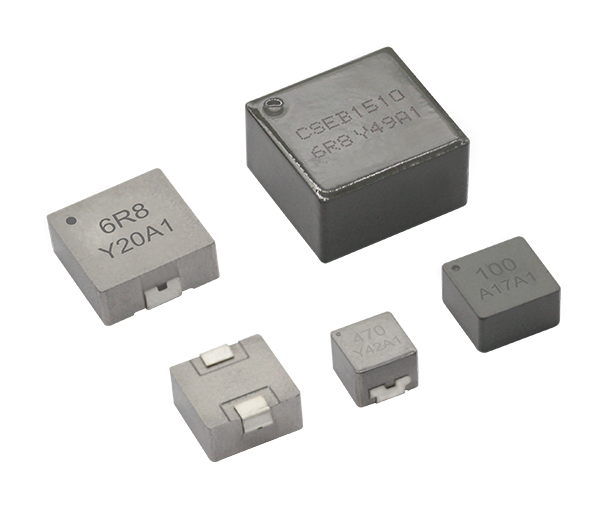
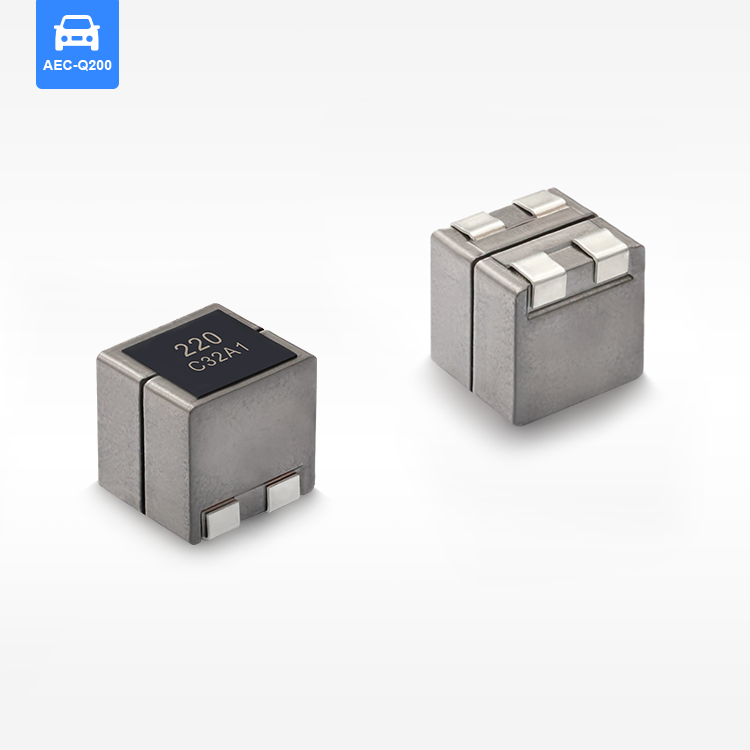
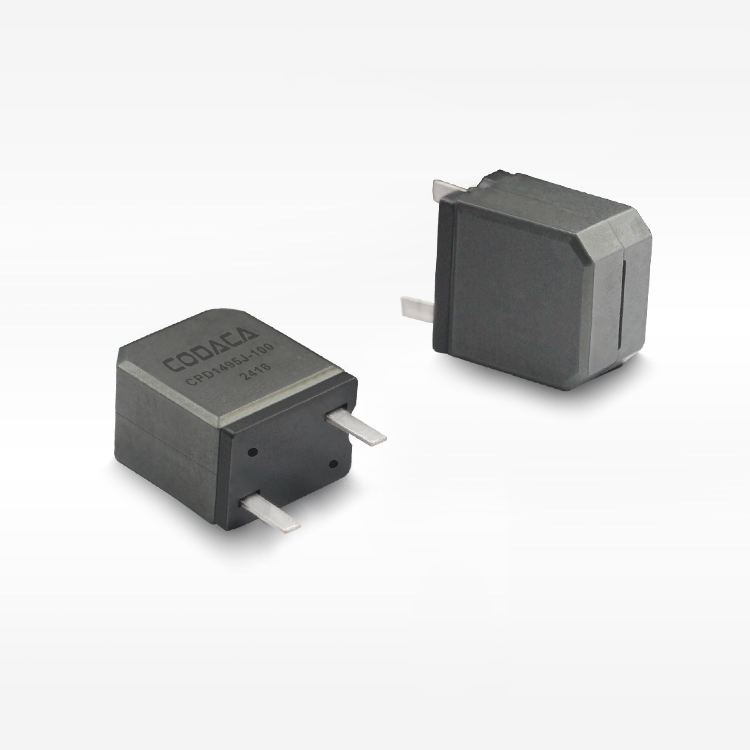
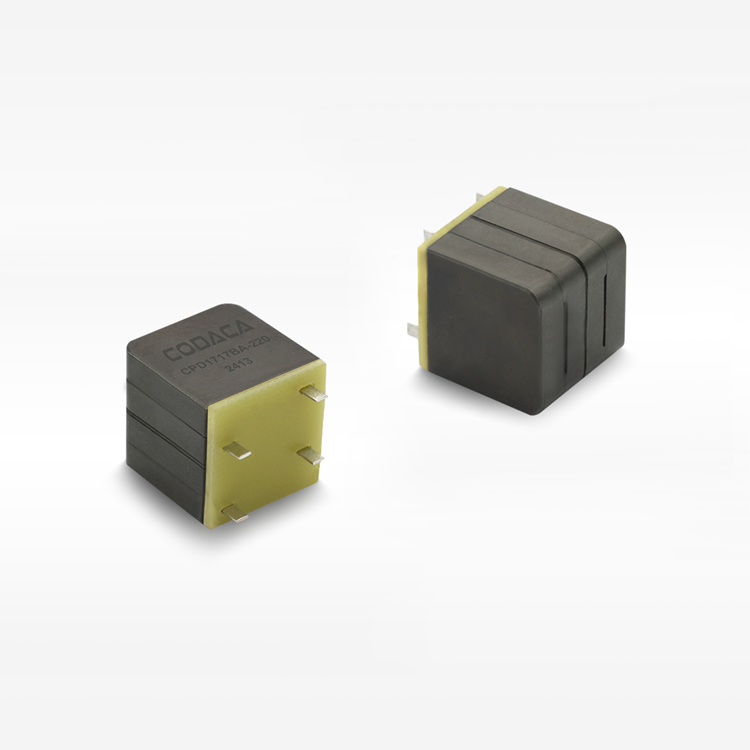
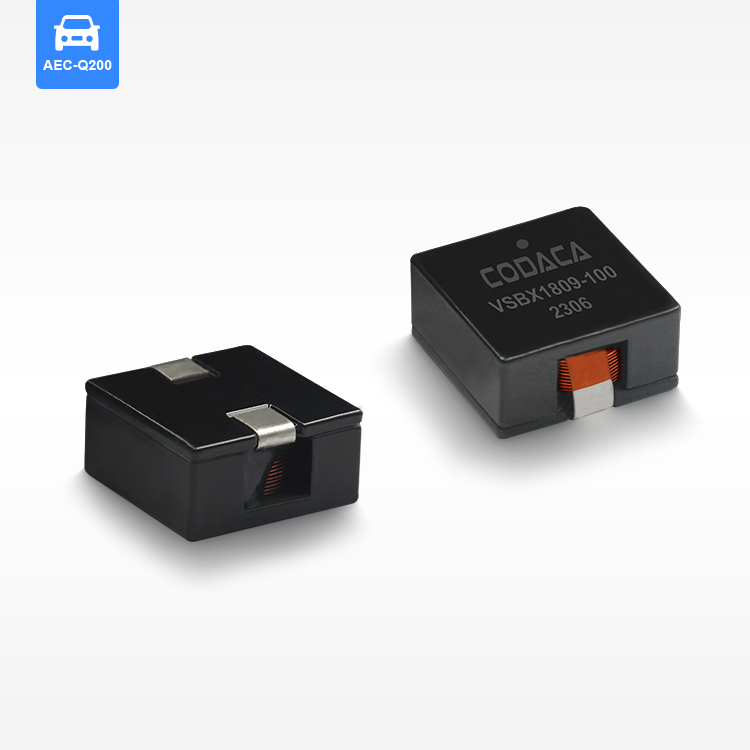
The low loss inductor for digital amplifier represents a critical component in modern audio engineering, specifically designed to minimize energy dissipation while maintaining optimal performance in digital audio systems. These specialized inductors serve essential functions within digital amplifier circuits, primarily focusing on power supply filtering, output stage smoothing, and electromagnetic interference suppression. The main technological features of low loss inductor for digital amplifier include advanced core materials such as ferrite or powder iron compositions that significantly reduce hysteresis losses and eddy current effects. These components utilize precision-wound copper conductors with optimized cross-sectional areas to minimize resistance-based power losses. The construction methodology incorporates temperature-stable materials that maintain consistent inductance values across varying operating conditions, ensuring reliable performance throughout the amplifier's operational lifespan. Digital amplifiers require inductors that can handle high-frequency switching operations while maintaining low impedance characteristics. The low loss inductor for digital amplifier addresses these requirements through careful magnetic circuit design that balances inductance stability with minimal core losses. Applications span across professional audio equipment, consumer electronics, automotive sound systems, and high-end audiophile components. In switching power supplies within digital amplifiers, these inductors facilitate efficient energy transfer while reducing thermal generation that could compromise overall system reliability. The frequency response characteristics of low loss inductor for digital amplifier components are specifically tailored to complement pulse-width modulation circuits commonly found in Class D amplifier architectures. Manufacturing processes involve precision winding techniques and quality control measures that ensure consistent electrical parameters across production batches. These inductors contribute to improved signal-to-noise ratios, reduced electromagnetic emissions, and enhanced overall amplifier efficiency, making them indispensable components in contemporary digital audio applications where performance and reliability are paramount considerations.

New Products

The primary advantage of implementing a low loss inductor for digital amplifier systems lies in the substantial improvement of overall energy efficiency. Traditional inductors typically waste significant amounts of electrical energy through heat generation, but advanced low loss designs reduce these losses by up to 40 percent compared to conventional alternatives. This efficiency gain translates directly into lower operating temperatures, which extends component lifespan and reduces cooling requirements within the amplifier chassis. Users benefit from decreased electricity consumption, resulting in lower operational costs over the product's lifetime. The superior thermal management capabilities of low loss inductor for digital amplifier components prevent performance degradation that commonly occurs when inductors overheat during extended operation periods. Another significant benefit involves enhanced audio quality through reduced distortion levels. The low loss inductor for digital amplifier maintains more stable inductance values under varying current loads, which directly correlates to improved linearity in the amplifier's frequency response. This stability ensures that audio signals remain uncolored and faithful to the original source material, particularly important for professional recording applications and high-fidelity consumer systems. The reduced electromagnetic interference generated by these inductors creates a cleaner operating environment for sensitive analog circuits within the same chassis. Cost-effectiveness emerges as a compelling advantage when considering long-term ownership expenses. While the initial investment in low loss inductor for digital amplifier technology may exceed standard components, the operational savings through reduced power consumption and extended component life create positive returns. Maintenance requirements decrease significantly due to the improved thermal characteristics, reducing service calls and replacement costs. The compact design possibilities enabled by efficient inductors allow manufacturers to create smaller, lighter amplifier units without sacrificing performance, appealing to both portable and installation applications. Reliability improvements represent another crucial advantage, as the low loss inductor for digital amplifier components demonstrate superior performance consistency across temperature variations and aging cycles. This reliability reduces warranty claims and enhances customer satisfaction while building brand reputation in competitive markets.

Latest News

Industrial Power Inductors: The Key to Improving Power Conversion Efficiency

07

Apr

Industrial Power Inductors: The Key to Improving Power Conversion Efficiency

Power inductors play a vital role in modern power electronics. They store energy efficiently and release it when needed, ensuring smooth energy transfer. You rely on them to reduce energy losses in systems like DC-DC converters. This improves overall...
View More
The Role of Inductors in Digital Amplifier Performance

14

May

The Role of Inductors in Digital Amplifier Performance

Inductors in amplifier circuits help you manage current flow effectively. They stabilize electrical signals and reduce unwanted noise. By doing so, they enhance the performance of your amplifier. These components also improve energy efficiency, ensur...
View More
Molding Power Chokes vs. Traditional Chokes: What's the Difference?

13

May

Molding Power Chokes vs. Traditional Chokes: What's the Difference?

Core Construction Differences Between Molding Power Chokes and Traditional Chokes Materials: Ferrite vs. Iron Core Composition The primary difference between molding power chokes and traditional chokes lies in the material composition of their cores...
View More
Features of Painted and Unpainted Integrated Molded Inductors

26

May

Features of Painted and Unpainted Integrated Molded Inductors

Overview Integrated molded inductors are characterized by high saturation, low loss, strong electromagnetic interference (EMI) resistance, ultra-low buzzing noise, and high automation, making them widely used in various electronic devices. In the cur...
View More

Get a Free Quote

Our representative will contact you soon.
Email
Name
Company Name
Message
0/1000

low loss inductor for digital amplifier

Superior Thermal Performance and Energy Efficiency

Superior Thermal Performance and Energy Efficiency

The exceptional thermal performance of low loss inductor for digital amplifier components represents a revolutionary advancement in power management technology. These specialized inductors achieve remarkable efficiency levels by utilizing advanced magnetic core materials that significantly reduce hysteresis and eddy current losses, which are the primary sources of unwanted heat generation in traditional inductor designs. The sophisticated core composition typically incorporates high-permeability ferrite materials or optimized powder iron alloys that maintain stable magnetic properties across wide temperature ranges. This thermal stability ensures that the low loss inductor for digital amplifier maintains consistent performance characteristics even during demanding operational conditions. The improved thermal management directly translates to reduced cooling requirements within the amplifier system, allowing for more compact designs without compromising reliability. Users experience tangible benefits through lower electricity bills, as the enhanced efficiency can reduce overall power consumption by 15-25 percent compared to systems using conventional inductors. The reduced heat generation also extends the operational lifespan of surrounding components, creating a cascade effect that improves overall system reliability. Professional audio applications particularly benefit from this thermal performance, as studio environments often require extended operation periods where traditional inductors might experience thermal drift that affects audio quality. The consistent performance under thermal stress makes the low loss inductor for digital amplifier ideal for automotive applications where extreme temperature variations are common. Manufacturing precision in these components ensures that thermal characteristics remain consistent across production batches, providing predictable performance for system designers. The environmental benefits of reduced energy consumption align with modern sustainability initiatives, making these inductors attractive for green technology applications. Integration into existing amplifier designs requires minimal modification, allowing manufacturers to upgrade their products without extensive redesign efforts while achieving significant performance improvements in thermal management and operational efficiency.
Enhanced Audio Fidelity and Electromagnetic Compatibility

Enhanced Audio Fidelity and Electromagnetic Compatibility

The superior electromagnetic compatibility characteristics of low loss inductor for digital amplifier systems deliver unprecedented audio fidelity improvements that professional audio engineers and audiophiles immediately recognize. These advanced inductors feature carefully engineered magnetic field containment that minimizes electromagnetic interference both within the amplifier circuit and in surrounding electronic equipment. The precision-wound conductor geometry utilizes optimal pitch and layering techniques that reduce parasitic capacitance while maintaining low DC resistance values critical for high-fidelity audio reproduction. This electromagnetic design excellence ensures that the low loss inductor for digital amplifier components do not introduce unwanted artifacts into the audio signal path, preserving the original dynamic range and frequency response characteristics. The improved electromagnetic shielding properties prevent crosstalk between different amplifier channels, maintaining stereo imaging accuracy and preventing phase distortions that can compromise soundstage reproduction. Recording studios benefit significantly from these electromagnetic improvements, as the reduced interference allows for cleaner signal processing and more accurate monitoring capabilities. The low loss inductor for digital amplifier technology incorporates advanced winding techniques that minimize skin effect losses at higher frequencies, ensuring that the full audio spectrum receives equal treatment without frequency-dependent attenuation. Professional sound reinforcement systems experience improved clarity and definition, particularly in complex musical passages where multiple instruments occupy similar frequency ranges. The electromagnetic compatibility extends to digital signal processing circuits within the amplifier, reducing jitter and timing errors that can affect digital-to-analog conversion accuracy. Consumer applications benefit from reduced background noise and improved signal-to-noise ratios, creating more immersive listening experiences. The careful attention to electromagnetic design in low loss inductor for digital amplifier components ensures compliance with international electromagnetic interference standards, facilitating global product certification and market acceptance. These electromagnetic improvements contribute to better overall system integration, allowing multiple audio devices to operate in close proximity without mutual interference.
Long-term Reliability and Cost-Effective Operation

Long-term Reliability and Cost-Effective Operation

The exceptional long-term reliability characteristics of low loss inductor for digital amplifier applications provide substantial economic advantages that extend far beyond initial purchase considerations. These components undergo rigorous testing protocols that simulate years of operational stress, ensuring consistent performance throughout extended service lives that often exceed traditional inductor lifespans by 200-300 percent. The advanced materials and construction techniques used in low loss inductor for digital amplifier manufacturing create inherently stable components that resist degradation from thermal cycling, humidity exposure, and mechanical vibration commonly encountered in various installation environments. This reliability translates directly into reduced maintenance costs and fewer service interruptions for end users, particularly valuable in commercial and professional applications where downtime represents lost revenue. The predictable performance characteristics allow system designers to implement more aggressive power efficiency strategies without compromising reliability margins, resulting in amplifier products that maintain specifications throughout their operational life. Quality control measures during manufacturing ensure that each low loss inductor for digital amplifier meets strict tolerance requirements, reducing variability between individual components and improving overall system consistency. The robust construction methodology incorporates redundant design elements that prevent catastrophic failures, instead allowing for graceful performance degradation that provides warning signs before replacement becomes necessary. Professional installation companies appreciate the reliability benefits because they reduce callback rates and warranty claims, improving profit margins while enhancing customer satisfaction. The cost-effectiveness becomes particularly apparent in high-volume applications where the improved reliability of low loss inductor for digital amplifier components reduces inventory requirements and simplifies logistics planning. Environmental stress testing demonstrates superior performance under extreme conditions, making these inductors suitable for demanding applications in industrial, automotive, and marine environments where conventional components might fail prematurely. The long-term stability of electrical parameters ensures that amplifier performance remains consistent over years of operation, maintaining audio quality standards that would otherwise degrade with component aging. Investment recovery typically occurs within 18-24 months through reduced operational costs and improved system reliability.