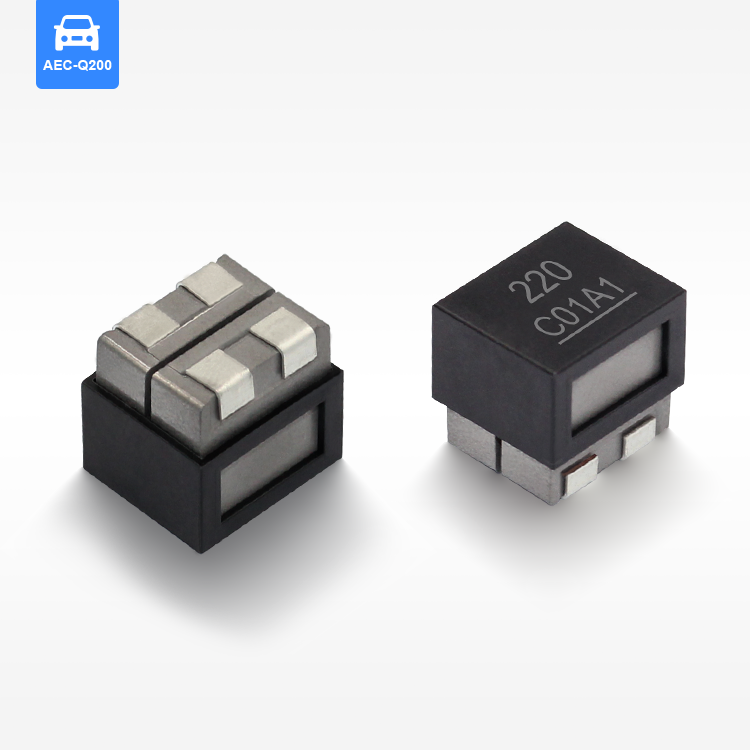
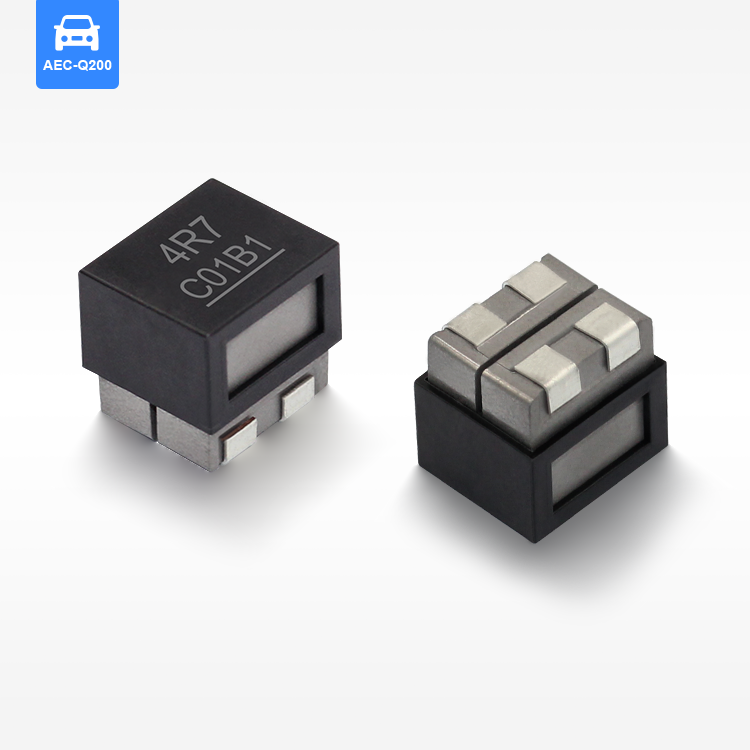
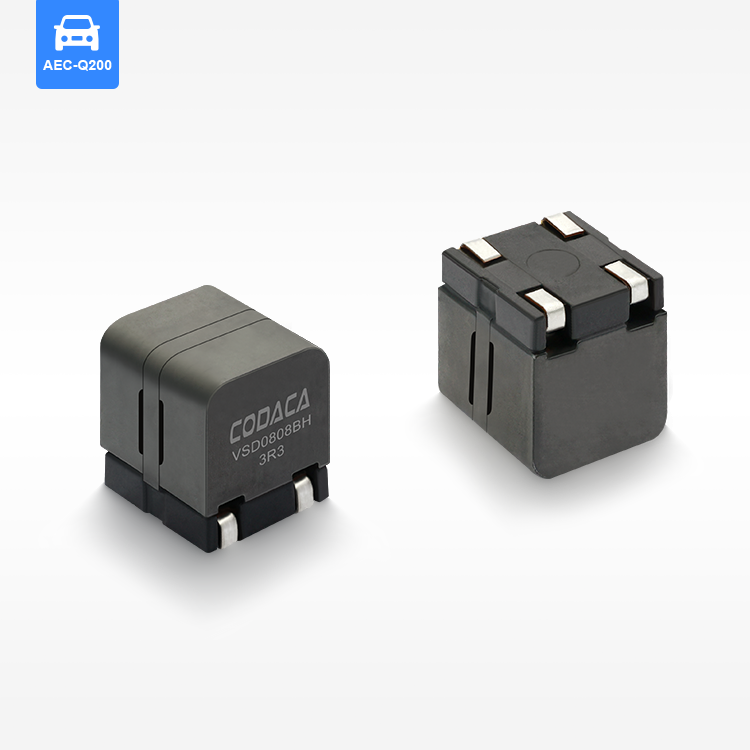
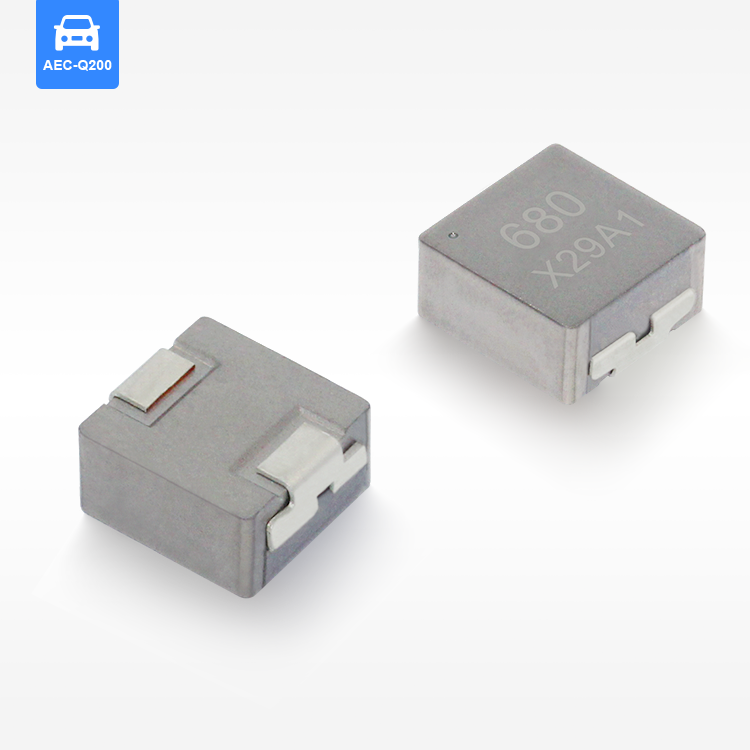
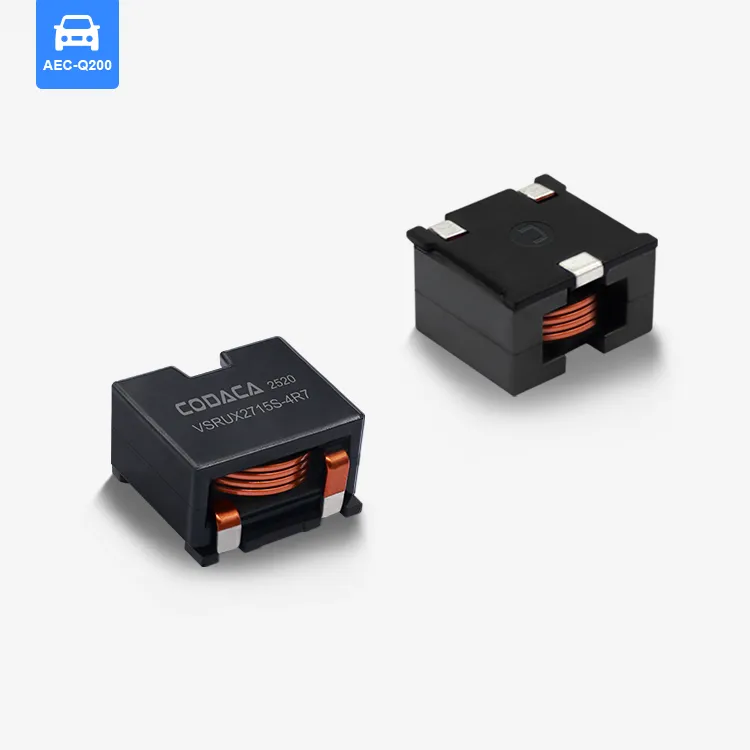
power inductor
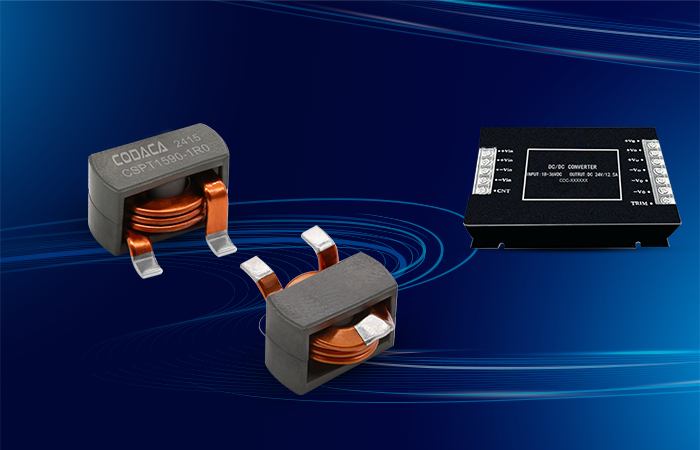
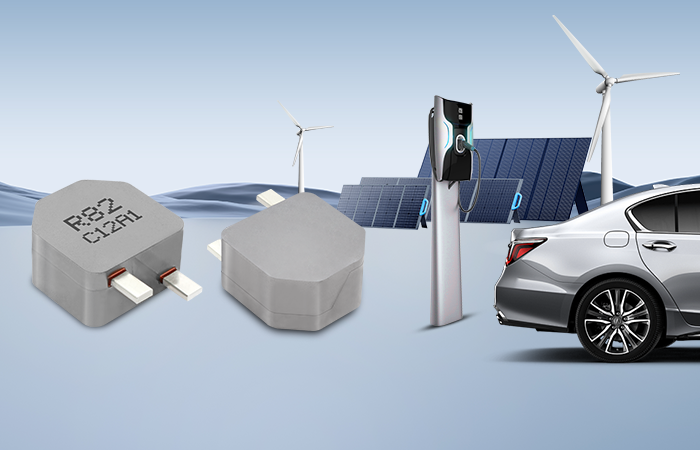
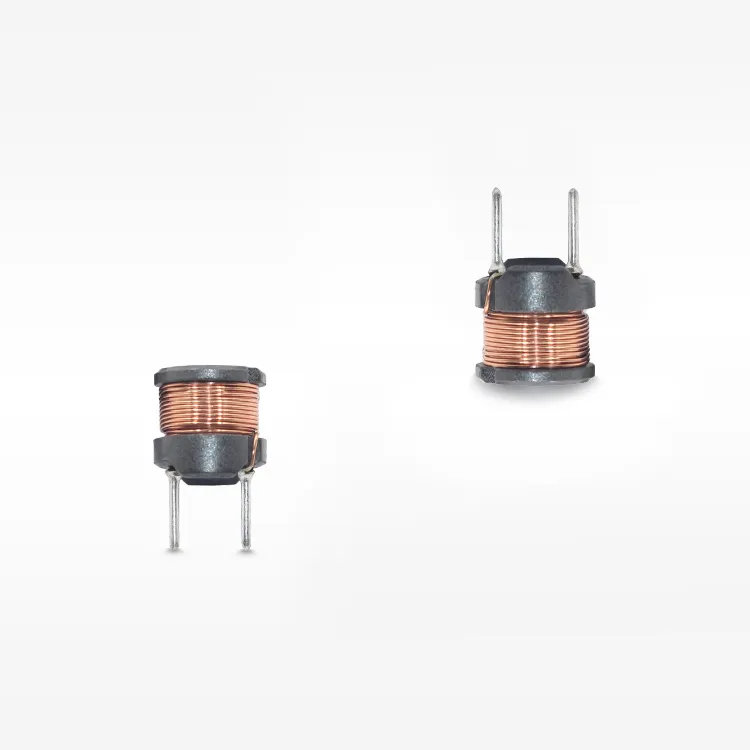
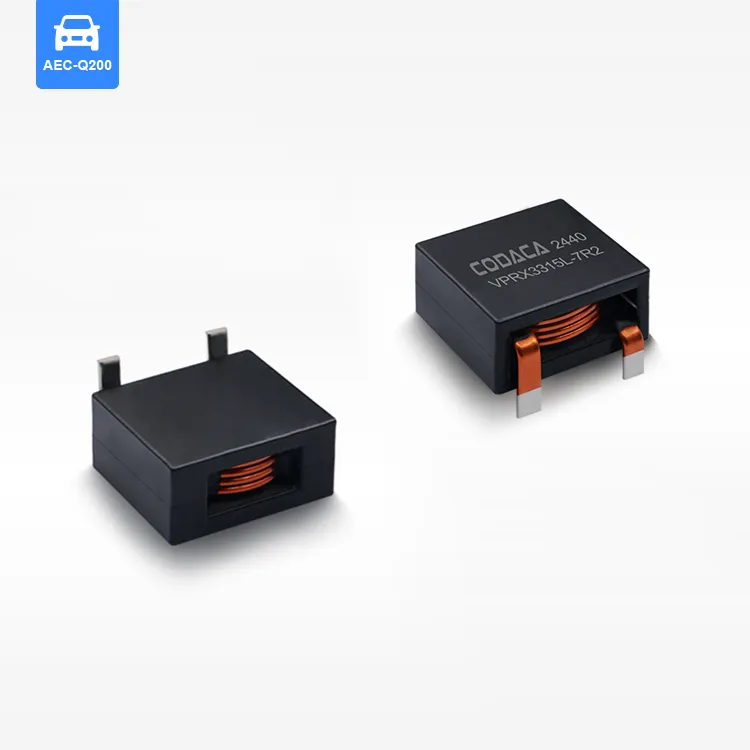
A power inductor represents a fundamental passive electronic component engineered to store magnetic energy within its coil structure when electrical current flows through it. This electromagnetic device consists of a wire coil wound around a magnetic core, creating a controlled inductance that opposes changes in current flow. The power inductor serves multiple critical functions in modern electronic circuits, primarily focusing on energy storage, current filtering, and voltage regulation applications. Its core functionality revolves around Faraday's law of electromagnetic induction, where the component generates a back electromotive force that resists sudden current variations. Power inductors excel in switching power supply circuits, where they smooth current ripples and maintain stable output voltages. The magnetic core materials significantly influence performance characteristics, with ferrite cores offering high permeability and low losses at elevated frequencies. Air core variants provide excellent linearity but require larger physical dimensions for equivalent inductance values. Modern power inductor designs incorporate advanced materials like powdered iron, sendust, and specialized ferrite compositions to optimize efficiency across diverse operating conditions. The component's inductance value, measured in henries, determines its ability to store magnetic energy and influence circuit behavior. Saturation current ratings define the maximum current levels before core saturation reduces inductance values dramatically. DC resistance specifications indicate power losses during normal operation, directly affecting overall system efficiency. Temperature coefficients describe how inductance values change across varying thermal conditions, ensuring reliable performance in demanding environments. Power inductors feature robust construction methods including molded, shielded, and toroidal configurations to meet specific application requirements. Quality factor measurements quantify the component's efficiency by comparing energy storage capabilities to resistive losses. Modern manufacturing techniques enable compact designs while maintaining high current handling capabilities and thermal stability for contemporary electronic systems.