Precision Inductance Control and Stability
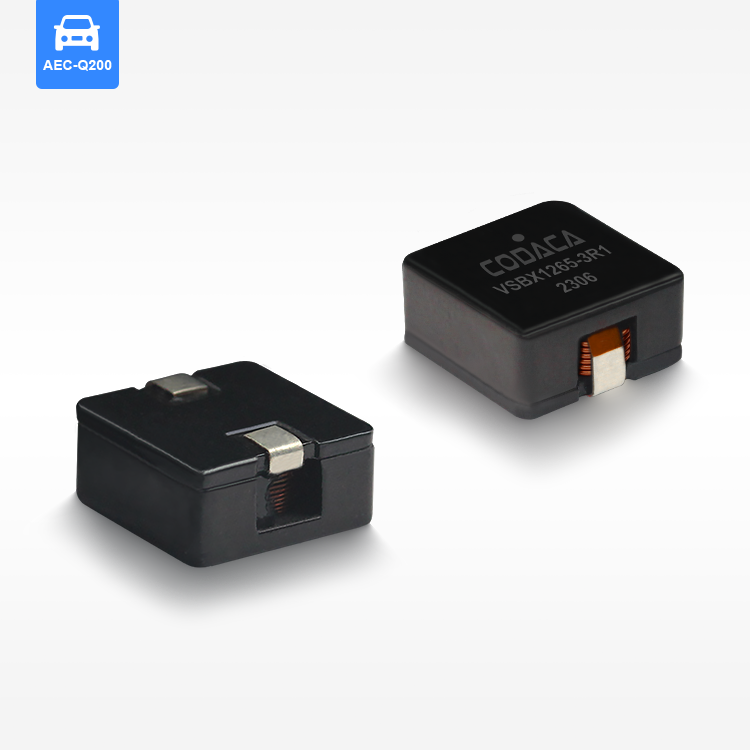
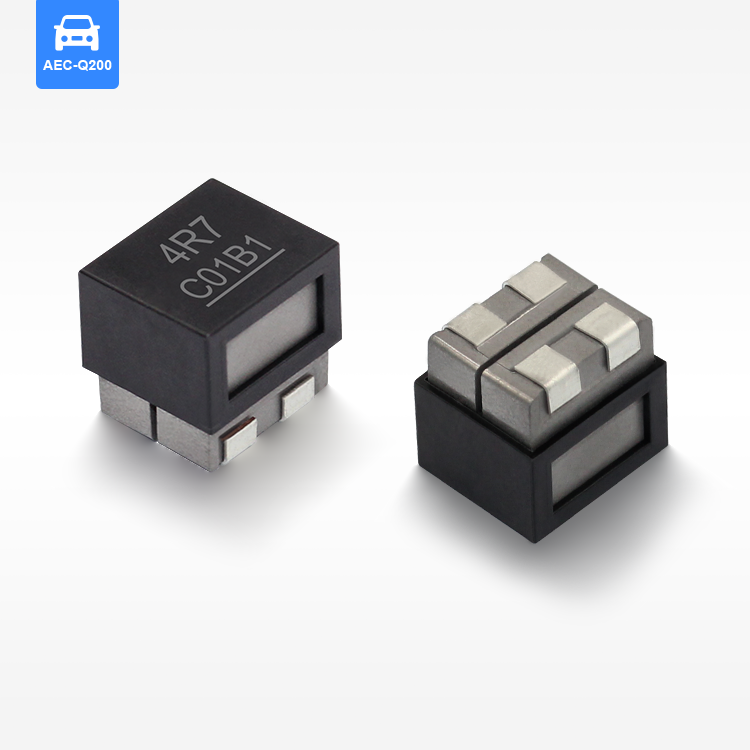
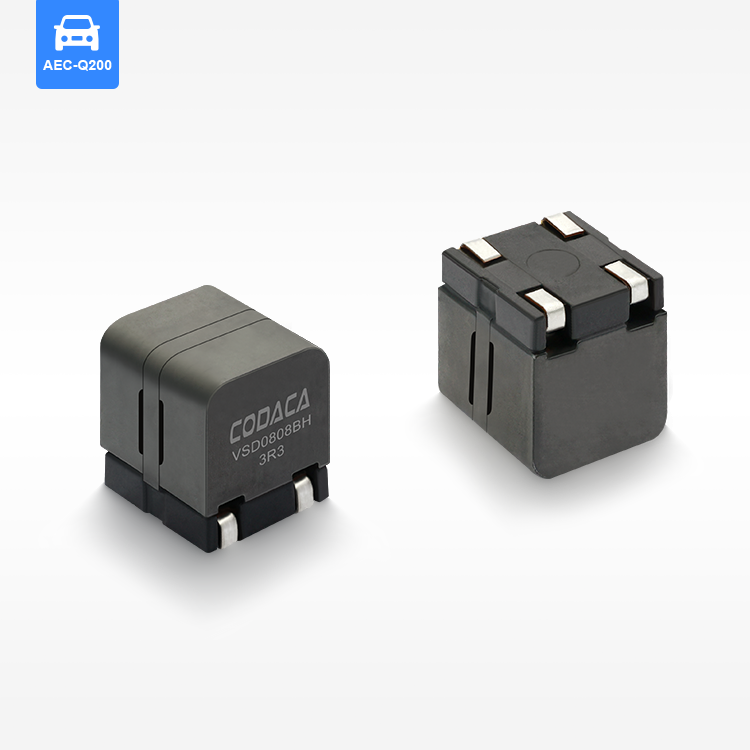
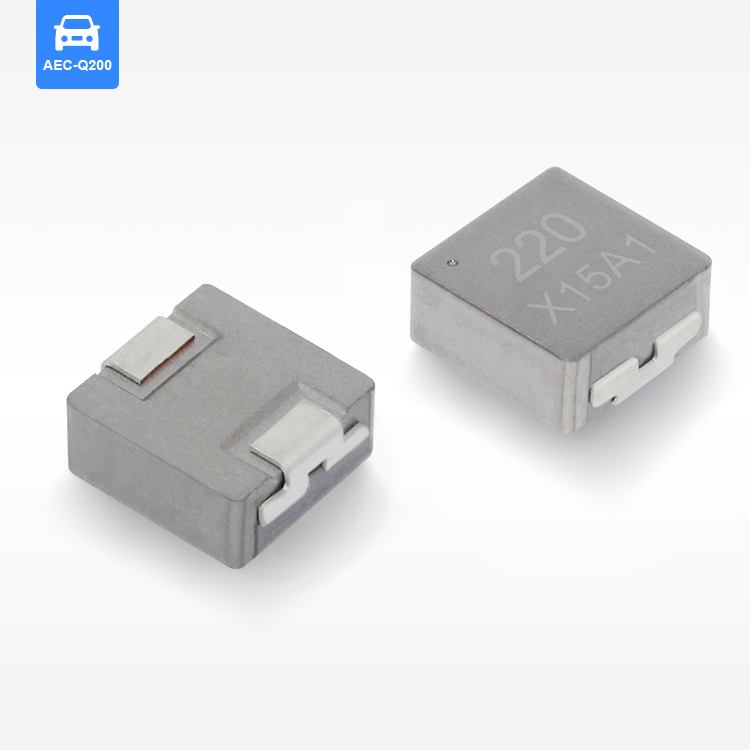
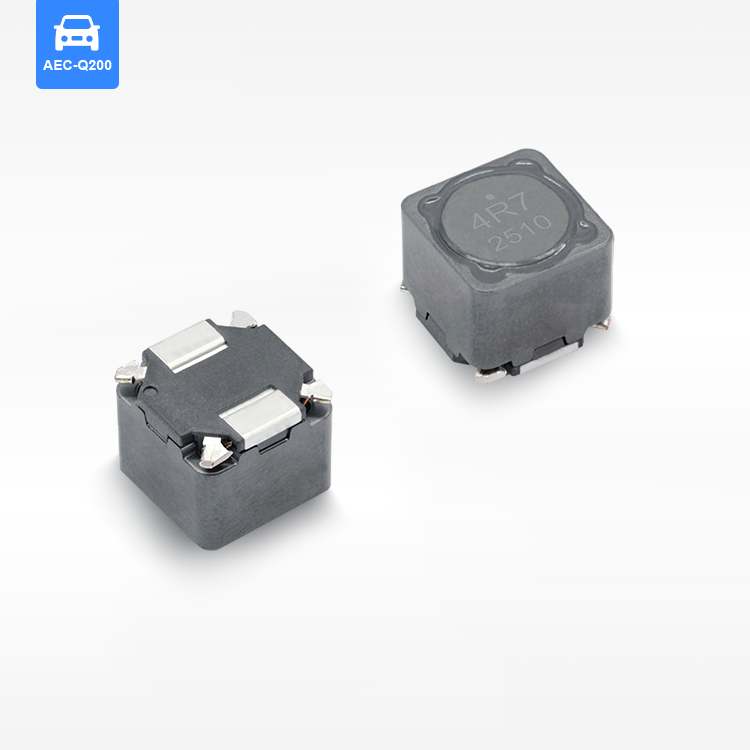
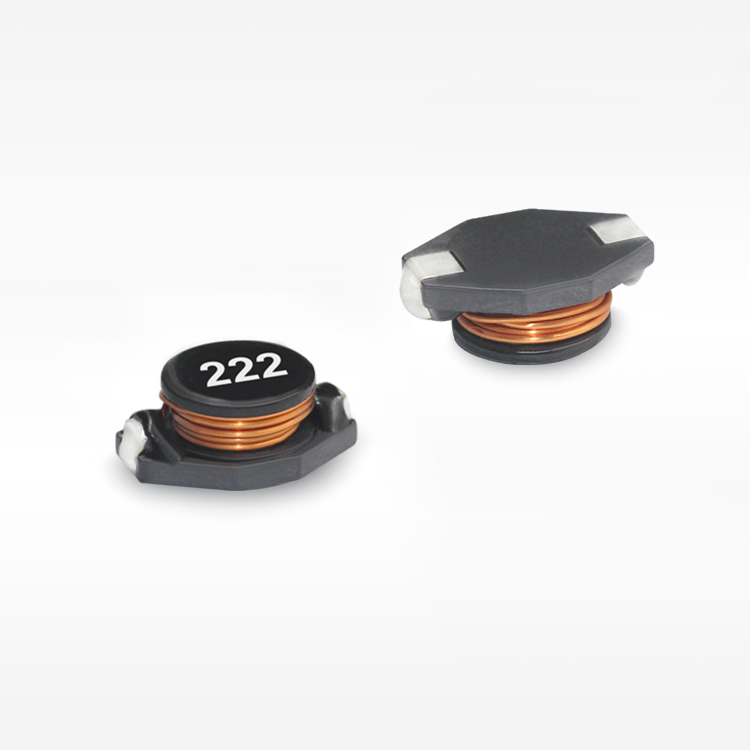
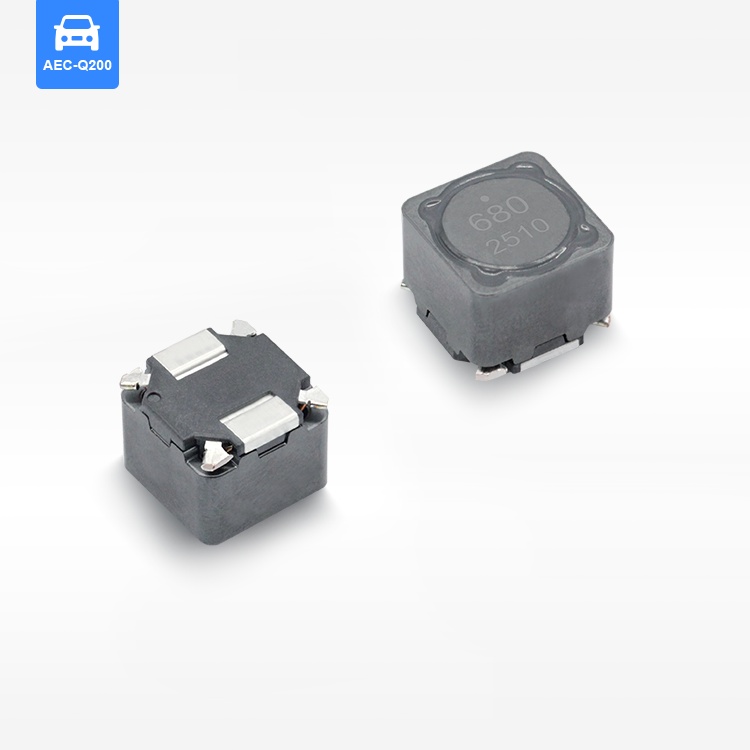
The smd shielded inductor demonstrates exceptional precision in inductance control and long-term stability that sets new standards for passive component performance in demanding applications. This precision emerges from sophisticated manufacturing processes that carefully control core material composition, winding techniques, and geometric parameters to achieve tight tolerance specifications typically within plus or minus ten percent or better. The controlled manufacturing environment ensures consistent magnetic properties throughout production runs, eliminating the variations that can compromise circuit performance in sensitive applications. Advanced core materials utilized in the smd shielded inductor exhibit superior temperature stability characteristics, maintaining consistent inductance values across wide temperature ranges that exceed automotive and industrial operating requirements. This temperature stability proves crucial for applications where environmental conditions fluctuate significantly, such as outdoor equipment, automotive systems, and industrial process control. The magnetic core design incorporates distributed air gaps that linearize the inductance characteristics and prevent core saturation under high current conditions, ensuring predictable performance throughout the entire operating range. Quality assurance protocols verify inductance accuracy through automated testing systems that measure each component under standardized conditions, guaranteeing that customers receive components that meet their exact specifications. The precision inductance control enables engineers to design circuits with confidence, knowing that component variations will not compromise system performance or require extensive circuit adjustments during production. This reliability reduces development time and costs while improving first-pass yield rates in manufacturing environments. Long-term stability testing demonstrates that the smd shielded inductor maintains its electrical characteristics over extended periods, even when subjected to thermal cycling, humidity exposure, and mechanical stress conditions that simulate real-world operating environments. The stable performance characteristics eliminate the need for periodic calibration or component replacement in many applications, reducing maintenance costs and improving system reliability. Customers particularly value this precision and stability in applications such as precision power supplies, measurement instruments, and communication systems where component drift can significantly impact overall system performance and accuracy over time.