
 EN
EN
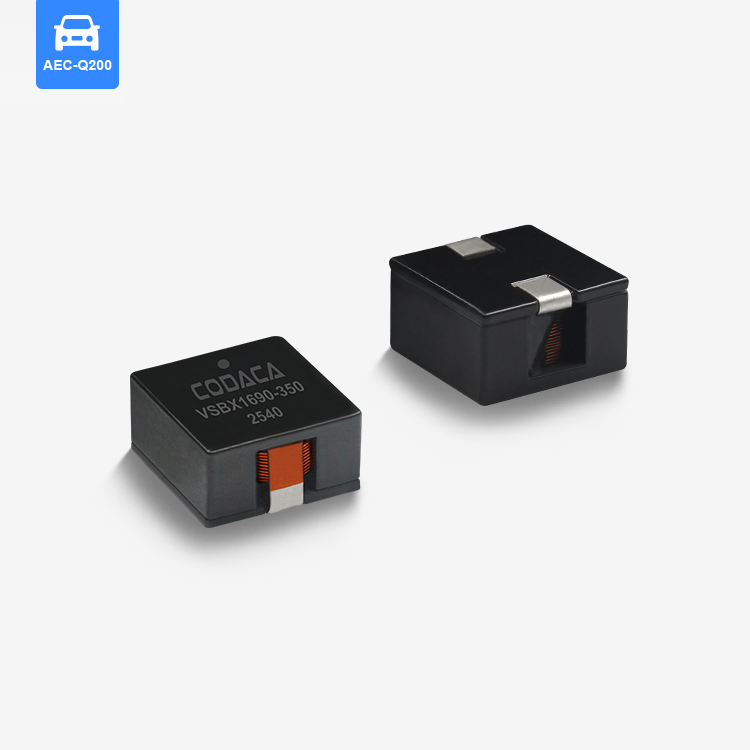
Electric vehicle manufacturers face mounting pressure to develop more efficient thermal management systems as battery technology advances and power densities increase. Modern electric powertrains generate substantial heat that must be dissipated effectively to maintain optimal performance and component longevity. Automotive high current power inductors play a crucial role in managing these thermal challenges by enabling more efficient power conversion and reducing overall system heat generation.
The integration of advanced power electronics in electric vehicles requires sophisticated thermal management strategies that extend beyond traditional cooling methods. Power inductors designed for automotive applications must withstand extreme operating conditions while maintaining stable electrical characteristics across wide temperature ranges. These components directly influence the efficiency of DC-DC converters, onboard chargers, and motor drive systems that form the backbone of modern electric vehicle architectures.
Understanding the relationship between power inductor design and thermal performance becomes essential for engineers developing next-generation electric vehicle systems. The selection of appropriate inductor technologies can significantly impact overall system efficiency, reduce cooling requirements, and enable more compact powertrain designs that meet increasingly stringent automotive standards.
Understanding Power Inductor Thermal Characteristics in EV Applications
Core Material Selection and Temperature Stability
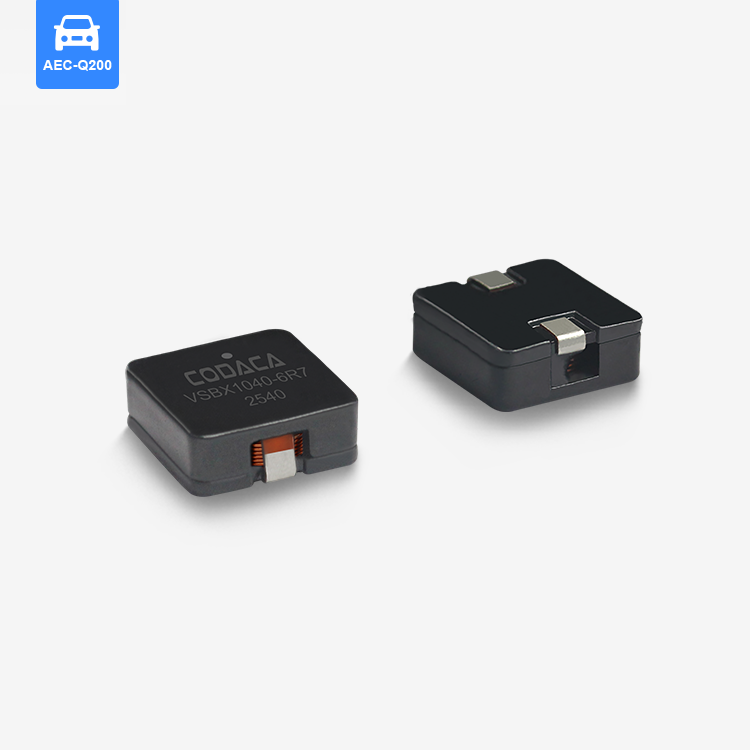
The choice of core material fundamentally determines how automotive high current power inductors perform under varying thermal conditions. Ferrite cores offer excellent high-frequency characteristics but exhibit temperature-dependent permeability changes that can affect inductance values and switching losses. Magnetic powder cores provide better thermal stability and distributed air gaps that reduce flux density variations, making them suitable for high-current applications where thermal management is critical.
Advanced core materials such as sendust and High flux cores combine the benefits of both ferrite and iron powder technologies. These materials maintain relatively stable permeability across temperature ranges typical in automotive environments, from negative forty to one hundred fifty degrees Celsius. The thermal coefficient of inductance becomes a crucial parameter when selecting automotive high current power inductors for applications requiring precise power conversion efficiency.
Nanocrystalline core materials represent the latest advancement in inductor technology, offering superior thermal performance and reduced core losses. These materials enable higher operating frequencies while maintaining excellent magnetic permeability, which directly translates to improved thermal management capabilities and size in electric vehicle power systems.
Winding Design and Heat Dissipation
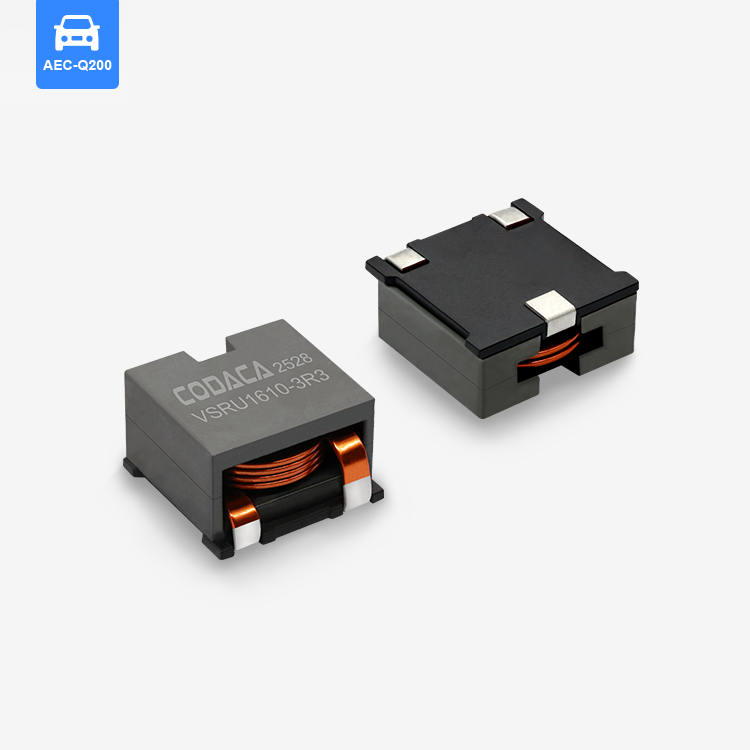
The winding configuration of power inductors significantly impacts their thermal performance and current-carrying capacity. Litz wire construction reduces proximity and skin effects at high frequencies, minimizing copper losses that contribute to heat generation. The strand count and wire gauge must be carefully optimized to balance DC resistance, AC losses, and thermal dissipation requirements. Automotive high current power inductors often employ specialized winding patterns that maximize surface area for heat transfer while maintaining compact form factors.
Integration Strategies for Enhanced EV Thermal Management
Power Converter Topology Optimization
The selection of power converter topology directly influences how automotive high current power inductors contribute to thermal management. Interleaved boost converters distribute current among multiple inductors, reducing individual component stress and distributing heat generation across a larger area. This approach enables better thermal management through improved heat spreading and reduced peak temperatures.
Multi-phase converter designs leverage multiple smaller inductors instead of single large components, creating opportunities for more effective thermal management. Each phase operates with a phase shift that naturally distributes thermal cycling, preventing simultaneous peak heating across all components. The thermal time constants of individual phases help smooth overall temperature variations in the power conversion system.
Resonant converter topologies can reduce switching losses and consequently thermal generation in both power semiconductors and magnetic components. Automotive high current power inductors in resonant applications operate under different stress conditions that can be optimized to minimize losses and improve thermal performance compared to hard-switching converters.
Thermal Interface and Mounting Considerations
Proper thermal interface design between inductors and cooling systems maximizes heat transfer effectiveness. Thermal interface materials with high thermal conductivity and appropriate compliance characteristics ensure good thermal contact while accommodating thermal expansion differences between components and heat sinks. The thermal resistance from junction to ambient becomes a critical design parameter.
Mounting orientation affects convective heat transfer from inductor surfaces. Vertical mounting can enhance natural convection cooling, while horizontal mounting may be preferred for forced air cooling applications. The placement of automotive high current power inductors relative to other heat-generating components requires careful consideration to avoid thermal coupling that could elevate operating temperatures.
Advanced mounting systems incorporate thermal spreading plates or heat pipes that actively distribute heat away from inductor hot spots. These systems can significantly reduce peak temperatures and improve overall thermal management effectiveness, particularly in high-power-density applications where space constraints limit conventional cooling approaches.
Advanced Cooling Integration Techniques
Liquid Cooling System Integration
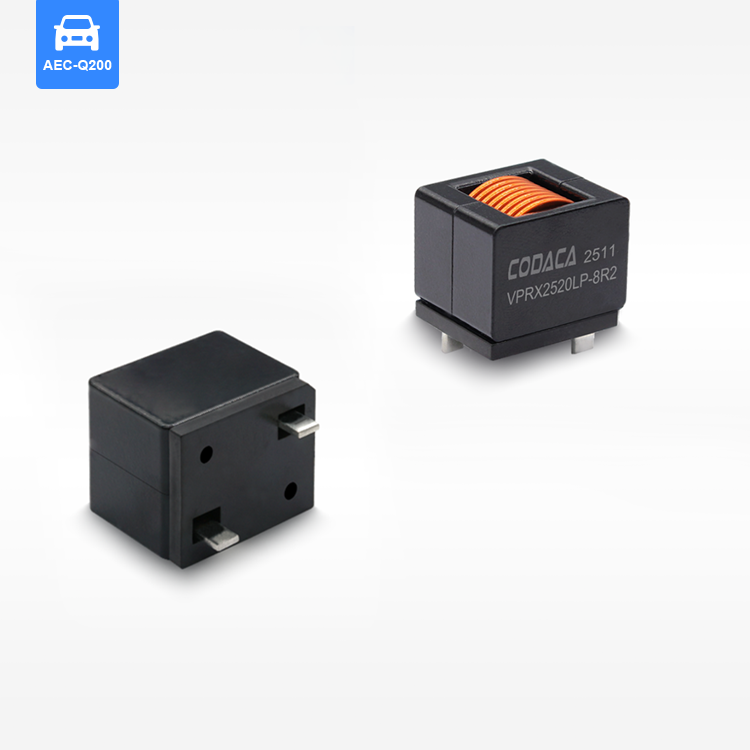
Direct liquid cooling of power inductors represents an emerging approach for high-performance electric vehicle applications. Custom inductor housings with integrated cooling channels allow coolant to flow directly adjacent to heat-generating components, dramatically improving heat transfer coefficients compared to air cooling. This approach enables automotive high current power inductors to operate at higher current densities while maintaining acceptable temperatures.
Indirect liquid cooling through thermal interface plates provides a compromise between cooling effectiveness and component standardization. Standard inductors can be mounted to liquid-cooled base plates using high-performance thermal interface materials, achieving significant thermal improvements without requiring custom component designs. The thermal resistance chain must be carefully analyzed to optimize overall cooling effectiveness.
Integration with existing EV coolant loops requires careful consideration of coolant temperature, flow rates, and system pressure requirements. Automotive high current power inductors operating in liquid-cooled environments must be designed to handle potential coolant exposure and maintain electrical isolation under various failure conditions.
Performance Optimization Through Advanced Materials
High-Temperature Magnetic Materials
Advanced magnetic materials enable automotive high current power inductors to operate effectively at elevated temperatures without significant performance degradation. High-temperature ferrites maintain stable permeability and low losses up to one hundred eighty degrees Celsius, expanding the operating envelope for thermally challenging applications. These materials enable more aggressive thermal management strategies by allowing components to operate at higher baseline temperatures.
Amorphous and nanocrystalline magnetic materials offer exceptional thermal stability combined with low core losses across wide frequency ranges. The crystalline structure of these materials remains stable at elevated temperatures, maintaining consistent magnetic properties that support precise power conversion control. Automotive high current power inductors utilizing these materials can achieve higher efficiency while operating in thermally demanding environments.
Composite magnetic materials combining multiple phases can be engineered to provide optimal thermal and electrical characteristics for specific applications. These materials allow fine-tuning of temperature coefficients, saturation flux density, and loss characteristics to match the requirements of particular thermal management strategies.
FAQ
How do automotive high current power inductors specifically improve EV thermal management compared to standard inductors?
Automotive high current power inductors incorporate specialized core materials, optimized winding designs, and enhanced thermal interfaces that significantly reduce power losses and improve heat dissipation. These components generate less waste heat through improved efficiency while providing better thermal conductivity paths for heat removal. The combination of lower loss generation and enhanced heat transfer capabilities results in reduced cooling requirements and more stable operating temperatures throughout the power conversion system.
What temperature ranges can automotive high current power inductors handle in EV thermal management applications?
Modern automotive high current power inductors are designed to operate reliably across temperature ranges from -55 to +155 degrees Celsius, with some specialized designs capable of operation up to one hundred eighty degrees Celsius. These extended temperature ranges enable flexible thermal management strategies that can accommodate varying cooling system performance and extreme environmental conditions while maintaining stable electrical characteristics and long-term reliability.
How does the integration of automotive high current power inductors affect overall EV cooling system requirements?
The implementation of high-efficiency automotive high current power inductors can reduce overall cooling system requirements by minimizing heat generation in power conversion circuits. Lower thermal loads enable smaller cooling systems, reduced coolant flow rates, and simplified thermal management architectures. This integration can lead to weight savings, improved energy efficiency, and reduced system complexity while maintaining effective thermal control throughout the vehicle's operating envelope.
What are the key design considerations when selecting automotive high current power inductors for thermal management optimization?
Critical design factors include core material temperature coefficients, thermal resistance characteristics, current density capabilities, mounting interface thermal properties and high reliability. Engineers must evaluate the trade-offs between electrical performance, thermal management effectiveness, size constraints, and cost requirements. The selection process should consider the complete thermal path from the inductor core to the ultimate heat sink, ensuring that thermal bottlenecks do not limit overall system performance or reliability.