
 EN
EN
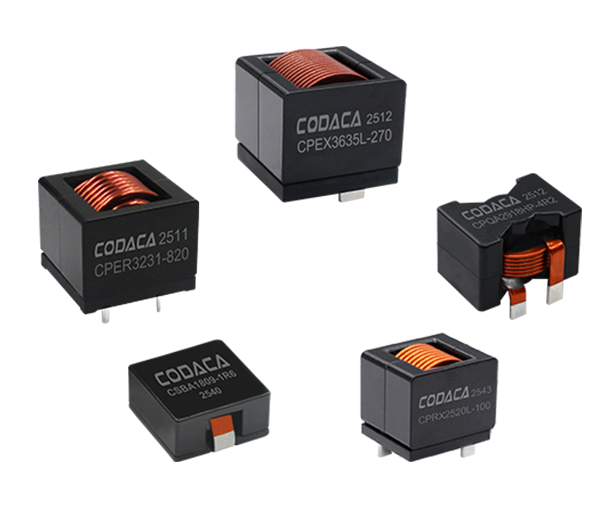
Heavy machinery operations demand robust electrical components that can withstand extreme operating conditions while maintaining consistent performance. When it comes to power management systems, industrial high current power inductors serve as critical components that enable efficient energy conversion and electromagnetic interference suppression. These specialized inductors must handle substantial current loads while operating reliably in harsh industrial environments. Selecting the right industrial high current power inductors requires careful consideration of multiple factors including current ratings, saturation characteristics, thermal management, and mechanical durability.
Understanding Industrial High Current Applications
Power Requirements in Heavy Machinery
Heavy machinery applications typically involve power systems operating at currents ranging from tens to hundreds of amperes. Construction equipment, mining machinery, and industrial automation systems require industrial high current power inductors capable of handling these demanding electrical loads. The inductors must maintain stable performance across varying load conditions while minimizing power losses through efficient magnetic core designs. Understanding the specific current profiles and duty cycles of your application helps determine the appropriate inductor specifications.
Modern heavy machinery often incorporates variable frequency drives, motor control systems, and power conversion circuits that depend heavily on inductor performance. These applications require inductors with low DC resistance to minimize conduction losses and high saturation current ratings to prevent core saturation during peak operating conditions. The selection process must account for both continuous and peak current requirements to ensure reliable operation throughout the equipment's operational envelope.
Environmental Challenges
Industrial environments subject electronic components to extreme temperatures, vibrations, moisture, and electromagnetic interference. Heavy machinery operates in conditions ranging from arctic cold to desert heat, often with significant temperature cycling that can stress inductor materials. Industrial high current power inductors must be designed with appropriate temperature coefficients and thermal management features to maintain performance across these temperature ranges.
Mechanical vibrations from heavy machinery operation can cause component failures if inductors are not properly designed for these stresses. High-quality industrial inductors feature robust construction with secure winding techniques, reinforced core assemblies, and vibration-resistant mounting systems. Moisture protection becomes critical in outdoor applications or environments with high humidity levels where condensation could compromise electrical insulation.
Critical Selection Parameters
Current Rating and Saturation Characteristics
The most fundamental parameter for industrial high current power inductors is the current rating, which must exceed the maximum operating current with appropriate safety margins. Saturation current represents the point where the inductor core becomes magnetically saturated, causing inductance to drop significantly. For power applications, maintaining inductance stability requires operating well below the saturation threshold, typically with 20-30% margin for safety.
Different core materials exhibit varying saturation characteristics that affect inductor performance. Ferrite cores provide high inductance per unit volume but have lower saturation flux density compared to powder cores. Magnetic powder cores offer higher saturation current capabilities, making them suitable for industrial high current power inductors where maximum current handling is paramount. The choice between core materials depends on balancing current capacity, size constraints, and cost considerations.
Inductance Value and Tolerance
Selecting the appropriate inductance value requires analyzing the specific circuit topology and performance requirements. Switch-mode power supplies, motor drives, and filtering applications each have distinct inductance requirements based on switching frequencies, ripple current specifications, and transient response needs. Industrial high current power inductors must maintain their specified inductance values across the full operating range of current and temperature conditions.
Inductance tolerance becomes particularly important in precision control applications where circuit performance depends on accurate inductor values. Standard tolerances range from ±20% for general-purpose applications to ±5% for precision circuits. Temperature coefficients also affect inductance stability, with high-quality cores exhibiting minimal inductance variation across operating temperature ranges. Consider both initial tolerance and temperature drift when specifying inductance requirements.
Thermal Management Considerations
Power Dissipation and Heat Generation
Industrial high current power inductors generate heat through both core losses and copper losses in the windings. Core losses result from hysteresis and eddy current effects in the magnetic material, while copper losses occur due to the DC and AC resistance of the inductor windings. At high currents, copper losses typically dominate total power dissipation and must be carefully managed to prevent excessive temperature rise.
Calculating total power dissipation requires considering both RMS and peak current values along with the inductor's resistance characteristics. AC resistance increases with frequency due to skin effect and proximity effect, particularly important in switching applications where high-frequency current components are present. Accurate thermal modeling helps predict operating temperatures and determine whether additional cooling measures are necessary.
Thermal Design Strategies
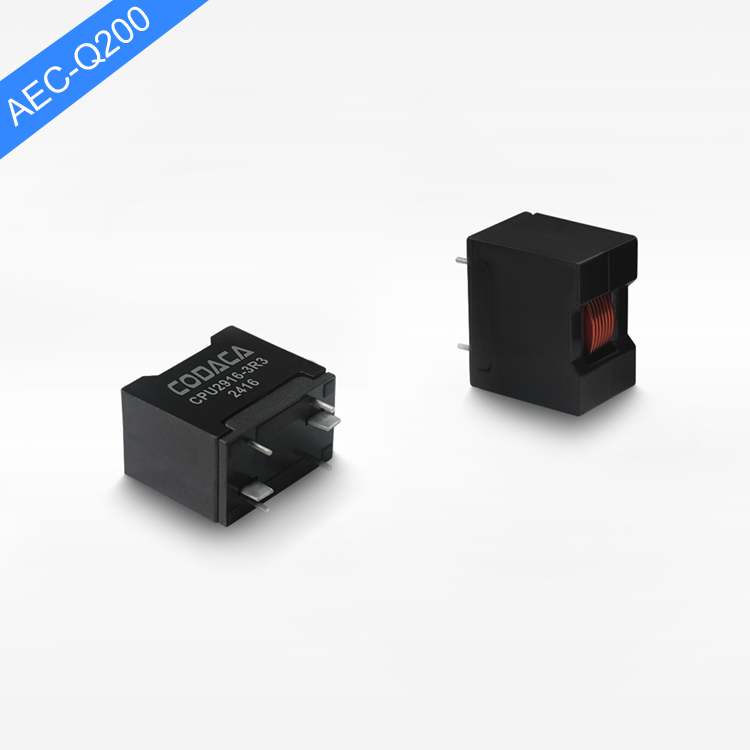
Effective thermal management strategies for industrial high current power inductors include optimized core geometries, enhanced heat dissipation surfaces, and proper mounting techniques. Larger core sizes provide better heat dissipation capability but increase component size and weight. Some industrial inductors incorporate heat sinks, thermal pads, or specialized mounting systems to improve heat transfer to the surrounding environment.
Mounting orientation affects thermal performance, with vertical mounting often providing better natural convection cooling compared to horizontal mounting. Consider airflow patterns within the equipment enclosure and position inductors to take advantage of forced air cooling when available. Thermal interface materials can improve heat transfer from the inductor to heat sinks or chassis mounting surfaces.
Core Material Selection
Ferrite Core Characteristics
Ferrite cores offer excellent high-frequency performance with low core losses, making them suitable for switching applications operating above 100 kHz. However, ferrite materials have relatively low saturation flux density, limiting their current handling capability compared to other core materials. Industrial high current power inductors using ferrite cores typically require larger core sizes to achieve equivalent current ratings compared to powder core alternatives.
Temperature stability of ferrite cores varies significantly between different formulations, with some materials exhibiting substantial inductance changes across temperature ranges. High-temperature ferrite grades maintain better performance stability but may have reduced saturation flux density. Consider the specific ferrite grade and its temperature characteristics when selecting inductors for applications with wide operating temperature ranges.
Powder Core Advantages
Magnetic powder cores provide superior current handling capability due to their distributed air gap structure, which prevents rapid inductance rolloff at high currents. This characteristic makes powder cores particularly suitable for industrial high current power inductors where maintaining inductance under load is critical. The distributed gap also reduces electromagnetic interference compared to discrete gap ferrite cores.
High flux and MPP (molypermalloy powder) cores are belonged to magnetic powder cores, which offer better performance, such as lower core losses in high frequency. These premium materials provide excellent inductance stability across current and temperature ranges but come at higher cost. Sendust cores represent another option, offering lower saturation flux density then FeSi cores while maintaining the advantage of lower core loss. Both Sendust and FeSi are with good price compared with High flux and MPP.
Mechanical Design Requirements
Construction and Mounting
Mechanical construction of industrial high current power inductors must withstand the vibrations, shocks, and mechanical stresses common in heavy machinery applications. Robust winding techniques, secure core assembly methods, and reinforced termination systems prevent mechanical failures that could result in equipment downtime. Consider the mounting method and ensure adequate mechanical support for the inductor's weight and size.
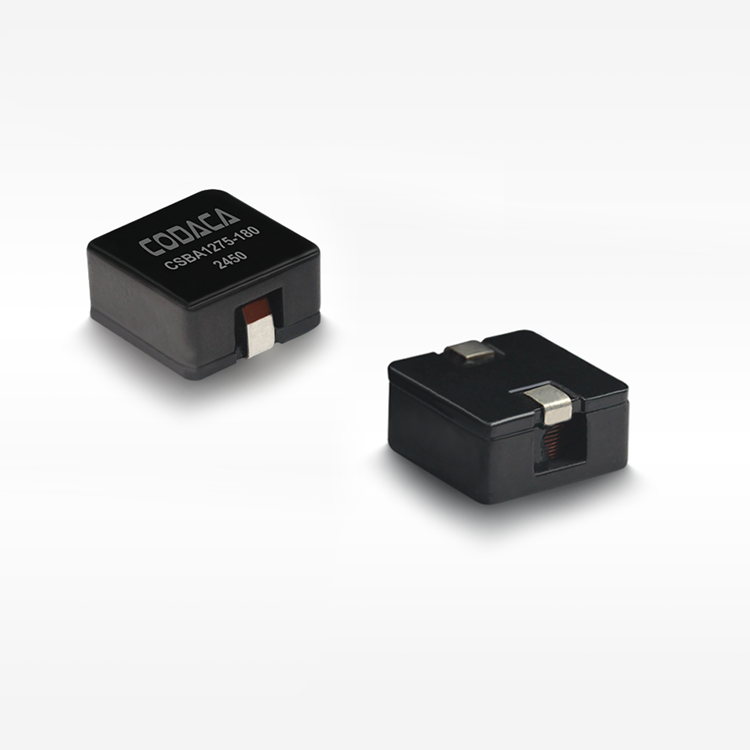
Through-hole mounting provides strong mechanical connections but requires PCB real estate and may limit component height. Surface mount options offer space efficiency but require careful consideration of solder joint strength when handling high currents. Some industrial applications benefit from chassis-mounted inductors that bolt directly to equipment frames, providing excellent mechanical stability and heat dissipation.
Enclosure and Protection
Environmental protection becomes crucial for industrial high current power inductors operating in harsh conditions. Conformal coatings protect windings from moisture, dust, and chemical contaminants while maintaining electrical insulation properties. Some applications require fully enclosed inductors with sealed housings to prevent ingress of contaminants that could cause electrical failures.
Wire insulation systems must withstand both electrical and mechanical stresses encountered in industrial environments. High-temperature insulation materials prevent thermal degradation during normal operation and overload conditions. Consider insulation class ratings and ensure compatibility with expected operating temperatures including transient overtemperature conditions.
Testing and Qualification
Performance Verification
Comprehensive testing ensures that selected industrial high current power inductors meet application requirements under all operating conditions. Current testing verifies that inductors maintain specified performance at rated and overload currents without excessive temperature rise or inductance degradation. Temperature cycling tests validate performance stability across the expected operating temperature range.
Frequency response testing characterizes inductor behavior across the application's frequency spectrum, identifying any resonances or impedance variations that could affect circuit performance. Saturation testing determines the actual current levels where inductance begins to decrease, providing data for circuit design margins and protection system settings.
Reliability Assessment
Long-term reliability testing subjects industrial high current power inductors to accelerated aging conditions that simulate extended service life. Thermal cycling, vibration testing, and electrical stress testing help identify potential failure modes and establish confidence in component longevity. Environmental testing validates performance under specific conditions such as humidity, salt spray, or chemical exposure relevant to the application.
Quality control procedures during manufacturing ensure consistent performance between production units. Statistical sampling and testing provide confidence that all delivered components meet specifications. Consider supplier quality certifications and testing capabilities when selecting inductor sources for critical applications.
Cost and Availability Factors
Economic Considerations
Cost optimization for industrial high current power inductors requires balancing performance requirements against budget constraints. Higher performance core materials and construction techniques increase component costs but may provide better overall system economics through improved efficiency or reduced size requirements. Consider total cost of ownership including energy consumption, maintenance requirements, and potential failure costs.
Volume requirements affect both component pricing and availability. Large quantity applications may justify custom inductor designs optimized for specific requirements, while lower volume applications typically rely on standard catalog products. Lead times for custom inductors can extend project schedules and should be considered during the selection process.
Supply Chain Management
Reliable supply chains ensure component availability throughout the equipment's production lifecycle. Established inductor manufacturers with global distribution networks provide better supply security compared to smaller specialized suppliers. Consider multiple sourcing strategies for critical components and evaluate suppliers' inventory management and production capacity.
Obsolescence management becomes important for equipment with long service lives. Select industrial high current power inductors from product lines with established roadmaps and commitment to long-term availability. Alternative component identification and qualification help mitigate risks associated with component obsolescence or supply disruptions.
FAQ
What current safety margin should be applied when selecting industrial high current power inductors?
A safety margin of 20-30% above maximum operating current is typically recommended for industrial high current power inductors. This margin accounts for current variations due to load changes, temperature effects, and component tolerances while preventing operation near saturation limits that could cause performance degradation or overheating.
How does operating frequency affect inductor selection for heavy machinery applications
Operating frequency significantly impacts core material selection and inductor design. Higher frequencies require materials with lower core losses, typically favoring ferrite cores over powder cores. However, skin effect increases copper losses at higher frequencies, requiring larger wire gauges or specialized winding techniques to maintain efficiency in industrial high current power inductors.
Can standard inductors be used in harsh industrial environments?
Standard commercial inductors may not provide adequate reliability in harsh industrial environments. Heavy machinery applications typically require inductors with enhanced construction, higher temperature ratings, improved moisture resistance, and greater mechanical robustness. Industrial-grade components designed specifically for these conditions offer better long-term reliability and performance.
What role does core temperature rise play in inductor selection?
Core temperature rise directly affects inductor performance, reliability, and safety. Excessive temperature rise can cause inductance changes, accelerated aging, and potential fire hazards. Industrial high current power inductors should be selected with thermal characteristics that maintain safe operating temperatures under worst-case conditions, including maximum ambient temperature and current loading scenarios.