
 EN
EN
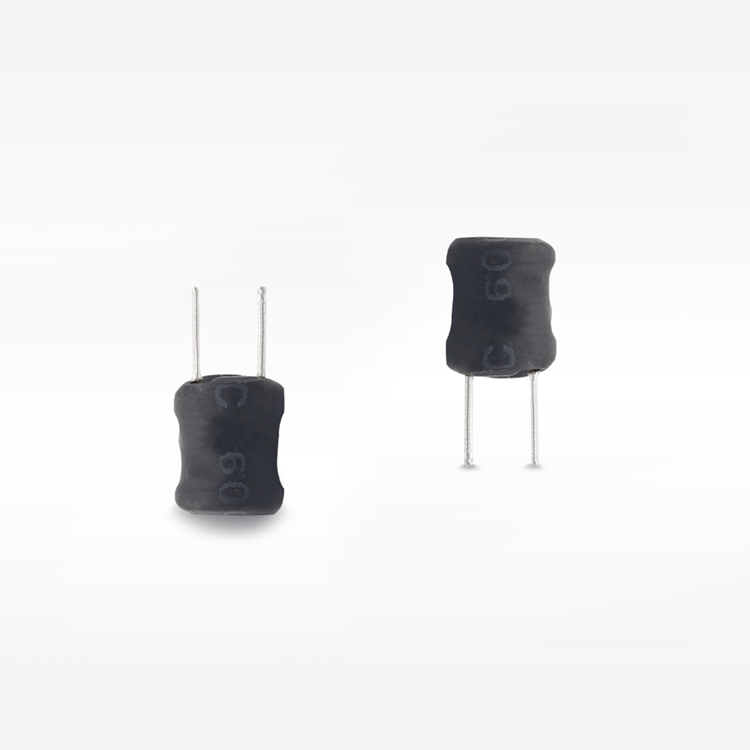
Digital amplifiers have revolutionized audio systems by delivering exceptional efficiency and performance, but their success heavily depends on proper component selection. The right inductor for digital amplifier applications plays a crucial role in minimizing signal noise and ensuring optimal power conversion. Understanding how to select the appropriate inductor requires careful consideration of electrical specifications, physical characteristics, and environmental factors that directly impact amplifier performance.
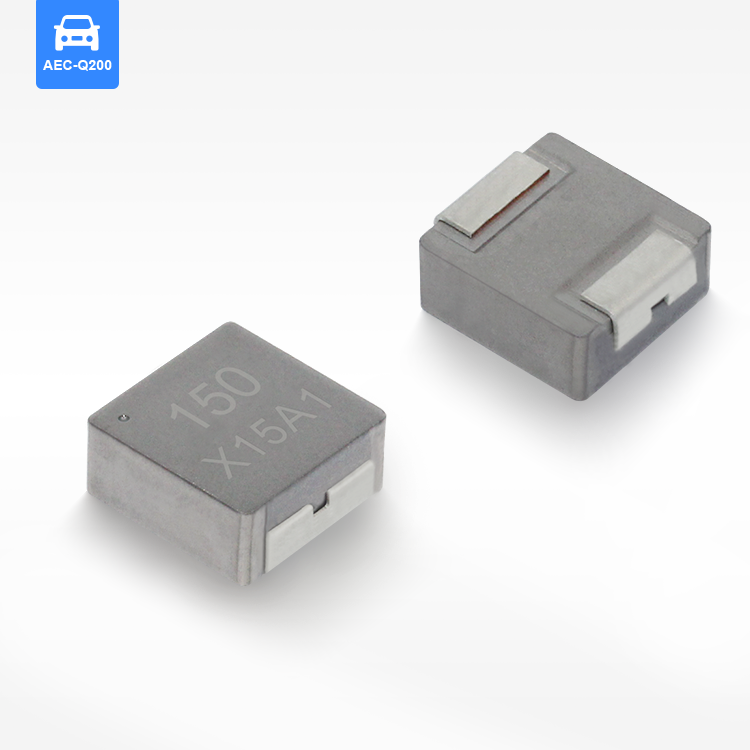
Noise reduction in digital amplifiers begins with understanding how switching frequencies interact with inductive components. When selecting an inductor for digital amplifier circuits, engineers must evaluate multiple parameters including inductance value, current rating, and saturation characteristics. These specifications determine how effectively the component will filter switching noise while maintaining stable power delivery to the audio output stage.
Understanding Digital Amplifier Operating Principles
Switching Frequency Characteristics
Digital amplifiers operate using pulse width modulation techniques that generate high-frequency switching signals. The inductor for digital amplifier applications must handle these switching frequencies while providing adequate filtering to reconstruct the analog audio signal. Typical switching frequencies range from 200 kHz to several MHz, requiring inductors with low core losses at these operating points.
The relationship between switching frequency and inductor selection becomes critical when considering ripple current requirements. Higher switching frequencies allow smaller inductor values while maintaining the same ripple current specifications. However, core losses increase with frequency, making material selection paramount for maintaining efficiency and minimizing thermal issues.
Power Conversion Efficiency
Efficiency in digital amplifiers depends significantly on the quality of the output filter inductor. An appropriate inductor for digital amplifier designs minimizes both conduction and switching losses throughout the audio frequency spectrum. This requires careful attention to DC resistance, core material properties, and winding techniques that affect overall system performance.
Power losses in the inductor directly translate to reduced amplifier efficiency and increased heat generation. Modern digital amplifiers achieve efficiencies exceeding 90% when properly designed filter inductors are employed. The selection process must balance inductance value, current handling capability, and loss characteristics to optimize overall system performance.
Key Electrical Specifications for Noise Minimization
Inductance Value Selection
Determining the correct inductance value requires analysis of the switching frequency, desired ripple current, and output impedance characteristics. The inductor for digital amplifier applications must provide sufficient impedance at the switching frequency to effectively filter high-frequency components while allowing audio signals to pass with minimal attenuation.
Typical inductance values for digital amplifier output filters range from 10 microhenries to several hundred microhenries, depending on switching frequency and power requirements. Lower inductance values reduce component size and cost but may require higher switching frequencies to maintain acceptable ripple current levels. The trade-off between inductance value and switching frequency significantly impacts noise performance and efficiency.
Current Rating and Saturation
Current handling capability represents one of the most critical specifications when selecting an inductor for digital amplifier use. The component must handle both the DC bias current and the AC ripple current without entering saturation, which would cause inductance to drop dramatically and increase distortion.
Saturation current ratings should exceed peak current requirements by at least 20% to maintain linearity under all operating conditions. When an inductor approaches saturation, its effective inductance decreases, reducing filtering effectiveness and allowing more switching noise to reach the output. This phenomenon can cause audible distortion and electromagnetic interference that degrades overall system performance.
Core Material Selection and Performance Impact
Ferrite Core Characteristics
Ferrite cores represent the most common choice for inductor for digital amplifier applications due to their excellent high-frequency performance and relatively low cost. Different ferrite materials offer varying permeability, saturation flux density, and core loss characteristics that directly impact noise performance and efficiency.
High-frequency ferrite materials such as 3C95 or 3F4 provide low core losses at typical digital amplifier switching frequencies. These materials maintain stable permeability over wide temperature ranges and offer good saturation characteristics for high-current applications. The selection of appropriate ferrite grade ensures minimal core losses while providing adequate inductance stability.
Powdered Iron and Alternative Materials
Powdered iron cores offer advantages in high-current applications where saturation performance is critical. An inductor for digital amplifier designs using powdered iron typically exhibits more gradual saturation characteristics compared to ferrite, providing better linearity under high current conditions.
Alternative core materials including amorphous metals and nanocrystalline alloys provide superior performance in demanding applications. These advanced materials offer lower core losses and better saturation characteristics but at higher cost. The selection depends on performance requirements and budget constraints for the specific application.
Physical Design Considerations
Winding Techniques and Layout
The physical construction of an inductor for digital amplifier use significantly impacts its electrical performance and noise characteristics. Winding techniques affect both DC resistance and high-frequency behavior, with tightly coupled windings providing better performance but potentially higher inter-turn capacitance.
Multi-layer windings can reduce DC resistance but may increase parasitic capacitance, affecting high-frequency performance. Single-layer windings offer better high-frequency characteristics but may require larger core sizes to achieve the same inductance values. The optimal winding approach depends on the specific requirements of the digital amplifier application.
Thermal Management
Heat generation in inductors results from both core losses and copper losses, requiring careful thermal design to maintain performance and reliability. The inductor for digital amplifier applications must dissipate heat effectively to prevent temperature-induced performance degradation.
Thermal considerations include ambient temperature, mounting techniques, and airflow patterns within the amplifier enclosure. Proper thermal design ensures stable inductance values and prevents premature component failure. Some applications may require heat sinks or forced air cooling to maintain acceptable operating temperatures.
Electromagnetic Compatibility and Shielding
Radiated Emission Control
Digital amplifiers can generate significant electromagnetic emissions due to their switching nature, making proper inductor selection critical for EMC compliance. An inductor for digital amplifier designs must minimize radiated emissions while maintaining filtering performance throughout the required frequency range.
Shielded inductors offer superior EMC performance by containing magnetic fields within the component structure. This reduces both radiated emissions and susceptibility to external interference. The trade-off includes increased cost and potentially reduced current handling capability due to the additional shielding structure.
Common Mode and Differential Mode Filtering
Effective noise reduction requires consideration of both common mode and differential mode filtering requirements. The inductor for digital amplifier applications must address both types of noise to achieve optimal performance. Differential mode inductors filter switching ripple, while common mode chokes reduce emissions on power and signal lines.
Combined filtering approaches using multiple inductor types can provide superior noise reduction compared to single-component solutions. The system design must balance component count, cost, and performance to achieve the desired noise reduction while maintaining efficiency and reliability.
Testing and Verification Methods
Measurement Techniques
Proper verification of inductor for digital amplifier performance requires comprehensive testing under actual operating conditions. Standard measurement techniques include impedance analysis, saturation testing, and thermal characterization to ensure the component meets all specifications.
Network analyzer measurements provide detailed impedance characteristics across the frequency range of interest. These measurements reveal parasitic effects that may impact high-frequency performance and help optimize the selection for specific applications. Temperature coefficient testing ensures stable performance across the expected operating range.
Real-World Performance Validation
Laboratory measurements must be supplemented with real-world testing in the actual amplifier circuit. The inductor for digital amplifier selection process should include evaluation of THD, noise floor, and efficiency measurements under various load conditions and input signal types.
Long-term reliability testing validates the component selection under extended operating conditions. This includes thermal cycling, vibration testing, and accelerated aging to ensure the inductor maintains performance throughout the expected product lifetime. Proper validation reduces the risk of field failures and customer satisfaction issues.
FAQ
What inductance value should I choose for my digital amplifier output filter
The inductance value depends on your switching frequency, desired ripple current, and load impedance. For switching frequencies around 400 kHz, typical values range from 22 to 100 microhenries. Higher switching frequencies allow smaller inductance values while maintaining the same ripple current performance. Calculate the required value using the relationship between switching frequency, supply voltage, and acceptable ripple current for your specific application.
How do I prevent inductor saturation in high-power digital amplifiers
Select an inductor for digital amplifier applications with saturation current ratings at least 20-30% higher than your peak current requirements. Consider both DC bias current and AC ripple current when determining total current stress. Use cores with high saturation flux density such as powdered iron or ferrite materials optimized for high-current applications. Monitor inductance versus current characteristics to ensure linear operation throughout the expected current range.
Why does my digital amplifier produce audible noise despite using the recommended inductor
Audible noise can result from several factors including insufficient inductance value, inductor saturation, or poor grounding techniques. Verify that your inductor for digital amplifier design provides adequate filtering at the switching frequency and maintains stable inductance under all operating conditions. Check for proper PCB layout, adequate ground planes, and appropriate component placement to minimize electromagnetic interference and ground loops.
Can I use the same inductor for different switching frequencies
While possible, optimal performance requires matching the inductor characteristics to the specific switching frequency. Core materials and winding techniques optimized for one frequency range may not provide ideal performance at significantly different frequencies. An inductor for digital amplifier use should be selected based on core loss characteristics, impedance requirements, and saturation performance at the actual operating frequency to ensure maximum efficiency and minimum noise.
Table of Contents
- Understanding Digital Amplifier Operating Principles
- Key Electrical Specifications for Noise Minimization
- Core Material Selection and Performance Impact
- Physical Design Considerations
- Electromagnetic Compatibility and Shielding
- Testing and Verification Methods
-
FAQ
- What inductance value should I choose for my digital amplifier output filter
- How do I prevent inductor saturation in high-power digital amplifiers
- Why does my digital amplifier produce audible noise despite using the recommended inductor
- Can I use the same inductor for different switching frequencies