
 EN
EN
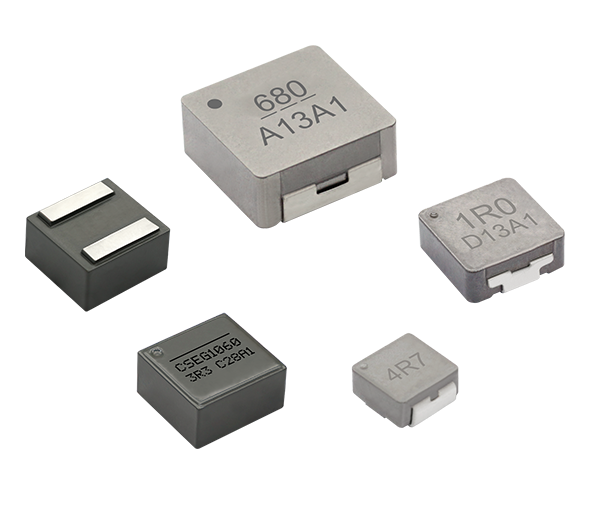
In the high-performance computing environment of modern servers, electromagnetic interference (EMI) suppression has become a critical design consideration. As server systems operate at increasingly higher frequencies and power densities, the need for effective EMI filtering components has never been more important. Among the various solutions available, the molding power choke stands out as the optimal choice for server applications, offering superior performance characteristics that directly address the unique challenges faced in data center environments. These specialized components provide exceptional filtering capabilities while maintaining the reliability and efficiency required for mission-critical server operations.
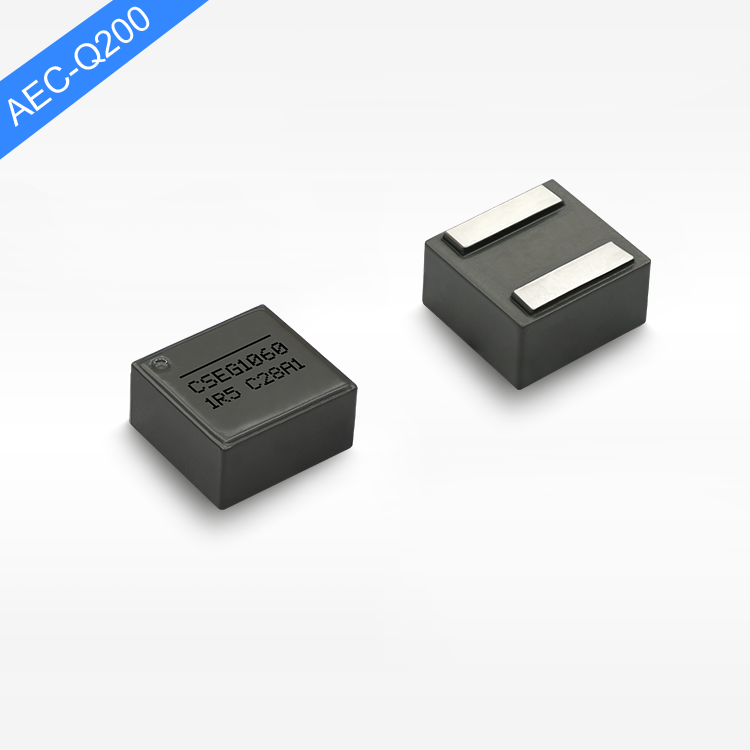
Understanding EMI Challenges in Server Environments
Sources of Electromagnetic Interference in Servers
Server systems generate substantial electromagnetic interference due to their high-speed switching circuits, multiple power supplies, and dense component layouts. The primary sources of EMI in server environments include switch-mode power supplies, high-frequency processors, memory modules, and various digital circuits operating simultaneously. These components create both conducted and radiated emissions that can interfere with sensitive analog circuits and nearby electronic equipment. The molding power choke effectively addresses these interference sources by providing targeted filtering at critical points in the power distribution network.
The complexity of modern server architectures amplifies EMI concerns, as multiple subsystems operate at different frequencies and power levels within the same chassis. Graphics processing units, storage controllers, and network interfaces all contribute to the electromagnetic signature of the system. Without proper EMI suppression, these interference sources can cause data corruption, system instability, and compliance failures with regulatory standards. A well-designed molding power choke implementation can significantly reduce these risks while maintaining system performance.
Regulatory Compliance and Standards
Server manufacturers must comply with strict EMI regulations such as FCC Part 15, CISPR 22, and EN 55022 to ensure their products can be legally sold and operated in various markets. These standards define specific limits for both conducted and radiated emissions across different frequency ranges. The molding power choke plays a crucial role in meeting these requirements by providing effective attenuation of high-frequency noise components that would otherwise exceed regulatory limits. Compliance testing often reveals that systems without adequate choke filtering fail to meet these stringent standards.
The cost of non-compliance extends beyond regulatory issues, as EMI problems can lead to customer complaints, field failures, and expensive product recalls. Server systems deployed in sensitive environments such as hospitals, laboratories, and communication facilities must maintain exceptionally low EMI levels to avoid interfering with critical equipment. A properly selected molding power choke ensures reliable compliance with all relevant standards while providing margin for future regulatory changes and more stringent requirements.
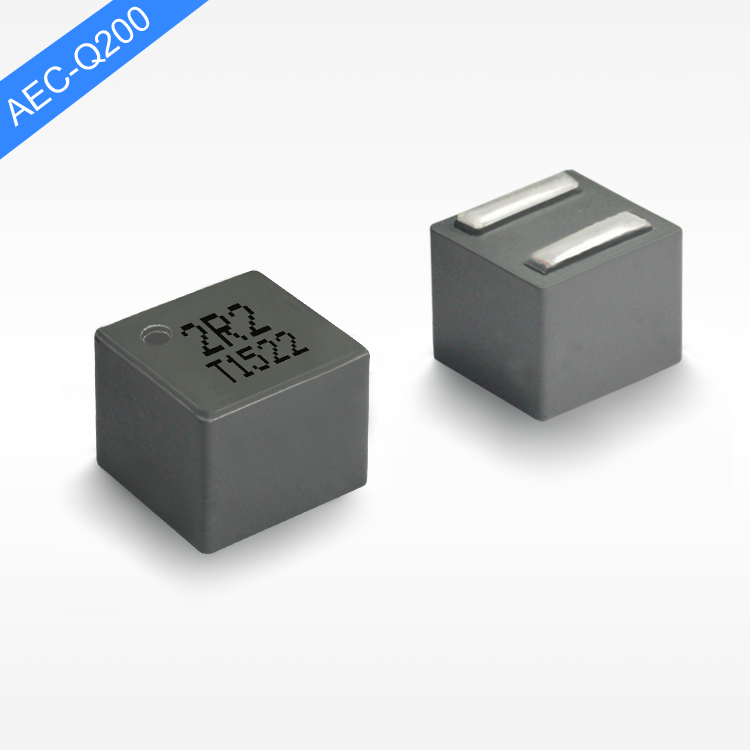
Technical Advantages of Molding Power Chokes
Superior Magnetic Core Properties
The molding power choke utilizes advanced magnetic core materials that provide exceptional permeability and saturation characteristics essential for server applications. These cores typically employ powder iron materials that maintain stable inductance values across wide temperature and frequency ranges. The molded construction encapsulates the magnetic core completely, eliminating extra air gaps that could reduce efficiency and create unwanted resonances. This design approach results in higher power density and improved thermal management compared to traditional choke designs.
The magnetic properties of molding power choke cores are specifically optimized for the frequency ranges commonly encountered in server power systems. The core materials exhibit low loss characteristics at high switching frequencies. This selective frequency response allows the choke to effectively suppress EMI while minimizing impact on the desired power transfer characteristics of the system. The result is clean, stable power delivery with minimal interference generation.
Enhanced Thermal Management Capabilities
Thermal management represents a critical advantage of molding power chokes in server applications, where ambient temperatures and power densities create challenging operating conditions. The molded construction provides excellent heat dissipation through direct thermal coupling between the windings and the external environment. The power iron material typically offers high thermal conductivity while maintaining electrical isolation, allowing efficient heat transfer away from the molding power choke. This thermal performance enables higher current handling capacity and improved reliability in demanding server environments.
Performance Benefits in Server Power Systems
Improved Power Quality and Stability
The implementation of molding power choke technology in server power systems delivers measurable improvements in power quality metrics including total harmonic distortion, power factor, and voltage regulation. These components effectively filter high-frequency switching noise while maintaining low impedance to fundamental power frequencies. The result is cleaner DC power rails with reduced ripple and noise, which directly translates to improved processor performance and reduced susceptibility to power-related errors. Server systems with properly implemented choke filtering demonstrate enhanced stability under varying load conditions.
The power quality improvements extend throughout the entire server system, benefiting sensitive analog circuits, precision timing references, and high-speed digital interfaces. Reduced power supply noise improves signal integrity in high-speed data paths, reducing bit error rates and improving system throughput. The molding power choke contributes to these improvements by providing consistent filtering performance across the wide range of operating conditions encountered in server environments, from light standby loads to maximum computational workloads.
Efficiency Optimization
Energy efficiency has become a paramount concern in server design, as data centers consume significant amounts of electrical power and generate substantial operating costs. The molding power choke contributes to efficiency improvements through its low series resistance and optimized magnetic properties. The reduced losses in the choke itself translate directly to lower system power consumption and reduced heat generation. Additionally, the improved power quality provided by effective choke filtering enables other system components to operate more efficiently, creating a cumulative efficiency benefit.
The efficiency advantages of molding power chokes become more pronounced at higher switching frequencies, where traditional choke designs may exhibit increased losses due to skin effects and proximity effects in the windings. The optimized construction of molded chokes minimizes these parasitic effects while maintaining high current. This allows server power supplies to operate at higher frequencies, reducing the size and cost of energy storage components while improving transient response characteristics.
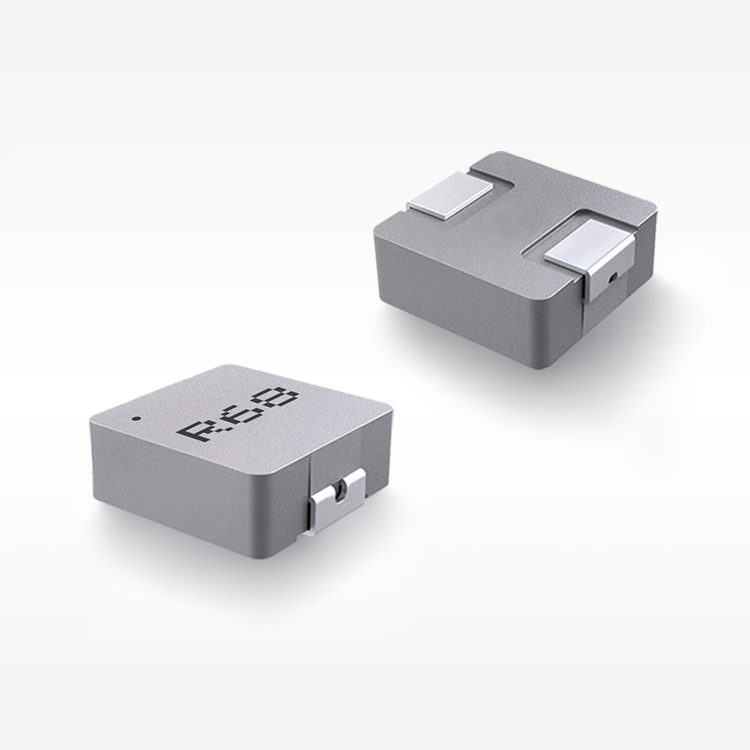
Design and Manufacturing Advantages
Consistent Manufacturing Quality
The molding process used in manufacturing these chokes ensures exceptional consistency and repeatability in electrical and mechanical characteristics. Unlike wound chokes that may exhibit variations due to manual assembly processes, molding power chokes are manufactured using automated processes that control critical parameters such as winding tension, layer spacing, and core positioning. This manufacturing precision results in tight tolerance control over inductance values, DC resistance, and saturation characteristics. For server manufacturers, this consistency translates to predictable performance and simplified design validation processes.
The molded construction also eliminates many potential failure modes associated with traditional choke designs, such as winding movement, core shifting, and insulation degradation over time. Quality control processes during manufacturing can verify the integrity of each molding power choke before shipment, ensuring that only components meeting strict specifications reach server production lines.
Compact Form Factor and Integration
Space optimization represents a critical design consideration in modern server systems, where increased functionality must be achieved within standard rack dimensions. The molding power choke offers significant advantages in this regard through its compact, low-profile design that maximizes inductance per unit volume. The integrated construction eliminates the need for separate mounting hardware and reduces assembly time during server production. This space efficiency allows designers to implement more comprehensive EMI filtering without sacrificing valuable board real estate for other critical components.
The standardized package dimensions of molding power chokes facilitate automated assembly processes and reduce inventory complexity for server manufacturers. Multiple inductance values and current ratings can be accommodated within the same physical footprint, allowing design flexibility without requiring board layout changes. This standardization also simplifies component sourcing and reduces the risk of supply chain disruptions that could impact server production schedules.
Comparative Analysis with Alternative Solutions
Advantages Over Traditional Wound Chokes
Traditional wound chokes, while widely used in many applications, present several limitations when applied to demanding server environments. These components typically exhibit higher variations in electrical characteristics due to manual winding processes and may suffer from mechanical instability under thermal cycling conditions. The molding power choke addresses these limitations through its integrated construction and automated manufacturing processes. The improved design provides superior mechanical stability and protection against environmental factors that could degrade performance over time.
The thermal characteristics of molding power chokes represent a significant improvement over traditional designs, particularly in high-power server applications. While wound chokes may experience hot spots and uneven temperature distribution, the molded construction provides more uniform heat dissipation and better thermal coupling to heat sinks or cooling systems. This thermal advantage enables higher power handling capacity and improved reliability in server environments where thermal management is critical to system performance and longevity.
Performance Comparison with Discrete Filter Solutions
Discrete EMI filter solutions using separate inductors, capacitors, and resistors can provide effective filtering but often require significant board space and complex design optimization. The molding power choke offers a more integrated solution that combines multiple filtering functions in a single component. This integration reduces component count, simplifies board layout, and improves reliability by eliminating potential failure points associated with multiple discrete components and their interconnections.
The frequency response characteristics of molding power chokes are specifically optimized for server power system requirements, providing targeted attenuation where it is most needed. Discrete solutions may require extensive characterization and tuning to achieve similar performance levels, increasing design time and complexity. The predictable performance of molding power chokes enables faster design cycles and reduces the risk of EMI compliance issues during product development and testing phases.
Application Considerations for Server Systems
Power Supply Integration Strategies
Successful implementation of molding power chokes in server systems requires careful consideration of placement and integration within the power distribution architecture. The optimal location for choke placement depends on the specific EMI sources and the desired filtering characteristics. In switch-mode power supplies, molding power chokes are often used in buck circuit to convert 48V or 12V to lower voltage. The low profile and compact design of these components facilitate integration into space-constrained power supply modules without compromising thermal management or mechanical integrity.
The selection of appropriate inductance values and current ratings must account for both steady-state operating conditions and transient load scenarios commonly encountered in server applications. The molding power choke must maintain stable performance during rapid load changes associated with processor power management features and varying computational workloads. Proper component selection ensures that the choke provides effective EMI suppression without introducing unwanted impedance that could affect power delivery characteristics or system stability.
FAQ
What makes molding power chokes superior to other EMI suppression components in servers?
Molding power chokes offer superior EMI suppression in servers due to their optimized magnetic core materials, consistent manufacturing quality, and excellent shielded structure. The molded construction provides better mechanical stability and environmental protection compared to traditional wound chokes, while the integrated design eliminates many potential failure modes. These advantages result in more reliable EMI suppression performance over the entire operational life of the server system, making them the preferred choice for demanding data center applications.
How do molding power chokes impact server power efficiency?
Molding power chokes contribute to improved server power efficiency through their low profile and low DC resistance and optimized magnetic properties that minimize power losses. The clean power delivery provided by effective choke filtering enables other system components to operate more efficiently, creating cumulative efficiency benefits throughout the server system. Additionally, the ability to operate effectively at higher switching frequencies allows for the use of smaller energy storage components, further improving overall system efficiency and reducing power consumption in data center environments.
What are the key selection criteria for molding power chokes in server applications?
Key selection criteria for molding power chokes in server applications include inductance value, current rating, DC resistance, saturation characteristics, and thermal performance. The inductance value must provide adequate impedance to unwanted frequencies while maintaining low impedance to fundamental power frequencies. Current rating should accommodate both steady-state and peak current requirements with appropriate safety margins. Thermal performance is critical in high-density server environments, requiring components that can dissipate heat effectively while maintaining stable electrical characteristics across the operating temperature range.
Can molding power chokes handle the high power densities found in modern servers?
Yes, molding power chokes are specifically designed to handle the high power densities characteristic of modern server systems. The molded construction provides excellent thermal management through efficient heat dissipation and uniform temperature distribution. The optimized core materials maintain stable performance characteristics even under high current and elevated temperature conditions. These thermal and electrical capabilities make molding power chokes well-suited for demanding server applications where reliable operation under challenging conditions is essential for system performance and uptime requirements.