

בשל התפתחות מהירה של מרכזי נתונים, תקשורת 5G וענן מחשבים, מודולים אופטיים הפכו לרכיבים מרכזיים בתהליך העברת הנתונים במהירות גבוהה, ודרישות הביצועים והאמינות שלהם ממשיכות לעלות. כרכיב פסיבי עיקרי במעגלי ניהול הספק, הבחירה בסליל משפיעה ישירות על ביצועי ההעברה הכוללים, יעילות הספק והיציבות לטווח הארוך של המודולים האופטיים.
הפונקציה המרכזית של מודול אופטי היא להשיג הפורשה דו-כיוונית יעילה בין אותות חשמליים ואופטיים, המרה אותות חשמליים לסימנים אופטיים בקצה המעביר לשידור באמצעות סיבים אופטיים, ומרה אותות אופטיים בחזרה לסימנים חשמליים בקצה המקבל. תהליך זה מסתמך על הפעלה מתואמת של בלוקים פונקציונליים מרובים כגון נהג הלייזר (LD Driver), מגבר טרנסמפידנס (TIA), שעון ויחידת התאוששות נתונים, ומיקרו בקר. כדי להבטיח אספקת חשמל יציבה עבור שבבים הפועלים ברמות מתח שונות, מעגלי ההמרה DC-DC הופכים ליבה של ארכיטקטורת הכוח של מודול אופטי, והאינדוקטור הוא המרכיב העיקרי המבטיח יציבות חשמל ומסייע להעברת אותות אמינה במהירות גבוהה.
תמונה 1. תרשים של עקרון העבודה של מודול האופטי
1- התפקיד והבחירת סלילים במעגלי המרה יעילים מסוג DC-DC
מודולים אופטיים משתמשים בדרך כלל במתחי כניסה של 5 וולט/3.3 וולט וממירים אותם למתחים נמוכים יותר, כגון 1.8 וולט ו-1.2 וולט, באמצעות מעגלי ירידה מסוג באק (Buck), כדי לספק מתח לרכיבי ליבה כגון מפענלי לייזר ומגברות התנגדות-זרם (TIA). בחירת סליל מתאימה יכולה לשפר באופן משמעותי את יעילות המרת האנרגיה, לאופטם את תגובת הטרנזיטור ולחזק את יציבות המערכת.
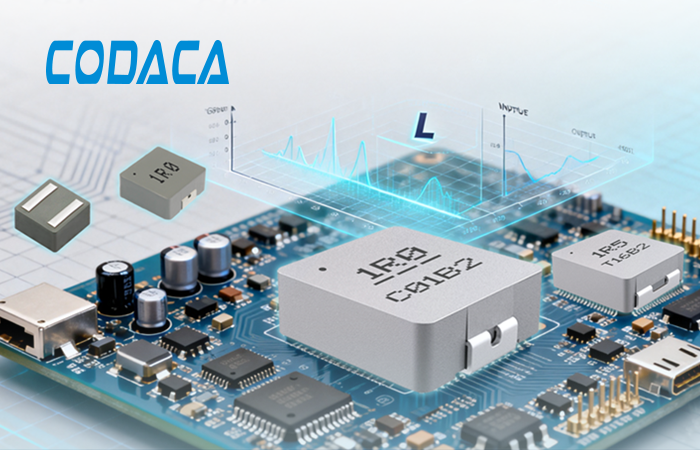
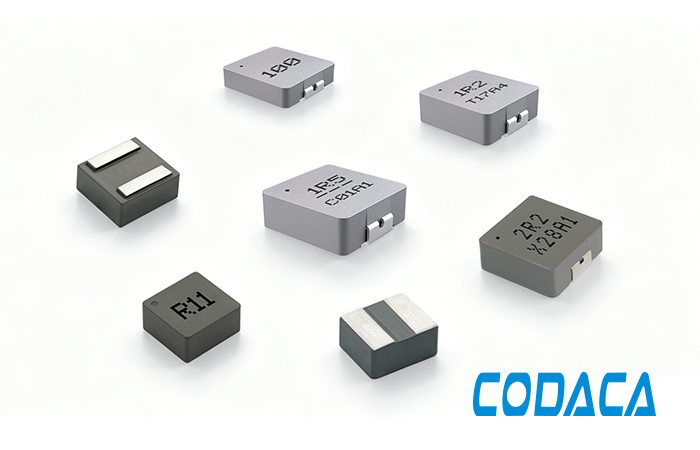
של CODACA חנק כוח עיצוב משתמש באבקת סגסוגת עם אובדן נמוך שפותחה פנימית. מאפייניו הם אובדן נמוך, יעילות גבוהה, טווח תדרי הפעלה רחב ורעש צפצוף אולטרה-נמוך. העיצוב המבני הדק שלו מסייע לחסוך בשטח על לוח החיבורים (PCB), תומך בהרכבה בצפיפות גבוהה ומציע יכולת מצוינת להתנגדות לסגירה מגנטית תחת זרם ישר (DC bias anti-saturation). הוא מסוגל להתמודד באופן יעיל עם עליות פתאומיות בזרם עומס ולמנוע תנודות מתח הנגרמות על ידי סגירה של הליבה המגנטית, ובכך להבטיח יציבות של הספק האור היצוא מהנהג الليיזר ולעמוד בדרישות הקפדניות של מודולים אופטיים במונחים של תדר גבוה, אובדן נמוך, גודל קטן, צפיפות הספק גבוהה ואמינות גבוהה.
דגמים מומלצים: CSAG, CSAC, CSAB, CSEB-H, CSEG-H, CSHB, KSTB וכו'.
2- יישום בדיכוי רעשים ובסינון EMI
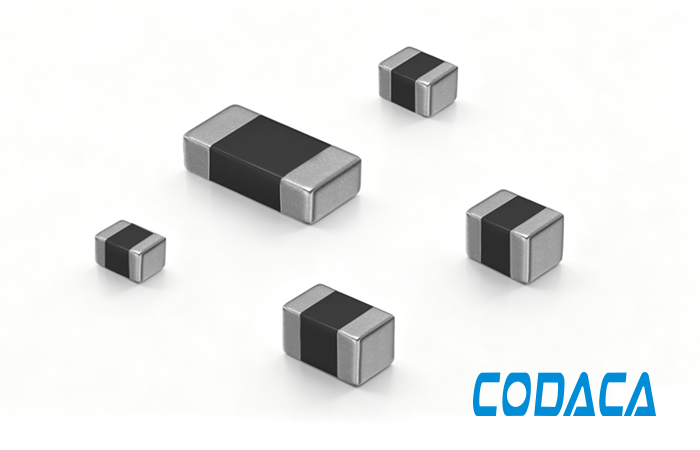
מודולים אופטיים משלבים מעגלים דיגיטליים מהירים ומחוללי כוח מתחלפים בתדר גבוה, מה שגורם לכך שהם רגישים לאי-יציבות נויז בטווח התדרים של מגההרץ עד גיגההרץ וכן חשופים לקרינה אלקטרומגנטית חיצונית. שימוש בבידוד תדר גבוה יכול לדכא ביעילות נויז בתדר גבוה, להבטיח את שלמות האות במודולציה לייזר ובקליטת פוטואלקטרונית, ולשפר את היכולת של המערכת להתנגד לאי-יציבויות ואת איכות התקשורת.
דגמים מומלצים: CPB, CFB וכו'.
מודול אופטי הוא מוצר ברמה מערכתית בעלת אינטגרציה גבוהה, שמרכיביו משקפים את מהות טכנולוגיית האופטו-אלקטרוניקה המודרנית. מרכיבים אופטיים מדויקים ועד מעגלים אלקטרוניים בעלי מהירות גבוהה, מבקר דיגיטלי חכם ועד ניהול יעיל של הספק, כל חלק ממלא תפקיד חיוני. אם כי סליל הוא קטן, הוא בלתי נפרד להמרת הספק, לדיכוי רעשים וליציבות כלל המערכת.
כשטכנולוגיית התקשורת האופטית מתקדמת לכיוונים של 800G, 1.6T ואפילו קצבים גבוהים יותר של העברת נתונים, הבחירה בסלילים תדגיש יותר ויותר את הדרישות לסלילים בעלי תדר גבוה ואובדן נמוך, ממדים מזעריים, צפיפות הספק גבוהה ואמינות גבוהה. באמצעות חדשנות בחומרים, אופטימיזציה של המבנה ועיצוב עם שילוט מלא, סלילי CODACA מספקים פתרונות לניהול הספק בעלי ביצועים גבוהים ויציבים מאוד עבור מודולים אופטיים דורי היעד הבאים, ותורמים להתפתחות מערכות התקשורת לכיוון מהירות גבוהה יותר, צריכת הספק נמוכה יותר ומידות קטנות יותר.
 EN
EN