
 EN
EN
ລິ້ງໄວໆ

ໃນເທັກໂນໂລຢີເລເຊີທີ່ທັນສະໄໝ, ແຫຼ່ງຈ່າຍພະລັງງານເລເຊີເປັນ 'ຫົວໃຈ' ຂອງລະບົບເລເຊີ, ແລະ ຄຸນລັກສະນະຂອງມັນມີຜົນຕໍ່ຄວາມສະຖຽນ, ຄວາມຖືກຕ້ອງຂອງພະລັງງານ, ແລະ ຄວາມເຊື່ອຖືໄດ້ຂອງຜົນໄດ້ຮັບເລເຊີໂດຍກົງ. ເປັນອົງປະກອບທີ່ເກັບພະລັງງານຫຼັກໃນເຄືອຂ່າຍ DC-DC ສຳລັບພະລັງງານເລເຊີ, ເຄື່ອງດັນພະລັງງານ ເຮັດໜ້າທີ່ສຳຄັນເຊັ່ນ: ການປ່ຽນແປງພະລັງງານ, ການກັ້ນໄຫຼຂອງແຜ່ນໄຟ, ແລະ ການກັ້ນການຮີດສະເຕີເລືອນທາງອີເລັກໂທຣມີແກເນຕິກ. ບົດຄວາມນີ້ນຳເສີນຫຼັກການເຮັດວຽກ ແລະ ການຈັດປະເພດຂອງແຫຼ່ງຈ່າຍພະລັງງານເລເຊີ, ສຳຫຼັບຈຸດສຳຄັນທາງດ້ານເຕັກນິກໃນການເລືອກອິນດັກເຕີ, ແລະ ສະເໜີຄຳແນະນຳເປັນເອກະສານອ້າງອີງສຳລັບວິສະວະກອນດ້ານຮາດແວ.
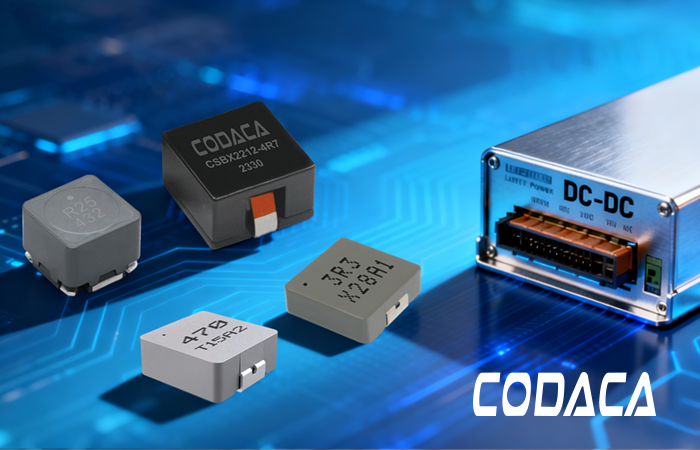
1- ແຫຼ່ງຈ່າຍພະລັງງານເລເຊີແມ່ນຫຍັງ?
ແຫຼ່ງຈ່າຍພະລັງງານເລເຊີບໍ່ໄດ້ເປັນພຽງແຕ່ adapter ພະລັງງານທີ່ງ່າຍດາຍເທົ່ານັ້ນ. ມັນເປັນລະບົບເອເລັກໂຕຣນິກທີ່ຖືກອອກແບບເປັນພິເສດເພື່ອໃຫ້ມີປະສິດທິພາບສູງ, ໂດຍໝາກໃຈຫຼັກຂອງມັນແມ່ນການຂັບເຄື່ອນສື່ການເພີ່ມພະລັງງານເລເຊີ (laser gain medium) ເຊັ່ນ: diode laser (LD), ແສງໄຟຟ້າ (flash lamps), ຫຼື ແກັດ CO₂ ແບບຖືກຕ້ອງ, ມີປະສິດທິພາບ, ແລະ ເຊື່ອຖືໄດ້ເພື່ອໃຫ້ເກີດການປ່ອຍແສງທີ່ຖືກສົ່ງເສີມ (stimulated emission).
ຄວາມຕ້ອງການຫຼັກຂອງແຫຼ່ງຈ່າຍພະລັງງານເລເຊີ ລວມມີ:
1) ການສົ່ງອອກທີ່ມີຄວາມຖືກຕ້ອງສູງ: ບໍ່ວ່າການສົ່ງອອກຈະເປັນໄລຍະເວລາຄົງທີ່, ຄ່າຄົງທີ່, ຫຼື ພະລັງງານຄົງທີ່, ມັນຈະຕ້ອງມີຄວາມສະຖຽນຢູ່ໃນລະດັບທີ່ສູງຫຼາຍ. ຄວາມປັ່ນປວນ ຫຼື ສຽງຮີດ (ripple or noise) ໃດໆຈະມີຜົນກະທົບໂດຍກົງຕໍ່ການສົ່ງອອກຂອງເລເຊີ ແລະ ສົ່ງຜົນຕໍ່ຄຸນນະພາບຂອງດຳນີ້ (beam quality) ແລະ ຜົນໄດ້ຮັບຈາກການປຸງແຕ່ງ.
2) ປະສິດທິພາບສູງ: ລະບົບເລເຊີ ທີ່ມີພະລັງງານສູງຈະບໍລິໂພກພະລັງງານຫຼາຍ. ແຫຼ່ງຈ່າຍພະລັງງານທີ່ມີປະສິດທິພາບສູງຈະໝາຍເຖິງຕົ້ນທຶນໃນການດຳເນີນງານທີ່ຕ່ຳລົງ ແລະ ການຈັດການຄວາມຮ້ອນທີ່ງ່າຍຂຶ້ນ.
3) ຄວາມສາມາດໃນການສ້າງຮູບແບບຄລື່ນທີ່ເປັນພິເສດ: ມັນຈະຕ້ອງສາມາດສ້າງຮູບແບບຄລື່ນທີ່ສັບສົນເຊັ່ນ: ສັນຍານເປັນໄລຍະ (pulses), Q-switching, ແລະ ການປັບປຸງແບບອານາໂລກ (analog modulation) ເພື່ອປະຕິບັດຕາມຄວາມຕ້ອງການທີ່ແຕກຕ່າງກັນໃນການປຸງແຕ່ງ.
4) ຟັງຊັນການປ້ອງກັນທີ່ຄົບຖ້ວນ: ມັນຄວນຈະມີການປ້ອງກັນຈາກການໄຫຼຜ່ານຫຼາຍເກີນໄປ (overcurrent), ຄ່າໄຟຟ້າສູງເກີນໄປ (overvoltage), ອຸນຫະພູມສູງເກີນໄປ (overtemperature), ແລະ ຟັງຊັນການປ້ອງກັນທີ່ເປັນເອກະລັກຂອງເລເຊີ ເຊັ່ນ: ການເລີ່ມຕົ້ນຢ່າງນຸ້ມນວນ (soft start) ເພື່ອປ້ອງກັນອຸປະກອນເລເຊີ ທີ່ມີລາຄາແພງ.
2- ການຈັດປະເພດຂອງແຫຼ່ງຈ່າຍພະລັງງານເລເຊີ
ຂື້ນກັບມິຕິການຈັດປະເພດ, ແຫຼ່ງຈ່າຍພະລັງງານເລເຊີແມ່ນຖືກແບ່ງອອກເປັນຫຼັກດັ່ງນີ້:
1) ຕາມຮູບແບບການເຮັດວຽກ
ແຫຼ່ງຈ່າຍພະລັງງານເລເຊີຕໍ່ເນື່ອງ: ຈັດສົ່ງພະລັງງານ DC ທີ່ຄົງທີ່ສຳລັບເລເຊີທີ່ປ່ອຍອອກຢ່າງຕໍ່ເນື່ອງ. ຄວາມຕ້ອງການຫຼັກຄື ຄວາມປັ່ນປວນຂອງຜົນໄດ້ຮັບທີ່ຕ່ຳຫຼາຍ ແລະ ຄວາມຄົງທີ່ທີ່ສູງຫຼາຍ. ມັນມັກຖືກໃຊ້ໃນແຫຼ່ງຈ່າຍພະລັງງານເລເຊີເສັ້ນໃຍ (fiber laser pump sources) ແລະ ເລເຊີ CO₂ ສຳລັບການຕັດ.
ແຫຼ່ງຈ່າຍພະລັງງານເລເຊີແບບເປັນຈັງຫວະ (pulsed): ຈັດສົ່ງພະລັງງານແບບເປັນຈັງຫວະ ຫຼື ບໍ່ເປັນຈັງຫວະ. ຕົວຊີ້ວັດທີ່ສຳຄັນແມ່ນ ພະລັງງານສູງສຸດ (peak power), ຄວາມກວ້າງຂອງຈັງຫວະ (pulse width), ແລະ ອັດຕາການເກີດຈັງຫວະຊ້ຳ (repetition frequency). ມັນມັກຖືກໃຊ້ໃນເລເຊີ Q-switched, ການຕີ່ມາດເລເຊີ (laser marking), ການລ້າງ, ແລະ ການດູແລຄວາມງາມທາງການແພດ.
2) ຕາມປະເພດຂອງແຫຼ່ງຈ່າຍພະລັງງານ (pump source)
ແຫຼ່ງຈ່າຍພະລັງງານຂອງເລເຊີດີໂອ (LD driver power supply): ຈັດສົ່ງການຂັບໄລ່ທີ່ມີຄວາມຖືກຕ້ອງສູງໃນຮູບແບບຄ່າປັບຄົງ (constant-current) ສຳລັບເລເຊີເຊມີຄອນດູເຄີ. ມັນມີຄວາມຕ້ອງການທີ່ສູງຫຼາຍຕໍ່ກັບສຽງຮີດ (current noise) ແລະ ຄວາມໄວໃນການຕອບສະຫນອງ (dynamic response) ແລະ ແມ່ນທາງເລືອກທີ່ນິຍົມໃຊ້ໃນແຫຼ່ງຈ່າຍພະລັງງານເລເຊີທີ່ທັນສະໄໝ.
ສາຍຈ່າຍພະລັງງານສຳລັບແຜ່ນໄຟຟ້າ: ສະຫນອງຄວາມຕຶກຕົ້ນທີ່ມີຄວາມຕຶກຕົ້ນສູງ ແລະ ຄ່າປັ້ມໄຟຟ້າສູງ ສຳລັບແຜ່ນໄຟຟ້າ. ສ່ວນຫຼັກຂອງມັນແມ່ນເຄືອຂ່າຍຮູບແບບຄວາມຕຶກຕົ້ນ (PFN), ເຊິ່ງຕ້ອງສາມາດຈັດການຄວາມຕຶກຕົ້ນທີ່ມີພະລັງງານສູງ.
3) ຕາມສະຖາປັດຕະຍາການດ້ານເຕັກນິກ
ສາຍຈ່າຍພະລັງງານແບບເສັ້ນດ້າວ: ມີຄວາມປັ້ນປວນທີ່ຕ່ຳຫຼາຍໃນການອອກແຕ່ມີປະສິດທິພາບຕ່ຳ (<50%). ມັນຖືກນຳໃຊ້ເທົ່ານັ້ນໃນການນຳໃຊ້ທີ່ມີພະລັງງານຕ່ຳຫຼາຍ ແລະ ມີຄວາມອ່ອນໄຫວສູງຕໍ່ສຽງຮີດ.
ສາຍຈ່າຍພະລັງງານແບບປ່ຽນແປງ (SMPS): ແມ່ນສາຍຈ່າຍພະລັງງານທີ່ນຳໃຊ້ຢ່າງກວ້າງຂວາງທີ່ສຸດໃນສາຍຈ່າຍພະລັງງານເລເຊີ່ທີ່ທັນສະໄໝ. ຜ່ານການປ່ຽນແປງແບບສູງຄວາມຖີ່, ປະສິດທິພາບສາມາດເກີນ 90%. ແຜ່ນຂົດລວມພະລັງງານທີ່ກ່າວເຖິງທີ່ນີ້ຖືກນຳໃຊ້ເປັນຫຼັກໃນສາຍຈ່າຍພະລັງງານປະເພດນີ້.
3- ບົດບາດຫຼັກຂອງຂດລວມພະລັງງານໃນແຫຼ່ງຈ່າຍພະລັງງານເລເຊີ
ໃນສາຍຈ່າຍພະລັງງານເລເຊີ່ທີ່ອີງໃສ່ SMPS, ແຜ່ນຂົດລວມພະລັງງານແມ່ນອົງປະກອບຫຼັກທີ່ເກັບພະລັງງານໃນວົງຈອນ DC-DC converter ເຊັ່ນ: Buck, Boost, ແລະ LLC topologies. ຄຸນລັກສະນະຂອງມັນກຳນົດໂດຍກົງຕໍ່ປະສິດທິພາບ, ຄວາມສະຖຽນ ແລະ ຄຸນນະພາບຂອງການອອກຂອງສາຍຈ່າຍພະລັງງານ. ບົດບາດຫຼັກຂອງມັນແມ່ນ:
1) ການເກັບພະລັງງານ ແລະ ການຖ່າຍໂອນ
ໃນລະຫວ່າງການເປີດເຄື່ອງ, ຕົວນຳໄຟຟ້າຈະດູດຊຶມພະລັງງານໄຟຟ້າຈາກແຫຼ່ງທີ່ມາຂອງໄຟຟ້າ ແລະ ເກັບຮັກສາມັນເປັນພະລັງງານແມ່ເຫຼັກ. ໃນລະຫວ່າງການປິດເຄື່ອງ, ມັນຈະປ່ອຍພະລັງງານແມ່ເຫຼັກໄປຫາໂຫຼດ, ເຊັ່ນ: ເລເຊີໄດໂອດ, ເຊິ່ງຮັກສາການສົ່ງພະລັງງານຢ່າງຕໍ່ເນື່ອງ ແລະ ຮັບປະກັນຄວາມຕໍ່ເນື່ອງໃນຂະບວນການປ່ຽນພະລັງງານ.
2) ການປັບສະເໝືອນແລະການກັ້ນໄຟຟ້າ
ດ້ວຍການຫຼຸດຜ່ອນການປ່ຽນແປງຂອງໄຟຟ້າ, ຕົວຕ້ານທີ່ມີຄວາມຕ້ານທານ (inductor) ປ່ຽນໄຟຟ້າແບບເປັນຄື່ນສູງທີ່ເກີດຈາກສະວິດໃຫ້ເປັນໄຟຟ້າ DC ທີ່ຄົງທີ່, ເຊິ່ງຊ່ວຍຫຼຸດຜ່ອນຄວາມປ່ຽນແປງ (ripple). ອຸປະກອນເລເຊີ (Laser devices) ມີຄວາມອ່ອນໄຫວຫຼາຍຕໍ່ຄວາມປ່ຽນແປງຂອງໄຟຟ້າ; ຄວາມປ່ຽນແປງທີ່ຫຼາຍເກີນໄປຈະເຮັດໃຫ້ພະລັງງານແສງທີ່ອອກມາປ່ຽນແປງ ແລະ ເກີດສຽງຮີດ (noise). ການປັບສະເໝືອນຂອງຕົວຕ້ານທີ່ມີຄວາມຕ້ານທານ (inductor) ຊ່ວຍຮັບປະກັນການອອກແສງທີ່ຄົງທີ່ຂອງເລເຊີ ແລະ ຄຸນນະພາບຂອງເສັ້ນແສງ.
3) ການຫຼຸດຜ່ອນການຮີດຂອງສະພາບແວດລ້ອມທາງດ້ານແມ່ເຫຼັກ-ໄຟຟ້າ (Electromagnetic interference)
ຄວາມຕ້ານທາງຂອງຕົວບ່ອນເຮັດໃຫ້ສຽງລົບກວນຈາກການປ່ຽນແປງຄວາມຖີ່ສູງຫຼຸດລົງ ແລະ ຮ່ວມກັບຕົວເກັບພະລັງງານເຮັດໃຫ້ເກີດຕົວກັ້ນ LC ທີ່ຫຼຸດລົງສຽງລົບກວນທີ່ສົ່ງຜ່ານ. ສິ່ງນີ້ຊ່ວຍປ້ອງກັນບໍ່ໃຫ້ສຽງລົບກວນຄວາມຖີ່ສູງມາຮີດສົ່ງຜ່ານຕໍ່ວົງຈອນຄວບຄຸມເລເຊີ ຫຼື ປົນເປືືອນເຂົ້າໄປໃນເຄືອຂ່າຍໄຟຟ້າ ແລະ ປັບປຸງຄວາມເຂົ້າກັນໄດ້ດ້ານໄຟຟ້າ-ເມກເນຕິກ (EMC) ຂອງລະບົບ.
4- ຈຸດສຳຄັນທີ່ຕ້ອງພິຈາລະນາເມື່ອເລືອກຂດລວມພະລັງງານ
ບໍ່ວ່າຈະອອກແບບແຫຼ່ງຈ່າຍພະລັງງານເລເຊີປະເພດໃດ, ການເລືອກຕົວບ່ອນຈັດສົ່ງພະລັງງານຈະຕ້ອງໃຫ້ຄວາມສຳຄັນຕໍ່ພາລາມິເຕີຫຼັກຕໍ່ໄປນີ້:
1) ຄ່າຂອງຂດລວມ (L): ຄ່າຂອງຂດລວມກຳນົດຄ່າຂອງການປ່ຽນແປງປະຈຸບັນ (ripple current) ແລະ ຄວາມສາມາດໃນການເກັບຮັກສາພະລັງງານ. ຄ່າຂອງຂດລວມທີ່ເໝາະສົມສາມາດປັບປຸງການປ່ຽນແປງຂອງປະຈຸບັນໄດ້ຢ່າງມີປະສິດທິພາບ ແລະ ປັບປຸງຄວາມສະຖຽນຂອງແຫຼ່ງຈ່າຍພະລັງງານ.
2) ປະຈຸບັນທີ່ເຮັດໃຫ້ຂດລວມເຕັມ (Isat): ປະຈຸບັນທີ່ເຮັດໃຫ້ຂດລວມເຕັມຕ້ອງສູງກວ່າປະຈຸບັນສູງສຸດທີ່ເກີດຂຶ້ນໃນວົງຈອນ ໂດຍຕ້ອງມີຄວາມປອດໄພເພີ່ມເຕີມ (ປົກກະຕິແລ້ວ 30% ຫຼື ຫຼາຍກວ່ານີ້).
3) ຄວາມຕ້ານທານຂອງປະຈຸບັນຕໍ່ເນື່ອງ (DCR): ເລືອກຂດລວມທີ່ມີຄວາມຕ້ານທານຂອງປະຈຸບັນຕໍ່ເນື່ອງຕໍ່າທີ່ສຸດເທົ່າທີ່ຈະເປັນໄປໄດ້ເພື່ອຫຼຸດຜ່ອນການສູນເສຍພະລັງງານ ແລະ ປັບປຸງປະສິດທິພາບຂອງການປ່ຽນແປງພະລັງງານ.
4) ການສູນເສຍພະລັງງານ: ພິຈາລະນາທັງສູນເສຍທອງແດງ (I²R) ແລະ ສູນເສຍໃນຫົວໃຈ. ໃນການນຳໃຊ້ທີ່ມີຄວາມຖີ່ສູງ, ວັດສະດຸຫົວໃຈທີ່ມີການສູນເສຍຕ່ຳ ເຊັ່ນ: ເຟີຣີດ ຫຼື ຫົວໃຈທີ່ເຮັດຈາກຜົງເຫຼັກ-ນິເກີລ໌ ຮ່ວມກັບລວມເສັ້ນລວມແບບແຕ່ງ ຫຼື ລວມເສັ້ນຫຼາຍເສັ້ນ ແມ່ນມີຄວາມສຳຄັນຢ່າງຍິ່ງ.
5- ວິທີແກ້ໄຂຂອງ CODACA ສຳລັບຂດລວມ
1) ຕົວບ່ອນເກັບສາກົນທີ່ຮັບໄດ້ທັງໝົດສູງ
ຕົວບ່ອນເກັບສາກົນທີ່ຮັບໄດ້ທັງໝົດສູງໃຊ້ຫົວໃຈທີ່ເຮັດຈາກເນື້ອເຫຼັກທີ່ມີຄວາມເຂັ້ມແຂງສູງ (metal magnetic powder core) ຮ່ວມກັບການ winding ໂດຍໃຊ້ລວມແບບແຕ່ງ (flat wire). ມັນມີຄຸນລັກສະນະເດັ່ນຄື: ອັດຕາການໄຫຼຜ່ານສູງ (high saturation current), ການສູນເສຍຕ່ຳ, ປະສິດທິພາບການປ່ຽນແປງສູງ, ແລະ ອຸນຫະພູມການເຮັດວຽກສູງ, ເຊິ່ງສອດຄ່ອງກັບຄວາມຕ້ອງການຂອງລະບົບພະລັງງານເລເຊີ ສຳລັບການເຮັດວຽກທີ່ມີການໄຫຼຜ່ານສູງ, ການສູນເສຍຕ່ຳ, ແລະ ຄວາມໜາແໜ້ນພະລັງງານສູງ.
ຕົວຢ່າງ: CSBX / CSBA / CSCM / CSCF / CPEX / CPRX, ແລະ ອື່ນໆ.
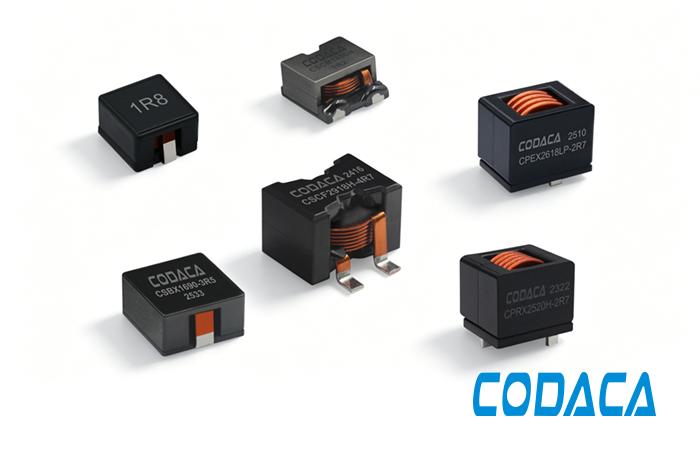
2) ຕົວຕ້ານທາງພະລັງງານທີ່ຖືກຂຶ້ນຮູບ (Molding Power Choke)
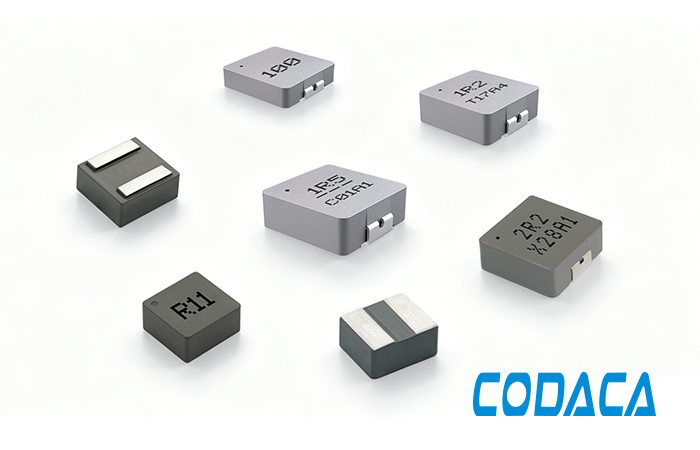
ຕົວຕ້ານທາງພະລັງງານທີ່ຖືກຂຶ້ນຮູບ (Molding Power Chokes) ແມ່ນ ຖືກຂຶ້ນຮູບດ້ວຍ ວັດສະດຸຫຼັກທີ່ເປັນຜົງເຫລັກທີ່ມີການສູນເສຍຕ່ຳ. ມັນມີໂຄງສ້າງທີ່ຖືກປ້ອງກັນຢ່າງເຕັມທີ່, ມີຄວາມຕ້ານທານ EMI ທີ່ແຂງແຮງ, ຄວາມຕ້ານທານ DC ຕ່ຳ, ສາມາດຮັບປະຈຸບັນໄດ້ສູງ, ແລະ ການສູນເສຍໃນສ່ວນຫຼັກຕ່ຳ, ເຊິ່ງສອດຄ່ອງກັບຄວາມຕ້ອງການຂອງບາງແຫຼ່ງຈ່າຍພະລັງງານເລເຊີທີ່ຕ້ອງການຂະໜາດນ້ອຍ, ປະຈຸບັນສູງ, ແລະ ຄວາມຕ້ານທານ EMI.
ຕົວຢ່າງ: CSAB / CSAC / CSHB / CSEB / CSEC, ແລະອື່ນໆ.
3) ຕົວຕ້ານໄຟຟ້າແບບ SMD
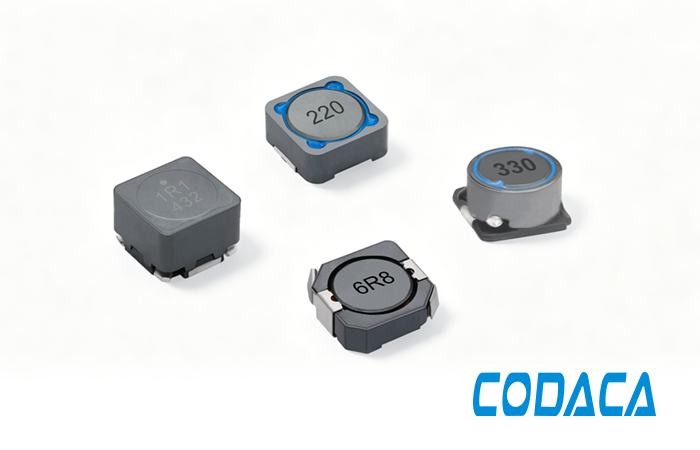
ຕົວຕ້ານໄຟຟ້າແບບ SMD ໃຊ້ວັດສະດຸຫຼັກທີ່ມີຄວາມຖີ່ສູງ ແລະ ການສູນເສຍຕ່ຳ, ມີການສູນເສຍທີ່ຕ່ຳໃນຄວາມຖີ່ສູງ; ມີຂະໜາດນ້ອຍເໝາະສຳລັບການຕິດຕັ້ງທີ່ມີຄວາມໜາແໜ້ນສູງ; ແລະ ມີການອອກແບບໂຄງສ້າງທີ່ປ້ອງກັນດ້ວຍແມ່ເຫຼັກທີ່ມີຄວາມຕ້ານທານ EMI ແຂງແຮງ.
ຕົວຢ່າງ: SPRH / CSUS / SPQ / SPBL, ແລະອື່ນໆ.
ຕົວຕ້ານໄຟຟ້າແຕ່ລະປະເພດມີຂໍ້ດີດ້ານການປະຕິບັດງານຂອງຕົນເອງ. ການເລືອກເອົາຄວນເຮັດຢ່າງຖືກຕ້ອງຕາມພາລາມິເຕີການໃຊ້ງານຈິງເພື່ອຮັບປະກັນການປະຕິບັດງານ ແລະ ຄວາມເຊື່ອຖືໄດ້ຂອງແຫຼ່ງຈ່າຍພະລັງງານເລເຊີ. ທ່ານຍັງສາມາດຕິດຕໍ່ທີມງານຂາຍຂອງ CODACA ເພື່ອຮັບຄຳແນະນຳກ່ຽວກັບການເລືອກເອົາ.