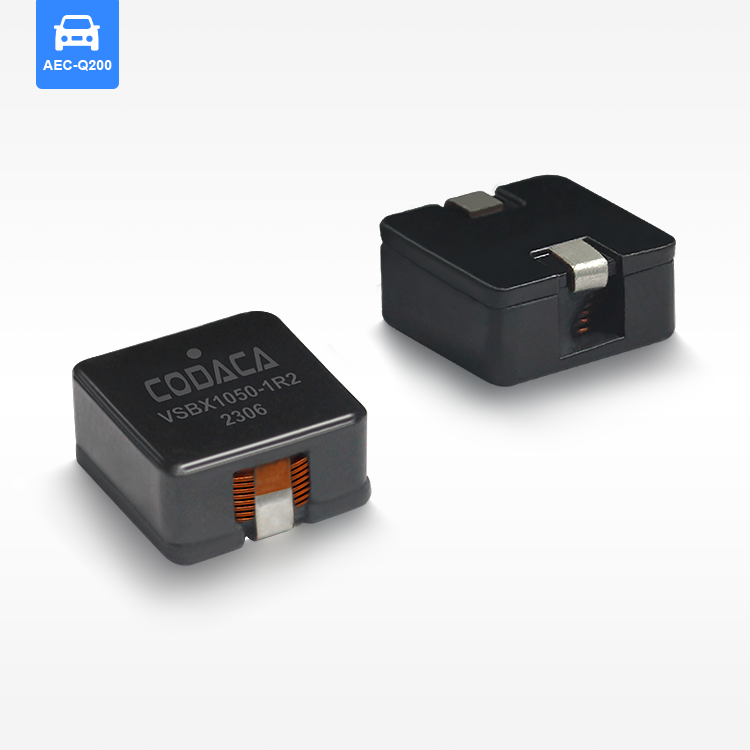
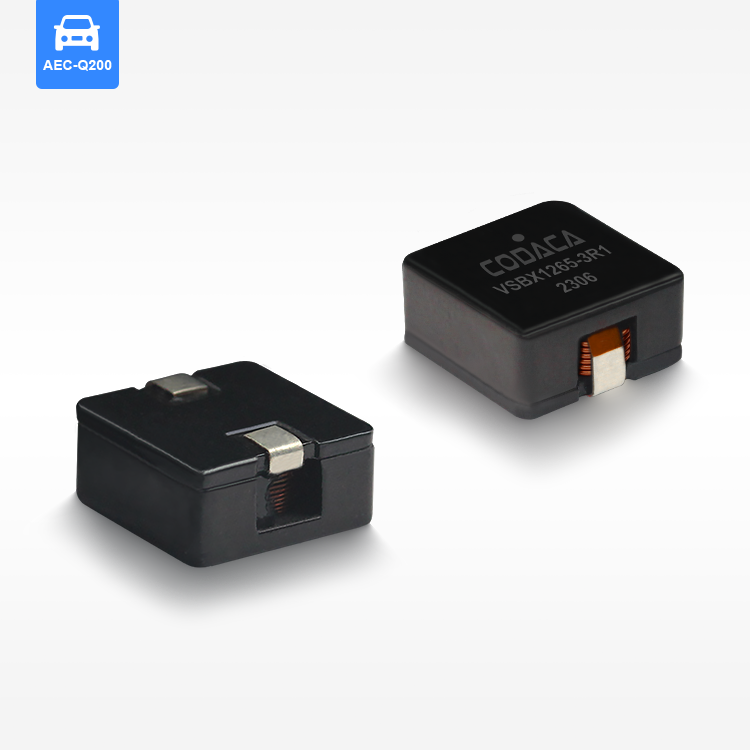
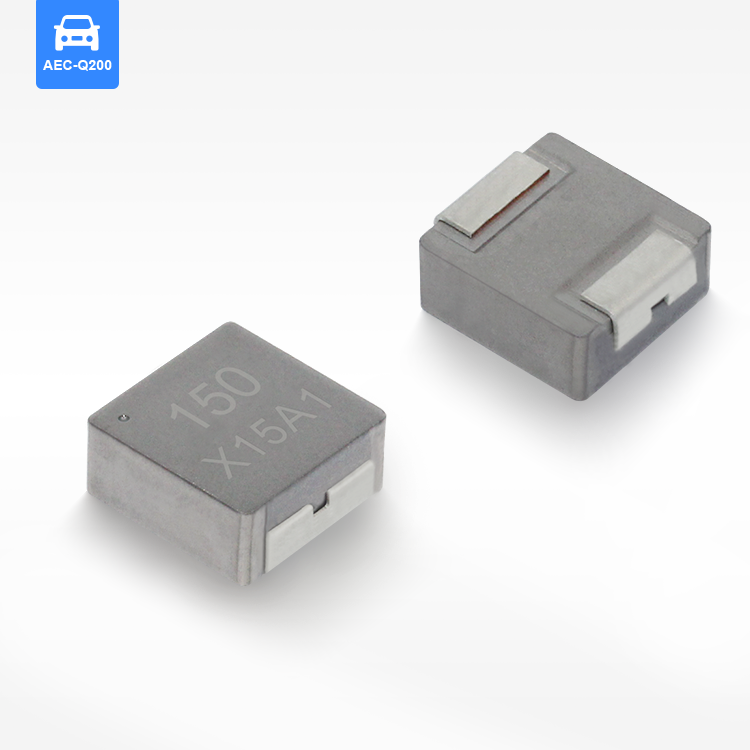
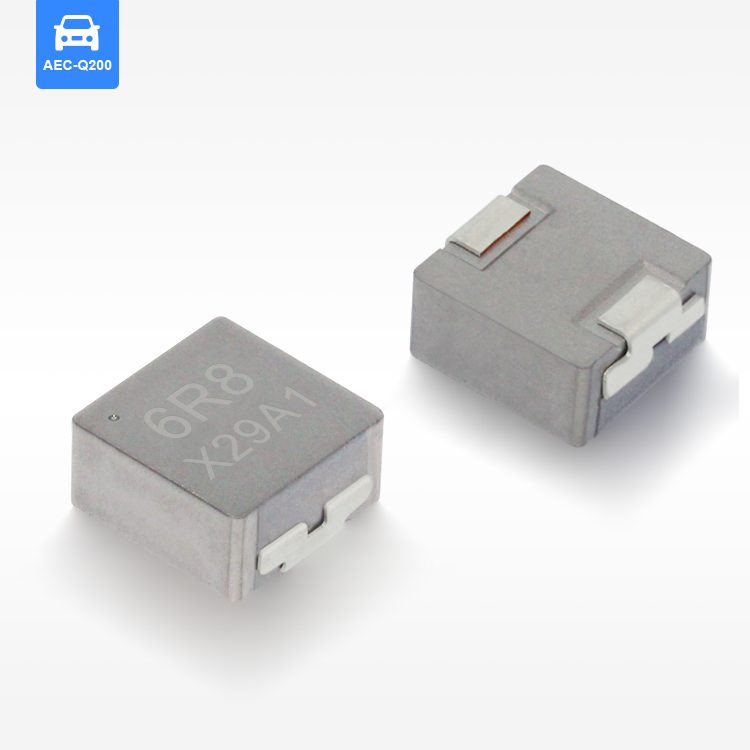
High-Performance Toroidal Inductance Solutions - Superior Efficiency & Compact Design

All Categories

Get a Free Quote

Our representative will contact you soon.
Email
Name
Company Name
Message
0/1000

toroidal inductance

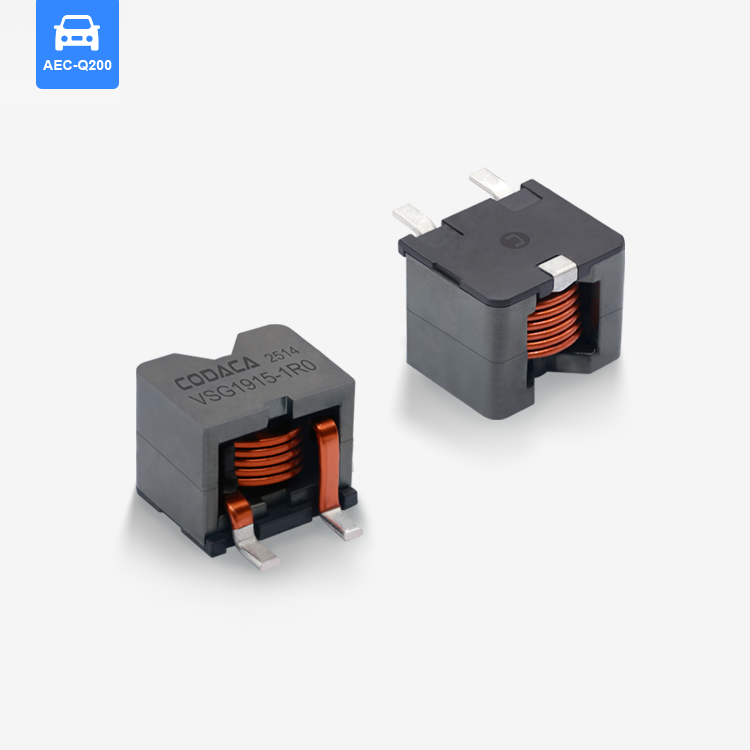
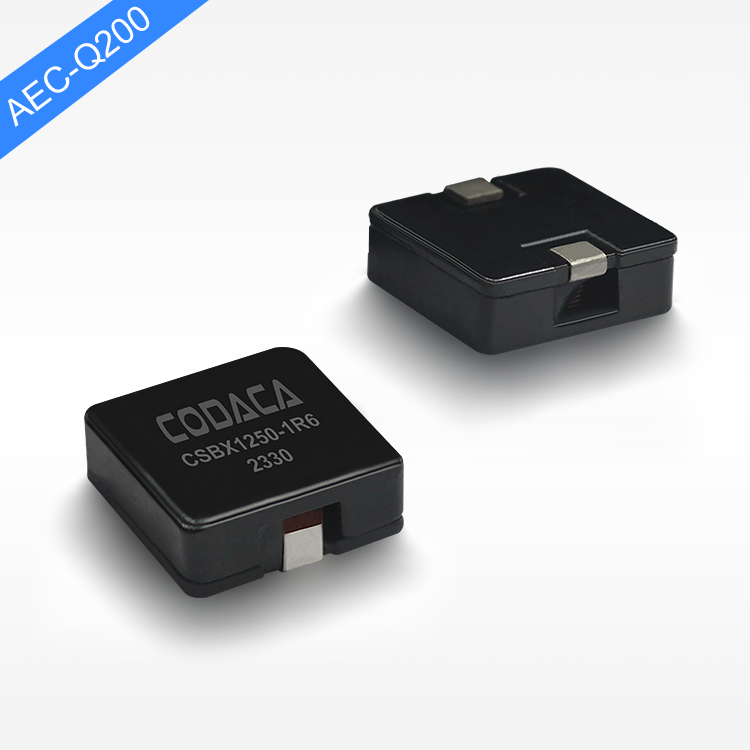
Toroidal inductance represents a revolutionary advancement in electromagnetic component design, offering superior performance characteristics that make it an essential choice for modern electronic applications. This specialized inductor utilizes a toroidal core structure, which consists of a doughnut-shaped ferromagnetic material wrapped with conductive wire windings. The unique geometric configuration of toroidal inductance creates a closed magnetic loop that significantly enhances efficiency while minimizing electromagnetic interference. The main functions of toroidal inductance include energy storage in magnetic fields, current filtering, voltage regulation, and signal conditioning across various frequency ranges. These components excel in power supply circuits, where they smooth DC outputs and reduce ripple voltage, ensuring stable power delivery to sensitive electronic devices. The technological features of toroidal inductance stem from its innovative core design, which concentrates magnetic flux within the toroidal structure, preventing field leakage and reducing losses. This configuration enables higher inductance values in compact form factors compared to traditional air-core or rod-core inductors. The windings are distributed evenly around the toroidal core, creating uniform magnetic field distribution and minimizing hotspots during operation. Advanced materials such as ferrite, powdered iron, or amorphous metals are employed as core materials, each offering specific permeability characteristics suited for different frequency ranges and power levels. Manufacturing precision ensures consistent electrical parameters, including inductance tolerance, quality factor, and saturation current ratings. Applications of toroidal inductance span numerous industries, from consumer electronics to industrial automation systems. In switching power supplies, these components provide essential filtering and energy storage functions, enabling efficient voltage conversion with minimal electromagnetic noise generation. Audio equipment benefits from toroidal inductance through improved signal clarity and reduced distortion, particularly in high-fidelity amplifiers and crossover networks. Telecommunications infrastructure relies on toroidal inductance for impedance matching, signal coupling, and noise suppression in data transmission systems. Medical devices incorporate these inductors for precise current control and patient safety isolation. Automotive electronics utilize toroidal inductance in engine management systems, power steering controls, and hybrid vehicle inverters, where reliability and electromagnetic compatibility are crucial requirements.

New Product Releases

Toroidal inductance delivers exceptional benefits that transform electronic system performance while providing measurable cost advantages for manufacturers and end users alike. The most significant advantage lies in superior electromagnetic shielding capabilities, which virtually eliminate external interference and prevent the component from affecting nearby circuits. This self-contained magnetic field design means engineers can place toroidal inductance components closer together without cross-coupling issues, enabling more compact circuit boards and reduced manufacturing costs. The efficiency gains from toroidal inductance are substantial, typically achieving 90-95% efficiency compared to 70-85% for conventional inductors. This improved efficiency translates directly into reduced heat generation, lower power consumption, and extended battery life in portable devices. Users experience longer operation times and reduced electricity bills, while manufacturers benefit from simplified thermal management and smaller cooling requirements. Size reduction represents another compelling advantage, as toroidal inductance components occupy 50-70% less space than equivalent traditional inductors while delivering identical or superior performance. This space savings allows for smaller product designs, reduced material costs, and improved portability that consumers value highly. The weight reduction achieves similar proportions, making toroidal inductance ideal for aerospace, automotive, and mobile applications where every gram matters. Manufacturing consistency provides significant quality advantages, with toroidal inductance components exhibiting tighter tolerance ranges and more predictable performance characteristics. This reliability reduces field failures, warranty claims, and customer dissatisfaction while improving brand reputation. The symmetrical construction of toroidal inductance minimizes mechanical stress and vibration sensitivity, ensuring stable operation in demanding environments. Installation advantages include simplified mounting requirements and reduced electromagnetic compatibility testing during product certification. Engineers spend less time on circuit layout optimization and shielding design, accelerating time-to-market and reducing development costs. The inherent noise reduction properties of toroidal inductance eliminate the need for additional filtering components in many applications, further simplifying designs and reducing bill-of-materials costs. Long-term reliability benefits include resistance to core saturation, minimal aging effects, and stable performance across wide temperature ranges. These characteristics reduce maintenance requirements and extend product lifecycles, providing excellent return on investment for both manufacturers and end users who demand dependable electronic systems.

Latest News

The Science Behind Automotive Grade Molding Power Choke Design

31

Mar

The Science Behind Automotive Grade Molding Power Choke Design

Introduction Automotive grade molding power chokes, also known as molded power inductors, are essential components in electrical circuits particularly within the automotive industry. These chokes consist of a coil of wire wound around a ferrite core...
View More
Inductors: A Solution for Noise Reduction in Digital Amplifiers

13

May

Inductors: A Solution for Noise Reduction in Digital Amplifiers

Understanding Noise Challenges in Digital Amplifiers Sources of Switching Noise in Digital Amplifiers Remedying the problem of switching noise, and the EMI it can cause is one of the hardest parts of digital amplifiers. High frequency switching...
View More
Features of Painted and Unpainted Integrated Molded Inductors

26

May

Features of Painted and Unpainted Integrated Molded Inductors

Overview Integrated molded inductors are characterized by high saturation, low loss, strong electromagnetic interference (EMI) resistance, ultra-low buzzing noise, and high automation, making them widely used in various electronic devices. In the cur...
View More
How to Select Wires in the Preparation Process of Integrated Molding Power Choke

26

May

How to Select Wires in the Preparation Process of Integrated Molding Power Choke

Wires are one of the crucial raw materials in the preparation of integrated molded inductors. Selecting appropriate wires exerts a significant impact on their manufacturing process. The following content will provide a brief introduction to wire sele...
View More

Get a Free Quote

Our representative will contact you soon.
Email
Name
Company Name
Message
0/1000

toroidal inductance

Superior Electromagnetic Compatibility and Noise Reduction

Superior Electromagnetic Compatibility and Noise Reduction

Toroidal inductance achieves unparalleled electromagnetic compatibility through its innovative closed-loop magnetic design, making it the preferred choice for sensitive electronic applications where signal integrity is paramount. The toroidal geometry confines magnetic flux entirely within the core structure, creating virtually zero external magnetic field radiation that could interfere with adjacent components or circuits. This self-shielding characteristic eliminates the need for expensive external shielding materials or increased component spacing, resulting in significant cost savings and design flexibility. Engineers working with toroidal inductance components report up to 40dB reduction in electromagnetic emissions compared to conventional rod-core or air-core inductors, enabling products to easily meet stringent EMC regulations without additional filtering components. The noise reduction capabilities extend beyond electromagnetic interference to include audible noise elimination, particularly important in audio equipment and consumer electronics where user experience depends on quiet operation. Traditional inductors often generate audible humming or buzzing sounds due to magnetostriction effects and vibrating windings, but toroidal inductance construction minimizes these phenomena through balanced magnetic forces and secure winding tension. This makes toroidal inductance components ideal for high-end audio systems, medical equipment, and office electronics where noise pollution is unacceptable. The superior EMC performance of toroidal inductance also translates into simplified certification processes for electronic products, as manufacturers spend less time and money on compliance testing and design modifications. Regulatory approvals proceed more smoothly when toroidal inductance components are specified, reducing time-to-market and associated costs. Furthermore, the excellent electromagnetic compatibility ensures reliable operation in dense electronic environments such as data centers, industrial control panels, and automotive engine compartments, where multiple electronic systems must coexist without mutual interference. The investment in toroidal inductance technology pays dividends through improved system reliability, reduced warranty claims, and enhanced customer satisfaction across diverse applications ranging from telecommunications infrastructure to renewable energy systems.
Exceptional Efficiency and Thermal Performance

Exceptional Efficiency and Thermal Performance

Toroidal inductance technology delivers remarkable efficiency improvements that directly translate into superior thermal performance, reduced operating costs, and enhanced system reliability for demanding applications. The core losses in toroidal inductance components are minimized through optimized magnetic flux distribution, achieving efficiency levels that consistently exceed 95% across wide frequency ranges and load conditions. This exceptional efficiency stems from the elimination of air gaps and flux leakage that plague traditional inductor designs, ensuring maximum energy transfer with minimal waste heat generation. Users benefit immediately from reduced power consumption, with typical energy savings of 15-25% compared to conventional inductors in equivalent applications. These savings compound over time, particularly in always-on systems such as server power supplies, LED drivers, and industrial motor controls, where reduced electricity costs provide measurable return on investment. The superior thermal performance of toroidal inductance components enables operation at higher current densities without excessive temperature rise, allowing designers to specify smaller components while maintaining safety margins and reliability standards. Heat dissipation is naturally enhanced by the toroidal geometry, which provides optimal surface area for convective cooling while distributing thermal loads evenly throughout the structure. This thermal advantage eliminates hot spots that could degrade core materials or compromise winding insulation, extending component life and reducing maintenance requirements. System designers appreciate the simplified thermal management enabled by toroidal inductance technology, as reduced heat generation minimizes cooling requirements and allows for more compact enclosures. Fan speeds can be reduced or eliminated entirely in many applications, improving reliability while reducing noise and power consumption. The excellent thermal characteristics of toroidal inductance make these components particularly valuable in harsh environments such as automotive under-hood applications, industrial process control, and outdoor telecommunications equipment, where temperature extremes and thermal cycling could otherwise cause premature failures. Additionally, the stable electrical parameters of toroidal inductance across temperature ranges ensure consistent performance regardless of ambient conditions, providing predictable operation that engineers can confidently design around without extensive derating or safety margins.
Compact Design and Superior Power Density

Compact Design and Superior Power Density

Toroidal inductance technology revolutionizes space utilization in electronic systems through exceptional power density capabilities that enable dramatic size reductions without performance compromises. The inherent efficiency of the toroidal magnetic circuit allows designers to achieve equivalent inductance values using significantly less core material and copper winding compared to traditional inductor configurations. This material efficiency translates directly into size advantages, with toroidal inductance components typically occupying 50-70% less board space while delivering identical or superior electrical performance. The compact nature of toroidal inductance proves especially valuable in portable electronics, where every cubic millimeter of internal volume impacts product design possibilities and user experience. Mobile device manufacturers leverage toroidal inductance technology to create thinner smartphones, lighter laptops, and more compact wearable devices without sacrificing battery life or performance capabilities. The reduced component count enabled by high-efficiency toroidal inductance further enhances space savings, as fewer filtering components and thermal management elements are required. Weight reduction accompanies size benefits, making toroidal inductance components ideal for aerospace applications, electric vehicles, and portable medical equipment where mass optimization directly impacts performance and operational costs. The superior power handling capabilities of toroidal inductance technology enable higher current densities in smaller packages, supporting the trend toward miniaturization in power electronics while maintaining safety and reliability standards. Engineers can specify toroidal inductance components with confidence in space-constrained applications such as point-of-load converters, battery management systems, and motor drive circuits where traditional inductors would require prohibitive space allocations. The mechanical advantages of toroidal inductance construction include inherent structural stability and resistance to vibration, eliminating the need for additional mechanical support structures that would consume valuable space. Manufacturing benefits include simplified assembly processes and reduced handling requirements, as the compact toroidal inductance components integrate seamlessly into automated production lines. The space efficiency of toroidal inductance technology enables new product categories and design possibilities that were previously impossible with conventional magnetic components, opening markets for ultra-portable electronics, miniaturized medical implants, and high-density power systems that meet growing demands for performance in smaller packages.