Automotive Grade Inductors for Motor Control - High Performance Components for Vehicle Applications

All Categories

Get a Free Quote

Our representative will contact you soon.
Email
Name
Company Name
Message
0/1000

automotive grade inductor for motor control

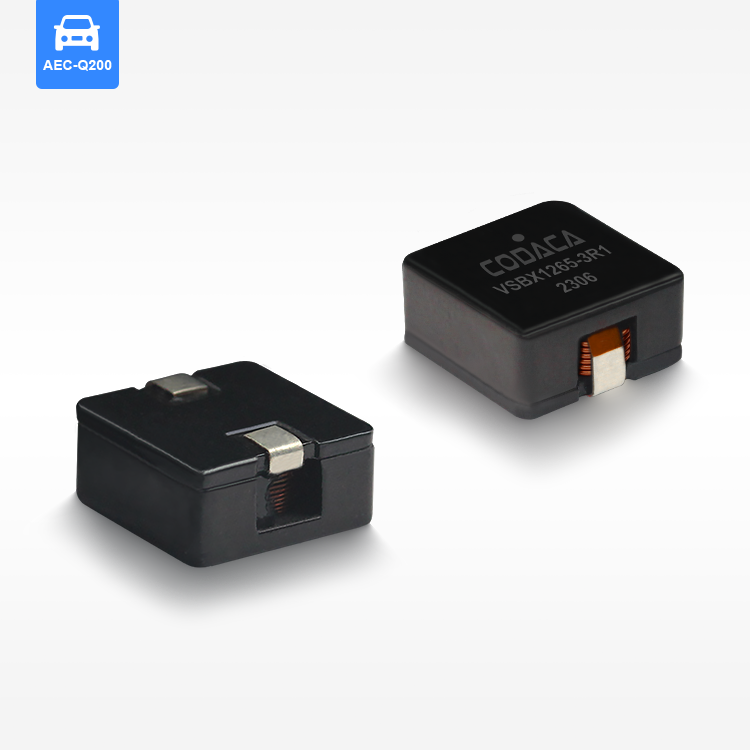
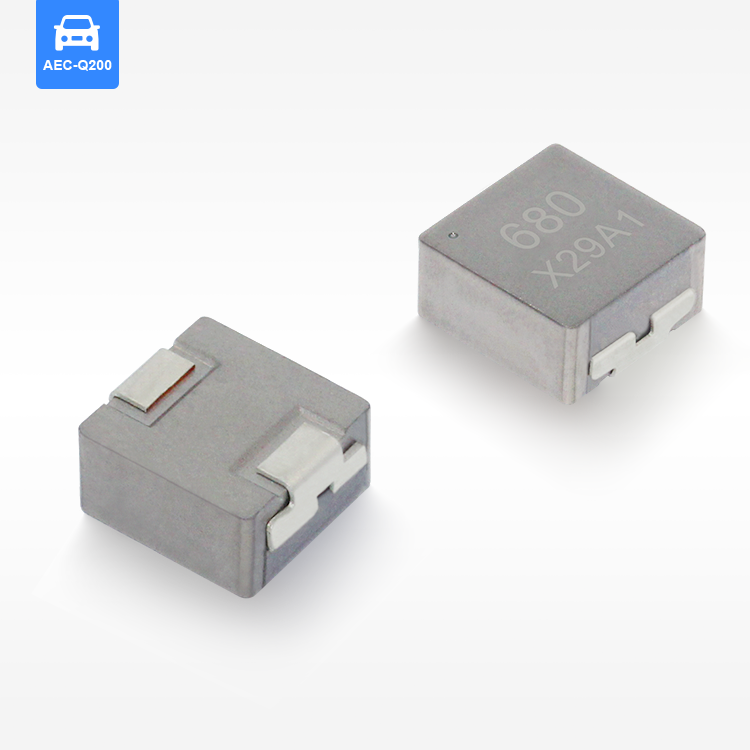
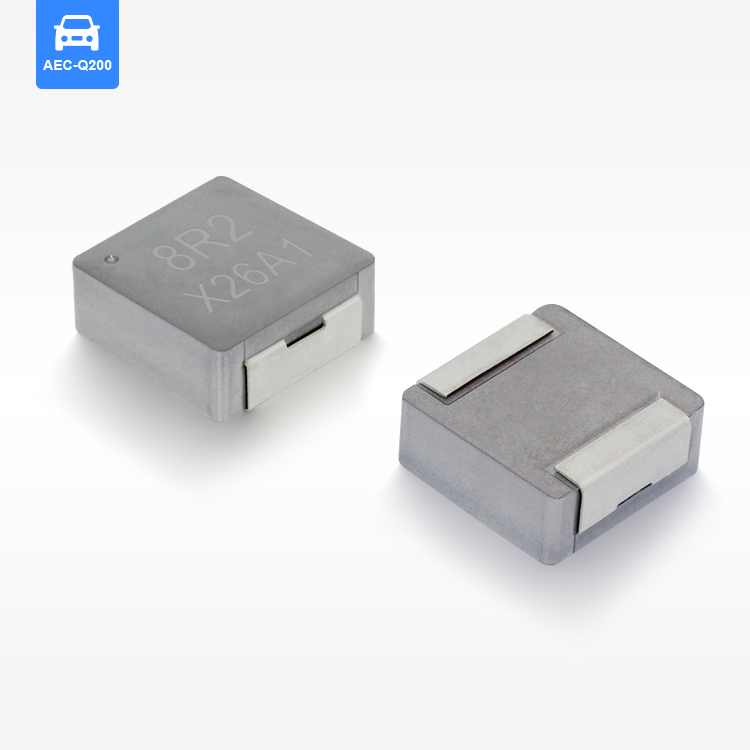
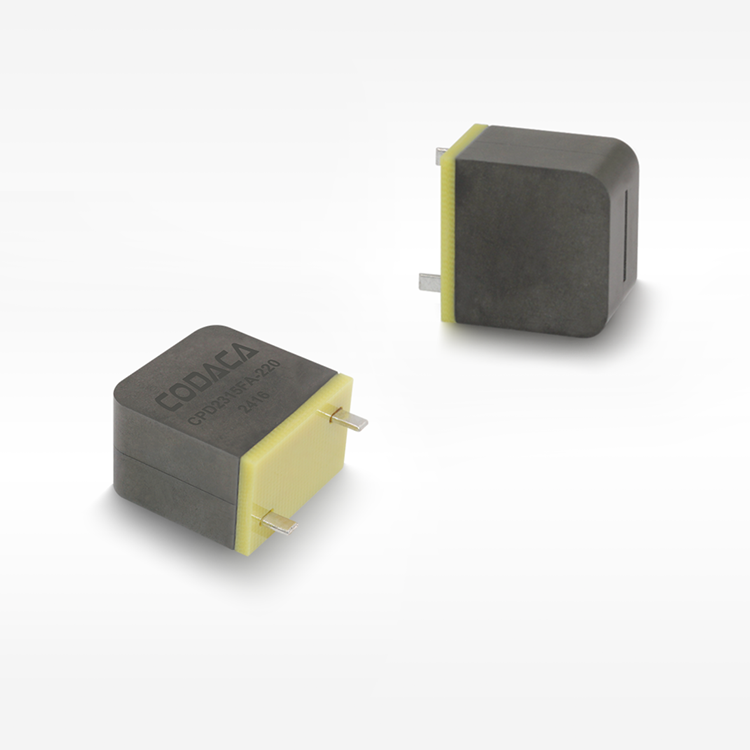
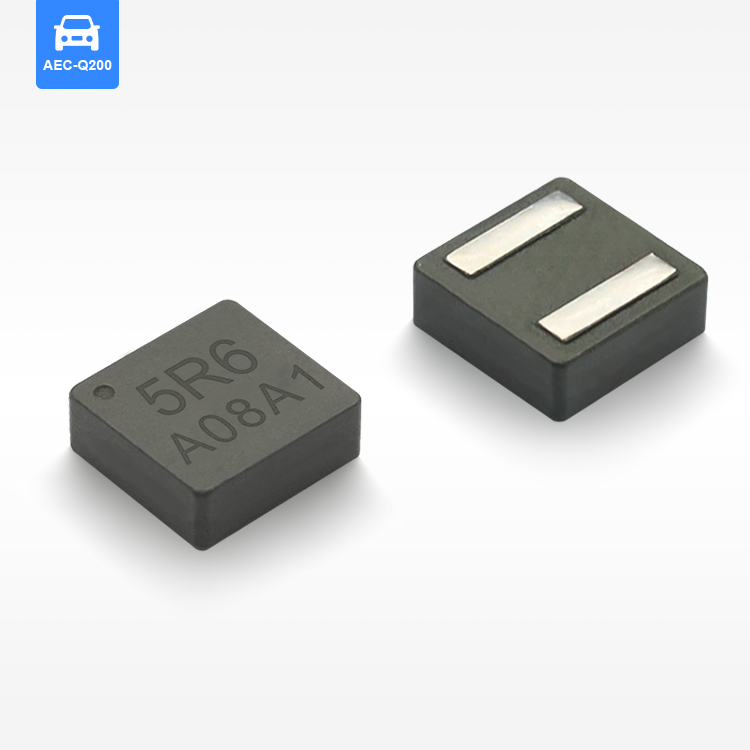
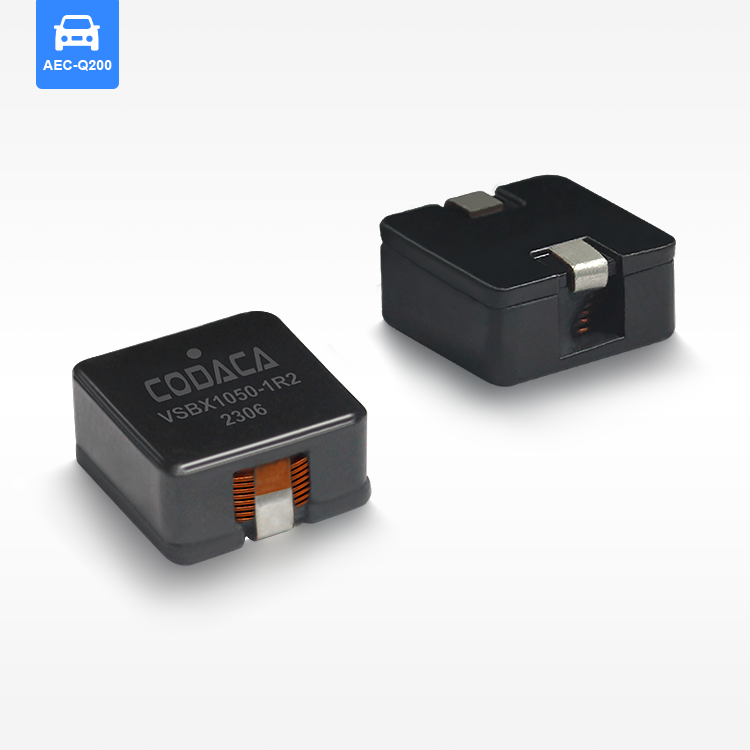
The automotive grade inductor for motor control represents a critical electronic component specifically engineered to meet the demanding requirements of modern vehicle systems. These specialized inductors serve as energy storage devices that manage electrical current flow within motor control circuits, ensuring optimal performance and reliability in automotive applications. Unlike standard inductors, automotive grade inductors for motor control undergo rigorous testing and certification processes to withstand extreme operating conditions including temperature fluctuations, vibrations, and electromagnetic interference commonly encountered in vehicle environments. The primary function of an automotive grade inductor for motor control involves smoothing current ripples, filtering electrical noise, and providing energy storage capabilities during switching operations in motor drive circuits. These components play essential roles in electric vehicle powertrains, hybrid vehicle systems, and various auxiliary motor applications throughout modern automobiles. The technological features of automotive grade inductors for motor control include enhanced magnetic core materials, specialized winding techniques, and robust encapsulation methods that ensure long-term durability. Advanced ferrite or powder core technologies enable these inductors to maintain stable inductance values across wide temperature ranges while minimizing core losses. The applications of automotive grade inductors for motor control span across multiple vehicle systems including electric power steering, cooling fan motors, fuel injection systems, and traction motor controllers in electric and hybrid vehicles. These components must comply with strict automotive quality standards such as AEC-Q200 qualification requirements, ensuring they can operate reliably for the vehicle's entire lifespan. Modern automotive grade inductors for motor control incorporate innovative design elements like low DC resistance windings and optimized magnetic flux distribution to maximize efficiency and minimize heat generation during operation.

New Product Recommendations

Automotive grade inductors for motor control deliver exceptional reliability that surpasses standard electronic components through specialized design and manufacturing processes. These inductors undergo extensive qualification testing that validates their performance under extreme automotive conditions, providing manufacturers and consumers with confidence in long-term durability. The enhanced reliability translates directly into reduced warranty claims and maintenance costs for vehicle manufacturers while ensuring consistent performance throughout the vehicle's operational life. Temperature stability represents another significant advantage of automotive grade inductors for motor control, as these components maintain consistent electrical characteristics across temperature ranges from negative forty to positive one hundred fifty degrees Celsius. This temperature resilience ensures that motor control systems operate efficiently regardless of climate conditions or engine bay temperatures, preventing performance degradation that could affect vehicle functionality. The electromagnetic compatibility features of automotive grade inductors for motor control provide superior noise suppression capabilities compared to standard inductors. These components effectively filter electrical interference that could disrupt sensitive electronic systems within vehicles, contributing to improved overall system performance and reduced electromagnetic emissions that must comply with regulatory standards. Cost effectiveness emerges as a practical benefit when considering the total ownership costs associated with automotive grade inductors for motor control. While initial component costs may exceed standard alternatives, the extended lifespan and reduced failure rates result in lower overall system costs through decreased replacement frequency and maintenance requirements. Energy efficiency improvements achieved through automotive grade inductors for motor control contribute to enhanced fuel economy in traditional vehicles and extended range in electric vehicles. The optimized magnetic materials and precision winding techniques minimize energy losses during operation, translating into measurable improvements in overall system efficiency. Installation simplicity and compatibility advantages make automotive grade inductors for motor control attractive options for manufacturers seeking to streamline production processes. These components typically feature standardized mounting configurations and electrical specifications that facilitate integration into existing motor control circuit designs without requiring extensive modifications. Quality assurance benefits associated with automotive grade inductors for motor control include comprehensive traceability and documentation that supports automotive quality management systems, enabling manufacturers to maintain detailed records for regulatory compliance and quality control purposes.

Tips And Tricks

The Science Behind Automotive Grade Molding Power Choke Design

31

Mar

The Science Behind Automotive Grade Molding Power Choke Design

Introduction Automotive grade molding power chokes, also known as molded power inductors, are essential components in electrical circuits particularly within the automotive industry. These chokes consist of a coil of wire wound around a ferrite core...
View More
How High Current Power Inductors Enhance Energy Efficiency

31

Mar

How High Current Power Inductors Enhance Energy Efficiency

Introduction High current power inductors are crucial components in power electronics, designed to store energy in a magnetic field while allowing significant currents to pass through. These inductors are essential for a variety of applications, inc...
View More
A Brief Analysis of Inductor Noise and Solutions

26

May

A Brief Analysis of Inductor Noise and Solutions

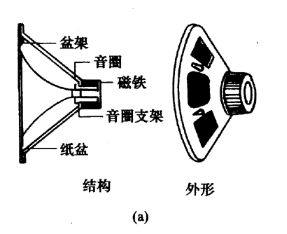
1.The principle of noise generation Noise is generated by the vibration of objects. Let's take a speaker as an example to understand the principle of vibration.A speaker does not directly convert electrical energy into sound energy. Instead, it uses ...
View More
Features of Painted and Unpainted Integrated Molded Inductors

26

May

Features of Painted and Unpainted Integrated Molded Inductors

Overview Integrated molded inductors are characterized by high saturation, low loss, strong electromagnetic interference (EMI) resistance, ultra-low buzzing noise, and high automation, making them widely used in various electronic devices. In the cur...
View More

Get a Free Quote

Our representative will contact you soon.
Email
Name
Company Name
Message
0/1000

automotive grade inductor for motor control

Superior Temperature Performance and Environmental Durability

Superior Temperature Performance and Environmental Durability

The exceptional temperature performance of automotive grade inductors for motor control sets them apart from conventional electronic components through advanced materials engineering and specialized construction techniques. These inductors maintain stable inductance values and electrical characteristics across extreme temperature ranges that span from negative forty degrees Celsius to positive one hundred fifty degrees Celsius, ensuring reliable operation in diverse climatic conditions and demanding automotive environments. The temperature stability stems from carefully selected magnetic core materials that exhibit minimal temperature coefficients, preventing inductance drift that could compromise motor control precision. Advanced ferrite formulations and powder core technologies incorporated in automotive grade inductors for motor control resist thermal stress while maintaining consistent magnetic properties throughout temperature cycling. The environmental durability extends beyond temperature resistance to encompass protection against moisture, vibration, and chemical exposure commonly encountered in automotive applications. Specialized encapsulation materials and sealing techniques create robust barriers that prevent contaminant ingress while maintaining electrical insulation integrity. This environmental protection ensures that automotive grade inductors for motor control continue operating reliably despite exposure to road salt, engine fluids, and atmospheric moisture that could degrade lesser components. The vibration resistance built into these inductors addresses the constant mechanical stress present in vehicle environments, where engines, road surfaces, and driving dynamics create continuous vibrational forces. Reinforced construction methods and secure mounting systems prevent mechanical failure and maintain electrical connections throughout the vehicle's operational life. This durability translates into significant value for automotive manufacturers by reducing warranty claims and service requirements while providing end users with dependable vehicle performance that maintains consistency over time and across varying operating conditions.
Advanced Electromagnetic Interference Suppression Technology

Advanced Electromagnetic Interference Suppression Technology

Automotive grade inductors for motor control incorporate sophisticated electromagnetic interference suppression technology that addresses the increasingly complex electromagnetic environment within modern vehicles. These specialized components feature advanced shielding techniques and optimized magnetic circuit designs that effectively attenuate both conducted and radiated electromagnetic interference, protecting sensitive electronic systems from disruption while ensuring compliance with stringent automotive EMC regulations. The electromagnetic compatibility engineering built into automotive grade inductors for motor control utilizes multiple suppression mechanisms including magnetic field containment, common mode noise filtering, and differential mode interference reduction. Advanced core materials with high magnetic permeability concentrate magnetic flux within the inductor structure, minimizing external field radiation that could interfere with nearby electronic components such as radio systems, navigation equipment, and engine control modules. The multi-layer filtering capabilities of automotive grade inductors for motor control provide comprehensive noise suppression across wide frequency ranges, addressing both low-frequency switching noise and high-frequency harmonic content generated by modern motor control circuits. This broad-spectrum interference suppression ensures that motor control systems operate cleanly without generating electromagnetic pollution that could disrupt other vehicle systems or violate regulatory emission limits. The integration of common mode filtering elements within automotive grade inductors for motor control addresses ground loop currents and cable-borne interference that can propagate throughout vehicle electrical systems. These filtering capabilities prevent interference coupling between different electronic modules, maintaining signal integrity and preventing cross-system interference that could cause unpredictable behavior or performance degradation. The value proposition of this electromagnetic interference suppression technology extends beyond regulatory compliance to encompass improved system reliability and reduced development complexity. Automotive manufacturers benefit from simplified EMC testing procedures and reduced need for additional filtering components, while end users experience improved radio reception, reduced electronic noise, and enhanced overall vehicle electronic system performance that remains stable throughout the vehicle's operational lifetime.
Enhanced Efficiency and Power Density Optimization

Enhanced Efficiency and Power Density Optimization

The efficiency optimization achieved through automotive grade inductors for motor control represents a breakthrough in power electronics design that directly impacts vehicle performance and energy consumption. These specialized inductors incorporate low-loss magnetic materials and precision-wound conductor configurations that minimize energy dissipation during motor control operations, translating into measurable improvements in overall system efficiency and reduced thermal management requirements. The power density optimization built into automotive grade inductors for motor control enables compact motor control system designs that save valuable space within vehicle assemblies while maintaining high performance levels. Advanced magnetic core geometries and high-saturation flux density materials allow these inductors to handle substantial current levels within smaller physical packages compared to conventional alternatives. This miniaturization capability provides automotive designers with greater flexibility in system layout while reducing overall component weight and material costs. The efficiency benefits of automotive grade inductors for motor control extend throughout the motor drive system by reducing switching losses, minimizing ripple current, and improving power factor characteristics. Lower switching losses translate directly into reduced heat generation, which decreases cooling system requirements and improves overall reliability through lower operating temperatures. The ripple current reduction achieved by these inductors smooths motor current waveforms, reducing motor losses and extending motor lifespan while improving acoustic performance through reduced electromagnetic noise. Energy conservation achieved through automotive grade inductors for motor control contributes significantly to vehicle fuel economy and electric vehicle range extension. In hybrid and electric vehicles, the improved efficiency directly translates into extended driving range per charge cycle, while in conventional vehicles, enhanced auxiliary system efficiency contributes to overall fuel economy improvements. The cumulative effect of these efficiency gains becomes substantial over the vehicle's operational lifetime, providing measurable economic benefits to vehicle owners through reduced energy costs. The thermal management advantages resulting from improved efficiency reduce the burden on vehicle cooling systems and enable more compact motor control unit designs that require less complex thermal solutions, contributing to overall system cost reduction and improved packaging flexibility.