High-Performance Low Resistance Automotive Inductors - Enhanced Efficiency & Reliability

All Categories

Get a Free Quote

Our representative will contact you soon.
Email
Name
Company Name
Message
0/1000

low resistance automotive inductor

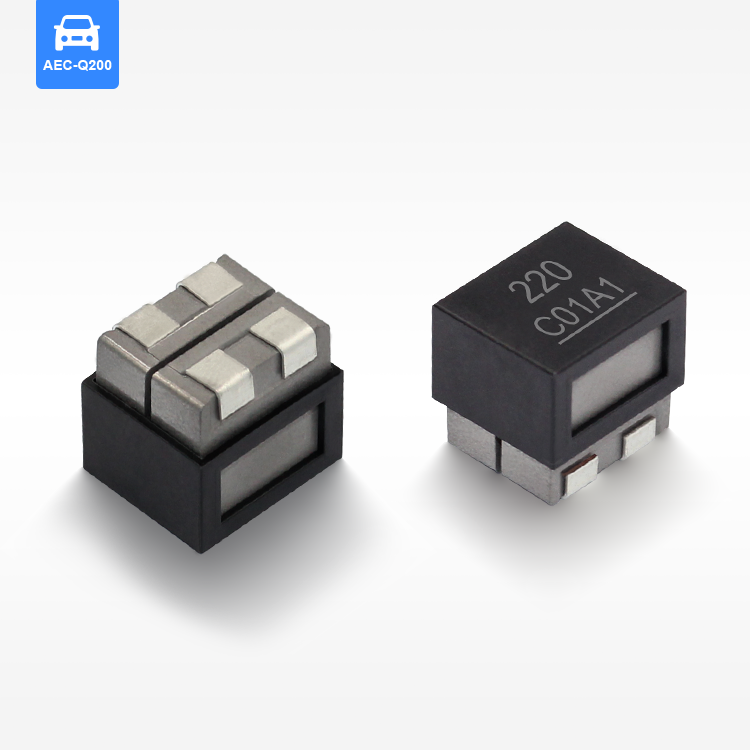
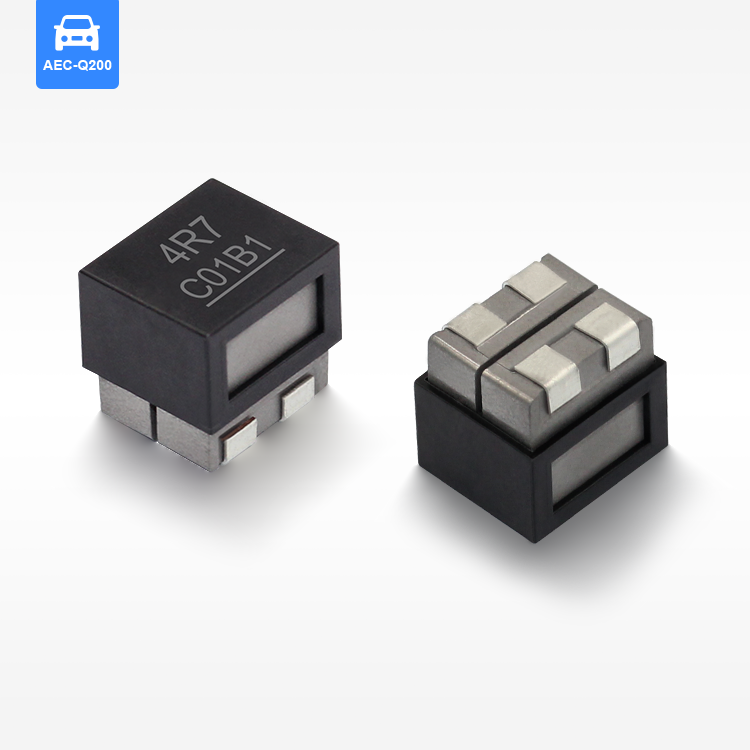
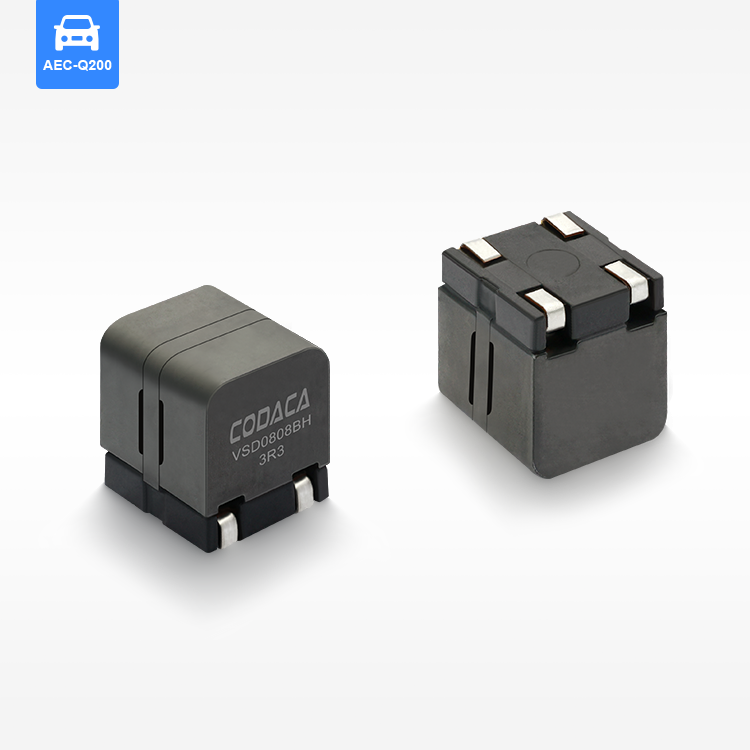
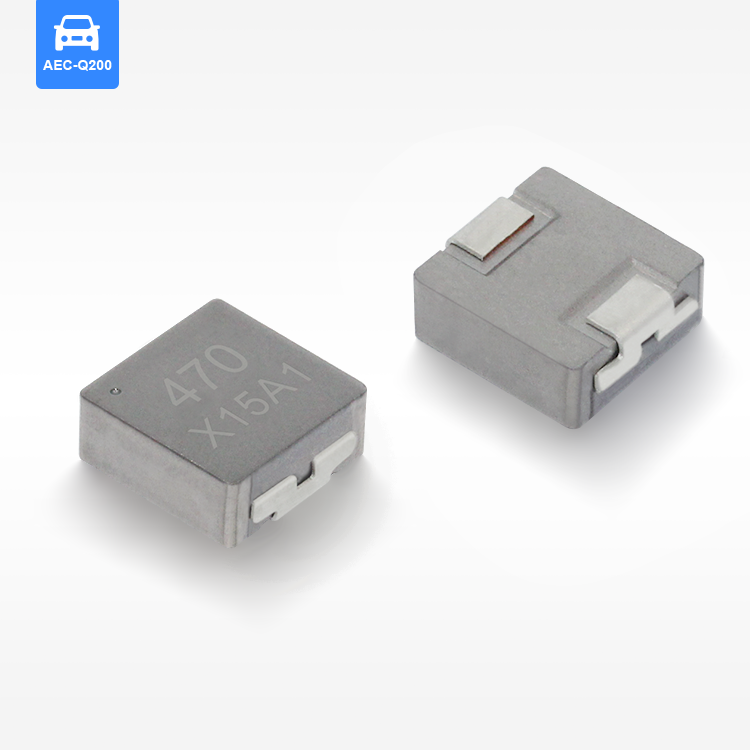
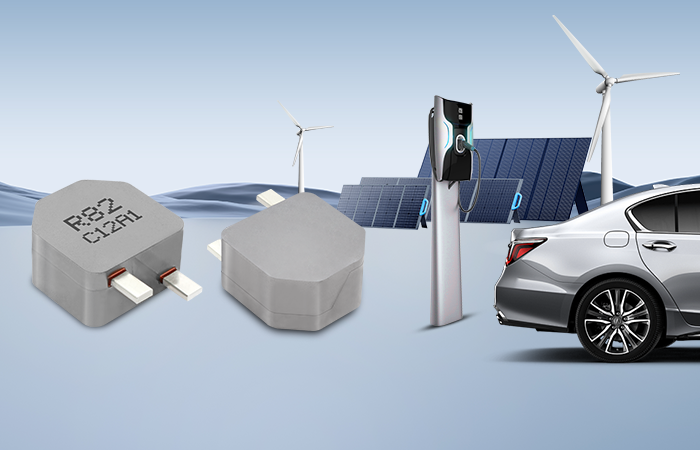
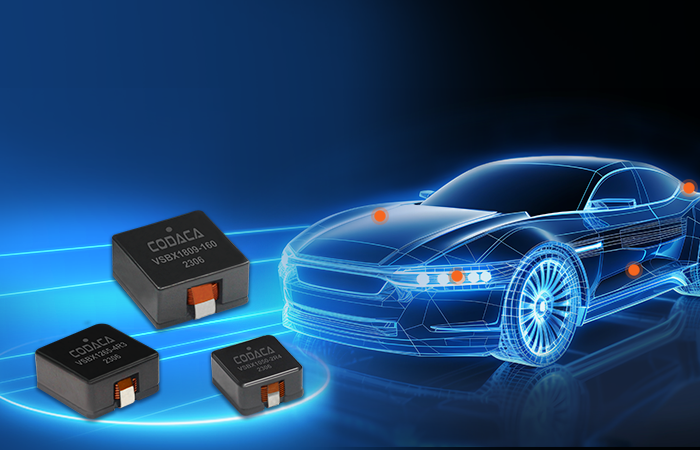
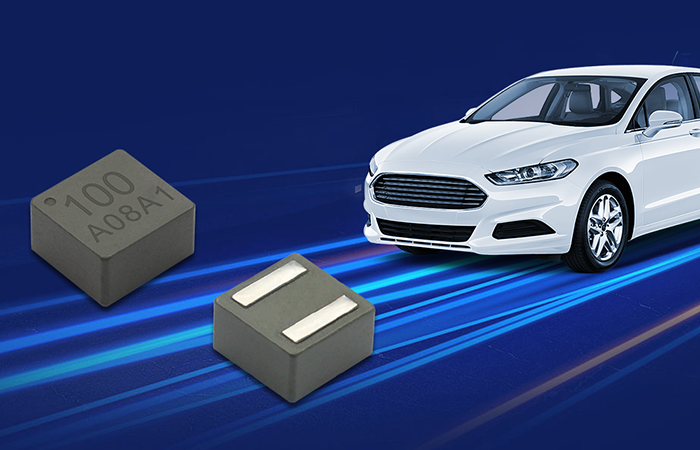
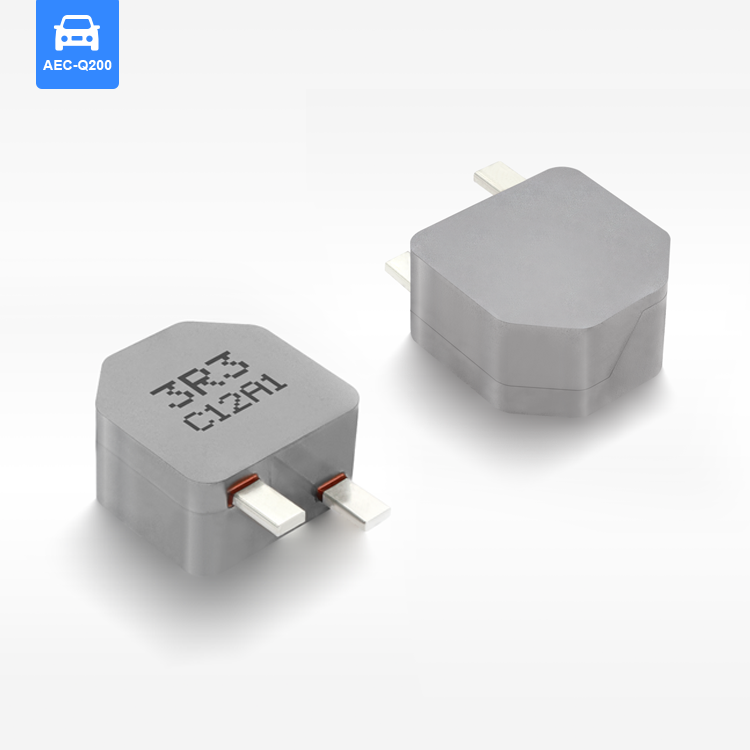
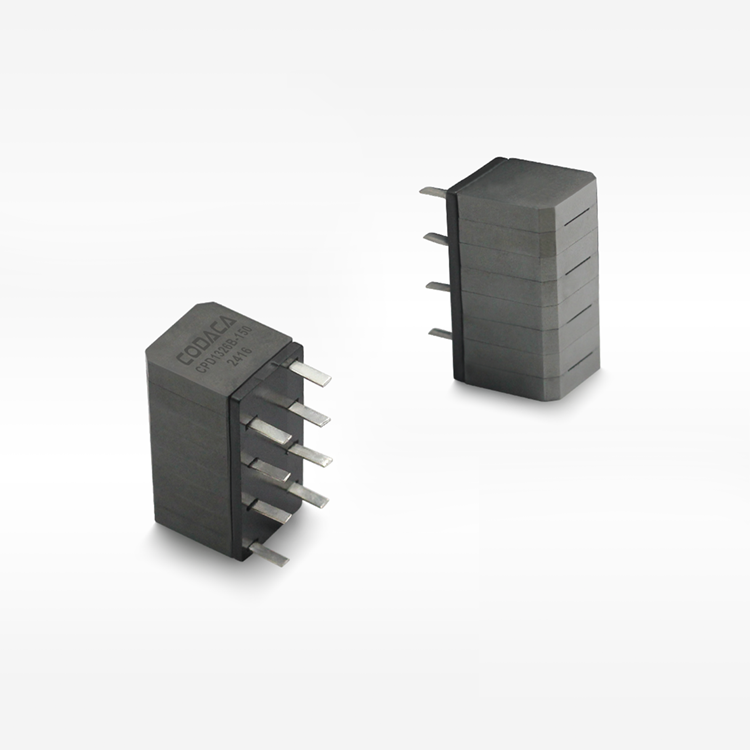
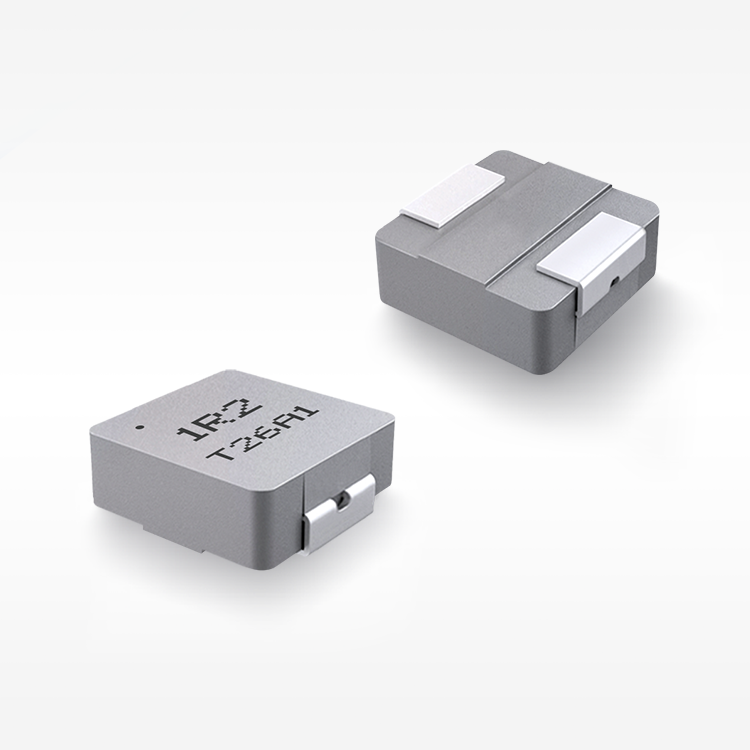
The low resistance automotive inductor represents a critical component in modern vehicle electrical systems, specifically engineered to meet the demanding requirements of automotive applications. This specialized electronic component serves as an energy storage device that opposes changes in electrical current, making it essential for various automotive circuits including power management systems, engine control units, and advanced driver assistance systems. The low resistance automotive inductor distinguishes itself from standard inductors through its optimized design that minimizes power losses while maintaining high performance standards required in harsh automotive environments. These components feature robust construction capable of withstanding extreme temperatures, vibrations, and electromagnetic interference commonly encountered in vehicle operations. The core function of a low resistance automotive inductor involves storing magnetic energy when current flows through its coiled wire structure, then releasing this energy to maintain circuit stability during power fluctuations. This functionality proves particularly valuable in automotive applications where consistent power delivery is crucial for safety-critical systems. The technological architecture of these inductors incorporates advanced materials such as ferrite cores and specialized copper windings that enhance magnetic permeability while reducing resistive losses. Manufacturing processes for low resistance automotive inductors employ precision winding techniques and quality control measures that ensure consistent performance across varying operational conditions. The compact form factor of these components allows for efficient integration into space-constrained automotive electronic modules without compromising performance. Quality certifications and automotive-grade testing protocols validate the reliability and durability of low resistance automotive inductors, ensuring they meet stringent automotive industry standards for component lifecycle and performance consistency throughout extended operational periods in demanding vehicular environments.

New Product Releases

Low resistance automotive inductors deliver substantial performance benefits that directly impact vehicle efficiency and reliability. The primary advantage stems from their exceptional energy efficiency, as the reduced resistance minimizes power losses during operation, leading to improved fuel economy and reduced heat generation in electronic systems. This enhanced efficiency translates into tangible cost savings for vehicle manufacturers and end users through decreased energy consumption and extended component lifespans. The superior thermal management characteristics of low resistance automotive inductors enable stable operation across wide temperature ranges, from frigid winter conditions to extreme summer heat, ensuring consistent performance regardless of environmental challenges. This thermal stability reduces the need for additional cooling systems, simplifying vehicle design while improving overall system reliability. The compact design of these inductors allows automotive engineers to optimize space utilization in increasingly crowded electronic control modules, enabling the integration of more advanced features without increasing vehicle weight or complexity. Manufacturing quality control processes ensure that each low resistance automotive inductor meets strict performance specifications, reducing warranty claims and improving customer satisfaction. The robust construction methodology employed in these components provides excellent resistance to mechanical stress, vibrations, and electromagnetic interference, factors that commonly cause component failures in automotive environments. Long-term reliability testing demonstrates that low resistance automotive inductors maintain their performance characteristics over extended periods, reducing maintenance requirements and improving vehicle uptime. Cost-effectiveness emerges as another significant advantage, as the improved efficiency and reliability of these components often result in lower total system costs despite potentially higher initial component prices. The standardized form factors and electrical specifications of low resistance automotive inductors facilitate easy integration into existing automotive designs, reducing development time and engineering costs for vehicle manufacturers. Advanced materials and construction techniques employed in these inductors provide superior electromagnetic compatibility, reducing interference with sensitive automotive electronics such as navigation systems, communication modules, and safety sensors, thereby enhancing overall vehicle performance and user experience.

Latest News

Innovations in Automotive Grade Molding Power Choke Technology

31

Mar

Innovations in Automotive Grade Molding Power Choke Technology

Introduction The evolution of automotive power chokes is a testament to the significant advancements in vehicle performance enhancement. Historically, these components, often referred to as "inductors", have played a pivotal role in stabilizing elec...
View More
How to Select the Best Automotive Grade High Current Power Inductors for Your Needs

31

Mar

How to Select the Best Automotive Grade High Current Power Inductors for Your Needs

Understanding Automotive Grade Requirements for Power Inductors AEC-Q200 Compliance and Certification AEC-Q200 is an essential industry standard for automotive components, ensuring products meet high-quality, reliability, and safety thresholds. This...
View More
Choosing the Right Automotive grade Molded Power Inductor for Your Application

02

Apr

Choosing the Right Automotive grade Molded Power Inductor for Your Application

Inductance and Current Ratings: Balancing Ripple and Saturation In automotive applications, understanding the balance between inductance and current ratings is essential. These benchmarks ensure that ripple voltage is minimized and saturation curren...
View More
A Comprehensive Review of the SMD Power Inductor Market

13

May

A Comprehensive Review of the SMD Power Inductor Market

Overview of the SMD Power Inductor Market Defining SMD Power Inductors and Core Functionality SMD power inductor is a kind of basic components in electronic circuit which always used as a anti interference in electronics. They are parts of...
View More

Get a Free Quote

Our representative will contact you soon.
Email
Name
Company Name
Message
0/1000

low resistance automotive inductor

Enhanced Power Efficiency and Energy Conservation

Enhanced Power Efficiency and Energy Conservation

The exceptional power efficiency of low resistance automotive inductors represents a revolutionary advancement in automotive electronics, delivering measurable improvements in overall vehicle energy consumption. These specialized components achieve their superior efficiency through meticulously engineered resistance characteristics that minimize energy losses during normal operation. Traditional inductors in automotive applications often suffer from significant resistive losses that convert valuable electrical energy into waste heat, reducing system efficiency and requiring additional cooling measures. In contrast, low resistance automotive inductors utilize advanced materials and precision manufacturing techniques to achieve resistance values that are substantially lower than conventional alternatives, resulting in dramatically reduced power losses. This efficiency improvement has cascading benefits throughout the entire automotive electrical system, as reduced energy waste translates directly into improved fuel economy for traditional vehicles and extended range for electric vehicles. The cumulative effect of using multiple low resistance automotive inductors across various vehicle systems can result in measurable improvements in overall energy consumption, making these components essential for manufacturers seeking to meet increasingly stringent fuel efficiency regulations. Furthermore, the reduced heat generation associated with lower resistance operation contributes to improved reliability of surrounding electronic components, as excessive heat is a primary cause of premature failure in automotive electronics. The thermal benefits extend beyond individual component reliability, as reduced heat generation can eliminate the need for additional cooling systems or allow for more compact packaging of electronic modules. Vehicle manufacturers have documented significant improvements in system-level efficiency when implementing low resistance automotive inductors in power management circuits, with some applications showing efficiency gains of several percentage points compared to systems using standard inductors. These efficiency improvements become particularly significant in high-current applications such as electric vehicle motor controllers and hybrid vehicle power conversion systems, where even small percentage improvements in efficiency can translate into meaningful improvements in vehicle range and performance.
Superior Reliability and Durability in Harsh Environments

Superior Reliability and Durability in Harsh Environments

Low resistance automotive inductors excel in providing exceptional reliability and durability specifically engineered to withstand the challenging operational environments encountered in modern vehicles. The automotive environment presents unique challenges including extreme temperature variations, constant vibrations, electromagnetic interference, and exposure to moisture and corrosive substances, all of which can compromise the performance and longevity of electronic components. These specialized inductors address these challenges through comprehensive design approaches that incorporate robust materials, advanced construction techniques, and rigorous testing protocols that exceed standard automotive industry requirements. The core construction of low resistance automotive inductors utilizes high-grade ferrite materials and specialized magnetic cores that maintain their magnetic properties across wide temperature ranges, ensuring consistent inductance values from arctic cold to desert heat conditions. The winding techniques employed in manufacturing these components utilize premium copper conductors with specialized insulation materials that resist degradation from thermal cycling, mechanical stress, and chemical exposure commonly encountered in automotive applications. Extensive vibration testing validates that low resistance automotive inductors maintain their electrical and mechanical integrity under conditions that simulate years of road operation, including high-frequency vibrations from engine operation and low-frequency oscillations from road surface interactions. The electromagnetic compatibility characteristics of these inductors ensure reliable operation in the presence of strong electromagnetic fields generated by ignition systems, electric motors, and wireless communication equipment installed in modern vehicles. Moisture resistance capabilities protect internal components from humidity and water exposure that can occur during normal vehicle operation or extreme weather conditions. Quality assurance protocols for low resistance automotive inductors include accelerated aging tests, thermal shock testing, and salt spray corrosion resistance validation, ensuring that these components maintain their performance specifications throughout the expected vehicle lifetime. Field reliability data demonstrates that properly implemented low resistance automotive inductors exhibit failure rates significantly lower than traditional inductor technologies, contributing to improved vehicle reliability and reduced warranty costs for manufacturers.

Compact Design with High Performance Integration

Compact Design with High Performance Integration

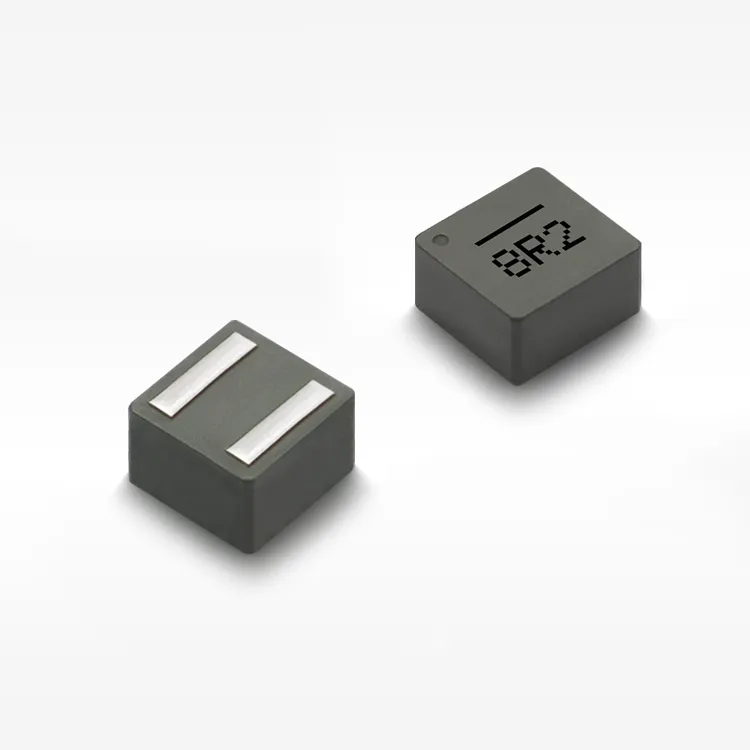
The compact design philosophy of low resistance automotive inductors enables unprecedented integration possibilities while delivering superior performance characteristics that meet the demanding space and weight constraints of modern automotive applications. Contemporary vehicle design trends emphasize the miniaturization of electronic components to accommodate increasingly sophisticated electronic systems within limited available space, making compact component design a critical factor for successful automotive integration. Low resistance automotive inductors achieve remarkable space efficiency through innovative design approaches that maximize magnetic coupling while minimizing physical footprint, allowing automotive engineers to implement advanced electronic features without compromising vehicle packaging requirements. The high power density capabilities of these compact inductors enable them to handle substantial current levels despite their reduced size, making them suitable for applications ranging from low-power sensor circuits to high-current motor control systems. Advanced magnetic materials and optimized core geometries contribute to the exceptional performance-to-size ratio achieved by low resistance automotive inductors, with some designs delivering inductance values and current handling capabilities that would traditionally require significantly larger components. The standardized package formats available for low resistance automotive inductors facilitate straightforward integration into existing automotive electronic designs, reducing development time and manufacturing complexity while ensuring compatibility with automated assembly processes. Surface-mount technology compatibility enables these inductors to be integrated using standard automotive electronics manufacturing equipment, improving production efficiency and reducing assembly costs. The reduced weight characteristics of compact low resistance automotive inductors contribute to overall vehicle weight reduction goals, supporting improved fuel efficiency and enhanced vehicle performance. Thermal management benefits emerge from the compact design, as the reduced thermal mass of smaller inductors enables faster thermal response and more efficient heat dissipation when properly integrated into automotive electronic modules. The mechanical robustness of these compact designs ensures reliable operation despite their smaller size, with reinforced construction techniques that maintain structural integrity under automotive stress conditions. Integration flexibility allows low resistance automotive inductors to be positioned in various orientations and mounting configurations, accommodating the complex spatial constraints encountered in modern vehicle electronic packaging while maintaining optimal electrical and thermal performance characteristics throughout their operational lifetime.