custom automotive grade inductors
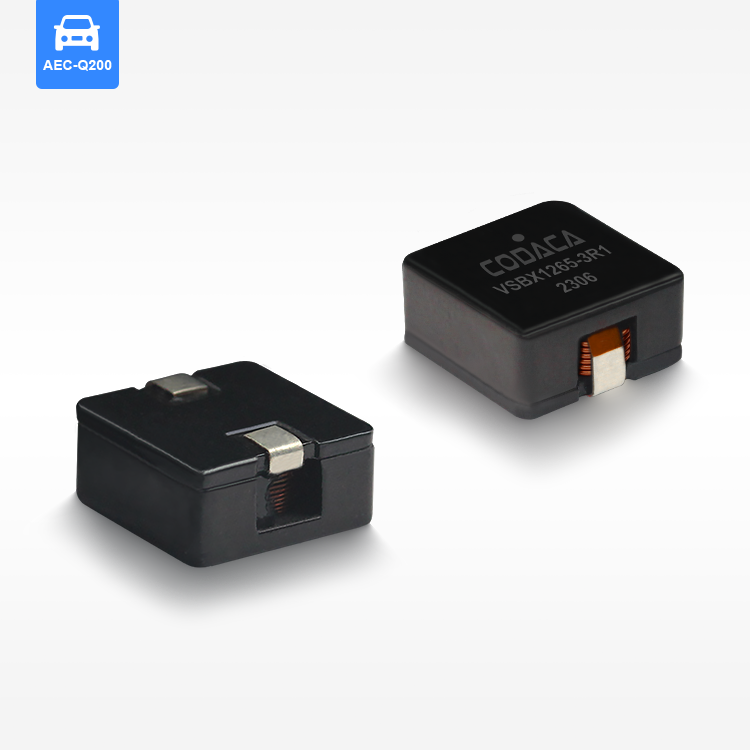
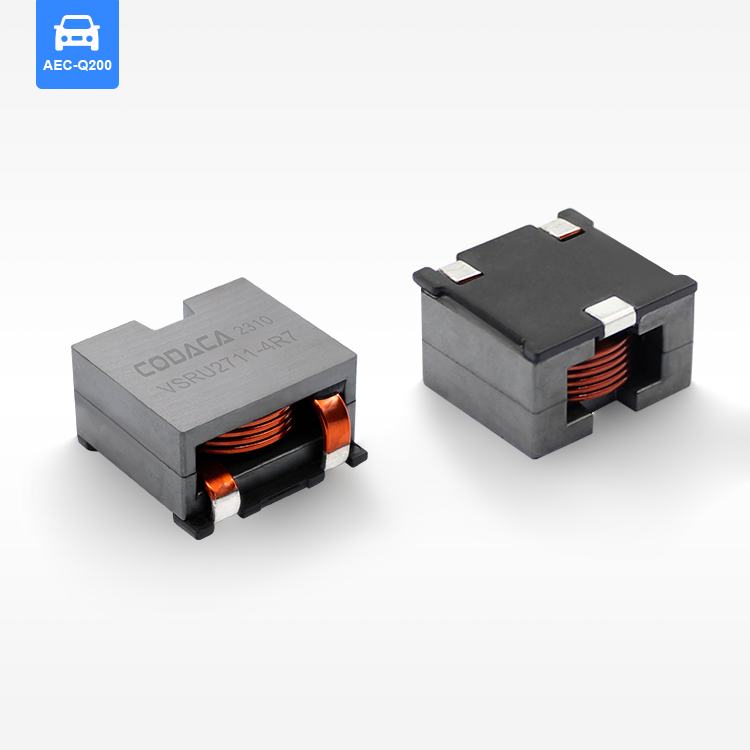
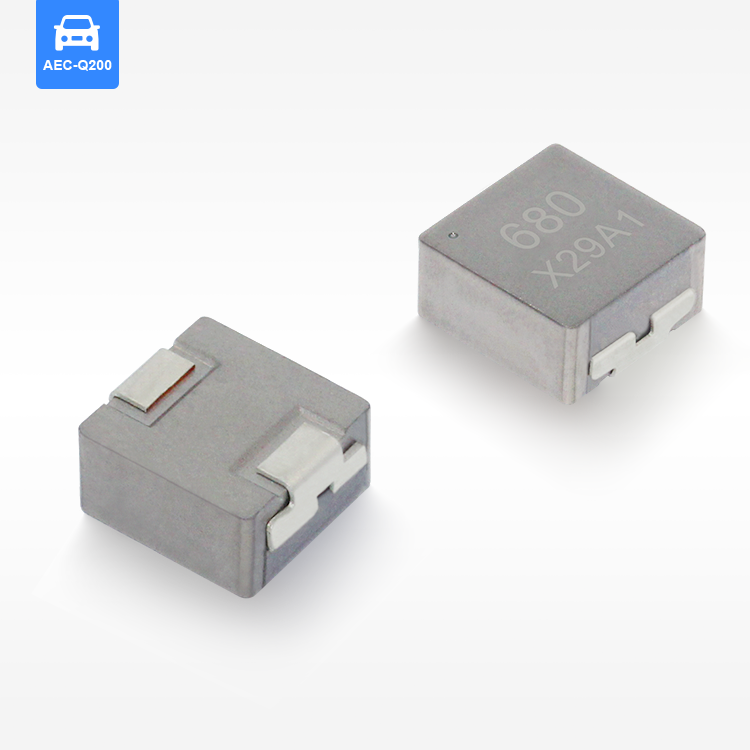
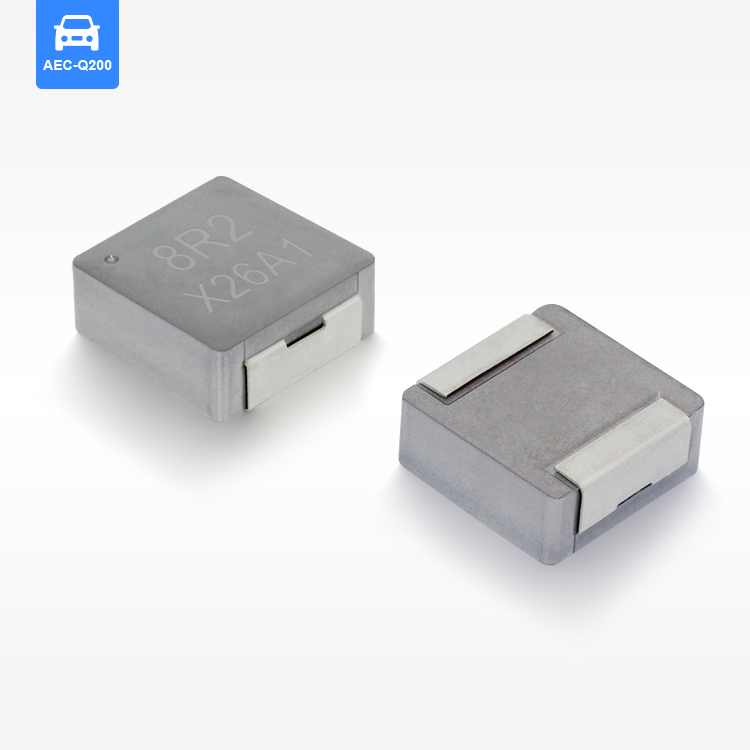
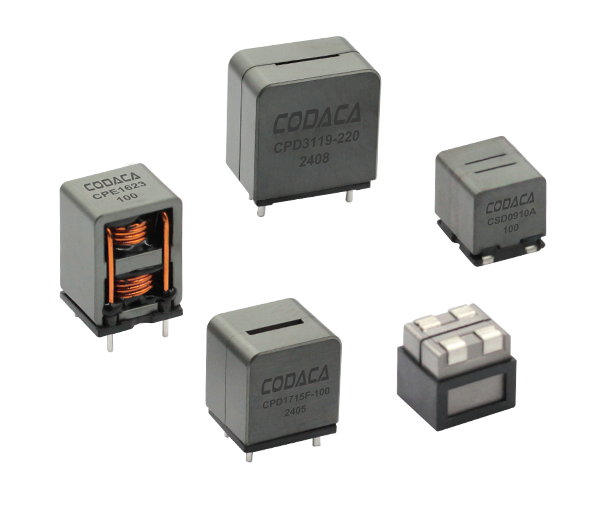
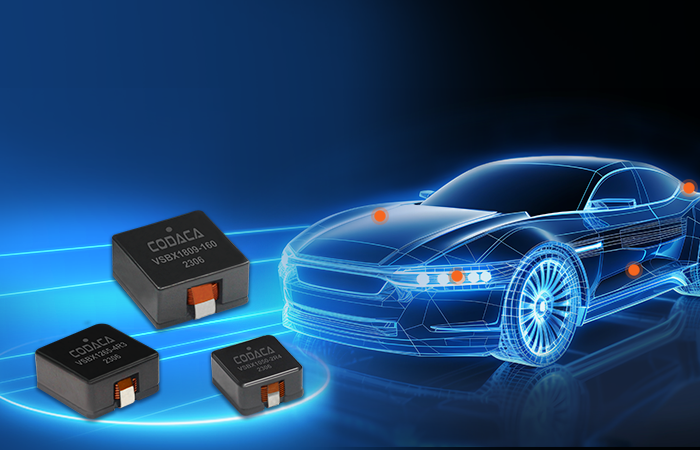
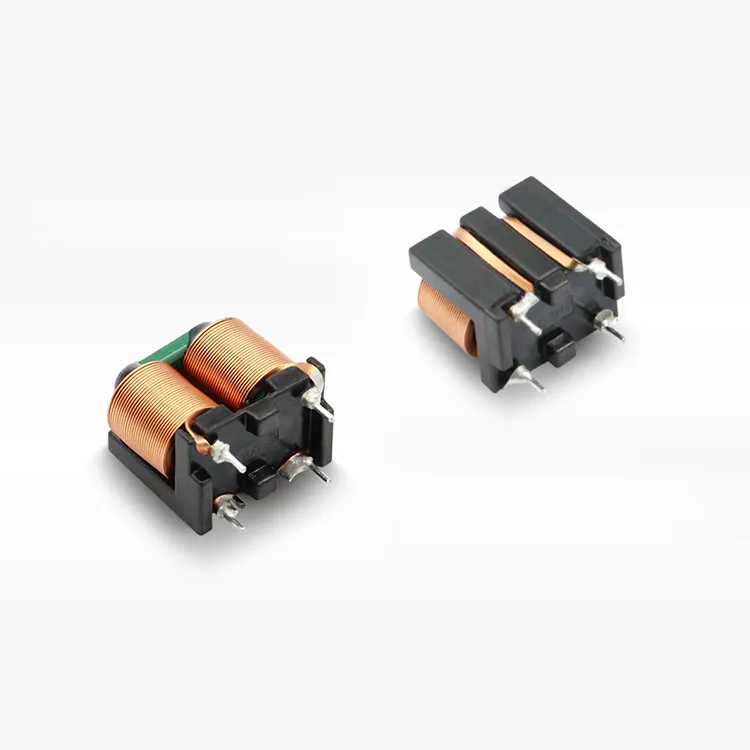
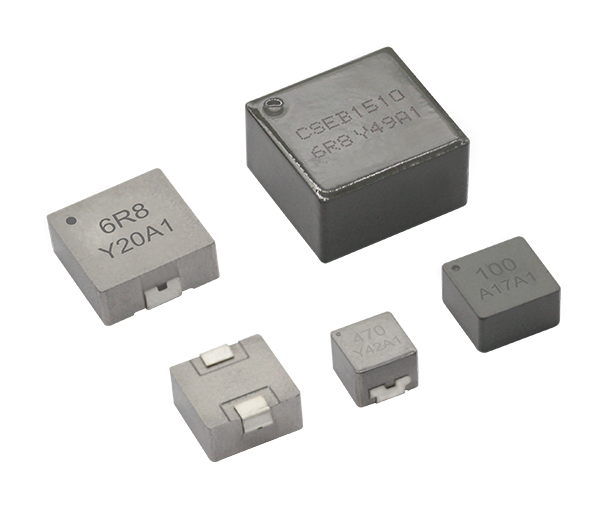
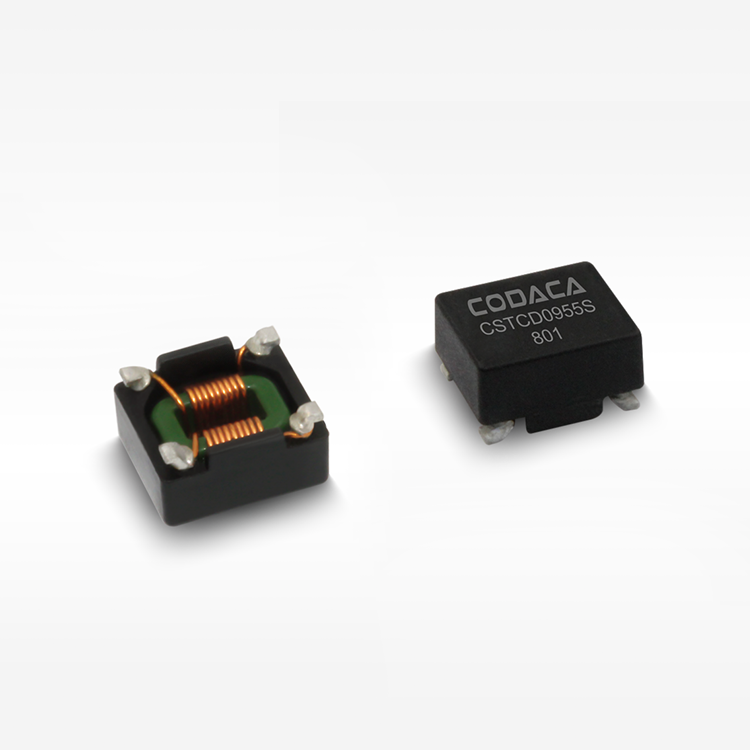
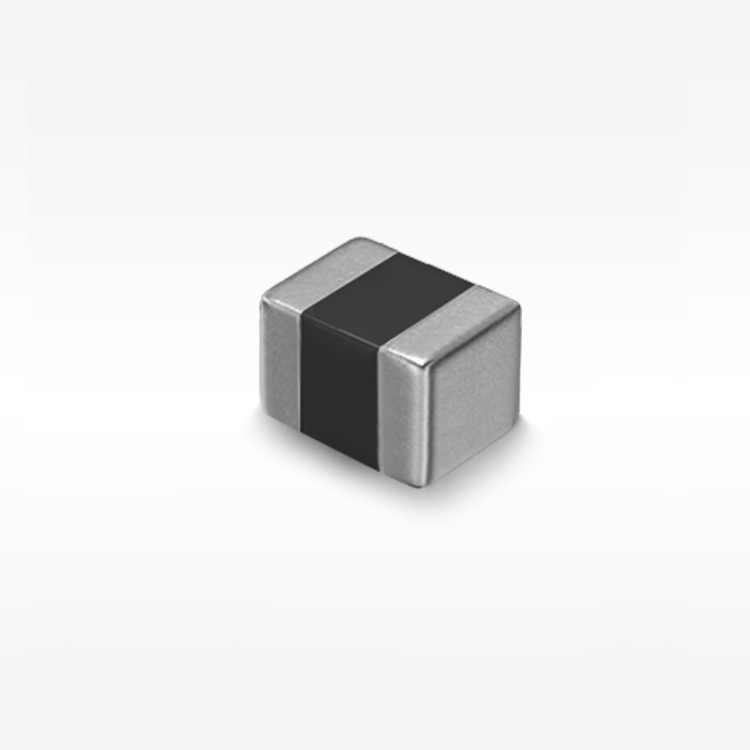
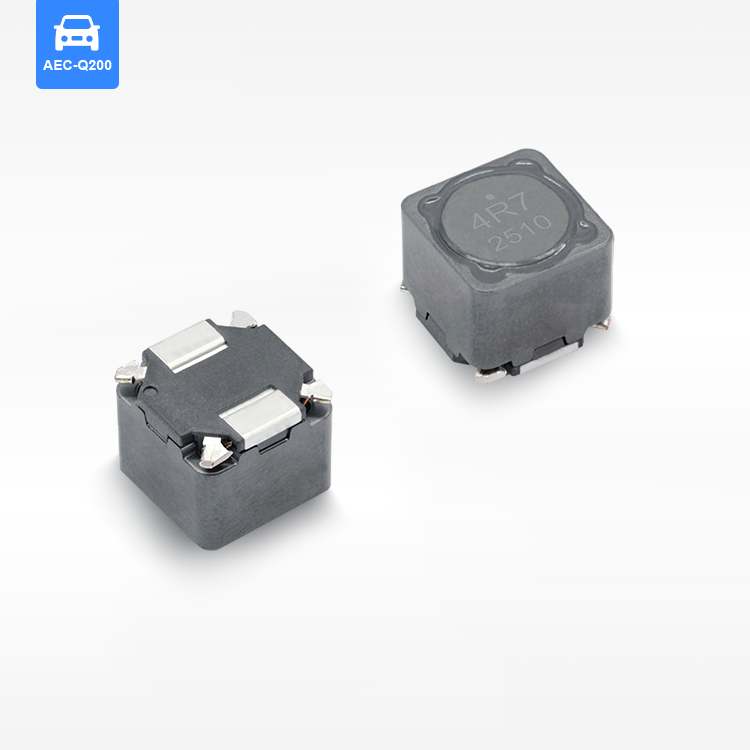
Custom automotive grade inductors represent specialized electromagnetic components engineered specifically for vehicular applications, where reliability, performance, and durability are paramount. These sophisticated components serve as essential building blocks in modern vehicle electronic systems, managing electrical energy flow and ensuring stable operation across diverse automotive environments. Custom automotive grade inductors function primarily as energy storage devices, filtering unwanted noise, and regulating current in complex automotive circuits. Their design incorporates advanced magnetic core materials and precision-wound coils that withstand extreme temperature variations, vibrations, and electromagnetic interference commonly encountered in automotive settings. The technological foundation of these inductors relies on carefully selected ferrite or metal powder cores, combined with high-grade copper or specialized alloy windings that maintain consistent electrical characteristics throughout their operational lifespan. Manufacturing processes involve strict quality control measures, including automated winding techniques, precise core assembly, and comprehensive testing protocols that verify performance under simulated automotive conditions. Custom automotive grade inductors demonstrate exceptional thermal stability, operating efficiently across temperature ranges from negative forty to positive one hundred fifty degrees Celsius, making them suitable for engine compartments and harsh automotive environments. Their compact form factors enable integration into space-constrained automotive electronics while maintaining superior electrical performance. Applications span across multiple automotive systems including power management units, DC-DC converters, electric vehicle charging systems, infotainment electronics, advanced driver assistance systems, and hybrid vehicle powertrains. The customization aspect allows manufacturers to tailor these inductors to specific automotive requirements, optimizing inductance values, current ratings, and physical dimensions to match particular circuit designs and space constraints within modern vehicles.