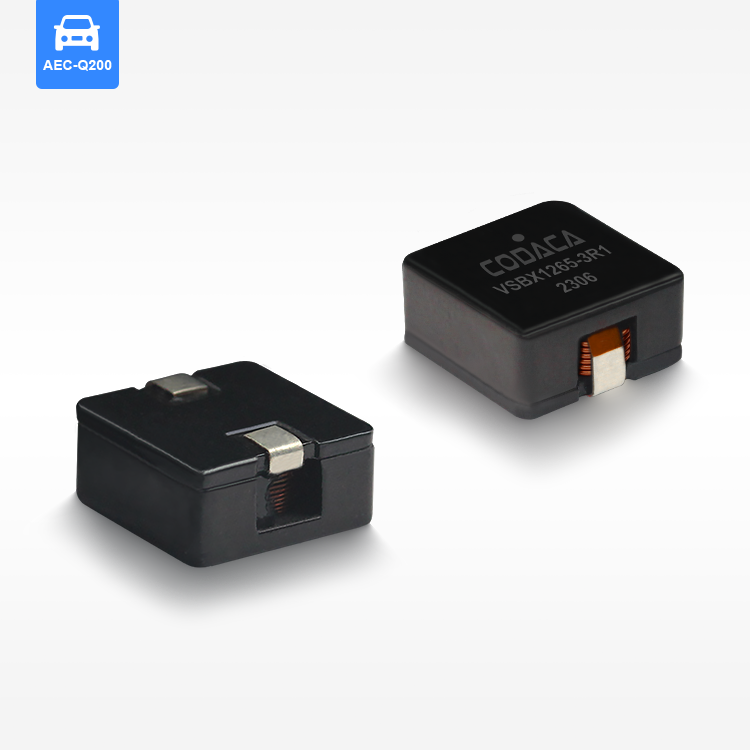
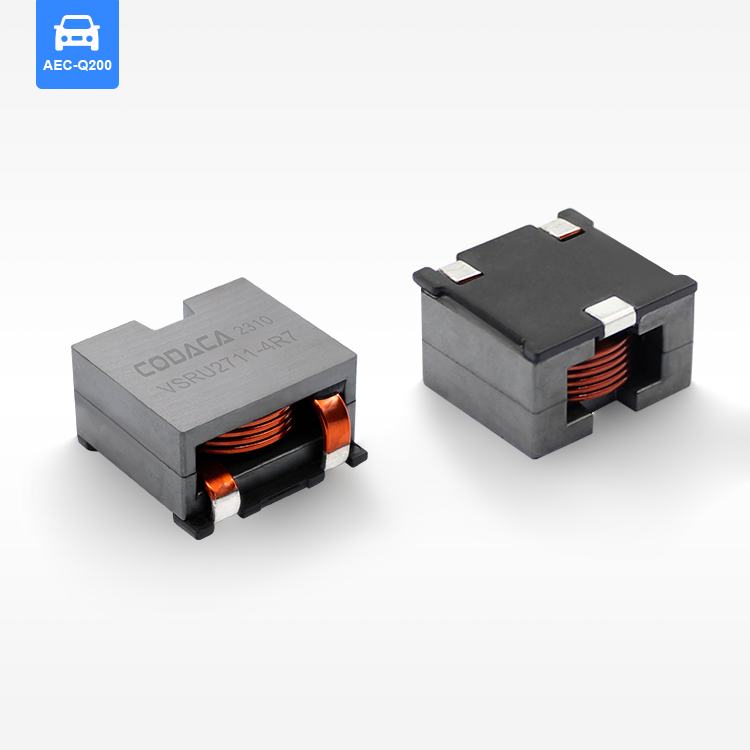
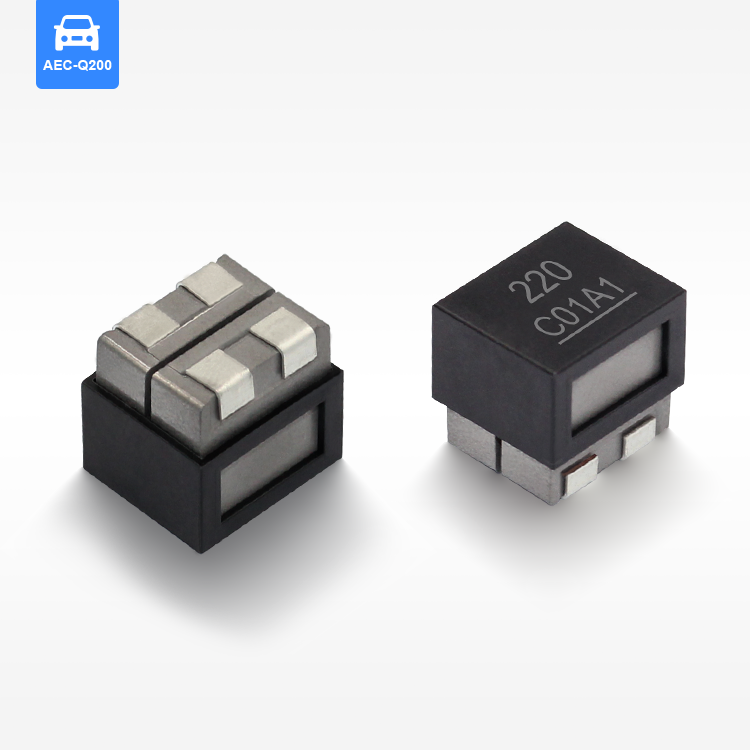
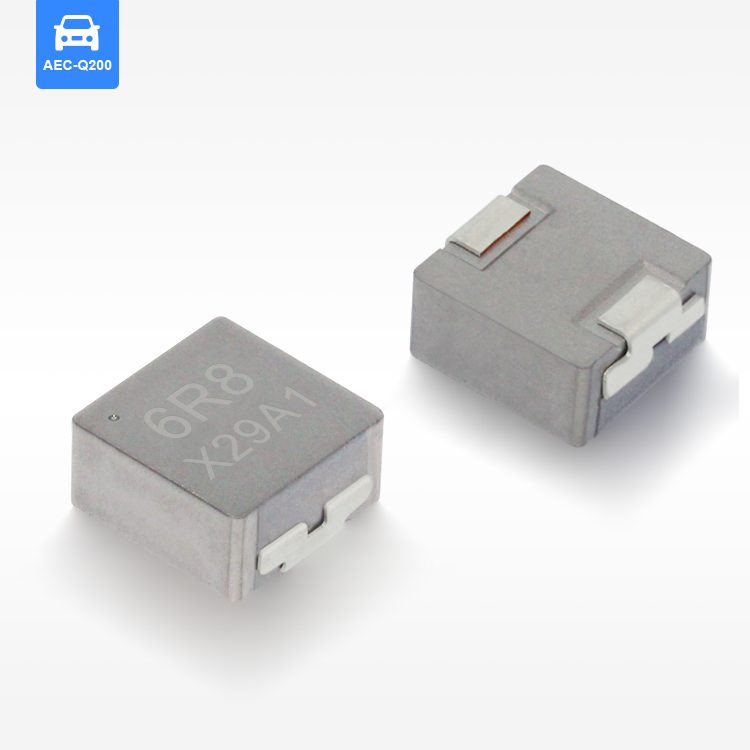
custom power choke
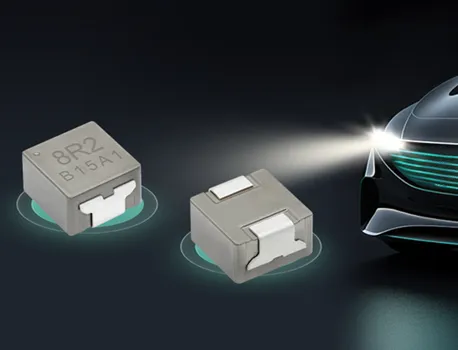
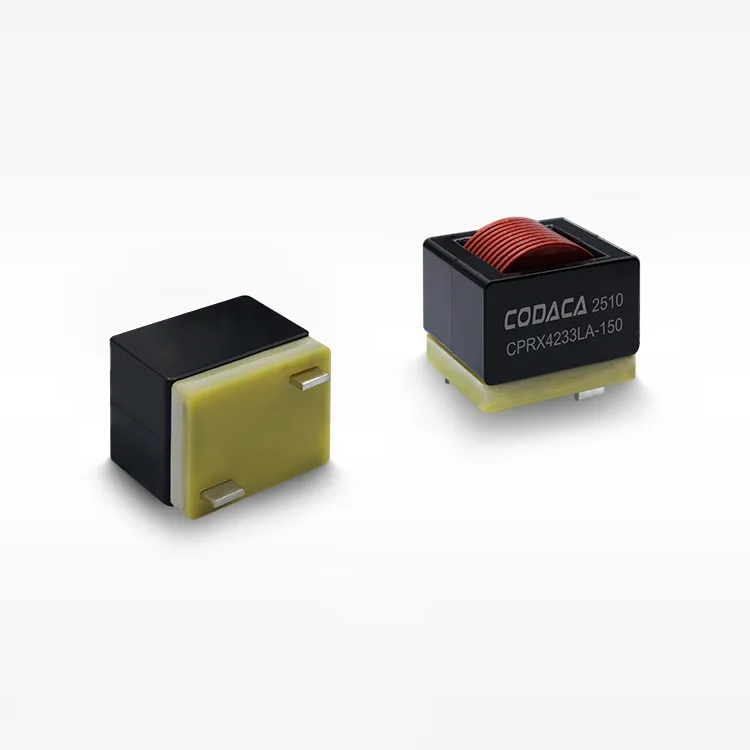
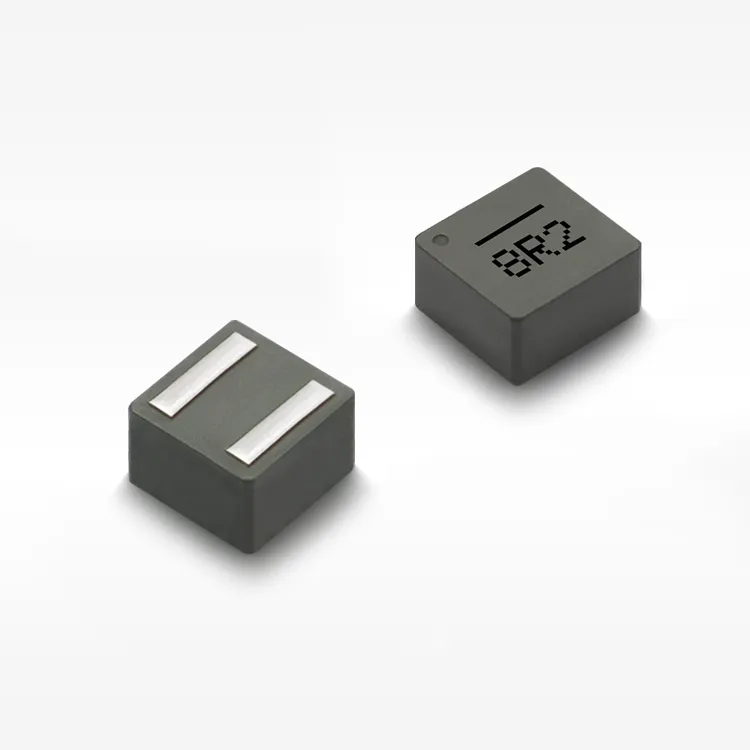
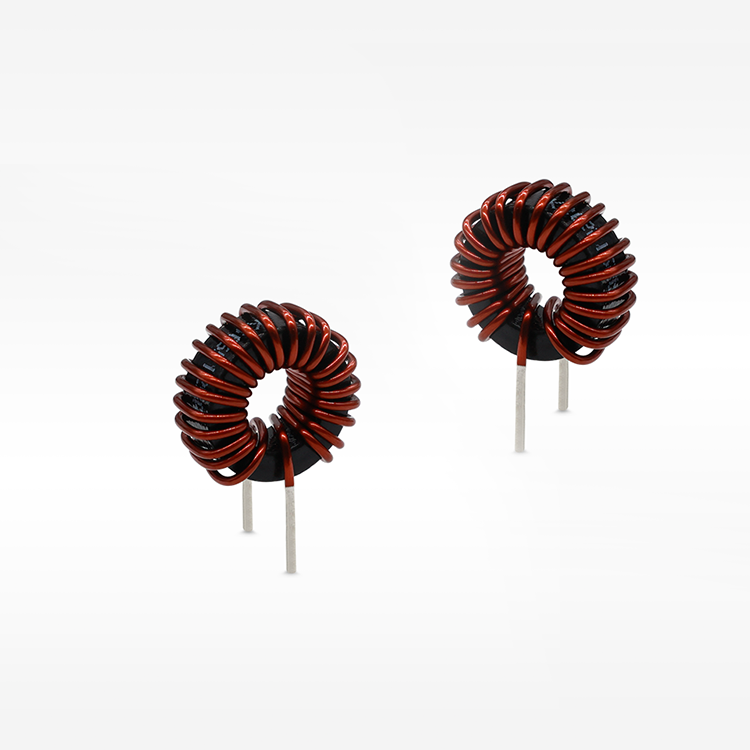
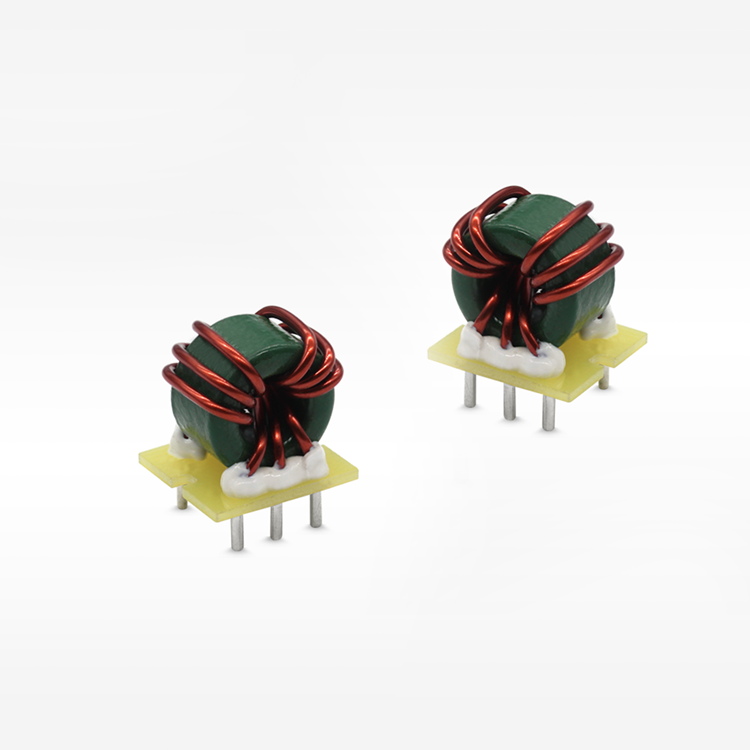
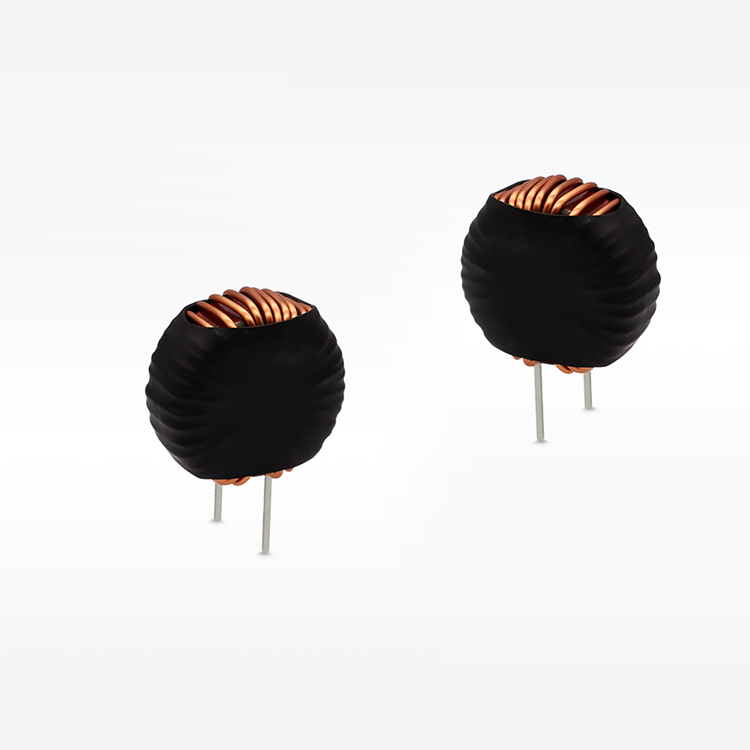
A custom power choke represents a specialized electromagnetic component designed to meet specific electrical system requirements across diverse industrial applications. This precision-engineered inductor serves as a critical element in power conversion, filtering, and energy storage systems. The custom power choke operates by storing magnetic energy in its core material when electrical current flows through its windings, effectively managing current flow and voltage regulation in complex electronic circuits. The fundamental principle behind this component involves electromagnetic induction, where the choke creates opposition to alternating current while allowing direct current to pass with minimal resistance. Manufacturing processes for custom power choke units involve sophisticated design calculations that consider core materials, winding configurations, and thermal management systems. Engineers select appropriate ferrite, iron powder, or amorphous core materials based on frequency response requirements and saturation characteristics. Wire gauge selection plays a crucial role in determining current-carrying capacity and power handling capabilities. The custom nature of these components allows manufacturers to optimize performance parameters including inductance values, current ratings, and physical dimensions to match specific application needs. Quality control measures ensure consistent electrical characteristics and mechanical stability throughout the production process. Testing procedures verify inductance accuracy, current handling capacity, and thermal performance under various operating conditions. Environmental considerations include temperature stability, humidity resistance, and vibration tolerance for demanding industrial environments. The custom power choke design process incorporates electromagnetic modeling software to predict performance characteristics before physical prototyping. This approach reduces development time and ensures optimal performance in target applications. Installation requirements typically involve proper mounting techniques and adequate ventilation for heat dissipation during operation.