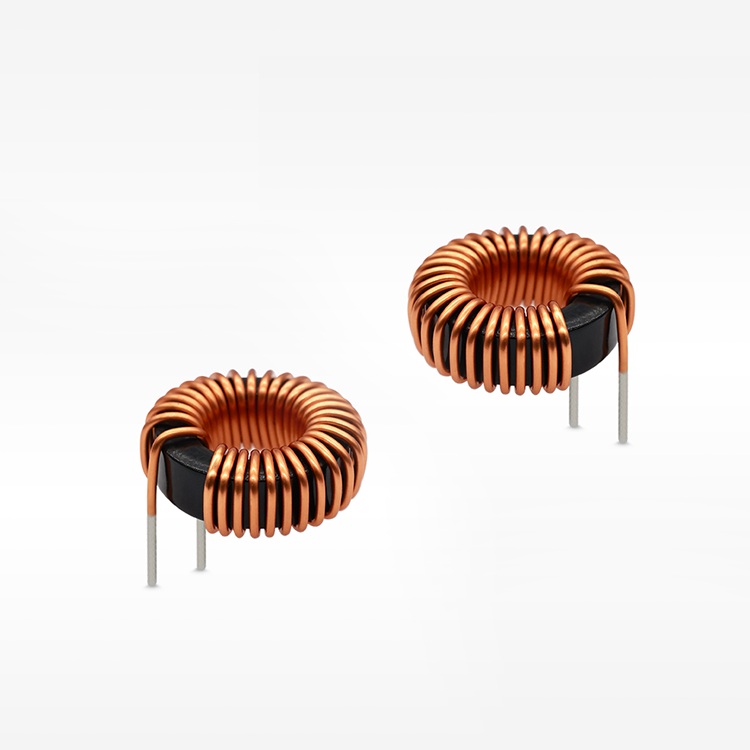
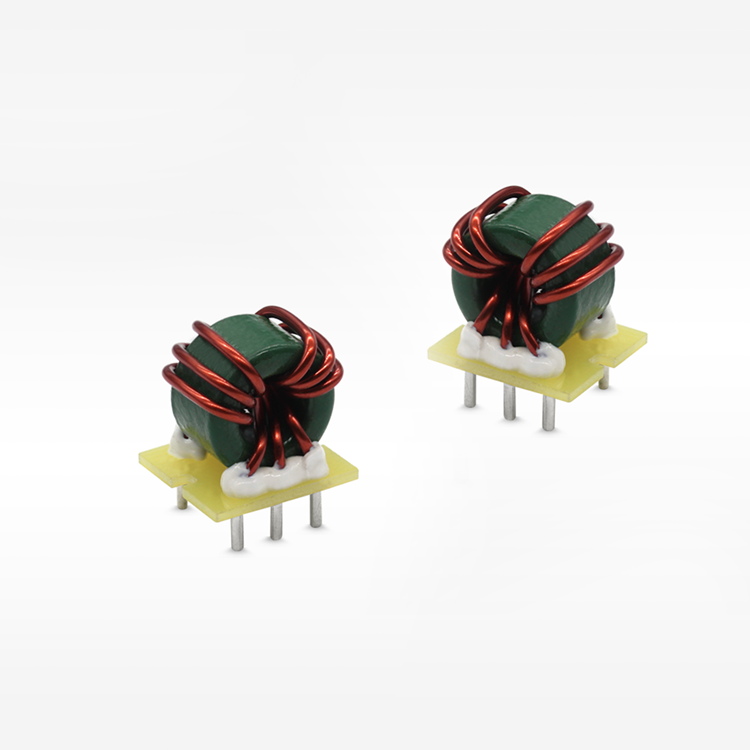
power choke for dc-dc converter
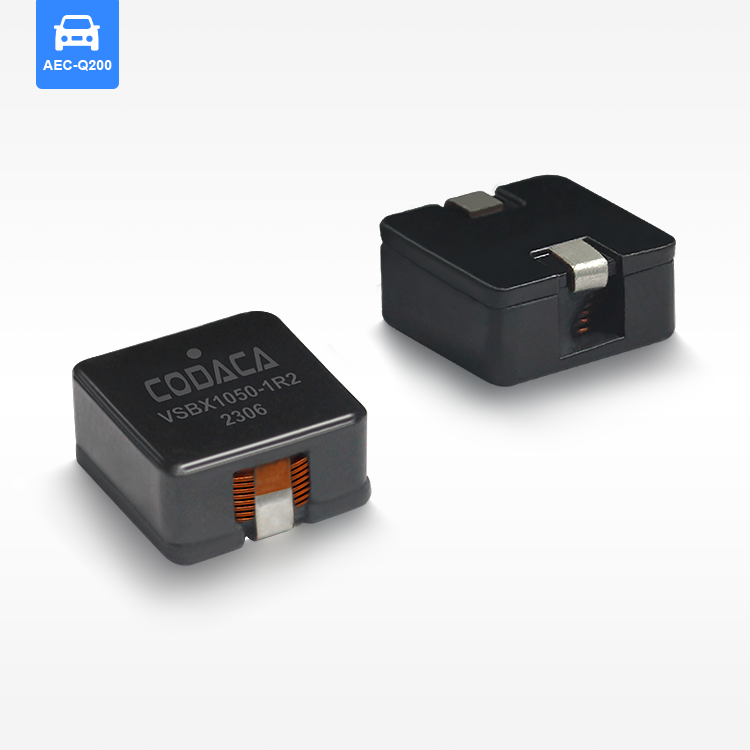
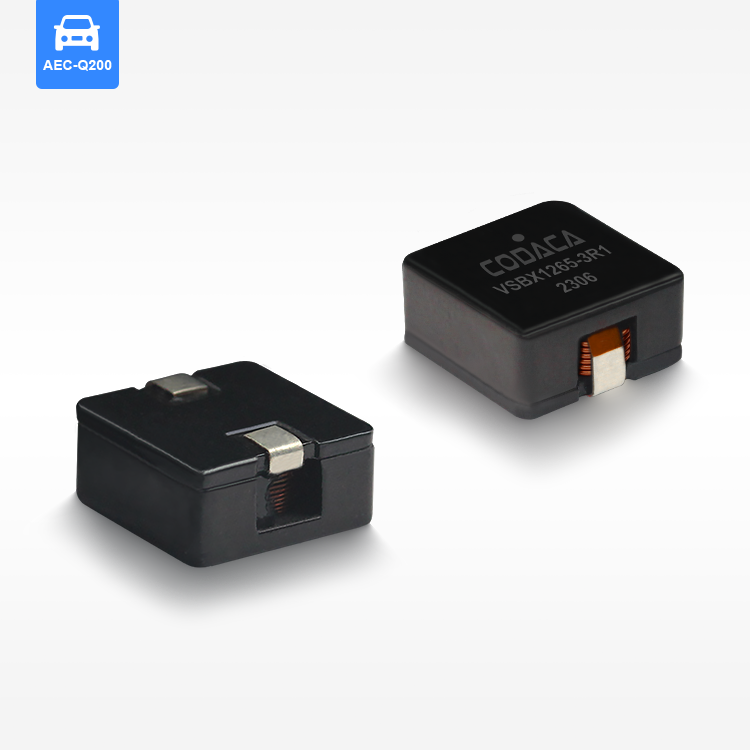
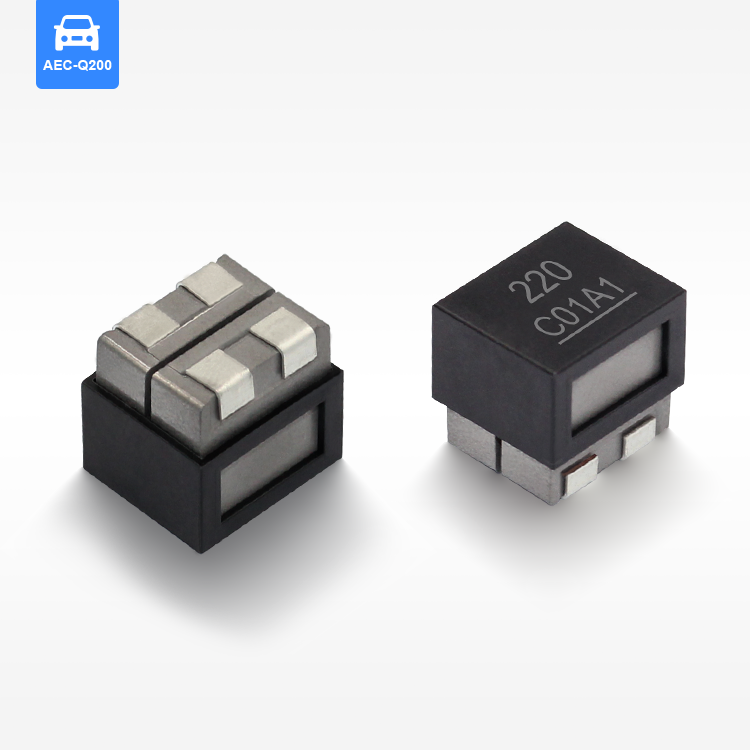
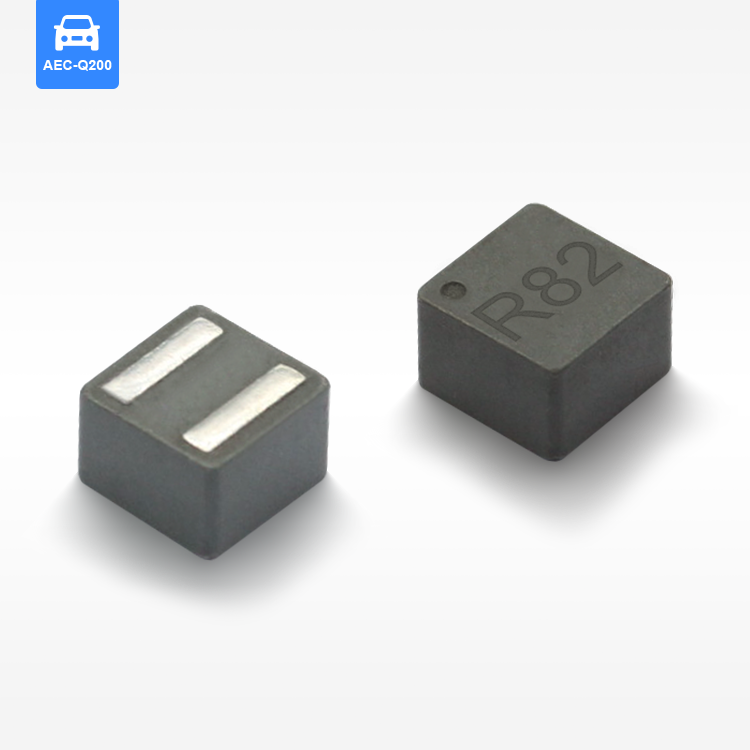
A power choke for dc-dc converter serves as a critical passive component in switching power supply circuits, functioning as an energy storage and filtering element that ensures stable voltage conversion and current regulation. This specialized inductor operates by storing magnetic energy during the switch-on period and releasing it during the switch-off phase, maintaining continuous current flow to the load. The power choke for dc-dc converter features carefully engineered core materials, typically ferrite or powder iron, wound with high-quality copper wire to minimize losses and maximize efficiency. These components exhibit exceptional thermal stability, low core losses, and superior saturation characteristics essential for high-frequency switching applications. The magnetic core design incorporates air gaps to prevent saturation and maintain inductance stability across varying current levels. Modern power chokes for dc-dc converters utilize advanced winding techniques and optimized core geometries to achieve compact form factors while delivering excellent electrical performance. The component's construction includes robust insulation systems and temperature-resistant materials to withstand harsh operating environments. Key technological features encompass low DCR values for minimal power dissipation, high current handling capabilities, and excellent frequency response characteristics. Applications span across automotive electronics, telecommunications equipment, industrial automation systems, consumer electronics, and renewable energy systems where efficient power conversion is paramount. The power choke for dc-dc converter operates effectively in buck, boost, and buck-boost topologies, providing essential inductance values ranging from microhenries to several millihenries depending on application requirements. These components demonstrate remarkable reliability in continuous operation scenarios, supporting switching frequencies from several kilohertz to multiple megahertz while maintaining thermal stability and electrical integrity throughout their operational lifespan.