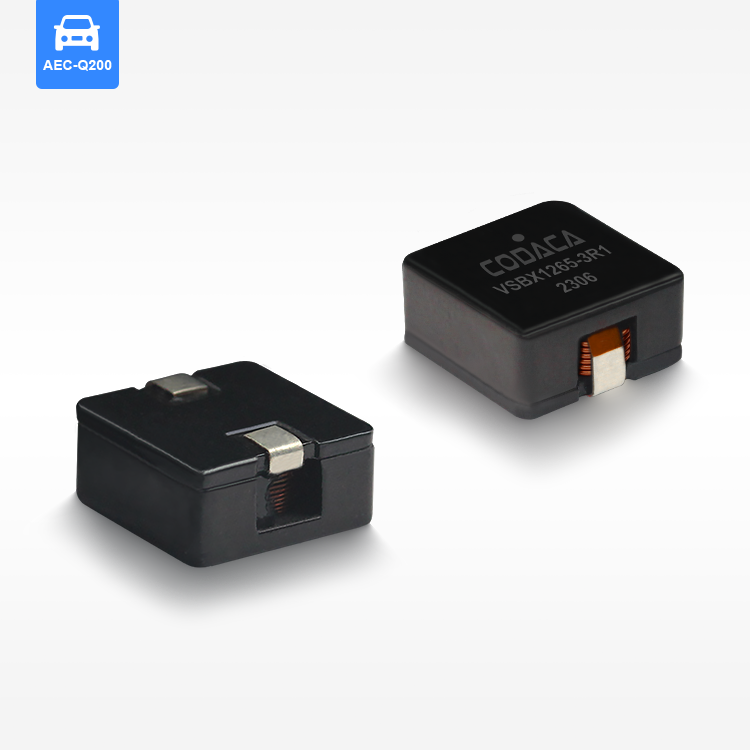
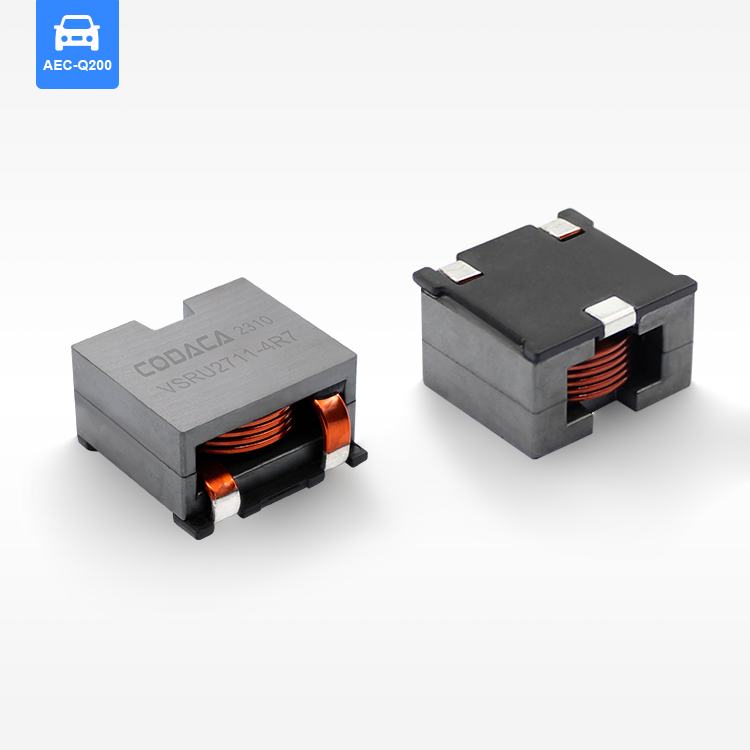
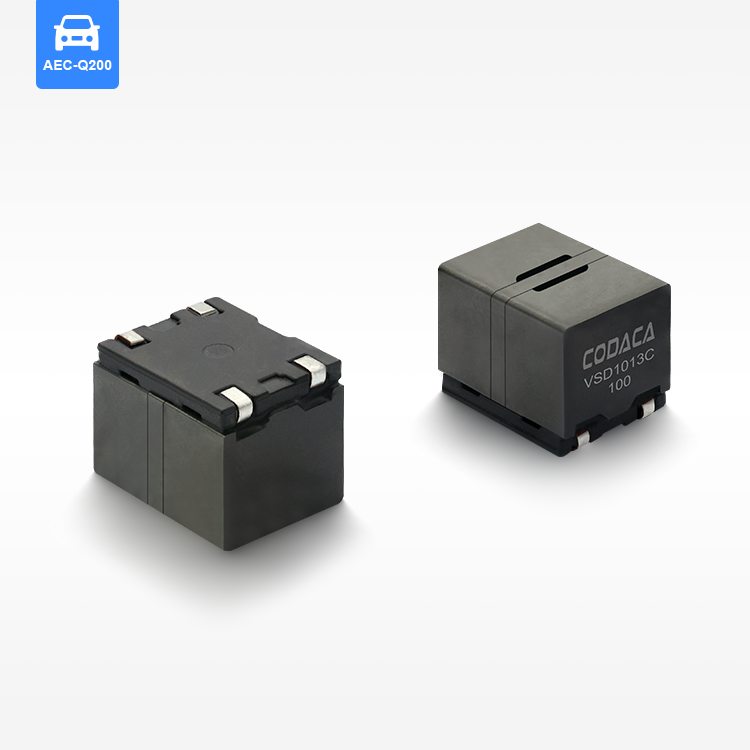
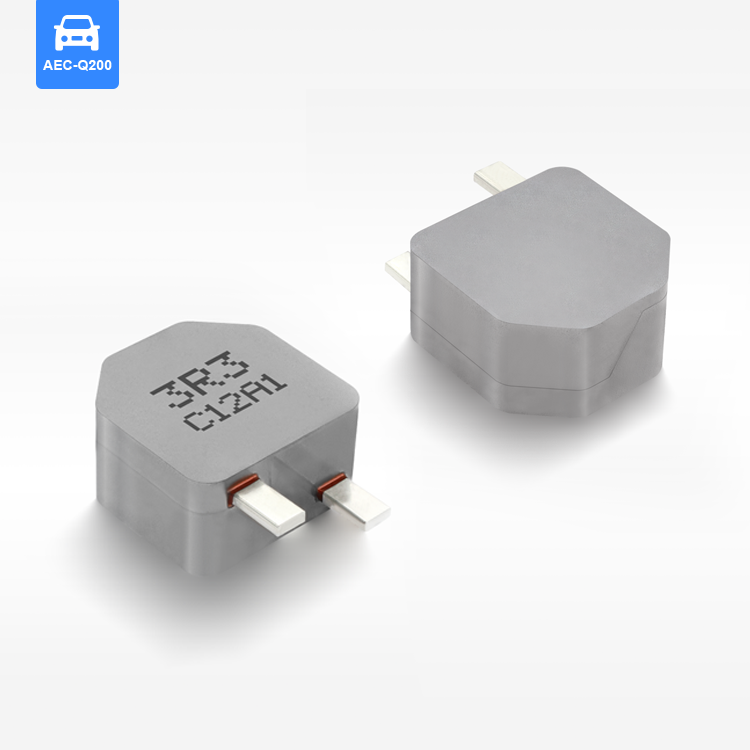
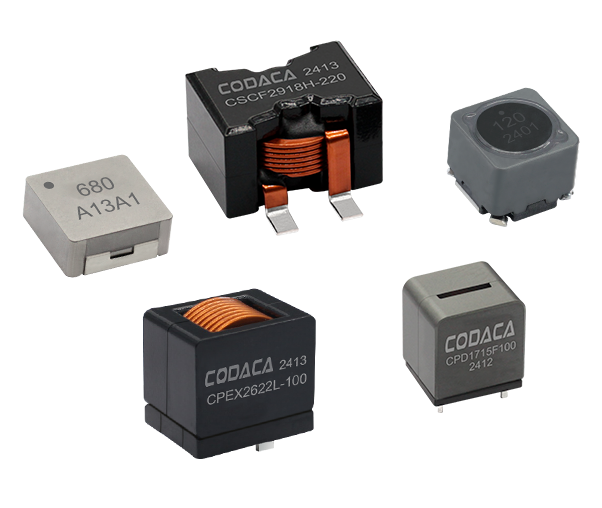
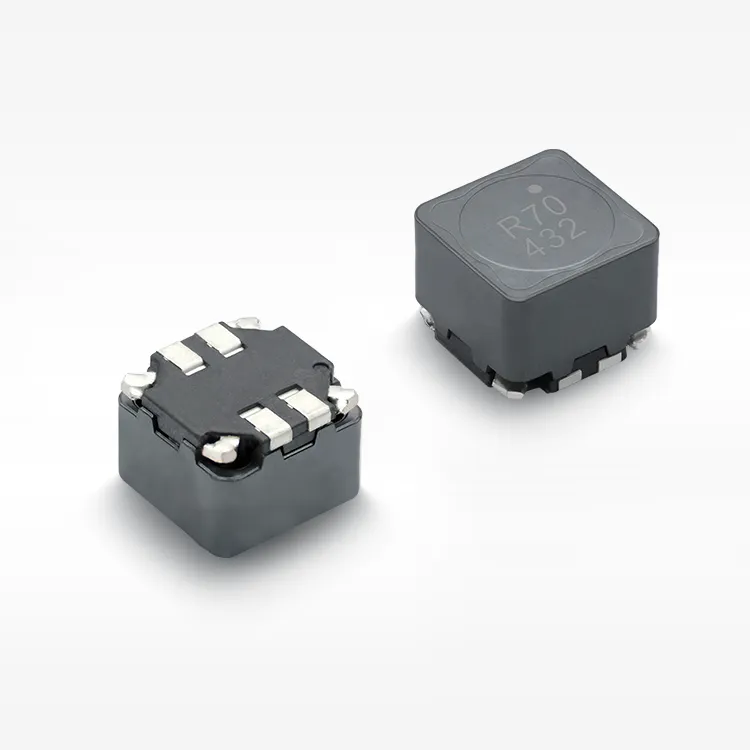
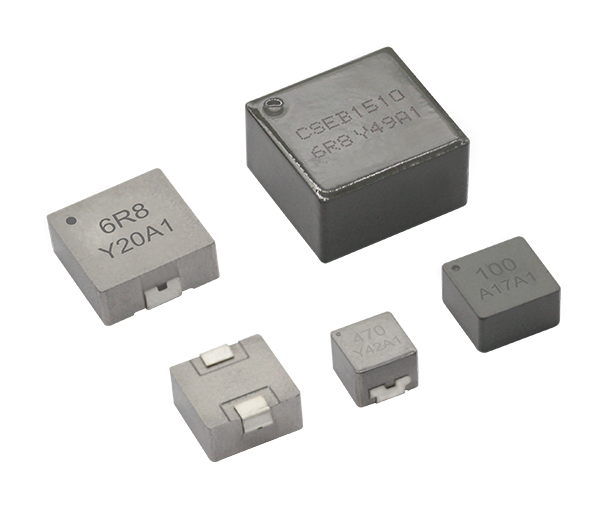
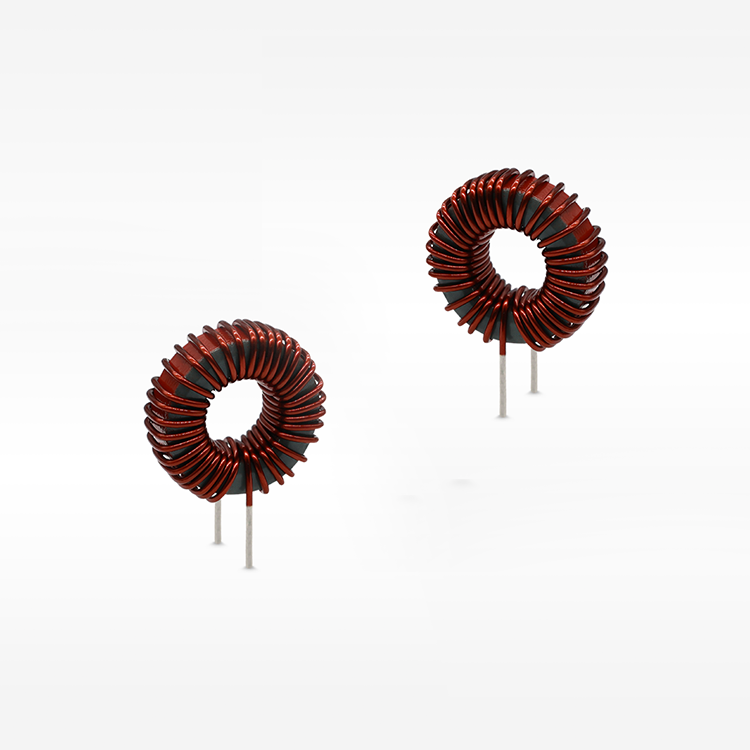
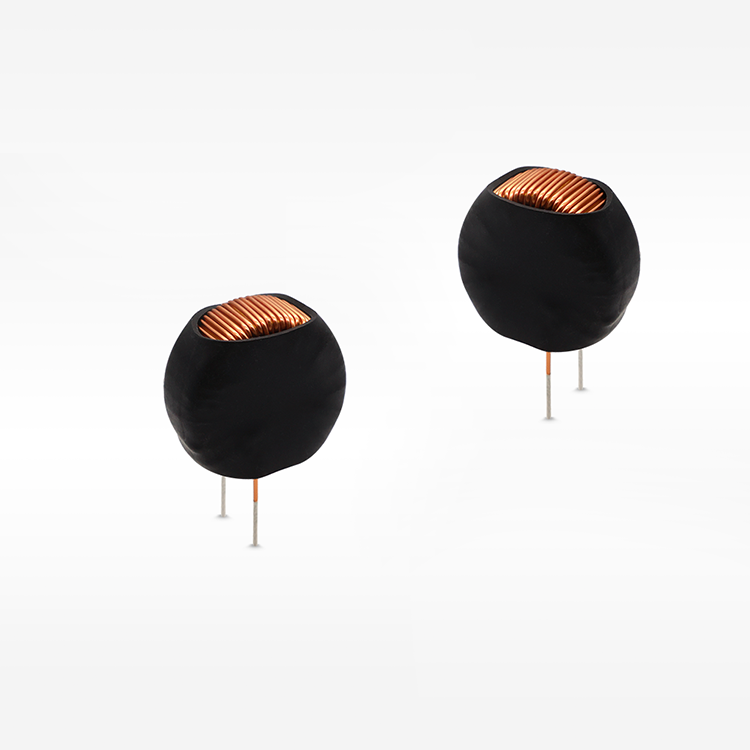
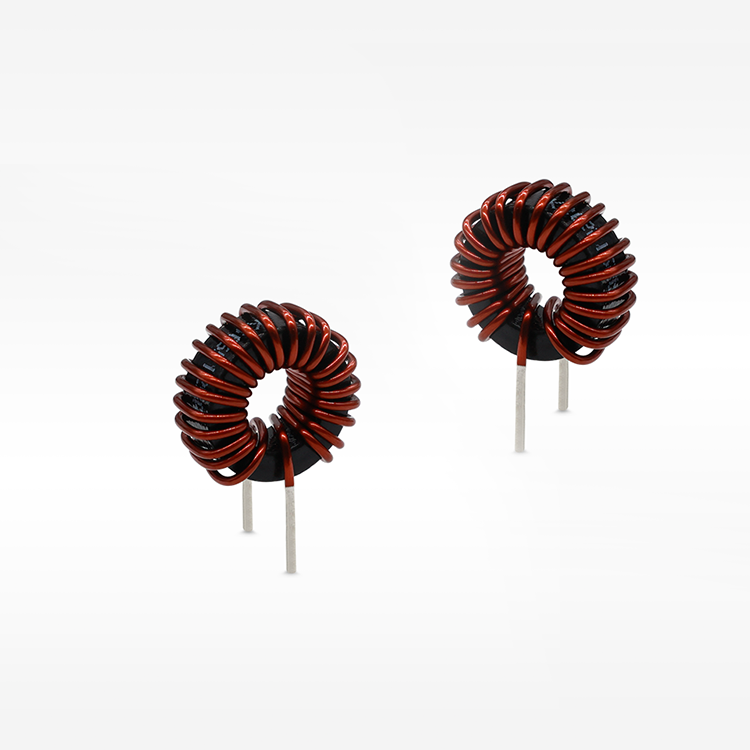
power choke for industrial control systems
A power choke for industrial control systems represents a critical electromagnetic component designed to regulate and filter electrical current in demanding industrial environments. This specialized inductor serves as an essential element in motor drives, variable frequency drives, and power conversion equipment, where precise current control and harmonic mitigation are paramount. The power choke for industrial control systems operates by creating magnetic fields that oppose sudden changes in current flow, effectively smoothing electrical signals and reducing electromagnetic interference that could disrupt sensitive control circuits. These robust components are engineered to withstand harsh industrial conditions including temperature extremes, vibration, and electromagnetic noise while maintaining consistent performance over extended operational periods. Modern power choke designs incorporate advanced magnetic core materials such as ferrite, iron powder, or laminated steel cores, each selected based on specific frequency ranges and power requirements. The construction typically features multiple layers of copper or aluminum windings configured to optimize inductance values while minimizing resistance losses. Industrial control applications demand power chokes that can handle substantial current loads ranging from several amperes to hundreds of amperes, depending on the system requirements. The power choke for industrial control systems also plays a vital role in protecting expensive equipment from current surges and voltage spikes that commonly occur in industrial electrical networks. Additionally, these components contribute significantly to improving power quality by reducing total harmonic distortion, which helps maintain compliance with international electrical standards and regulations. The selection of appropriate power choke specifications involves careful consideration of inductance values, current ratings, core saturation characteristics, and thermal management requirements to ensure optimal system performance and longevity.