Customizable Rod Inductor Solutions - High-Performance Electromagnetic Components

All Categories

Get a Free Quote

Our representative will contact you soon.
Email
Name
Company Name
Message
0/1000

customizable rod inductor

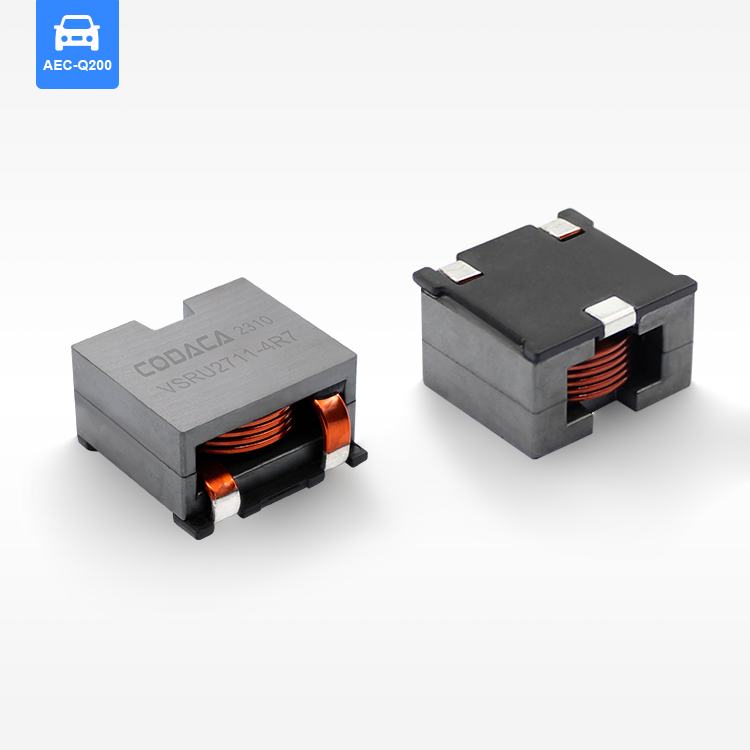
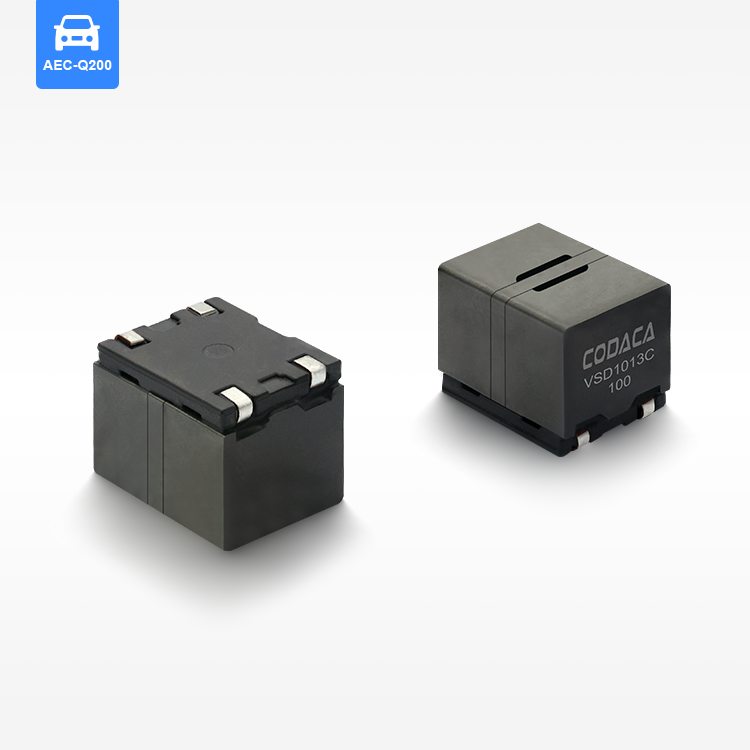
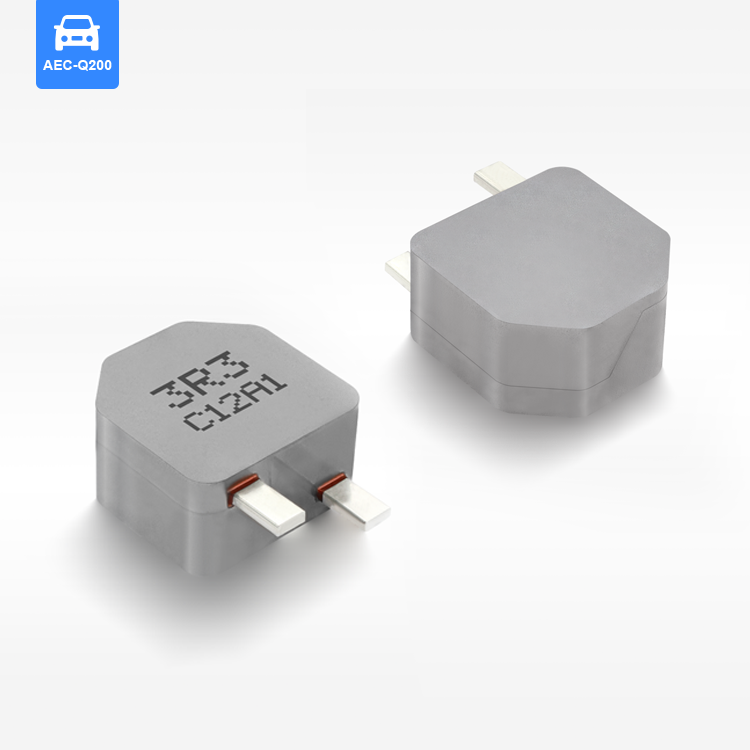
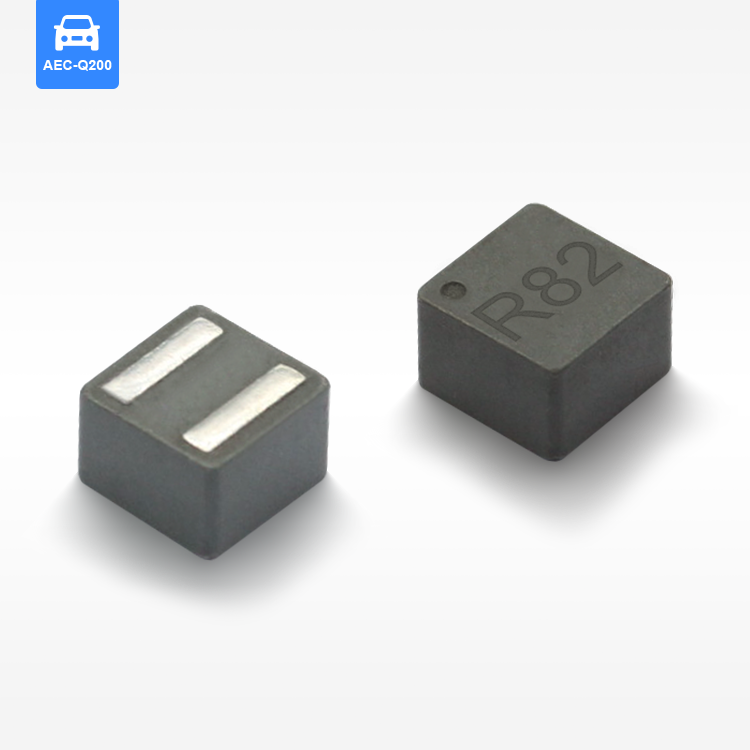
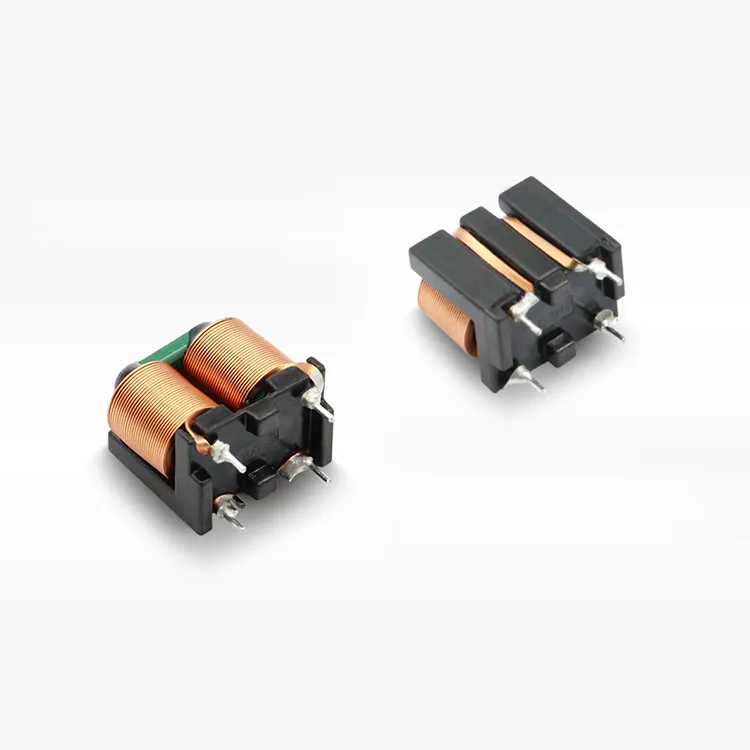
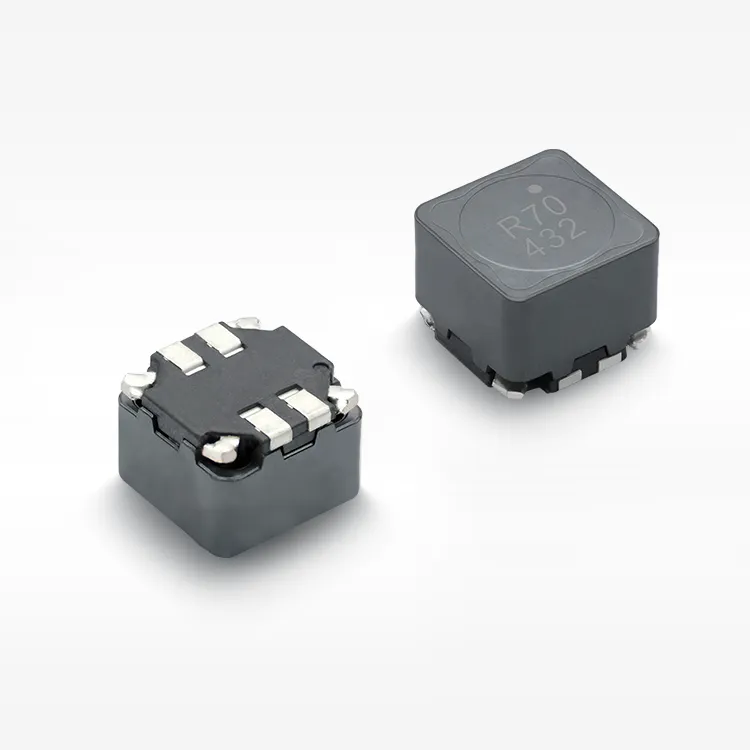
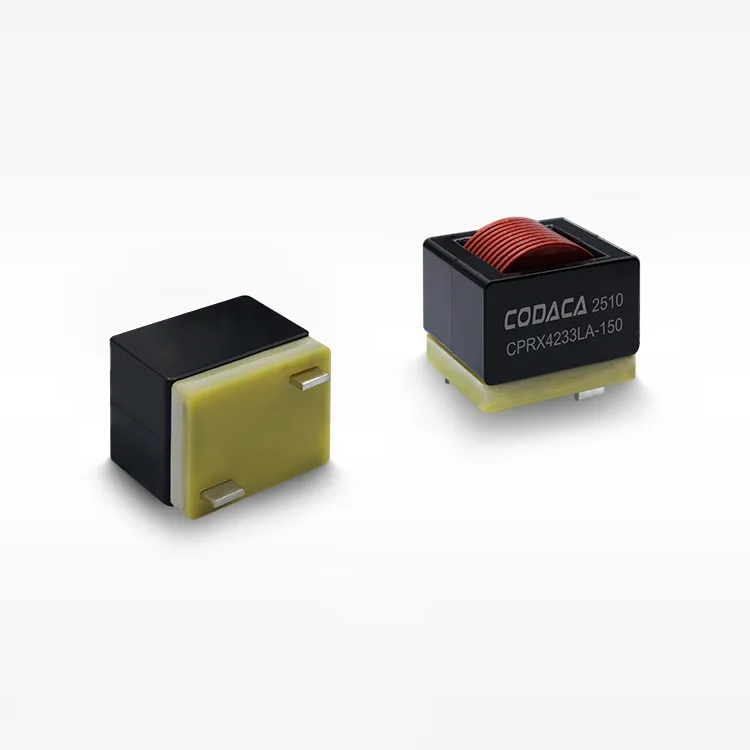
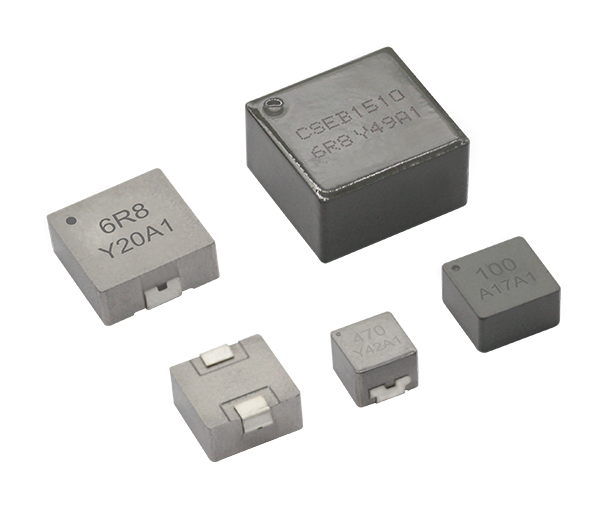
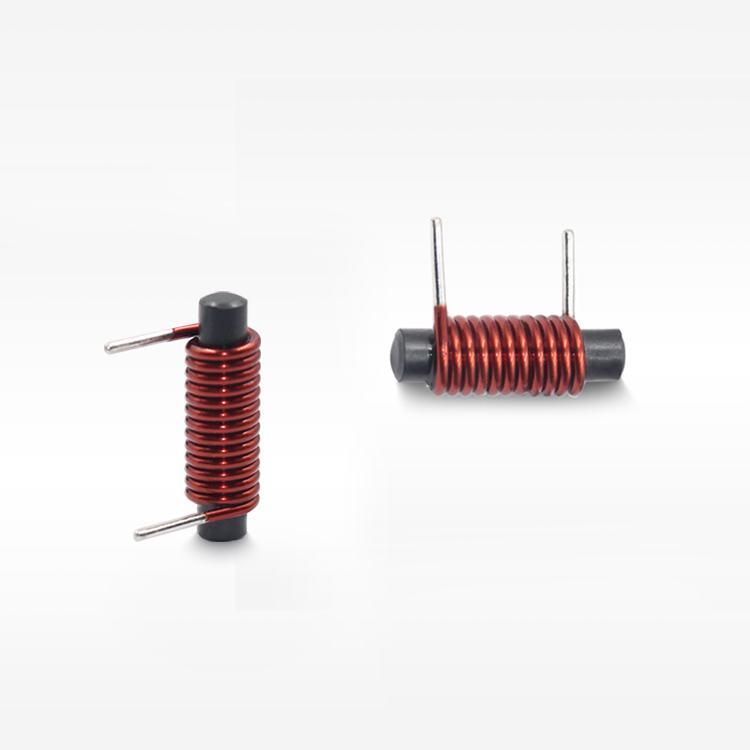
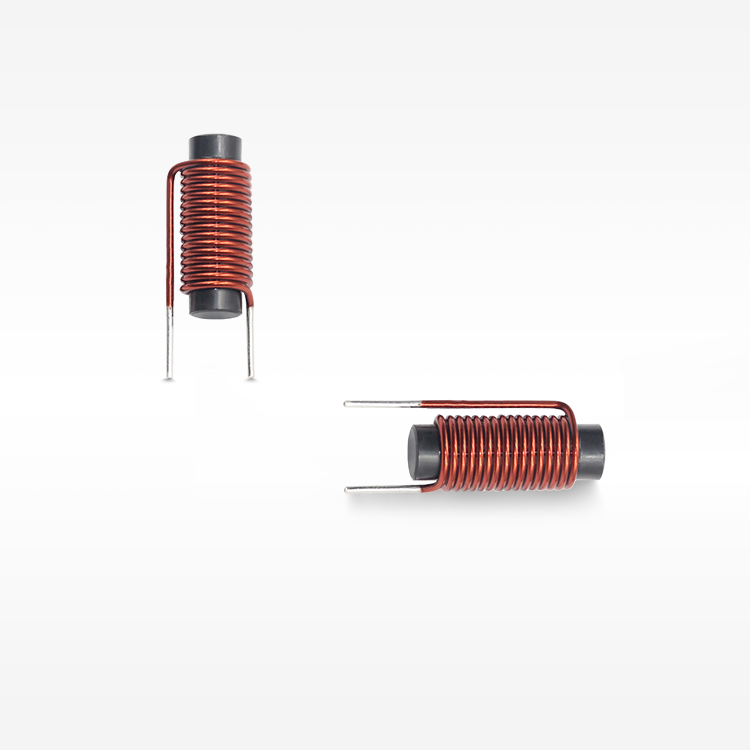
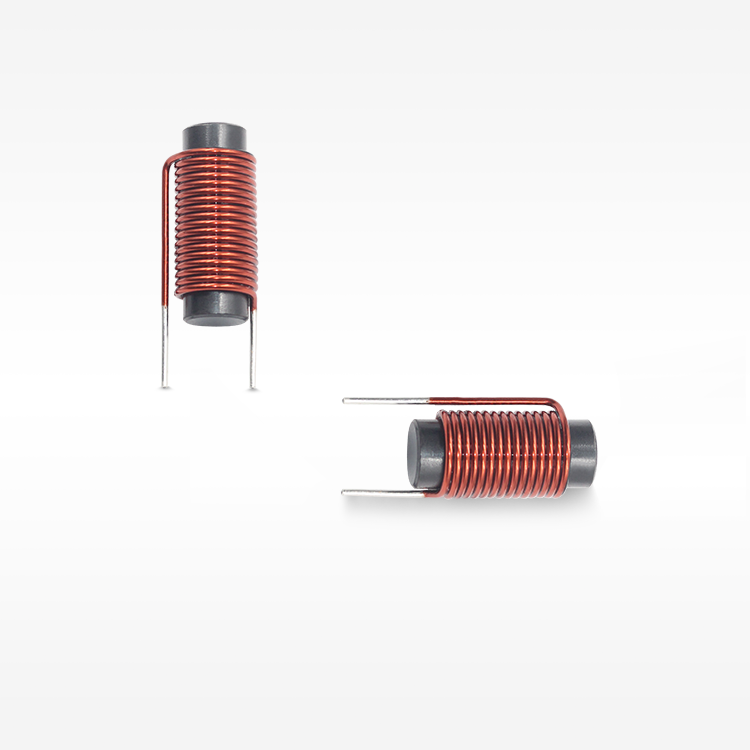
The customizable rod inductor represents a sophisticated electromagnetic component engineered to meet diverse electronic application requirements through flexible design parameters and advanced manufacturing techniques. This specialized inductor utilizes a rod-shaped ferrite or powdered iron core configuration that enables precise inductance values, exceptional frequency response characteristics, and superior thermal performance across various operating conditions. The primary function of the customizable rod inductor centers on energy storage and release within electromagnetic fields, facilitating controlled current flow regulation, signal filtering, and impedance matching in complex electronic circuits. Technological features include adjustable inductance ranges typically spanning from microhenries to millihenries, customizable physical dimensions to accommodate space-constrained installations, and selectable core materials optimized for specific frequency bands and power handling capabilities. The rod configuration provides enhanced magnetic flux concentration compared to traditional toroidal designs, resulting in improved efficiency and reduced electromagnetic interference. Manufacturing processes incorporate precision winding techniques using high-quality copper wire with various gauge options, ensuring consistent electrical properties and mechanical durability. Temperature stability remains paramount through careful material selection and thermal management considerations, enabling reliable operation across extended temperature ranges from negative forty to positive one hundred twenty-five degrees Celsius. Applications encompass switching power supplies, radio frequency circuits, automotive electronics, telecommunications infrastructure, medical devices, and industrial automation systems. The customizable rod inductor excels in DC-DC converters where stable inductance values directly impact conversion efficiency and output ripple characteristics. Signal processing applications benefit from the component's low distortion properties and predictable frequency response. Power factor correction circuits utilize these inductors for harmonic reduction and energy efficiency optimization. The modular design philosophy allows engineers to specify exact electrical parameters, physical constraints, and environmental requirements, ensuring optimal performance integration within target applications while maintaining cost-effectiveness and manufacturing scalability for both prototype development and high-volume production scenarios.

New Product Releases

The customizable rod inductor delivers substantial practical benefits that directly address common engineering challenges while providing exceptional value for electronic system designers and manufacturers. Superior performance consistency stands as the primary advantage, offering stable inductance values across temperature variations and load conditions, which eliminates the need for external compensation circuits and reduces overall system complexity. This stability translates into improved product reliability and reduced warranty costs for end-users. The customization capability enables precise specification matching, allowing engineers to optimize component selection rather than compromising with standard off-the-shelf alternatives that may require additional circuit modifications. Cost efficiency emerges through reduced inventory requirements, as single customizable rod inductor variants can replace multiple standard components, simplifying procurement processes and reducing storage costs. Manufacturing flexibility supports both small-batch prototyping and large-scale production runs, providing consistent pricing structures and delivery schedules regardless of order quantities. The rod configuration inherently provides better electromagnetic shielding compared to open-core designs, reducing interference with adjacent components and improving overall circuit performance without requiring additional shielding materials or increased board spacing. Thermal management advantages include improved heat dissipation through the rod structure's enhanced surface area, enabling higher power handling capabilities while maintaining compact form factors. Installation simplicity reduces assembly time and costs, as the standardized mounting configuration accommodates automated pick-and-place equipment and manual assembly processes equally well. Quality assurance benefits from rigorous testing protocols applied to each customizable rod inductor batch, ensuring consistent electrical characteristics and mechanical properties that meet or exceed specified tolerances. Long-term availability guarantees provide design security, as custom specifications can be reproduced accurately even years after initial design completion, supporting product lifecycle management and maintenance requirements. The environmental advantages include RoHS compliance and lead-free construction options, meeting international regulatory standards while supporting sustainable manufacturing practices. Field serviceability improves through clear identification marking and standardized packaging, facilitating quick component replacement and system troubleshooting. Performance optimization occurs through application-specific tuning of core materials, winding configurations, and geometric parameters, delivering superior results compared to generic solutions while maintaining competitive pricing structures that support budget-conscious project requirements.

Latest News

Molding Power Chokes vs. Traditional Chokes: What's the Difference?

13

May

Molding Power Chokes vs. Traditional Chokes: What's the Difference?

Core Construction Differences Between Molding Power Chokes and Traditional Chokes Materials: Ferrite vs. Iron Core Composition The primary difference between molding power chokes and traditional chokes lies in the material composition of their cores...
View More
The Role of Molding Power Chokes in Energy Storage Systems

13

May

The Role of Molding Power Chokes in Energy Storage Systems

Understanding Molding Power Chokes in Energy Storage Definition and Core Components Power Chokes are important inductive devices used in energy storage systems and they are commonly used to filter high frequency signals. These chokes are mainly...
View More
Inductors: A Solution for Noise Reduction in Digital Amplifiers

13

May

Inductors: A Solution for Noise Reduction in Digital Amplifiers

Understanding Noise Challenges in Digital Amplifiers Sources of Switching Noise in Digital Amplifiers Remedying the problem of switching noise, and the EMI it can cause is one of the hardest parts of digital amplifiers. High frequency switching...
View More
Features of Painted and Unpainted Integrated Molded Inductors

26

May

Features of Painted and Unpainted Integrated Molded Inductors

Overview Integrated molded inductors are characterized by high saturation, low loss, strong electromagnetic interference (EMI) resistance, ultra-low buzzing noise, and high automation, making them widely used in various electronic devices. In the cur...
View More

Get a Free Quote

Our representative will contact you soon.
Email
Name
Company Name
Message
0/1000

customizable rod inductor

Advanced Core Material Engineering for Optimal Performance

Advanced Core Material Engineering for Optimal Performance

The customizable rod inductor incorporates cutting-edge core material engineering that revolutionizes electromagnetic component performance across diverse application environments. The selection process begins with comprehensive analysis of target application requirements, including operating frequency ranges, temperature extremes, power handling demands, and electromagnetic compatibility considerations. Ferrite core materials offer exceptional performance in high-frequency applications, providing low core losses and stable permeability characteristics across extended frequency ranges from kilohertz to gigahertz levels. The molecular structure of carefully selected ferrite compositions ensures minimal hysteresis losses while maintaining consistent magnetic properties under varying temperature conditions. Powdered iron cores deliver superior performance in high-current applications, offering excellent saturation characteristics and distributed air gap properties that prevent magnetic saturation under heavy load conditions. The powder metallurgy process creates uniform particle distribution throughout the core material, resulting in predictable inductance linearity and reduced temperature coefficient variations. Advanced material treatments include surface coatings that enhance moisture resistance and prevent oxidation, extending operational lifespan in challenging environmental conditions. The core geometry optimization process utilizes finite element analysis to maximize magnetic flux efficiency while minimizing electromagnetic radiation and susceptibility to external interference. Customizable permeability values enable precise inductance tuning without requiring physical dimension modifications, supporting space-constrained applications where component footprint remains critical. The material selection database encompasses hundreds of core compositions, each characterized through extensive testing protocols that document electrical, thermal, and mechanical properties across operational parameter ranges. Quality control procedures include batch testing of magnetic properties, dimensional accuracy verification, and accelerated aging studies that predict long-term performance characteristics. The integration of smart material technologies enables adaptive response to operating conditions, automatically optimizing performance parameters based on real-time circuit demands. Environmental compliance ensures compatibility with international standards including RoHS, REACH, and conflict minerals regulations, supporting global supply chain requirements while maintaining performance excellence that exceeds conventional inductor specifications.
Precision Winding Technology for Enhanced Electrical Characteristics

Precision Winding Technology for Enhanced Electrical Characteristics

The customizable rod inductor employs state-of-the-art precision winding technology that ensures exceptional electrical performance through meticulous attention to conductor placement, insulation integrity, and mechanical stability. The winding process utilizes computer-controlled machinery capable of maintaining consistent tension, spacing, and layer distribution throughout the entire coil formation sequence. High-grade copper conductors undergo rigorous quality inspection before winding, ensuring uniform cross-sectional area, surface smoothness, and material purity that directly impacts electrical resistance and current-carrying capacity. The wire selection process considers skin effect phenomena at target operating frequencies, optimizing conductor diameter and configuration to minimize AC resistance and associated power losses. Multi-layer winding techniques distribute turns evenly across the core length, reducing proximity effects between adjacent conductors while maximizing inductance per unit volume. Insulation systems incorporate multiple barrier layers including enamel coatings, film wraps, and impregnation materials that provide superior dielectric strength and thermal endurance. The winding tension control system prevents mechanical stress concentration that could compromise wire integrity or create inconsistent magnetic field distribution. Temperature-rated insulation materials ensure reliable operation across extended thermal ranges, maintaining dielectric properties and preventing breakdown under thermal cycling conditions. The precision winding process enables exact turn count control within plus or minus one percent tolerance, ensuring inductance accuracy that meets demanding application specifications. Layer-to-layer insulation prevents electrical shorts while maintaining minimal additional thickness that could impact overall component dimensions. The termination process utilizes advanced soldering techniques and mechanical securing methods that provide reliable electrical connections resistant to thermal stress and mechanical vibration. Quality verification includes electrical testing of each wound component, measuring inductance, resistance, and insulation integrity before final assembly processes. Advanced winding patterns accommodate special requirements such as center-tapped configurations, multiple windings for transformer applications, and sectioned coils for reduced parasitic capacitance. The manufacturing process maintains detailed traceability records for each customizable rod inductor, documenting materials, process parameters, and test results that support quality assurance and customer-specific documentation requirements.

Comprehensive Customization Options for Application-Specific Solutions

Comprehensive Customization Options for Application-Specific Solutions

The customizable rod inductor platform offers extensive customization capabilities that address virtually any application requirement through systematic parameter modification and optimization processes. The inductance specification range spans from submicrohenry values for high-frequency switching applications to multiple millihenries for power factor correction and energy storage applications, with precision adjustment capabilities achieving tolerances as tight as one percent. Physical dimension customization accommodates space constraints through length, diameter, and mounting configuration modifications while maintaining optimal electromagnetic performance characteristics. The core length adjustment directly influences inductance values and current handling capacity, enabling fine-tuning of electrical parameters without compromising mechanical integrity or thermal performance. Wire gauge selection ranges from fine conductors suitable for low-current signal applications to heavy-duty conductors capable of handling tens of amperes continuously. The customization process includes extensive application consultation services where experienced engineers analyze circuit requirements, environmental conditions, and performance objectives to recommend optimal component specifications. Mounting configuration options include radial leads, axial leads, surface-mount terminations, and custom bracket assemblies that facilitate integration with diverse printed circuit board layouts and mechanical assemblies. Environmental customization addresses specific operating conditions through specialized coatings, encapsulation materials, and sealing techniques that provide protection against moisture, vibration, temperature extremes, and chemical exposure. The electrical parameter customization extends beyond basic inductance values to include quality factor optimization, self-resonant frequency adjustment, and temperature coefficient specification based on application-specific requirements. Color coding and marking systems support inventory management and field identification through customized labeling schemes that accommodate customer-specific part numbering systems and traceability requirements. Lead length and configuration modifications ensure compatibility with automated assembly equipment while maintaining electrical performance and mechanical reliability. The prototyping process enables rapid development of custom specifications through accelerated manufacturing cycles and comprehensive testing protocols that verify performance before production commitment. Volume pricing structures provide cost advantages for both initial evaluation quantities and full production volumes, supporting project economics from concept through product lifecycle completion. Documentation packages include detailed specifications, test reports, and application notes that facilitate design verification and regulatory compliance processes while supporting ongoing technical support and product lifecycle management requirements throughout the customizable rod inductor application lifecycle.