Ferrite Shielded Inductors: High-Performance Components for EMI Control and Power Management

All Categories

Get a Free Quote

Our representative will contact you soon.
Email
Name
Company Name
Message
0/1000

ferrite shielded inductor

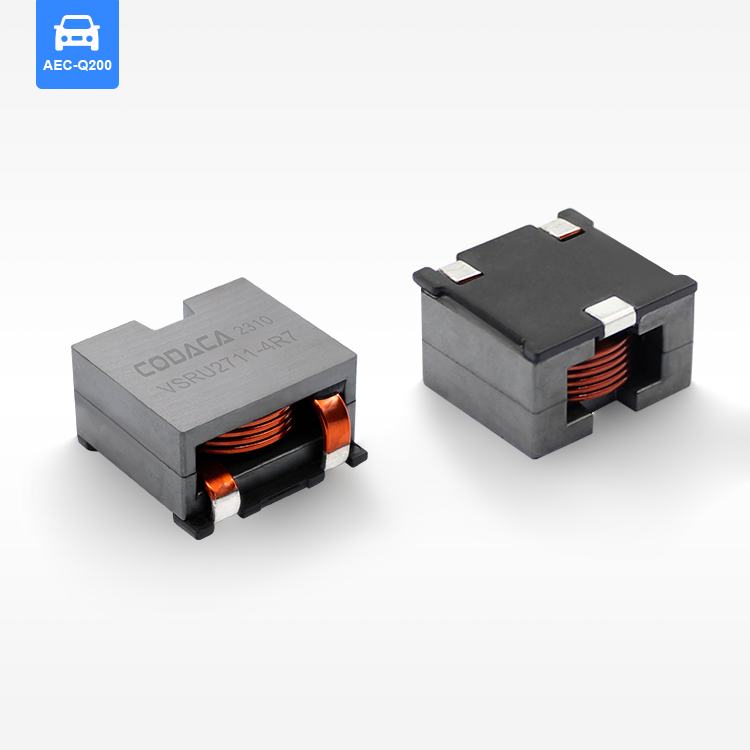
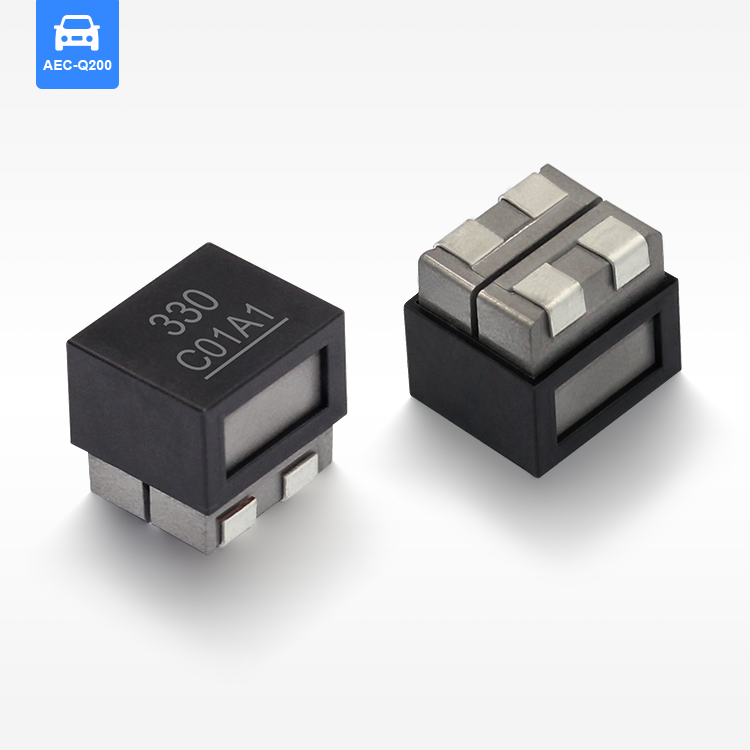
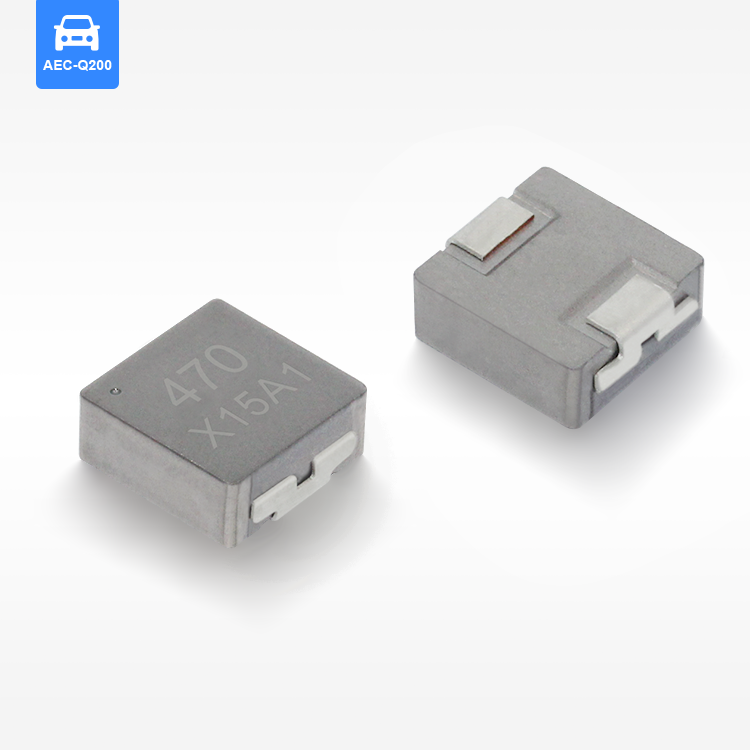
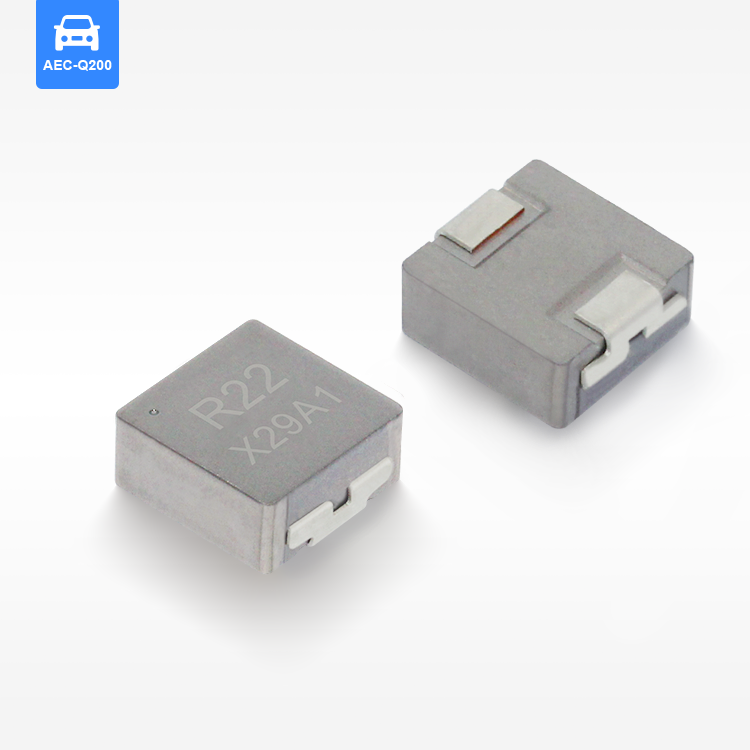
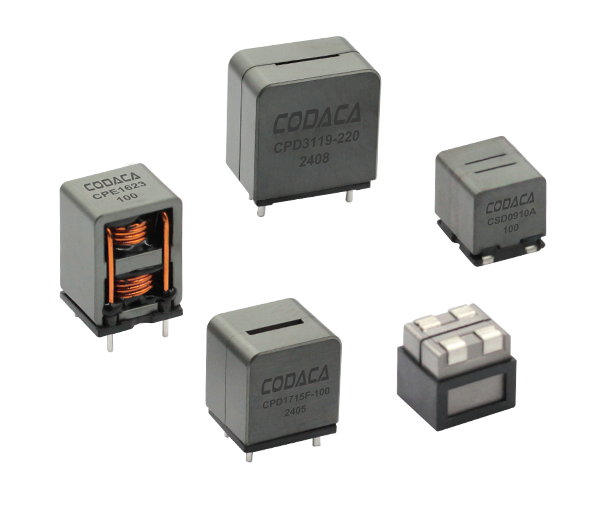
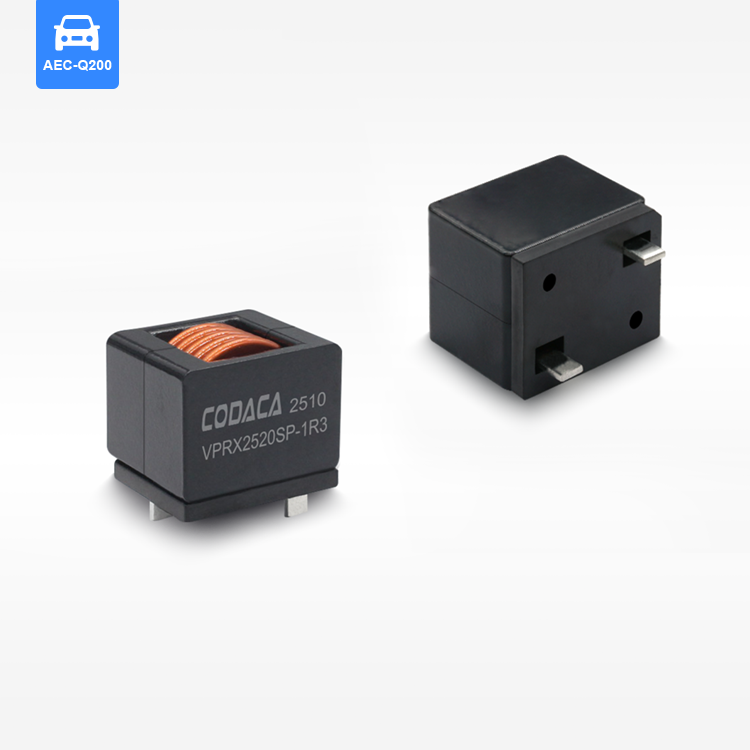
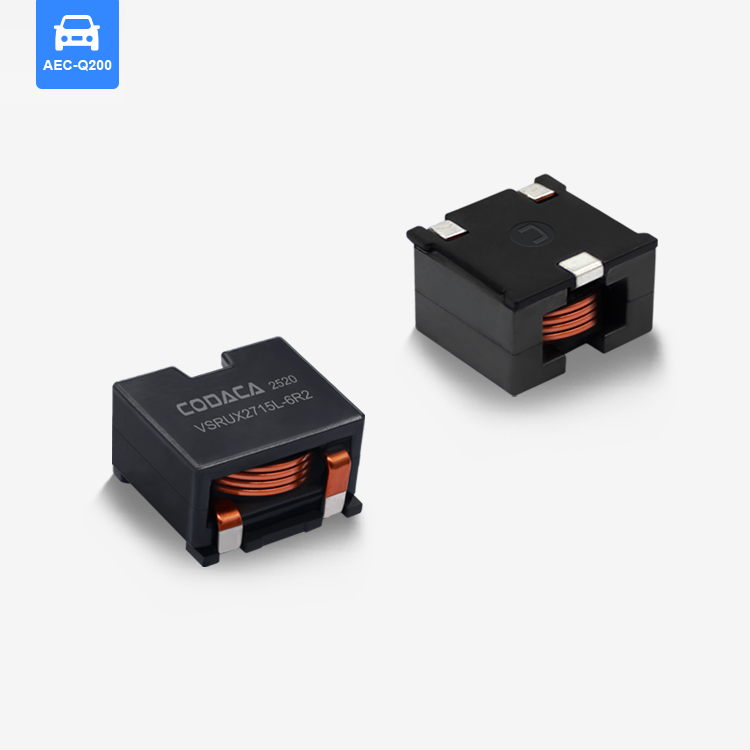
A ferrite shielded inductor represents a sophisticated electronic component that combines traditional inductive capabilities with advanced magnetic shielding technology. This component utilizes ferrite materials to create a protective magnetic barrier around the inductor coil, effectively containing electromagnetic fields while maintaining optimal performance characteristics. The ferrite shielded inductor serves as a critical component in power management circuits, filtering applications, and energy storage systems across various electronic devices. The primary function of a ferrite shielded inductor involves storing electrical energy in magnetic fields while simultaneously preventing electromagnetic interference from affecting nearby components. The ferrite core material provides superior magnetic permeability compared to air-core designs, allowing for higher inductance values in compact form factors. The shielding feature ensures that magnetic flux remains contained within the component structure, reducing unwanted coupling with adjacent circuit elements. Technological features of ferrite shielded inductors include precise inductance tolerances, excellent temperature stability, and robust construction methods. These components typically feature wound copper wire around ferrite cores, with additional ferrite shielding elements strategically positioned to optimize magnetic field containment. Manufacturing processes employ automated winding techniques and quality control measures to ensure consistent electrical characteristics and mechanical reliability. Modern ferrite shielded inductors incorporate advanced materials science, utilizing specialized ferrite compositions optimized for specific frequency ranges and operating conditions. Applications for ferrite shielded inductors span numerous industries and electronic systems. Power supply circuits rely on these components for energy conversion, voltage regulation, and current smoothing functions. Mobile devices, automotive electronics, industrial control systems, and renewable energy equipment frequently incorporate ferrite shielded inductors to achieve efficient power management and electromagnetic compatibility requirements. The versatility of these components makes them essential building blocks in contemporary electronic design, supporting everything from simple filtering circuits to complex power conversion topologies.

New Products

Ferrite shielded inductors deliver exceptional performance benefits that directly translate to improved product reliability and enhanced user experiences. These components provide superior electromagnetic compatibility compared to conventional inductors, effectively containing magnetic fields that could otherwise interfere with sensitive electronic circuits. This containment capability allows engineers to design more compact electronic products without sacrificing performance quality or regulatory compliance standards. The advanced shielding technology reduces electromagnetic emissions significantly, helping manufacturers meet stringent international standards for electronic device certification. Users benefit from cleaner power delivery and reduced noise in their electronic systems, resulting in better overall device performance and longer operational lifespans. The ferrite core material offers outstanding magnetic properties that enable higher inductance values in smaller physical packages. This space-saving advantage allows product designers to create thinner smartphones, more compact laptops, and smaller industrial control units without compromising electrical performance. The improved power density characteristics mean that devices can operate more efficiently while consuming less physical space on circuit boards. End users appreciate products that are both powerful and portable, making ferrite shielded inductors an invaluable component choice for modern electronics. Temperature stability represents another crucial advantage of ferrite shielded inductors, as these components maintain consistent electrical characteristics across wide temperature ranges. This reliability ensures that electronic devices perform predictably in various environmental conditions, from cold outdoor applications to heated industrial environments. Users can depend on their devices to function properly regardless of ambient temperature fluctuations, reducing maintenance requirements and extending product lifecycles. The robust construction methods used in ferrite shielded inductor manufacturing provide exceptional mechanical durability and resistance to vibration, shock, and thermal cycling. This durability translates to lower warranty costs for manufacturers and increased customer satisfaction through reliable product performance. Cost-effectiveness emerges as a significant benefit when considering the total value proposition of ferrite shielded inductors. While initial component costs may be slightly higher than basic alternatives, the long-term benefits include reduced design complexity, improved manufacturing yields, and enhanced product reliability. These factors collectively reduce total system costs and time-to-market for new products, providing competitive advantages in rapidly evolving technology markets.

Practical Tips

The Role of Inductors in Digital Amplifier Performance

14

May

The Role of Inductors in Digital Amplifier Performance

Inductors in amplifier circuits help you manage current flow effectively. They stabilize electrical signals and reduce unwanted noise. By doing so, they enhance the performance of your amplifier. These components also improve energy efficiency, ensur...
View More
How High Current Power Inductors Enhance Energy Efficiency

31

Mar

How High Current Power Inductors Enhance Energy Efficiency

Introduction High current power inductors are crucial components in power electronics, designed to store energy in a magnetic field while allowing significant currents to pass through. These inductors are essential for a variety of applications, inc...
View More
The Most Durable Automotive Grade Digital Power Amplifier Inductor

01

Apr

The Most Durable Automotive Grade Digital Power Amplifier Inductor

Introduction Automotive-grade digital power amplifier inductors are essential components in modern vehicle audio systems. These inductors are designed to handle large currents and provide stable performance under various environmental conditions, en...
View More
Molding Power Chokes: A Comprehensive Review of the Market

13

May

Molding Power Chokes: A Comprehensive Review of the Market

What Are Molding Power Chokes? Definition and Core Functionality Molding power chokes are inductive elements that control current flow within circuits. For the transport of electrical power, energy is advantageously stored in magnetic fields, w...
View More

Get a Free Quote

Our representative will contact you soon.
Email
Name
Company Name
Message
0/1000

ferrite shielded inductor

Advanced Electromagnetic Shielding Technology

Advanced Electromagnetic Shielding Technology

The electromagnetic shielding capability of ferrite shielded inductors represents a revolutionary advancement in electronic component design that addresses critical challenges in modern high-density circuit layouts. This sophisticated shielding technology employs carefully engineered ferrite materials that create an effective magnetic barrier around the inductor coil, preventing unwanted electromagnetic field interactions with surrounding components. The shielding mechanism works by providing a low-reluctance path for magnetic flux lines, effectively containing them within the component structure rather than allowing them to radiate into the surrounding environment. This containment is particularly crucial in today's electronic devices where components are packed increasingly close together on printed circuit boards. The practical benefits for customers include dramatically reduced electromagnetic interference, which translates to cleaner signal processing, improved audio quality in consumer electronics, and more stable operation of sensitive measurement equipment. Engineers can design circuits with higher component density without worrying about cross-talk between inductive components, enabling more compact and powerful electronic products. The shielding effectiveness of ferrite shielded inductors often exceeds 40 decibels across relevant frequency ranges, providing substantial protection against both conducted and radiated electromagnetic emissions. This performance level helps manufacturers comply with international electromagnetic compatibility standards such as FCC Part 15, CE marking requirements, and industry-specific regulations without requiring additional external shielding components. For end users, this means electronic devices that operate more reliably in electromagnetic-rich environments such as offices with multiple wireless devices, industrial facilities with heavy machinery, and automotive applications with numerous electronic systems operating simultaneously. The ferrite shielding technology also provides bidirectional protection, preventing external electromagnetic fields from affecting the inductor's performance while simultaneously containing the component's own electromagnetic emissions.
Superior Power Efficiency and Thermal Management

Superior Power Efficiency and Thermal Management

Ferrite shielded inductors excel in power efficiency applications through their optimized magnetic core design and advanced thermal management characteristics that deliver measurable benefits in energy consumption and operational reliability. The ferrite core material exhibits exceptionally low core losses across wide frequency ranges, enabling these components to handle substantial power levels while generating minimal heat. This efficiency advantage stems from the carefully controlled magnetic properties of modern ferrite materials, which are engineered to minimize hysteresis and eddy current losses that typically plague other magnetic core types. For customers operating battery-powered devices, this translates directly to extended operating times and reduced charging frequency requirements. Industrial applications benefit from lower overall system power consumption, reducing operational costs and supporting sustainability initiatives. The superior thermal management capabilities of ferrite shielded inductors result from both efficient operation and effective heat dissipation design features. The ferrite core material possesses excellent thermal conductivity properties that facilitate rapid heat transfer away from the active winding areas, preventing localized hot spots that could degrade performance or reduce component lifespan. Additionally, the shielded construction often incorporates enhanced surface area designs that promote convective cooling, allowing these components to operate at lower temperatures even under high-power conditions. This thermal advantage enables engineers to specify higher power ratings in existing form factors or achieve equivalent performance in smaller packages, supporting the ongoing miniaturization trends in electronic product development. Customer applications benefit from improved reliability through reduced thermal stress on both the inductor and surrounding components, leading to longer product lifecycles and reduced maintenance requirements. The combination of high efficiency and excellent thermal management makes ferrite shielded inductors particularly valuable in automotive electronics, where underhood temperature conditions can be extremely challenging, and in renewable energy systems where maximizing power conversion efficiency directly impacts system economics.
Exceptional Reliability and Long-Term Stability

Exceptional Reliability and Long-Term Stability

The exceptional reliability and long-term stability characteristics of ferrite shielded inductors provide customers with confidence in critical applications where component failure could result in significant operational disruptions or safety concerns. These components undergo rigorous testing protocols that validate their performance under extreme environmental conditions, including temperature cycling, humidity exposure, mechanical shock, and vibration stress. The ferrite core material exhibits remarkable stability over time, maintaining its magnetic properties and inductance values within tight tolerances throughout extended operational periods. This stability is particularly important in precision applications such as medical equipment, aerospace systems, and industrial control circuits where component drift could affect system accuracy or safety margins. Manufacturing quality control processes ensure that each ferrite shielded inductor meets stringent specifications for electrical characteristics, mechanical dimensions, and environmental resistance. Advanced automated testing equipment verifies inductance values, quality factors, self-resonant frequencies, and DC resistance parameters before components leave the factory, providing customers with consistent performance characteristics across production lots. The robust construction methodology employed in ferrite shielded inductor manufacturing utilizes high-quality materials and proven assembly techniques that resist degradation from thermal cycling, mechanical stress, and chemical exposure. Wire bonds and termination connections are designed to withstand thousands of thermal cycles without developing high-resistance joints or open circuits that could compromise system operation. For customers in mission-critical applications, this reliability translates to reduced maintenance schedules, lower total cost of ownership, and increased confidence in system availability. The long-term stability of ferrite shielded inductors also supports predictable system behavior over product lifecycles that may span decades in industrial or infrastructure applications. Component aging characteristics are well-understood and documented, allowing engineers to design systems with appropriate safety margins and maintenance intervals. This predictability is particularly valuable in applications where component replacement requires significant downtime or specialized expertise, such as offshore wind turbines, telecommunications infrastructure, or medical imaging equipment where reliability directly impacts patient care quality and operational efficiency.