Magnetically Shielded Power Inductors - High-Performance EMI Protection & Compact Power Solutions

All Categories

Get a Free Quote

Our representative will contact you soon.
Email
Name
Company Name
Message
0/1000

magnetically shielded power inductor

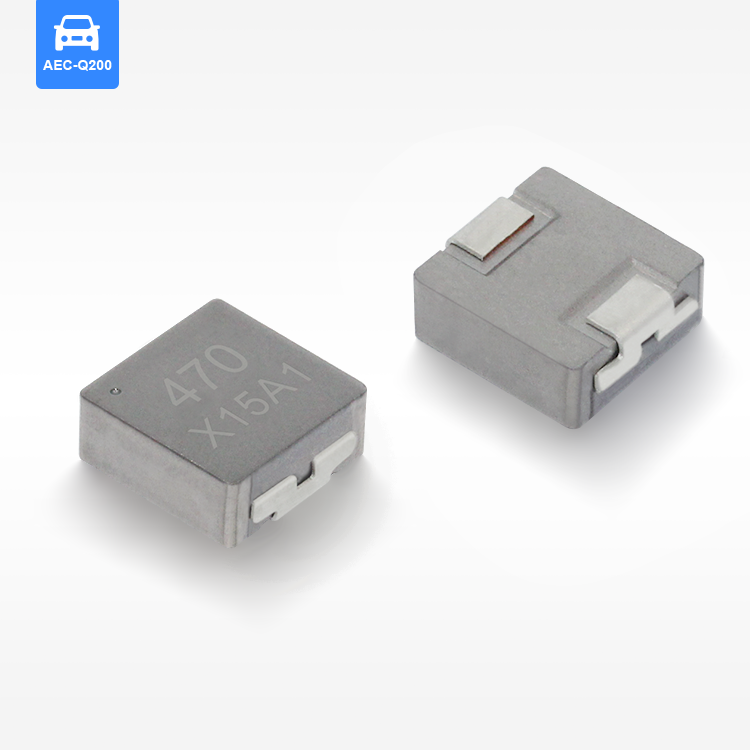
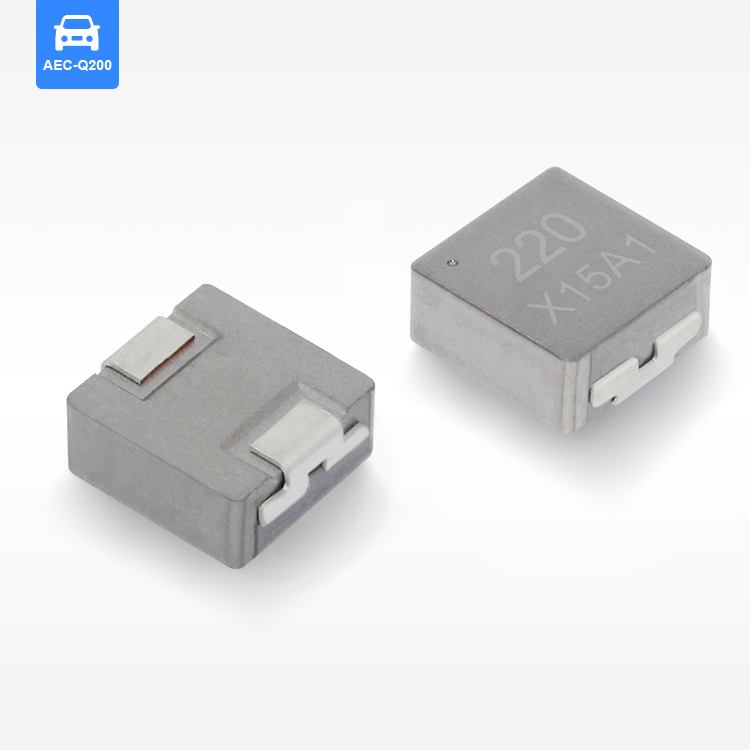
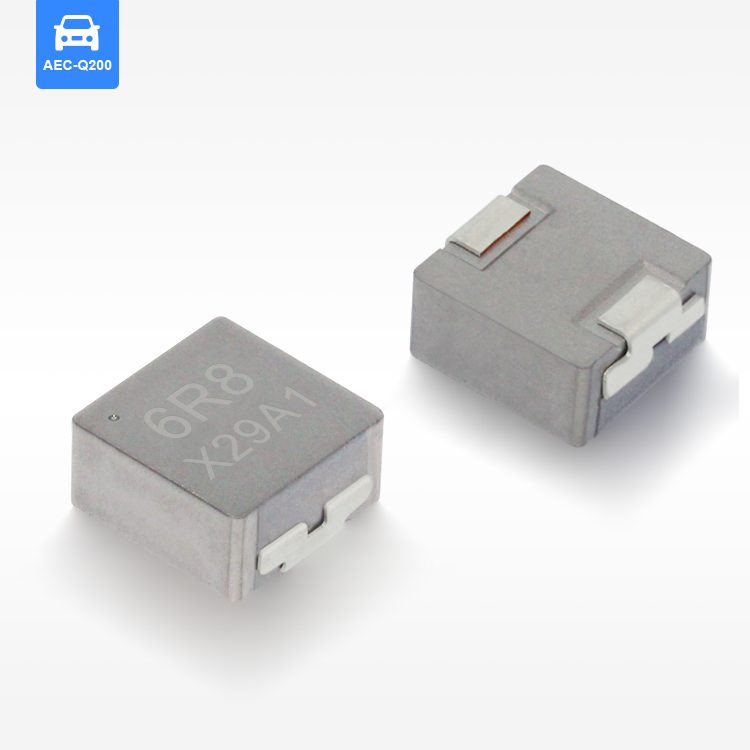
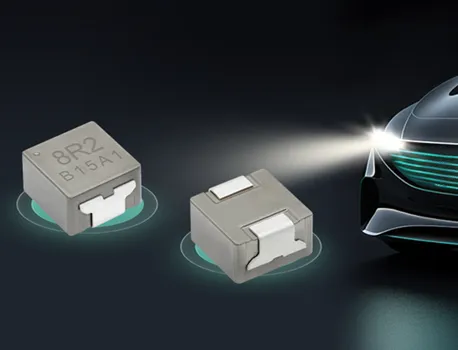
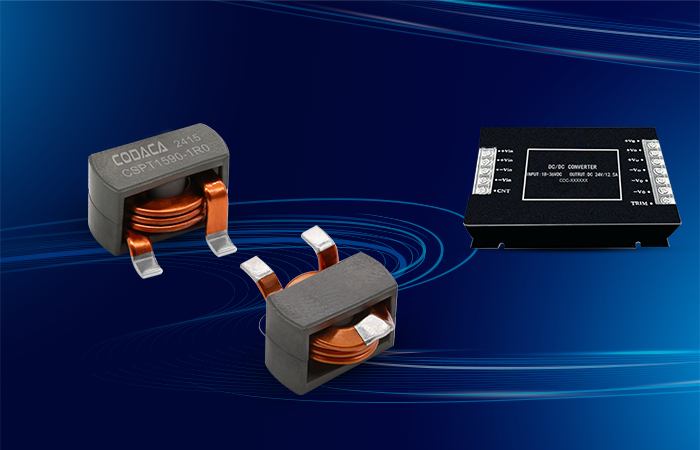
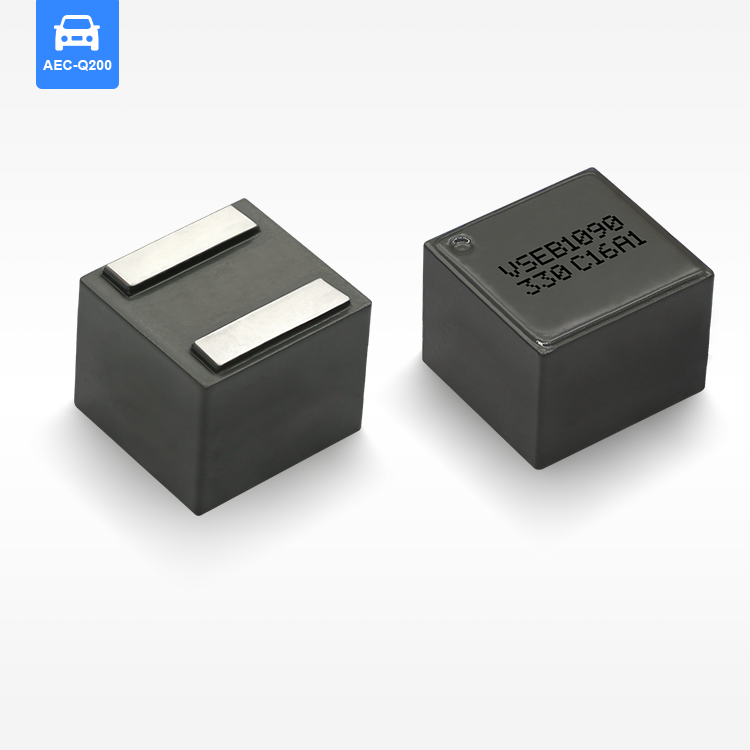
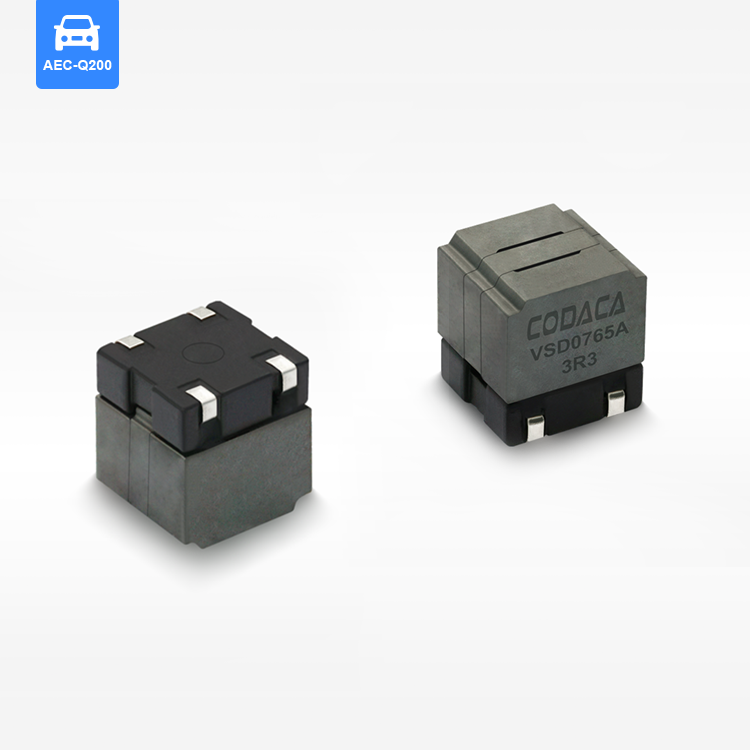
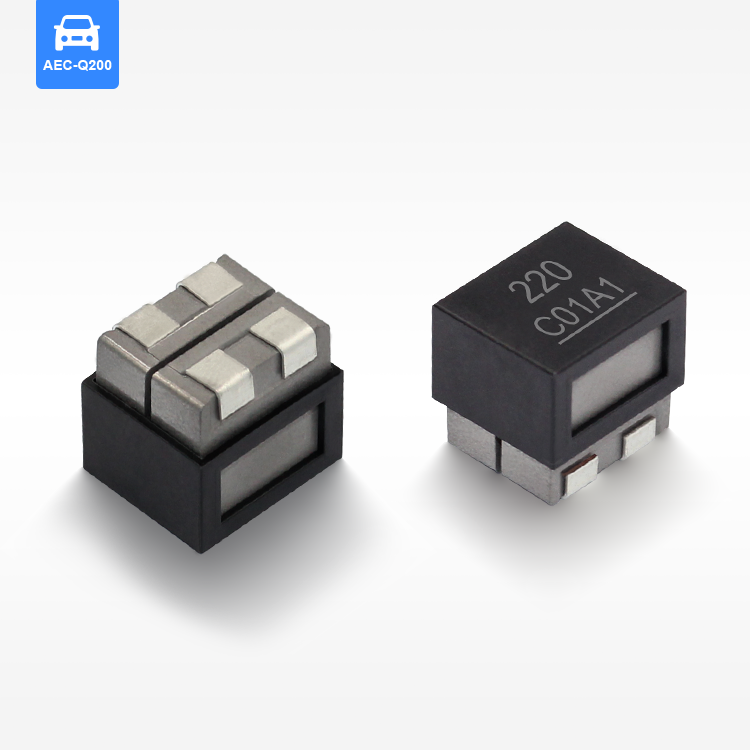
A magnetically shielded power inductor represents a crucial electronic component engineered to provide superior electromagnetic interference (EMI) reduction while maintaining exceptional power handling capabilities. This advanced inductor design incorporates specialized magnetic shielding technology that effectively contains magnetic flux within the component structure, preventing unwanted electromagnetic radiation from affecting nearby circuits and components. The primary function of a magnetically shielded power inductor centers on energy storage and filtering applications in power management systems, where it regulates current flow, reduces ripple voltage, and stabilizes power delivery across various electronic devices. The technological foundation of these inductors relies on sophisticated core materials, typically ferrite or powdered iron, combined with precision-wound copper wire and an external magnetic shield that encapsulates the entire assembly. This shielding mechanism dramatically reduces the inductor's external magnetic field footprint, making it ideal for high-density circuit board layouts where component proximity poses significant design challenges. Modern magnetically shielded power inductors feature compact form factors while delivering impressive inductance values ranging from microhenries to several millihenries, with current ratings spanning from hundreds of milliamps to multiple amperes. These components excel in switching power supplies, DC-DC converters, voltage regulators, and LED drivers where efficient power conversion and minimal electromagnetic interference are paramount. The applications extend across automotive electronics, telecommunications equipment, consumer electronics, industrial automation systems, and renewable energy solutions. Advanced manufacturing techniques ensure consistent performance characteristics, including low DC resistance, high saturation current ratings, and excellent temperature stability. The magnetically shielded power inductor's design philosophy emphasizes reliability, efficiency, and electromagnetic compatibility, making it an essential component for modern electronic systems that demand clean power delivery and regulatory compliance with electromagnetic emission standards.

New Product Releases

Magnetically shielded power inductors deliver significant performance benefits that directly translate to improved system reliability and design flexibility for engineers and manufacturers. The most immediate advantage stems from their exceptional electromagnetic interference suppression capabilities, which allows designers to place sensitive components closer together without experiencing crosstalk or signal degradation. This electromagnetic containment reduces the need for additional spacing between components, enabling more compact circuit board designs and ultimately smaller end products that consumers demand. The superior magnetic flux containment also eliminates the need for costly EMI shields or filtering components that would otherwise be required to meet regulatory compliance standards, resulting in material cost savings and simplified assembly processes. Power efficiency represents another compelling advantage, as these inductors typically exhibit lower core losses and reduced parasitic effects compared to conventional unshielded alternatives. This enhanced efficiency translates directly to longer battery life in portable devices, reduced heat generation, and lower operating costs over the product lifecycle. The precise inductance stability across varying temperature ranges ensures consistent performance in diverse operating environments, from automotive applications experiencing extreme temperature swings to industrial equipment operating in harsh conditions. Manufacturing consistency provides predictable performance characteristics that simplify quality control processes and reduce field failures, ultimately protecting brand reputation and minimizing warranty costs. The compact footprint of magnetically shielded power inductors enables higher power density designs, allowing manufacturers to pack more functionality into smaller enclosures while maintaining thermal management requirements. Installation becomes more straightforward due to standardized packaging formats and automated assembly compatibility, reducing production time and labor costs. These inductors also demonstrate excellent long-term reliability with stable inductance values over extended operating periods, minimizing the need for frequent replacements or maintenance interventions. The reduced external magnetic field interference ensures optimal performance of adjacent components, including sensitive analog circuits, crystal oscillators, and wireless communication modules. This compatibility advantage eliminates the need for complex layout constraints or expensive shielding solutions, providing design engineers with greater flexibility in component placement and routing optimization while maintaining system performance integrity.

Latest News

The Science Behind Automotive Grade Molding Power Choke Design

31

Mar

The Science Behind Automotive Grade Molding Power Choke Design

Introduction Automotive grade molding power chokes, also known as molded power inductors, are essential components in electrical circuits particularly within the automotive industry. These chokes consist of a coil of wire wound around a ferrite core...
View More
Compact High Current Power Inductor: A Comparison of Materials and Designs

01

Apr

Compact High Current Power Inductor: A Comparison of Materials and Designs

Mn-Zn Ferrite: High Permeability and Frequency Response Mn-Zn ferrite is highly regarded in the field of inductors due to its high permeability, which facilitates an efficient magnetic flux path. This characteristic translates into improved inductan...
View More
Molding Power Chokes: A Comprehensive Review of the Market

13

May

Molding Power Chokes: A Comprehensive Review of the Market

What Are Molding Power Chokes? Definition and Core Functionality Molding power chokes are inductive elements that control current flow within circuits. For the transport of electrical power, energy is advantageously stored in magnetic fields, w...
View More
A Brief Analysis of Inductor Noise and Solutions

26

May

A Brief Analysis of Inductor Noise and Solutions

1.The principle of noise generation Noise is generated by the vibration of objects. Let's take a speaker as an example to understand the principle of vibration.A speaker does not directly convert electrical energy into sound energy. Instead, it uses ...
View More

Get a Free Quote

Our representative will contact you soon.
Email
Name
Company Name
Message
0/1000

magnetically shielded power inductor

Superior Electromagnetic Interference Protection

Superior Electromagnetic Interference Protection

The magnetically shielded power inductor's most distinctive feature lies in its advanced electromagnetic interference protection system, which fundamentally transforms how electronic circuits manage magnetic field interactions. This sophisticated shielding technology employs multiple layers of magnetic materials that effectively contain the inductor's magnetic flux within its physical boundaries, preventing electromagnetic radiation from escaping and interfering with surrounding components. The engineering precision behind this shielding system involves carefully selected ferrite or metallic alloy materials that provide high magnetic permeability, creating a low-reluctance path for magnetic flux while simultaneously blocking external electromagnetic disturbances from penetrating the inductor's core region. This bidirectional protection ensures that the magnetically shielded power inductor neither generates harmful electromagnetic interference nor succumbs to external electromagnetic influences that could compromise its performance characteristics. The practical implications of this superior EMI protection extend far beyond simple regulatory compliance, offering tangible benefits in real-world applications where electromagnetic compatibility determines system success or failure. In automotive electronics, where multiple high-power systems operate in close proximity, this EMI protection prevents critical safety systems from experiencing interference-induced malfunctions that could compromise vehicle safety. Similarly, in medical devices where precise sensor readings and reliable operation are paramount, the electromagnetic shielding ensures that power management circuits do not interfere with sensitive diagnostic equipment or patient monitoring systems. The technology also proves invaluable in telecommunications infrastructure, where clean power delivery must coexist with high-frequency communication signals without causing signal degradation or data corruption. Manufacturing consistency in EMI protection performance ensures that every magnetically shielded power inductor delivers predictable interference suppression characteristics, eliminating the variability that can plague conventional inductors and cause intermittent system failures. This reliability becomes particularly crucial in mission-critical applications where electromagnetic interference could result in costly downtime, safety hazards, or regulatory violations. The comprehensive EMI protection also future-proofs electronic designs against increasingly stringent electromagnetic emission regulations, providing manufacturers with confidence that their products will continue meeting compliance requirements as standards evolve.
Enhanced Power Efficiency and Thermal Performance

Enhanced Power Efficiency and Thermal Performance

The magnetically shielded power inductor achieves remarkable power efficiency improvements through its optimized magnetic circuit design and advanced materials engineering, delivering measurable benefits in energy consumption, heat generation, and overall system performance. The sophisticated core materials used in these inductors, typically consisting of high-permeability ferrites or specialized powdered metal alloys, minimize core losses that traditionally plague conventional inductors operating at high frequencies and power levels. This reduction in core losses directly translates to improved power conversion efficiency, often achieving efficiency gains of several percentage points compared to standard inductors in equivalent applications. The engineering excellence extends to the conductor design, where precision-wound copper wire with optimized cross-sectional areas reduces resistive losses while maintaining the required inductance characteristics. The magnetic shielding structure itself contributes to thermal performance by providing additional heat dissipation pathways and thermal mass, helping to distribute heat more evenly across the component and reducing peak operating temperatures that can degrade performance or shorten component lifespan. Temperature stability represents a critical advantage in power applications, where inductance variations due to thermal cycling can cause ripple current fluctuations, voltage regulation problems, and efficiency degradation. The magnetically shielded power inductor maintains consistent inductance values across wide temperature ranges, ensuring stable power conversion performance from initial startup through extended operation periods. This thermal stability eliminates the need for complex temperature compensation circuits or oversized components to account for performance variations, simplifying system design while improving reliability. The enhanced thermal characteristics also enable higher power density designs, allowing engineers to specify smaller inductors for given power requirements or achieve higher power throughput in space-constrained applications. Heat management becomes particularly crucial in automotive and industrial applications where ambient temperatures can vary dramatically, and the superior thermal performance of magnetically shielded power inductors ensures consistent operation across these challenging environmental conditions. The combination of reduced losses and improved thermal management results in longer component lifespans, reduced cooling requirements, and lower total cost of ownership for end users. Energy efficiency improvements translate directly to extended battery life in portable applications, reduced utility costs in stationary equipment, and enhanced environmental sustainability through reduced power consumption.
Compact Design with High Power Density

Compact Design with High Power Density

The magnetically shielded power inductor achieves exceptional space efficiency through innovative design methodologies that maximize inductance and power handling capabilities while minimizing physical footprint, addressing the critical need for compact yet powerful components in modern electronic systems. This remarkable space optimization results from the synergistic combination of advanced magnetic materials, precision manufacturing techniques, and intelligent magnetic circuit design that concentrates magnetic flux within the smallest possible volume while maintaining optimal performance characteristics. The compact form factor enables engineers to design smaller, lighter products without sacrificing power handling capabilities or electrical performance, meeting consumer demands for portable devices with extended functionality. The high power density achievement stems from careful selection of core materials with superior magnetic properties, allowing the magnetically shielded power inductor to handle significant current levels and energy storage requirements within packages that are substantially smaller than conventional alternatives. This miniaturization capability proves particularly valuable in space-constrained applications such as smartphone chargers, laptop power adapters, electric vehicle charging systems, and wearable technology where every cubic millimeter of space carries premium value. The design efficiency extends beyond mere physical dimensions to encompass optimal magnetic flux utilization, where the shielding structure serves dual purposes of electromagnetic interference suppression and magnetic circuit enhancement. Manufacturing precision ensures consistent dimensional tolerances and electrical characteristics across production volumes, enabling reliable automated assembly processes and predictable system integration. The standardized package formats facilitate easy adoption in existing designs while providing upgrade paths for enhanced performance without requiring significant layout modifications. High power density also translates to improved thermal management per unit volume, as the concentrated design allows for more efficient heat transfer pathways and thermal spreading. This thermal efficiency enables operation at higher power levels without exceeding temperature limits, further enhancing the effective power density beyond what physical dimensions alone might suggest. The compact design philosophy also considers electromagnetic compatibility, ensuring that the reduced physical footprint does not compromise the component's ability to coexist peacefully with adjacent circuits and components. Assembly advantages include compatibility with high-density surface mount technology processes, enabling cost-effective manufacturing while maintaining quality and reliability standards. The space savings achieved through magnetically shielded power inductor implementation often enable additional features or functionality within the same product enclosure, providing competitive advantages in feature-rich consumer electronics and industrial applications where functionality density determines market success.