High Performance Low Loss High Current Inductors - Superior Efficiency & Reliability

All Categories

Get a Free Quote

Our representative will contact you soon.
Email
Name
Company Name
Message
0/1000

low loss high current inductor

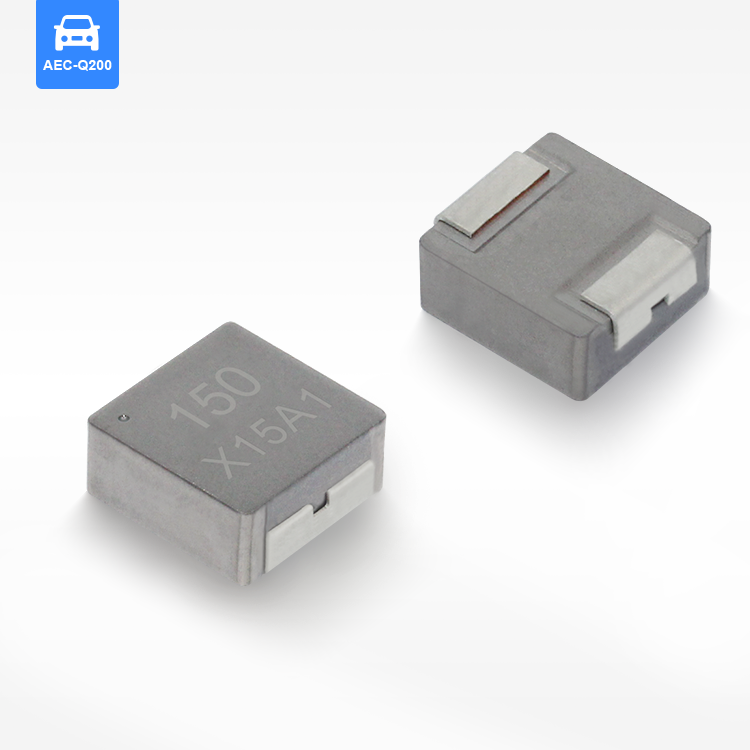
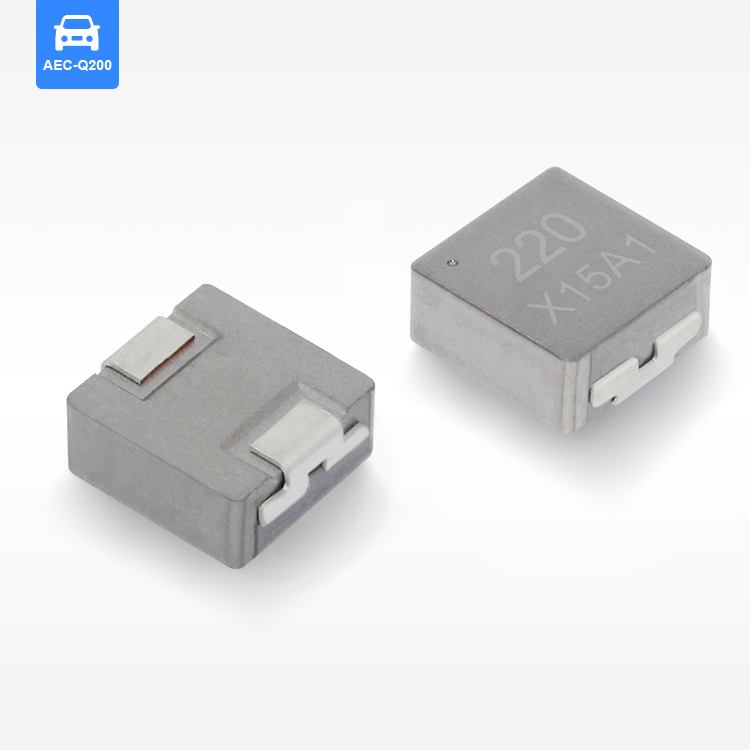
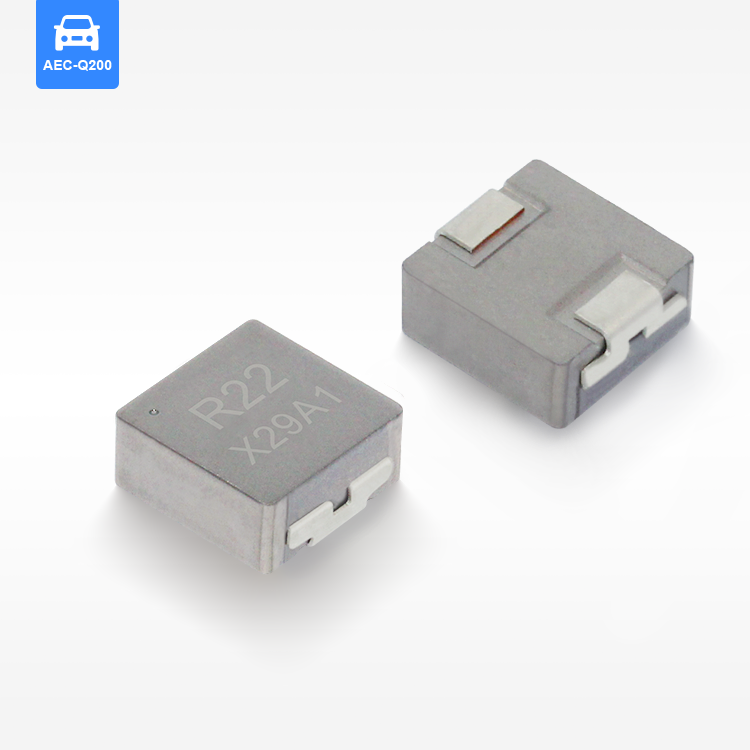
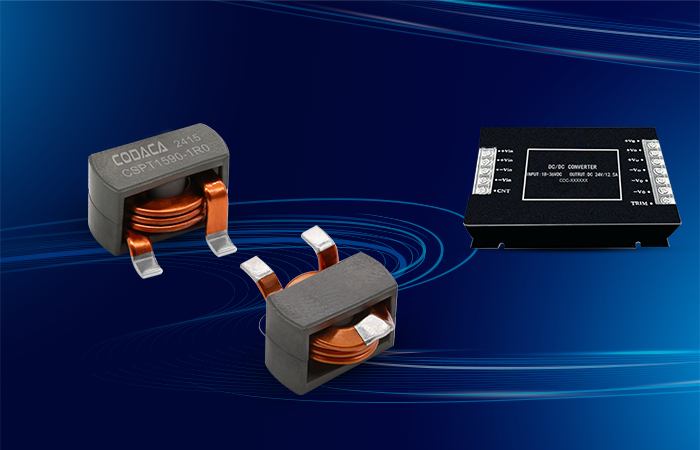
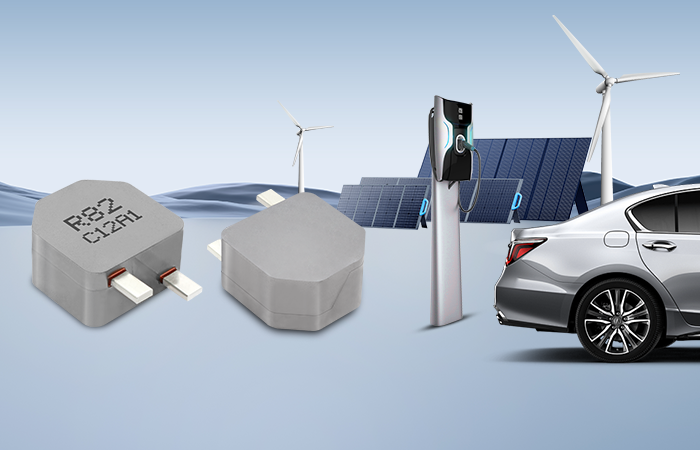
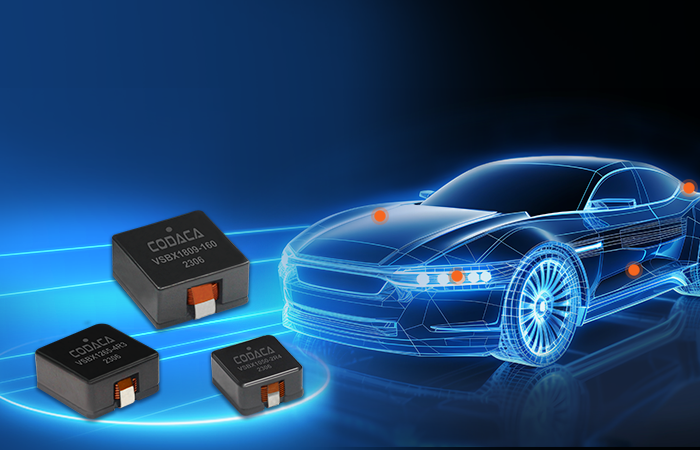
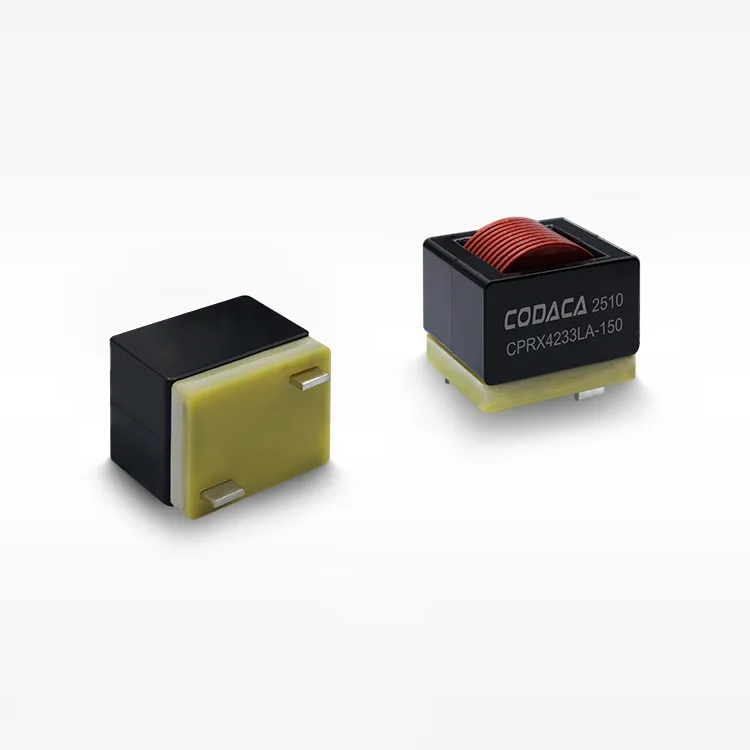
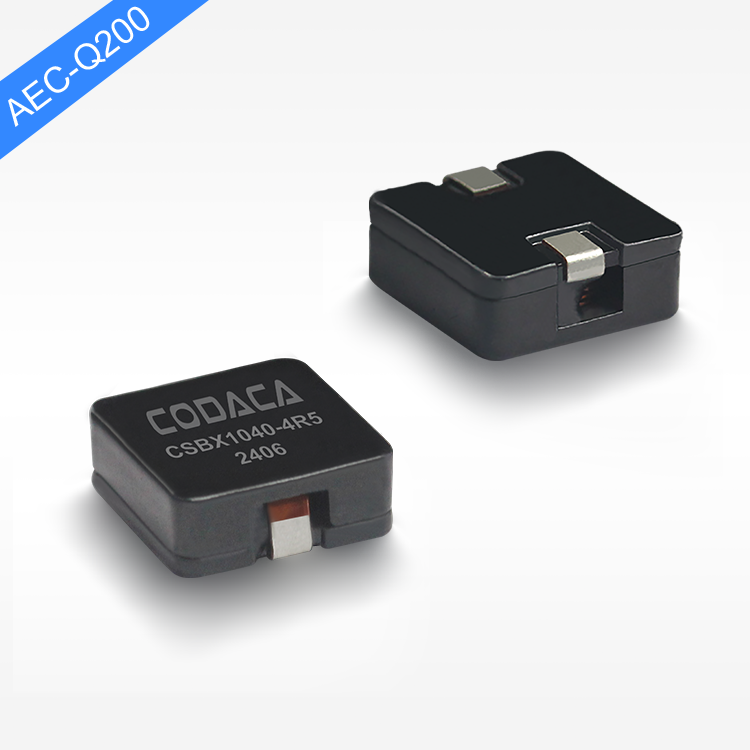
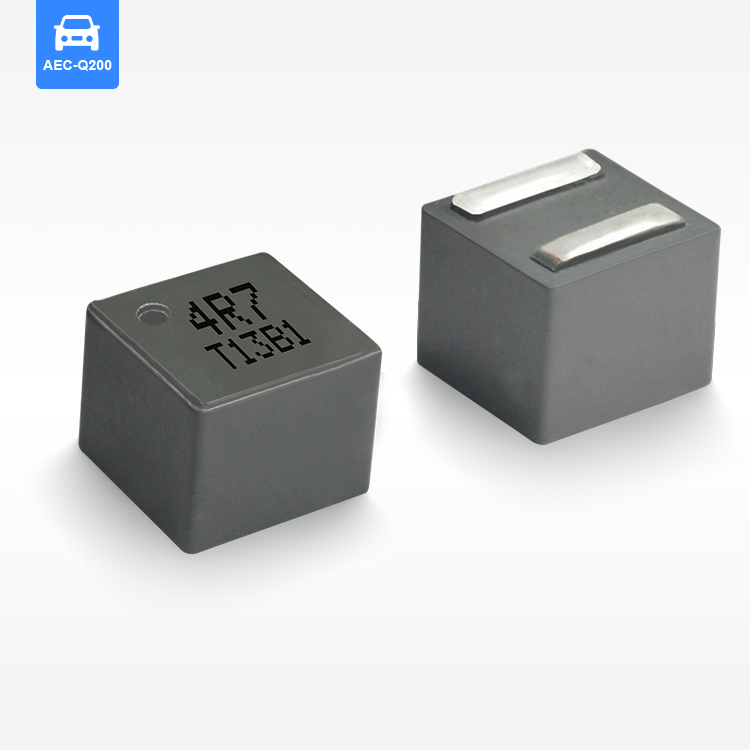
The low loss high current inductor represents a critical component in modern electronic systems, designed to handle substantial electrical currents while minimizing energy dissipation. These specialized magnetic components serve as essential building blocks in power electronics, energy storage systems, and high-performance circuit applications where efficiency and reliability are paramount. The primary function of a low loss high current inductor centers on its ability to store magnetic energy and regulate current flow without significant power wastage, making it indispensable for applications requiring robust current management capabilities. The technological foundation of these inductors relies on advanced core materials, optimized winding configurations, and sophisticated magnetic circuit designs that work together to achieve superior performance characteristics. Modern low loss high current inductors incorporate ferrite cores, powdered iron materials, or specialized composite cores that exhibit excellent magnetic permeability while maintaining low hysteresis losses. The winding structure typically employs thick copper conductors or multiple parallel strands to accommodate high current levels without excessive resistance heating. Manufacturing processes involve precision assembly techniques that ensure consistent air gaps, uniform magnetic flux distribution, and minimal parasitic effects. These components find widespread applications across diverse industries, including renewable energy systems where they manage power conversion in solar inverters and wind turbine controllers. Automotive electronics benefit from their implementation in electric vehicle charging systems, motor drives, and battery management circuits. Telecommunications infrastructure relies on these inductors for power supply regulation in base stations and data centers. Industrial automation systems incorporate them into variable frequency drives, servo controllers, and welding equipment where high current handling capabilities are essential. The versatility of low loss high current inductors extends to consumer electronics, particularly in high-end audio amplifiers, gaming systems, and professional equipment where clean power delivery directly impacts performance quality and user experience.

New Products

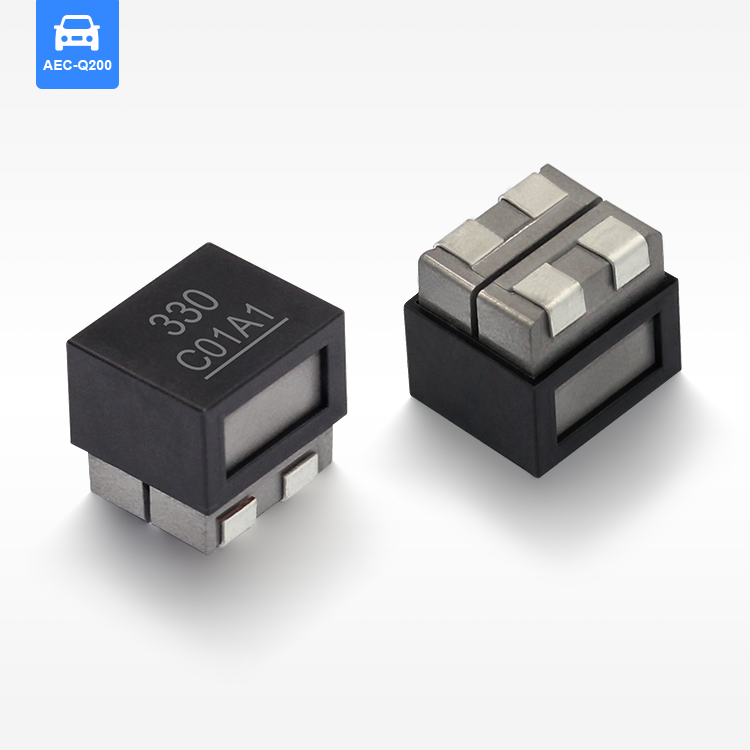
The primary advantage of low loss high current inductors lies in their exceptional efficiency performance, which translates directly into reduced operating costs and improved system reliability for end users. These components achieve efficiency ratings often exceeding 95 percent, meaning that less than five percent of the electrical energy passing through them is lost as heat. This efficiency improvement results in lower electricity bills for businesses and consumers while reducing the need for extensive cooling systems in electronic equipment. The reduced heat generation extends component lifespan significantly, as thermal stress is one of the primary failure mechanisms in electronic components. Users benefit from longer maintenance intervals and reduced replacement costs over the product lifecycle. Another substantial advantage involves the superior current handling capacity that these inductors provide without compromising performance stability. Traditional inductors often experience saturation effects or significant parameter drift when subjected to high current levels, but low loss high current inductors maintain consistent inductance values and stable operation even under demanding electrical conditions. This reliability ensures predictable circuit behavior and eliminates the need for oversized components or complex compensation circuits. The compact design characteristics of modern low loss high current inductors offer significant space savings in electronic assemblies, allowing engineers to create smaller, lighter products without sacrificing electrical performance. This size reduction is particularly valuable in portable devices, automotive applications, and aerospace systems where weight and space constraints are critical design considerations. The improved electromagnetic interference characteristics of these inductors contribute to cleaner circuit operation and reduced regulatory compliance costs. Their superior magnetic shielding properties minimize interference with adjacent components and reduce the need for additional EMI suppression measures. Installation and integration benefits include standardized package formats that simplify PCB layout and automated assembly processes. Many low loss high current inductors feature surface mount packages that enable high-volume manufacturing with consistent quality control. The robust construction of these components provides excellent mechanical stability and vibration resistance, making them suitable for harsh operating environments including automotive, industrial, and military applications where reliability is non-negotiable.

Practical Tips

Compact High Current Power Inductor: A Comparison of Materials and Designs

01

Apr

Compact High Current Power Inductor: A Comparison of Materials and Designs

Mn-Zn Ferrite: High Permeability and Frequency Response Mn-Zn ferrite is highly regarded in the field of inductors due to its high permeability, which facilitates an efficient magnetic flux path. This characteristic translates into improved inductan...
View More
Innovations in Automotive Grade Molding Power Choke Technology

31

Mar

Innovations in Automotive Grade Molding Power Choke Technology

Introduction The evolution of automotive power chokes is a testament to the significant advancements in vehicle performance enhancement. Historically, these components, often referred to as "inductors", have played a pivotal role in stabilizing elec...
View More
How to Select the Best Automotive Grade High Current Power Inductors for Your Needs

31

Mar

How to Select the Best Automotive Grade High Current Power Inductors for Your Needs

Understanding Automotive Grade Requirements for Power Inductors AEC-Q200 Compliance and Certification AEC-Q200 is an essential industry standard for automotive components, ensuring products meet high-quality, reliability, and safety thresholds. This...
View More
Inductors: A Solution for Noise Reduction in Digital Amplifiers

13

May

Inductors: A Solution for Noise Reduction in Digital Amplifiers

Understanding Noise Challenges in Digital Amplifiers Sources of Switching Noise in Digital Amplifiers Remedying the problem of switching noise, and the EMI it can cause is one of the hardest parts of digital amplifiers. High frequency switching...
View More

Get a Free Quote

Our representative will contact you soon.
Email
Name
Company Name
Message
0/1000

low loss high current inductor

Advanced Core Technology for Maximum Efficiency

Advanced Core Technology for Maximum Efficiency

The revolutionary core technology employed in low loss high current inductors represents the cornerstone of their superior performance characteristics. These inductors utilize carefully engineered magnetic core materials that have been specifically formulated to minimize energy losses while maintaining excellent current handling capabilities. The core design incorporates advanced ferrite compositions or specialized powder metallurgy techniques that create optimal magnetic flux paths with minimal hysteresis and eddy current losses. This sophisticated material engineering results in inductors that can handle substantial current levels without the significant efficiency degradation typically associated with conventional magnetic components. The manufacturing process involves precise control of core geometry, including carefully calculated air gaps that prevent magnetic saturation even under extreme operating conditions. The magnetic permeability characteristics of these cores remain stable across wide temperature ranges and varying current levels, ensuring consistent inductor performance throughout diverse operating scenarios. This stability eliminates the need for complex temperature compensation circuits and provides predictable electrical behavior that simplifies system design and reduces development costs. The advanced core technology also contributes to improved frequency response characteristics, allowing these inductors to maintain their electrical properties across broader frequency ranges than traditional designs. This frequency stability is particularly valuable in switching power supplies and motor drive applications where harmonic content and switching frequency variations can significantly impact system performance. The durability advantages of advanced core materials include resistance to mechanical stress, thermal cycling, and magnetic aging effects that can degrade performance over time. Users benefit from extended operational lifetimes and reduced maintenance requirements, as these cores maintain their magnetic properties even after millions of operating cycles. The environmental advantages include the use of lead-free materials and manufacturing processes that comply with international environmental regulations, making these inductors suitable for applications requiring RoHS compliance and environmental sustainability.
Optimized Winding Configuration for High Current Performance

Optimized Winding Configuration for High Current Performance

The specialized winding configuration of low loss high current inductors represents a masterpiece of electromagnetic engineering, designed to accommodate substantial current flows while minimizing resistive losses and maintaining excellent electrical characteristics. These inductors employ innovative conductor arrangements that utilize multiple parallel paths, carefully sized wire gauges, and optimized geometric configurations to achieve superior current density performance. The winding design incorporates low-resistance copper conductors with enhanced cross-sectional areas that significantly reduce I²R losses, which are typically the dominant loss mechanism in high current applications. Advanced manufacturing techniques ensure precise conductor placement and consistent spacing throughout the winding structure, eliminating hot spots and ensuring uniform current distribution across all conductor paths. The insulation system employed in these windings provides excellent dielectric strength while maintaining minimal thickness to maximize the conductor fill factor within the available winding window. This optimization results in inductors that can handle currents ranging from several amperes to hundreds of amperes while maintaining temperature rises within acceptable limits for reliable long-term operation. The mechanical construction of the winding incorporates stress-relief features and vibration-resistant mounting systems that prevent conductor movement and maintain electrical integrity even in demanding mechanical environments. The thermal management aspects of the winding design include provisions for efficient heat dissipation through optimized conductor placement and thermal interface materials that facilitate heat transfer to external cooling systems when required. The electrical performance benefits include reduced parasitic capacitance and improved high-frequency characteristics that make these inductors suitable for switching applications operating at elevated frequencies. Quality control measures during manufacturing ensure consistent winding parameters and electrical characteristics across production batches, providing users with predictable performance and simplified inventory management. The versatility of the winding configuration allows customization for specific application requirements, including specialized termination options, mounting configurations, and electrical specifications that meet unique system needs without compromising the fundamental performance advantages.
Superior EMI Suppression and Signal Integrity

Superior EMI Suppression and Signal Integrity

The exceptional electromagnetic interference suppression capabilities of low loss high current inductors provide critical advantages in modern electronic systems where signal integrity and electromagnetic compatibility are essential for proper operation. These inductors incorporate sophisticated magnetic shielding techniques and optimized geometric designs that significantly reduce electromagnetic emissions while simultaneously providing immunity from external interference sources. The magnetic field containment achieved through advanced core designs and shielding strategies minimizes coupling between the inductor and adjacent circuit components, preventing unwanted interactions that can cause system malfunctions or performance degradation. This electromagnetic isolation is particularly valuable in dense electronic assemblies where multiple high-current circuits operate in close proximity, such as in automotive engine control modules, industrial motor drives, and telecommunications equipment. The frequency response characteristics of these inductors are carefully engineered to provide effective filtering of high-frequency noise components while maintaining excellent low-frequency inductance values for proper circuit operation. This dual-frequency performance eliminates the need for additional filter components and simplifies overall system design while reducing component count and associated costs. The common-mode rejection capabilities of these inductors help prevent ground loops and other noise coupling mechanisms that can compromise sensitive analog circuits and digital communication interfaces. Manufacturing quality control processes ensure consistent electromagnetic performance characteristics across production volumes, providing system designers with reliable EMI suppression that meets regulatory requirements and certification standards. The physical construction incorporates features that maintain electromagnetic performance over extended operational periods, including stable magnetic properties that resist degradation from temperature cycling, mechanical stress, and electrical transients. Testing and validation procedures verify EMI performance across relevant frequency ranges and operating conditions, providing users with comprehensive performance data for system-level electromagnetic compatibility analysis. The cost-effectiveness of integrated EMI suppression eliminates the need for external filter circuits and shielding enclosures that would otherwise be required to meet electromagnetic compatibility requirements, resulting in overall system cost reductions and simplified manufacturing processes.