High-Performance Magnetic Shield Inductors - Advanced EMI Suppression & Compact Design Solutions

All Categories

Get a Free Quote

Our representative will contact you soon.
Email
Name
Company Name
Message
0/1000

magnetic shield inductor

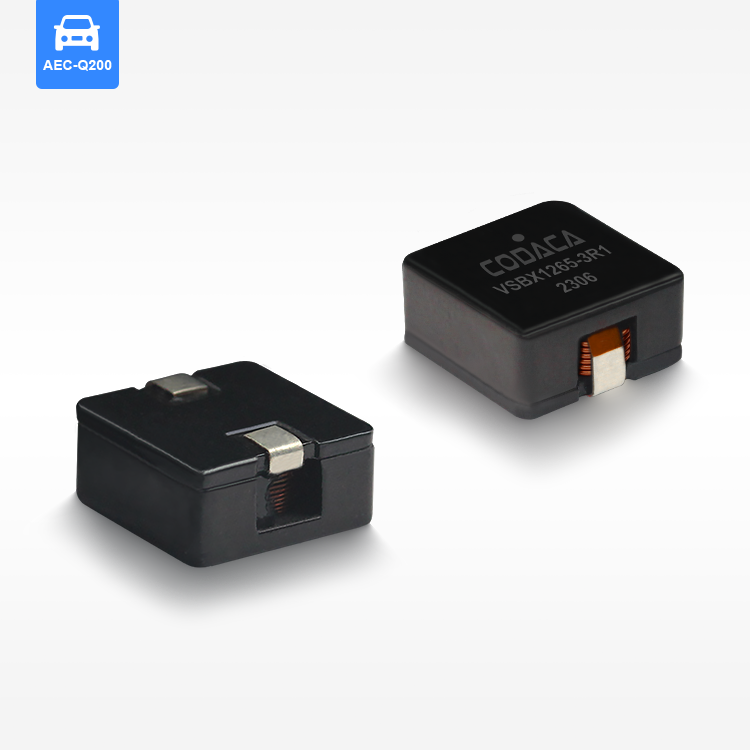
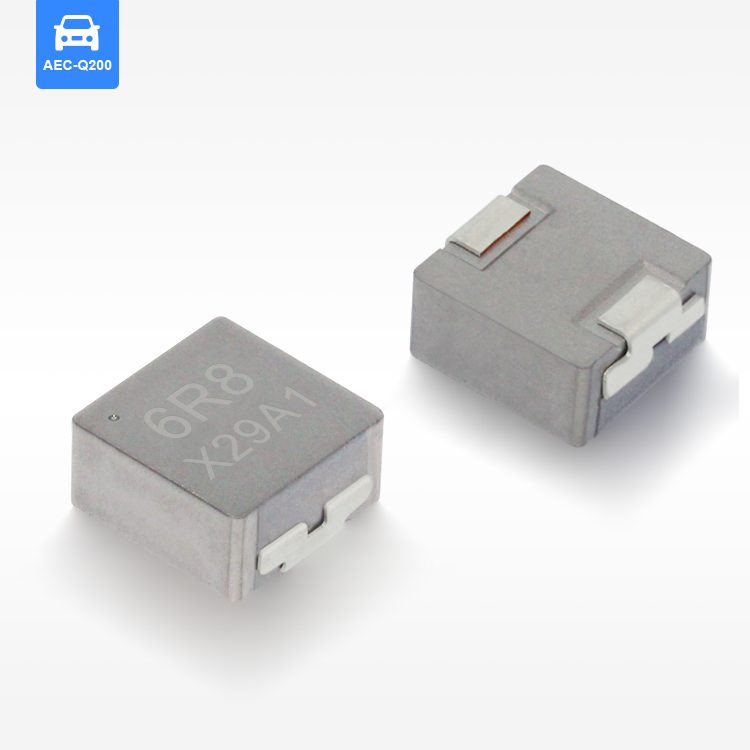
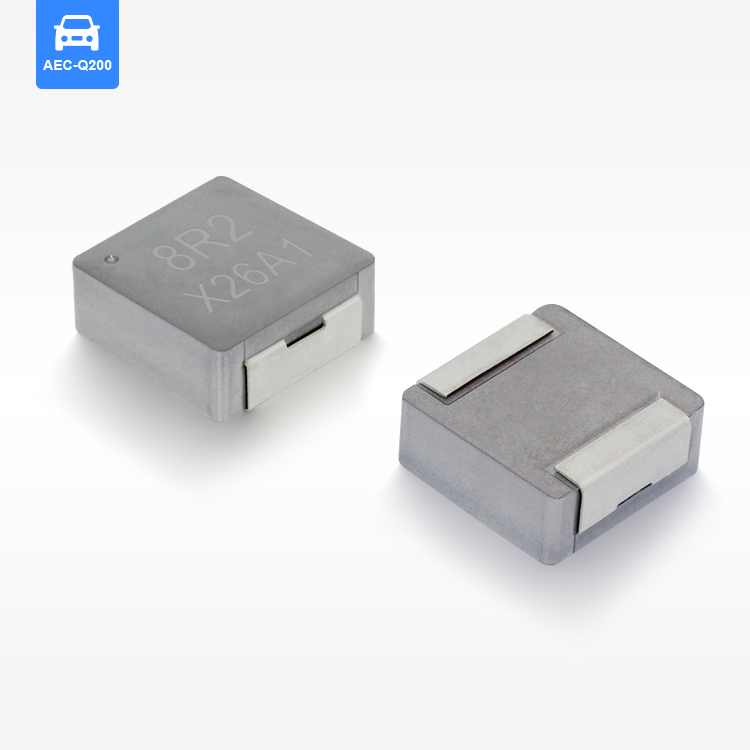
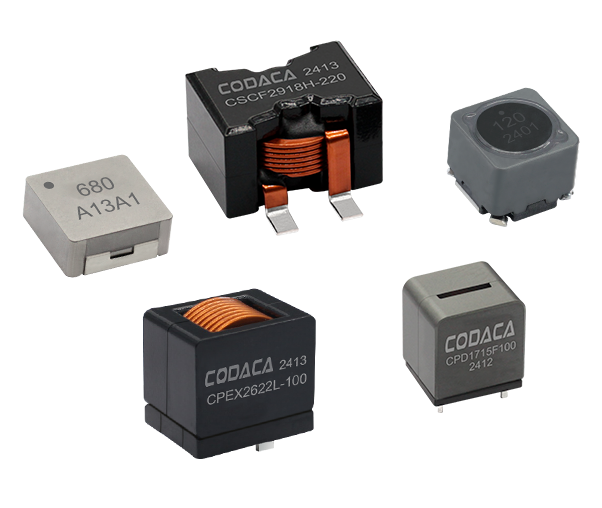
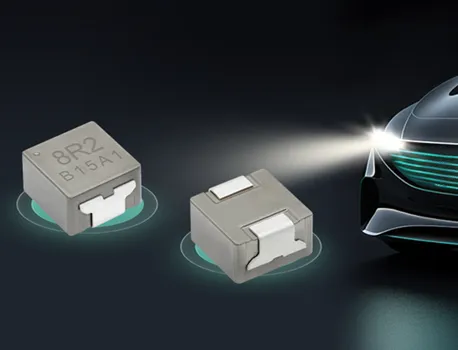
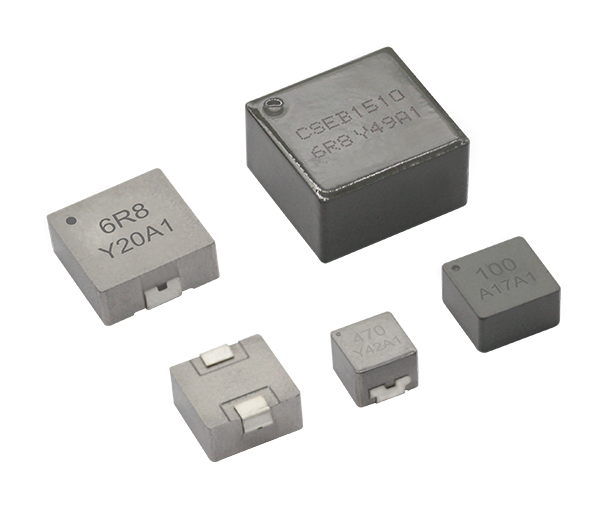
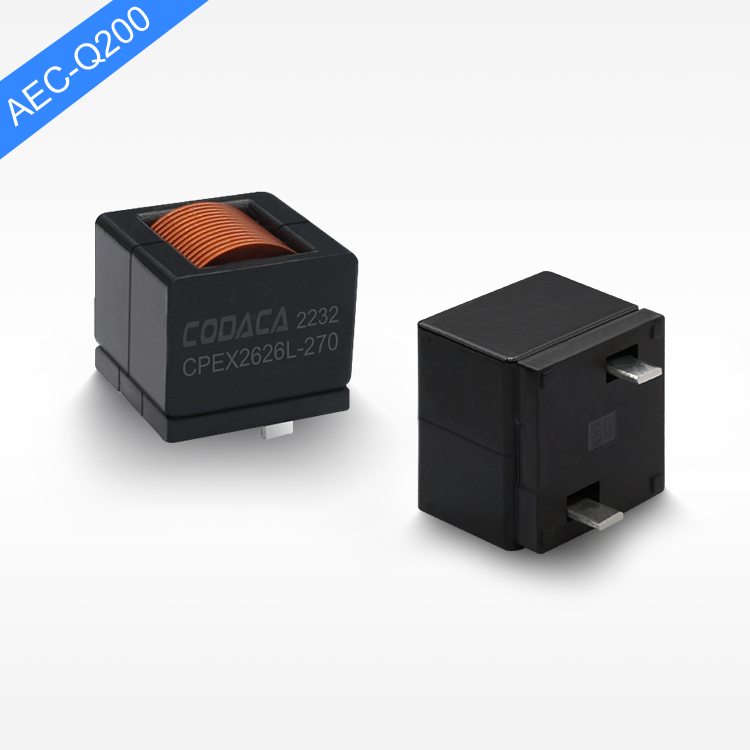
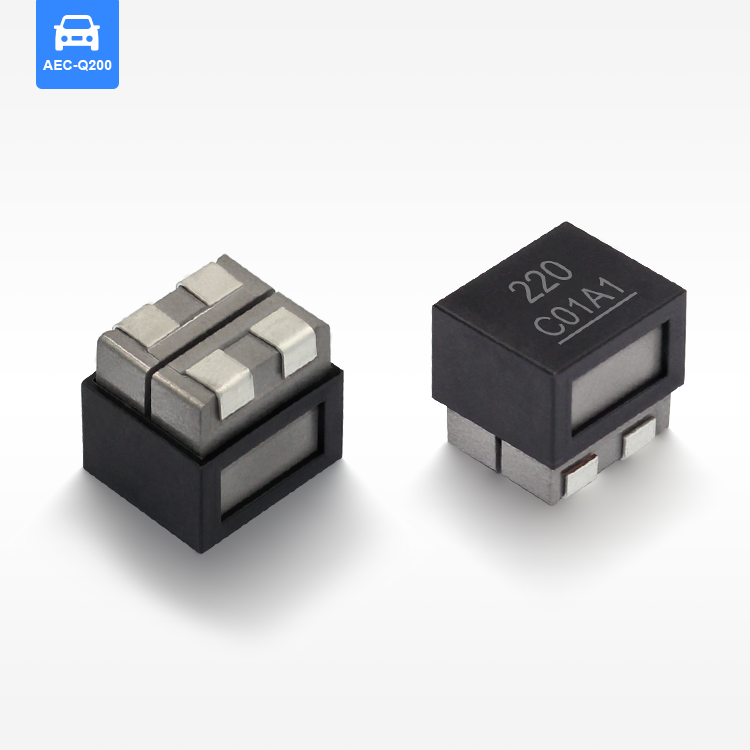
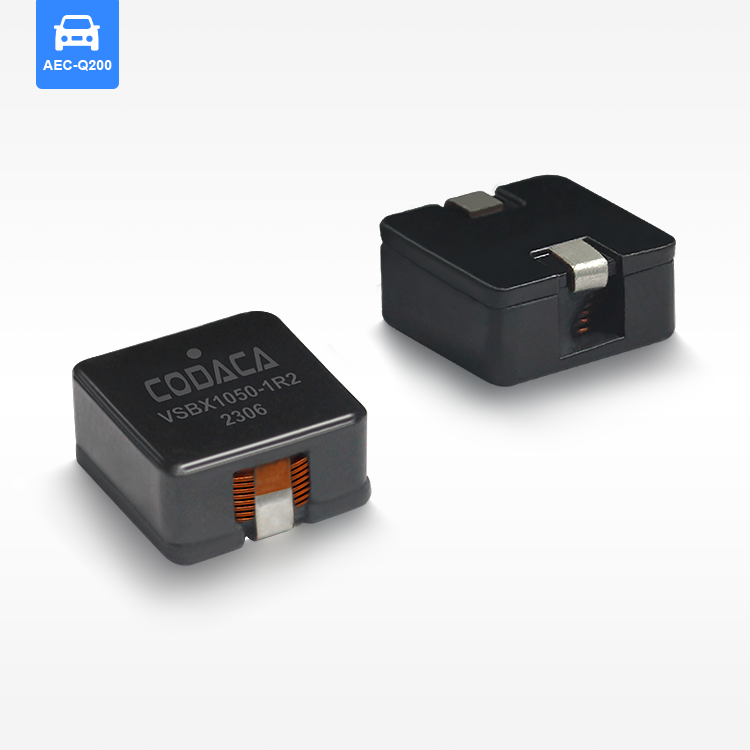
The magnetic shield inductor represents a sophisticated advancement in electromagnetic component technology, designed to deliver superior performance while minimizing electromagnetic interference. This specialized component incorporates advanced magnetic shielding materials that effectively contain magnetic fields within the inductor core, preventing unwanted electromagnetic radiation from affecting nearby circuits and components. The magnetic shield inductor functions as a crucial element in electronic systems where precise signal integrity and minimal electromagnetic interference are paramount. Its primary purpose involves storing energy in a magnetic field when electrical current flows through its coil windings, while simultaneously preventing magnetic field leakage that could disrupt sensitive electronic equipment. The technological architecture of the magnetic shield inductor features a carefully engineered core material surrounded by specialized shielding layers that redirect and contain magnetic flux lines. This design ensures that the magnetic field remains concentrated within the component boundaries, significantly reducing external electromagnetic emissions. The inductor's construction typically includes high-permeability ferrite cores, precision-wound copper conductors, and proprietary magnetic shielding materials that work synergistically to achieve optimal performance characteristics. Applications for magnetic shield inductors span across numerous industries and electronic systems, including power management circuits, switching regulators, DC-DC converters, automotive electronics, telecommunications equipment, and high-frequency applications. These components prove particularly valuable in compact electronic designs where multiple circuits operate in close proximity, requiring effective electromagnetic isolation. The magnetic shield inductor's ability to maintain stable inductance values while suppressing electromagnetic interference makes it indispensable for modern electronic systems that demand both high performance and regulatory compliance with electromagnetic compatibility standards.

New Products

The magnetic shield inductor offers numerous compelling advantages that directly translate into tangible benefits for electronic system designers and manufacturers. Superior electromagnetic interference suppression stands as the most significant advantage, enabling designers to create compact electronic layouts without worrying about magnetic coupling between adjacent components. This electromagnetic isolation capability allows for higher component density on printed circuit boards, ultimately reducing overall system size and manufacturing costs. The enhanced shielding performance eliminates the need for additional spacing between components or expensive external shielding solutions, streamlining the design process and reducing material expenses. Improved signal integrity represents another crucial advantage of magnetic shield inductors, as the contained magnetic field prevents distortion of sensitive analog and digital signals in nearby circuits. This characteristic proves especially valuable in high-performance applications where signal quality directly impacts system functionality and reliability. The magnetic shield inductor maintains consistent inductance values across varying operating conditions, ensuring predictable circuit behavior and simplified design calculations. Temperature stability constitutes a significant practical benefit, as these inductors demonstrate minimal inductance drift across wide temperature ranges, reducing the need for temperature compensation circuits and improving overall system reliability. The compact form factor achieved through magnetic shielding technology enables designers to create smaller, lighter electronic products without compromising performance, meeting consumer demands for portable and space-efficient devices. Enhanced efficiency characteristics result from reduced core losses and improved magnetic flux utilization, leading to lower power consumption and reduced heat generation in electronic systems. This efficiency improvement translates directly into longer battery life for portable devices and reduced cooling requirements for stationary equipment. The magnetic shield inductor's superior performance consistency across different frequencies makes it suitable for broadband applications, eliminating the need for multiple specialized components and simplifying inventory management. Cost-effectiveness emerges from the elimination of additional shielding components, reduced board space requirements, and simplified assembly processes, providing manufacturers with significant economic advantages while delivering superior product performance to end users.

Latest News

Industrial Power Inductors: The Key to Improving Power Conversion Efficiency

07

Apr

Industrial Power Inductors: The Key to Improving Power Conversion Efficiency

Power inductors play a vital role in modern power electronics. They store energy efficiently and release it when needed, ensuring smooth energy transfer. You rely on them to reduce energy losses in systems like DC-DC converters. This improves overall...
View More
The Science Behind Automotive Grade Molding Power Choke Design

31

Mar

The Science Behind Automotive Grade Molding Power Choke Design

Introduction Automotive grade molding power chokes, also known as molded power inductors, are essential components in electrical circuits particularly within the automotive industry. These chokes consist of a coil of wire wound around a ferrite core...
View More
A Brief Analysis of Inductor Noise and Solutions

26

May

A Brief Analysis of Inductor Noise and Solutions

1.The principle of noise generation Noise is generated by the vibration of objects. Let's take a speaker as an example to understand the principle of vibration.A speaker does not directly convert electrical energy into sound energy. Instead, it uses ...
View More
Features of Painted and Unpainted Integrated Molded Inductors

26

May

Features of Painted and Unpainted Integrated Molded Inductors

Overview Integrated molded inductors are characterized by high saturation, low loss, strong electromagnetic interference (EMI) resistance, ultra-low buzzing noise, and high automation, making them widely used in various electronic devices. In the cur...
View More

Get a Free Quote

Our representative will contact you soon.
Email
Name
Company Name
Message
0/1000

magnetic shield inductor

Advanced Electromagnetic Interference Suppression Technology

Advanced Electromagnetic Interference Suppression Technology

The magnetic shield inductor incorporates cutting-edge electromagnetic interference suppression technology that revolutionizes electronic circuit design by virtually eliminating unwanted magnetic field radiation. This sophisticated shielding mechanism utilizes proprietary materials and engineering techniques to contain magnetic flux within the component boundaries, preventing electromagnetic interference from affecting nearby sensitive circuits and components. The advanced shielding technology enables designers to place multiple magnetic shield inductors in close proximity without experiencing mutual interference, a capability that traditional inductors cannot provide. This breakthrough allows for unprecedented component density in electronic layouts, enabling manufacturers to create smaller, more efficient products while maintaining optimal performance characteristics. The electromagnetic interference suppression capability extends beyond simple containment, actively redirecting magnetic field lines to optimize energy storage efficiency while minimizing external electromagnetic emissions. This dual functionality ensures that the magnetic shield inductor not only prevents interference but also operates at peak efficiency levels, delivering superior performance compared to conventional shielded inductors. The technology proves particularly valuable in automotive electronics, where multiple electronic control units operate in confined spaces within vehicle dashboards and engine compartments. Medical device applications benefit significantly from this advanced shielding, as electromagnetic interference can critically impact patient monitoring equipment and therapeutic devices. Telecommunications infrastructure relies heavily on magnetic shield inductors to maintain signal clarity and prevent cross-talk between communication channels. The sophisticated electromagnetic interference suppression technology incorporated in these inductors meets and exceeds international electromagnetic compatibility standards, ensuring regulatory compliance across global markets. Manufacturing processes benefit from simplified production workflows, as designers no longer need to implement complex shielding strategies or maintain large component spacing requirements, reducing assembly time and manufacturing costs while improving product reliability.
Superior Compact Design with Enhanced Performance Density

Superior Compact Design with Enhanced Performance Density

The magnetic shield inductor achieves remarkable performance density through its superior compact design that maximizes electrical characteristics while minimizing physical footprint requirements. This innovative approach to inductor design represents a paradigm shift in component engineering, where traditional trade-offs between size and performance no longer constrain electronic system designers. The compact architecture incorporates advanced core materials with exceptional magnetic permeability, enabling higher inductance values in significantly smaller package sizes compared to conventional inductors. This size reduction capability proves invaluable in modern electronic applications where space constraints drive design decisions and manufacturing costs. The enhanced performance density characteristics allow designers to achieve target electrical specifications using components that occupy minimal board space, freeing valuable real estate for additional functionality or enabling overall product miniaturization. Portable electronic devices benefit tremendously from this compact design approach, as reduced component size directly translates into lighter, smaller end products that meet consumer expectations for portability and convenience. The superior design optimization extends beyond mere size reduction, incorporating thermal management features that dissipate heat efficiently despite the compact form factor, ensuring reliable operation under demanding conditions. Assembly processes become more streamlined with magnetic shield inductors, as their compact size simplifies automated placement equipment requirements and reduces handling complexity during manufacturing operations. The enhanced performance density enables cost-effective solutions for high-volume production applications, where component miniaturization directly impacts material costs and shipping expenses. Quality control procedures benefit from the consistent dimensional characteristics of magnetic shield inductors, reducing variation in automated testing and inspection processes. The compact design philosophy extends component lifespan through reduced mechanical stress and improved structural integrity, providing manufacturers with reliable components that maintain specifications over extended operational periods. Integration flexibility increases dramatically with compact magnetic shield inductors, enabling designers to explore innovative circuit topologies and system architectures that were previously impractical due to size constraints.
Exceptional Temperature Stability and Reliability Performance

Exceptional Temperature Stability and Reliability Performance

The magnetic shield inductor demonstrates exceptional temperature stability and reliability performance that surpasses conventional inductor technologies, providing designers with predictable component behavior across extreme operating conditions. This superior thermal performance stems from advanced material science innovations that minimize temperature coefficients and maintain consistent electrical characteristics throughout wide temperature ranges. The exceptional stability characteristics eliminate the need for complex temperature compensation circuits, simplifying design requirements and reducing overall system complexity and cost. Automotive applications particularly benefit from this temperature stability, as vehicle electronics must operate reliably in environments ranging from arctic cold to desert heat conditions. Industrial control systems rely on magnetic shield inductors to maintain precise timing and filtering characteristics despite temperature fluctuations in manufacturing environments. The reliability performance extends beyond temperature considerations, encompassing resistance to mechanical shock, vibration, and humidity exposure that could degrade conventional inductor performance over time. Accelerated aging testing demonstrates that magnetic shield inductors maintain their specified electrical characteristics significantly longer than traditional alternatives, providing manufacturers with confidence in long-term product reliability. The exceptional thermal stability results from carefully engineered core materials that exhibit minimal permeability variation with temperature changes, ensuring consistent inductance values regardless of ambient conditions. Reliability engineering benefits substantially from the predictable performance characteristics of magnetic shield inductors, enabling more accurate system modeling and reduced safety margins in critical applications. Quality assurance processes become more efficient with temperature-stable components, as manufacturers can rely on consistent performance without implementing extensive temperature screening procedures. The exceptional reliability performance translates directly into reduced warranty costs and improved customer satisfaction through enhanced product durability. Maintenance requirements decrease significantly in systems utilizing magnetic shield inductors, as their stable performance characteristics reduce the likelihood of component-related failures and system downtime. Field service operations benefit from the reliability characteristics, as magnetic shield inductors rarely require replacement or adjustment throughout their operational lifespan, reducing maintenance costs and improving system availability for end users.