High-Performance Molded Shielded Inductors: Advanced EMI Protection and Superior Current Handling

All Categories

Get a Free Quote

Our representative will contact you soon.
Email
Name
Company Name
Message
0/1000

molded shielded inductor

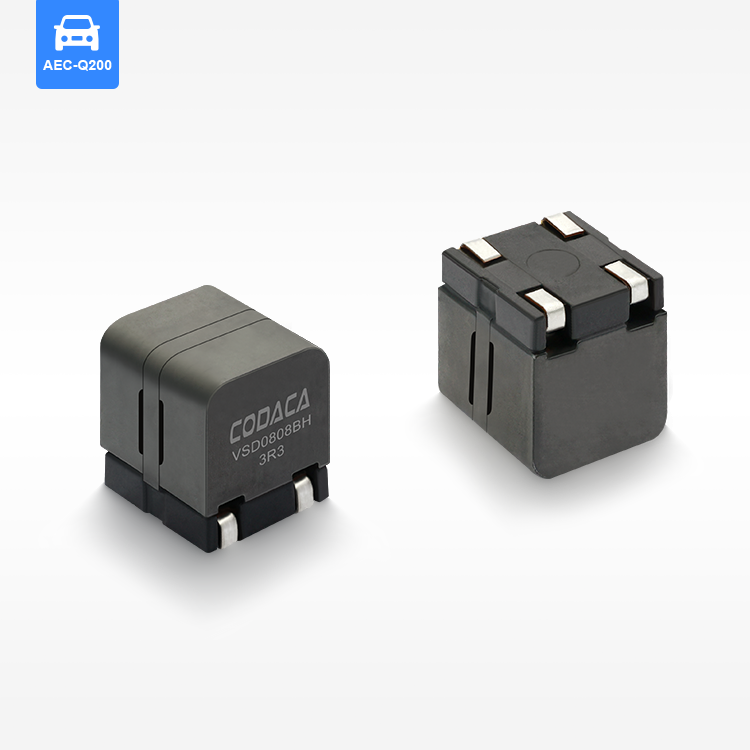
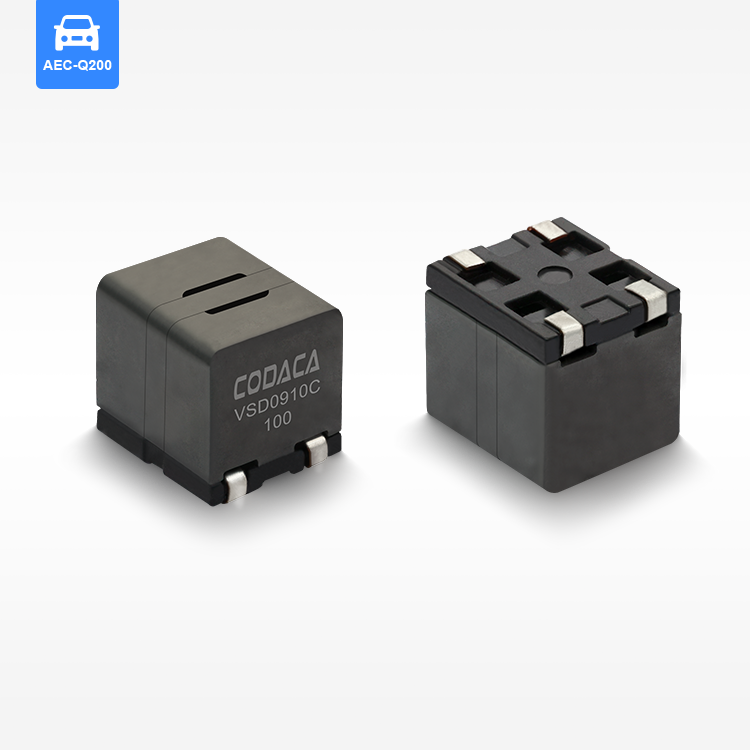
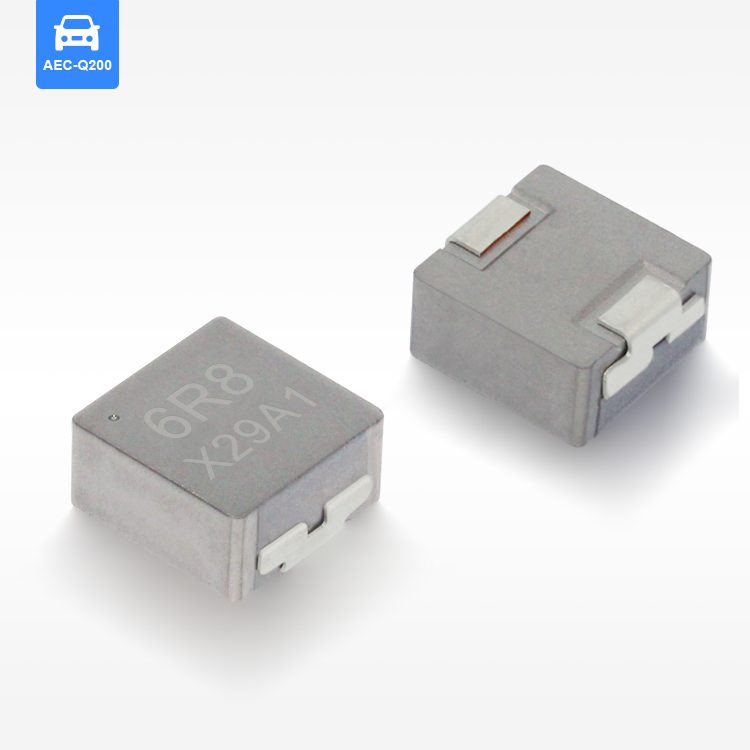
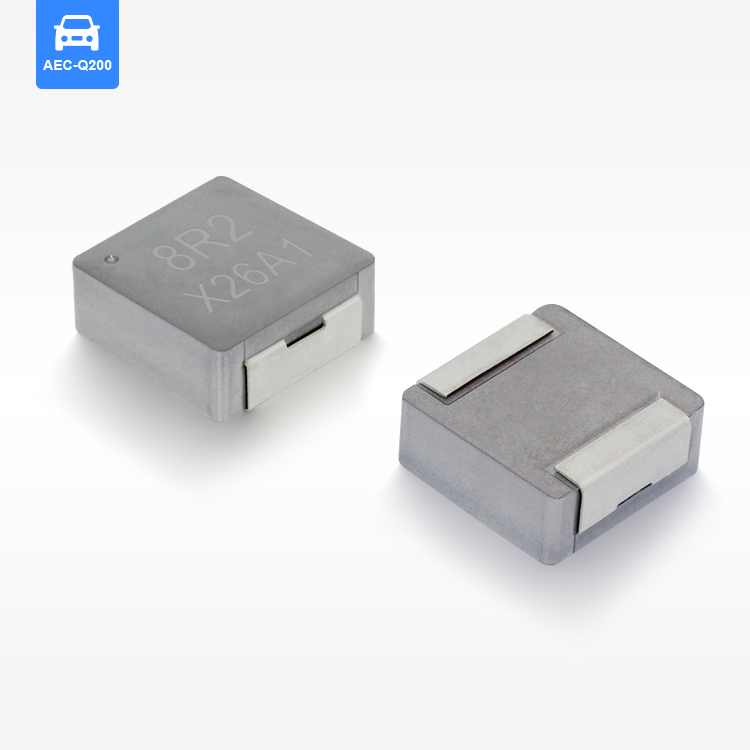
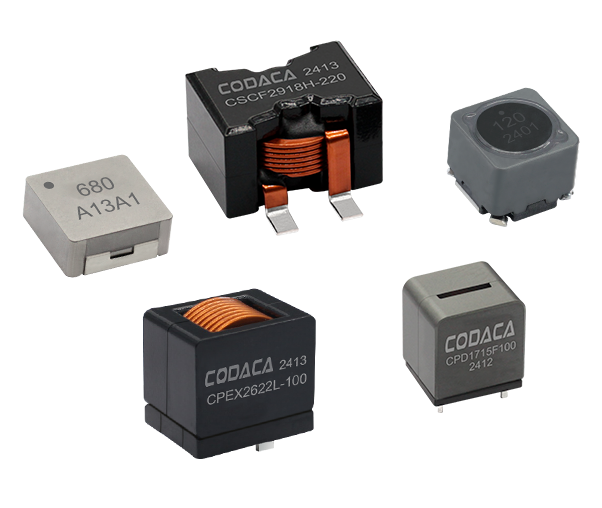
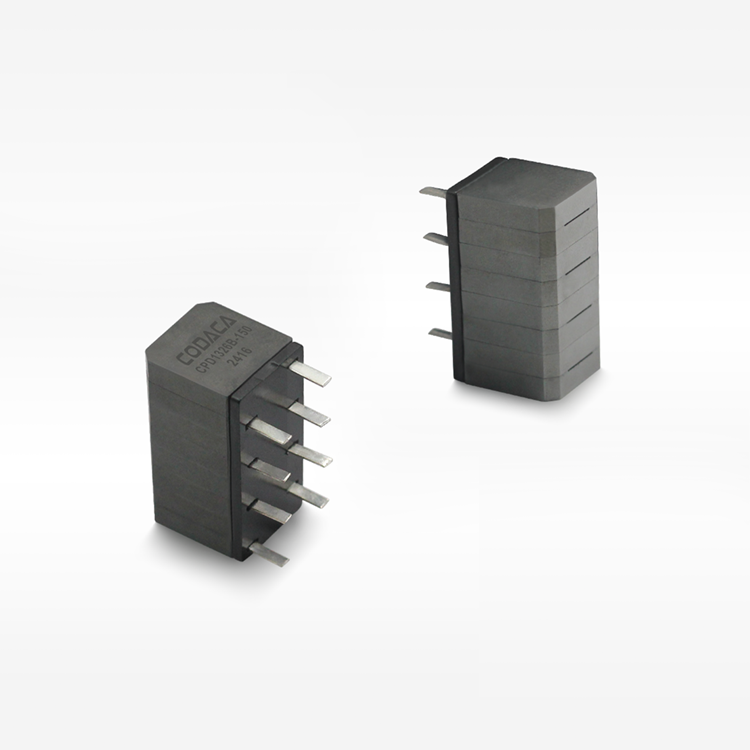
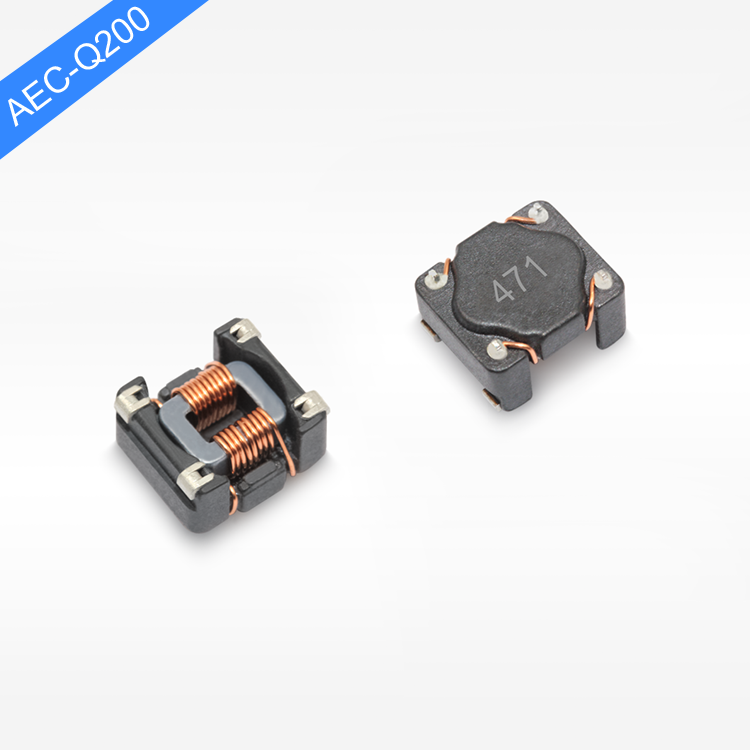
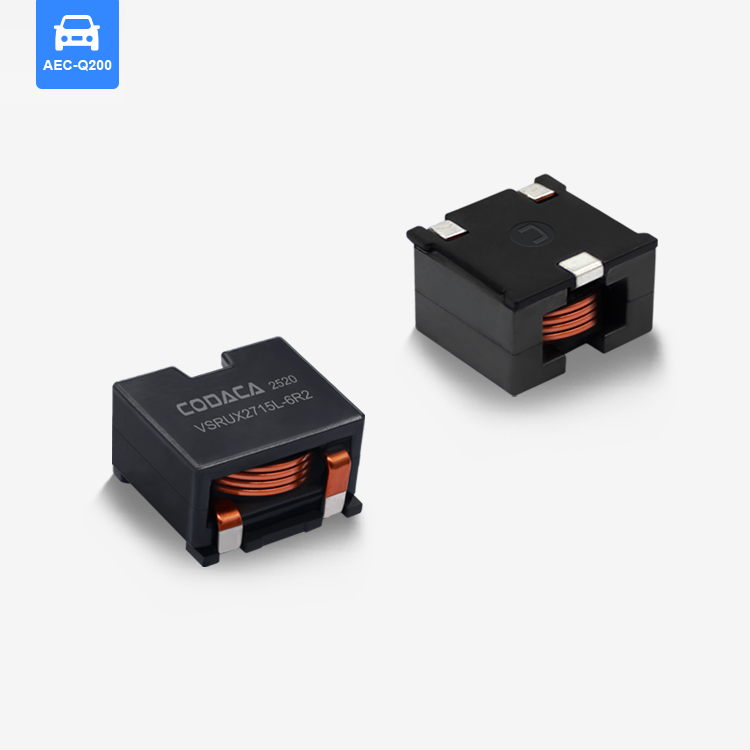
A molded shielded inductor represents a sophisticated electromagnetic component designed to store energy in magnetic fields while preventing electromagnetic interference through integrated shielding technology. This advanced component combines traditional inductive functionality with protective shielding materials molded directly into its structure during manufacturing. The molded shielded inductor operates by creating a controlled magnetic field within its core when electrical current flows through its windings, while simultaneously containing electromagnetic emissions that could interfere with nearby circuits. The primary function involves energy storage and release in switching power supplies, DC-DC converters, and filtering applications where precise inductance values and minimal electromagnetic interference are critical. Technological features include ferrite or powdered iron cores encased in protective molding compounds that provide both mechanical protection and electromagnetic shielding. The molding process integrates shielding materials such as ferrite compounds or metallic particles directly into the outer casing, creating a comprehensive barrier against external electromagnetic fields while preventing the inductor's own magnetic field from affecting adjacent components. Modern molded shielded inductors incorporate advanced core materials that maintain stable inductance values across varying temperature ranges and frequency spectrums. Applications span numerous industries including automotive electronics, telecommunications equipment, computer power supplies, LED lighting systems, and portable electronic devices. In automotive applications, these components ensure reliable operation in harsh environments while meeting strict electromagnetic compatibility requirements. Telecommunications systems rely on molded shielded inductors for signal conditioning and power management in base stations and networking equipment. Consumer electronics benefit from their compact form factors and excellent performance characteristics in space-constrained designs. The manufacturing process involves precision winding techniques combined with automated molding procedures that ensure consistent electrical properties and mechanical durability across large production volumes.

New Products

The molded shielded inductor delivers exceptional electromagnetic interference suppression that protects sensitive circuits from unwanted signal disruption. This shielding capability eliminates the need for additional external shielding components, reducing overall system complexity and manufacturing costs. Users experience improved circuit reliability because the integrated shielding prevents cross-talk between adjacent components and maintains signal integrity in dense PCB layouts. The molded construction provides superior mechanical protection compared to traditional wire-wound inductors, withstanding vibration, shock, and thermal cycling without performance degradation. This durability translates to longer product lifecycles and reduced maintenance requirements for end-users. Temperature stability represents another significant advantage, with molded shielded inductors maintaining consistent inductance values across wide temperature ranges from -40°C to +125°C. This thermal performance ensures reliable operation in automotive, industrial, and outdoor applications where temperature variations are common. The compact form factor maximizes PCB real estate utilization, allowing designers to create smaller, more efficient products while maintaining electrical performance. Manufacturing consistency delivers predictable electrical characteristics with tight tolerance specifications, enabling designers to optimize circuit performance without extensive testing and qualification procedures. The molded shielded inductor offers excellent saturation current handling, maintaining inductance stability under high current conditions that would cause traditional inductors to lose effectiveness. This current handling capability supports high-efficiency power conversion applications where maximum power density is essential. Low DC resistance minimizes power losses and heat generation, improving overall system efficiency and reducing cooling requirements. The automated manufacturing process ensures cost-effective production while maintaining high quality standards, making molded shielded inductors economically viable for high-volume applications. Easy surface-mount installation simplifies assembly processes and reduces manufacturing labor costs. The standardized package sizes enable drop-in replacements for existing designs while providing enhanced performance characteristics. Environmental resistance includes protection against humidity, chemicals, and UV exposure, ensuring long-term reliability in challenging operating conditions.

Tips And Tricks

Industrial Power Inductors: The Key to Improving Power Conversion Efficiency

07

Apr

Industrial Power Inductors: The Key to Improving Power Conversion Efficiency

Power inductors play a vital role in modern power electronics. They store energy efficiently and release it when needed, ensuring smooth energy transfer. You rely on them to reduce energy losses in systems like DC-DC converters. This improves overall...
View More
Molding Power Chokes vs. Traditional Chokes: What's the Difference?

13

May

Molding Power Chokes vs. Traditional Chokes: What's the Difference?

Core Construction Differences Between Molding Power Chokes and Traditional Chokes Materials: Ferrite vs. Iron Core Composition The primary difference between molding power chokes and traditional chokes lies in the material composition of their cores...
View More
Molding Power Chokes: A Comprehensive Review of the Market

13

May

Molding Power Chokes: A Comprehensive Review of the Market

What Are Molding Power Chokes? Definition and Core Functionality Molding power chokes are inductive elements that control current flow within circuits. For the transport of electrical power, energy is advantageously stored in magnetic fields, w...
View More
A Brief Analysis of Inductor Noise and Solutions

26

May

A Brief Analysis of Inductor Noise and Solutions

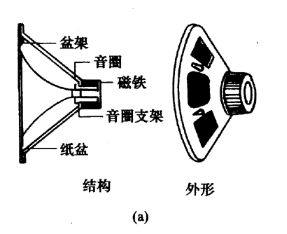
1.The principle of noise generation Noise is generated by the vibration of objects. Let's take a speaker as an example to understand the principle of vibration.A speaker does not directly convert electrical energy into sound energy. Instead, it uses ...
View More

Get a Free Quote

Our representative will contact you soon.
Email
Name
Company Name
Message
0/1000

molded shielded inductor

Advanced Electromagnetic Shielding Technology

Advanced Electromagnetic Shielding Technology

The molded shielded inductor incorporates state-of-the-art electromagnetic shielding technology that fundamentally transforms how electronic circuits manage interference and signal integrity. This innovative shielding system utilizes specialized materials integrated directly into the molding compound during manufacturing, creating an impermeable barrier against electromagnetic emissions and external interference. The shielding effectiveness typically exceeds 40dB across frequencies from 1MHz to 1GHz, providing comprehensive protection for sensitive applications. This technology addresses critical design challenges in modern electronics where circuit density continues to increase while maintaining strict electromagnetic compatibility requirements. The integrated shielding eliminates radiated emissions that could interfere with nearby components, wireless communications, or regulatory compliance testing. Traditional inductors often require additional shielding cans or PCB ground planes, increasing costs and design complexity. The molded shielded inductor consolidates these functions into a single component, streamlining design processes and reducing bill-of-materials costs. The shielding material composition includes ferrite particles and metallic compounds that absorb and redirect electromagnetic energy, preventing unwanted coupling between circuits. This protection works bidirectionally, preventing external fields from affecting the inductor's performance while containing its own electromagnetic emissions. In high-frequency switching applications, this shielding capability becomes particularly valuable as switching frequencies increase and electromagnetic emissions intensify. The molded construction ensures consistent shielding performance across production lots, eliminating variations common with manually applied shielding solutions. Testing validates shielding effectiveness across temperature extremes and mechanical stress conditions, ensuring reliable protection throughout the component's operational life. This advanced shielding technology enables designers to place molded shielded inductors closer to sensitive analog circuits, digital processors, and RF components without compromising system performance. The result is more compact, efficient designs with superior electromagnetic compatibility characteristics.
Superior Current Saturation Performance

Superior Current Saturation Performance

The molded shielded inductor demonstrates exceptional current saturation characteristics that maintain stable inductance values under high current conditions where conventional inductors experience significant performance degradation. This superior saturation performance stems from advanced core materials and optimized magnetic circuit designs that distribute magnetic flux more effectively throughout the core structure. The saturation current rating typically remains stable until 80-90 percent of the maximum specified current, compared to 60-70 percent for standard inductors. This extended operating range provides designers with greater flexibility in circuit optimization and allows for more aggressive power density targets. The improved saturation characteristics result from carefully selected ferrite compositions and powder metallurgy techniques that create uniform magnetic properties throughout the core volume. Core materials undergo precise grain size control and dopant distribution processes that optimize permeability and saturation flux density characteristics. The molding process itself contributes to performance by applying uniform pressure during curing, eliminating air gaps and inconsistencies that could create localized saturation points. Temperature compensation techniques ensure that saturation performance remains consistent across operating temperature ranges, preventing inductance variations that could affect circuit stability. High-current testing validates performance under continuous and pulse loading conditions, confirming reliable operation in demanding applications such as automotive engine management systems and high-power LED drivers. The enhanced saturation performance enables higher efficiency power conversion by maintaining inductance stability during peak load conditions, reducing ripple current and improving overall system performance. Thermal management benefits from the improved current handling, as reduced magnetic losses generate less heat and improve component longevity. Quality control processes monitor saturation characteristics throughout production, ensuring consistent performance across all manufactured units. This superior saturation performance particularly benefits applications requiring high power density, such as electric vehicle charging systems and renewable energy converters, where space constraints demand maximum electrical performance from every component.
Exceptional Manufacturing Precision and Reliability

Exceptional Manufacturing Precision and Reliability

The molded shielded inductor achieves outstanding manufacturing precision through advanced automated production processes that deliver consistent electrical and mechanical characteristics across high-volume production runs. This precision manufacturing approach utilizes computer-controlled winding equipment that maintains exact turn counts, wire tension, and layer positioning to ensure predictable inductance values within tight tolerance specifications, typically ±10% or better. The molding process employs precision injection molding techniques with carefully controlled temperature, pressure, and cure time parameters that create uniform material properties and dimensional accuracy. Statistical process control monitors critical parameters throughout production, including core material composition, winding geometry, and final electrical testing, ensuring every molded shielded inductor meets stringent quality standards. Automated optical inspection systems verify physical dimensions, lead coplanarity, and surface finish requirements before packaging. This manufacturing precision translates directly into improved circuit reliability and reduced design margin requirements for end-users. The controlled production environment maintains consistent humidity, temperature, and cleanliness levels that prevent contamination and ensure repeatable material properties. Raw material qualification processes verify core material magnetic properties, wire specifications, and molding compound characteristics before production begins. Traceability systems track each component through every manufacturing step, enabling rapid identification and resolution of any quality issues. Accelerated life testing validates long-term reliability under elevated temperature, humidity, and electrical stress conditions, confirming stable performance over extended operating periods. The precision manufacturing process enables tight coupling between design specifications and actual component performance, reducing prototype iterations and time-to-market for new products. Standardized package dimensions ensure compatibility with automated pick-and-place equipment, facilitating high-volume assembly operations. This manufacturing excellence provides customers with confidence in component availability, consistent performance, and long-term supply chain stability. The investment in advanced manufacturing technology and quality systems demonstrates the commitment to delivering molded shielded inductors that meet the demanding requirements of modern electronic applications while maintaining competitive pricing structures.