power choke for battery management system
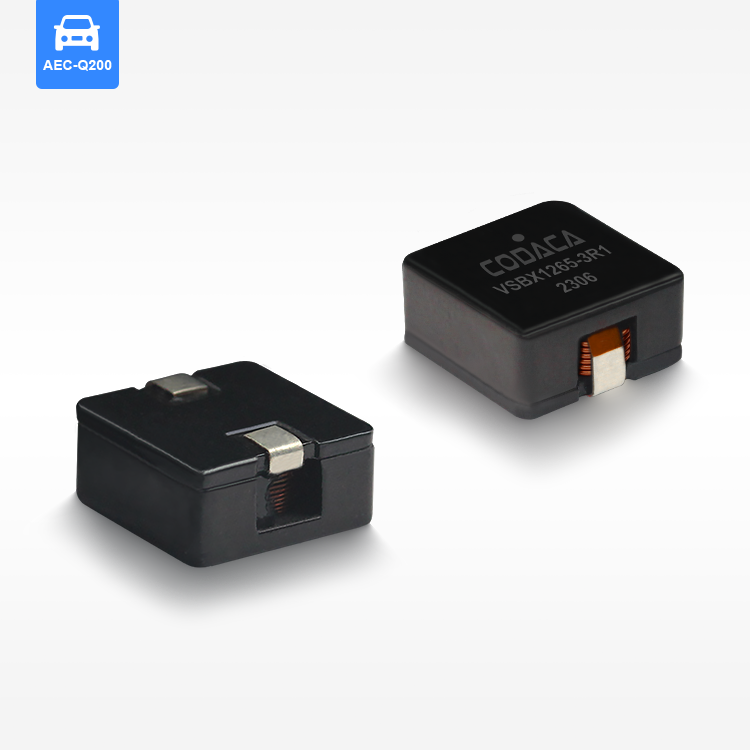
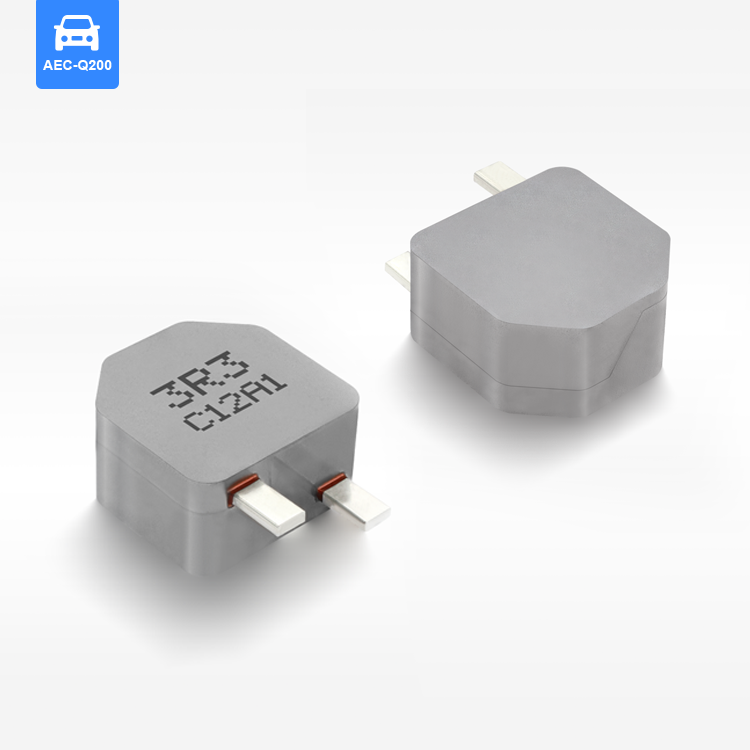
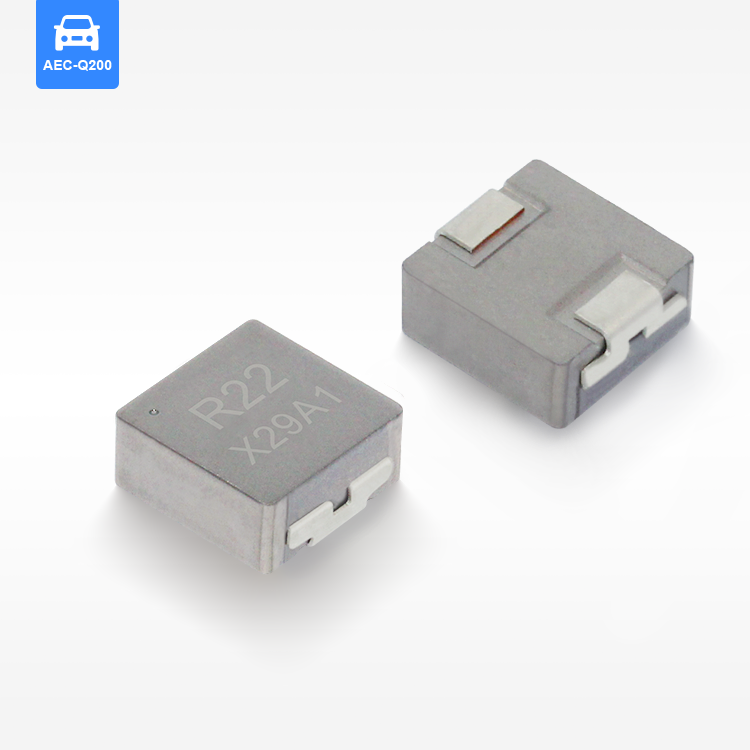
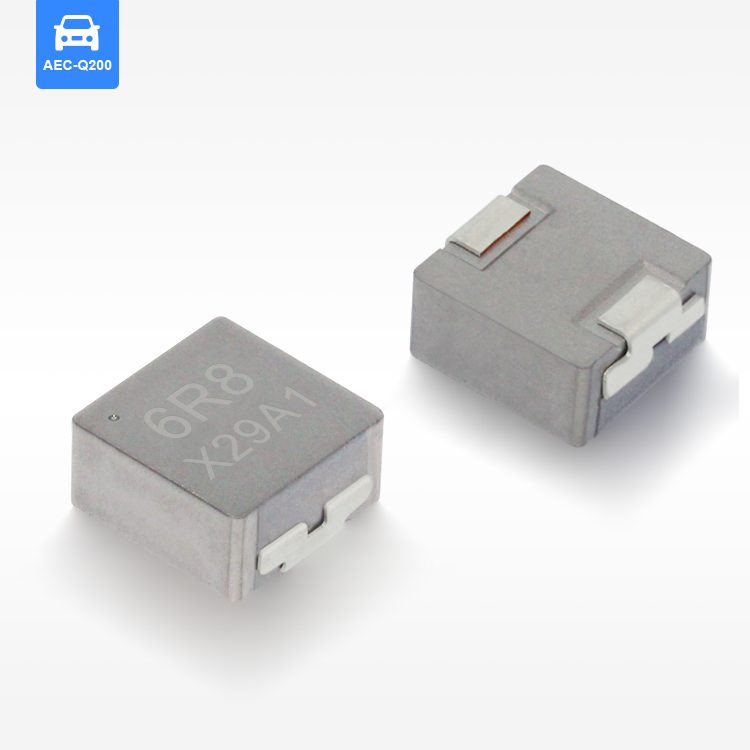
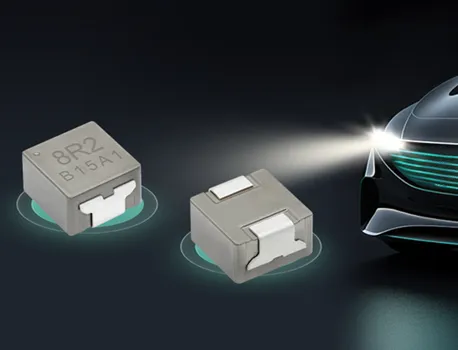
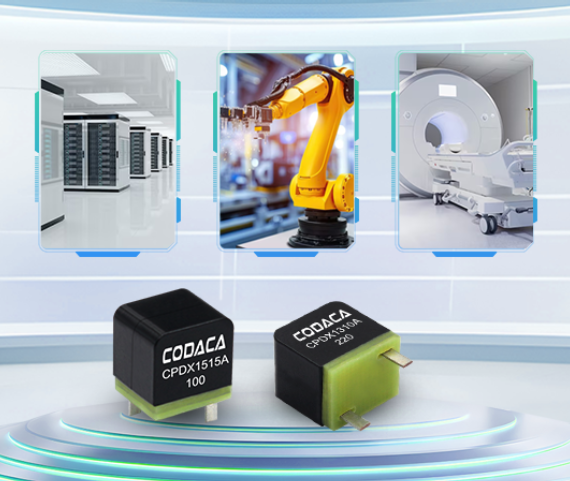
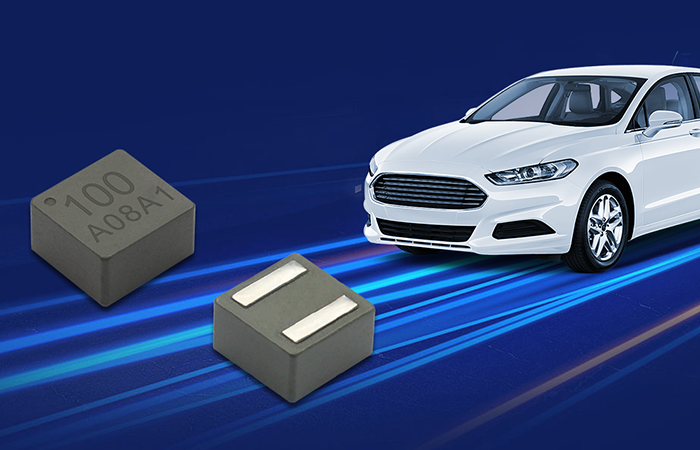
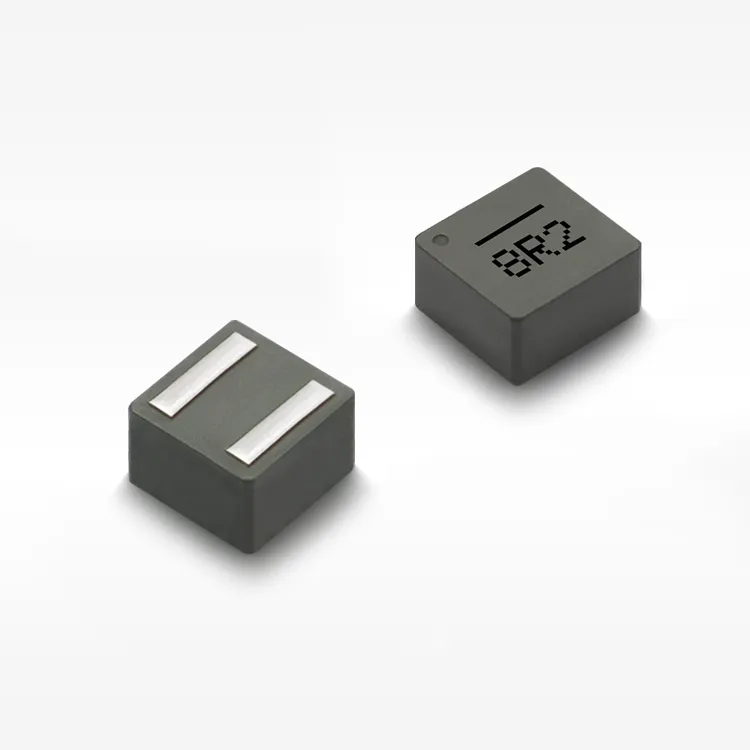
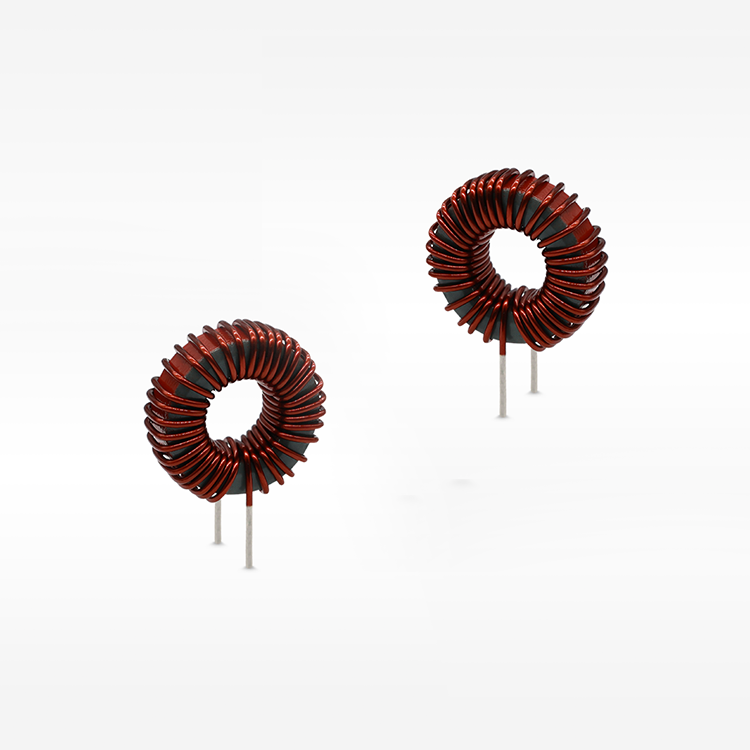
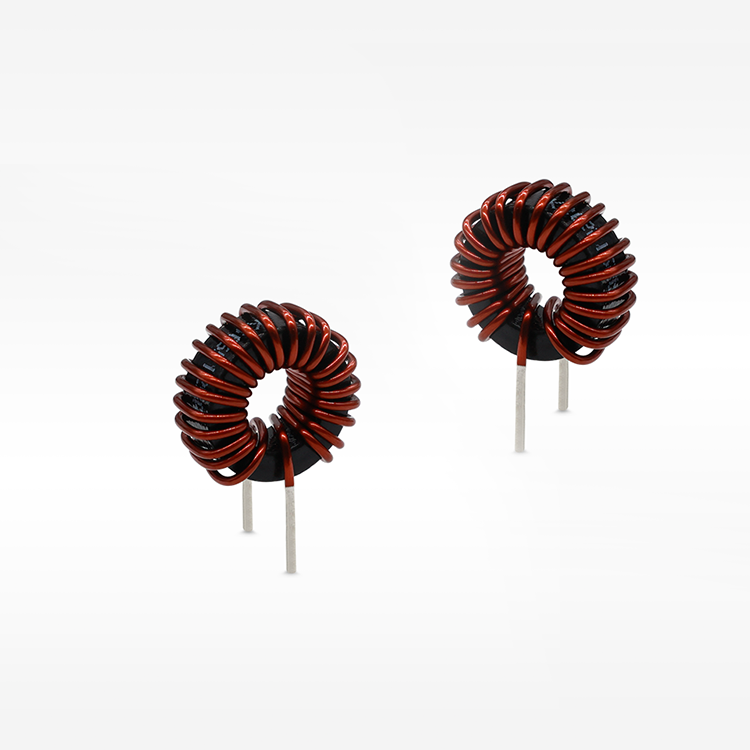
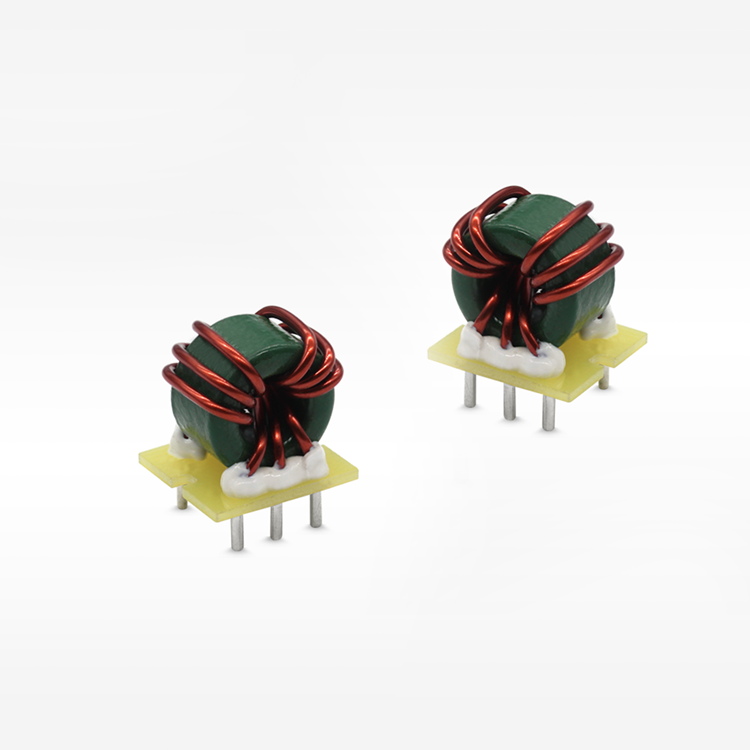
A power choke for battery management system represents a critical electromagnetic component designed specifically to regulate current flow and suppress electromagnetic interference within advanced battery systems. This specialized inductor plays an essential role in maintaining stable power delivery while protecting sensitive electronic components from voltage fluctuations and electrical noise. The power choke for battery management system functions as a filtering element that smooths out ripples in the DC current, ensuring consistent performance across various operating conditions. Modern battery management systems rely heavily on these components to maintain optimal charging and discharging cycles while preventing potential damage from power surges or electromagnetic disturbances. The technological foundation of a power choke for battery management system incorporates high-grade ferrite cores wrapped with precision-wound copper conductors, engineered to handle substantial current loads without compromising efficiency. These components typically feature inductance values ranging from microhenries to several millihenries, depending on specific application requirements. Advanced manufacturing techniques ensure minimal core losses and excellent thermal stability, enabling reliable operation across temperature ranges from negative forty to positive one hundred twenty-five degrees Celsius. The power choke for battery management system integrates seamlessly with various battery chemistries including lithium-ion, lithium-phosphate, and emerging solid-state technologies. Primary applications encompass electric vehicle charging systems, renewable energy storage solutions, uninterruptible power supplies, and industrial battery backup systems. Within electric vehicles, the power choke for battery management system ensures smooth power transfer between battery packs and motor controllers while minimizing electromagnetic emissions that could interfere with sensitive automotive electronics. Renewable energy applications benefit from enhanced power quality and reduced harmonic distortion, improving overall system efficiency and extending component lifespan. The robust construction and specialized magnetic materials used in these components enable superior performance under demanding conditions while maintaining compact form factors suitable for space-constrained installations.