Power Choke for Automotive Electronics - Advanced EMI Filtering & Current Control Solutions

All Categories

Get a Free Quote

Our representative will contact you soon.
Email
Name
Company Name
Message
0/1000

power choke for automotive electronics

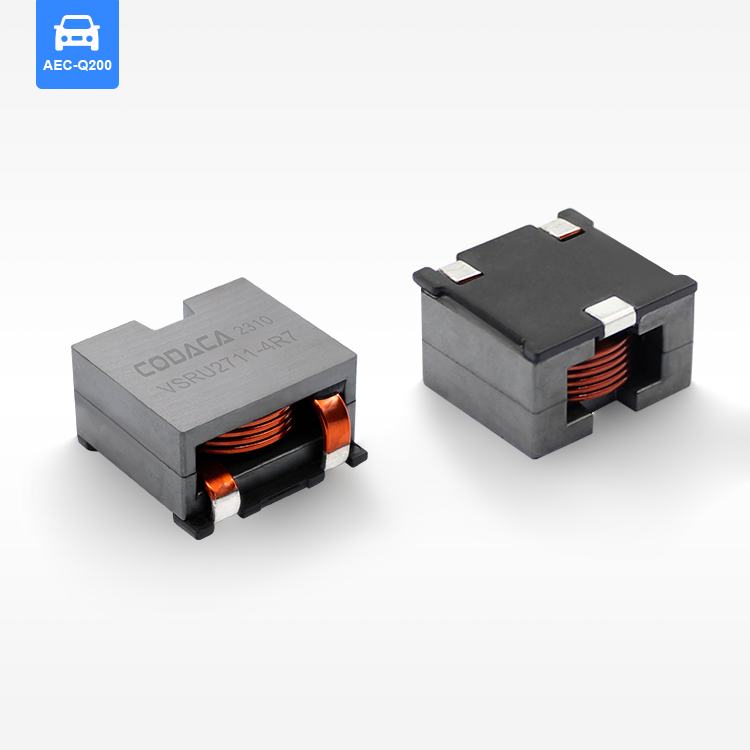
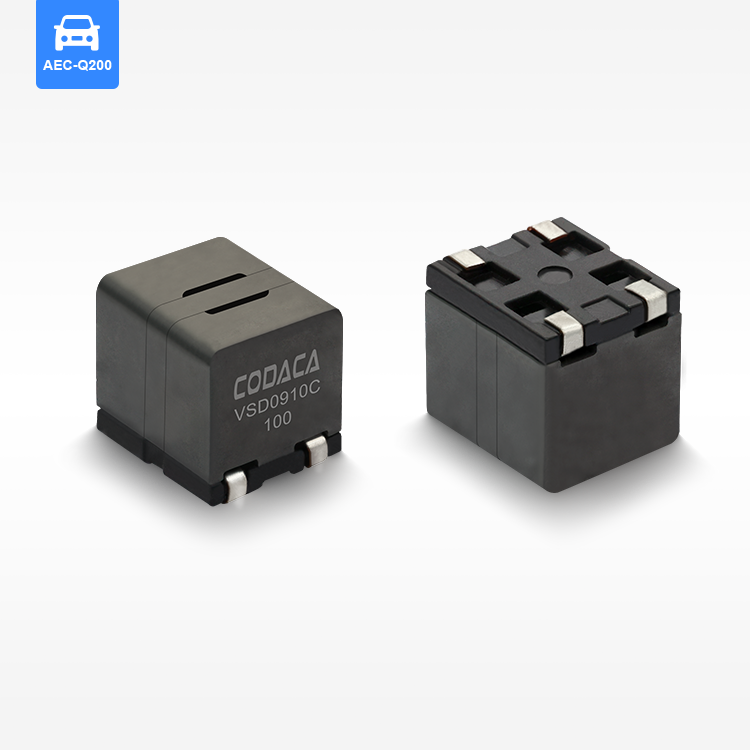
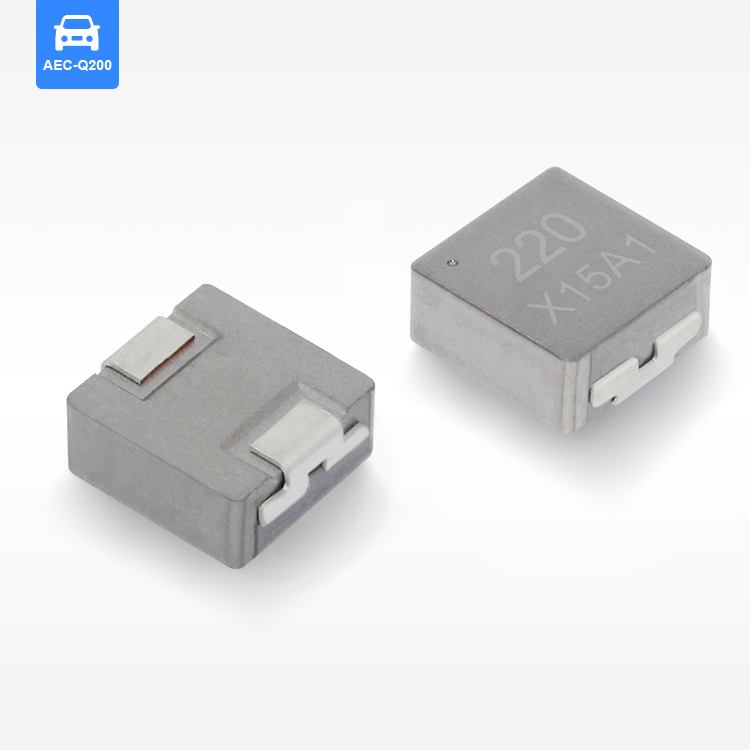
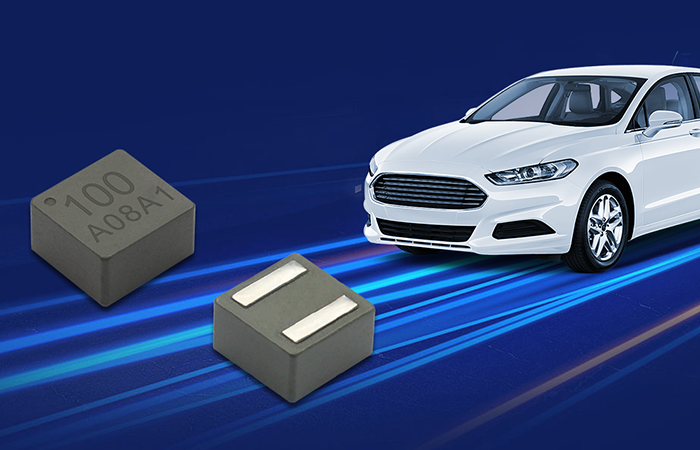
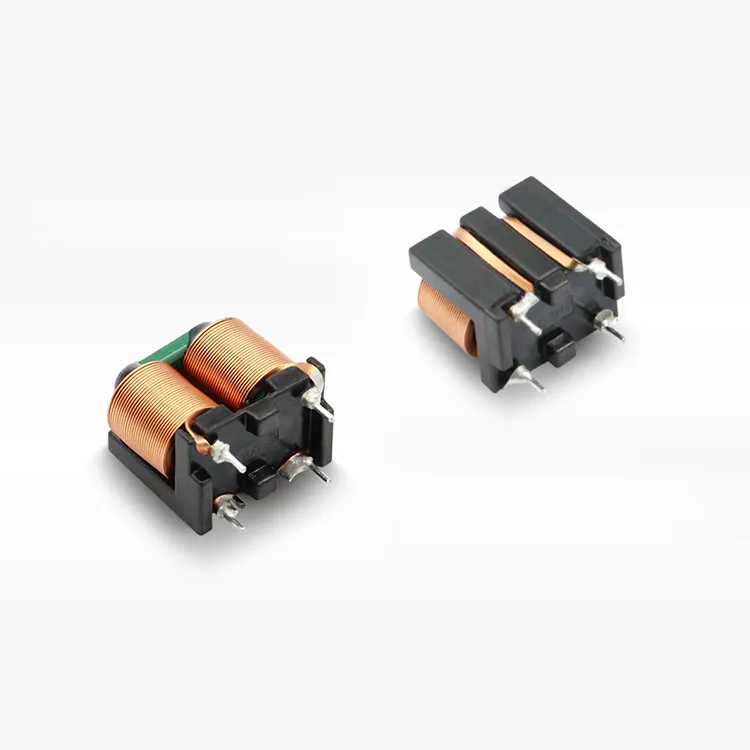
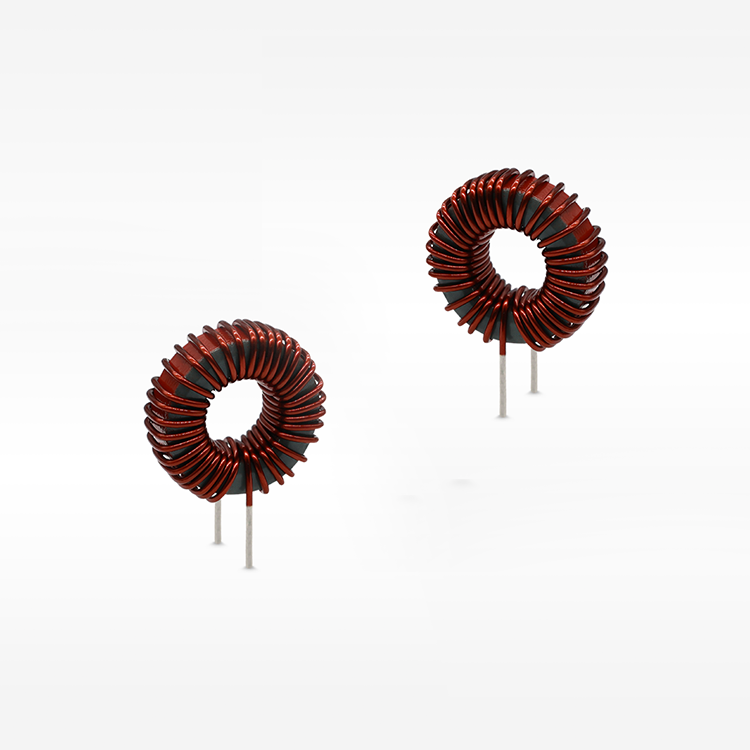
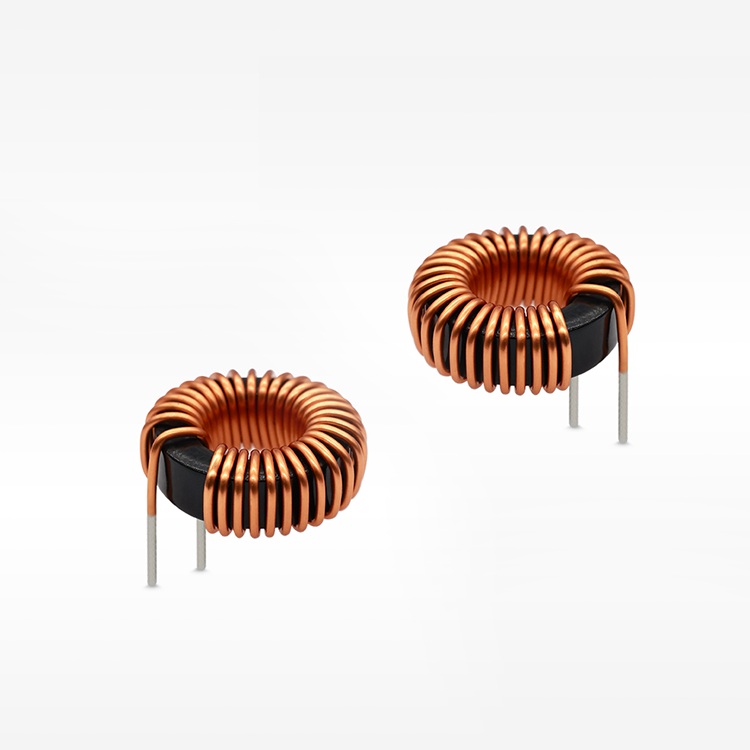
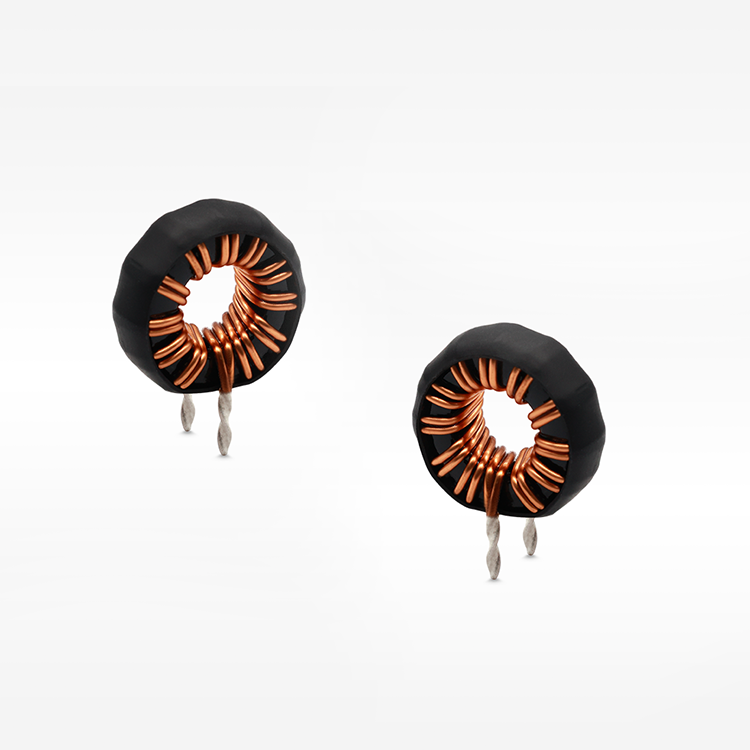
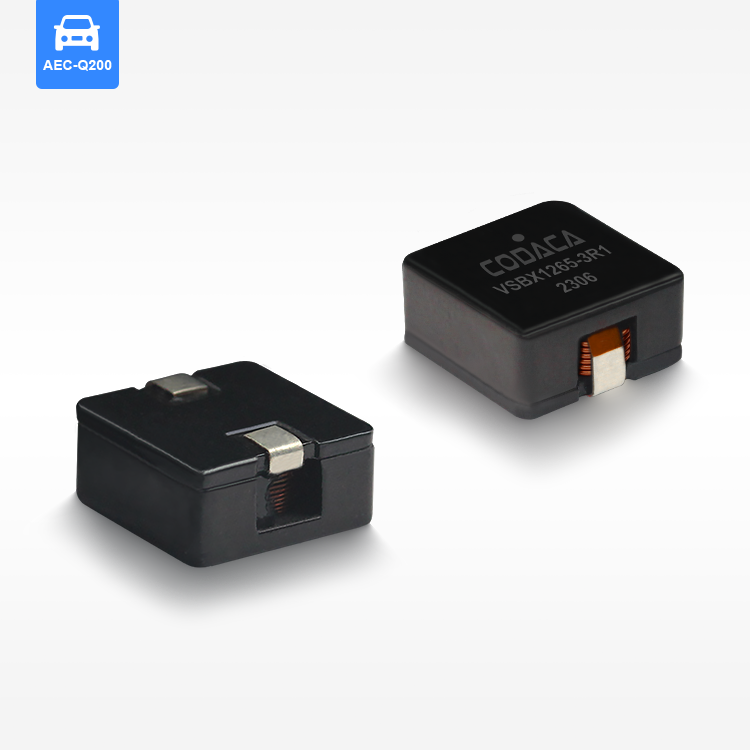
A power choke for automotive electronics serves as a critical electromagnetic component that provides essential filtering, energy storage, and current management capabilities in modern vehicle electrical systems. This specialized inductor component operates by storing magnetic energy in its core material when current flows through its windings, effectively managing electrical noise and voltage fluctuations that could compromise sensitive automotive electronics. The power choke for automotive electronics features robust construction designed to withstand the harsh operating conditions typical in vehicle environments, including extreme temperatures ranging from minus forty to plus one hundred twenty-five degrees Celsius, mechanical vibrations, and electromagnetic interference. The technological architecture incorporates high-permeability ferrite or powder iron cores wrapped with precision copper windings, optimized to handle substantial current loads while maintaining stable inductance values across varying operating conditions. Modern power choke designs for automotive applications utilize advanced materials and manufacturing techniques to achieve compact form factors without sacrificing performance, enabling integration into space-constrained electronic control units and power management systems. The component functions primarily as an energy storage device during switching operations, smoothing current ripples in DC-DC converters, motor drive circuits, and battery management systems. Additionally, the power choke for automotive electronics provides electromagnetic interference suppression, preventing high-frequency noise generated by switching circuits from propagating throughout the vehicle's electrical network and potentially affecting sensitive systems like infotainment units, navigation systems, or advanced driver assistance features. Applications span across numerous automotive subsystems including engine control modules, transmission controllers, electric power steering systems, LED lighting circuits, hybrid and electric vehicle powertrains, and charging infrastructure components, making the power choke an indispensable element in contemporary automotive electronic design.

Popular Products

The power choke for automotive electronics delivers exceptional performance benefits that directly translate to improved vehicle reliability and enhanced user experience. These components excel at reducing electromagnetic interference, which means your car's electronic systems operate more smoothly without the disruptive noise that can cause malfunctions in critical systems like engine management or safety features. The superior filtering capabilities ensure clean power delivery to sensitive components, resulting in more stable operation of infotainment systems, GPS navigation, and communication modules. Automotive manufacturers benefit from the compact design of modern power chokes, allowing engineers to create more efficient layouts in electronic control units while maintaining robust performance standards. The enhanced thermal management properties of quality power chokes mean they can handle higher current loads without overheating, which translates to better fuel efficiency in conventional vehicles and extended range in electric vehicles. Customers experience fewer electronic glitches and system resets because the power choke for automotive electronics provides consistent voltage regulation even during demanding operating conditions like cold starts or high electrical load scenarios. The durability advantages are particularly significant, as these components resist corrosion, vibration damage, and thermal cycling that would typically degrade electronic performance over time. Vehicle owners enjoy extended component lifespan and reduced maintenance costs because properly implemented power chokes protect expensive electronic modules from voltage spikes and current surges that could cause permanent damage. The improved power conversion efficiency achieved through quality power chokes translates to better battery life in electric vehicles and reduced alternator load in conventional vehicles, ultimately saving money on fuel and replacement parts. Modern power choke designs also contribute to faster charging times in electric vehicles by enabling more efficient power management during battery charging cycles. The electromagnetic compatibility benefits ensure that aftermarket electronic accessories integrate seamlessly without causing interference with factory-installed systems, providing customers with greater flexibility for vehicle customization while maintaining optimal performance across all electronic subsystems throughout the vehicle's operational lifetime.

Tips And Tricks

The Science Behind Automotive Grade Molding Power Choke Design

31

Mar

The Science Behind Automotive Grade Molding Power Choke Design

Introduction Automotive grade molding power chokes, also known as molded power inductors, are essential components in electrical circuits particularly within the automotive industry. These chokes consist of a coil of wire wound around a ferrite core...
View More
Choosing the Right Automotive grade Molded Power Inductor for Your Application

02

Apr

Choosing the Right Automotive grade Molded Power Inductor for Your Application

Inductance and Current Ratings: Balancing Ripple and Saturation In automotive applications, understanding the balance between inductance and current ratings is essential. These benchmarks ensure that ripple voltage is minimized and saturation curren...
View More
Molding Power Chokes vs. Traditional Chokes: What's the Difference?

13

May

Molding Power Chokes vs. Traditional Chokes: What's the Difference?

Core Construction Differences Between Molding Power Chokes and Traditional Chokes Materials: Ferrite vs. Iron Core Composition The primary difference between molding power chokes and traditional chokes lies in the material composition of their cores...
View More
Molding Power Chokes: A Comprehensive Review of the Market

13

May

Molding Power Chokes: A Comprehensive Review of the Market

What Are Molding Power Chokes? Definition and Core Functionality Molding power chokes are inductive elements that control current flow within circuits. For the transport of electrical power, energy is advantageously stored in magnetic fields, w...
View More

Get a Free Quote

Our representative will contact you soon.
Email
Name
Company Name
Message
0/1000

power choke for automotive electronics

Advanced EMI Suppression Technology

Advanced EMI Suppression Technology

The power choke for automotive electronics incorporates sophisticated electromagnetic interference suppression technology that sets it apart from conventional filtering solutions. This advanced capability stems from precisely engineered core materials and optimized winding configurations that create effective barriers against high-frequency noise propagation throughout vehicle electrical systems. The component utilizes multi-layer ferrite cores with carefully selected permeability characteristics that provide maximum attenuation of unwanted electromagnetic signals while preserving desired current flow patterns. This technology becomes increasingly critical as modern vehicles integrate more electronic systems that operate at various frequencies, creating potential interference scenarios that could compromise system performance. The power choke effectively isolates switching noise generated by DC-DC converters, motor controllers, and pulse-width modulation circuits, preventing these disturbances from affecting sensitive components like radio receivers, cellular communication modules, and precision sensors. The engineering excellence behind this EMI suppression extends to the component's ability to maintain consistent filtering performance across wide frequency ranges, ensuring comprehensive protection against both conducted and radiated electromagnetic interference. Vehicle manufacturers particularly value this feature because it simplifies system integration and reduces the need for additional filtering components, streamlining production processes while enhancing overall system reliability. The practical benefits for end users include crystal-clear audio reproduction from entertainment systems, uninterrupted GPS navigation accuracy, and reliable operation of safety-critical systems like anti-lock braking and electronic stability control. The advanced EMI suppression technology also future-proofs vehicles against interference from emerging wireless communication standards and increasing electronic content density. This comprehensive electromagnetic compatibility ensures that vehicles maintain optimal performance even as aftermarket electronic accessories are added, providing customers with confidence in their vehicle's long-term electronic system integrity and preserving the sophisticated functionality that modern drivers expect from their automotive electronics throughout the vehicle's operational lifetime.
Superior Thermal Management and Durability

Superior Thermal Management and Durability

The exceptional thermal management capabilities of the power choke for automotive electronics represent a breakthrough in component reliability and longevity under demanding operating conditions. This superior thermal performance results from innovative core materials and advanced winding techniques that efficiently dissipate heat generated during high-current operations, preventing thermal degradation that could compromise component performance or lifespan. The specialized ferrite compositions used in these power chokes maintain stable magnetic properties across extreme temperature ranges, ensuring consistent inductance values whether the vehicle operates in arctic conditions or desert environments. The thermal design incorporates optimized core geometry and strategic material selection that creates efficient heat transfer paths, allowing the component to handle sustained high-power applications without reaching damaging temperature thresholds. This thermal excellence translates directly to enhanced system reliability, as electronic control modules can operate at peak efficiency without concerns about component overheating during demanding scenarios like extended highway driving, heavy towing, or stop-and-go traffic conditions. The durability advantages extend beyond thermal management to include exceptional resistance to mechanical stress, vibration, and environmental factors that typically challenge automotive components. The power choke construction features robust encapsulation materials and reinforced mounting systems that withstand the constant vibration and shock loads present in vehicle environments without compromising electrical performance or physical integrity. Moisture resistance and corrosion protection ensure reliable operation in humid conditions and exposure to road salt, extending component life and reducing maintenance requirements. Vehicle owners benefit from this superior durability through reduced electronic system failures and lower total cost of ownership, as the enhanced reliability minimizes expensive repairs and component replacements. The thermal management excellence also contributes to improved fuel efficiency and battery life by enabling more efficient power conversion processes that generate less waste heat, supporting environmental sustainability goals while delivering tangible economic benefits to consumers throughout the extended operational lifetime of their vehicles.
Precision Current Control and Energy Efficiency

Precision Current Control and Energy Efficiency

The power choke for automotive electronics delivers exceptional precision in current control and energy efficiency optimization that directly impacts vehicle performance and operational costs. This precision stems from carefully engineered inductance characteristics and ultra-low resistance winding designs that minimize energy losses while providing accurate current regulation across varying load conditions. The component's ability to maintain stable inductance values under different current levels ensures consistent power delivery to critical automotive systems, preventing the voltage fluctuations that could cause erratic behavior in engine management systems, transmission controls, or safety-critical electronic modules. The precision current control becomes particularly valuable in electric and hybrid vehicles, where efficient power management directly affects driving range and battery longevity. The power choke enables smooth current transitions during motor acceleration and regenerative braking operations, maximizing energy recovery while minimizing stress on battery systems and power electronics. This precision extends to DC-DC converter applications where the component ensures stable voltage outputs for various automotive subsystems, from low-voltage sensor circuits to high-power LED lighting systems. The energy efficiency benefits translate to measurable improvements in fuel economy for conventional vehicles and extended range for electric vehicles, as the reduced power losses in the choke contribute to overall system efficiency gains. Advanced manufacturing techniques ensure tight tolerance control in inductance values and resistance specifications, providing consistent performance across production volumes and enabling reliable system design optimization. Vehicle manufacturers leverage this precision to implement more sophisticated control algorithms and energy management strategies that enhance overall vehicle performance while reducing emissions and operating costs. The precision current control also enables faster charging capabilities in electric vehicles by supporting higher current levels with minimal losses, reducing charging times and improving user convenience. Customers experience the benefits through more responsive vehicle performance, better fuel efficiency, and extended component lifespans, as the precise current management reduces electrical stress on connected components and systems throughout the vehicle's electrical architecture, delivering superior value and reliability.