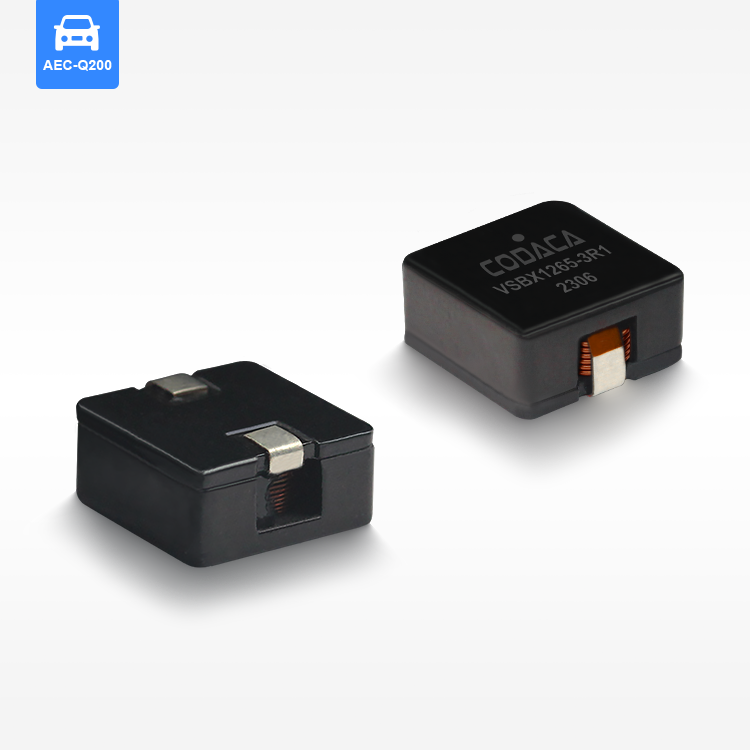
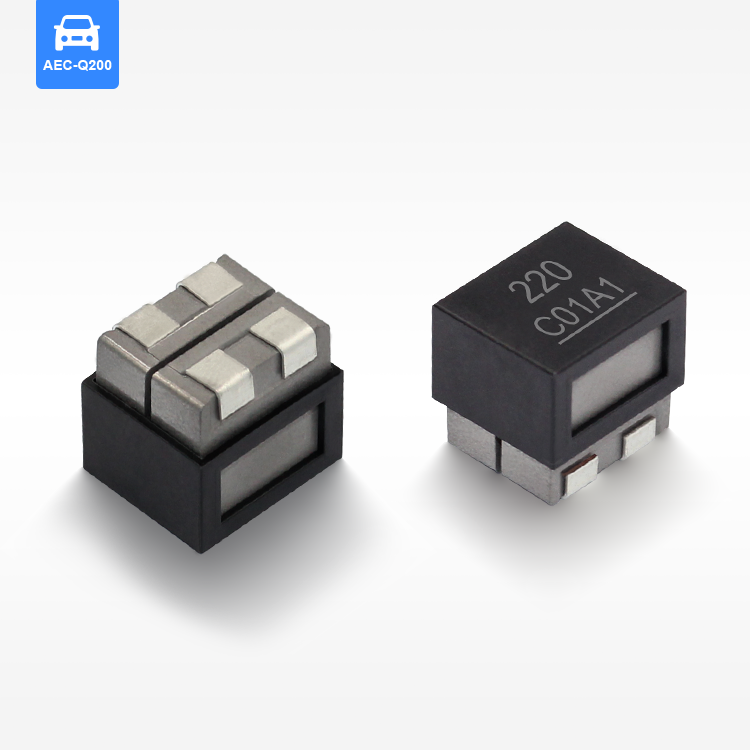
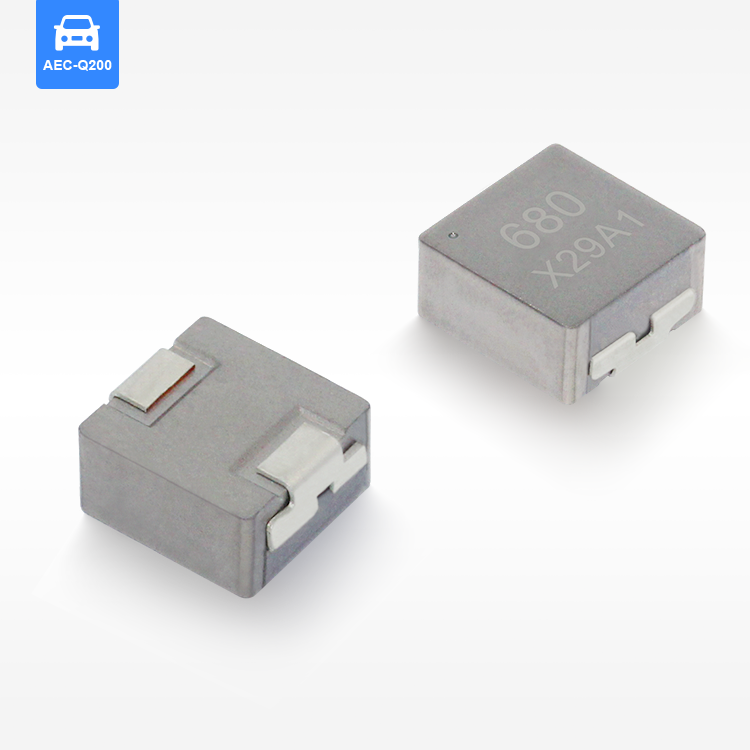
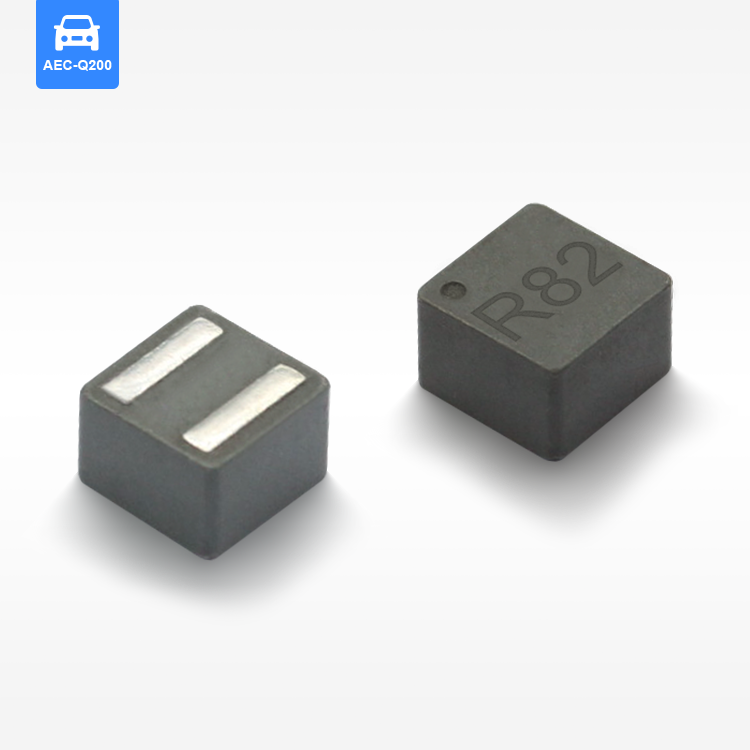
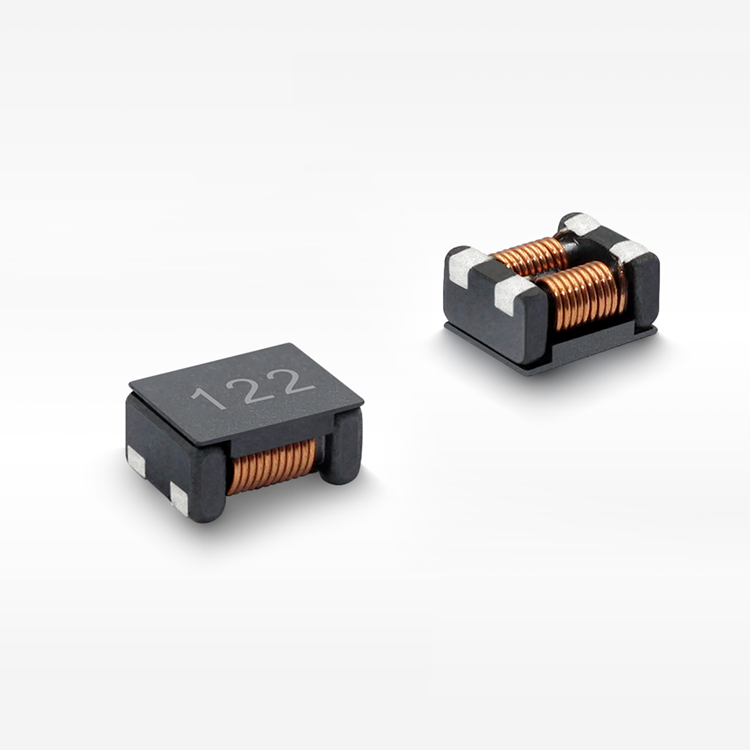
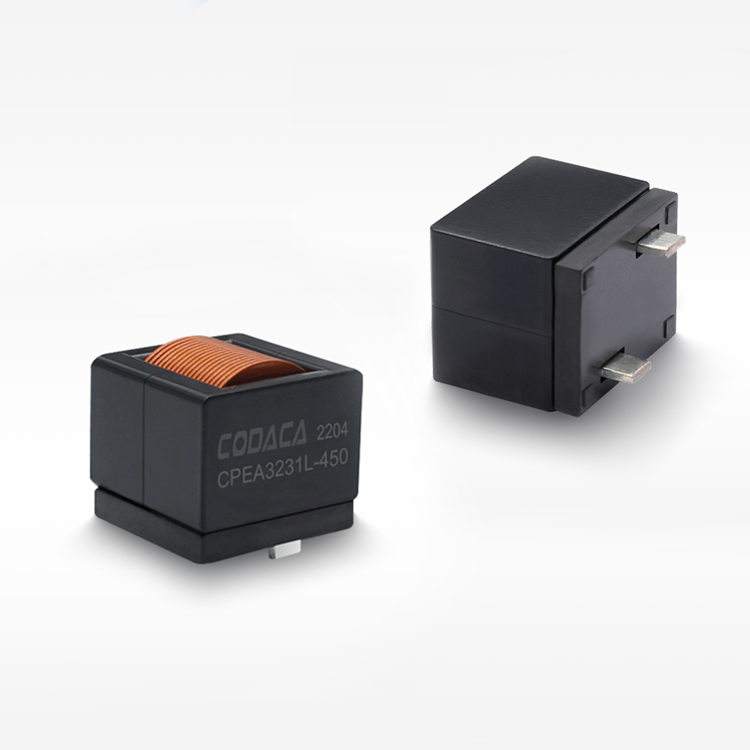
Exceptional Electromagnetic Shielding and Interference Reduction
The power toroidal inductor excels in electromagnetic compatibility applications due to its inherent self-shielding design that virtually eliminates external magnetic field radiation. This unique characteristic stems from the toroidal core geometry, which creates a completely closed magnetic flux path that confines electromagnetic energy within the component itself. Unlike conventional inductors with open magnetic circuits, the power toroidal inductor prevents magnetic field lines from extending beyond the core boundaries, effectively eliminating electromagnetic interference with adjacent components and circuits. This self-contained magnetic field behavior makes power toroidal inductors ideal for use in sensitive electronic equipment where electromagnetic compatibility requirements are stringent. Medical devices, precision measurement instruments, and high-frequency communication systems particularly benefit from this shielding capability. The reduced electromagnetic signature of power toroidal inductors allows engineers to place multiple components in close proximity without experiencing cross-talk or interference issues that commonly plague other inductor types. Furthermore, the absence of external magnetic fields means that power toroidal inductors do not require additional shielding enclosures or spacing requirements, simplifying circuit board layout and reducing overall system costs. This electromagnetic isolation also prevents the inductor from being affected by external magnetic fields generated by nearby components, ensuring stable and predictable performance even in electromagnetically noisy environments. The superior interference suppression capabilities of power toroidal inductors contribute significantly to improved signal-to-noise ratios in sensitive circuits, enhanced data integrity in digital systems, and reduced harmonic distortion in audio applications. These electromagnetic benefits translate directly into improved product performance, regulatory compliance advantages, and reduced development time for engineers working on electromagnetic compatibility certification processes.