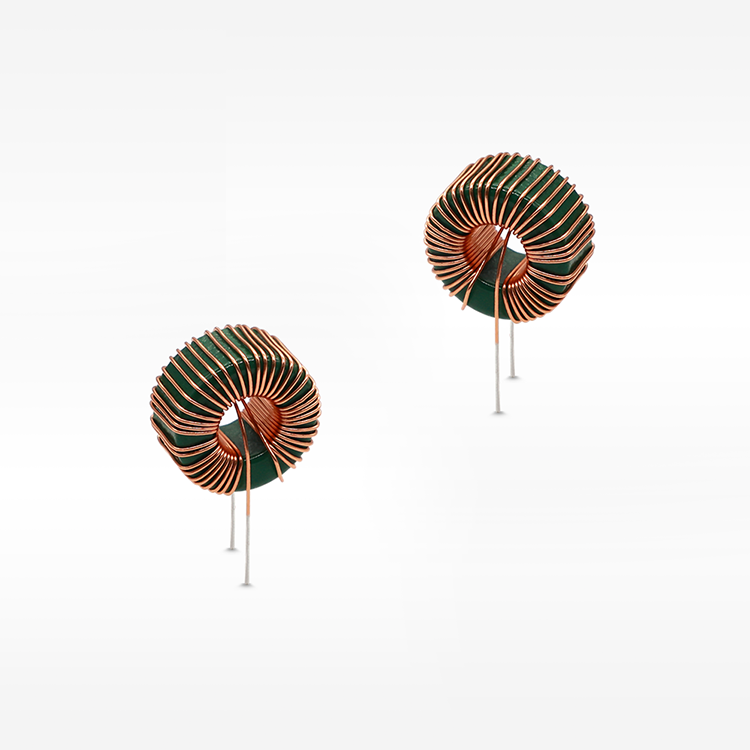
Low Loss Toroidal Inductor: High-Efficiency Electromagnetic Components for Superior Performance

All Categories

Get a Free Quote

Our representative will contact you soon.
Email
Name
Company Name
Message
0/1000

low loss toroidal inductor

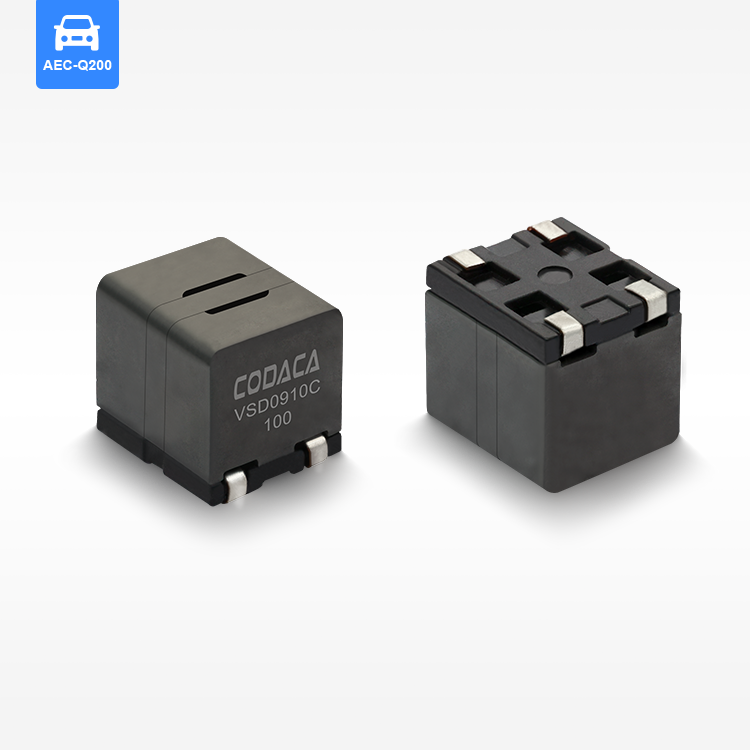
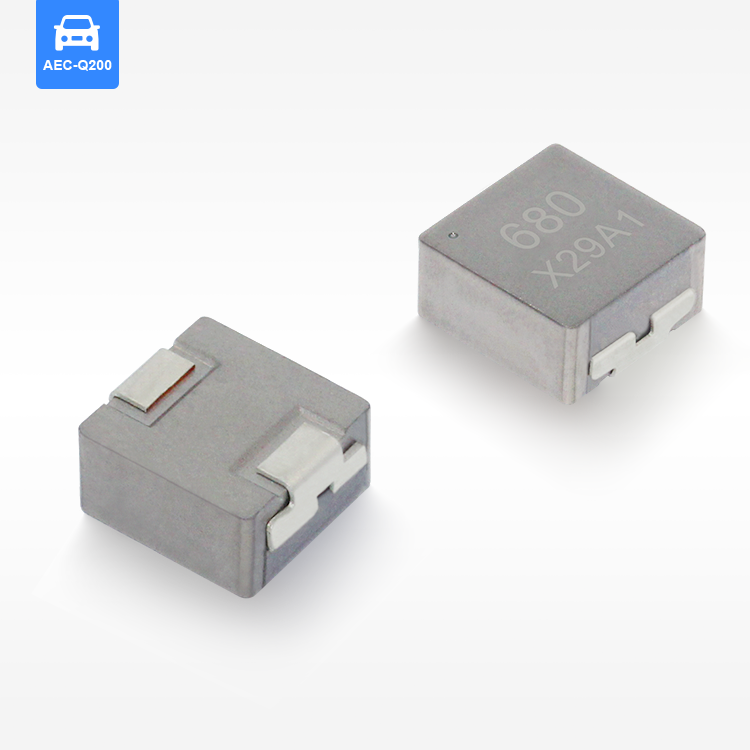
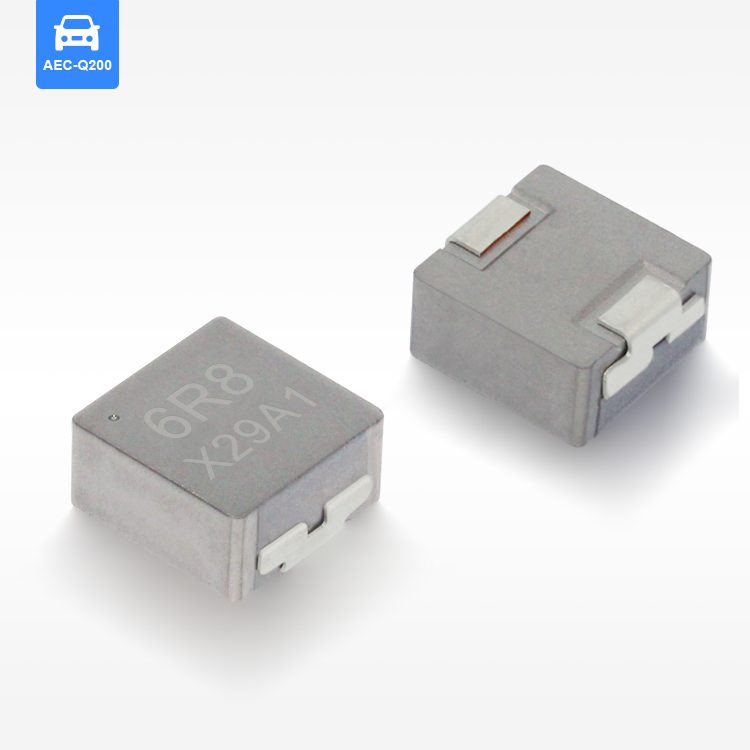
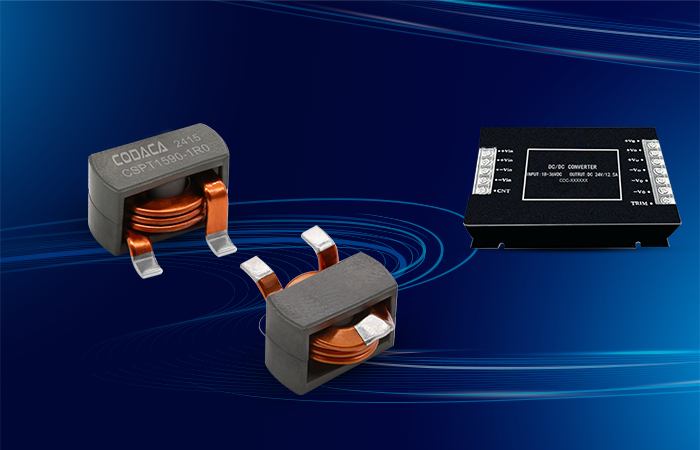
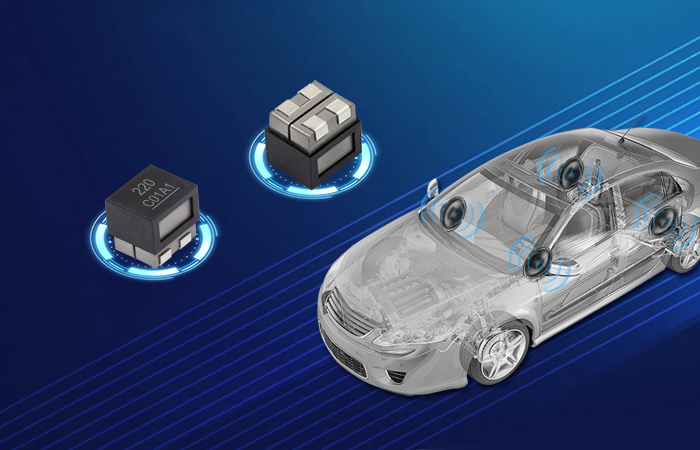
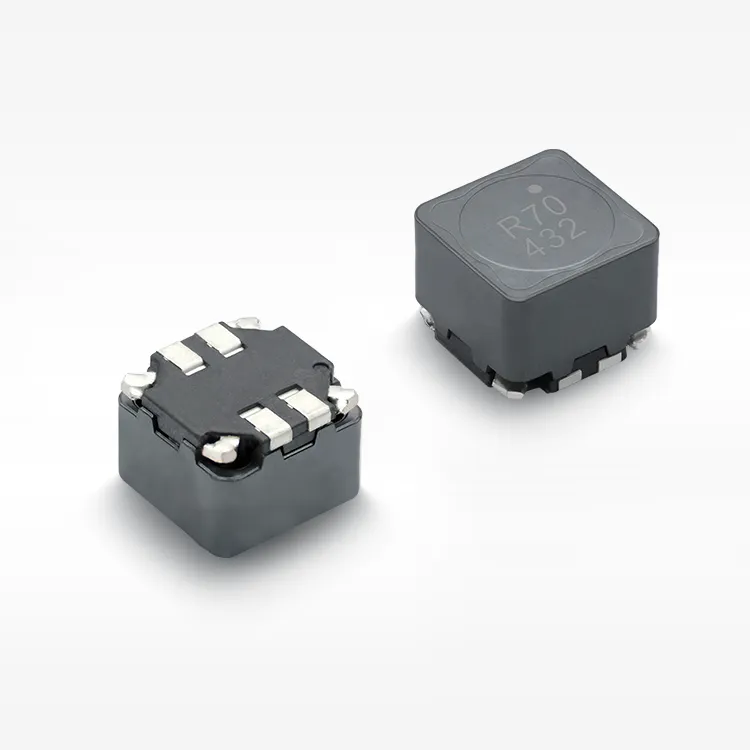
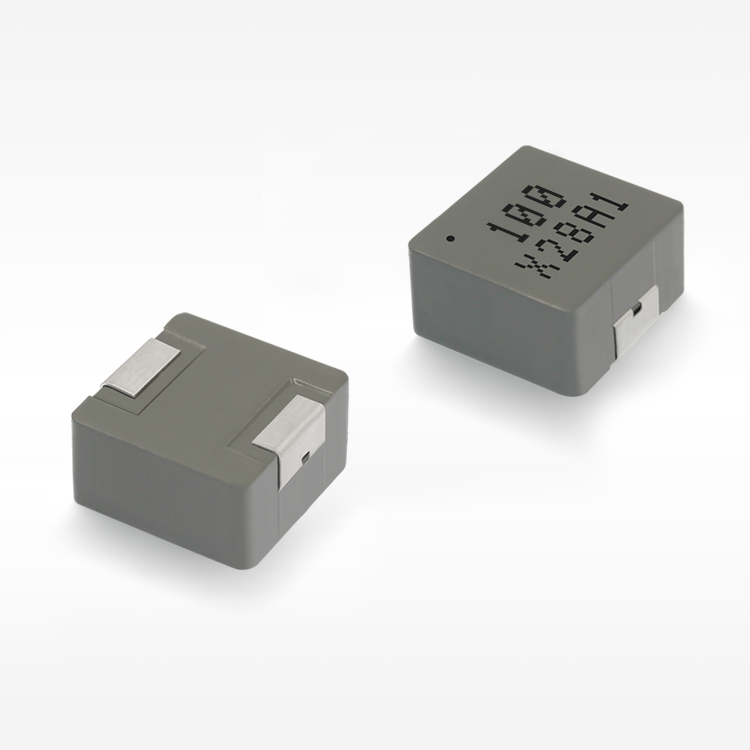
The low loss toroidal inductor represents a sophisticated electronic component engineered to minimize energy waste while maximizing electromagnetic performance in various circuit applications. This specialized inductor utilizes a toroidal core design, featuring a doughnut-shaped magnetic core that creates a closed magnetic path, resulting in superior electromagnetic containment compared to traditional inductor designs. The fundamental function of the low loss toroidal inductor revolves around storing energy in its magnetic field while maintaining minimal resistance to current flow, thereby reducing power dissipation and heat generation. The toroidal configuration ensures that magnetic flux remains confined within the core structure, preventing electromagnetic interference with adjacent components and enhancing overall system reliability. Technologically, these inductors incorporate advanced core materials such as ferrite, powdered iron, or specialized alloy compositions that exhibit exceptional magnetic permeability and low hysteresis losses. The manufacturing process involves precise winding techniques that optimize conductor placement around the toroidal core, ensuring uniform current distribution and minimal skin effect losses at higher frequencies. Key technological features include temperature stability across wide operating ranges, consistent inductance values under varying load conditions, and reduced electromagnetic radiation that complies with strict regulatory standards. The compact form factor of the low loss toroidal inductor makes it particularly valuable in space-constrained applications where traditional inductors would be impractical. Applications span numerous industries including power conversion systems, audio equipment, renewable energy installations, telecommunications infrastructure, and automotive electronics. In switching power supplies, these inductors facilitate efficient voltage regulation while minimizing ripple current and electromagnetic noise. Audio applications benefit from the clean signal processing capabilities that preserve sound quality without introducing distortion. The low loss toroidal inductor proves essential in renewable energy systems where efficiency directly impacts power generation economics, particularly in solar inverters and wind power converters where every percentage point of efficiency improvement translates to significant energy savings over operational lifespans.

New Product Recommendations

The low loss toroidal inductor delivers exceptional efficiency benefits that directly translate to reduced operating costs and improved system performance for users across various applications. Energy efficiency stands as the primary advantage, with these components typically achieving efficiency ratings exceeding 95 percent compared to conventional inductors that often operate below 90 percent efficiency. This improvement means less energy converts to waste heat, resulting in lower electricity bills and reduced cooling requirements for your equipment. The superior magnetic coupling inherent in toroidal designs eliminates stray magnetic fields that plague other inductor types, ensuring your electronic systems operate without interference issues that could compromise performance or cause malfunction. Users experience significantly reduced electromagnetic interference, which translates to cleaner signal processing, fewer system crashes, and improved reliability in sensitive applications like medical equipment or precision instrumentation. The compact size advantage cannot be overstated - these inductors occupy considerably less space than equivalent traditional designs, allowing engineers to create smaller, more portable products without sacrificing performance. This space efficiency proves particularly valuable in mobile devices, automotive applications, and consumer electronics where every cubic centimeter matters. Temperature stability represents another crucial advantage, as low loss toroidal inductors maintain consistent performance across wide temperature ranges, ensuring reliable operation in harsh environments without degradation. This stability reduces maintenance requirements and extends equipment lifespan, providing long-term cost savings. The reduced audible noise generation makes these inductors ideal for applications where acoustic performance matters, such as audio equipment, household appliances, and office electronics. Users benefit from quieter operation without the annoying buzzing or humming sounds associated with conventional inductors. Installation flexibility increases due to the self-shielding properties of toroidal designs, eliminating the need for additional shielding components and simplifying circuit layout requirements. This simplification reduces design time, manufacturing costs, and potential assembly errors. The improved power handling capability allows these inductors to manage higher current levels without saturation, providing better performance margins and system reliability. Quality manufacturing standards ensure consistent specifications across production batches, giving users predictable performance and easier inventory management. The environmental benefits include reduced carbon footprint due to higher efficiency and longer operational life, supporting corporate sustainability goals while delivering superior technical performance.

Tips And Tricks

The Science Behind Automotive Grade Molding Power Choke Design

31

Mar

The Science Behind Automotive Grade Molding Power Choke Design

Introduction Automotive grade molding power chokes, also known as molded power inductors, are essential components in electrical circuits particularly within the automotive industry. These chokes consist of a coil of wire wound around a ferrite core...
View More
Compact High Current Power Inductor: A Comparison of Materials and Designs

01

Apr

Compact High Current Power Inductor: A Comparison of Materials and Designs

Mn-Zn Ferrite: High Permeability and Frequency Response Mn-Zn ferrite is highly regarded in the field of inductors due to its high permeability, which facilitates an efficient magnetic flux path. This characteristic translates into improved inductan...
View More
The Most Durable Automotive Grade Digital Power Amplifier Inductor

01

Apr

The Most Durable Automotive Grade Digital Power Amplifier Inductor

Introduction Automotive-grade digital power amplifier inductors are essential components in modern vehicle audio systems. These inductors are designed to handle large currents and provide stable performance under various environmental conditions, en...
View More
The Role of Molding Power Chokes in Energy Storage Systems

13

May

The Role of Molding Power Chokes in Energy Storage Systems

Understanding Molding Power Chokes in Energy Storage Definition and Core Components Power Chokes are important inductive devices used in energy storage systems and they are commonly used to filter high frequency signals. These chokes are mainly...
View More

Get a Free Quote

Our representative will contact you soon.
Email
Name
Company Name
Message
0/1000

low loss toroidal inductor

Maximum Energy Efficiency with Minimal Power Loss

Maximum Energy Efficiency with Minimal Power Loss

The low loss toroidal inductor achieves remarkable energy efficiency through its innovative closed-loop magnetic design that virtually eliminates magnetic flux leakage, a common source of energy waste in traditional inductor configurations. This superior efficiency stems from the toroidal core geometry that creates a complete magnetic circuit, ensuring that magnetic energy remains contained within the core material rather than radiating into surrounding space as electromagnetic interference. The result is efficiency levels consistently exceeding 95 percent, representing a significant improvement over conventional air-core or straight-core inductors that typically operate between 85-90 percent efficiency. This efficiency advantage translates directly into measurable cost savings for end users, as reduced power loss means lower electricity consumption and decreased heat generation requiring less cooling infrastructure. In industrial applications, this efficiency improvement can result in thousands of dollars in annual energy savings, while consumer applications benefit from extended battery life and reduced environmental impact. The advanced core materials used in these inductors, including high-permeability ferrites and specialized powdered metal compositions, minimize hysteresis and eddy current losses that typically plague other inductor designs. The precision winding techniques employed during manufacturing ensure optimal conductor placement that reduces resistance losses and skin effect phenomena at higher frequencies. Temperature coefficient stability ensures that efficiency remains consistent across varying operating conditions, preventing performance degradation that could compromise system reliability. The self-resonant frequency characteristics of low loss toroidal inductors extend well beyond typical operating ranges, maintaining consistent impedance characteristics and preventing efficiency drops at critical frequencies. Quality control measures during production guarantee that each unit meets stringent efficiency specifications, providing users with reliable performance expectations. The cumulative effect of these efficiency improvements extends beyond immediate power savings to include reduced system complexity, as lower heat generation eliminates the need for extensive thermal management solutions. This efficiency advantage proves particularly valuable in renewable energy applications where every percentage point of improvement directly impacts return on investment calculations and environmental benefits.
Superior Electromagnetic Compatibility and Interference Suppression

Superior Electromagnetic Compatibility and Interference Suppression

The low loss toroidal inductor excels in electromagnetic compatibility through its inherent self-shielding properties that effectively contain magnetic fields within the toroidal core structure, preventing unwanted electromagnetic interference that can disrupt nearby electronic components and systems. This electromagnetic containment capability stems from the circular geometry of the toroidal core, which creates a closed magnetic path that naturally confines flux lines within the core material, unlike linear or open-core designs that allow magnetic field dispersion into surrounding areas. The practical benefits of this electromagnetic compatibility extend throughout various applications, from sensitive medical equipment where interference could affect patient safety to precision measurement instruments where electromagnetic noise could compromise accuracy. Users experience dramatically reduced crosstalk between circuit components, leading to cleaner signal processing and improved overall system performance. The self-shielding characteristics eliminate the need for additional electromagnetic shielding components, reducing system complexity, weight, and cost while improving reliability through fewer potential failure points. Regulatory compliance becomes significantly easier with low loss toroidal inductors, as their inherently low electromagnetic emission characteristics help systems meet strict EMC standards without requiring extensive additional filtering or shielding measures. This compliance advantage proves particularly valuable in commercial and industrial applications where electromagnetic compatibility requirements continue to become more stringent. The uniform magnetic field distribution within the toroidal core prevents localized saturation effects that could generate harmonic distortion in audio applications or switching noise in power conversion systems. Ground loop elimination represents another significant benefit, as the contained magnetic field reduces coupling between different circuit sections that could create unwanted current paths and system instability. Installation flexibility increases substantially due to the reduced electromagnetic interaction with nearby components, allowing engineers greater freedom in component placement and circuit layout without concerns about interference issues. The frequency response characteristics remain stable across wide bandwidths, ensuring consistent electromagnetic compatibility across varying operating conditions and signal frequencies. Quality manufacturing processes ensure consistent electromagnetic properties across production batches, providing designers with predictable performance characteristics for reliable system design. Testing and validation procedures verify electromagnetic compatibility performance under various operating conditions, giving users confidence in system-level EMC compliance.
Exceptional Durability and Long-Term Reliability

Exceptional Durability and Long-Term Reliability

The low loss toroidal inductor demonstrates outstanding durability through robust construction methods and premium materials that ensure reliable operation under demanding conditions while maintaining consistent performance specifications throughout extended operational lifespans. The toroidal core design inherently provides superior mechanical stability compared to traditional inductor configurations, as the continuous circular structure distributes mechanical stress evenly without creating stress concentration points that could lead to core cracking or magnetic property degradation over time. High-quality core materials undergo extensive aging and stabilization processes during manufacturing to eliminate internal stresses and ensure dimensional stability across temperature cycling and mechanical vibration exposure. The winding techniques employed utilize high-grade copper conductors with appropriate insulation systems that resist thermal degradation, moisture absorption, and chemical contamination that could compromise electrical properties. Encapsulation and protective coating systems provide additional environmental protection against humidity, corrosive atmospheres, and mechanical damage while maintaining thermal dissipation characteristics essential for long-term reliability. Temperature coefficient specifications ensure consistent inductance values across wide operating temperature ranges, preventing performance drift that could affect system operation over time. The inherent thermal stability of toroidal designs contributes to longevity by distributing heat generation evenly throughout the component rather than creating hot spots that accelerate aging processes in critical areas. Quality control testing procedures include accelerated life testing under elevated temperature and humidity conditions to verify long-term stability and identify potential failure modes before components reach end users. Vibration and shock resistance testing ensures reliable operation in mobile applications, industrial machinery, and transportation systems where mechanical stress could affect component integrity. The predictable aging characteristics of low loss toroidal inductors enable accurate lifetime predictions for maintenance planning and system design considerations, reducing unexpected failures and associated downtime costs. Material compatibility studies ensure that all component materials work together harmoniously without chemical interactions that could compromise long-term performance. Manufacturing process controls maintain consistent quality across production batches, ensuring that reliability expectations remain consistent regardless of when components are purchased or installed. Field failure analysis data demonstrates exceptional reliability records in various application environments, providing users with confidence in long-term performance expectations and total cost of ownership calculations.