Vehicle Grade Molding Power Choke - Advanced Automotive Electronic Components for Superior Performance

All Categories

Get a Free Quote

Our representative will contact you soon.
Email
Name
Company Name
Message
0/1000

vehicle grade molding power choke

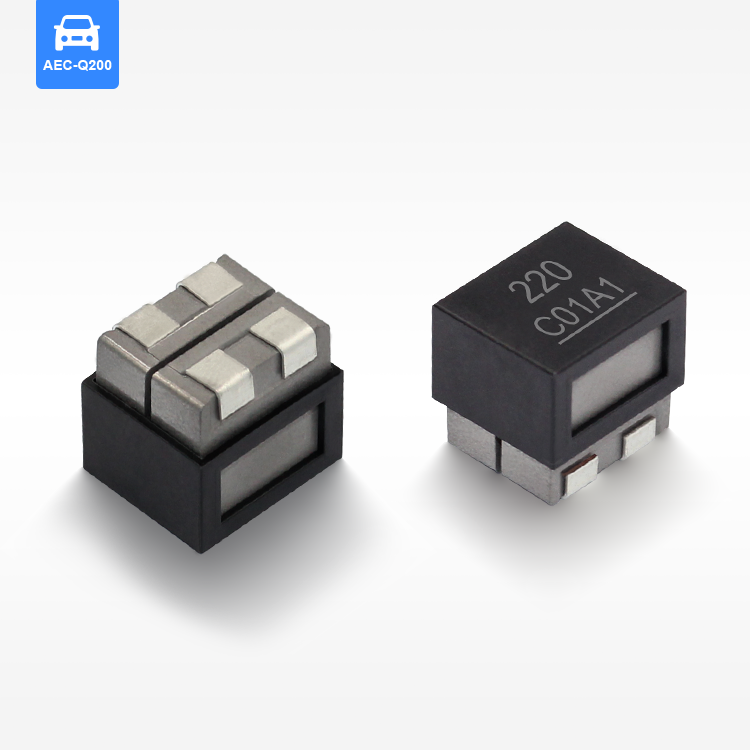
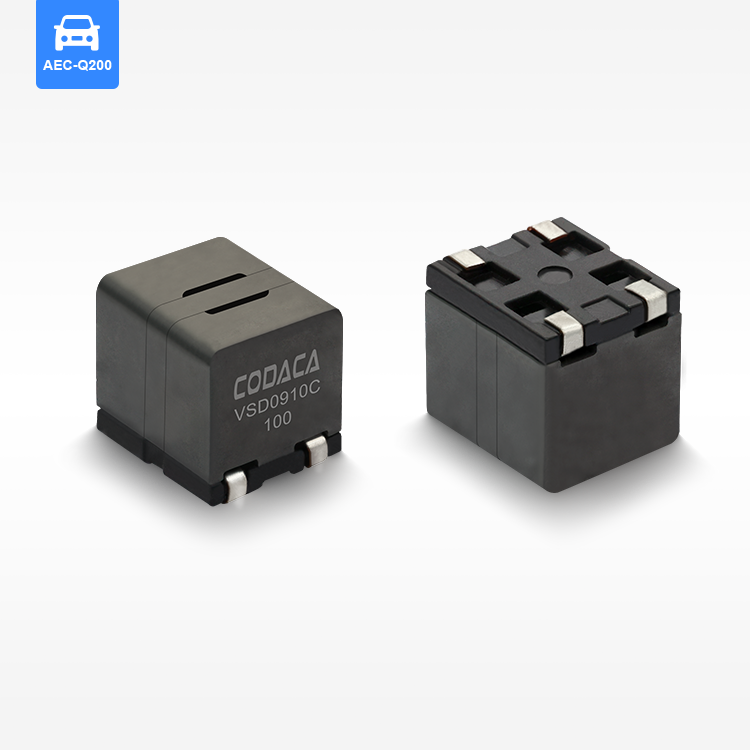
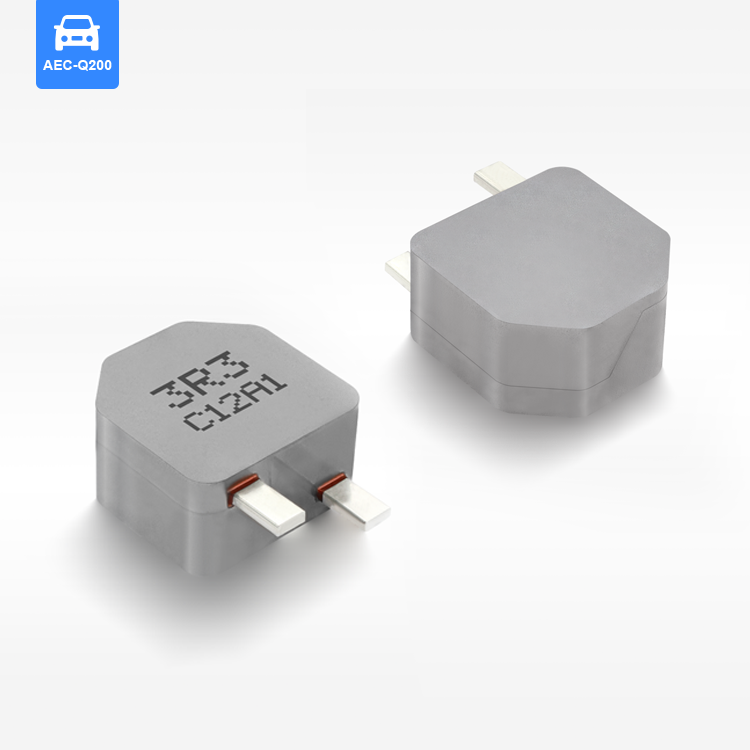
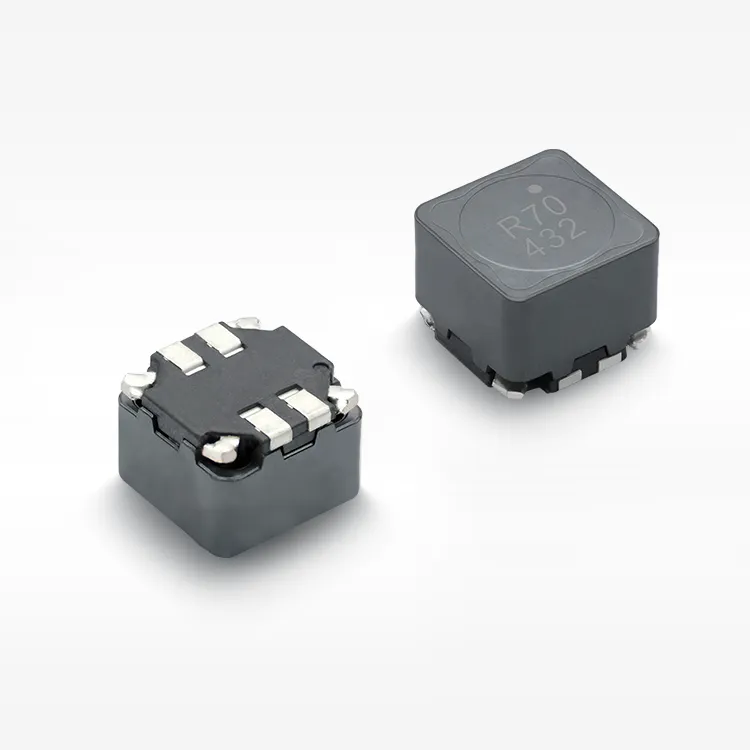
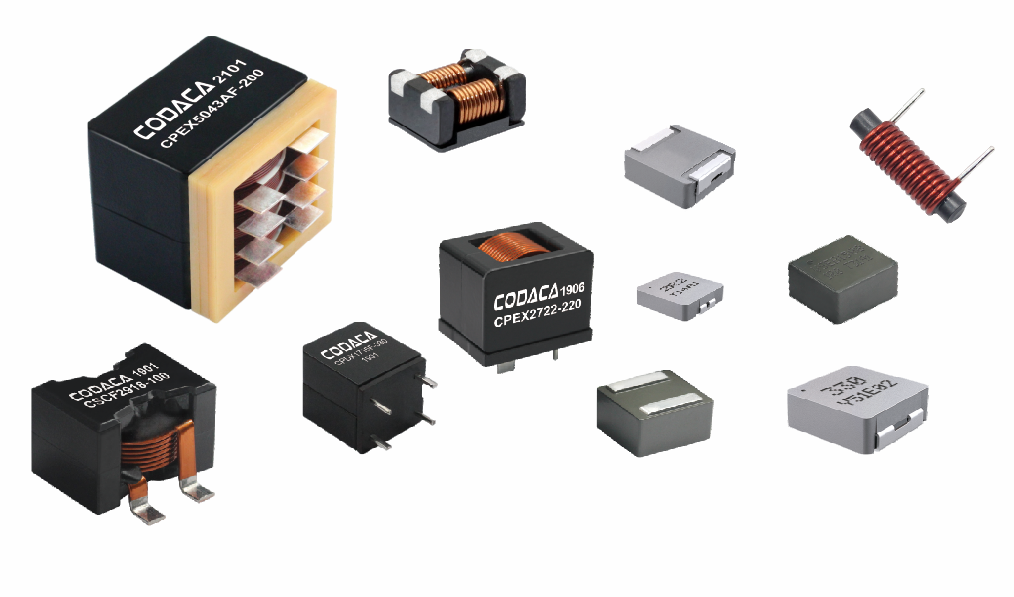
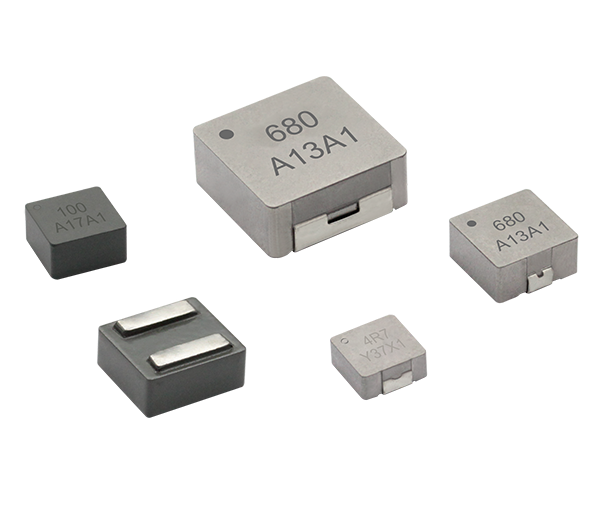
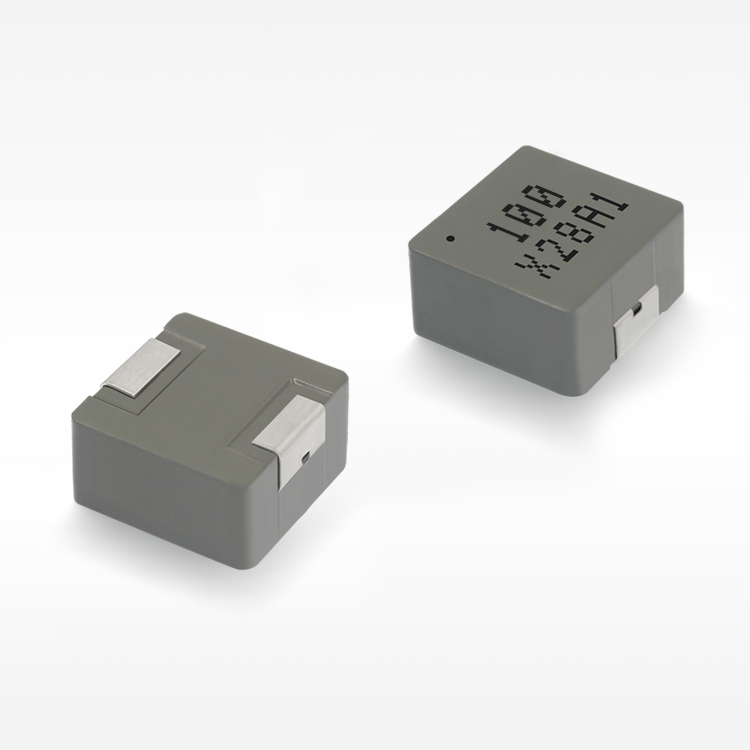
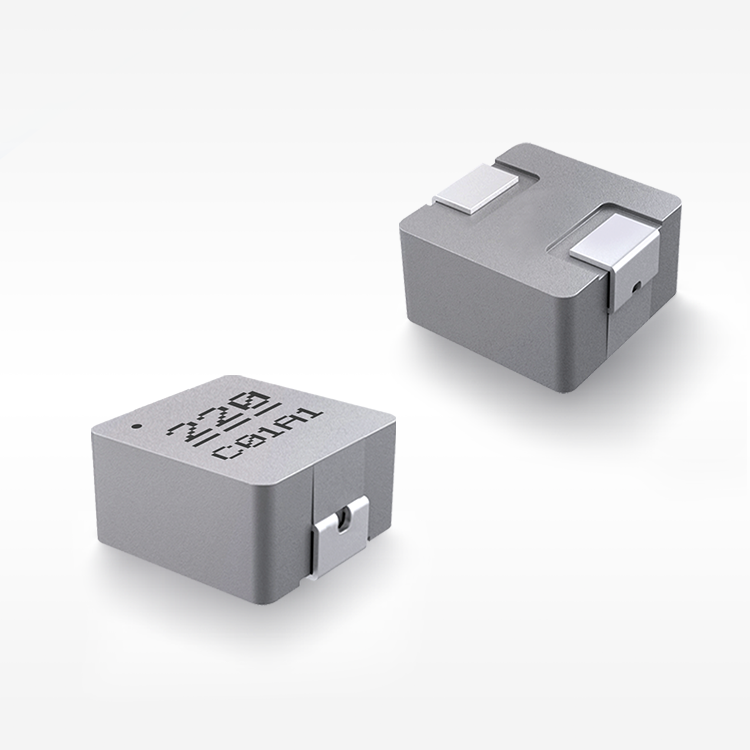
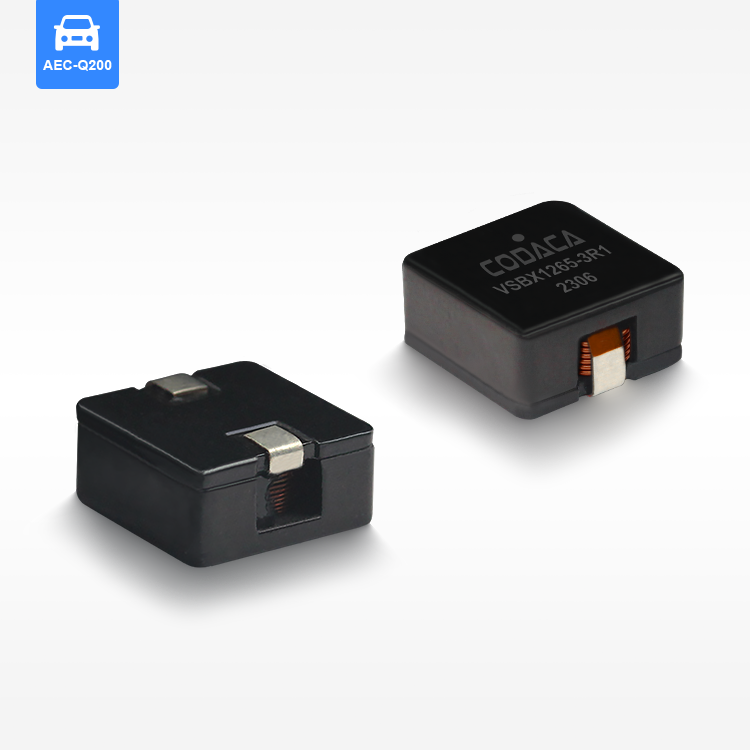
The vehicle grade molding power choke represents a critical component in modern automotive electrical systems, designed to meet the stringent demands of vehicular applications. This specialized inductive component serves as an essential element for power management, electromagnetic interference suppression, and voltage regulation within automotive electronics. The vehicle grade molding power choke is engineered to withstand the harsh operating conditions typical in automotive environments, including extreme temperature variations, vibrations, and electromagnetic disturbances that standard components cannot tolerate. The core functionality of this component centers around its ability to filter unwanted electrical noise while maintaining stable power delivery to sensitive automotive systems. The molding construction provides superior mechanical protection and environmental sealing, ensuring consistent performance throughout the vehicle's operational lifetime. These chokes utilize advanced magnetic core materials and precision winding techniques to achieve optimal inductance values and current handling capabilities. The vehicle grade molding power choke incorporates sophisticated thermal management features that prevent overheating during high-load conditions, making it suitable for demanding applications such as electric vehicle powertrains, advanced driver assistance systems, and infotainment platforms. The technological architecture includes multi-layer shielding that minimizes electromagnetic interference while maximizing energy efficiency. Applications span across various automotive systems including DC-DC converters, battery management systems, LED lighting circuits, and motor control units. The compact form factor of the vehicle grade molding power choke allows for space-efficient integration into modern vehicle designs where real estate is at a premium. Quality standards for these components exceed typical industrial requirements, incorporating automotive-specific testing protocols and certification processes that ensure reliability in mission-critical applications.

New Product Recommendations

The vehicle grade molding power choke delivers exceptional performance benefits that directly impact vehicle reliability and operational efficiency. One primary advantage lies in its superior temperature stability, which ensures consistent electrical performance across the entire automotive operating temperature range from minus forty to plus one hundred fifty degrees Celsius. This thermal resilience eliminates performance degradation that could compromise vehicle systems during extreme weather conditions. The molding construction provides enhanced mechanical durability, protecting the internal windings from vibration-induced damage that commonly affects standard chokes in automotive applications. Cost-effectiveness represents another significant benefit, as the vehicle grade molding power choke reduces overall system complexity by integrating multiple filtering functions into a single component, thereby minimizing component count and assembly costs. The enhanced electromagnetic compatibility characteristics prevent interference with sensitive automotive electronics, ensuring that radio systems, navigation equipment, and communication modules operate without disruption. Installation simplicity offers practical advantages for automotive manufacturers, as these chokes feature standardized mounting configurations and connection interfaces that streamline production processes. The vehicle grade molding power choke demonstrates superior current handling capabilities compared to conventional alternatives, supporting higher power requirements of modern electric and hybrid vehicles without compromising safety or performance. Energy efficiency improvements directly translate to extended battery life in electric vehicles and reduced fuel consumption in conventional vehicles, providing tangible economic benefits for end users. The robust environmental sealing prevents moisture ingress and contamination, ensuring long-term reliability even in challenging operating conditions such as engine compartments or undercarriage installations. Quality assurance processes guarantee consistent performance across production batches, reducing warranty claims and maintenance requirements. The standardized specifications facilitate easy replacement and maintenance, minimizing vehicle downtime and service costs. Additionally, the vehicle grade molding power choke supports advanced automotive technologies such as regenerative braking systems and adaptive lighting, enabling manufacturers to implement innovative features that enhance vehicle performance and user experience while maintaining electrical system stability.

Latest News

Innovations in Automotive Grade Molding Power Choke Technology

31

Mar

Innovations in Automotive Grade Molding Power Choke Technology

Introduction The evolution of automotive power chokes is a testament to the significant advancements in vehicle performance enhancement. Historically, these components, often referred to as "inductors", have played a pivotal role in stabilizing elec...
View More
The Role of Molding Power Chokes in Energy Storage Systems

13

May

The Role of Molding Power Chokes in Energy Storage Systems

Understanding Molding Power Chokes in Energy Storage Definition and Core Components Power Chokes are important inductive devices used in energy storage systems and they are commonly used to filter high frequency signals. These chokes are mainly...
View More
How to Select the Right Inductor for Switching Power Supplies

26

May

How to Select the Right Inductor for Switching Power Supplies

An inductor is a common energy-storing passive component in circuits, playing roles such as filtering, boosting, and bucking in the design of switching power supplies. In the early stage of scheme design, engineers not only need to select appropriate...
View More
How to Select Wires in the Preparation Process of Integrated Molding Power Choke

26

May

How to Select Wires in the Preparation Process of Integrated Molding Power Choke

Wires are one of the crucial raw materials in the preparation of integrated molded inductors. Selecting appropriate wires exerts a significant impact on their manufacturing process. The following content will provide a brief introduction to wire sele...
View More

Get a Free Quote

Our representative will contact you soon.
Email
Name
Company Name
Message
0/1000

vehicle grade molding power choke

Advanced Thermal Management and Environmental Protection

Advanced Thermal Management and Environmental Protection

The vehicle grade molding power choke incorporates sophisticated thermal management technologies that set it apart from standard automotive components. The molded encapsulation provides exceptional protection against environmental hazards while maintaining optimal thermal dissipation characteristics. This advanced design utilizes specialized thermally conductive materials that efficiently transfer heat away from the magnetic core and windings, preventing hot spots that could degrade performance or cause premature failure. The environmental protection features include complete sealing against moisture, dust, chemicals, and other contaminants commonly encountered in automotive applications. The molding material itself is formulated to withstand exposure to automotive fluids such as engine oils, coolants, and cleaning solvents without degradation or swelling. Temperature cycling tests demonstrate that the vehicle grade molding power choke maintains stable electrical characteristics through thousands of thermal cycles, simulating years of real-world operation. The thermal expansion coefficients of all materials are carefully matched to prevent mechanical stress during temperature changes, ensuring structural integrity throughout the component's operational life. Advanced finite element modeling during the design phase optimizes heat flow patterns, maximizing thermal performance while minimizing component size. The environmental sealing capabilities meet or exceed IP67 standards, providing complete protection against water immersion and dust ingress. This level of environmental protection enables installation in exposed locations such as engine compartments, wheel wells, or external mounting points without requiring additional protective enclosures. The molding process creates a hermetic seal that prevents atmospheric moisture from reaching internal components, eliminating corrosion concerns that plague conventional wound components. Salt spray testing confirms exceptional corrosion resistance, making the vehicle grade molding power choke suitable for use in marine environments or regions where road salt is commonly used. The thermal management system also incorporates safety features that prevent overheating under fault conditions, protecting both the component and surrounding systems from damage.
Superior Electromagnetic Performance and Noise Suppression

Superior Electromagnetic Performance and Noise Suppression

The vehicle grade molding power choke delivers exceptional electromagnetic performance through innovative design features that address the complex interference challenges in modern automotive systems. The multi-layer magnetic shielding architecture effectively contains magnetic fields while preventing external electromagnetic interference from affecting component operation. This sophisticated shielding system utilizes advanced ferrite materials with optimized permeability characteristics that provide maximum inductance values within compact form factors. The precision winding techniques employed in manufacturing ensure consistent electrical characteristics across production runs while minimizing parasitic capacitance that could degrade high-frequency performance. The vehicle grade molding power choke demonstrates superior common-mode and differential-mode noise suppression capabilities, effectively filtering unwanted electrical noise across a broad frequency spectrum. This comprehensive noise suppression prevents interference with sensitive automotive systems such as GPS navigation, cellular communications, and advanced driver assistance systems that rely on precise signal processing. The component's frequency response characteristics are optimized for automotive applications, providing maximum attenuation at frequencies where electromagnetic interference is most problematic. Advanced computer modeling and testing validate performance across the entire automotive electromagnetic compatibility spectrum, ensuring compliance with stringent automotive EMC standards. The magnetic core design incorporates gap optimization techniques that maintain stable inductance values under varying current loads, preventing performance degradation during dynamic operating conditions. Temperature compensation features ensure that electromagnetic performance remains consistent across the automotive operating temperature range, eliminating seasonal variations that could affect system performance. The vehicle grade molding power choke also provides excellent isolation between different circuit sections, preventing crosstalk and ground loop formation that could introduce unwanted noise into sensitive control circuits. Saturation characteristics are carefully controlled to prevent core saturation under overload conditions, maintaining linear operation and preventing the generation of harmonic distortion that could interfere with other systems.
Enhanced Reliability and Long-Term Performance Assurance

Enhanced Reliability and Long-Term Performance Assurance

The vehicle grade molding power choke is engineered for exceptional long-term reliability through comprehensive design validation and rigorous quality control processes that exceed standard industrial requirements. The component undergoes extensive accelerated life testing that simulates decades of automotive operation, including thermal cycling, mechanical shock, vibration exposure, and electrical stress testing. These validation procedures ensure that the vehicle grade molding power choke maintains stable performance characteristics throughout the typical automotive service life of fifteen to twenty years. The reliability engineering approach incorporates failure mode and effects analysis to identify potential failure mechanisms and implement design features that prevent or mitigate these risks. The molded construction eliminates traditional failure points associated with external connections and exposed conductors, significantly improving overall system reliability. Quality control processes include one hundred percent electrical testing of every component, ensuring that each vehicle grade molding power choke meets specified performance parameters before shipment. Statistical process control monitoring tracks key performance indicators throughout manufacturing, enabling early detection and correction of any process variations that could affect reliability. The component design incorporates generous safety margins that ensure continued operation even under conditions that exceed normal automotive specifications. Burn-in testing eliminates infant mortality failures, providing high confidence in field reliability from the moment of installation. The vehicle grade molding power choke demonstrates exceptional resistance to mechanical stress, withstanding vibration levels that far exceed those encountered in typical automotive applications. Humidity resistance testing confirms stable operation in high-moisture environments, preventing degradation that could affect electrical performance over time. The reliability validation process includes real-world field testing in various automotive applications, providing empirical data on long-term performance under actual operating conditions. Predictive reliability modeling utilizes advanced statistical techniques to forecast component performance and identify optimal replacement intervals for preventive maintenance programs. The manufacturing process incorporates multiple quality checkpoints that verify dimensional accuracy, electrical parameters, and visual inspection criteria, ensuring consistent quality across all production batches.