
 EN
EN
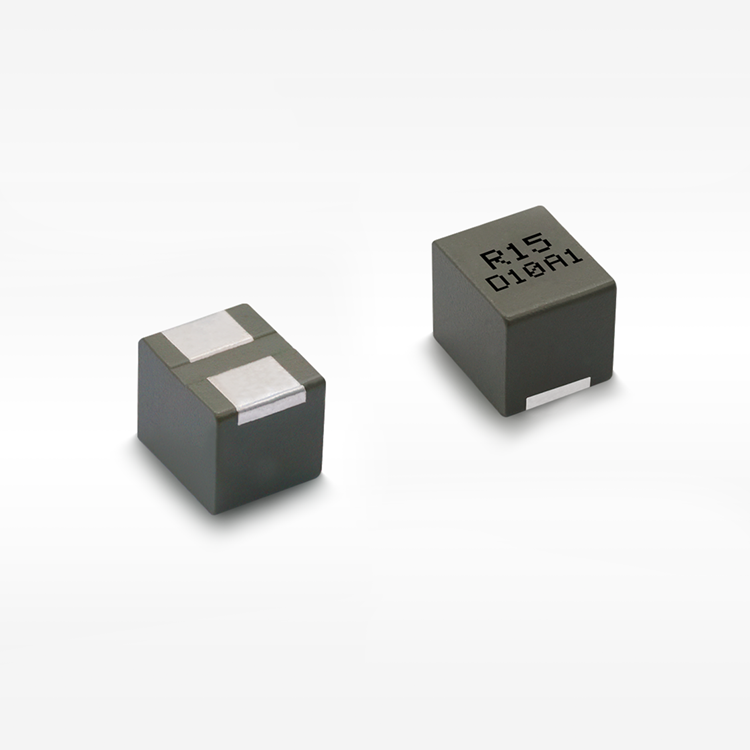
Modern electronic systems demand exceptional power management solutions that deliver both efficiency and reliability in increasingly compact designs. As power densities continue to rise and circuit boards shrink, engineers face mounting challenges in maintaining stable power delivery while minimizing electromagnetic interference. The molding power choke has emerged as a critical component that addresses these complex requirements, offering superior performance characteristics that traditional inductors simply cannot match in space-constrained applications.
The evolution of power electronics has pushed the boundaries of what engineers can achieve within limited physical constraints. Compact power modules now handle significantly higher currents and voltages than their predecessors, creating unique stability challenges that require innovative solutions. A molding power choke represents a breakthrough in inductor technology, combining advanced magnetic materials with precision manufacturing techniques to deliver exceptional performance in minimal footprints. These components play a vital role in power conversion circuits, energy storage systems, and voltage regulation applications where traditional wire-wound inductors fall short.
Understanding the fundamental principles behind molding power choke technology reveals why these components have become indispensable in modern power management systems. Unlike conventional inductors that rely on wire windings around ferrite cores, molding power chokes utilize advanced composite materials and specialized manufacturing processes that optimize magnetic properties while minimizing parasitic effects. This innovative approach results in superior temperature stability, reduced core losses, and enhanced electromagnetic compatibility that directly translates to improved overall system performance.
Advanced Magnetic Core Technology
Composite Material Advantages
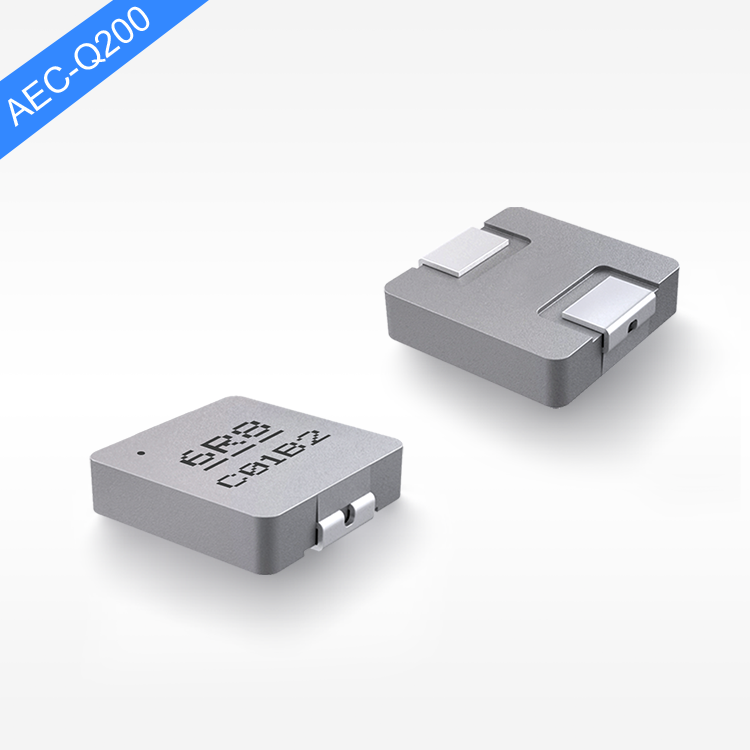
The foundation of any high-performance molding power choke lies in its advanced magnetic core technology, which represents a significant departure from traditional ferrite-based designs. Modern composite materials combine iron powder particles with specialized binding agents to create cores with precisely controlled magnetic properties. These materials offer superior saturation characteristics compared to conventional ferrite cores, allowing the molding power choke to handle higher current levels without experiencing magnetic saturation that would compromise performance.
Temperature stability represents another critical advantage of composite core technology in molding power choke applications. Traditional ferrite cores exhibit significant permeability variations across temperature ranges, leading to inductance drift that can destabilize power conversion circuits. Advanced composite materials maintain consistent magnetic properties across wide temperature ranges, ensuring that the molding power choke delivers predictable performance regardless of operating conditions. This stability becomes particularly important in automotive, industrial, and aerospace applications where temperature extremes are common.
The distributed air gap inherent in composite core materials provides additional benefits for molding power choke designs. Unlike traditional gapped ferrite cores that concentrate magnetic energy at discrete gap locations, composite materials distribute the magnetic energy throughout the core volume. This distribution reduces localized heating effects, minimizes acoustic noise generation, and enhances the overall reliability of the molding power choke under high-stress operating conditions.
Magnetic Flux Management
Effective magnetic flux management within a molding power choke requires careful consideration of core geometry, material properties, and winding configurations. The molded construction allows for precise control of magnetic flux paths, reducing unwanted leakage inductance that can compromise switching performance in power conversion applications. Engineers can optimize flux distribution patterns to minimize core losses while maximizing energy storage capacity, resulting in more efficient power management systems.
The three-dimensional nature of molding power choke construction enables sophisticated flux shaping techniques that are impossible to achieve with traditional inductor designs. By carefully controlling the core geometry during the molding process, manufacturers can create flux paths that minimize eddy current losses while maintaining high inductance values. This optimization becomes particularly important in high-frequency switching applications where core losses can significantly impact overall system efficiency.
Magnetic coupling between adjacent components represents a significant challenge in compact power modules, but proper molding power choke design can help mitigate these effects. The controlled flux distribution within molded cores reduces electromagnetic interference with nearby components, allowing for tighter component placement and more compact overall designs. This characteristic makes the molding power choke an ideal choice for applications where electromagnetic compatibility requirements are stringent.
Enhanced Current Handling Capabilities
Saturation Current Performance
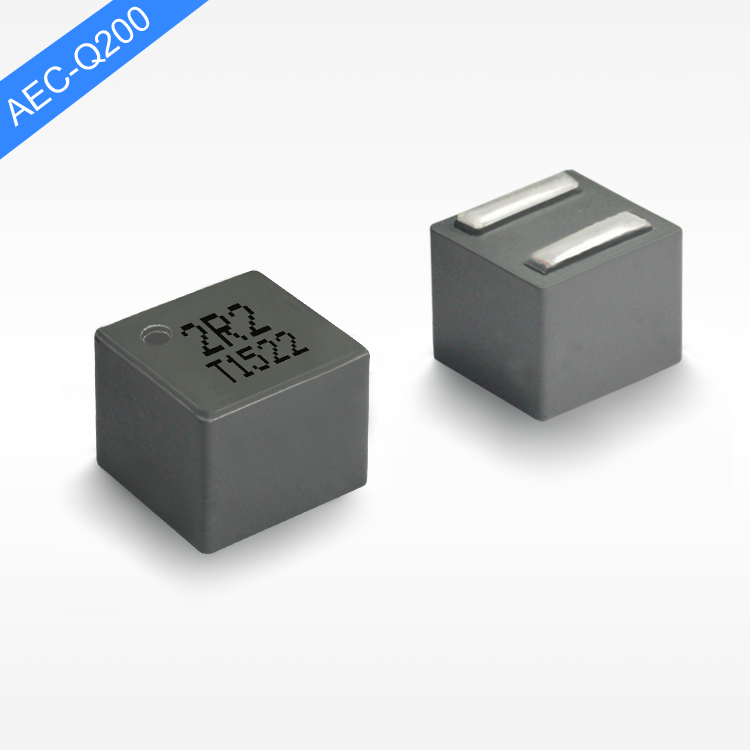
The saturation current rating of a molding power choke directly determines its ability to handle peak current demands without losing inductance value. Advanced composite core materials exhibit soft saturation characteristics, meaning inductance decreases gradually as current increases rather than dropping sharply at a specific threshold. This behavior provides better predictability in circuit design and allows engineers to operate closer to the component's limits without risking sudden performance degradation.
Thermal management plays a crucial role in maintaining high saturation current capabilities in molding power choke applications. The molded construction provides excellent thermal conductivity paths that efficiently transfer heat away from the magnetic core and conductor windings. This improved heat dissipation allows the molding power choke to maintain stable performance at higher current levels for extended periods, making it particularly suitable for continuous duty applications.
Current density optimization within the conductor windings of a molding power choke represents another factor that contributes to enhanced current handling capabilities. The molding process allows for precise control of conductor placement and spacing, minimizing hot spots that could limit current capacity. Advanced winding techniques and optimized conductor geometries work together to maximize current handling while maintaining acceptable temperature rises.
Dynamic Response Characteristics
The dynamic response characteristics of a molding power choke significantly impact its ability to maintain stability during transient conditions. Fast current rise times and sudden load changes can stress traditional inductors, but molding power chokes exhibit superior transient response due to their optimized magnetic and thermal properties. The low parasitic capacitance inherent in molded designs reduces unwanted resonances that could compromise dynamic performance.
Frequency response characteristics of molding power choke components extend well beyond their fundamental operating frequencies, providing stable performance across wide bandwidth requirements. The distributed nature of parasitic elements within molded structures helps maintain consistent impedance characteristics even at frequencies far above the primary switching frequency. This broad bandwidth stability ensures reliable operation in applications with complex switching waveforms or multiple operating modes.
Load transient recovery represents a critical performance metric for molding power choke applications in voltage regulation circuits. The fast magnetic response of composite core materials allows rapid adjustment to changing current demands, helping maintain stable output voltages during dynamic load conditions. This characteristic becomes particularly important in microprocessor power supplies and other applications where load currents can change rapidly over wide ranges.
Thermal Management and Reliability
Heat Dissipation Mechanisms
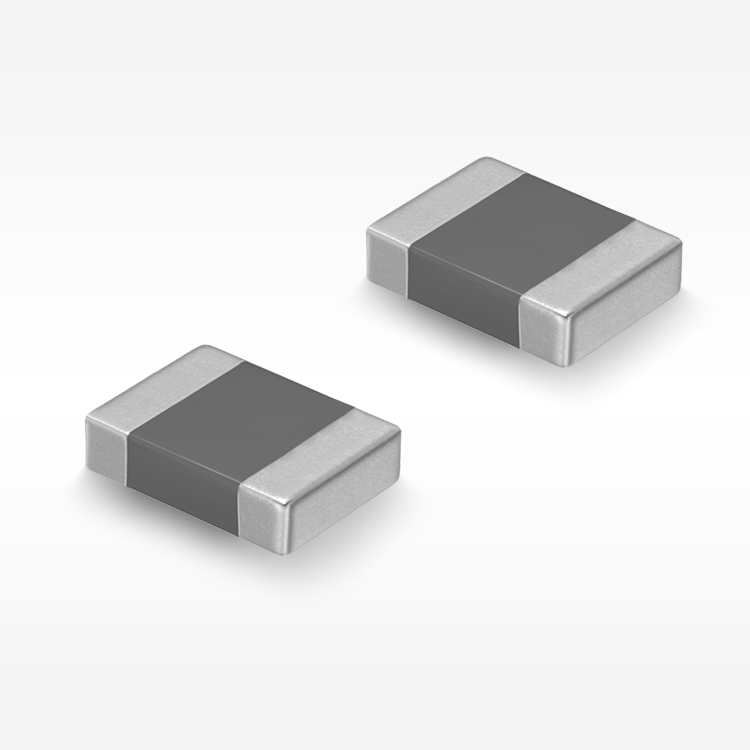
Effective thermal management within a molding power choke relies on multiple heat dissipation mechanisms that work together to maintain acceptable operating temperatures. The molded construction provides direct thermal contact between the magnetic core and external surfaces, creating efficient conduction paths for heat removal. This direct thermal coupling eliminates the thermal interfaces present in traditional bobbin-wound inductors, significantly improving overall thermal performance.
Convective cooling plays an important role in molding power choke thermal management, particularly in forced-air cooling applications. The smooth external surfaces of molded components promote laminar airflow patterns that maximize heat transfer coefficients. The absence of external wire connections and protruding elements reduces flow disruption, allowing cooling air to efficiently remove heat from critical component surfaces.
Radiative heat transfer becomes increasingly important at elevated operating temperatures, and molding power choke designs can be optimized to maximize this heat dissipation mechanism. Surface treatments and material selection can enhance emissivity characteristics, improving radiative cooling effectiveness. This becomes particularly valuable in applications where convective cooling may be limited by space constraints or environmental conditions.
Long-term Stability Factors
Long-term stability of molding power choke components depends on several factors that affect magnetic properties, mechanical integrity, and electrical performance over extended operating periods. The absence of discrete mechanical interfaces between windings and cores eliminates potential failure modes associated with thermal expansion mismatches. This integrated construction approach significantly enhances reliability compared to traditional inductor designs.
Material aging effects within molding power choke construction are minimized through careful selection of composite materials and binding agents that maintain stable properties over time. Accelerated aging tests demonstrate that properly designed molding power chokes exhibit minimal parameter drift even after thousands of hours at elevated temperatures. This stability ensures consistent circuit performance throughout the expected product lifetime.
Environmental resistance represents another advantage of molding power choke construction, particularly in harsh operating environments. The fully encapsulated design protects internal components from moisture, chemicals, and physical contamination that could degrade performance over time. This protection extends component life and reduces maintenance requirements in industrial and automotive applications where environmental exposure is unavoidable.
Integration Benefits in Power Modules
Space Optimization Strategies
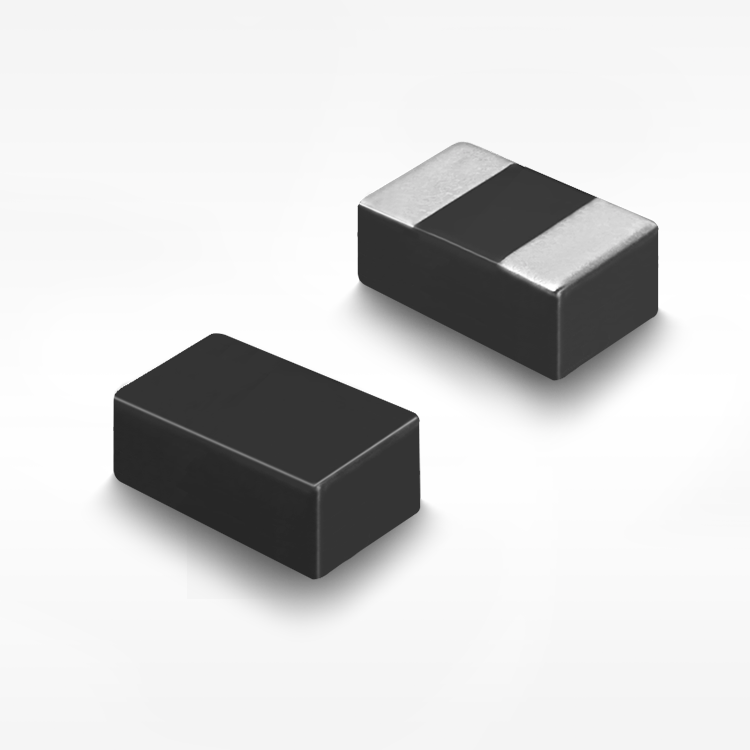
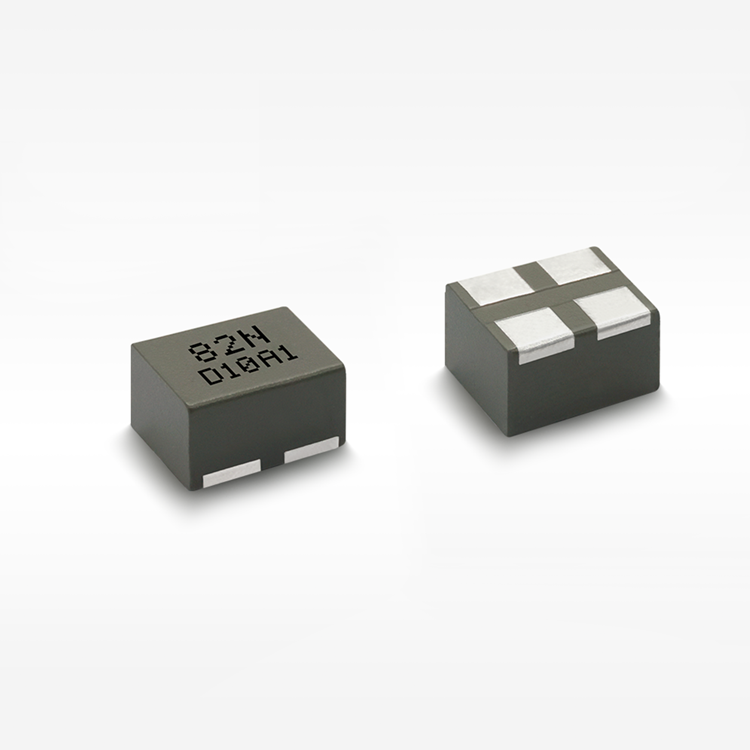
The compact form factor of molding power choke components enables significant space optimization in power module designs, allowing engineers to achieve higher power densities without compromising performance. The low-profile construction of molded inductors accommodates tight height restrictions common in modern electronic systems, while their standardized footprints simplify PCB layout and manufacturing processes.
Component placement flexibility represents a key advantage when integrating molding power choke elements into power module designs. The controlled electromagnetic field distribution minimizes coupling effects with adjacent components, allowing closer placement than would be possible with traditional inductors. This flexibility enables more efficient use of available PCB area and can reduce overall module size significantly.
Manufacturing process compatibility between molding power choke components and standard SMT assembly techniques streamlines production workflows and reduces assembly costs. The components can be placed and soldered using conventional pick-and-place equipment and reflow ovens, eliminating the need for specialized assembly processes. This compatibility reduces manufacturing complexity and improves production yields in high-volume applications.
System Performance Enhancement
The superior performance characteristics of molding power choke components directly translate to enhanced system-level performance in power module applications. Reduced core losses improve overall conversion efficiency, while enhanced current handling capabilities support higher power throughput in compact designs. These improvements allow system designers to meet increasingly demanding performance requirements while maintaining competitive cost structures.
Electromagnetic compatibility improvements achieved through molding power choke integration help power modules meet stringent EMI requirements without additional filtering components. The controlled magnetic field distribution reduces conducted and radiated emissions, simplifying compliance testing and reducing the need for external suppression components. This characteristic becomes particularly valuable in automotive and medical applications where EMI standards are extremely strict.
System reliability benefits from molding power choke integration extend beyond the inductor component itself to improve overall power module performance. The stable electrical characteristics and enhanced thermal management reduce stress on other power module components, potentially extending their operational life. This system-level reliability improvement translates to reduced warranty costs and enhanced customer satisfaction.
Application-Specific Considerations
Power Conversion Applications
Power conversion circuits represent one of the most demanding applications for molding power choke components, requiring exceptional performance across multiple operating parameters. DC-DC converter applications benefit significantly from the low parasitic inductance and capacitance of molded designs, which enable faster switching transitions and improved efficiency. The stable inductance characteristics across current and temperature ranges ensure consistent converter performance regardless of operating conditions.
Switching frequency considerations play a crucial role in selecting appropriate molding power choke components for power conversion applications. Higher switching frequencies allow smaller magnetic components but increase core losses, requiring careful optimization of core materials and geometries. Advanced molding power choke designs can operate efficiently at frequencies well above traditional limits, enabling more compact converter designs.
Ripple current handling represents another critical requirement in power conversion applications where molding power choke components excel. The soft saturation characteristics of composite core materials allow effective management of ripple currents without significant inductance degradation. This capability enables the use of smaller filter capacitors and reduces overall system size and cost while maintaining acceptable ripple specifications.
Energy Storage Systems
Energy storage applications place unique demands on molding power choke components, particularly regarding energy density and cycling performance. The high saturation current capabilities of molded inductors enable efficient energy storage and retrieval in boost converter topologies commonly used in battery management systems. The stable magnetic properties ensure consistent energy transfer efficiency throughout the charge and discharge cycles.
Bidirectional power flow requirements in energy storage systems demand molding power choke components that perform equally well in both charging and discharging modes. The symmetrical magnetic characteristics of composite core materials provide consistent performance regardless of current direction, simplifying system design and control algorithms. This bidirectional capability becomes particularly important in grid-tied energy storage applications where power flow direction changes frequently.
Cycle life considerations are paramount in energy storage applications where molding power choke components may experience millions of charge-discharge cycles over their operational lifetime. The mechanical integrity of molded construction eliminates fatigue mechanisms associated with thermal expansion stresses in traditional wire-wound inductors. This enhanced durability translates to longer service life and reduced maintenance requirements in energy storage systems.
FAQ
What makes a molding power choke more stable than traditional inductors in compact designs?
A molding power choke offers superior stability in compact designs primarily due to its advanced composite core materials and integrated construction. Unlike traditional ferrite-core inductors that experience significant parameter variations with temperature and current changes, molding power chokes maintain consistent inductance values across wide operating ranges. The distributed air gap in composite cores prevents magnetic saturation at high currents, while the molded construction eliminates mechanical interfaces that can cause parameter drift over time. Additionally, the controlled electromagnetic field distribution reduces coupling effects with nearby components, enabling closer placement and more stable operation in dense circuit layouts.
How does the thermal performance of molding power chokes compare to conventional inductors?
Molding power chokes demonstrate significantly superior thermal performance compared to conventional inductors through multiple mechanisms. The molded construction provides direct thermal contact between the core and external surfaces, eliminating thermal interfaces present in bobbin-wound designs. This direct coupling enables more efficient heat transfer to the PCB and surrounding environment. The composite core materials also exhibit better thermal conductivity than traditional ferrite cores, helping distribute heat more evenly throughout the component. Furthermore, the smooth external surfaces promote better convective cooling, while the integrated construction prevents hot spots that commonly develop in wire-wound inductors at high current levels.
What current handling advantages do molding power chokes provide in power modules?
Molding power chokes offer substantial current handling advantages that make them ideal for high-power density modules. The soft saturation characteristics of composite core materials allow gradual inductance reduction rather than sharp dropoffs, providing more predictable behavior at high currents. The optimized conductor placement within the molded structure minimizes current density hot spots and reduces I²R losses. Additionally, the superior thermal management enables sustained operation at higher current levels without excessive temperature rise. The low parasitic capacitance also improves dynamic response during current transients, maintaining stability during rapid load changes that are common in modern power modules.
Can molding power chokes reduce electromagnetic interference in compact power systems?
Yes, molding power chokes significantly reduce electromagnetic interference compared to traditional inductors through several mechanisms. The controlled magnetic flux distribution within the composite core minimizes leakage fields that can couple into adjacent circuits and components. The molded construction acts as a partial shield, containing electromagnetic fields more effectively than air-core or open ferrite designs. The reduced parasitic elements also minimize high-frequency resonances that can generate unwanted emissions. This EMI reduction capability allows for tighter component spacing and eliminates the need for additional shielding components, making molding power chokes particularly valuable in applications with strict electromagnetic compatibility requirements such as automotive electronics and medical devices.
Table of Contents
- Advanced Magnetic Core Technology
- Enhanced Current Handling Capabilities
- Thermal Management and Reliability
- Integration Benefits in Power Modules
- Application-Specific Considerations
-
FAQ
- What makes a molding power choke more stable than traditional inductors in compact designs?
- How does the thermal performance of molding power chokes compare to conventional inductors?
- What current handling advantages do molding power chokes provide in power modules?
- Can molding power chokes reduce electromagnetic interference in compact power systems?