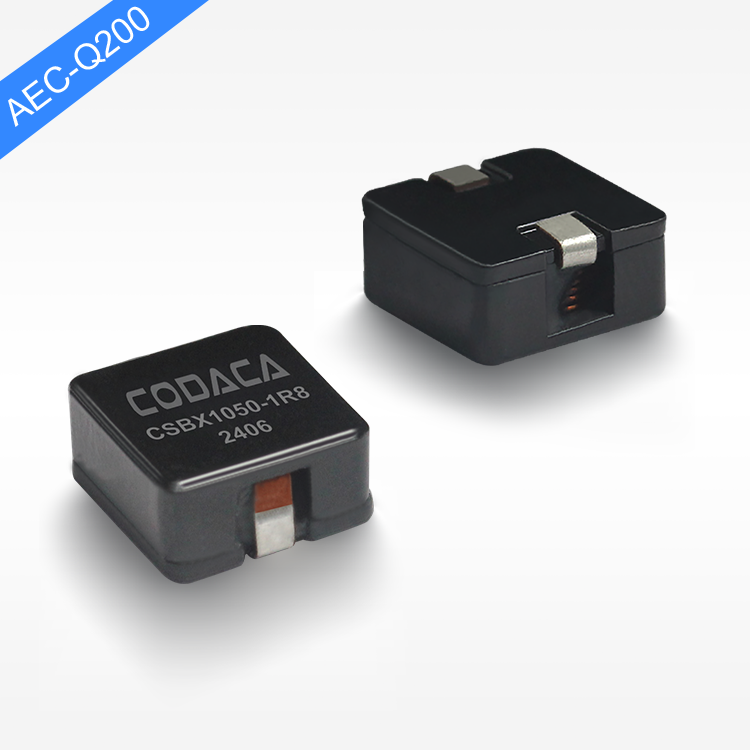
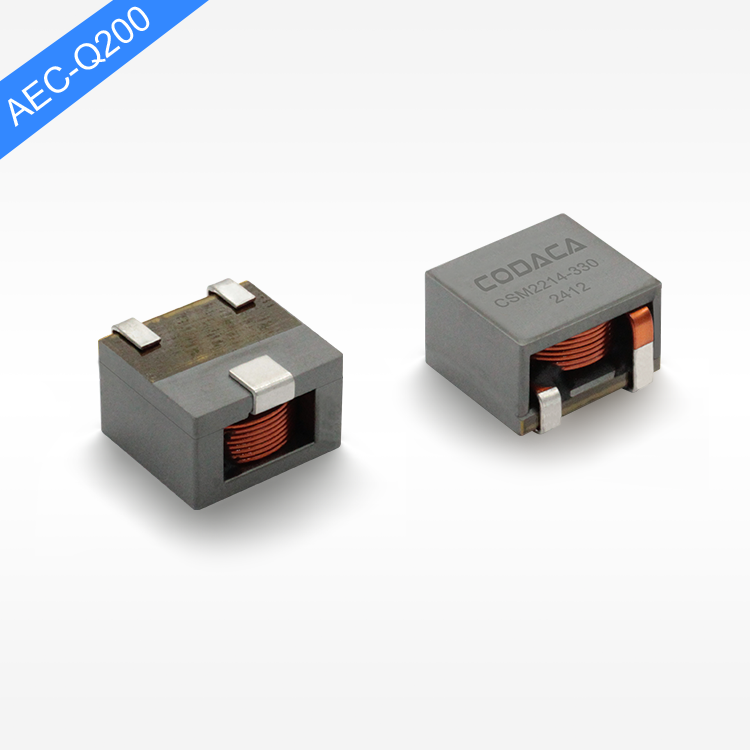
High Performance Flat Wire Molded Inductors - Superior Current Density & EMC Solutions

All Categories

Get a Free Quote

Our representative will contact you soon.
Email
Name
Company Name
Message
0/1000

flat wire molded inductor

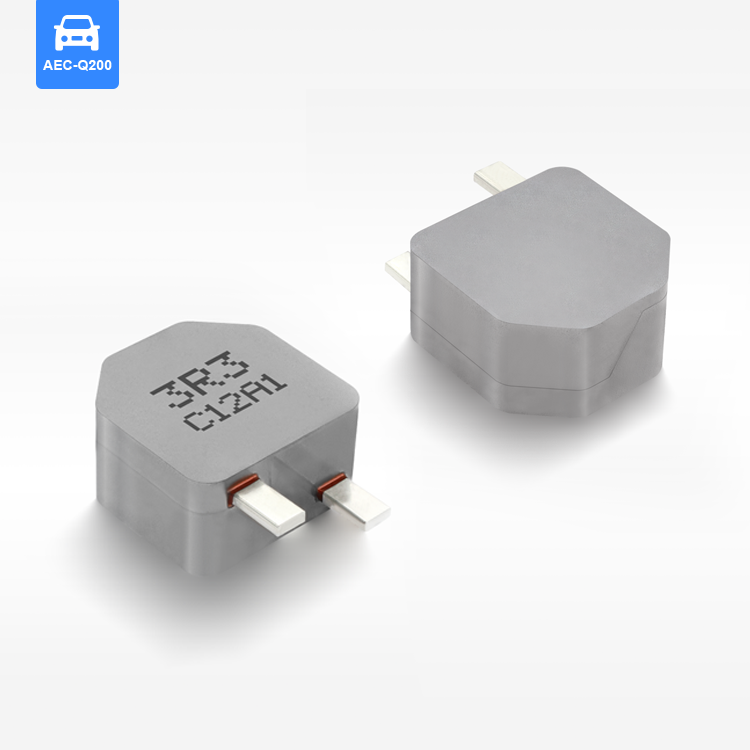
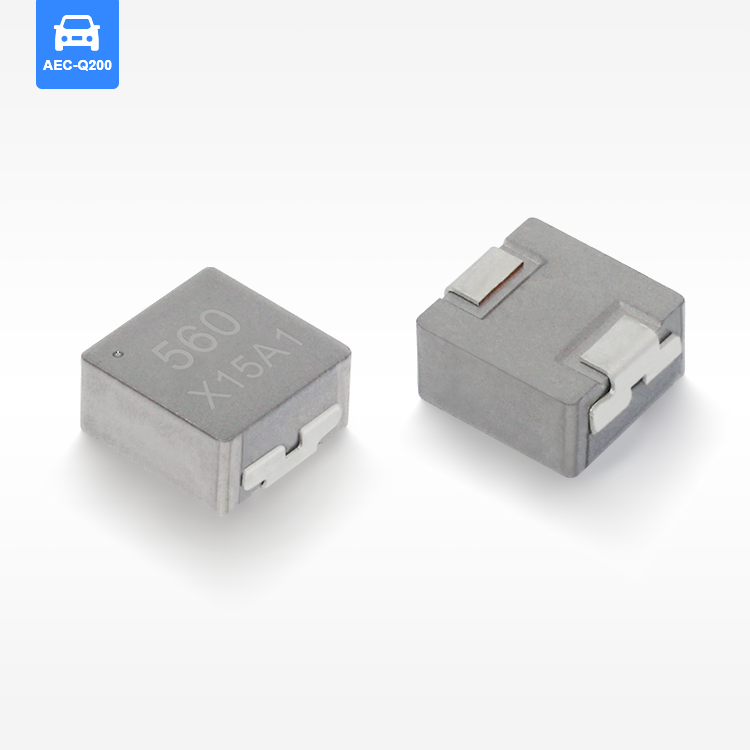
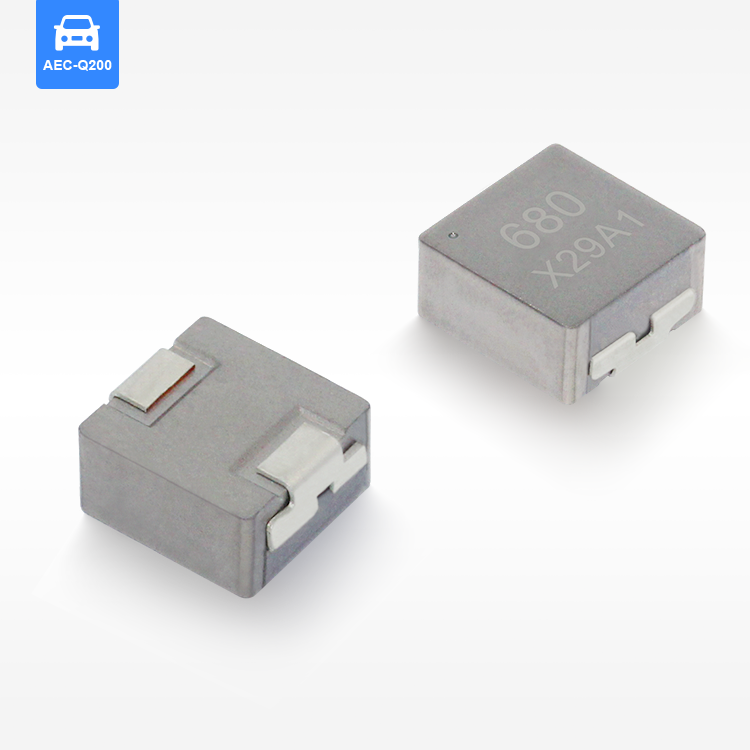
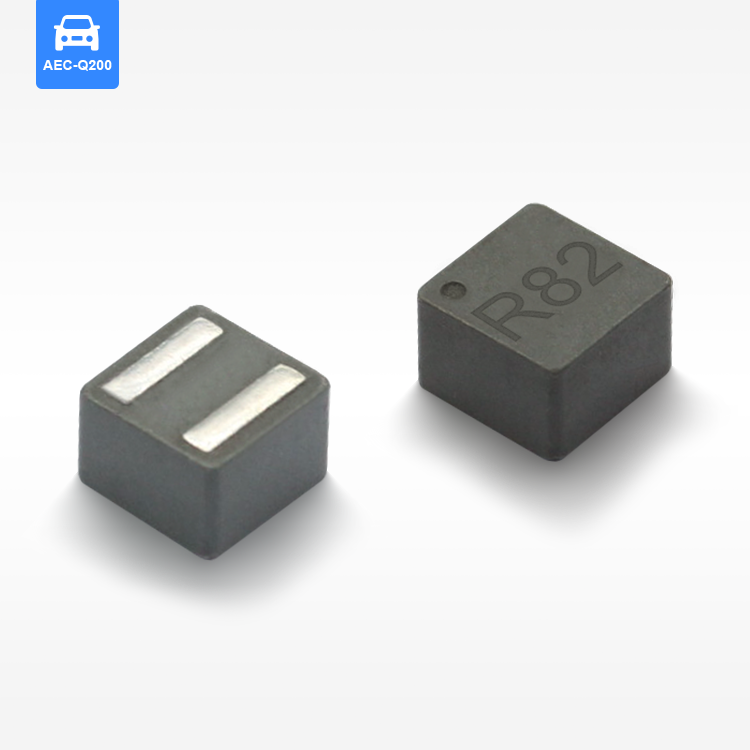
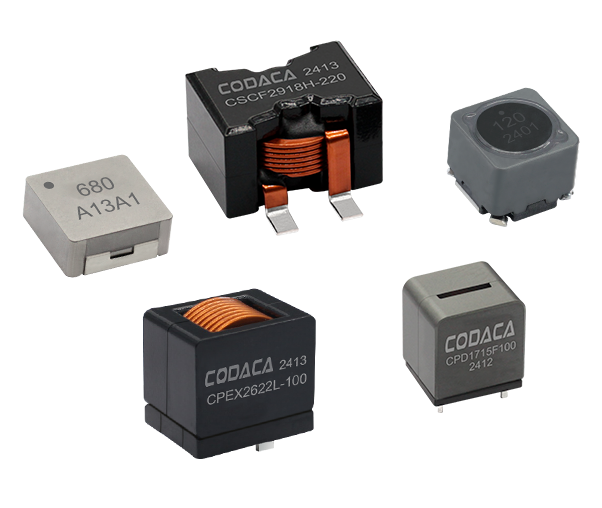
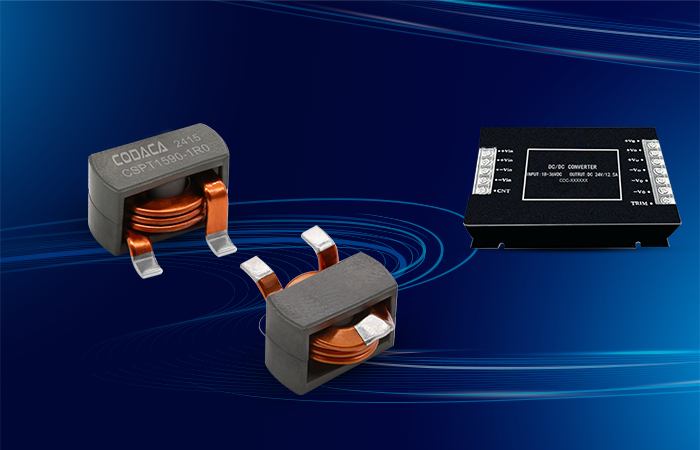
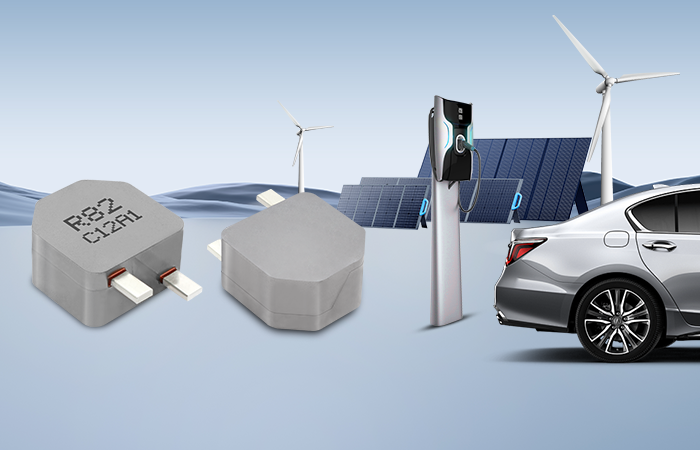
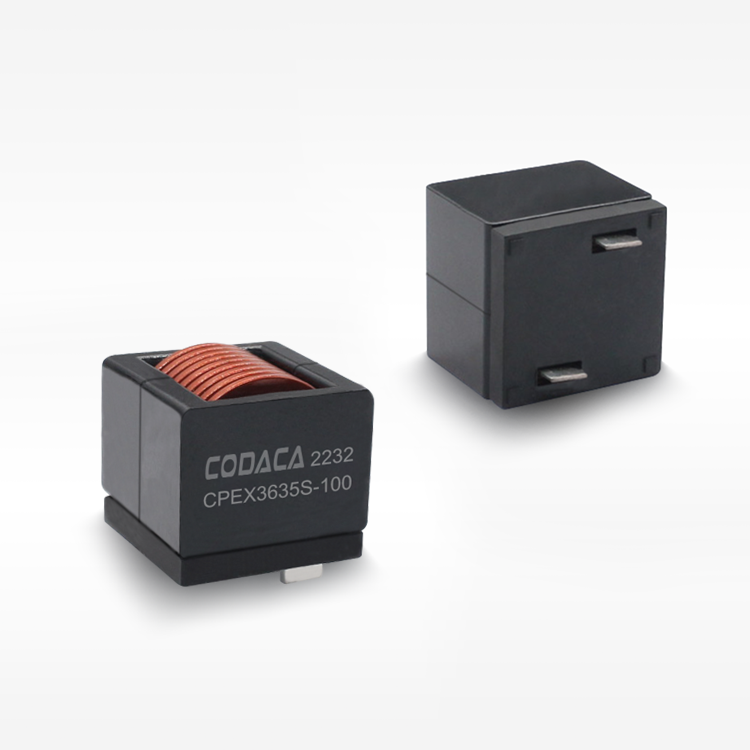
The flat wire molded inductor represents a revolutionary advancement in electronic component design, combining innovative materials and precision engineering to deliver exceptional performance in modern electronic applications. Unlike traditional round wire inductors, this component utilizes flat copper wire construction that maximizes conductor surface area while minimizing overall footprint. The flat wire molded inductor serves as a critical component in power management circuits, filtering applications, and energy storage systems across various industries. Its primary function involves storing magnetic energy when current flows through the winding, then releasing this energy to maintain circuit stability and reduce electromagnetic interference. The technological features of the flat wire molded inductor include superior current handling capabilities due to increased conductor cross-sectional area, enhanced thermal dissipation properties, and improved electromagnetic shielding characteristics. The molding process encapsulates the flat wire coil in high-grade ferrite or composite materials, providing excellent mechanical protection and environmental resistance. This construction method ensures consistent electrical properties while maintaining compact dimensions essential for space-constrained applications. The flat wire molded inductor finds extensive use in automotive electronics, telecommunications equipment, consumer electronics, and industrial automation systems. In automotive applications, these inductors support power conversion in electric vehicle charging systems, LED lighting circuits, and advanced driver assistance systems. Telecommunications infrastructure relies on flat wire molded inductors for signal conditioning, power supply filtering, and RF applications where high frequency performance is crucial. Consumer electronics benefit from the compact size and efficient operation of flat wire molded inductors in smartphones, tablets, and portable devices where battery life and thermal management are paramount considerations.

Popular Products

The flat wire molded inductor delivers significant performance advantages that directly translate to improved product reliability and cost effectiveness for manufacturers and end users. The increased surface area of flat wire construction enables superior current carrying capacity compared to conventional round wire designs, allowing engineers to achieve higher power density in smaller package sizes. This enhanced current handling capability reduces the need for parallel inductor configurations, simplifying circuit design while lowering component costs and board space requirements. The flat profile of the wire conductor promotes better heat dissipation by increasing thermal contact with the molding material, resulting in lower operating temperatures and extended component lifespan. Lower operating temperatures contribute to improved system reliability and reduced maintenance requirements, particularly important in mission-critical applications where component failure can result in significant downtime and repair costs. The molded construction of the flat wire inductor provides exceptional mechanical stability and environmental protection, withstanding vibration, shock, and temperature cycling that would damage conventional wire-wound inductors. This robust construction eliminates the need for additional protective enclosures or mounting hardware, reducing assembly time and material costs. The flat wire molded inductor exhibits superior electromagnetic compatibility characteristics due to its compact magnetic field profile and effective shielding provided by the molding material. This improved EMC performance reduces the need for additional filtering components and simplifies compliance with electromagnetic interference regulations. The manufacturing process for flat wire molded inductors enables tight tolerance control and consistent electrical parameters across production runs, ensuring predictable performance and reducing design margin requirements. The automated production techniques used for flat wire molded inductors result in cost-effective manufacturing at high volumes while maintaining consistent quality standards. The versatile design of flat wire molded inductors accommodates various mounting options including surface mount and through-hole configurations, providing flexibility for different circuit board layouts and assembly processes. These inductors maintain stable performance across wide temperature ranges and frequency spectrums, making them suitable for demanding applications in automotive, aerospace, and industrial environments where traditional inductors may fail to meet performance requirements.

Tips And Tricks

Industrial Power Inductors: The Key to Improving Power Conversion Efficiency

07

Apr

Industrial Power Inductors: The Key to Improving Power Conversion Efficiency

Power inductors play a vital role in modern power electronics. They store energy efficiently and release it when needed, ensuring smooth energy transfer. You rely on them to reduce energy losses in systems like DC-DC converters. This improves overall...
View More
Compact High Current Power Inductor: A Comparison of Materials and Designs

01

Apr

Compact High Current Power Inductor: A Comparison of Materials and Designs

Mn-Zn Ferrite: High Permeability and Frequency Response Mn-Zn ferrite is highly regarded in the field of inductors due to its high permeability, which facilitates an efficient magnetic flux path. This characteristic translates into improved inductan...
View More
Innovations in Automotive Grade Molding Power Choke Technology

31

Mar

Innovations in Automotive Grade Molding Power Choke Technology

Introduction The evolution of automotive power chokes is a testament to the significant advancements in vehicle performance enhancement. Historically, these components, often referred to as "inductors", have played a pivotal role in stabilizing elec...
View More
Molding Power Chokes: A Comprehensive Review of the Market

13

May

Molding Power Chokes: A Comprehensive Review of the Market

What Are Molding Power Chokes? Definition and Core Functionality Molding power chokes are inductive elements that control current flow within circuits. For the transport of electrical power, energy is advantageously stored in magnetic fields, w...
View More

Get a Free Quote

Our representative will contact you soon.
Email
Name
Company Name
Message
0/1000

flat wire molded inductor

Enhanced Current Density and Thermal Performance

Enhanced Current Density and Thermal Performance

The flat wire molded inductor achieves superior current density performance through its innovative flat conductor design that fundamentally changes how electrical current flows through the component. Traditional round wire inductors suffer from current crowding effects at high frequencies, where current concentrates near the wire surface due to skin effect phenomena. The flat wire construction in molded inductors significantly increases the conductor surface area to volume ratio, effectively distributing current more evenly and reducing resistive losses that generate unwanted heat. This improved current distribution translates directly to higher current handling capability within the same package footprint, enabling power supply designers to achieve greater power density in their circuits. The enhanced thermal performance of flat wire molded inductors stems from the intimate contact between the flat wire surface and the molding compound, creating multiple heat transfer pathways that efficiently conduct thermal energy away from the conductor. The molding material acts as both a heat sink and thermal interface, spreading heat across a larger surface area for improved convective cooling. This superior thermal management becomes increasingly important in high power applications where component temperature rise directly impacts efficiency and reliability. The combination of reduced resistive losses and improved heat dissipation allows flat wire molded inductors to operate at higher current levels while maintaining lower core temperatures compared to equivalent round wire designs. This thermal advantage extends component operating life and reduces the likelihood of catastrophic failure due to thermal stress. Engineers benefit from increased design flexibility when specifying flat wire molded inductors, as the superior thermal characteristics enable more aggressive circuit designs without compromising reliability margins. The consistent thermal performance across varying load conditions ensures stable inductor characteristics throughout the operating envelope, contributing to improved overall system performance and reduced need for thermal derating in critical applications.
Superior Electromagnetic Compatibility and Space Efficiency

Superior Electromagnetic Compatibility and Space Efficiency

The flat wire molded inductor provides exceptional electromagnetic compatibility advantages through its optimized magnetic field containment and reduced susceptibility to external interference sources. The molding process completely encapsulates the flat wire winding in ferrite or composite materials that effectively contain the magnetic flux within the component boundaries, minimizing electromagnetic radiation that could interfere with nearby sensitive circuits. This superior field containment characteristic becomes particularly valuable in high-density electronic assemblies where multiple inductors and switching circuits operate in close proximity. The flat profile of the conductor and the uniform molding thickness create a more controlled magnetic field pattern compared to traditional air-core or loosely wound inductors, resulting in predictable electromagnetic behavior that simplifies circuit analysis and reduces design iteration cycles. Space efficiency represents another critical advantage of flat wire molded inductors, as their compact form factor enables significant miniaturization of power management circuits without sacrificing electrical performance. The molded construction eliminates the need for separate core structures, bobbins, and external shielding components that add bulk and complexity to conventional inductor designs. This integration of multiple functions into a single molded component reduces overall component count, simplifies assembly processes, and improves manufacturing yield by eliminating potential mechanical joint failures. The standardized package formats available for flat wire molded inductors facilitate automated pick-and-place assembly operations while ensuring consistent component height profiles that accommodate various circuit board thickness requirements. Design engineers appreciate the flexibility offered by flat wire molded inductors in achieving optimal component placement on dense circuit boards where every square millimeter of real estate carries premium value. The predictable electromagnetic characteristics of flat wire molded inductors enable more accurate electromagnetic simulation during the design phase, reducing the need for extensive prototype testing and accelerating time-to-market for new product developments.
Manufacturing Precision and Long-Term Reliability

Manufacturing Precision and Long-Term Reliability

The manufacturing precision achievable with flat wire molded inductors represents a significant advancement over traditional inductor production methods, delivering consistent electrical parameters and mechanical specifications that enable predictable circuit performance across high-volume production runs. The automated winding processes used for flat wire construction ensure uniform conductor spacing, consistent turn counts, and precise dimensional control that directly translates to tight tolerance inductance values and quality factor specifications. This manufacturing precision eliminates the parameter variations commonly associated with hand-wound or semi-automated inductor production, reducing the need for component sorting and selection processes that add cost and complexity to supply chain management. The molding process itself provides additional quality advantages by creating a hermetically sealed environment that protects the conductor and core materials from moisture, contamination, and oxidation that can degrade electrical performance over time. Long-term reliability of flat wire molded inductors exceeds that of conventional designs due to the elimination of mechanical stress points commonly found in wire-wound components where leads exit the core structure. The monolithic molded construction distributes mechanical stresses uniformly throughout the component body, preventing crack initiation and propagation that could lead to electrical failures under thermal cycling or vibration conditions. The material selection for flat wire molded inductors emphasizes compatibility between the conductor, core materials, and molding compounds to minimize coefficient of thermal expansion mismatches that could generate internal stresses during temperature excursions. Quality assurance processes for flat wire molded inductors include comprehensive electrical testing, thermal cycling validation, and mechanical stress testing that ensures consistent performance throughout the specified operating envelope. The traceability systems implemented in flat wire molded inductor manufacturing enable complete documentation of material lots, process parameters, and test results that facilitate rapid issue resolution and continuous improvement initiatives. This manufacturing discipline results in highly reliable components that maintain stable electrical characteristics throughout extended operating periods, reducing warranty costs and customer service requirements for equipment manufacturers who specify these advanced inductors in their designs.