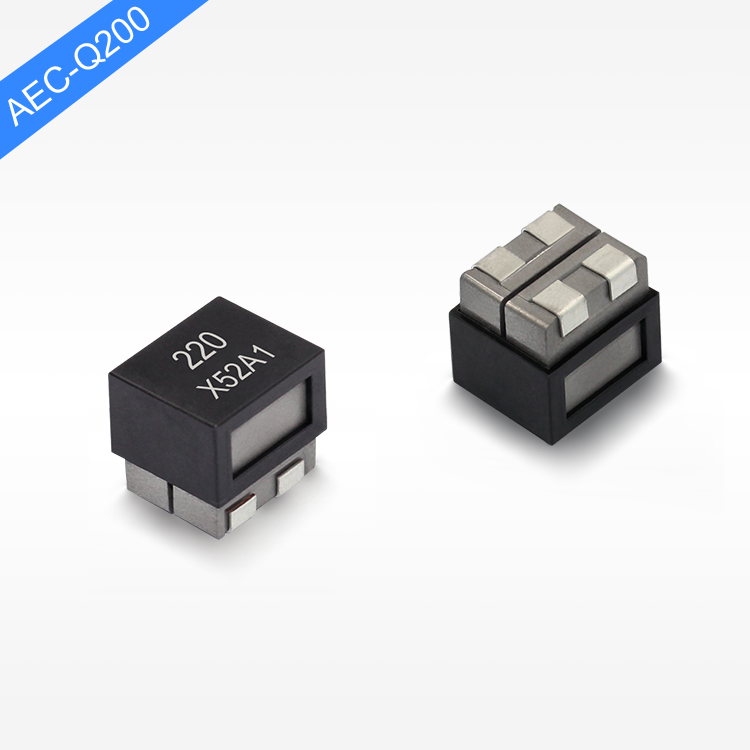
Class D Power Inductor Solutions: High-Efficiency Components for Modern Switching Applications

All Categories

Get a Free Quote

Our representative will contact you soon.
Email
Name
Company Name
Message
0/1000

class d power inductor

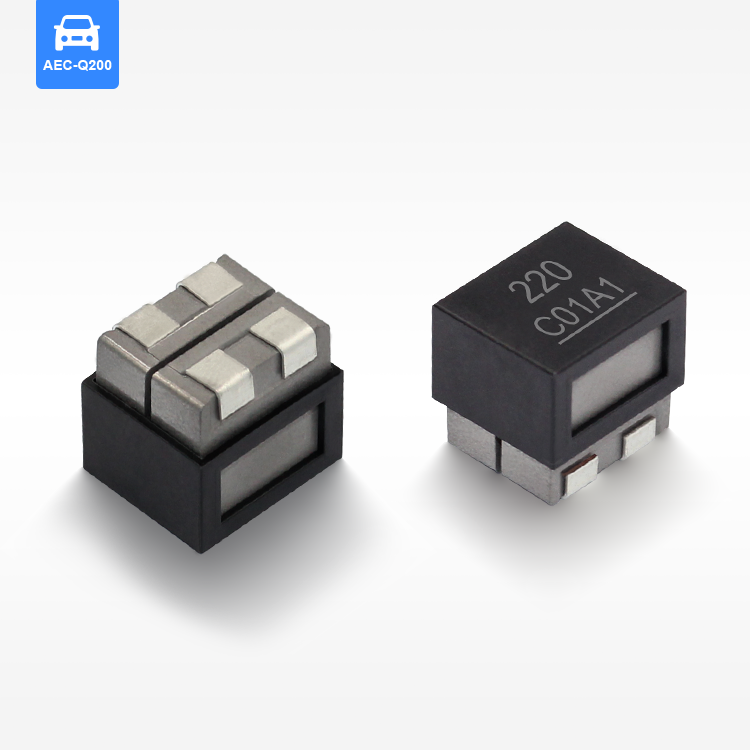
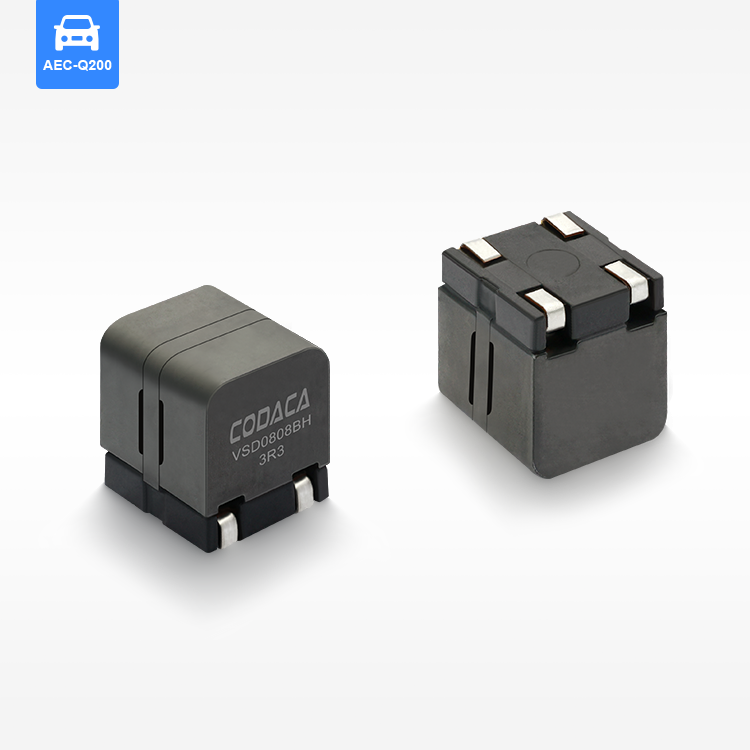
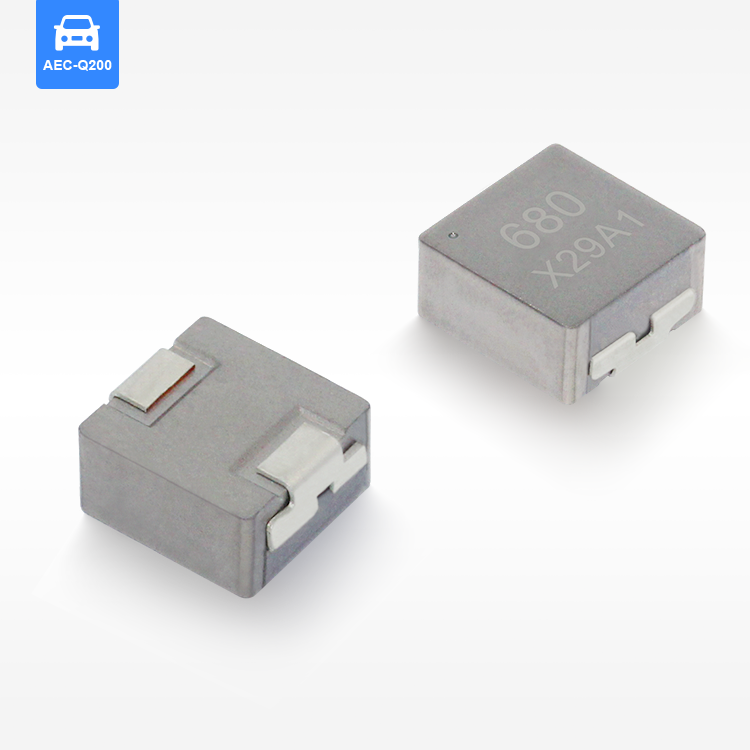
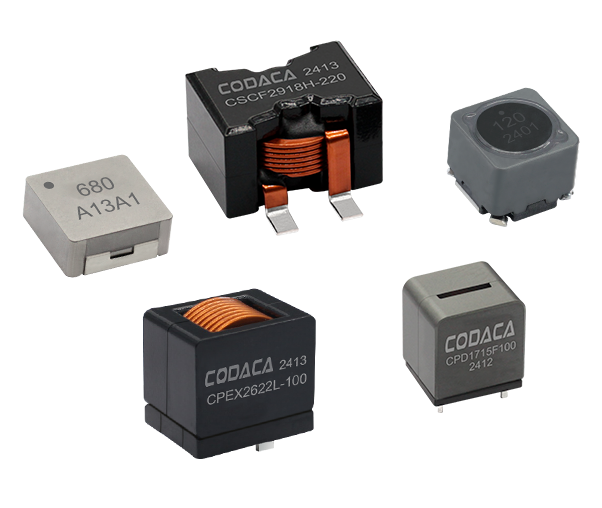
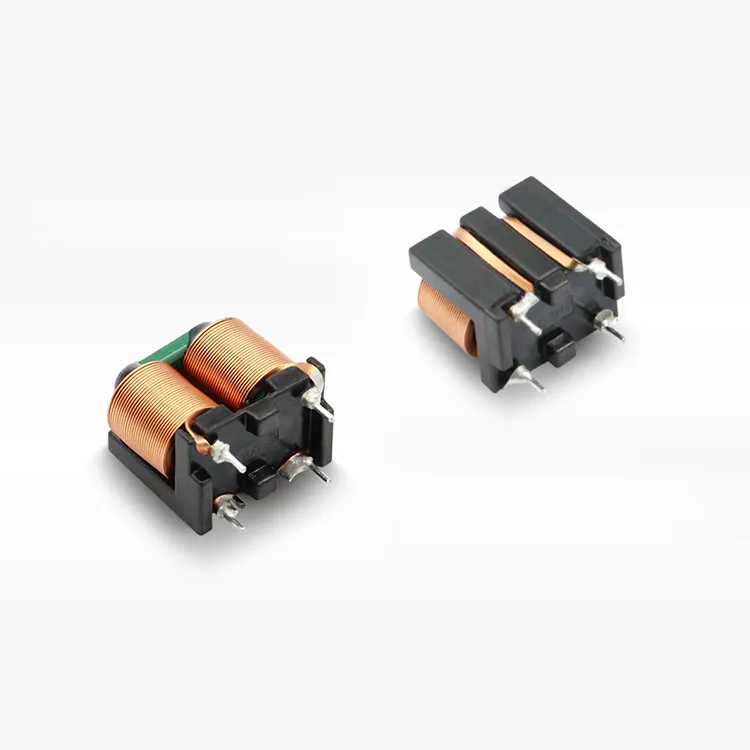
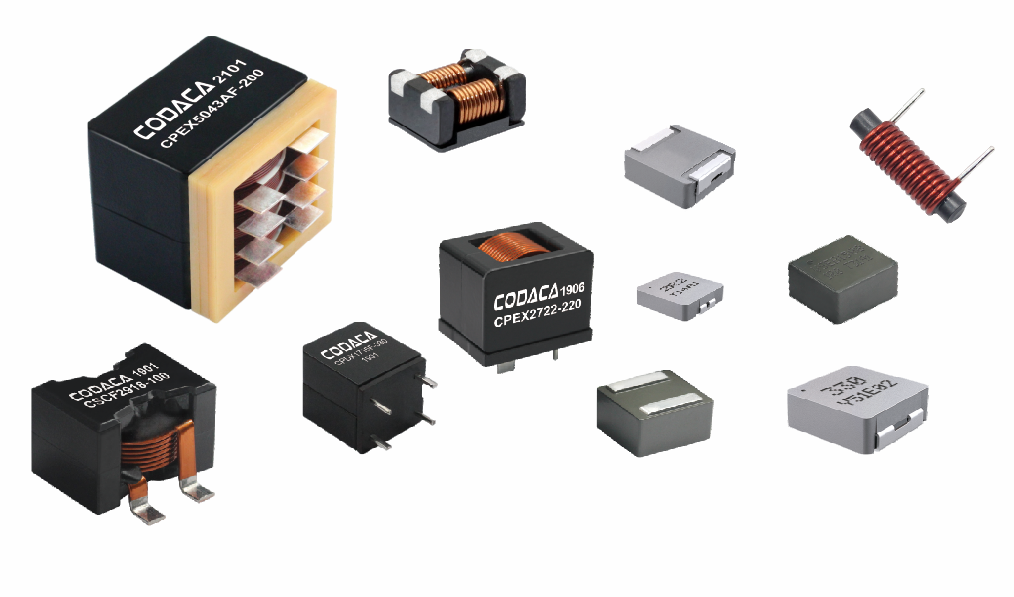
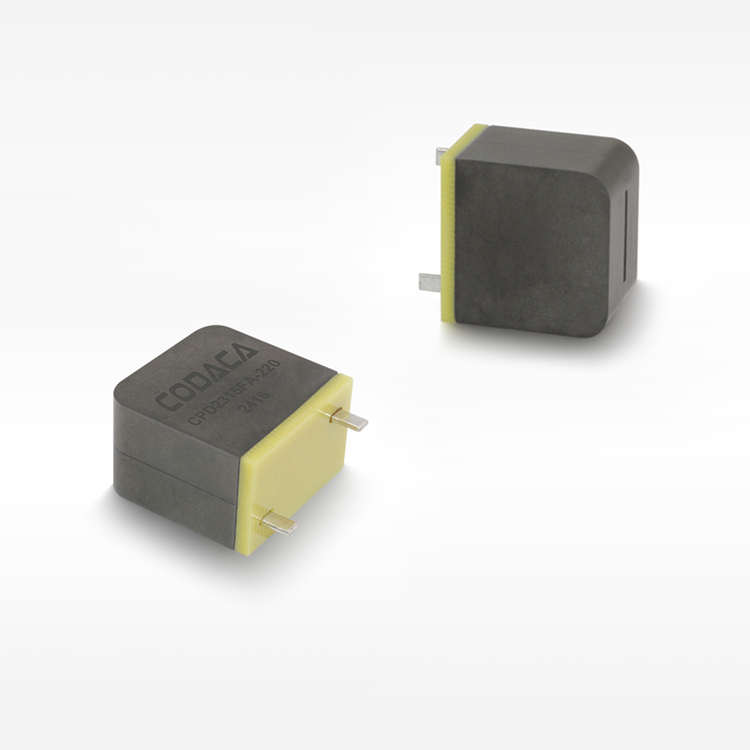
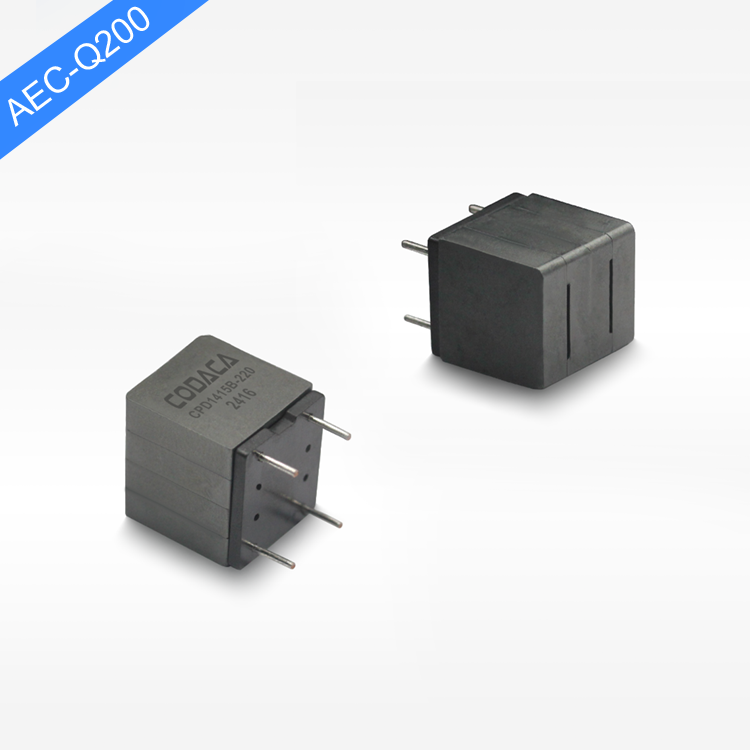
The class d power inductor represents a sophisticated passive electronic component specifically engineered to meet the demanding requirements of modern Class D amplifier circuits and switching power supply systems. These inductors serve as critical energy storage elements that manage current flow, reduce electromagnetic interference, and ensure stable power delivery in high-efficiency switching applications. The primary function of a class d power inductor involves smoothing current ripples generated by rapid switching operations, effectively filtering unwanted frequency components while maintaining optimal signal integrity. These components excel in environments where space constraints, thermal management, and electrical performance converge to create challenging design parameters. The technological foundation of class d power inductor designs incorporates advanced core materials, precision winding techniques, and optimized geometric configurations that maximize inductance values while minimizing parasitic effects. Modern manufacturing processes utilize ferrite cores, powdered iron materials, and specialized alloy compositions that deliver superior magnetic permeability and reduced core losses across wide frequency ranges. The class d power inductor typically operates within frequency ranges spanning from several kilohertz to hundreds of kilohertz, making them ideal for contemporary switching power supplies, audio amplifiers, and motor drive applications. These inductors demonstrate exceptional thermal stability, maintaining consistent electrical characteristics across temperature variations that would compromise conventional inductor designs. The compact form factors available in class d power inductor products enable designers to achieve higher power densities in increasingly miniaturized electronic systems. Quality class d power inductor components undergo rigorous testing procedures to ensure compliance with industry standards for electrical safety, electromagnetic compatibility, and long-term reliability under continuous operation conditions.

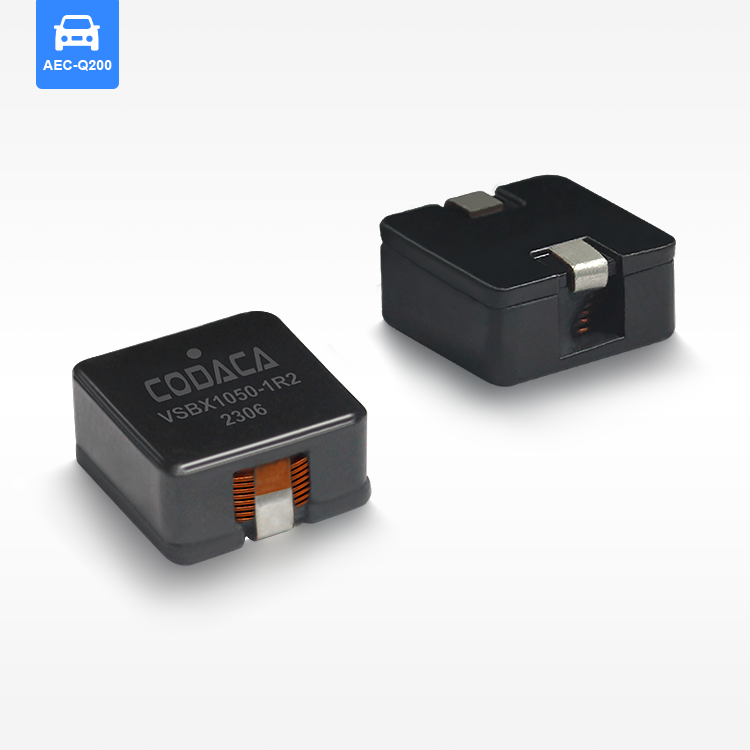
New Products

Class d power inductor technology delivers substantial benefits that directly translate into improved system performance and reduced operational costs for engineers and manufacturers. These components provide exceptional efficiency improvements by minimizing power losses during switching operations, which means less heat generation and extended battery life in portable applications. The superior current handling capabilities of class d power inductor designs allow for smaller overall system footprints while maintaining or exceeding performance specifications compared to traditional inductor technologies. Users experience significant cost savings through reduced cooling requirements, as the enhanced efficiency of class d power inductor components generates less waste heat that would otherwise require expensive thermal management solutions. The robust construction and high-quality materials used in class d power inductor manufacturing ensure extended operational lifespans, reducing maintenance costs and system downtime that can impact productivity and profitability. These inductors offer excellent electromagnetic interference suppression, which simplifies circuit board layout requirements and reduces the need for additional filtering components, streamlining the design process and lowering bill-of-materials costs. The wide operating frequency range of class d power inductor products provides design flexibility that allows engineers to optimize switching frequencies for specific applications without component limitations. Manufacturing processes have evolved to produce class d power inductor units with tight tolerance specifications, ensuring consistent performance across production batches and reducing the need for circuit adjustments during assembly. The temperature stability characteristics of modern class d power inductor designs eliminate performance drift issues commonly encountered with inferior components, providing predictable operation across environmental conditions. Quality class d power inductor components demonstrate superior resistance to mechanical stress and vibration, making them suitable for demanding applications in automotive, industrial, and aerospace environments where reliability is paramount. The standardized packaging options available for class d power inductor products facilitate automated assembly processes, reducing manufacturing costs and improving production throughput for high-volume applications.

Tips And Tricks

Industrial Power Inductors: The Key to Improving Power Conversion Efficiency

07

Apr

Industrial Power Inductors: The Key to Improving Power Conversion Efficiency

Power inductors play a vital role in modern power electronics. They store energy efficiently and release it when needed, ensuring smooth energy transfer. You rely on them to reduce energy losses in systems like DC-DC converters. This improves overall...
View More
Molding Power Chokes vs. Traditional Chokes: What's the Difference?

13

May

Molding Power Chokes vs. Traditional Chokes: What's the Difference?

Core Construction Differences Between Molding Power Chokes and Traditional Chokes Materials: Ferrite vs. Iron Core Composition The primary difference between molding power chokes and traditional chokes lies in the material composition of their cores...
View More
Molding Power Chokes: A Comprehensive Review of the Market

13

May

Molding Power Chokes: A Comprehensive Review of the Market

What Are Molding Power Chokes? Definition and Core Functionality Molding power chokes are inductive elements that control current flow within circuits. For the transport of electrical power, energy is advantageously stored in magnetic fields, w...
View More
How to Select the Right Inductor for Switching Power Supplies

26

May

How to Select the Right Inductor for Switching Power Supplies

An inductor is a common energy-storing passive component in circuits, playing roles such as filtering, boosting, and bucking in the design of switching power supplies. In the early stage of scheme design, engineers not only need to select appropriate...
View More

Get a Free Quote

Our representative will contact you soon.
Email
Name
Company Name
Message
0/1000

class d power inductor

Advanced Core Technology for Maximum Efficiency

Advanced Core Technology for Maximum Efficiency

The revolutionary core technology employed in class d power inductor designs represents a significant advancement in magnetic material science, delivering unprecedented efficiency levels that directly benefit end-user applications. These sophisticated cores utilize specially formulated ferrite materials and powder metallurgy techniques that create optimal magnetic flux paths while minimizing eddy current losses and hysteresis effects. The engineering behind class d power inductor core technology involves precise control of grain structure, porosity, and chemical composition to achieve superior magnetic permeability values across wide frequency ranges. This technological excellence translates into tangible benefits for customers, including reduced power consumption, lower operating temperatures, and extended system reliability. The advanced core materials used in class d power inductor construction maintain stable magnetic properties across temperature variations, ensuring consistent performance in demanding environmental conditions where conventional inductors would experience significant parameter drift. Manufacturing processes incorporate quality control measures that verify core material consistency, magnetic saturation levels, and thermal characteristics to guarantee that each class d power inductor meets stringent performance specifications. The result is a component that enables system designers to achieve higher switching frequencies without compromising efficiency, allowing for smaller filter capacitors and more compact power supply designs. Customers benefit from reduced electromagnetic interference emissions due to the superior magnetic shielding properties of these advanced core materials, simplifying compliance with regulatory standards and reducing design complexity. The longevity advantages of class d power inductor core technology manifest as extended operational lifespans under continuous high-frequency switching conditions, providing exceptional return on investment through reduced maintenance requirements and improved system uptime.
Precision Winding Technology for Optimal Performance

Precision Winding Technology for Optimal Performance

The precision winding technology integrated into class d power inductor manufacturing processes delivers exceptional electrical performance characteristics that surpass conventional inductor designs in multiple critical parameters. This advanced manufacturing approach utilizes computer-controlled winding equipment that ensures perfect conductor placement, uniform layer distribution, and optimal spacing between turns to minimize parasitic capacitance and resistance effects. The class d power inductor winding process incorporates specialized conductor materials, including high-purity copper and silver-plated options, that provide superior current carrying capacity and reduced resistive losses compared to standard winding techniques. These precision manufacturing methods enable class d power inductor products to achieve tighter inductance tolerances, typically within ±10% or better, ensuring predictable circuit behavior and simplified design verification processes. The controlled winding tension and layer insulation techniques used in class d power inductor production create components with exceptional mechanical stability and resistance to thermal cycling stress. Customers benefit from the reduced DC resistance values achieved through optimized conductor cross-sections and minimized conductor length, resulting in improved efficiency and reduced power dissipation in their applications. The precision winding approach enables class d power inductor designs to handle higher current densities without saturation, providing greater design flexibility and component consolidation opportunities. Quality assurance procedures verify winding integrity, insulation resistance, and thermal performance to ensure each class d power inductor meets demanding reliability standards. The manufacturing precision extends to terminal and mounting configurations, providing consistent mechanical interfaces that facilitate automated assembly processes and reduce production costs. Advanced winding techniques also contribute to improved frequency response characteristics, allowing class d power inductor components to maintain stable impedance values across wide frequency ranges essential for modern switching power supply applications.
Compact Design Excellence for Space-Critical Applications

Compact Design Excellence for Space-Critical Applications

The compact design philosophy driving class d power inductor development addresses the critical space constraints facing modern electronic system designers while delivering uncompromised electrical performance in miniaturized packages. Engineering teams have optimized every aspect of class d power inductor geometry, from core dimensions to terminal configurations, to maximize power density and minimize printed circuit board footprint requirements. These space-efficient designs incorporate advanced magnetic circuit modeling and finite element analysis to achieve optimal flux distribution within constrained physical dimensions, ensuring maximum inductance values per unit volume. The class d power inductor packaging innovations include low-profile surface mount configurations that accommodate tight height restrictions in slim portable devices, tablet computers, and compact industrial equipment. Thermal management considerations are integrated into the compact design approach, with optimized core shapes and terminal designs that facilitate efficient heat dissipation despite reduced component size. Customers benefit from the ability to design smaller, lighter products while maintaining or improving electrical performance specifications through the intelligent miniaturization of class d power inductor components. The mechanical robustness of compact class d power inductor designs ensures reliable operation under vibration and shock conditions commonly encountered in mobile applications and automotive environments. Manufacturing techniques enable consistent production of these miniaturized components with tight dimensional tolerances, ensuring reliable automated assembly processes and predictable mechanical interfaces. The standardized footprints available in compact class d power inductor series facilitate component substitution and design scalability across product families, reducing development time and inventory complexity. Advanced packaging technologies protect the internal magnetic and conductive elements from environmental contamination while maintaining the compact external dimensions essential for space-critical applications. Quality testing procedures verify mechanical integrity, thermal performance, and electrical characteristics of compact class d power inductor designs to ensure long-term reliability in demanding operating conditions.